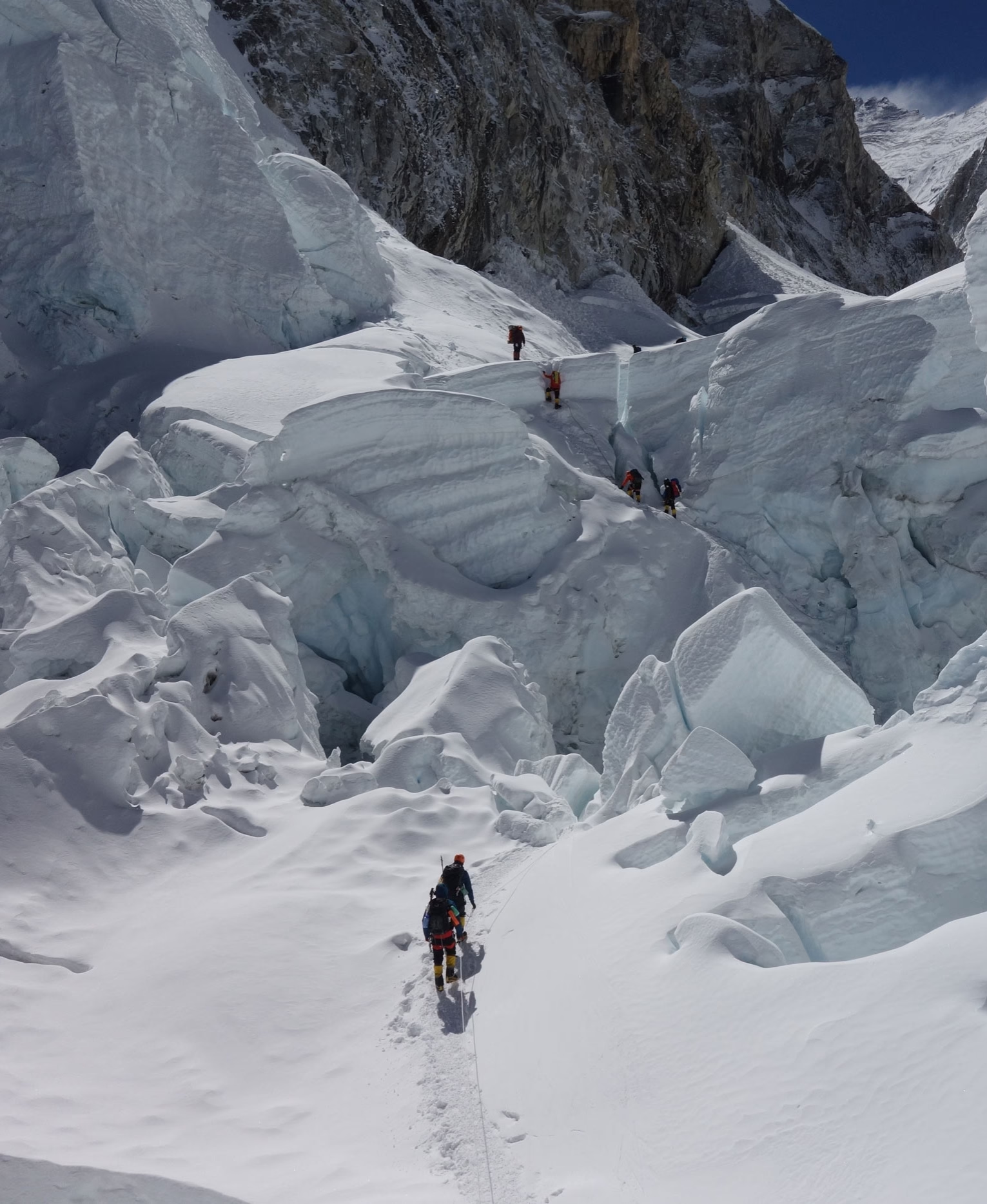
What is the best time to do the Mount Ama Dablam Expedition?
Planning to climb Ama Dablam? Understanding the best time, weather patterns, and climbing windows can make or break your expedition. In this guide, I’ll Walk you through each month, combining practical details with my personal experience from climbing Ama Dablam in 2026.
.avif&w=96&q=75)
Table of Contents13
The Two Best Seasons for the Ama Dablam Expedition
There are two seasons which is considered as the best seasons for Ama Dablam expedition which are the Spring (March – May) and Autumn (September to October). If you are not summiting the Ama Dablam peak at this time means you are facing either brutal monsoon rains or lethal winter cold.
Autumn Season (September to November) — The Prime Window
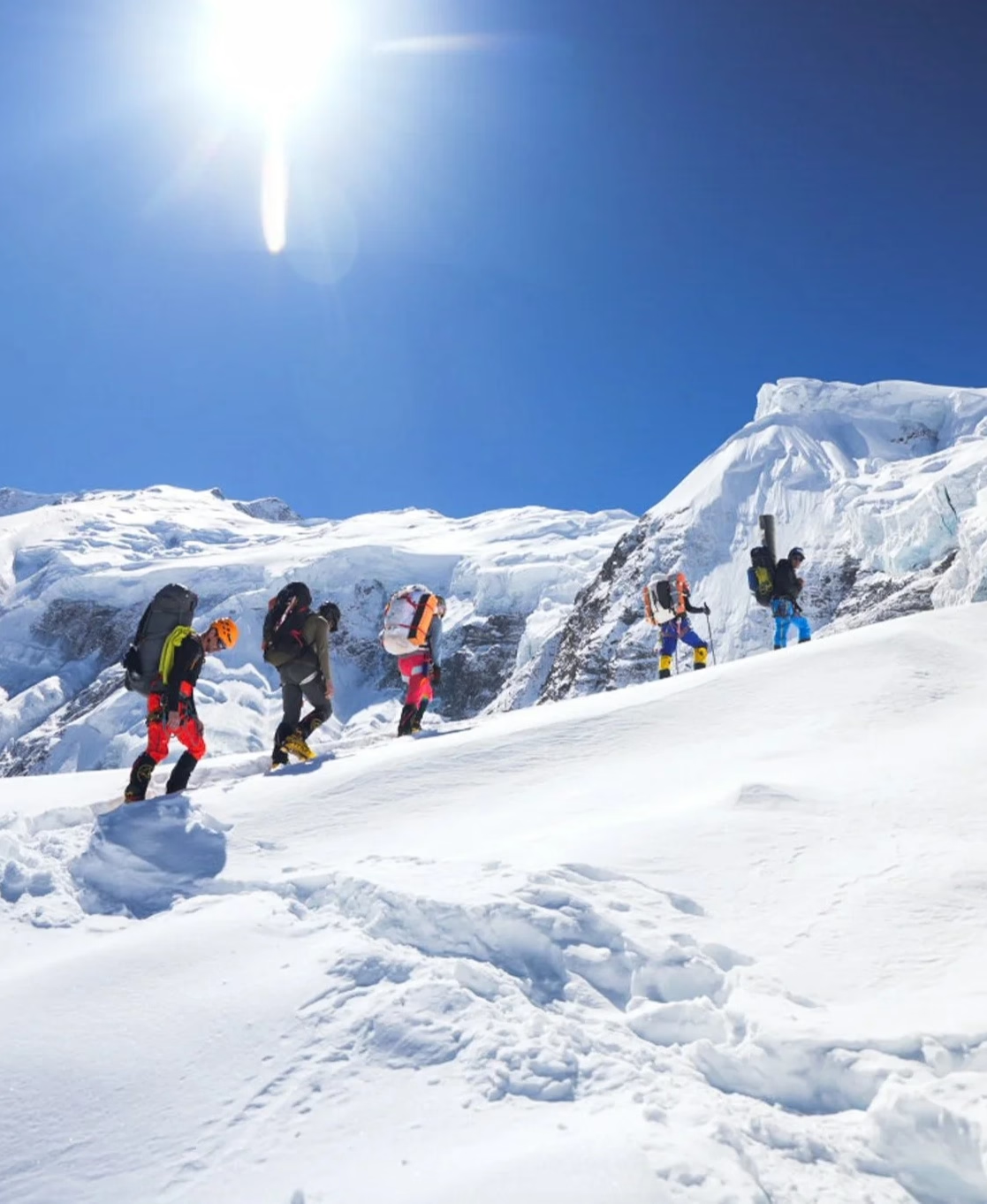
Autumn season which lies inside the month of the September to November is considered as the prime window for climbing Mount Ama Dablam. During this time monsoon clears in mid-September, the skies over the Khumbu open up dramatically.
Visibility stretches for hundreds of kilometers, temperatures at altitude are cold but manageable, and crucially the jet stream winds that batter the upper mountain during winter are still absent.
October stands out as the single finest month. Days are long, dry, and sunny. Temperatures at base camp hover between −5°C and 10°C, while higher camps see cold but survivable nights.
Most commercial expeditions target October summit bids for good reason: the success rates are higher, the weather windows more frequent, and the conditions on the technical sections of the Southwest Ridge are at their most stable.
November remains viable but brings a notable drop in temperature and increasing risk of early winter snowfall, which can ice over the technical rock sections and make retreat more difficult. Plan to be off the mountain by mid-November at the latest.
Spring Season (March to May) — The Second-Best Option
Spring Season which lies in the month of the March to May is considered as the second-best option to climb Mount Ama Dablam. As winter loosens its grip, temperatures begin to rise and the mountain sheds its winter ice coat.
Climbers who go in April or early May often find excellent conditions on the lower and mid-sections of the route.
However, spring comes with caveats. The pre-monsoon period can deliver unsettled weather systems from the Bay of Bengal, creating periods of heavy snowfall and strong winds. Weather windows tend to be shorter and harder to predict than in autumn. Summit attempts require more patience and flexibility in your itinerary.
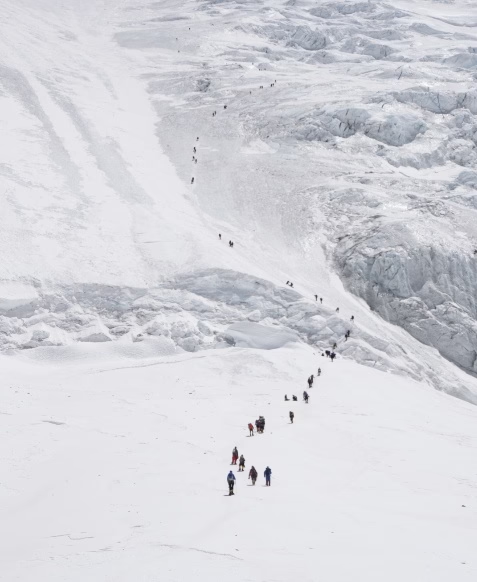
That said, spring offers one major advantage: fewer climbers. While autumn sees the mountain busy with teams from around the world, a spring expedition can feel significantly more solitary a real draw for experienced climbers who prefer a quieter experience.
Monsoon and Winter Seasons to Avoid
If you are planning your Ama Dablam peak climbing in Monson and winter, I would suggest avoid it completely as the summer monsoon brings relentless rain, snowfall at altitude, and near-zero visibility. Avalanche risk skyrockets.
Rock sections become dangerously wet and icy. No serious expedition targets Ama Dablam in monsoon season, and permits are rarely sought for this window. Stay away entirely.
Also, if you are planning to do on the Winter then also you will need to avoid it as Winter on Ama Dablam is brutally unforgiving. Temperatures drop to −30°C or below on the upper mountain. Ferocious jet stream winds make sustained climbing nearly impossible.
Frostbite risk is extreme, and rescue operations in these conditions are severely compromised. Only the most elite and experienced expeditions even consider winter attempts and they rarely succeed.
Month-by-Month Breakdown at a Glance for Ama Dablam Peak Expedition
You can see the table below for the quick glance which shows the monthly break down for Ama Dablam Peak expedition:
Month | Season | Base Camp Temp | Wind (Upper) | Visibility | Rating |
|---|---|---|---|---|---|
January | Winter | −15°C to −5°C | 80–120 km/h | Good but irrelevant | ❌ Avoid |
February | Winter | −12°C to −3°C | 70–100 km/h | Good but irrelevant | ❌ Avoid |
March | Pre-spring | −5°C to +5°C | 50–80 km/h | Moderate | ⚠️ Poor |
April | Spring | +2°C to +12°C | 30–60 km/h | 60–100 km | 👍 Good |
May | Spring | +5°C to +15°C | 25–55 km/h | 40–80 km | 👍 Good |
June | Monsoon | +8°C to +18°C | Variable/Stormy | Under 5 km | ❌ Avoid |
July | Monsoon | +10°C to +18°C | Stormy | Near zero | ❌ Avoid |
August | Monsoon | +10°C to +17°C | Stormy | Near zero | ❌ Avoid |
September | Post-monsoon | +2°C to +12°C | 20–40 km/h | 80–120 km | 👍 Good |
October | Autumn | −5°C to +10°C | 20–40 km/h | 100–150+ km | ⭐ Best |
November | Autumn | −10°C to +5°C | 30–60 km/h | 80–120 km | 👍 Good |
December | Winter onset | −15°C to −2°C | 60–100 km/h | Good but dangerous | ❌ Avoid |
Tips to Plan Your Ama Dablam Expedition?
Well, if you have decided when you will climb the Ama Dablam. I have personal tips to plan your peak climbing journey smoother safe and secure which are:
Book permits early
The Nepal Mountaineering Association issues a limited number of permits for Ama Dablam. Autumn permits especially sell out months in advance apply at least 6 months before your intended season.
Allow proper acclimatization time
Plan at least 10–14 days of trek and acclimatization before your first attempt at altitude. Rushing acclimatization on a technical peak is dangerous.
Hire experienced Sherpa guides
Ama Dablam's Southwest Ridge involves technical mixed climbing at altitude. Even very experienced mountaineers benefit enormously from local Sherpa expertise on route-finding and weather reading.
Train for technical climbing, not just altitude
Many Himalayan peaks primarily demand endurance. Ama Dablam also demands rock and ice technique. Train on alpine routes at home for at least 12 months before attempting it.
Build in weather buffer days
Even in prime autumn season, storms can pin teams at camps for several days. A successful expedition needs a flexible timeline budget 5–7 extra days beyond your planned summit window.
Get comprehensive expedition insurance
High-altitude helicopter rescue from Ama Dablam is extremely expensive. Ensure your policy covers rescue above 6,000 meters explicitly before departing.
When Should You Go for Ama Dablam?
If you can only go once, go in October. The skies are impossibly clear, the mountain is in its finest condition, and the Khumbu is at its most magical. If October is not possible, late April is your next best bet. Whatever you do respect the mountain, respect the weather, and give yourself time. Ama Dablam will reward the patient and the prepared.
Still unsure? Don’t worry! Reach out to us on WhatsApp or email at: info@summit8000.com and our experienced Sherpa team will help you plan your perfect Nepal adventure.
Climbing Ama Dablam requires a clear understanding of the right season, weather patterns, and summit windows, as timing can ultimately determine your success on this iconic peak. In this guide, I’ll break down the best months to climb, combining practical insights with my own firsthand experience from a recent expedition.
Continue reading
Ready to see it for yourself?
Tell us your dates, experience and goals. Our Sherpa-led team will shape the route, permits and logistics around you.
Prefer to chat?
WhatsApp usSummit 8000