Summit8000Summit8000
Mount Ama Dablam Expedition

Mount Ama Dablam Expedition

Destination
Nepal
Duration
24 Days
Trip Difficulty
Challenging
Accommodation
Tea House and Tent
Meals
B, L, & D
Max. Elevation
6812m
Group Size
15
Best Time
Sept - Nov & March - May

Trip overview

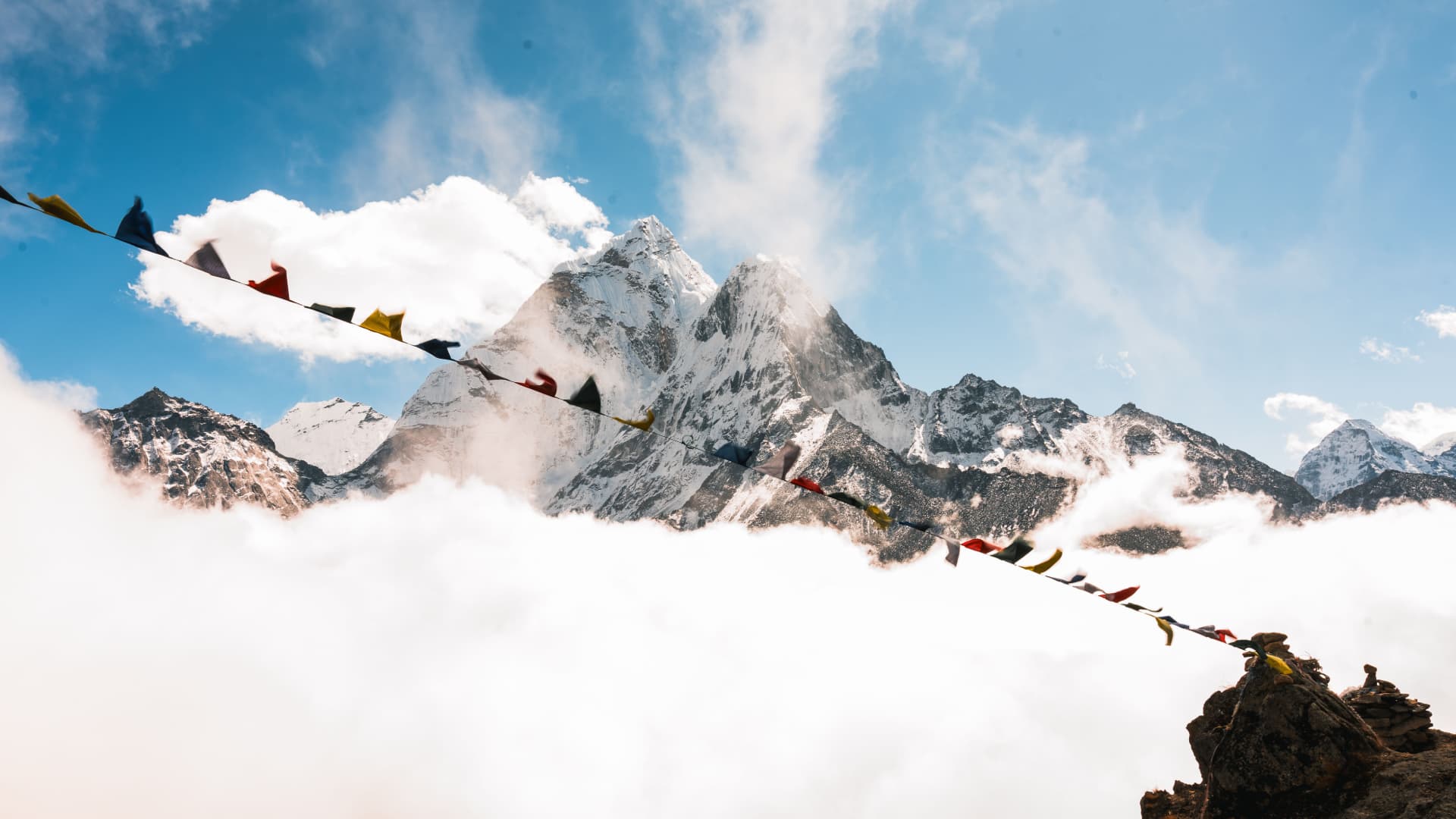
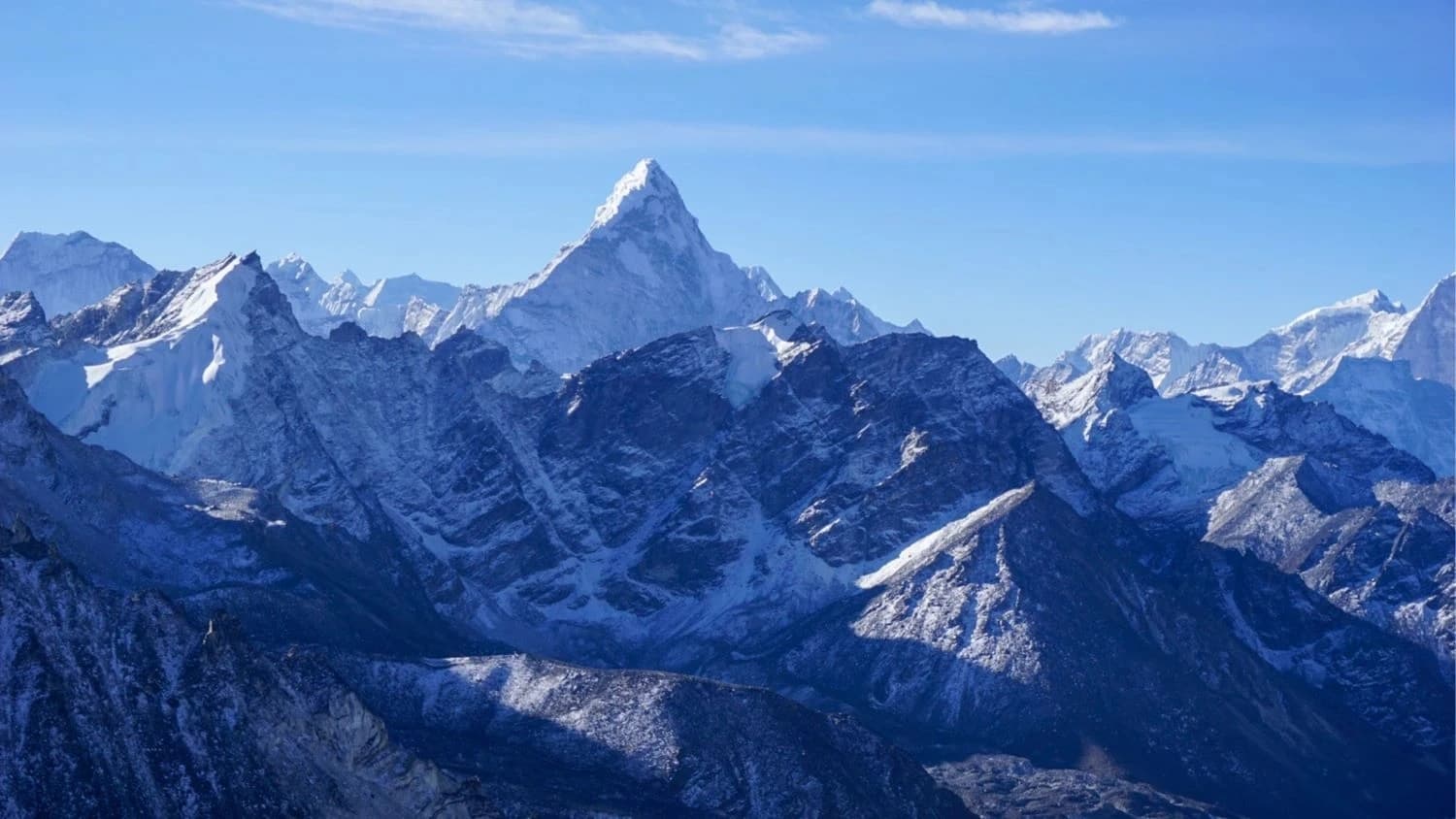
Ama Dablam Expedition is one of the technical and visually stunning climbs in Nepal, standing at 6,812 meters in the heart of the Khumbu region. Known as the “Matterhorn of the Himalayas,” this peak offers a challenging alpine climb combining rock, ice, and exposed ridge sections.

Unlike trekking peaks, Ama Dablam demands prior mountaineering experience, making it an ideal choice for climbers preparing for 7000m and 8000m expeditions. With its iconic Southwest Ridge route, breathtaking views of Everest, Lhotse, and Nuptse, and a high success rate among guided expeditions, it remains one of the most sought-after climbs in the Himalayas.

Our 24-day expeditions are especially designed for you if you want to experience the true raw beauty of the mountains without climbing and risky Mount Everest expeditions or any other peaks above 8000 meters.

If you want to have the technical climbing experience which requires the technical climb then this expedition is for you. You will navigate through the rock, snow, and ice sections alongside enjoying the beautiful views of the Everest, Lhotse, Nuptse, and the Cho Oyu.

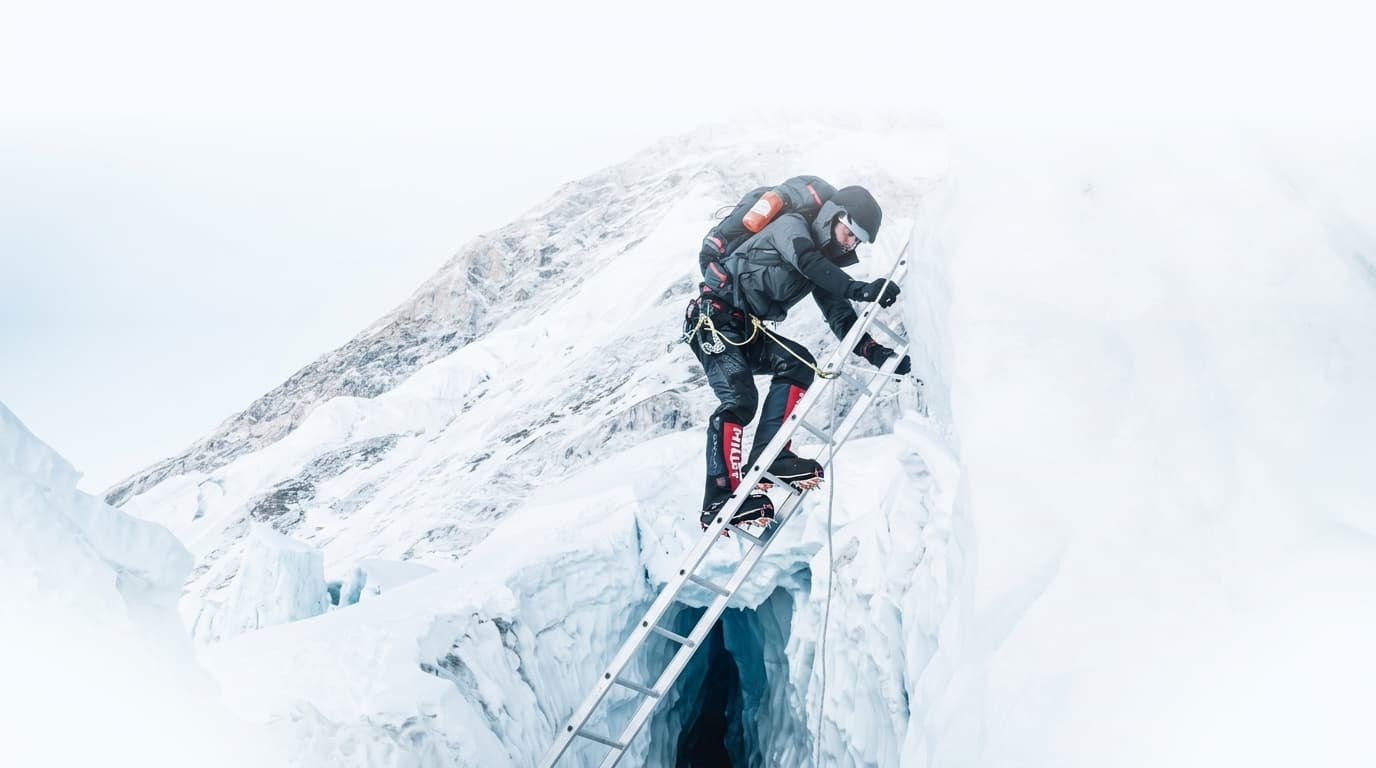
If you are technical in mountaineering, then this climb will teach you everything that you may require to climb the high peaks. You will learn to use the ropes, crampons, and ice axes, and walk on the glaciers.

Key facts about Ama Dablam Peak

Feature

Details

Elevation

6,812 m / 22,349 ft

Location

Everest Region (Khumbu), Nepal

Mountain Range

Himalayas

First Ascent

1961

First Climbers

Mike Gill, Barry Bishop, Mike Ward, Wally Romanes

Meaning of Name

“Mother’s Necklace” (Sherpa/Tibetan origin)

Difficulty Level

Technical Alpine Climb

Popular Route

Southwest Ridge

Best Climbing Seasons

Spring (Apr–May) & Autumn (Oct–Nov)

Permit Authority

Nepal Mountaineering Association

Nearby Peaks

Mount Everest, Lhotse

Nickname

“Matterhorn of the Himalayas”

Why Shall I choose Ama Dablam Nepal for Expeditions?

Choosing Ama Dablam Nepal for climbing is your decision that combines adventure, challenge, incredible scenery with iconic and stunning peak. Ama Dablam is located at an altitude of 6,812 meters (22,349 ft) which is often called as the Matterhorn of the Himalayas by the trekkers and climbers. As the mountain is sharp and elegant in shape.

The climbing is demanding but Achievable. Its perfect for you if you want to test your technical mountaineering skills or want to learn.

The summit takes part inside the Khumbu region which home to the sherpa community.  So, this walk will also give you an opportunity to experience the Himalayan sherpa culture, traditional villages, traditional and local foods.

While walking you will feel the true deep sense of accomplishment. Unlike any other trekking peaks you will need to have a proper planning, skill, perseverance and the mindset. The peak is also the training expeditions for the above 8000 meters peaks due to the exposure of high attitude conditions, technical climbing, glaciers navigations, use of crampons, ropes and the axes.

The Peak That Defied the World's Greatest Mountaineer

In 1959, Sir Edmund Hillary the first man to summit Everest looked at Ama Dablam and called it unclimbable. For two years the mountain stood untouched, sharp and defiant against the Khumbu sky.

Then on March 13, 1961, four scientists not professional mountaineers reached the summit and quietly rewrote what was possible in the Himalayas. Barry Bishop, Mike Gill, Wally Romanes, and Mike Ward proved that with the right preparation, the right team, and the right mindset, Ama Dablam could be climbed.

It has been climbed thousands of times since. The same Southwest Ridge. The same Yellow Tower. The same narrow summit ridge with the same breathtaking drop on either side.

The mountain that Edmund Hillary called impossible is waiting. The only question is whether you are ready.

Why Shall I Choose Summit 8000?

Summit 8000 is a Sherpa-owned expedition company based in Kathmandu with over a decade of guided climbs in the Khumbu region. Every expedition we run on Ama Dablam is led by Sherpas who have personally summited the peak multiple times and know the Southwest Ridge in every season and weather condition.

We handle everything from permit applications and logistics to acclimatization scheduling and emergency support so that you arrive focused entirely on your climb. Our team does not use a one-size-fits-all approach. Your itinerary, your rotation schedule, and your summit day timing are all adjusted to your fitness level and the live weather conditions on the mountain.

What sets us apart is not just the logistics. Our Sherpa guides genuinely care whether you summit safely. They will tell you honestly when to push and when to turn back. That honesty is why many of our clients who do not summit on their first attempt come back the following season and succeed with us.

Ama Dablam Summit Success Rate

Ama Dablam has an overall industry summit success rate of approximately 60–70%, which is considered high for a technical Himalayan peak of its difficulty. However, at Summit 8000, our guided success rate exceeds the industry average due to our structured acclimatization rotations, an experienced Sherpa team, and informed weather window decisions.

The most common reasons climbers do not summit Ama Dablam are:

  • Poor acclimatization, rushing the rotation schedule between camps.

  • Unstable weather windows, particularly during the Yellow Tower and summit ridge push

  • Insufficient technical preparation, underestimating the rock and mixed climbing sections

  • Physical exhaustion from carrying loads between Camps I, II, and III

Our team does not push climbers beyond safe limits. If the weather or your physical condition on summit day is not right, we turn back. A safe return is always the priority over a summit photo. Many of our climbers who do not summit on their first attempt return the following season and succeed.

What improves your chances:

  • Arriving with prior high-altitude experience (5,000m+)

  • Completing all acclimatization rotations without skipping

  • Trusting your Sherpa guide's judgment on weather and pace

  • Starting physical training at least 6 months before departure

Ama Dablam Peak climbing Camp Elevations Table

Camp

Altitude

Typical Stay

Key Challenge

Base Camp

4,570 m / 14,994 ft

3–4 days

Acclimatization

Camp I

5,800 m / 19,029 ft

1–2 days

Rock scrambling

Camp II

6,000 m / 19,685 ft

1–2 days

Fixed rope sections

Camp III

6,400 m / 20,997 ft

1 day

Exposure and extreme cold

Summit

6,812 m / 22,349 ft

1–2 hours

Yellow Tower push

Ama Dablam Climbing Permit Cost and Requirements

Climbing Ama Dablam requires several official permits issued by the Nepal Mountaineering Association and government authorities. Below is a quick overview of the required permits, costs, and purposes.

Permit

Issued By

Cost (USD)

Valid For

Ama Dablam Climbing Permit

Nepal Mountaineering Association

$400

One climbing season

Sagarmatha National Park Entry

Department of National Parks and Wildlife Conservation

$22

Duration of trek

Khumbu Rural Municipality Fee

Khumbu Pasang Lhamu Rural Municipality

$20–30

Duration of trek

Ama Dablam Climbing Permit Issued by the Nepal Mountaineering Association (NMA). The official government fee is USD $400 per person for both the spring (March–May) and autumn (September–November) seasons.  This is the primary permit that grants you legal access to attempt the summit.

Sagarmatha National Park Entry Permit: Ama Dablam is situated within Sagarmatha National Park, a UNESCO World Heritage Site. All climbers and trekkers entering the park are required to hold this permit. The current fee is approximately NPR 3,000 (around USD $22) per person.

Khumbu Rural Municipality Permit A local government permit is required for all visitors entering the Khumbu region. The fee is approximately USD $20–$30 per person, depending on the season.

Total permit cost: approximately USD $450–$455 per person

These fees are set by the Government of Nepal and are non-negotiable regardless of which company you climb with. Be cautious of any operator quoting permit costs significantly below these figures, as it may indicate unregistered or illegal operations.

Requirements to obtain the climbing permit:

  • Valid passport with a minimum of 6 months' validity

  • Nepal entry visa

  • Passport-sized photographs

  • Your expedition company handles all paperwork on your behalf.

At Summit 8000, we handle every permit application, submission, and collection so you arrive in Kathmandu and focus entirely on your preparation.

Ama Dablam peak Climbing itinerary

The Ama Dablam Peak Climbing itinerary is a carefully designed high-altitude expedition that typically lasts 24 days, depending on weather conditions, acclimatization needs, and the team's pace. The journey begins with your arrival in Kathmandu, where permits, gear checks, and expedition briefings are completed before flying to Lukla and trekking into the Everest region.

From there, the route follows the classic trail through Phakding and Namche Bazaar, allowing climbers to gradually acclimatize while experiencing Sherpa culture and the stunning landscapes of the Khumbu Valley.

After reaching Ama Dablam Base Camp, teams spend several days preparing for the climb and establishing higher camps along the technical Southwest Ridge route. The itinerary usually includes rotations between Camp I, Camp II, and Camp III to ensure proper acclimatization and route fixing before the summit push.

The final ascent is the most demanding section, involving steep rock, ice, and exposed ridgelines, but it rewards climbers with one of the most breathtaking summit views in the Himalayas. The descent follows the same route back to base camp, concluding with the trek out and return to Kathmandu.

Ama Dablam Season Comparison Table (Spring, Autumn, Winter and Monsoon)

The best seasons to climb Ama Dablam are spring and autumn, offering stable weather, better visibility, and higher summit success rates compared to winter and monsoon.

Season

Months

Temperature

Wind

Visibility

Crowd Level

Spring

Mar – May

Mild

Moderate

Good

High

Autumn

Sep – Nov

Cold

Stable

Excellent

Very High

Winter

Dec – Feb

Extreme

Very High

Poor

Very Low

Monsoon

Jun – Aug

Wet

Unpredictable

Poor

Very Low

Physical Fitness and Experience Requirements for Ama Dablam

Ama Dablam is not a beginners climb. Before applying for this expedition you should honestly assess whether you meet the following requirements:

Prior experience needed: at least one previous high-altitude trek above 5,000m such as Everest Base Camp or Island Peak, basic technical climbing skills including rope work, crampon use, and ice axe handling, and comfort with exposed ridge walking at altitude.

Physical fitness benchmarks: you should be able to hike 6 to 8 hours consecutively with a loaded pack, complete a 10km run comfortably, and have no underlying cardiovascular or respiratory conditions.

Recommended preparation: begin a structured training programme at least 6 months before departure combining cardio, strength training, and weekend hiking with a weighted pack. Prior guided climbs on peaks such as Island Peak or Lobuche East are strongly recommended as preparation.

If you are unsure whether you qualify, contact our team and we will assess your experience honestly.

Ama Dablam Southwest Ridge Route Description

The Southwest Ridge is the standard and most popular route on Ama Dablam, first climbed in 1961 and used by virtually every guided expedition today. The route begins at base camp at 4,570m and follows a logical progression through three distinct technical sections before reaching the summit at 6,812m.

The Lower Ridge (Base Camp to Camp I — 5,800m) The climb begins with moderate rock scrambling and fixed rope sections leading from base camp up to Camp I. This section introduces climbers to the exposure and rhythm of Himalayan technical climbing. The terrain is rocky with some snow and ice patches depending on the season.

The Middle Section (Camp I to Camp II — 6,000m) Above Camp I the ridge narrows and the technical difficulty increases. Fixed ropes are in place throughout this section. Climbers move through mixed rock and ice terrain with increasing exposure on both sides of the ridge. Camp II sits on a small ledge with dramatic views of Everest and Lhotse directly across the valley.

The Upper Ridge (Camp II to Camp III — 6,400m) This is where Ama Dablam reveals its true character. The ridge becomes sharply exposed and the climbing requires careful movement on fixed ropes across mixed terrain. Camp III is perched at 6,400m on one of the most dramatically positioned campsites in the Himalayas with near vertical drops on either side.

The Yellow Tower (Camp III to Summit — 6,812m) The Yellow Tower is the crux of the entire route. Located above Camp III at approximately 6,600m it is a steep rock band requiring UIAA Grade IV climbing ability. This is the section that separates Ama Dablam from lower technical peaks and the reason prior climbing experience is non-negotiable.

Above the Yellow Tower the Grey Tower presents a second challenging mixed section before the final narrow summit ridge leads to the top.

Standing on the summit you have 360 degree views of the greatest concentration of high peaks on earth including Everest, Lhotse, Nuptse, Makalu, and Cho Oyu.

Ama Dablam Base Camp (4,600m)

Ama Dablam Base Camp sits at around 4,600 meters and is one of the most scenic and accessible viewpoints of the iconic Ama Dablam peak. Located above Pangboche village in the Khumbu region, this base camp offers a close-up perspective of the mountain’s striking ridges and hanging glacier.

Reaching the base camp is relatively straightforward compared to technical climbs in the region. The trail branches off from the main Everest Base Camp route and gradually ascends through alpine terrain, yak pastures, and open valleys. It’s a popular acclimatization hike for trekkers heading higher into the Everest region, as well as a rewarding standalone destination.

From the base camp, you get uninterrupted views of Ama Dablam’s southwest face, along with surrounding peaks like Island Peak and Lhotse. The area is also used by climbers preparing for summit attempts, so you may see expedition tents during climbing seasons.

Ama Dablam Camp II (Approx. 6,000m)

Ama Dablam Camp II, located at roughly 5,900 to 6,000 meters, is a completely different world compared to base camp. This is part of the technical climbing route and is only accessible to experienced mountaineers with proper gear, guides, and climbing permits.

The route to Camp II involves steep rock climbing, exposed ridges, and fixed ropes. One of the most famous sections is the “Yellow Tower,” a challenging vertical rock face that climbers must ascend before reaching higher camps.

Unlike base camp, Camp II is not a trekking destination. It sits high on the mountain, offering dramatic exposure and breathtaking views but also significant risk. Climbers use this camp for acclimatization and as a staging point before pushing toward higher camps and the summit.

Ama Dablam 2027/2028 Bookings Now Open

The Ama Dablam 2027/2028 climbing season is officially open for bookings, offering climbers the opportunity to join one of the most iconic and technical Himalayan expeditions. Known for its striking pyramid shape and challenging Soutwest Ridge, Ama Dablam is a dream peak for experienced mountaineers looking to step into serious high-altitude climbing in Nepal. With limited permits and high demand each season, early booking is strongly recommended to secure your place.

If you’re planning your climb, now is the right time to reserve your spot and start preparing for the journey ahead. Secure your place for the 2027/2028 season today. Reach out to our team to check availability, discuss expedition dates, and begin your path toward the summit of Ama Dablam.
Day By Day Itinerary

24 days: Complete day-by-day expedition route and elevation guide for Mount Ama Dablam Expedition.

  1. Day 1

    Arrival in Kathmandu Valley

    Namaste and we welcome you to the city of the temples, history, culture and traditions Kathmandu. You will be arriving at the Tribhuvan International Airport which is the gateway to Nepal. Upon your arrival you can complete the visa and immigration works. One of the Summit 8000 team member will be waiting for you at the arrival gate and after meeting he will drive you to the hotel in Thamel. In the evening you can have the stroll in the vibrant streets of Thamel and enjoy the delicious local foods that are available.

    4 Star HotelWelcome Dinner
  2. Day 2

    Preparations for the upcoming trekking

    Today you will be your trip preparation day. You will meet your guide who will brief you about the packing lists that will be required during the summit, climbing and trekking time. You will need to rent and buy the items required with your guide help. Your guide will also help you to get the permits from the Tourism Board Office. And if you have time you might visit to the Swayambhunath Stupa for the short hiking in the evening.

    4 Star HotelB, L, & D
  3. Day 3

    Fly from Kathmandu to Lukla and Trek to Phakding

    Early in the morning, after the breakfast your driver with the expedition guide will come to pick you up at your hotel. After that you will drive to the airport and from there you will fly to Lukla. The flight time will be of 30 to 35 minutes. Upon arrival you will trek to Phakding. The gateway to the Everest region in Nepal.

    Tea HouseB, L, & D
  4. Day 4

    Trek from Phakding to Namche Bazar

    You will trek to the Namche Bazar from the Phakding. The trek will be of 6 to 8 hours depending upon your pace and the hiking experience. The trail will be steep passing via the beautiful pine and Rhododendron forests. You will be crossing the several suspension bridges over the Dudh Koshi river. As you pass you will see the small village located on the backdrop of the big giant mountains which is also the main trading hub inside the Khumbu region.

    Tea HouseB, L, & D
  5. Day 5

    Acclimatization day at Namche Bazar

    Acclimatization is very important part for the trekking and climbing peak so that your body can adopt the thin air of the high altitudes. In order to make it happen today will be acclimatization for you. You will hike to the Everest view hotel from where you can enjoy the beautiful mountain ranges of the world’s highest mountain Mount Everest and its surrounding ranges. After that you can explore the local market in the Namche. Spend your time in the mountains were if you want you can do the meditations and yoga in the monastery or in your tea house as well.

    Tea HouseB, L, & D
  6. Day 6

    Trek from Namche to Pangboche

    After acclimating yourself in the Namche you will head towards the Pangboche which is a small village in the Khumbu region known for its peace surroundings and the beautiful views of the rhododendron forests. As you walk you will feel the cold air of the mountains and you will see the first glimpse of the Ama Dablam peak which you will be summiting.

    Tea HouseB, L, & D
  7. Day 7

    Pangboche to Ama Dablam Base Camp

    Finally, on the day 7th your dream will come true to walk to the Ama Dablam peak base camp. As you walk you will get the close-up views of the Ama Dablam Southwest face which is stunning and eye catching. You will walk via the glacier river which is known as the Imja khola. Upon reaching the base camp your true adventure will start. Your personality and mindset will be changed from the trekker to the climber.

    Tea HouseB, L, & D
  8. Day 8

    Training and Acclimatization in Base Camp

    You will be having the training as well the acclimatization so that you can make your dream come true. You will learn about the how to fix the rope, ice and rock-climbing techniques, use of crampons, ice exes and many more. Don’t worry they will not teach everything in a single day. You will have some safety drills and team work so that you can coordinate and our team can take you back to Kathmandu safely.

    Tea HouseB, L, & D
  9. Day 16

    Base Camp to Camp III

    This is one of the most physically and technically demanding days of the expedition on Ama Dablam. After an early breakfast at Base Camp, you begin your ascent, moving steadily through Camp I and Camp II before pushing higher toward Camp III. The route becomes increasingly exposed, following narrow ridgelines, fixed ropes, and steep rock sections that require precise footwork and strong rope-handling skills. As you gain altitude, the air becomes thinner, making every step more effortful. Camp III is located on a small, precarious ledge beneath the hanging glacier, offering limited space but incredible views of the surrounding peaks. Upon arrival, you settle in, hydrate, and rest as much as possible while preparing mentally and physically for the summit push.

    TentB, L, & D
  10. Day 17

    Camp III to Camp II

    After spending a night at high altitude, you carefully descend from Camp III back to Camp II. Although downhill, this section is far from easy, as the steep and technical terrain demands full concentration. Fixed ropes assist your descent along rock faces and exposed ridges. Returning to Camp II provides a safer and more comfortable environment, where you can properly rest, replenish energy, and monitor your condition. This day is crucial for recovery and preparation before the summit attempt.

    TentB, L, & D
  11. Day 18

    Ama Dablam Peak Summit

    Summit day begins in the early hours, often around midnight or before dawn. Equipped with headlamps, you begin the climb in cold, dark conditions. The route involves a mix of rock, snow, and ice climbing, with steep pitches and technical sections requiring careful navigation. As the sun rises, the surrounding Himalayan giants come into view, motivating you through the final ascent. Reaching the summit of Ama Dablam is a truly rewarding moment, offering breathtaking 360-degree views of Everest, Lhotse, Makalu, and the Khumbu region. After a short time at the top for photos and celebration, you begin a careful descent, typically returning to Camp II or lower, depending on conditions and team strength.

    Tea HouseB, L, & D
  12. Day 19

    Trek Down to Base Camp

    Following the summit push, you continue descending from the higher camps back to Base Camp. The journey down feels significantly easier as you leave behind the technical climbing sections. With decreasing altitude, breathing becomes more comfortable and energy levels improve. Upon reaching Base Camp, you are welcomed with warmth, rest, and a sense of accomplishment after completing the climb.

    Tea HouseB, L, & D
  13. Day 20

    Base Camp to Namche Bazaar

    After packing up and saying farewell to Base Camp, you begin the trek back toward Namche Bazaar. The trail winds through alpine landscapes, yak pastures, and traditional Sherpa villages. The descent is gradual and enjoyable, allowing you to fully appreciate the beauty of the Khumbu region after the intensity of the climb.

    Tea HouseB, L, & D
  14. Day 21

    Namche to Lukla

    Today’s trek takes you from Namche down to Lukla, marking the final stage of your trekking journey. You cross suspension bridges over the Dudh Koshi River, pass through dense forests, and walk through small settlements. Although it’s a long day, the lower altitude makes it more manageable. Upon arrival in Lukla, you can relax and celebrate the completion of your expedition with your team.

    Tea HouseB, L, & D
  15. Day 22

    Domestic Flight from Lukla to Kathmandu

    You take an early morning scenic flight from Lukla back to Kathmandu. The short flight offers stunning aerial views of the Himalayas one last time. After landing, you transfer to your hotel, where you can enjoy a hot shower, comfortable bed, and a well-deserved rest after weeks in the mountains.

    4 Star HotelB, L, & D
  16. Day 23

    Debriefing for the Summit

    This day is dedicated to expedition debriefing and reflection. You’ll meet with your guides and team to review the climb, discuss experiences, and celebrate your achievement. Certificates may be distributed, and it’s also a great opportunity to explore Kathmandu, enjoy local cuisine, or simply relax and recover.

    4 Star HotelB, L, & D
  17. Day 24

    Departure

    Your journey concludes with your departure from Kathmandu. Depending on your flight schedule, you may have some free time for last-minute shopping or sightseeing. You leave Nepal with unforgettable memories, new experiences, and the incredible achievement of summiting Ama Dablam.

    Breakfast

Dates & Availability

01Pick your start date

Runs any day, for your party only
Loading calendar…

Start dates open a week ahead, giving time to arrange permits, flights and your team.

02Your private trip

Private departure24 days

Start

Choose on the calendar

Return

24 days later

From

$7,500per person

Twin-share rate. The trip runs privately for your party on the date you choose.

Cost breakdown

What's included

  • Airport pick-up and drop-off services

  • Welcome and Farewell Dinner

  • 4 Star Accommodations in the City

  • Kathmandu Lukla and Lukla Kathmandu Domestic Flight

  • Ama Dablam Climbing Permit, Sagarmatha National Park Permit, and the Khumbu Pasang Lhamu Rural Municipality Permit

  • Liaison Officer

  • Environmental / garbage deposit fees

  • 1:1 Climbing Sherpa Guide

  • Porter 1:1

  • Base Camp Staff (Cook and the required staff)

  • Each and every staff Insurance

  • Heli Insurance for staff

  • High altitude food supplies and kitchen tents, along with the support staff

  • Medical kits and communication gears

  • Group climbing gear, such as ropes, tents, axes, and fixed ropes

  • Medical insurance for the expedition team, such as the guide, porter, cook, and support staff

  • Lodging and Tents

  • All applicable government and local taxes

What's not included

  • International Airfare to and from Nepal

  • Nepal entry visa fees

  • Travel insurance and the emergency evacuations or the high-altitude rescue

  • Climbing gears such as the boots, harness, helmet, ice tools, crampons etc.

  • Personal clothing and accessories

  • Optional tours not mentioned in itinerary

Good to Know

Gears List

Clothing

Base Layers

  • Thermal tops and bottoms (merino wool or synthetic)

  • Lightweight moisture-wicking t-shirts

  • Lightweight long-sleeve shirts

Mid Layers

  • Fleece jackets or pullovers

  • Down or synthetic insulated jacket

  • Softshell jacket

Outer Layers

  • Waterproof and windproof shell jacket (Gore-Tex or equivalent)

  • Waterproof pants

  • Down suit (for summit push)

Climbing Clothing

  • Softshell climbing pants

  • Gaiters (high-altitude)

  • Climbing suit for extreme weather (optional)

Hands

  • Lightweight liner gloves

  • Insulated gloves or mittens

  • Waterproof over-gloves

Feet

  • Mountaineering boots (double or triple layer recommended)

  • Lightweight trekking socks

  • Heavyweight insulated socks

  • Gaiters (for snow protection)

Headwear

  • Warm hat/beanie

  • Balaclava

  • Sun hat or cap

  • Sunglasses (high UV protection, glacier glasses preferred)

Climbing Gear

  • Climbing harness

  • Helmet

  • Crampons compatible with your boots

  • Ice axe

  • Ascenders and descenders

  • Carabiners (locking and non-locking)

  • Prusik cords / personal safety ropes

  • Climbing rope

  • Mountaineering backpack (40–60L for day climbs, 70–80L for base camp & carry loads)

  • Trekking poles

Camping & Sleeping

  • Sleeping bag (rated -20°C / -4°F or lower)

  • Sleeping pad (insulated)

  • Lightweight tent

  • Stove and fuel

Personal Items

  • Personal first aid kit

  • Sunscreen (SPF 50+)

  • Lip balm with SPF

  • Water bottles or hydration system

  • Water purification tablets or a filter

  • Headlamp with extra batteries

  • Personal toiletries

  • Trekking towel

  • Camera / phone / power bank

  • Notebook and pen

Optional / Extra

  • Hand warmers

  • Foot warmers

  • Extra carabiners or quickdraws

  • Lightweight repair kit (duct tape, cord, etc.)

  • Snacks / energy gels

Foods during the Ama Dablam Expeditions

During the walk foods with proper nutrition is very important for you to maintain your energy, strength and the altitude acclimatization. The foods will be carefully designed for you to balance calories, proteins, carbon hydrates, and hydrations so that you can easily trek and ascend.

The foods options are divided in three categories which is lower camps, base camps and the high camps. As you ascend the food options becomes limited. Let’s, talk in detailed:

Lower Camps

Lower camps which mean the trek from the Lukla to Pheriche. The altitude during this period of the walk is slightly lower compared to the base camp which makes the easy availability of the food options.

You can find plenty of options like the Dal Bhat (rice with lentil soup), Momo (Dumplings), Noodles and pastas, Soups and stews, bread and Omelette, porridge, eggs and toasts and many more.

Base Camps

As you reach the base camps the foods options become limited due to the higher altitude of the camp which is 4650m. In this place there is no transportation and the foods are carried by the porter or the helicopter which makes it hard for the foods to have available like the lower camps.

However, as the expeditions cooks are well experienced, they only provide the foods which is nutritious and healthy for you. So, you can except the foods like the Dal Bhat, Momo, Plenty of soups and stews, dried foods and nuts, energy bars and the powders, hot chocolates and many more.

High Camps

High camps are the place above the base camps were cooking and everything is done by the expeditions cooks and helpers. Here you will get the foods options like the base camp along with taking care of your appetite and taste.

Frequent small meals will be provided instead of the heavy meals. The expeditions team will take care of your preference of foods.

Accommodations during the Ama Dablam Expeditions

Accommodations during the expeditions is organized according to your preference in the cities and during the walk. You can except the things like:

Inside the city

When you are inside the city then you can except the accommodations like the 3 stars hotel with the suite rooms with attached bathroom, hot showers, TV, WIFI, breakfast and the full services.

During the walk trek to Base Camp

When you are walking till the base camp you can except the accommodations like the twin sharing basis room till the Pheriche. You will be staying in the local tea houses and lodges which is run by local sherpa families staying there.

You will have the shared washroom or attached according to your preference. Hot showers maybe available during the stay. Wi-Fi will be provided but the speed might be slow and it can only be used to call friends and scroll internet.

During the base camp and the High Camps

During the base camp and the high camps at an altitude of the 4500 meters above you will stay in the high-altitude tents. The tent will be organized by the summit 8000 expert expeditions teams. The tents will be shared on the twin sharing basis which you will need to share with your fellow climber.

The space might be tight in the tents and its above the 4500 meters due to which the its always exposed to the winds and colds. You will get sleeping bags, blankets, pillows and some important items. The tents are temporary and will be changed accordingly to your itinerary.

How Does Ama Dablam Compare to Other Popular Himalayan Peaks?

Peak

Altitude

Difficulty

Technical Skill Required

Avg Cost (USD)

Days

Best For

Action

Ama Dablam

6,812 m

TD

High

$7,500

30

Experienced climbers wanting technical challenge

View Details

Island Peak

6,189 m

PD

Low–Medium

$2500

17

First-time high altitude climbers

View Details

Mera Peak

6,476 m

PD

Low

$2700

17

Trekkers wanting their first summit

View Details

Lobuche East

6,119 m

AD

Medium

$2,500

14

Intermediate climbers building skills

View Details

Baruntse

7,129 m

D

High

$7500

32

Climbers preparing for 8000m peaks

View Details

Everest

8,849 m

D

Very High

$46,800

90

Elite climbers with full expedition experience

View Details

READY TO TAKE ON
THE CHALLENGE?

Trip FAQs

Ready To Discover The Breathtaking Beauty Of Nepal? Explore Our Frequently Asked Questions Or Connect With Our Travel Specialists For Personalized Guidance. From Majestic Himalayan Peaks To Vibrant Cultures And Unforgettable Adventures, We're Here To Help You Create A Journey Through Nepal That's Uniquely Yours.

Our Climbing Experts

  • Climbing Expert
  • Climbing Expert
  • Climbing Expert
  • Climbing Expert
  • 12+

12+ Expert Mountaineers

Meet Our Team

Summit 8000 Logo

CREATE YOUR OWN ADVENTURE

Design a personalized journey around your interests, schedule, and travel style, with flexible itineraries, private experiences, and expert guidance tailored specifically to you.

One Network, Complete Mountain Support

Part of the Wider Summit8000 Ecosystem

Summit8000 is supported by a wider ecosystem of services connected with our leadership, covering key aspects of the journey from accommodation and transportation to healthcare, insurance and helicopter services.

Accommodation
Kongde Resort · KongdeSherpa Hotel · PhakdingLama Lodge · Kothe, Mera RegionMountain View Resort · Khare, Mera Region
Healthcare & Medical Support
Sherpa Khangri Hospitals · PhakdingMera Clinic · Mera RegionGokyo Clinic · Gokyo
Helicopter Services
Heli EverestHeli Bhutan
Insurance
Altitude Assistance · Insurance Services
Flight & Ticketing
Everest Connection · Airline TicketingHeli Connection · Helicopter Booking

From accommodation and transportation to medical assistance, insurance and helicopter services, the wider Summit8000 ecosystem helps coordinate essential support throughout the journey.

From$7,500

Our Newspaper

Subscribe to Newspaper

Sign up for the Summit8000 newsletter and stay up to date with our latest news, exciting updates, expedition stories, and important announcements.

Chat with us