- Destination
- Nepal
- Duration
- 14 Days
- Trip Difficulty
- Moderate
- Accommodation
- 4 Star hotel and Tea House
- Meals
- B, L, & D
- Max. Elevation
- 4773m
- Group Size
- 15
- Best Time
- Sept - Nov & March - May
Trip overview
The Langtang Gosainkunda Trek 14 days is one of Nepal’s most rewarding Himalayan journeys, combining rich culture, dramatic landscapes, and sacred alpine lakes in a single adventure. Starting from Kathmandu, this trek takes you deep into the Langtang Valley, often called the “valley of glaciers,” before crossing high mountain passes to reach the holy Gosainkunda Lake. Along the way, you walk through dense forests of rhododendron and bamboo, pass traditional Tamang villages, and witness breathtaking views of snow-capped peaks.
What makes this trek truly special is its diversity. In just two weeks, you experience remote mountain life, glacial valleys, and spiritual pilgrimage routes. The trail is less crowded compared to Everest or Annapurna, giving you a more peaceful and authentic trekking experience. Whether you're a first-time trekker or a seasoned hiker, this route offers the perfect balance of challenge and beauty.
The Langtang Gosainkunda Trek itinerary over 14 days is carefully designed to give you the best experience while keeping your safety in mind. From my experience on this route, pacing matters more than speed. You begin with a scenic drive from Kathmandu to Syabrubesi, which sets the tone for the journey ahead.
As you start trekking, the trail gradually climbs through dense forests and riverside paths toward Lama Hotel. The next few days take you deeper into the Langtang Valley, where you pass traditional villages and reach Kyanjin Gompa. This is one of the most memorable parts of the trek, as you explore glaciers, hike to viewpoints like Kyanjin Ri, and truly feel the Himalayan atmosphere.
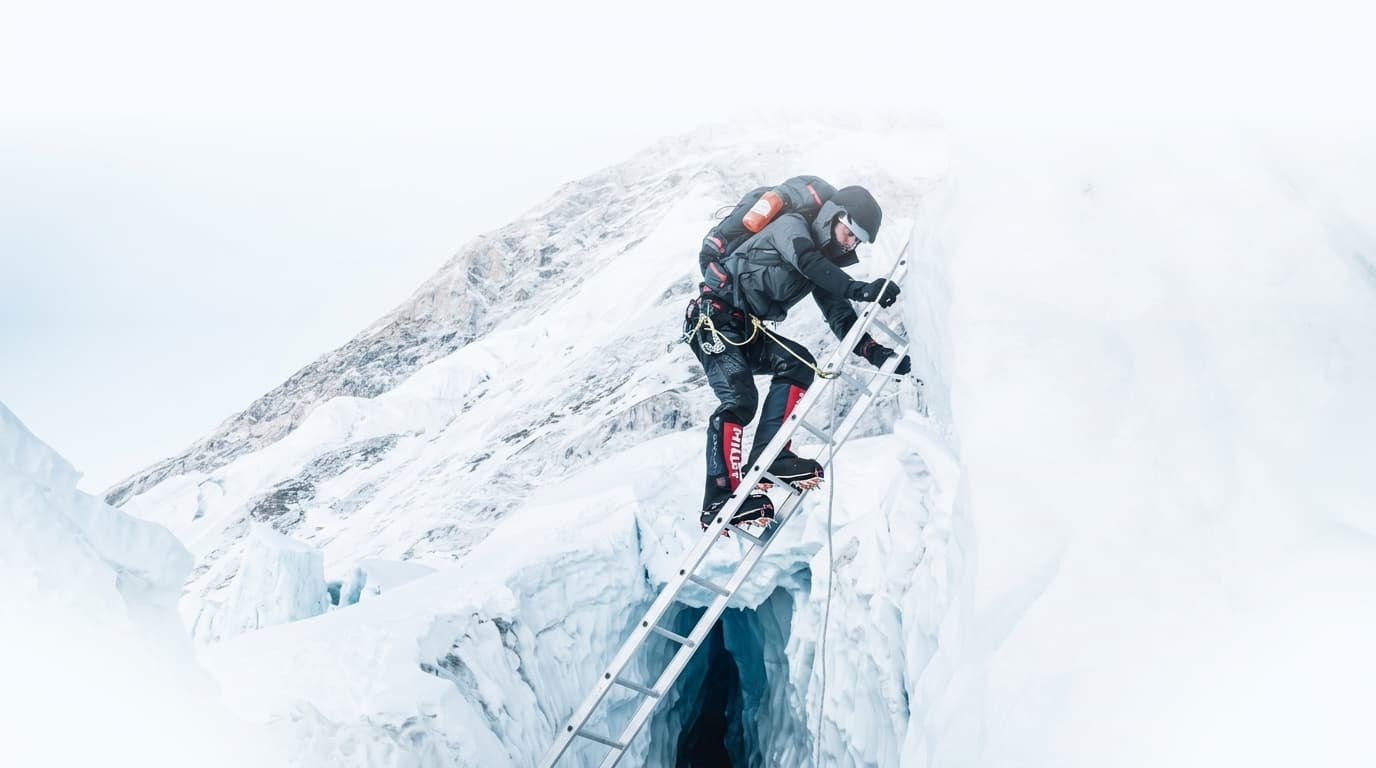
After acclimatizing, the route shifts toward the sacred Gosainkunda Lakes. You ascend through Thulo Syabru and Sing Gompa before reaching Gosainkunda. Crossing Lauribina Pass is the most challenging yet rewarding section, offering dramatic mountain views. Finally, you descend through Helambu, ending your journey at Sundarijal before returning to Kathmandu.
This itinerary balances adventure, acclimatization, and cultural immersion, making it ideal for both beginners and experienced trekkers.
Langtang Gosainkunda Trek Map
When you look at the Langtang Gosainkunda trek map, you will notice a loop-style route that connects three distinct regions Langtang Valley, Gosainkunda, and Helambu. This makes the trek far more engaging compared to routes where you retrace the same path.
You start from Syabrubesi and follow the Langtang River upstream toward Kyanjin Gompa. From there, instead of turning back, the trail diverts toward Thulo Syabru and gradually climbs to Gosainkunda. After crossing Lauribina Pass, the landscape changes again as you enter the quieter Helambu region.
This changing terrain keeps the journey exciting every day. You experience forests, high alpine ridges, glacial valleys, and sacred lakes all within a single trek. That’s what makes the route so unique and rewarding.
Langtang Gosainkunda Trek Cost
The Langtang Gosainkunda trek cost is one of the reasons this trek is gaining popularity. Compared to Everest trekking or Annapurna trekking, it offers incredible value without compromising the experience.
From what I’ve seen, most trekkers spend between $700 to $1,000 for a standard 14-day package. This usually includes permits, transportation, accommodation, meals, and guide services. If you prefer a more budget-friendly option, you can complete the trek for around $500–$700 by trekking independently.
However, I always recommend going with a guide, especially for this route. The trail after Gosainkunda can be less straightforward, and having a local expert improves both safety and experience. You also support the local economy, which aligns with responsible tourism.
Kathmandu to Langtang Distance
Understanding the distance and duration helps you plan better and set realistic expectations. The drive from Kathmandu to Syabrubesi covers about 122 km and usually takes 7 to 8 hours, depending on road conditions.
Once the trek begins, you will walk approximately 120 to 140 km in total. The daily walking hours typically range from 5 to 7 hours, depending on the terrain and altitude.
How Long is the Langtang Trek?
In terms of duration, the Langtang Gosainkunda trek usually takes between 12 and 16 days. Based on experience, 14 days is the perfect balance. It allows enough time for acclimatization, exploration, and enjoying the journey without feeling rushed.
This steady pace not only improves safety but also makes the trek more enjoyable.
Why Should You Do the Langtang Gosainkunda Trek?
If you’re looking for a trek that feels authentic, diverse, and less crowded, this route stands out. I’ve personally found that Langtang offers a deeper connection to both nature and local culture compared to more commercial trekking regions.
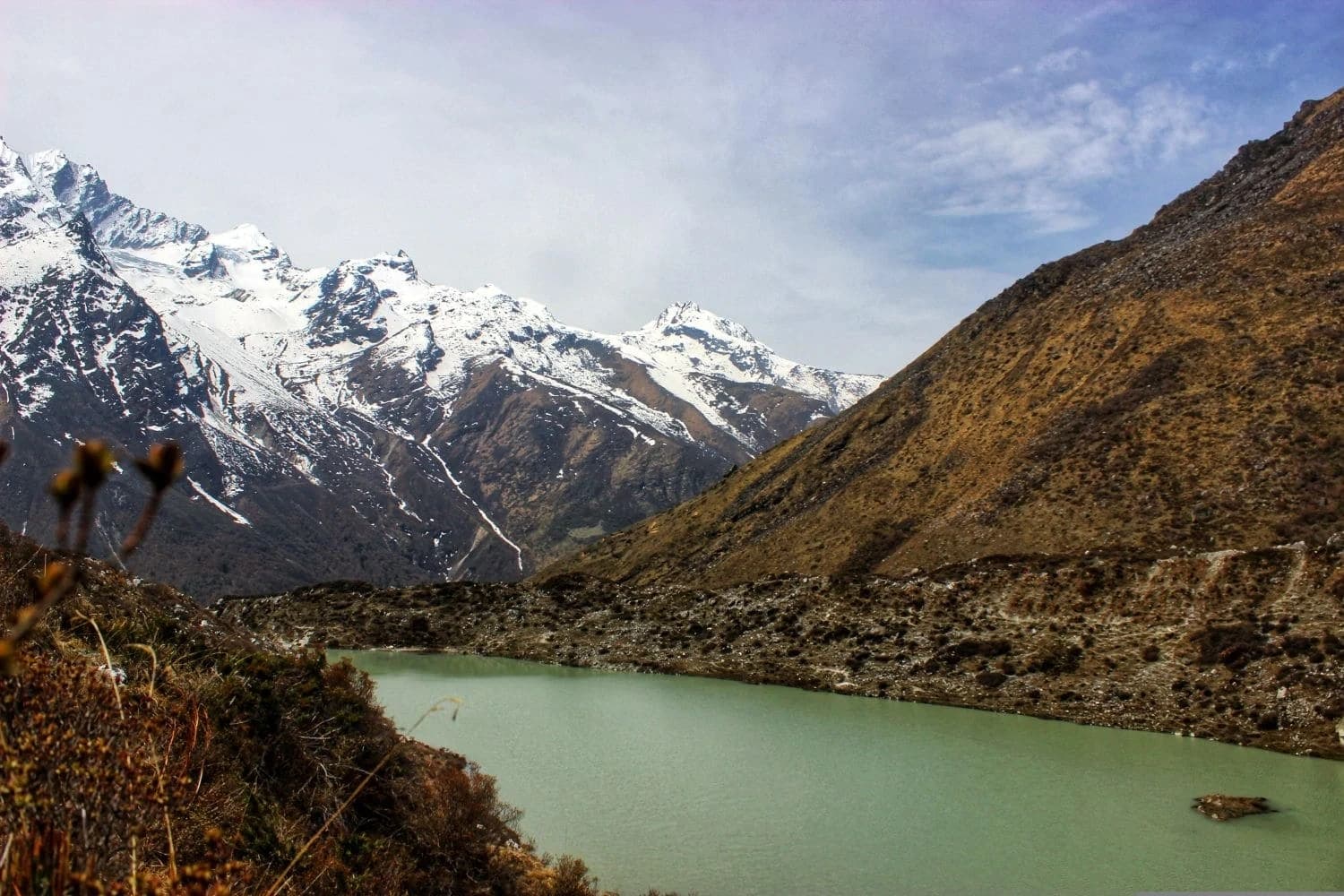
You walk through peaceful forests, explore glacial valleys, and stand beside the sacred Gosainkunda Lake, which holds deep spiritual significance. The combination of natural beauty and cultural richness creates a truly meaningful experience.
Another reason to choose this trek is its accessibility. You don’t need flights, and the trail starts with a simple drive from Kathmandu. Despite being close to the capital, it feels remote and untouched.
This trek is not just about reaching a destination, it’s about experiencing the journey in its purest form.
Why Should You Choose Us?
Choosing the right trekking company can completely shape your experience, and this is where we at Summit 8000 make a real difference. We design our itineraries based on first-hand trekking experience, not just standard templates.
We focus on safety by including proper acclimatization, experienced guides, and reliable support throughout the journey. Our team understands the terrain, weather patterns, and local culture, which allows us to provide a smoother and more enjoyable experience.
We also believe in keeping things personal. Instead of rushing groups, we adapt the pace based on your comfort and fitness level. This approach not only improves safety but also enhances your overall trekking experience.
We follow responsible tourism practices. We support local communities, minimize environmental impact, and ensure that your journey contributes positively to the region.
When you trek with us, you’re not just booking a package you’re choosing a well-guided, safe, and meaningful Himalayan experience.