Summit8000Summit8000
Manaslu Circuit Trek

Manaslu Circuit Trek

Destination
Nepal
Duration
18 Days
Trip Difficulty
Moderate
Accommodation
4 Star hotel and Tea House
Meals
B, L, & D
Max. Elevation
5106m
Group Size
15

Trip overview

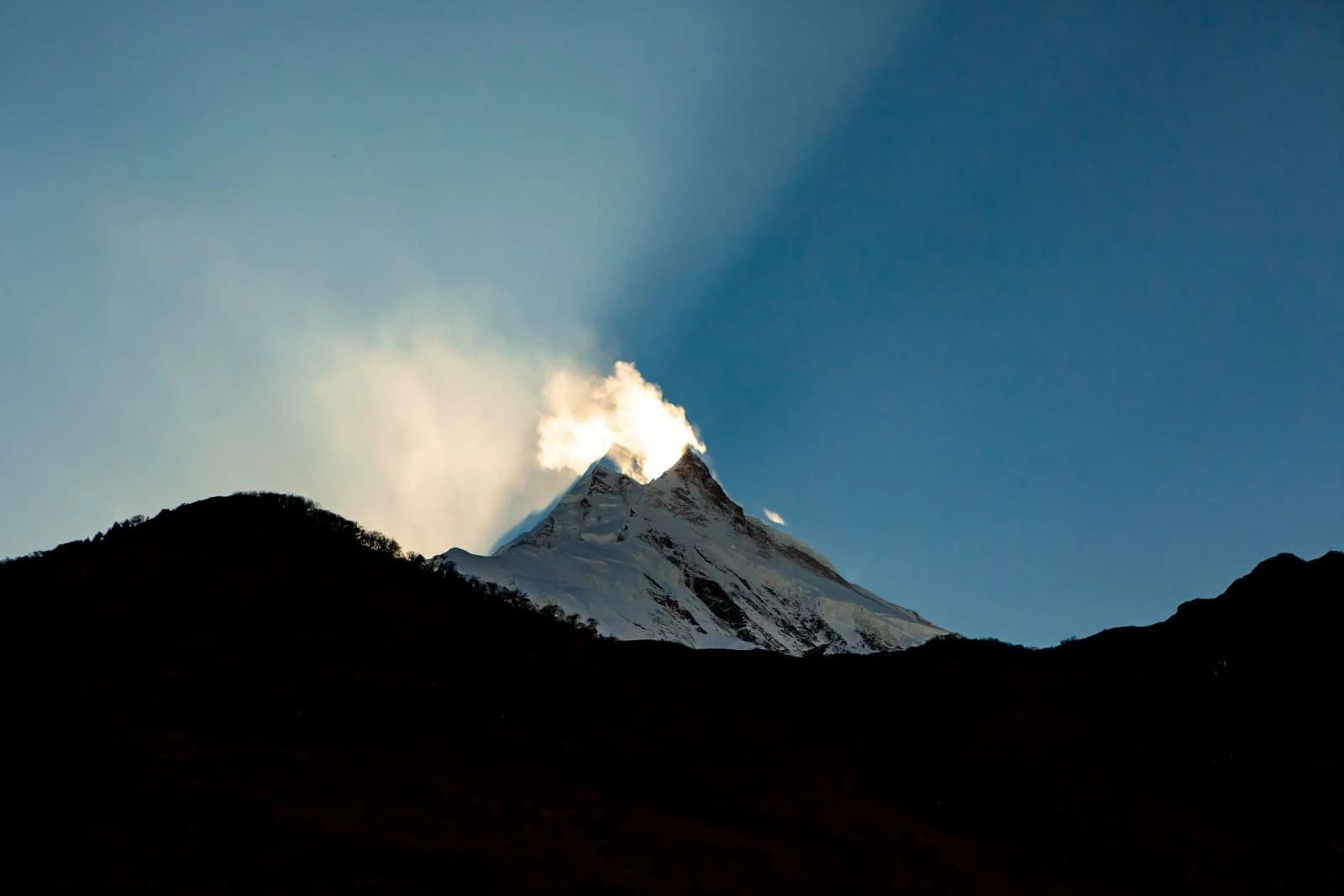
The Manaslu Circuit Trek is a spectacular Himalayan adventure that takes you around the majestic Manaslu (8,163 m), the eighth-highest mountain in the world. Known for its remote and pristine beauty, this trek offers a unique combination of high mountain scenery, traditional villages, rich cultural experiences, and a chance to explore a restricted area of Nepal, which requires special permits to preserve its delicate ecosystem and local communities.

The trek starts with scenic drives from Kathmandu and gradually leads trekkers through terraced fields, lush forests, and charming mountain villages. Along the way, you will pass through iconic settlements such as Samagaun, the main gateway village, Samdo, and other remote villages inhabited by the Tibetan-influenced Nubri community. The people of this region are warm and hospitable, and trekking here offers a rare glimpse into their unique lifestyle, Buddhist culture, and traditional festivals.

The Manaslu Circuit is famous for its diverse landscapes. From dense rhododendron forests in lower altitudes to alpine meadows and high-altitude glaciers, the trek provides breathtaking views of snow-capped peaks like Himalchuli, Shringi Himal, and Ngadi Chuli, alongside the towering Manaslu itself. The trail crosses the Larkya La Pass (5,160 m), a challenging yet rewarding experience, making the trek suitable for experienced hikers with good fitness.

Due to its restricted area status, the trek must be undertaken with at least two persons or as part of an organized group to ensure safety and adherence to local regulations. The journey also emphasizes sustainable tourism and cultural respect, ensuring that visitors leave a minimal footprint while enjoying the local hospitality, teahouses, and traditional cuisine.

A trek through the Manaslu region is more than just a hiking experience it’s an immersion into the Tibetan Buddhist culture, unique architecture, mani walls, chortens, and monasteries, all set against the backdrop of some of the world’s most spectacular Himalayan scenery. From the serene villages of Samagaun and Samdo to the challenging mountain passes, every step offers a blend of adventure, culture, and natural beauty.

What is the Manaslu Circuit Trek Like?

The Manaslu Circuit Trek is one of Nepal’s most breathtaking and less-explored Himalayan adventures. Unlike crowded trails in the Annapurna  base camp or Everest base camp, this trek takes you through pristine landscapes, dense forests, glacial rivers, and high-altitude alpine meadows. Trekkers are rewarded with majestic views of Manaslu, the eighth-highest peak in the world, along with Himalchuli, Ngadi Chuli, and other towering snow-capped mountains.

The journey is not just about scenery; it is an immersion into the culture of the Nubri community, who maintain their traditional Tibetan Buddhist lifestyle in villages like Samagaun, Samdo, and Namrung. You will witness monasteries, mani walls, chortens, and traditional festivals that are rarely seen by outsiders. The trail also challenges trekkers with the Larkya La Pass at 5,160 meters, a high-altitude crossing that offers panoramic Himalayan vistas.

Since the Manaslu Circuit passes through a restricted region, special permits are required, helping to conserve the pristine environment and safeguard local cultures. This journey perfectly combines adventure, cultural immersion, and stunning Himalayan landscapes, making it a once-in-a-lifetime trekking experience. For thrill-seekers looking to go beyond trekking, the Manaslu Expedition offers an incredible opportunity to summit one of the world’s highest peaks.

Who Can Do the Manaslu Circuit Trek in 2027 and How to Prepare

The Manaslu Circuit Trek in 2027 is ideal for adventurous trekkers who are physically fit and have some experience in multi-day trekking at high altitudes. The trek is challenging but achievable with the right preparation. Physical training is essential, focusing on cardiovascular fitness, strength, and endurance, while hiking with a backpack helps prepare for long days on the trail.

Acclimatization is crucial, as the trek reaches elevations above 5,000 meters, and taking time to adjust reduces the risk of altitude sickness. Trekkers should pack warm clothing, sturdy boots, trekking poles, and sleeping bags, as temperatures vary greatly from lower valleys to high passes. Since this trek enters a restricted area, it is mandatory to travel in groups of at least two, ensuring safety and compliance with local regulations.

Obtaining the required permits, including the Manaslu Restricted Area Permit and Annapurna Conservation Area Permit, is a must before starting the trek. Proper preparation guarantees an unforgettable experience filled with Himalayan adventure, cultural immersion, and natural splendor.

Manaslu Circuit Trekking Itinerary

The typical Manaslu Circuit Trek itinerary spans approximately 14 days, combining trekking, acclimatization, and cultural exploration. The journey begins with a drive from Kathmandu to Soti Khola, where lush landscapes and the Budhi Gandaki River greet trekkers as they start their hike. The trail gradually ascends through Machha Khola and Jagat, passing terraced fields, forests, and traditional villages.

Entering the restricted area at Deng, trekkers encounter bamboo forests, small settlements, and glimpses of local life. The villages of Namrung and Samagaun showcase the unique architecture and lifestyle of the Nubri community, with opportunities to visit monasteries and witness traditional festivals. An acclimatization day in Samagaun allows trekkers to enjoy optional hikes, including visits to Pungyen Gompa, and prepare for higher altitudes.

Continuing to Samdo and Dharamsala, the landscape transitions to alpine terrain and the base of the Larkya La Pass. Crossing the pass is the trek’s highlight, offering panoramic views of Manaslu and surrounding peaks before descending toward Bimtang, Tilje, and Dharapani through rhododendron forests and serene river valleys.

The circuit concludes with a return to Kathmandu, bringing trekkers back from remote villages and rugged mountains to the bustling capital. This itinerary balances adventure, scenic views, cultural encounters, and proper acclimatization, making the trek safe, enjoyable, and unforgettable.

Manaslu Circuit Trekking Cost in Nepal

The cost of the Manaslu Circuit Trek in Nepal varies depending on whether you opt for a guided trek, private group, or independent adventure. Permits are a significant part of the cost, including the Manaslu Restricted Area Permit, which ranges from $70 to $100 per person, and the Annapurna Conservation Area Permit, which costs around $30 per person.

Accommodation along the route is mostly in teahouses, costing between $15 and $25 per night, while meals average $10 to $20 daily. Hiring a licensed guide, which is highly recommended for safety and cultural insight, costs approximately $25 to $35 per day, and porters are available for $15 to $25 per day. Transportation from Kathmandu to the starting point and back, along with personal gear, travel insurance, and tips, adds an additional $100 to $150.

Overall, the estimated total cost for a 18-day guided Manaslu Circuit Trek ranges between $900 and $1,200 per person. Investing in a guided trek not only ensures compliance with restricted area regulations but also enriches the experience with expert knowledge, cultural understanding, and safer navigation of high-altitude terrain. Early booking is recommended, as permits are limited and the trek is becoming increasingly popular among adventurous travelers seeking remote Himalayan experiences in Nepal.
Day By Day Itinerary

18 days: Complete day-by-day expedition route and elevation guide for Manaslu Circuit Trek.

  1. Day 1

    Arrival in Kathmandu

    Your adventure begins with your arrival in Kathmandu, Nepal’s vibrant capital. After landing at Tribhuvan International Airport, you will be welcomed by your trekking team. This day is dedicated to rest, permit arrangements, and preparation. Your guide will review the trek details, provide a packing checklist, and brief you on restricted area rules for the Manaslu region. The evening is ideal for exploring Thamel, enjoying local cuisine, and soaking in the unique Kathmandu valley atmosphere.

    4 Star HotelWelcome Dinner
  2. Day 2

    Kathmandu to Soti Khola (Drive)

    After breakfast, you embark on a scenic drive from Kathmandu to Soti Khola, passing through beautiful landscapes, terraced fields, and rivers. This is the starting point of your trek. Soti Khola, a small riverside village, offers your first taste of rural Nepalese life, surrounded by lush greenery and the distant Himalayas. The trail along the Budhi Gandaki River sets the tone for the adventure ahead.

    Best available tea HouseB, L, & D
  3. Day 3

    Soti Khola to Machha Khola

    From Soti Khola, the trail gently ascends through forests and farmland, crossing suspension bridges over clear mountain streams. You’ll pass small villages and enjoy views of terraced fields carved into the hillsides. Machha Khola, meaning “Fish River,” is a peaceful village ideal for your first night on the trail, offering teahouse accommodation and home-cooked Nepali meals.

    Best available tea HouseB, L, & D
  4. Day 4

    Machha Khola to Jagat

    The trek continues along the Budhi Gandaki River, through lush forests and traditional villages. Jagat marks the entry point to the Manaslu Restricted Area, requiring a check of your permits. The village offers basic teahouses and is your introduction to the remote Himalayan culture, with stone houses and local markets.

    Best available tea HouseB, L, & D
  5. Day 5

    Jagat to Deng

    From Jagat, the trail climbs steadily through bamboo forests, rivers, and terraced fields, crossing suspension bridges and small streams. You pass through Chhekampar village before reaching Deng, a larger settlement with a mix of Tibetan-influenced and local Nepali culture. Deng is an important acclimatization point before higher altitudes, with warm teahouses and stunning views of the surrounding hills.

    Best available tea HouseB, L, & D
  6. Day 6

    Deng to Namrung

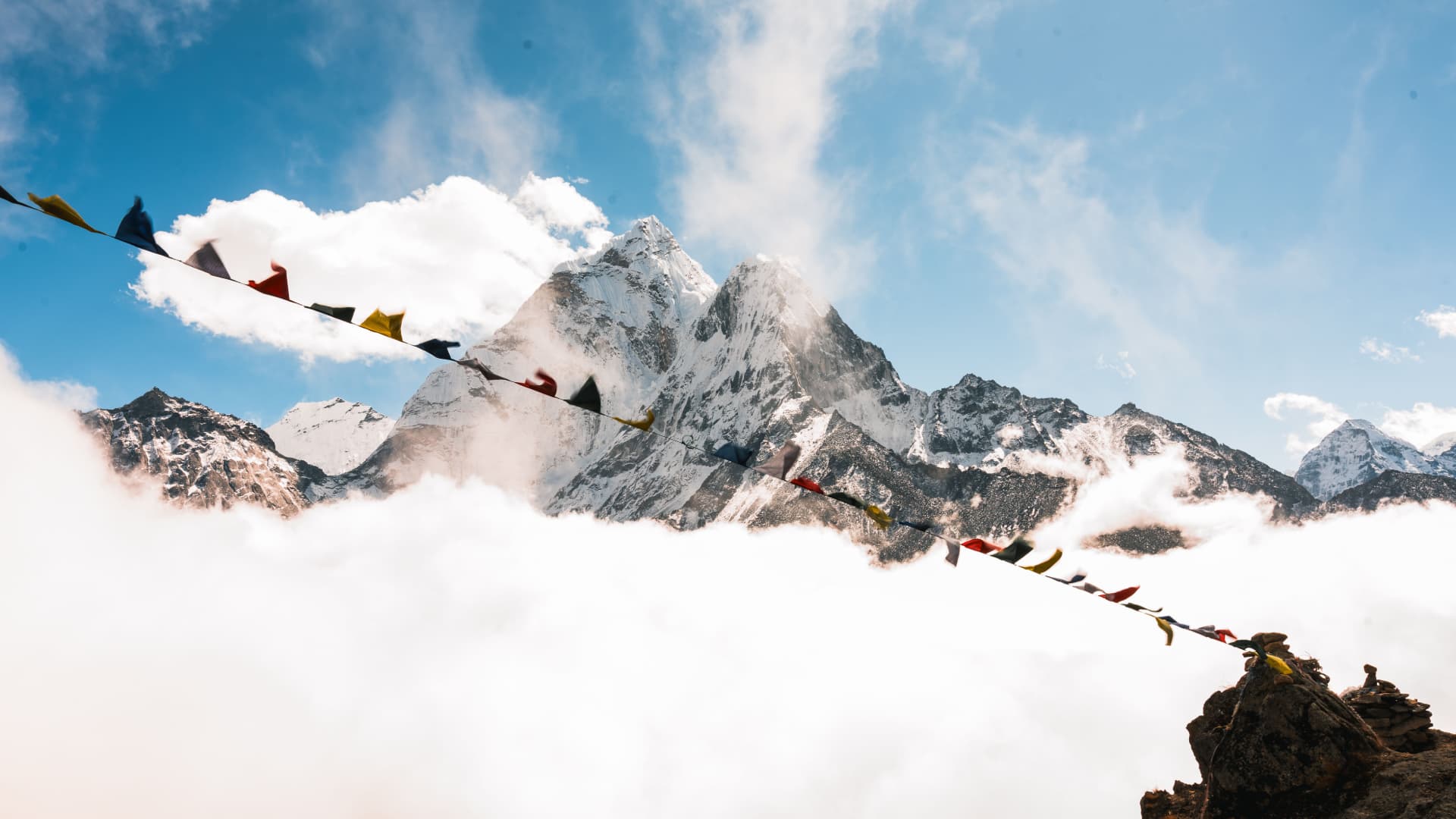
    Leaving Deng, you trek higher into the alpine landscape, with rhododendron forests giving way to barren slopes. Namrung is a picturesque village dominated by traditional stone houses and Buddhist monasteries. Here, you experience daily life of the Nubri people, with prayer flags fluttering in the wind and locals welcoming trekkers with their unique hospitality.

    Best available tea HouseB, L, & D
  7. Day 7

    Namrung to Samagaun

    The trail continues to Samagaun, the main gateway to the Manaslu base region. Along the way, you will notice the terrain becoming more rugged and the air thinner. Samagaun is a culturally rich village where you can visit monasteries, mani walls, and chortens. The village offers views of Manaslu, Himalchuli, and Ngadi Chuli, creating a perfect backdrop for photography and acclimatization.

    Best available tea HouseB, L, & D
  8. Day 8

    Acclimatization Day in Samagaun

    An acclimatization day is crucial at this altitude. You can take a short trek to Pungyen Gompa or nearby ridges, enjoying panoramic views of the Manaslu range. This day allows your body to adjust to high altitude while immersing yourself in the culture of the Nubri community, observing their unique customs, prayer ceremonies, and local lifestyle.

    Best available tea HouseB, L, & D
  9. Day 9

    Samagaun to Samdo

    From Samagaun, the trail gradually ascends into the high Himalayas, leading to Samdo. The landscape becomes increasingly alpine, with sparse vegetation and dramatic mountain views. Samdo is a remote Tibetan-influenced settlement, offering teahouses and a small monastery. This village serves as the final stop before crossing the Larkya La Pass, allowing trekkers to rest and acclimatize further.

    B, L, & DB, L, & D
  10. Day 10

    Samdo to Dharmasala (Larkya Phedi)

    The trek from Samdo to Dharmasala, also called Larkya Phedi, takes you higher into alpine terrain. You pass moraines, frozen streams, and snow-covered slopes as you approach the base of the pass. Dharmasala is a temporary campsite-style settlement with teahouses for trekkers preparing for the high-altitude crossing. The views of Manaslu and the surrounding peaks are spectacular, and this is your last night before the challenging pass.

    Best available tea HouseB, L, & D
  11. Day 11

    Dharmasala to Bimtang via Larkya La Pass

    This is the highlight of the trek. You start early, trekking to Larkya La Pass at 5,160 meters. The climb is steep and requires determination, but reaching the summit rewards you with panoramic views of the Manaslu range, Himlung Himal, and Ganesh Himal. After crossing the pass, the trail descends toward Bimtang, a charming village in the Marsyangdi valley region, where you can rest and celebrate the accomplishment of crossing one of the most scenic passes in Nepal.

    Best available tea HouseB, L, & D
  12. Day 12

    Bimtang to Tilje

    Descending from Bimtang, the trail passes through rhododendron forests, terraced fields, and rivers, gradually returning to lower altitudes. Tilje is a peaceful village with teahouses and a chance to observe local agriculture and village life after weeks in remote high-altitude settlements.

    Best available tea HouseB, L, & D
  13. Day 13

    Tilje to Dharapani

    The trek continues along gentle trails leading to Dharapani, crossing streams and small settlements along the way. You are now back in the lower Himalayan region, where the vegetation is lush and the villages are more populated. Dharapani offers comfortable lodges and a welcoming environment for trekkers after days of high-altitude trekking.

    Best available tea HouseB, L, & D
  14. Day 14

    Dharapani to Jagat

    From Dharapani, you descend further along the Budhi Gandaki River, passing through terraced fields and traditional villages until reaching Jagat. This marks the completion of the Manaslu Circuit loop. You can reflect on your journey through remote mountain villages, high passes, and culturally rich settlements while preparing for the return journey.

    Best available tea HouseB, L, & D
  15. Day 15

    Jagat to Arughat

    The trek ends as you continue descending to Arughat, where the road connects back to Kathmandu. Along the way, enjoy the lush forests, rivers, and local communities, saying farewell to the serene landscapes that define the Manaslu region.

    Best available tea HouseB, L, & D
  16. Day 16

    Arughat to Kathmandu (Drive)

    You take a scenic drive from Arughat back to Kathmandu, crossing hills, rivers, and valleys along the route. Upon arrival, you can enjoy the comforts of the city, revisit cultural landmarks, or simply relax after an intense trekking adventure.

    4 Star HotelBreakfast
  17. Day 17

    Free Day in Kathmandu

    This day is reserved for rest, sightseeing, or shopping in Kathmandu. You can visit Pashupatinath Temple, Boudhanath Stupa, or Patan Durbar Square, experiencing Nepalese culture in the urban setting. It’s also a good opportunity to organize photos, share your trekking experiences, and enjoy local cuisine one last time.

    4 Star HotelBreakfast
  18. Day 18

    Departure

    On the final day, you will be transferred to Tribhuvan International Airport for your departure. Your 18-day journey through the Manaslu Circuit Trek concludes, leaving you with unforgettable memories of mountains, culture, and remote Himalayan adventures.

Dates & Availability

01Pick your start date

Runs any day, for your party only
Loading calendar…

Start dates open a week ahead, giving time to arrange permits, flights and your team.

02Your private trip

Private departure18 days

Start

Choose on the calendar

Return

18 days later

From

$2,500per person

Twin-share rate. The trip runs privately for your party on the date you choose.

Cost breakdown

What's included

  • Restricted Area Permit (RAP)

  • Manaslu Conservation Area Permit (MCAP)

  • Annapurna Conservation Area Permit (ACAP)

  • Experienced and knowledgeable about the local culture, mountains, and trails

  • Porter service – To carry your luggage so you can trek comfortably

  • Best available teahouses/lodges – Clean and comfortable accommodation along the trail

  • Three meals per day – Breakfast, lunch, and dinner provided during the trek

  • Unlimited tea, coffee, and water – Stay hydrated and warm throughout the trek

  • Maps and trekking information – Trail maps, cultural guidance, and itinerary support

  • WiFi access where available – Stay connected with family and friends

  • Hot showers where available – Relax after a long day of trekking

  • Emergency support and trek coordination – Full support from the trekking agency for safety and logistics

What's not included

  • International airfare to and from Kathmandu

  • Nepal visa fee

  • Travel insurance – Highly recommended, including high-altitude coverage

  • Personal expenses – Snacks, drinks, souvenirs, and personal shopping

  • Tips for guide and porter – Optional but appreciated

  • Extra accommodation in Kathmandu – If you arrive early or extend your stay

  • Medical emergencies or evacuation costs – Not included in standard trekking packages

  • Gear and equipment rental – Trekking poles, sleeping bags, or specialized gear if not provided

Good to Know

Gears List

Clothing

  • Base layers – Moisture-wicking t-shirts and thermal tops

  • Insulating layer – Fleece jacket or down vest for warmth

  • Outer layer – Waterproof and windproof jacket and pants

  • Trekking pants and shorts – Quick-dry and comfortable

  • T-shirts and long-sleeve shirts – Lightweight and breathable

  • Warm hat and gloves – Essential for cold mornings and evenings

  • Sun hat/cap and sunglasses – Protect against strong Himalayan sun

  • Buff or neck gaiter – Useful for wind, dust, and cold

Footwear

  • Trekking boots – Waterproof, sturdy, and well broken-in

  • Camp shoes or sandals – For comfort in teahouses and evenings

  • Trekking socks – Wool or synthetic, several pairs to prevent blisters

  • Gaiters – Optional, for snow or muddy sections

Gear and Accessories

  • Daypack (25–35 L) – For daily essentials and water

  • Sleeping bag – Rated to -10°C to -15°C, suitable for high-altitude teahouses

  • Trekking poles – Highly recommended for steep climbs and descents

  • Water bottles or hydration system – Minimum 2–3 liters capacity

  • Headlamp/flashlight – With extra batteries

  • Personal first aid kit – Bandages, painkillers, blister treatment, altitude sickness medication

  • Sunscreen and lip balm – High SPF for strong UV at altitude

  • Toiletries – Toothbrush, toothpaste, biodegradable soap, wet wipes, hand sanitizer

Documents and Essentials

  • Passport and Nepal visa – Required for entry

  • Permits – RAP, MCAP, and ACAP permits (usually provided by your trekking agency)

  • Travel insurance documents – High-altitude coverage recommended

  • Cash in Nepali rupees – For teahouses, drinks, and personal expenses

  • Camera or smartphone – For capturing the stunning landscapes

  • Power bank/charger – Limited electricity in remote villages

Optional Items

  • Snacks – Energy bars, chocolates, or nuts for trekking days

  • Notebook or travel journal – For documenting your adventure

  • Lightweight binoculars – For spotting wildlife and mountain peaks

  • Entertainment – Books, cards, or music for evenings at teahouses

READY TO TAKE ON
THE CHALLENGE?

Trip FAQs

Ready To Discover The Breathtaking Beauty Of Nepal? Explore Our Frequently Asked Questions Or Connect With Our Travel Specialists For Personalized Guidance. From Majestic Himalayan Peaks To Vibrant Cultures And Unforgettable Adventures, We're Here To Help You Create A Journey Through Nepal That's Uniquely Yours.

Our Climbing Experts

  • Climbing Expert
  • Climbing Expert
  • Climbing Expert
  • Climbing Expert
  • 12+

12+ Expert Mountaineers

Meet Our Team

Summit 8000 Logo

CREATE YOUR OWN ADVENTURE

Design a personalized journey around your interests, schedule, and travel style, with flexible itineraries, private experiences, and expert guidance tailored specifically to you.

One Network, Complete Mountain Support

Part of the Wider Summit8000 Ecosystem

Summit8000 is supported by a wider ecosystem of services connected with our leadership, covering key aspects of the journey from accommodation and transportation to healthcare, insurance and helicopter services.

Accommodation
Kongde Resort · KongdeSherpa Hotel · PhakdingLama Lodge · Kothe, Mera RegionMountain View Resort · Khare, Mera Region
Healthcare & Medical Support
Sherpa Khangri Hospitals · PhakdingMera Clinic · Mera RegionGokyo Clinic · Gokyo
Helicopter Services
Heli EverestHeli Bhutan
Insurance
Altitude Assistance · Insurance Services
Flight & Ticketing
Everest Connection · Airline TicketingHeli Connection · Helicopter Booking

From accommodation and transportation to medical assistance, insurance and helicopter services, the wider Summit8000 ecosystem helps coordinate essential support throughout the journey.

From$2,500

Our Newspaper

Subscribe to Newspaper

Sign up for the Summit8000 newsletter and stay up to date with our latest news, exciting updates, expedition stories, and important announcements.

Chat with us