Summit8000Summit8000
Kanchenjunga Circuit Trek

Kanchenjunga Circuit Trek

Destination
Nepal
Duration
20 Days
Trip Difficulty
Moderate
Accommodation
4 Star hotel and Tea House
Meals
B, L, & D
Max. Elevation
5143m
Group Size
15
Best Time
Sept - Nov & March - May

Trip overview

The Kanchenjunga Circuit Trek is one of Nepal’s most remote, raw, and rewarding Himalayan adventures. This incredible journey circles the mighty Mount Kanchenjunga (8,586m), the third-highest peak on Earth, located in eastern Nepal near the borders of India and Tibet. Unlike the crowded trails of Everest or Annapurna, Kanchenjunga offers a true wilderness experience where nature remains untouched, trails stay quiet, and every step feels authentic and immersive.

What makes the Kanchenjunga Circuit Trek famous is its pristine beauty, remoteness, and complete circuit route that connects both the North Base Camp (Pangpema) and South Base Camp (Oktang). Trekkers pass through the vast Kanchenjunga Conservation Area, a protected region rich in biodiversity.

Here, you may encounter rare wildlife like the red panda, snow leopard, and Himalayan black bear, while walking through dense rhododendron forests, terraced farmlands, and high-altitude glaciers. The dramatic contrast in landscapes from subtropical valleys to icy alpine zones makes every day visually stunning and unique.

People choose this trek not just for the mountains, but for the sense of isolation and adventure it offers. This is not a luxury trek; it’s a journey into the heart of the Himalayas, where basic teahouses, limited connectivity, and long walking days create a deeper connection with nature. If you want to escape commercialization and experience the Himalayas as they once were, this trek is one of the last true frontiers in Nepal.

The history of the region is deeply tied to the early Himalayan expeditions and local beliefs. Mount Kanchenjunga was first summited in 1955, but climbers stopped just short of the true summit out of respect for local traditions. Even today, the mountain is considered sacred by local communities, and this spiritual significance continues to shape trekking culture in the region.

Culturally, the region is incredibly rich and diverse. The trail passes through villages inhabited by ethnic groups such as the Limbu, Rai, and Sherpa communities. Their traditions blend Tibetan Buddhist practices with ancient animist beliefs.

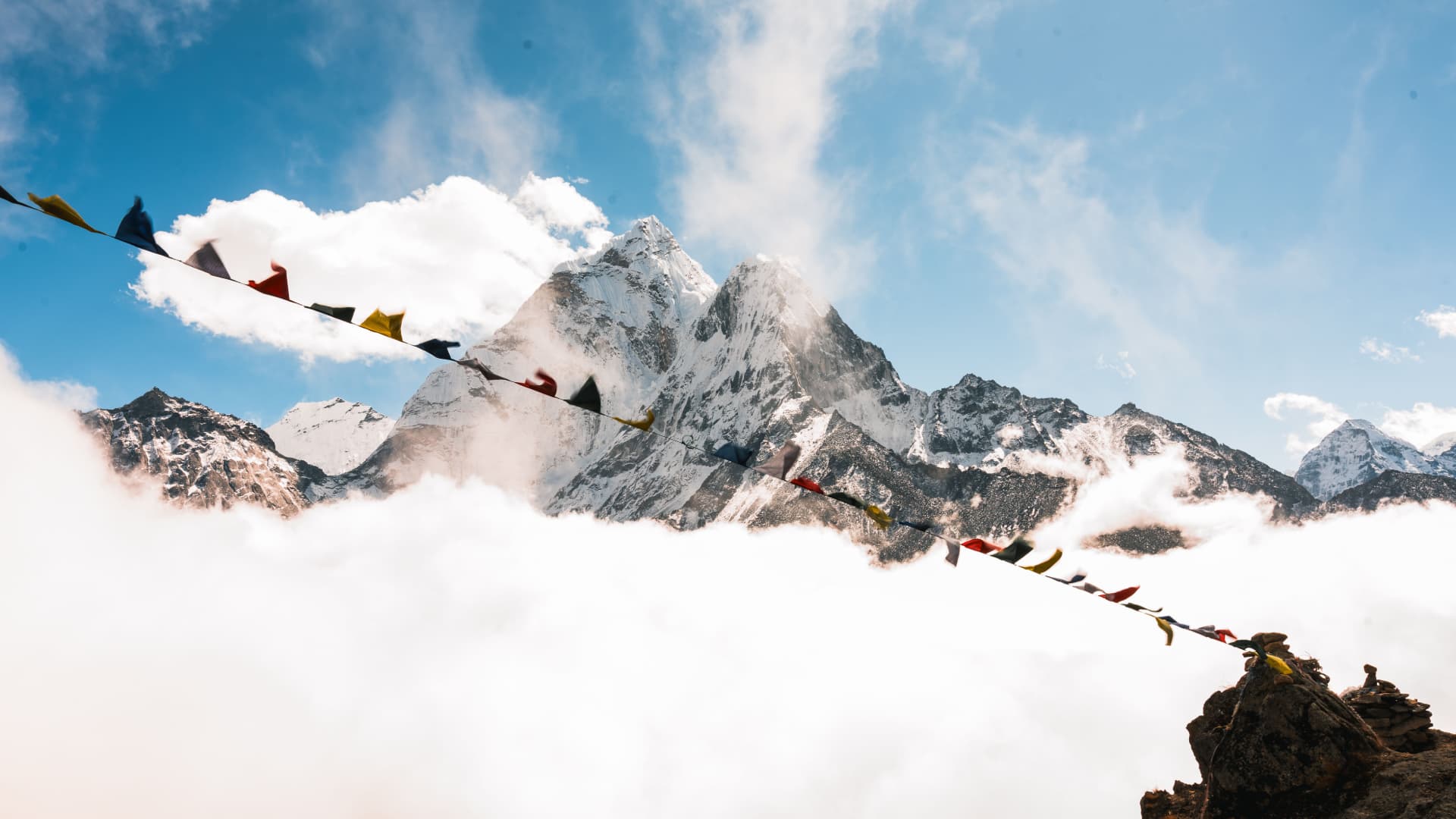
You’ll see prayer flags fluttering across mountain passes, mani walls carved with sacred mantras, and monasteries that reflect a deep spiritual connection to the land. Festivals, daily rituals, and warm hospitality give trekkers a rare chance to experience authentic Himalayan life far from modern influence.

Food on the trail is simple but hearty, designed to fuel long trekking days. You’ll find traditional Nepali meals like dal bhat (rice, lentils, and vegetables), as well as noodles, soups, Tibetan bread, momos, and potatoes. While options are more limited compared to popular trekking regions, the freshness and warmth of locally prepared food make every meal satisfying. As you gain altitude, menus become simpler, but the experience of sharing meals in remote teahouses adds to the charm of the journey.

Because this trek lies in a restricted and protected region, the same as the Manaslu circuit trekking, special permits are required. Trekkers must obtain a Kanchenjunga Conservation Area Permit (KCAP) and a Restricted Area Permit (RAP). Solo trekking is not allowed; you must travel with a registered guide and at least one other trekker. These regulations help preserve the fragile environment and protect the cultural integrity of the region.

Overall, Summit 8000 has designed a perfect experience for trekkers seeking something beyond the ordinary. It offers not just mountain views, but a complete journey through untouched landscapes, ancient cultures, and spiritual traditions. If you’re looking for a trek that challenges you physically while rewarding you with unmatched natural beauty and cultural depth, Kanchenjunga stands as one of Nepal’s most extraordinary adventures.

Kanchenjunga Trek Itinerary

The Kanchenjunga Circuit Trek itinerary is typically completed within 20 to 26 days, depending on your walking pace and acclimatization needs. The journey begins from Kathmandu with a flight to Bhadrapur, followed by a long drive to Taplejung, the starting point of the trek. From here, the trail gradually ascends through beautiful villages like Mitlung, Chirwa, Sekathum, and Ghunsa, allowing your body to adapt to the increasing altitude.

As you move deeper into the Himalayas, the trek leads you toward the North Base Camp (Pangpema), where you experience breathtaking views of Mount Kanchenjunga and surrounding peaks. After exploring the northern side, the route crosses high mountain passes and remote valleys to reach the South Base Camp (Oktang), offering a completely different perspective of the region.

The trek then descends through scenic villages, completing the full circuit. This itinerary is carefully designed to balance adventure, acclimatization, and cultural exploration, making it ideal for experienced trekkers seeking a complete Himalayan journey.

Kanchenjunga Elevation

The Kanchenjunga Circuit Trek elevation ranges from low subtropical areas to high alpine terrain, making it one of the most diverse treks in Nepal. The trek starts at around 1,200 meters in Taplejung and gradually climbs through dense forests, river valleys, and mountain villages.

The highest point of the trek is Pangpema (North Base Camp) at approximately 5,143 meters, while the South Base Camp (Oktang) reaches around 4,730 meters. Key acclimatization stops such as Ghunsa (3,475m) and Lhonak (4,780m) play a crucial role in helping trekkers adjust to the altitude. Towering above the entire region is Mount Kanchenjunga at 8,586 meters, creating a dramatic and awe-inspiring backdrop throughout the trek. Due to the high elevation, proper acclimatization, hydration, and a steady pace are essential for a safe trekking experience.

Kanchenjunga Circuit Trek Cost

The Kanchenjunga Circuit Trek cost usually ranges between USD 1,800 to USD 3,500 per person, depending on the itinerary, group size, and level of service. Since the trek takes place in a remote and restricted region, the cost is generally higher compared to other popular trekking routes in Nepal.

This price typically includes permits such as the Kanchenjunga Conservation Area Permit (KCAP) and Restricted Area Permit (RAP), domestic flights from Kathmandu, transportation, accommodation in teahouses, meals during the trek, and the services of a licensed guide and porter. Costs tend to increase at higher altitudes due to limited supplies and logistical challenges.

Although the price may seem higher, it reflects the exclusivity, untouched beauty, and unique experience that the Kanchenjunga region offers. For trekkers looking for a less crowded, off-the-beaten-path adventure, this trek provides exceptional value and a truly unforgettable journey.
Day By Day Itinerary

20 days: Complete day-by-day expedition route and elevation guide for Kanchenjunga Circuit Trek.

  1. Day 1

    Arrival in Kathmandu

    Your journey begins with your arrival in Kathmandu, the vibrant capital of Nepal. Upon landing at Tribhuvan International Airport, you will be welcomed and transferred to your hotel. This day is mainly for rest and preparation. You’ll meet your trekking guide, review the itinerary, and arrange necessary permits for the restricted Kanchenjunga region. If time allows, you can explore the lively streets of Thamel for last-minute gear shopping.

    4 Star HotelWelcome Dinner
  2. Day 2

    Fly to Bhadrapur and Drive to Taplejung

    After an early breakfast, you take a scenic flight to Bhadrapur in eastern Nepal. The flight offers views of the Himalayan range on a clear day. From Bhadrapur, you begin a long but rewarding drive to Taplejung, passing through beautiful Ilam tea gardens, rolling hills, and rural settlements. The journey gives you your first glimpse of eastern Nepal’s natural beauty and cultural diversity

    Best available Tea HouseB, L, & D
  3. Day 3

    Trek from Taplejung to Mitlung

    Your trekking adventure officially begins today. The trail descends through terraced fields and traditional villages, giving you a feel of rural life. You follow the Tamor River, crossing suspension bridges and walking through lush forests. The day is relatively easy, allowing your body to adjust as you reach Mitlung

    Best available Tea HouseB, L, & D
  4. Day 4

    Trek from Mitlung to Chirwa

    You continue along the river valley, passing cardamom farms, small settlements, and dense subtropical forests. The trail involves gradual ascents and descents, with occasional river crossings. You’ll interact with local communities and experience their simple lifestyle before reaching Chirwa.

    Best available Tea HouseB, L, & D
  5. Day 5

    Trek from Chirwa to Sekathum

    Today’s trek becomes slightly more challenging. You walk along narrow trails carved into hillsides, cross several suspension bridges, and navigate landslide-prone areas. The route passes through dense forests and remote villages before arriving at Sekathum, located at the junction of two rivers

    Best available Tea HouseB, L, & D
  6. Day 6

    Trek from Sekathum to Amjilosa

    You enter a more remote section of the trek. The trail climbs steadily through bamboo forests and steep rocky paths. Waterfalls, cliffs, and river views make the journey scenic yet adventurous. You’ll notice fewer settlements as you reach Amjilosa, a small Tibetan-influenced village.

    Best available Tea HouseB, L, & D
  7. Day 7

    Trek from Amjilosa to Gyabla

    The trail ascends through dense forests filled with rhododendron, bamboo, and oak trees. This region is known for wildlife sightings, including red pandas if you’re lucky. As you gain altitude, the landscape becomes cooler and more alpine. You reach Gyabla, a peaceful village surrounded by forest.

    Best available Tea HouseB, L, & D
  8. Day 8

    rek from Gyabla to Ghunsa

    Today’s trek is one of the most beautiful sections. You walk through forests, cross rivers, and pass mani walls and chortens, reflecting Tibetan Buddhist culture. As you approach Ghunsa, the scenery opens up with stunning mountain views. Ghunsa is a large Sherpa village and an important acclimatization stop.

    Best available Tea HouseB, L, & D
  9. Day 9

    Acclimatization Day in Ghunsa

    To adjust to the increasing altitude, you spend a rest day in Ghunsa. You can explore the village, visit monasteries, or take a short hike to nearby viewpoints. Proper acclimatization is crucial before heading to higher elevations.

    Best available Tea HouseB, L, & D
  10. Day 10

    Trek from Ghunsa to Kambachen

    You continue north along a glacial valley with incredible mountain views. The trail passes through alpine meadows and rocky terrain. You’ll see towering peaks, including Mount Kanchenjunga, becoming more prominent as you gain altitude.

    Best available Tea HouseB, L, & D
  11. Day 11

    Trek from Kambachen to Lhonak

    The landscape becomes more rugged and barren as you approach higher elevations. You walk along moraines and glacial rivers with panoramic Himalayan views. The air gets thinner, and the environment feels truly remote as you reach Lhonak.

    Best available Tea HouseB, L, & D
  12. Day 12

    B, L, & D

    This is one of the highlight days of the trek. You hike to Pangpema, the North Base Camp of Mount Kanchenjunga. The views of the massive Himalayan range and glaciers are breathtaking. After spending time at the base camp, you return to Lhonak.

    Best available Tea HouseB, L, & D
  13. Day 13

    Trek from Lhonak to Ghunsa

    You descend back through Kambachen to Ghunsa. The return journey feels easier as you lose altitude, and you can enjoy the landscapes from a different perspective.

    Best available Tea HouseB, L, & D
  14. Day 14

    Trek from Ghunsa to Sele La Camp

    You take a different route toward the southern side of the circuit. The trail climbs steeply through forests and alpine terrain. You reach Sele La Camp, a remote high-altitude campsite.

    Best available Tea HouseB, L, & D
  15. Day 15

    Trek from Sele La to Cheram via High Passes

    This is one of the most challenging days. You cross high passes like Sele La, Mirgin La, and Sinion La, each offering spectacular mountain views. After crossing these passes, you descend to Cheram.

    Best available Tea HouseB, L, & D
  16. Day 16

    Trek from Cheram to Ramche

    The trail gradually ascends along a river valley with stunning views of peaks and glaciers. You reach Ramche, a high-altitude settlement near the South Base Camp.

    Best available Tea HouseB, L, & D
  17. Day 17

    Trek to Oktang (South Base Camp) and Return to Cheram

    You hike to Oktang, the South Base Camp of Mount Kanchenjunga. The panoramic views of Kanchenjunga and the surrounding peaks are incredible. After exploring, you return to Cheram.

    Best available Tea HouseB, L, & D
  18. Day 18

    Trek from Cheram to Tortong

    You descend through rhododendron forests and alpine landscapes. The trail becomes greener as you lose altitude, and the air feels warmer.

    Best available Tea HouseB, L, & D
  19. Day 19

    Trek from Tortong to Yamphudin

    The trail continues through forests, rivers, and traditional villages. You experience a mix of cultural and natural beauty as you reach Yamphudin.

    Best available Tea HouseB, L, & D
  20. Day 20

    Drive to Bhadrapur and Fly Back to Kathmandu

    You take a long drive from the Yamphudin/Taplejung region to Bhadrapur and then fly back to Kathmandu. Upon arrival, you can relax or celebrate the successful completion of your incredible Kanchenjunga Circuit Trek.

    4 Star HotelBreakfast

Dates & Availability

01Pick your start date

Runs any day, for your party only
Loading calendar…

Start dates open a week ahead, giving time to arrange permits, flights and your team.

02Your private trip

Private departure20 days

Start

Choose on the calendar

Return

20 days later

From

$2,000per person

Twin-share rate. The trip runs privately for your party on the date you choose.

Cost breakdown

What's included

  • Airport pick-up and drop-off in Kathmandu

  • Hotel accommodation in Kathmandu (3 nights with breakfast)

  • Domestic flights: Kathmandu – Bhadrapur – Kathmandu

  • Ground transportation (Bhadrapur – Taplejung – Bhadrapur)

  • Kanchenjunga Conservation Area Permit (KCAP)

  • Restricted Area Permit (RAP)

  • Teahouse accommodation during the trek

  • Three meals a day (Breakfast, Lunch, Dinner) during the trek

  • Experienced, licensed trekking guide

  • Porter service (to carry luggage)

  • Guide and porter salary, insurance, food, and accommodation

  • Government taxes and service charges

  • Basic first aid kit and medical support

What's not included

  • International airfare to and from Kathmandu

  • Nepal entry visa fees

  • Travel insurance (mandatory but not included)

  • Personal trekking gear and equipment

  • Extra nights in Kathmandu (outside itinerary)

  • Lunch and dinner in Kathmandu

  • Beverages (tea, coffee, soft drinks, alcohol, bottled water)

  • Snacks, desserts, and personal food items

  • Hot showers, Wi-Fi, and battery charging during the trek

  • Tips for guide and porter

  • Personal expenses (laundry, phone calls, etc.)

Good to Know

Gears List

Clothing

  • Base layers: Moisture-wicking thermal tops and leggings

  • Insulating layers: Fleece or down jacket for warmth

  • Outer layers: Waterproof and windproof jacket and pants

  • Trekking pants and shirts: Quick-dry, lightweight, and comfortable

  • Warm hat and balaclava: For high-altitude cold

  • Gloves: Thermal and waterproof

  • Socks: Wool or synthetic, several pairs for layering

  • Trekking boots: Broken-in, waterproof, ankle support

  • Camp shoes: Lightweight sandals or sneakers for evenings

  • Rain gear: Poncho or waterproof cover for backpack

Gear

  • Backpack: 50–65L for main gear

  • Daypack: 20–30L for daily essentials

  • Sleeping bag: Rated for -10°C to -15°C

  • Trekking poles: Adjustable, to reduce knee strain

  • Headlamp/flashlight: With extra batteries

  • Water bottles or hydration system: Minimum 2–3L capacity

  • Water purification: Tablets, filter, or UV purifier

  • Sunglasses: UV protection

  • Sunscreen & lip balm: High SPF

  • Camera & extra batteries

Personal & Health Items

  • Personal medications: Include altitude sickness medication if prescribed

  • First aid kit: Plasters, bandages, antiseptic, painkillers

  • Toiletries: Toothbrush, toothpaste, biodegradable soap, wet wipes, toilet paper

  • Hand sanitizer & tissues

  • Quick-dry towel

Documents & Money

  • Passport & visa

  • Permits: Kanchenjunga Conservation Area Permit (KCAP) & Restricted Area Permit (RAP)

  • Travel insurance documents

  • Cash in Nepalese Rupees: Small denominations for teahouses

Optional Items

  • Snacks & energy bars

  • Notebook or journal

  • Entertainment: Books, cards

  • Power bank: Solar chargers are helpful in remote areas

READY TO TAKE ON
THE CHALLENGE?

Trip FAQs

Ready To Discover The Breathtaking Beauty Of Nepal? Explore Our Frequently Asked Questions Or Connect With Our Travel Specialists For Personalized Guidance. From Majestic Himalayan Peaks To Vibrant Cultures And Unforgettable Adventures, We're Here To Help You Create A Journey Through Nepal That's Uniquely Yours.

Our Climbing Experts

  • Climbing Expert
  • Climbing Expert
  • Climbing Expert
  • Climbing Expert
  • 12+

12+ Expert Mountaineers

Meet Our Team

Summit 8000 Logo

CREATE YOUR OWN ADVENTURE

Design a personalized journey around your interests, schedule, and travel style, with flexible itineraries, private experiences, and expert guidance tailored specifically to you.

One Network, Complete Mountain Support

Part of the Wider Summit8000 Ecosystem

Summit8000 is supported by a wider ecosystem of services connected with our leadership, covering key aspects of the journey from accommodation and transportation to healthcare, insurance and helicopter services.

Accommodation
Kongde Resort · KongdeSherpa Hotel · PhakdingLama Lodge · Kothe, Mera RegionMountain View Resort · Khare, Mera Region
Healthcare & Medical Support
Sherpa Khangri Hospitals · PhakdingMera Clinic · Mera RegionGokyo Clinic · Gokyo
Helicopter Services
Heli EverestHeli Bhutan
Insurance
Altitude Assistance · Insurance Services
Flight & Ticketing
Everest Connection · Airline TicketingHeli Connection · Helicopter Booking

From accommodation and transportation to medical assistance, insurance and helicopter services, the wider Summit8000 ecosystem helps coordinate essential support throughout the journey.

From$2,000

Our Newspaper

Subscribe to Newspaper

Sign up for the Summit8000 newsletter and stay up to date with our latest news, exciting updates, expedition stories, and important announcements.

Chat with us