- Destination
- Nepal
- Duration
- 18 Days
- Trip Difficulty
- Challenging
- Accommodation
- 4 Star/ Star Hotel, Tent and Tea House
- Meals
- B, L, & D
- Max. Elevation
- 6367m
- Group Size
- 15
- Best Time
- Sept - Nov & March - May
Trip overview
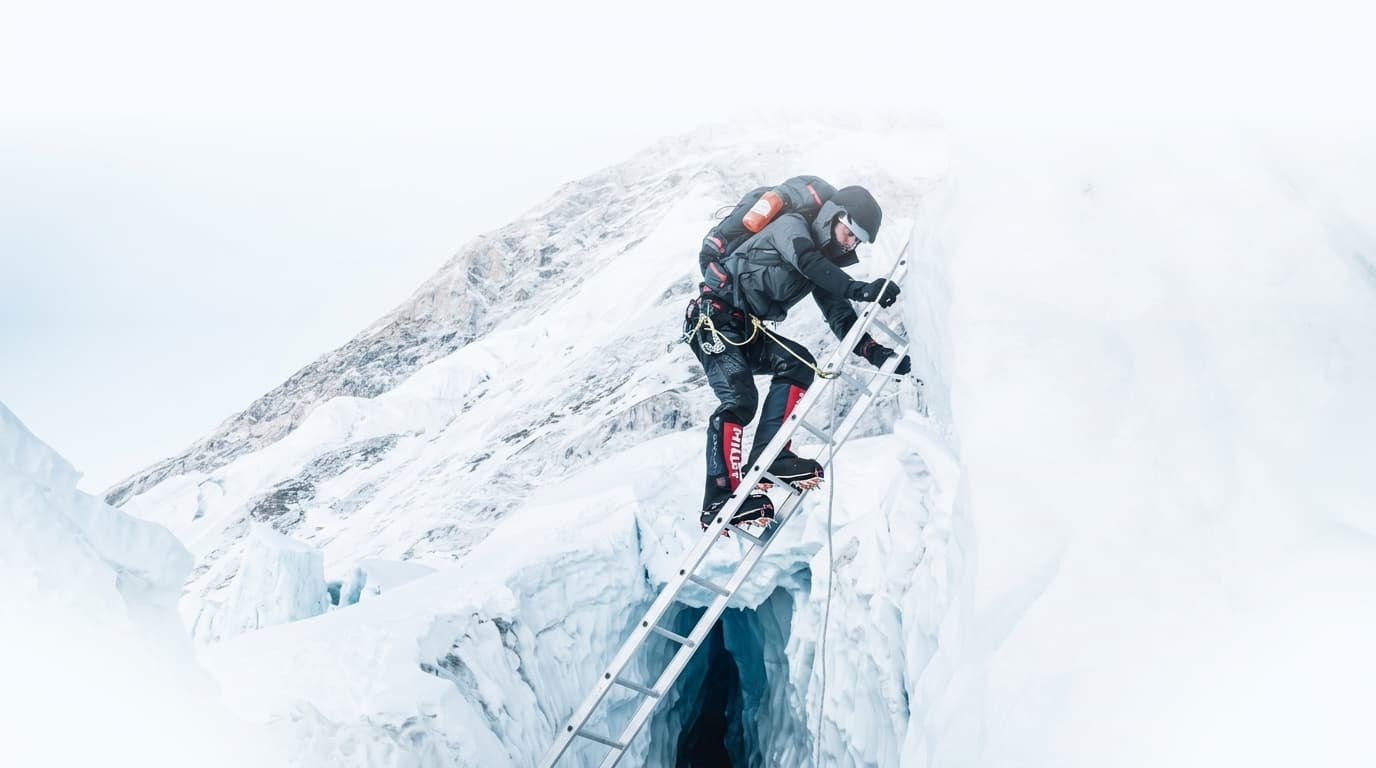
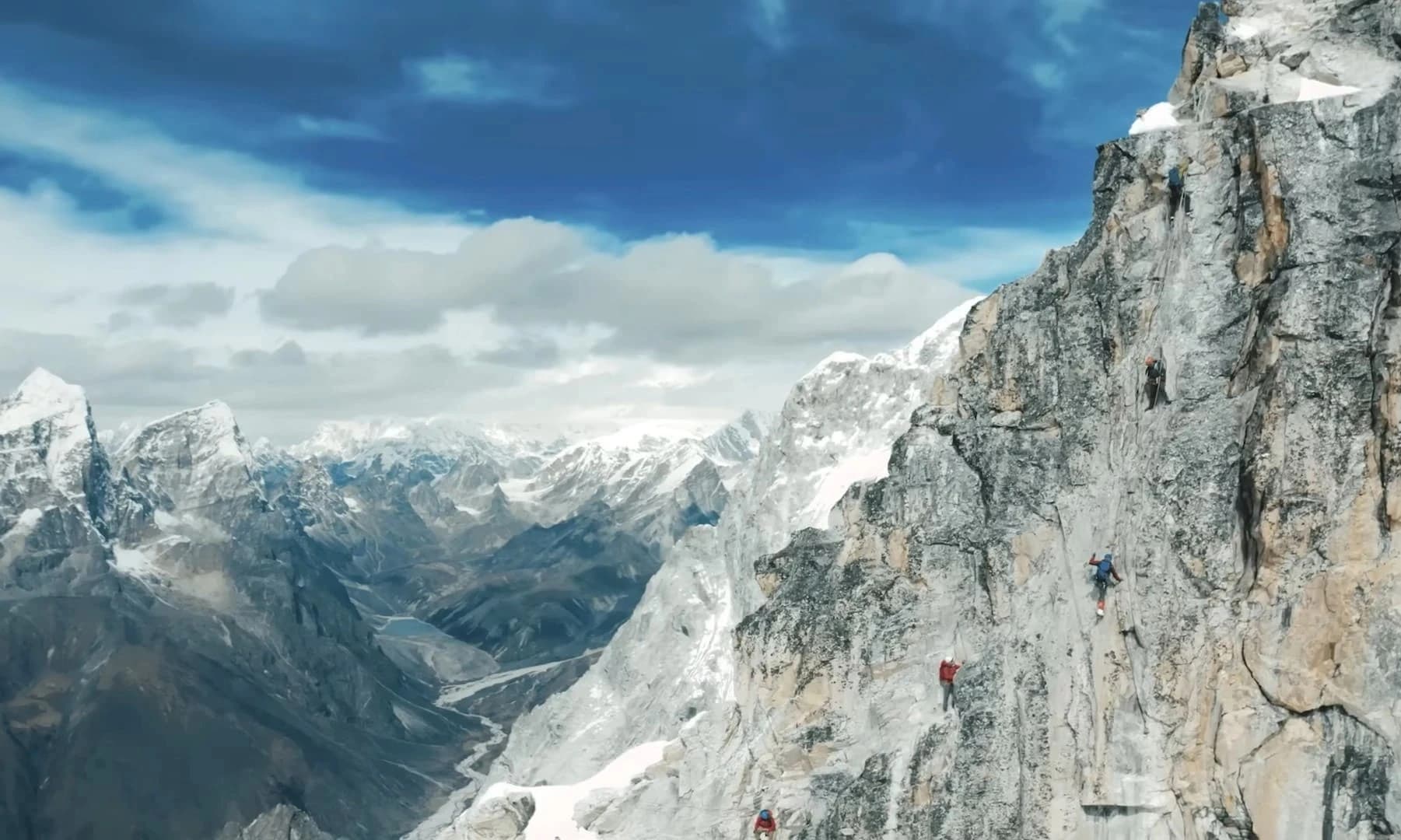
Kusum Kanguru (6,367m) stands as one of the most technically demanding peaks in the Khumbu region of Nepal. Unlike many trekking peaks in the Himalayas, this mountain requires genuine alpine skill, combining steep rock, ice, and mixed terrain that sets it apart from straightforward high-altitude walks.
For experienced mountaineers seeking a serious challenge below the 8,000m threshold, it remains one of the most rewarding objectives in the country.
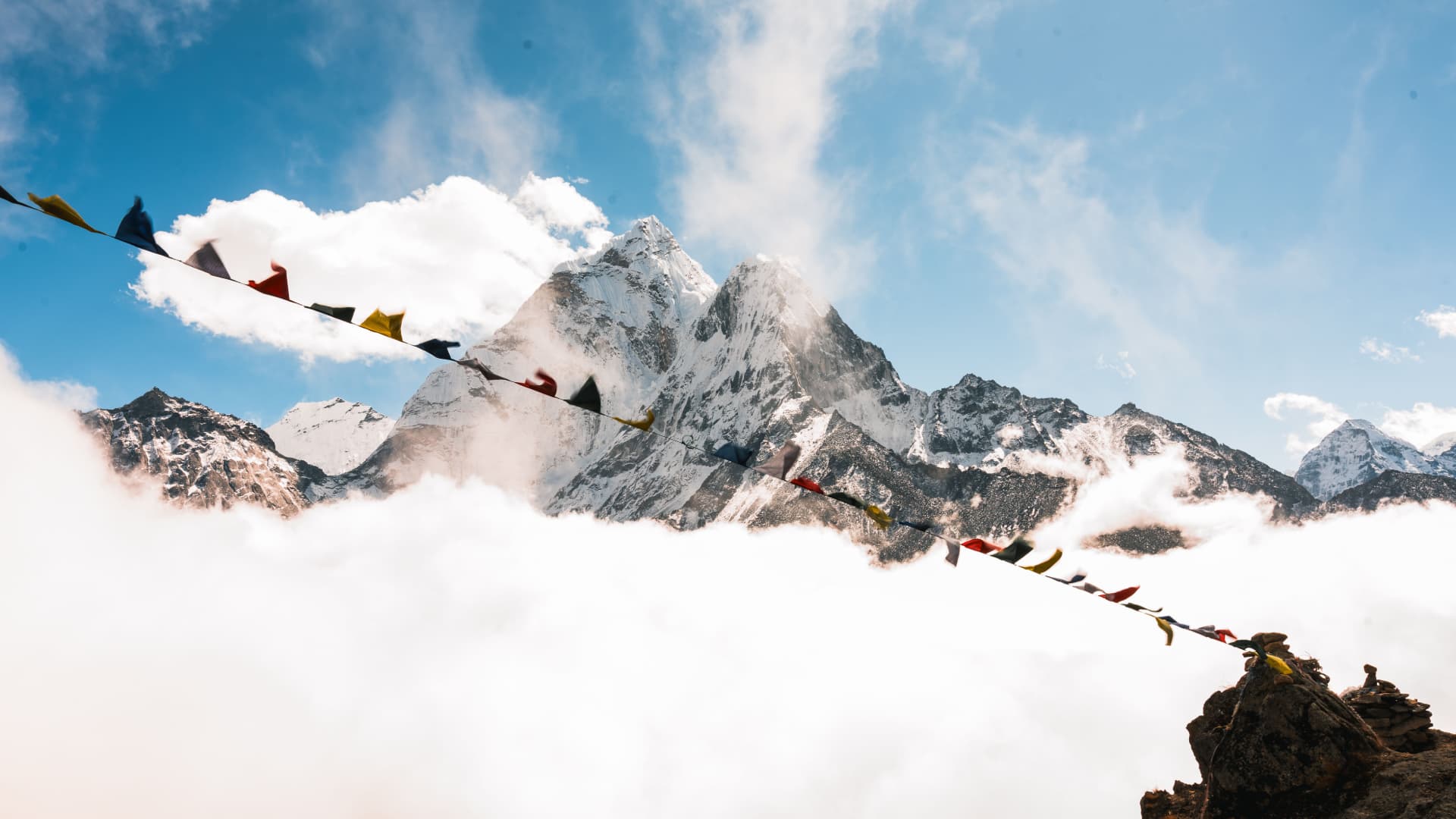
The approach itself is exceptional. The trail winds through the heart of Sagarmatha National Park, passing through Sherpa villages, rhododendron forests, and high ridgelines with unobstructed views of Everest, Lhotse, and Ama Dablam. By the time climbers reach Base Camp, they have already experienced a cross-section of what makes Nepal's mountain culture so distinctive.
Summit 8000 has guided expeditions across Nepal's Himalayan range for years, building the kind of operational knowledge that only comes from repeated seasons in the field. Our team understands the mountain's unpredictable weather patterns, the nuances of its three main ridgelines, and the logistical demands of keeping climbers safe and acclimatized at altitude.
Every aspect of this expedition, from permit handling in Kathmandu to high-camp rigging, is managed by professionals who have stood on these slopes before.
This is not an expedition for first-time climbers. It is, however, an ideal objective for mountaineers ready to step beyond standard trekking peaks and test their skills on a route that demands respect, preparation, and the right team beside them.
Why Climb Kusum Kanguru Peak in Nepal?
Few peaks in Nepal offer the combination of technical challenge and raw Himalayan scenery that Kusum Kanguru delivers. At 6,367 metres, it sits outside the crowded circuit of commercial expedition routes, meaning those who attempt it experience the mountain on its own terms no fixed queues, no overcrowded base camps.
The climb draws alpinists who have grown past standard trekking summits and want something that genuinely tests their mixed-terrain ability. The rock quality, the exposed ridgelines, and the demanding approach all contribute to an ascent that builds real mountaineering character. Add to this the sweeping views of Everest, Lhotse, and Ama Dablam from the upper slopes, and the case for climbing it becomes self-evident.
Nepal also provides the cultural and logistical infrastructure that makes such an undertaking manageable, with experienced Sherpa support, well-established permit systems, and a base camp environment shaped by decades of Himalayan mountaineering tradition.
Kusum Kanguru Height – How High is the Peak?
Kusum Kanguru reaches an elevation of 6,367 metres (20,889 feet) above sea level, placing it firmly in the category of serious high-altitude objectives without crossing into the extreme physiological demands of the 8,000m giants.
This elevation is significant for several reasons. It is high enough to require structured acclimatization, genuine cold-weather preparation, and technical climbing competence yet accessible enough that well-prepared mountaineers without 8,000m experience can attempt it. For many climbers, Kusum Kanguru represents a natural and logical progression in their Himalayan development.
The peak sits within the Khumbu region, geographically close to the world's highest mountains, which means the surrounding visual landscape punches well above the summit's own altitude.
Distance from Kathmandu to Kusum Kanguru Peak
The journey from Kathmandu to Kusum Kanguru Base Camp covers roughly 300 kilometres by air and trail combined. Most expeditions begin with a short flight from Kathmandu's Tribhuvan International Airport to Lukla (2,860m), a journey of approximately 35 minutes that bypasses several days of road travel.
From Lukla, the trekking approach to Base Camp takes between seven and nine days, depending on the chosen route and acclimatization schedule. The trail passes through Phakding, Namche Bazaar, Phortse, and the upper Hinku Valley before reaching the mountain's base. This approach is not merely logistical it is one of the finer trekking routes in the Khumbu, rich in Sherpa culture and progressive mountain scenery.
Total time from Kathmandu to Base Camp, including the flight and trek, typically falls between eight and ten days.
Why Climbers Choose Kusum Kanguru North Face?
The North Face of Kusum Kanguru has earned a specific reputation among technical alpinists for the quality and directness of its line. Where other routes on the mountain involve longer ridge approaches, the North Face offers a more sustained and committing ascent steep ice and mixed sections that demand confidence on varied terrain.
Climbers who select this route tend to prioritize the technical experience over a straightforward summit push. The face requires sound ice axe and crampon technique, anchor building skills, and the ability to move efficiently in exposed conditions. It is this exact character that makes it attractive to mountaineers seeking something closer to an alpine-style objective.
The North Face also provides a more isolated experience on the mountain, away from whichever route sees higher traffic in a given season, a factor that increasingly matters to serious climbers visiting the Khumbu.
Why Do the Kusum Kanguru Expedition in Nepal with Summit 8000?
Selecting the right operator for a technical Himalayan expedition matters as much as physical preparation. Summit 8000 brings accumulated field experience from multiple seasons across Nepal's climbing regions, which translates directly into safer, better-managed expeditions on a demanding peak like Kusum Kanguru.
Our team handles every logistical layer government permits, Kathmandu arrangements, Sherpa staffing, high-camp equipment, and emergency protocols so climbers can direct their full focus toward the mountain. This operational reliability is not incidental; on a technically serious peak, the margin for logistical failure is narrow.
Beyond logistics, Summit 8000 provides route-specific guidance built on direct experience with Kusum Kanguru's conditions, seasonal patterns, and technical requirements. Climbers join an expedition that has been planned with both summit success and personal safety as equal priorities, which, on a mountain of this nature, is exactly the standard that should be expected.