Summit8000Summit8000
Nirekha Peak Climbing in Nepal

Nirekha Peak Climbing in Nepal

Destination
Nepal
Duration
22 Days
Trip Difficulty
Challenging
Accommodation
4 Star hotel and Tea House
Meals
B, L, & D
Max. Elevation
6159m
Group Size
15
Best Time
Sept - Nov & March - May

Trip overview

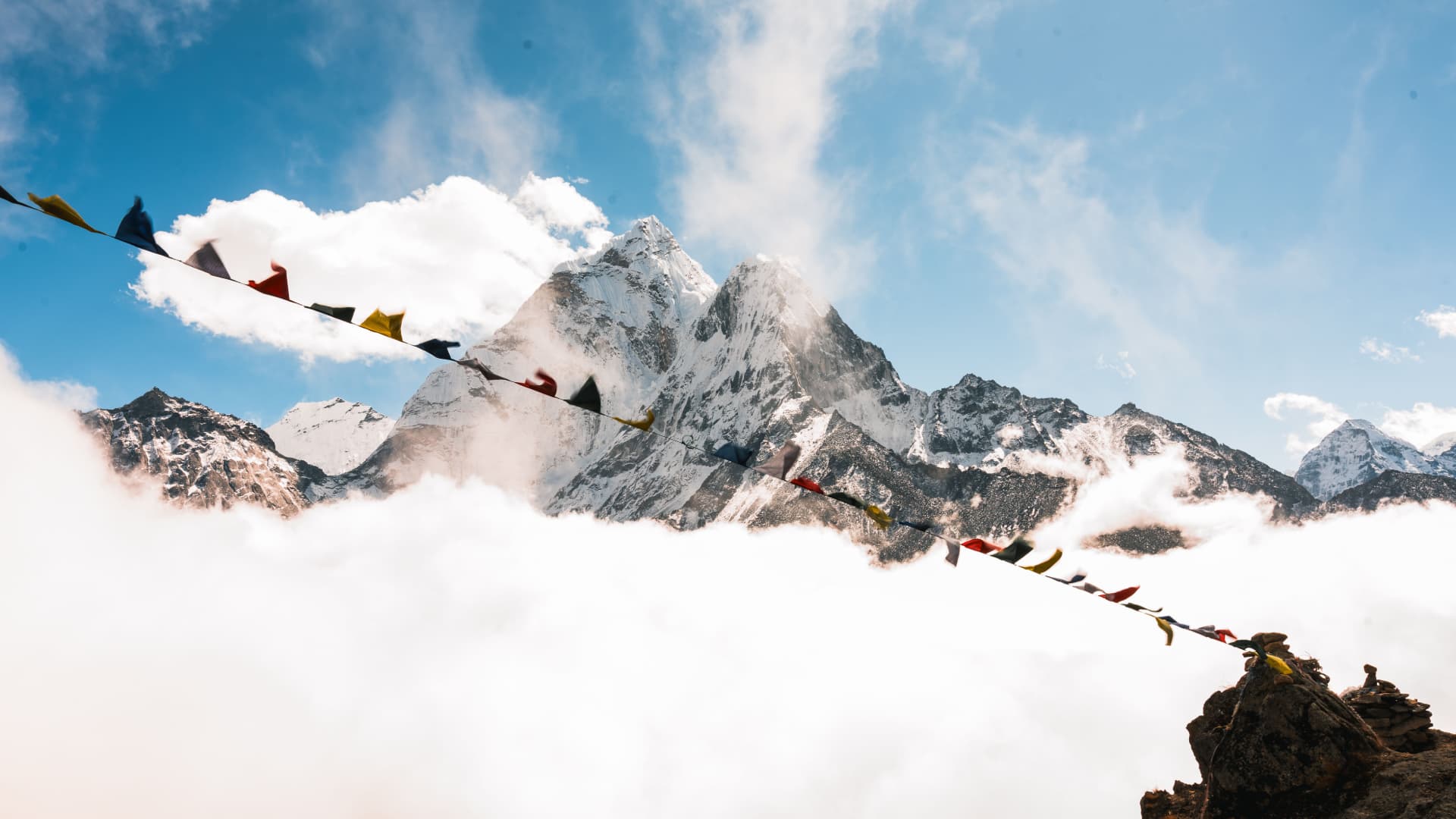
Nirekha Peak Climbing is one of Nepal’s most exciting yet lesser-known mountaineering adventures, perfect for climbers who want to go beyond trekking and step into real Himalayan expedition territory. Rising to an impressive height of 6,159 meters, Nirekha Peak sits in the remote Khumbu region of Nepal, close to the iconic Cho La Pass and the Everest Base Camp trail.

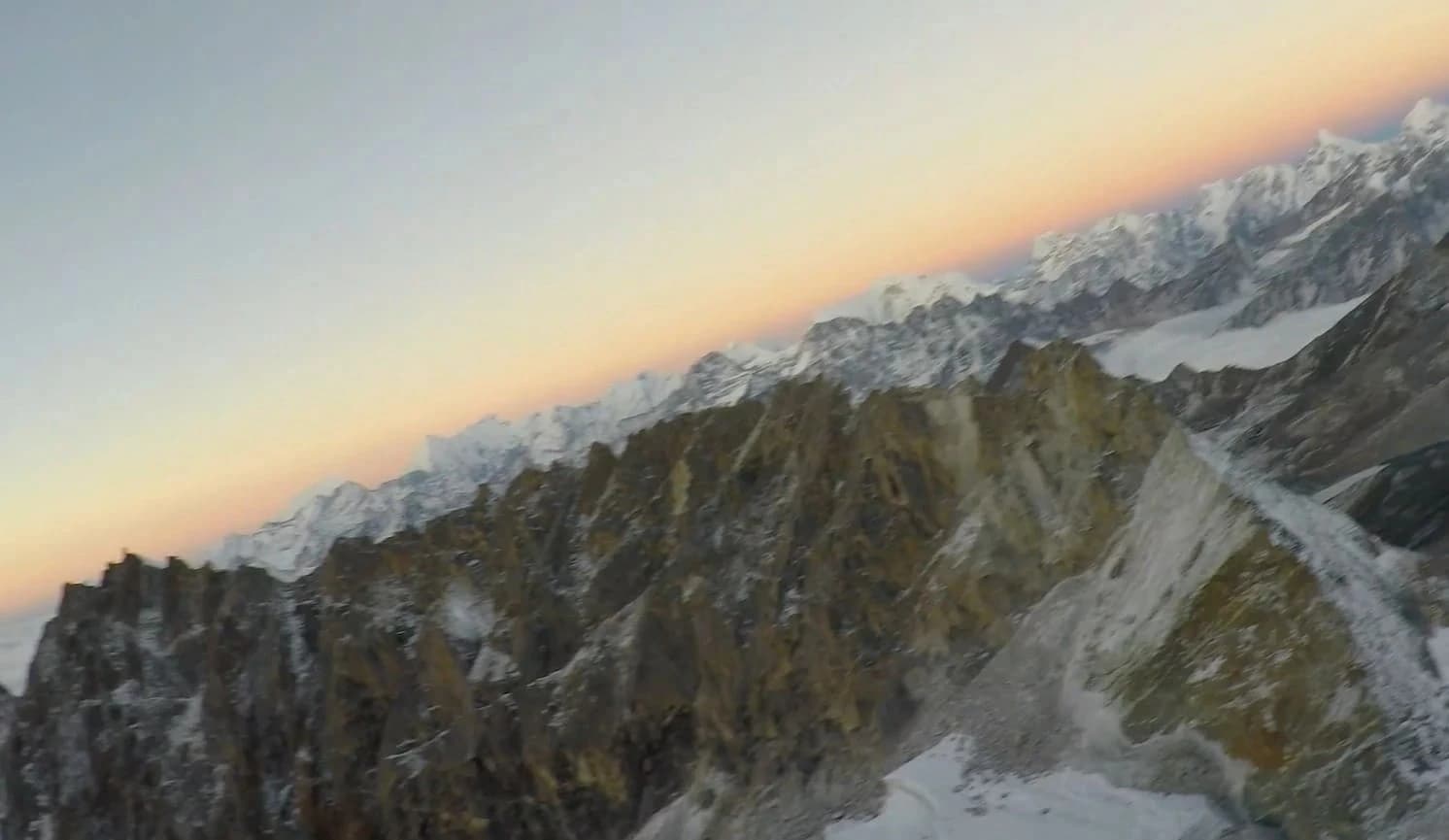
Unlike crowded peaks, Nirekha offers a raw and authentic climbing experience. You’ll explore untouched landscapes, dramatic glaciers, and high-altitude wilderness that few climbers get to witness. This expedition suits adventure seekers who already have some trekking or basic climbing experience and are ready to take on a more technical Himalayan challenge.

Key Highlights of Nirekha Peak Climbing

  • 6,159 meters, a Himalayan peak with a true mountaineering experience

  • Stunning views of Everest, Lhotse, Makalu, and the surrounding ranges

  • Remote and less crowded route compared to other trekking peaks

  • Crossing high passes like Cho La adds extra adventure.

  • Cultural immersion in Sherpa villages, monasteries, and the local lifestyle

  • Technical sections involving glacier travel, rope work, and ice climbing

Nirekha Peak Itinerary

A typical Nirekha Peak expedition lasts 18–22 days. The journey usually starts with a flight to Lukla, followed by trekking through Namche Bazaar, Dole, Machhermo, and Gokyo. After reaching base camp, climbers gradually ascend higher camps for acclimatization before making a summit push. The descent retraces the route back to Lukla.

Nirekha Peak Cost

The cost of Nirekha Peak climbing typically ranges from USD 4,500 to 7,500 per person, depending on the season, number of climbers, and inclusions. Most packages cover permits, guides, porters, equipment support, and accommodation in teahouses or base camp tents. Costs usually exclude international flights, personal gear, and insurance.

How Difficult Is Nirekha Peak Climbing?

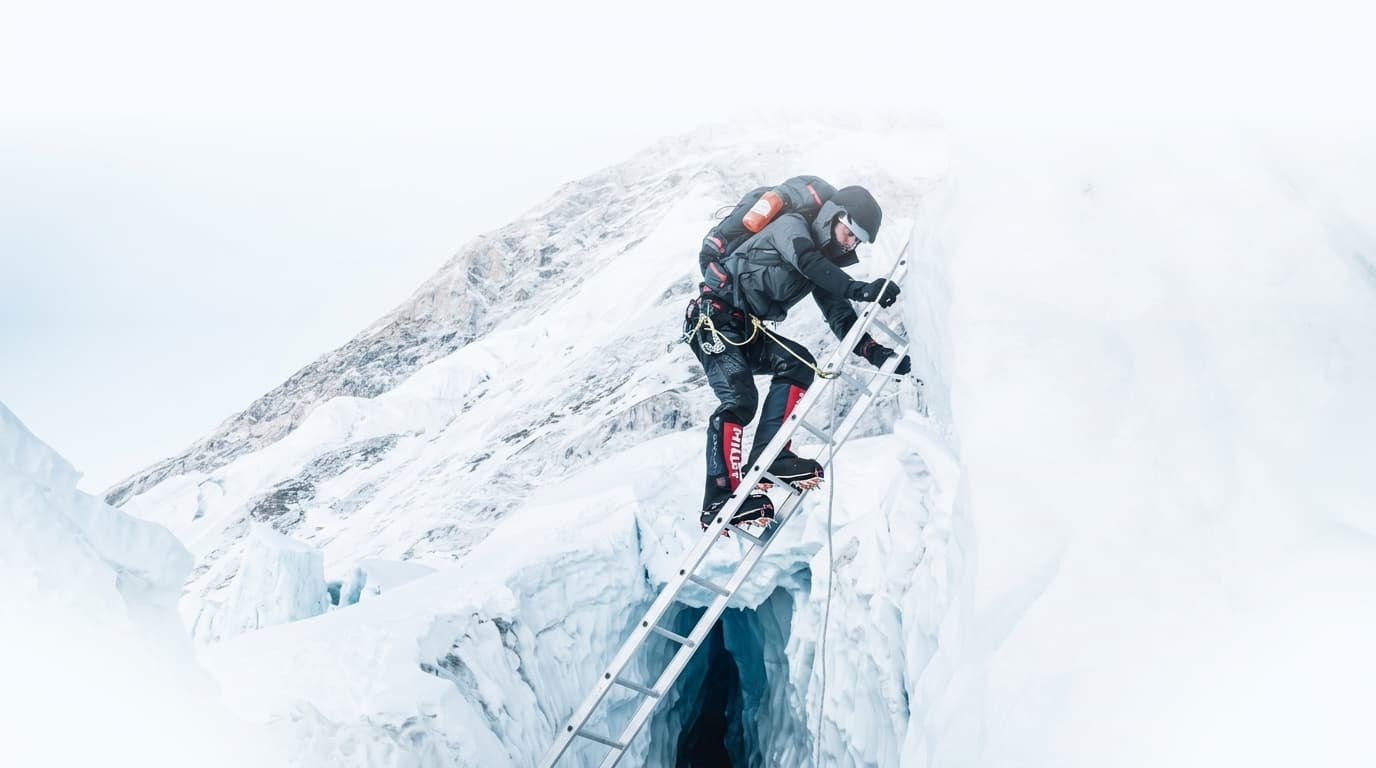
Nirekha Peak is moderately technical. While it is easier than major Himalayan summits like Cho Oyu, it still involves glacier travel, steep ice slopes, and rope-assisted sections. Climbers should have basic mountaineering skills and good physical fitness to safely complete the climb.

Do I Need Experience for Nirekha Peak?

Yes. While Nirekha is considered a “trekking peak,” it is not a beginner-only climb. Climbers are recommended to have prior trekking experience at high altitude and basic skills in ice climbing, crampon use, and rope techniques.

How Long Does the Nirekha Peak Climb Take?

The full expedition typically takes 22 days, including trekking to base camp, acclimatization at higher camps, and the summit attempt. The duration may vary depending on the group’s pace and weather conditions.

What Is the Height of Nirekha Peak?

Nirekha Peak stands at 6,159 meters (20,202 feet), offering climbers spectacular Himalayan views without the extreme difficulty of higher 7,000+ meter peaks.

Is Nirekha Peak Technical?

Yes. Nirekha Peak is moderately technical, requiring climbers to navigate ice slopes, crevasses, and rope-fixed sections. It’s recommended to climb with an experienced guide for safety.
Day By Day Itinerary

22 days: Complete day-by-day expedition route and elevation guide for Nirekha Peak Climbing in Nepal.

  1. Day 1

    Arrival in Kathmandu

    Your Himalayan adventure begins with your arrival in Kathmandu, the vibrant capital of Nepal. After clearing customs, you will be transferred to your hotel. Take the rest of the day to relax and recover from your journey. If time permits, explore the historic streets of Thamel, enjoy local cuisine, or visit nearby cultural landmarks to start immersing yourself in Nepalese culture.

  2. Day 2

    Preparation Day in Kathmandu

    This day is dedicated to expedition preparation. You will meet your climbing guide and team to review the detailed plan, check equipment, and organize necessary climbing permits. Guides will also provide safety briefings, explain altitude acclimatization strategies, and answer all your questions. This is an essential step to ensure a smooth and safe journey ahead.

  3. Day 3

    Fly to Lukla and Trek to Phakding

    After an early morning flight to Lukla, you’ll step onto one of the most scenic trails in the world. The trek to Phakding follows the Dudh Koshi River, weaving through pine forests, terraced fields, and small Sherpa villages. The trail is relatively gentle, allowing you to adjust to higher altitudes while enjoying views of surrounding peaks and suspension bridges over rushing rivers. Overnight stay in Phakding.

  4. Day 4

    Trek to Namche Bazaar

    Today, the trail becomes more challenging as you climb towards Namche Bazaar, the bustling Sherpa town and gateway to the Everest region. Cross multiple suspension bridges and navigate through steep sections, all while being rewarded with incredible views of peaks like Thamserku and Kusum Kanguru. Namche is also a great place to experience local markets, try Sherpa tea, and see traditional architecture.

  5. Day 5

    Acclimatization Day – Hiking Around Khumjung

    Acclimatization is key to a successful climb. Today, you hike to nearby villages such as Khumjung and Kunde. Visit monasteries, interact with local Sherpas, and enjoy breathtaking Himalayan vistas. Hiking at a slightly higher altitude and returning to Namche helps your body adapt to thinner air, reducing the risk of altitude sickness.

  6. Day 6

    Trek to Thame

    The trek continues to Thame, a quiet and traditional Sherpa village. The trail passes through dense forests, rocky ridges, and small rivers. Thame is culturally rich, home to the Thame Monastery and several ancient mani walls. This village has a tranquil atmosphere, making it an excellent spot to rest and absorb the serene Himalayan environment.

  7. Day 7

    Trek to Lungdeng

    Today’s trek takes you higher into alpine terrain, gaining significant altitude as you reach Lungdeng. The path becomes more rugged, with narrow trails and rocky sections. You will start seeing expansive glacier views and towering Himalayan peaks close up. An overnight stay at Lungdeng prepares you for the challenging passes ahead.

  8. Day 8

    Cross Renjola Pass to Gokyo Lake

    One of the most spectacular days of the trek. You will cross the Renjola Pass (5,415 m / 17,765 ft), a steep and exhilarating climb that offers panoramic views of Cho Oyu, Everest, and Makalu. After the pass, you descend to the beautiful Gokyo Lake, a turquoise gem surrounded by snow-capped peaks. This long day combines technical trekking with some of the region’s most iconic landscapes.

  9. Day 9

    Rest Day or Hike to 5th Gokyo Lake

    Spend a day resting at Gokyo Lake to acclimatize, or hike to the 5th Gokyo Lake. The optional hike provides unparalleled views of the surrounding Himalayan giants and the Ngozumpa Glacier, Nepal’s largest glacier. It’s also a perfect opportunity for photography and enjoying the serene alpine environment.

  10. Day 10

    Morning Ascent to Gokyo Peak and Descent to Thagnag

    Start early for the climb to Gokyo Peak. From the summit, marvel at 360-degree views of Everest, Cho Oyu, and surrounding peaks. After this incredible experience, descend to Thagnag, a small remote settlement that serves as a staging point for the Nirekha Peak Base Camp.

  11. Day 11

    Trek to Nirekha Base Camp

    Today, the trek leads to Nirekha Base Camp, the launch point for your summit attempt. The trail includes snowfields, glacial moraines, and increasingly rugged terrain. This is where the climbing truly begins, and the peak comes into view, allowing you to plan your route for the days ahead.

  12. Day 12

    Rest Day at Nirekha Base Camp

    A vital day for acclimatization. Rest, hydrate, and allow your body to adjust to high altitude. Guides may organize short hikes near the base camp to help with acclimatization while familiarizing you with your climbing equipment.

  13. Day 13

    Trek to High Camp

    Ascend to high camp, situated just below the summit ridge. The climb is steeper and more technical, with snow and ice slopes. Guides set up tents, fix ropes, and provide a briefing on summit strategy. Overnight stay at high camp prepares you for the summit push.

  14. Day 14

    Summit Nirekha Peak and Return to Base Camp

    Summit day! Begin in the early hours to tackle the final ascent. Using crampons and ice axes, navigate glaciers, steep snow slopes, and rope-assisted sections to reach the top. From the summit, enjoy panoramic views of Everest, Lhotse, Cho Oyu, and Makalu. After the achievement, descend carefully to base camp for rest and celebration.

  15. Day 15

    Reserve Day

    A buffer day for weather delays or unforeseen circumstances during the summit attempt. It ensures safety and allows flexibility in the expedition schedule.

  16. Day 16

    Base Camp to Dzongla via Cho-La Pass

    Trek through the challenging Cho-La Pass (5,467 m / 17,936 ft), a high and scenic route with breathtaking glacier views. Descend to Dzongla, enjoying the vast Himalayan landscapes and serene valleys along the way.

  17. Day 17

    Trek to Tengboche

    Descend through rhododendron forests and terraced slopes to reach Tengboche, home to the famous Tengboche Monastery. The spiritual atmosphere, prayer flags, and Himalayan vistas make this an unforgettable day of trekking.

  18. Day 18

    Trek to Namche Bazaar

    Retrace your path back to Namche Bazaar. Enjoy the vibrant town, shop for souvenirs, and celebrate the progress of your expedition. Overnight stay allows rest before the final leg of the trek.

  19. Day 19

    Trek to Lukla

    Final trekking day to Lukla. The descent offers a different perspective of the mountains and rivers you passed on the way up. Overnight in Lukla to relax and prepare for your flight back.

  20. Day 20

    Fly to Kathmandu

    Take a scenic mountain flight back to Kathmandu or Manthali. Enjoy aerial views of the Himalayas and reflect on the incredible journey.

  21. Day 21

    Departure

    After breakfast, you will be transferred to the airport for your onward journey, carrying unforgettable memories of your Nirekha Peak expedition. We hope your adventure was everything you dreamed of and more! If you enjoyed your experience, we would greatly appreciate it if you could share your feedback on TripAdvisor. Your reviews help fellow travelers plan their Himalayan adventures and allow us to continue providing exceptional climbing experiences. Thank you for being part of this unforgettable journey!

Dates & Availability

01Pick your start date

Runs any day, for your party only
Loading calendar…

Start dates open a week ahead, giving time to arrange permits, flights and your team.

02Your private trip

Private departure22 days

Start

Choose on the calendar

Return

22 days later

From

$7,500per person

Twin-share rate. The trip runs privately for your party on the date you choose.

Cost breakdown

What's included

  • Government trekking and climbing permits, including Nirekha Peak climbing permit.

  • Hotels in Kathmandu and teahouses/lodges during the trek; tents at base and high camps.

  • Breakfast in Kathmandu; full board (breakfast, lunch, and dinner) during the trek and expedition.

  • Experienced licensed mountaineering guides, Sherpa assistants, and porters.

  • Equipment transport by porters, rope fixing, and camp setup assistance.

  • Kathmandu–Lukla–Kathmandu round-trip flights.

  • Airport transfers and local transport during the itinerary.

  • Basic first aid kits and high-altitude emergency planning.

  • Environmental care, including collection and disposal of expedition waste.

What's not included

  • Flights to and from Nepal.

  • Crampons, harnesses, ice axes, sleeping bags, down jackets, trekking poles, and other specialized equipment

  • Comprehensive travel and climbing insurance covering high-altitude trekking and mountaineering.

  • Nepal entry visa (obtainable on arrival or online).

  • Drinks, snacks, Wi-Fi, souvenirs, and optional activities.

  • Tips for guides, porters, and staff (recommended but voluntary).

  • Side trips or sightseeing not included in the itinerary.

Good to Know

Gears List

Clothing

Base Layers
  • Moisture-wicking thermal tops and bottoms

  • Lightweight trekking t-shirts (short & long sleeve)

  • Thermal underwear

Mid Layers
  • Fleece jacket or wool sweater

  • Insulating down or synthetic jacket

  • Lightweight insulated pants

Outer Layers
  • Waterproof and windproof jacket (Gore-Tex recommended)

  • Waterproof pants or over-trousers

  • Softshell jacket for trekking days

Trekking & Summit Wear
  • Trekking pants (lightweight and breathable)

  • Hiking shorts (for lower altitudes)

  • Sun-protective long-sleeve shirts

  • Warm gloves (inner liner + insulated outer gloves)

  • Balaclava, neck gaiter, or scarf

  • Warm hat and sun hat

Footwear
  • Sturdy trekking boots (waterproof and broken-in)

  • Mountaineering boots (for summit and high camp)

  • Gaiters for snow and mud

  • Camp shoes or sandals for evenings

Technical Climbing Gear

  • Mountaineering harness

  • Helmet (climbing-certified)

  • Crampons compatible with your boots

  • Ice axe

  • Carabiners, slings, and belay device

  • Ascender or prusik cords (if required)

  • Trekking poles (collapsible, recommended)

  • Rope (usually provided by the operator)

Backpack & Bags

  • Main trekking backpack (50–65L for personal items)

  • Daypack (20–30L for daily essentials)

  • Duffel bag for base/high camp (can be carried by porters)

  • Waterproof stuff sacks or dry bags

  • Plastic bags for separating dirty or wet clothes

Sleeping & Camping Gear

  • 4-season sleeping bag (rated to -15°C/-5°F or lower)

  • Sleeping bag liner for extra warmth

  • Inflatable or foam sleeping pad

  • Headlamp with extra batteries

Personal Items

  • Sunglasses (UV 400+)

  • Sunscreen SPF 50+ and lip balm with SPF

  • Personal toiletries (toothbrush, toothpaste, biodegradable soap)

  • Quick-dry towel

  • Personal medications and first aid kit

  • Altitude sickness medication (consult your doctor)

  • Water bottles or hydration system (2–3 liters capacity)

  • Energy bars, snacks, and trail food

Optional Items

  • Camera or GoPro with extra batteries

  • Smartphone and power bank (portable solar charger recommended)

  • Trekking journal and pen

  • Binoculars for wildlife and mountain views

  • Lightweight trekking gaiters

  • Book or e-reader for rest days

Documents & Essentials

  • Passport with Nepal visa

  • Travel insurance and climbing insurance documents

  • Climbing permit copies

  • Flight tickets and expedition itinerary

  • Emergency contacts and guide details

READY TO TAKE ON
THE CHALLENGE?

Trip FAQs

Ready To Discover The Breathtaking Beauty Of Nepal? Explore Our Frequently Asked Questions Or Connect With Our Travel Specialists For Personalized Guidance. From Majestic Himalayan Peaks To Vibrant Cultures And Unforgettable Adventures, We're Here To Help You Create A Journey Through Nepal That's Uniquely Yours.

Our Climbing Experts

  • Climbing Expert
  • Climbing Expert
  • Climbing Expert
  • Climbing Expert
  • 12+

12+ Expert Mountaineers

Meet Our Team

Summit 8000 Logo

CREATE YOUR OWN ADVENTURE

Design a personalized journey around your interests, schedule, and travel style, with flexible itineraries, private experiences, and expert guidance tailored specifically to you.

One Network, Complete Mountain Support

Part of the Wider Summit8000 Ecosystem

Summit8000 is supported by a wider ecosystem of services connected with our leadership, covering key aspects of the journey from accommodation and transportation to healthcare, insurance and helicopter services.

Accommodation
Kongde Resort · KongdeSherpa Hotel · PhakdingLama Lodge · Kothe, Mera RegionMountain View Resort · Khare, Mera Region
Healthcare & Medical Support
Sherpa Khangri Hospitals · PhakdingMera Clinic · Mera RegionGokyo Clinic · Gokyo
Helicopter Services
Heli EverestHeli Bhutan
Insurance
Altitude Assistance · Insurance Services
Flight & Ticketing
Everest Connection · Airline TicketingHeli Connection · Helicopter Booking

From accommodation and transportation to medical assistance, insurance and helicopter services, the wider Summit8000 ecosystem helps coordinate essential support throughout the journey.

From$7,500

Our Newspaper

Subscribe to Newspaper

Sign up for the Summit8000 newsletter and stay up to date with our latest news, exciting updates, expedition stories, and important announcements.

Chat with us