Summit8000Summit8000
Yubra Himal Peak Climbing

Yubra Himal Peak Climbing

Destination
Nepal
Duration
16 Days
Trip Difficulty
Moderate
Accommodation
4 Star/ Star Hotel, Tent and Tea House
Meals
B, L, & D
Max. Elevation
6035m
Group Size
15
Best Time
Sept - Nov & March - May

Trip overview

Yubra Himal Peak Climbing is a breathtaking and scenic Himalayan adventure located in the remote Langtang region of Nepal, near the Tibetan border. Rising to approximately 6,035 meters, this peak is considered a beginner-friendly trekking peak, perfect for those who want an authentic introduction to mountaineering.

The journey begins with a drive from Kathmandu to Syabrubesi, followed by a beautiful trek through Langtang National Park. Along the trail, you will pass through lush forests, alpine meadows, and traditional Tamang villages, experiencing local culture in its most authentic form.

The region is less crowded than Everest or Annapurna expeditions, making it ideal for travelers seeking a peaceful and raw Himalayan experience with breathtaking views of Langtang Lirung, Ganesh Himal, and surrounding snow-covered peaks.

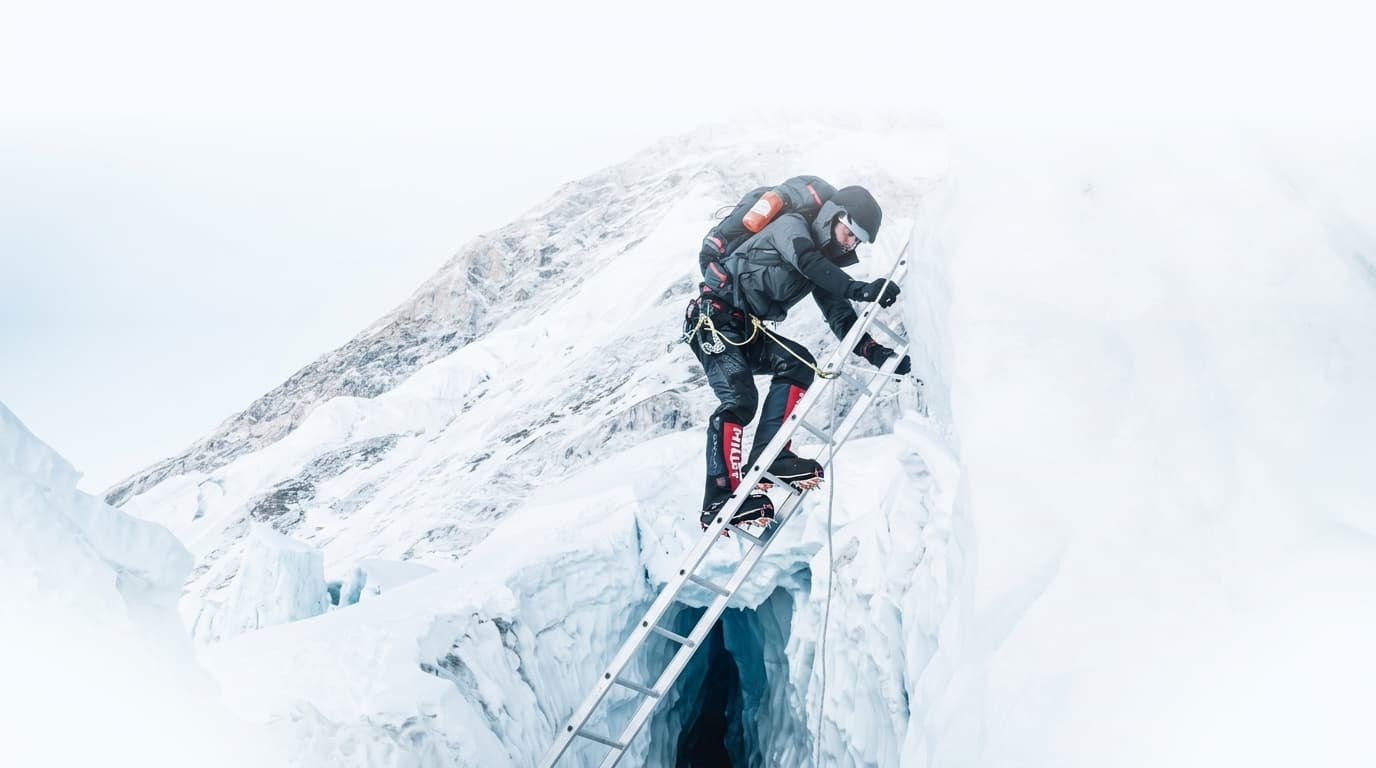
Climbing Yubra Himal is moderately challenging and does not require advanced technical skills, but it does demand good physical fitness and basic mountaineering knowledge. With the support of experienced local guides, climbers learn to use essential equipment like crampons, ropes, and ice axes, making the journey both safe and educational.

The summit push rewards you with panoramic, awe-inspiring views that make every step worth it. More than just a climb, Yubra Himal offers an emotional connection to nature and the mountains, combining adventure with cultural immersion. If you are looking for a remote, scenic, and achievable peak climbing experience in Nepal, this is a powerful and rewarding journey that turns your Himalayan dream into reality.

Is Yubra Peak dangerous for climbing?

Yubra Peak is not considered highly dangerous compared to technical Himalayan peaks, but like any high-altitude climb, it does carry some risks. The main challenges come from altitude (above 6,000 meters), cold weather, and changing mountain conditions.

However, the route is non-technical and beginner-friendly, which reduces major risks. With proper acclimatization, experienced local guides, and the right equipment, Yubra Peak becomes a safe and manageable climbing experience for most trekkers.

Who should do the Yubra Peak expedition?

Yubra Peak is perfect for beginners who want to step into mountaineering for the first time. It is ideal for trekkers with good physical fitness and some prior trekking experience in the Himalayas. Adventure lovers looking for a remote, authentic, and less crowded climbing experience will find this expedition very rewarding. It is also a great choice for those who want to learn basic climbing skills in a real Himalayan environment without facing extreme technical difficulty.

Difficulty & Technical Challenges of Yubra Himal

Yubra Himal is considered a moderately difficult trekking peak. The climb does not require advanced technical climbing skills, but basic knowledge of using crampons, ropes, and ice axes is needed, especially near the summit. The biggest challenge is altitude rather than technical difficulty, as climbers need to adapt properly above 5,000 meters.

The trail includes steep sections, glacier walking, and snowy terrain, which require careful movement and guidance. It is a scenic and achievable climb for beginners, offering a perfect balance of adventure and learning in a breathtaking and remote Himalayan setting.
Day By Day Itinerary

16 days: Complete day-by-day expedition route and elevation guide for Yubra Himal Peak Climbing.

  1. Day 1

    Arrival in Kathmandu

    Your adventure begins the moment you land at Tribhuvan International Airport in Kathmandu, where the Summit 8000 team warmly welcomes you. You will be transferred to a comfortable hotel in Thamel, the heart of Kathmandu’s vibrant streets. In the evening, your guides will conduct a detailed briefing, check your climbing gear, and walk you through the expedition plan. This is your first taste of Nepal’s rich Himalayan culture, full of bustling markets, colorful streets, and an energetic local vibe. It’s the perfect start to a journey that combines adventure with authentic cultural experiences.

  2. Day 2

    Drive Kathmandu to Syabrubesi

    After breakfast, we begin a scenic drive to Syabrubesi, a gateway to the Langtang region. The journey passes along the Trishuli River, with breathtaking Himalayan foothills on the horizon and terraced fields lining the valley. Syabrubesi is a small, authentic village where time feels slower and the local Tamang culture is visible in every corner. Upon arrival, you settle into a local teahouse and enjoy the serenity of this remote Himalayan valley, a quiet contrast to Kathmandu’s busy streets.

  3. Day 3

    Trek Syabrubesi to Lama Hotel

    The trek begins gently along the Langtang River, passing lush rhododendron and bamboo forests, dotted with sparkling streams and waterfalls. Every step brings new scenic views of the surrounding hills and distant snow-capped peaks. After about 5–6 hours of trekking over 13 km, you reach Lama Hotel, a peaceful stop surrounded by Himalayan forests. The combination of fresh mountain air and natural beauty makes this first trekking day both exhilarating and calming.

  4. Day 4

    Trek Lama Hotel to Langtang Village

    Today, the trail gradually ascends through yak pastures and small settlements, giving you your first taste of authentic Himalayan village life. Langtang Village is famous for its traditional stone houses, monasteries, and friendly locals who warmly welcome trekkers. You can explore the village monastery and interact with villagers, gaining insight into local customs and lifestyle. Surrounded by the serene beauty of Langtang’s snow-capped peaks, this day blends cultural immersion with scenic trekking.

  5. Day 5

    Trek Langtang Village to Kyanjin Gompa

    The trail becomes more alpine, passing rolling meadows, moraine landscapes, and small streams. Kyanjin Gompa sits in a remote and breathtaking valley, with panoramic views of towering peaks like Langtang Lirung. The village is serene and ideal for rest after the day’s climb. You can also take a short hike to nearby viewpoints to enjoy scenic vistas and immerse yourself in the surrounding Himalayan wilderness. This day combines adventure with peace, offering an unforgettable high-altitude experience.

  6. Day 6

    Acclimatization Day at Kyanjin Gompa

    To safely prepare for the higher ascent, today is an acclimatization day. You can hike to Kyanjin Ri (4,773m) or Tserko Ri, enjoying breathtaking views of the surrounding glaciers and peaks. Your guides will provide basic mountaineering training, introducing rope techniques and safety measures. This day is not just about physical preparation, it’s a chance to connect emotionally with the remote and raw beauty of the Himalayas.

  7. Day 7

    Trek Kyanjin Gompa to Yubra Himal Base Camp

    The trail leads into increasingly remote alpine terrain, where fewer trekkers venture. The landscape becomes rugged yet beautiful, with glaciers and snow-capped peaks forming a majestic backdrop. After trekking approximately 8 km in 5–6 hours, you reach Yubra Himal Base Camp, nestled in a scenic valley. The Base Camp feels truly secluded, allowing you to experience the authentic wilderness of the high Himalayas. The sense of isolation and raw nature at this altitude is both humbling and inspiring.

  8. Day 8

    Acclimatization & Training at Base Camp

    Today is a rest and preparation day. At Base Camp, Our guides teach essential climbing techniques, including crampon use, rope work, and ice axe handling. Equipment is checked and organized for the ascent to High Camp. Beyond training, you can relax and soak in the breathtaking views of the surrounding glaciers and peaks. This day balances safety, learning, and the emotional thrill of being deep in the remote Himalayas.

  9. Day 9

    Trek Base Camp to High Camp

    The ascent to High Camp involves steeper terrain and sections of glacier walking, providing a true taste of high-altitude adventure. The trail winds through rugged, scenic alpine landscapes, with quiet valleys and striking peaks all around. After 4–5 hours of trekking over 5 km, you arrive at High Camp. Here, the serenity of the remote mountains and the crisp, thin air prepares you mentally and physically for the summit push. An early dinner and rest ensure you are ready for the big climb.

  10. Day 10

    Summit Yubra Himal & Return to Base Camp

    The summit day begins in the early pre-dawn hours. The climb is non-technical but requires stamina, careful pacing, and determination. As you reach the summit at 6,035 meters, the surrounding breathtaking Himalayan panorama unfolds: Langtang Lirung, Ganesh Himal, and countless snow-capped peaks. The feeling of accomplishment, combined with the remote and scenic surroundings, is emotionally unforgettable. After celebrating the achievement, you carefully descend back to Base Camp, carrying the joy and pride of a life-changing adventure.

  11. Day 11

    Contingency Day

    This extra day is reserved for any weather delays or summit attempts that need to be rescheduled. Safety is the priority, and having this flexibility ensures a stress-free and secure expedition. The day also allows you to rest while enjoying the remote and peaceful alpine environment.

  12. Day 12

    Trek Base Camp to Kyanjin Gompa

    We descend through alpine meadows and moraine trails, retracing steps through scenic Himalayan terrain. Returning to Kyanjin Gompa gives time for reflection on the summit experience and the breathtaking landscapes you’ve crossed. The village is welcoming and peaceful, perfect for a night of rest.

  13. Day 13

    Trek Kyanjin Gompa to Lama Hotel

    The descent continues gently through forests and small settlements. Trekking along these trails allows you to enjoy the changing scenery as the mountains give way to green hills. Lama Hotel provides a comfortable stopover and a chance to relax in warmer surroundings after the high-altitude adventure.

  14. Day 14

    Trek Lama Hotel to Syabrubesi

    On the final trekking day, you follow riverside trails surrounded by forests and scenic landscapes. Celebrate the end of your trekking journey with local tea or snacks and enjoy the peaceful atmosphere of this remote Himalayan valley before returning to Kathmandu.

  15. Day 15

    Drive Syabrubesi to Kathmandu

    The drive back to Kathmandu is filled with panoramic Himalayan views. In the evening, We will host a farewell dinner, celebrating your successful expedition. It’s a time to share stories, relive the climb, and reflect on the emotional and adventurous journey you’ve just completed.

  16. Day 16

    Departure from Kathmandu

    After breakfast, you are transferred to Tribhuvan International Airport for your onward flight. You leave with unforgettable memories of an authentic, remote, and breathtaking Himalayan adventure, carrying the satisfaction of having climbed Yubra Himal Peak with expert guidance and care.

Dates & Availability

01Pick your start date

Runs any day, for your party only
Loading calendar…

Start dates open a week ahead, giving time to arrange permits, flights and your team.

02Your private trip

Private departure16 days

Start

Choose on the calendar

Return

16 days later

From

$7,500per person

Twin-share rate. The trip runs privately for your party on the date you choose.

Cost breakdown

What's included

  • Accommodation in 4-star hotel in Kathmandu before and after the trek.

  • Private vehicle transfer from Kathmandu to the starting point and return.

  • Airport pick-up and drop-off with warm welcome by Summit 8000 team.

  • Three meals a day during the trek (breakfast, lunch, dinner) served in teahouses or camps.

  • Tea, coffee, and hot drinks anytime during the trek.

  • Pure drinking water and regular hydration support throughout the expedition.

  • Experienced chef/cook to prepare fresh, nutritious meals.

  • Local expert climbing guides and porters for a safe, smooth journey.

  • Trekking and climbing permits required for Yubra Himal Peak and Langtang National Park.

  • Base Camp and High Camp camping equipment, including tents, sleeping mats, and dining facilities.

  • Climbing training and safety instructions from professional guides.

  • First aid kit and emergency response support during the expedition.

  • Cultural experiences at local villages along the trail.

What's not included

  • International flights to and from Kathmandu.

  • Personal climbing equipment (crampons, ice axe, harness, helmets—can be rented through Summit 8000).

  • Travel or trekking insurance covering high-altitude trekking and mountaineering.

  • Hot showers, internet, or Wi-Fi at teahouses (available at some locations for extra cost).

  • Personal snacks, drinks, or items not mentioned in the itinerary.

  • Tips for guides, porters, or drivers.

  • Any medical expenses or evacuation costs.

  • Optional sightseeing in Kathmandu or extra activities not included in the itinerary.

Good to Know

Gears List

Clothing

Base Layers (moisture-wicking & thermal)
  • Thermal tops and bottoms

  • Lightweight trekking t-shirts (quick-dry)

  • Long-sleeve shirts

Mid Layers (insulation)
  • Fleece jacket or pullover

  • Down jacket (lightweight, compressible)

  • Insulated pants

Outer Layers (protection against wind, snow, and rain)
  • Waterproof and windproof jacket (Gore-Tex or equivalent)

  • Waterproof pants

  • Softshell jacket (optional)

Trekking & Climbing Gear Clothing
  • Trekking pants (preferably quick-dry)

  • Shorts (for lower altitude trekking days)

  • Gloves: liner gloves, insulated gloves, waterproof gloves

  • Warm hat / beanie

  • Sun hat / cap

  • Buff / neck gaiter

  • Sunglasses (UV protection, glacier goggles optional for high snow days)

  • Hiking socks (wool or synthetic, multiple pairs)

  • Gaiters (to keep snow/dirt out of boots)

Footwear

  • High-altitude trekking boots (waterproof and well broken-in)

  • Lightweight trekking shoes / sneakers (for lodge days)

  • Camp shoes / sandals

Climbing Gear

  • Mountaineering harness

  • Helmet

  • Ice axe

  • Crampons

  • Carabiners (locking & non-locking)

  • Ascender / belay device

  • Climbing rope (if not provided by the expedition operator)

  • Trekking poles (adjustable)

Personal Gear & Accessories

  • Backpack (50–65L) for trekking

  • Daypack (20–30L) for day trips

  • Sleeping bag (-20°C rated recommended)

  • Sleeping bag liner (optional for extra warmth)

  • Headlamp (with extra batteries)

  • Water bottles / hydration system (2–3 liters capacity)

  • Personal first aid kit

  • Sunscreen (high SPF)

  • Lip balm (SPF protection)

  • Moisturizer / hand cream

  • Trekking towel

  • Personal hygiene items (toothbrush, toothpaste, wet wipes, quick-dry towel)

  • Trekking toilet paper

Electronics & Essentials

  • Mobile phone and charger

  • Power bank (high-capacity for multiple days)

  • Camera / GoPro (optional)

  • Plug adapter (if needed)

  • GPS / compass (optional, useful for navigation)

  • Notebook / pen

Documents & Money

  • Passport / ID

  • Visa (if applicable)

  • Travel insurance documents

  • Cash (Nepalese Rupees)

  • Copies of all documents

Optional Comfort Items

  • Snacks / energy bars

  • Thermos / travel mug

  • Sunglasses strap

  • Lightweight trekking chair (optional for base camp)

  • Books / cards for entertainment

READY TO TAKE ON
THE CHALLENGE?

Trip FAQs

Ready To Discover The Breathtaking Beauty Of Nepal? Explore Our Frequently Asked Questions Or Connect With Our Travel Specialists For Personalized Guidance. From Majestic Himalayan Peaks To Vibrant Cultures And Unforgettable Adventures, We're Here To Help You Create A Journey Through Nepal That's Uniquely Yours.

Our Climbing Experts

  • Climbing Expert
  • Climbing Expert
  • Climbing Expert
  • Climbing Expert
  • 12+

12+ Expert Mountaineers

Meet Our Team

Summit 8000 Logo

CREATE YOUR OWN ADVENTURE

Design a personalized journey around your interests, schedule, and travel style, with flexible itineraries, private experiences, and expert guidance tailored specifically to you.

One Network, Complete Mountain Support

Part of the Wider Summit8000 Ecosystem

Summit8000 is supported by a wider ecosystem of services connected with our leadership, covering key aspects of the journey from accommodation and transportation to healthcare, insurance and helicopter services.

Accommodation
Kongde Resort · KongdeSherpa Hotel · PhakdingLama Lodge · Kothe, Mera RegionMountain View Resort · Khare, Mera Region
Healthcare & Medical Support
Sherpa Khangri Hospitals · PhakdingMera Clinic · Mera RegionGokyo Clinic · Gokyo
Helicopter Services
Heli EverestHeli Bhutan
Insurance
Altitude Assistance · Insurance Services
Flight & Ticketing
Everest Connection · Airline TicketingHeli Connection · Helicopter Booking

From accommodation and transportation to medical assistance, insurance and helicopter services, the wider Summit8000 ecosystem helps coordinate essential support throughout the journey.

From$7,500

Our Newspaper

Subscribe to Newspaper

Sign up for the Summit8000 newsletter and stay up to date with our latest news, exciting updates, expedition stories, and important announcements.

Chat with us