.avif&w=96&q=75)
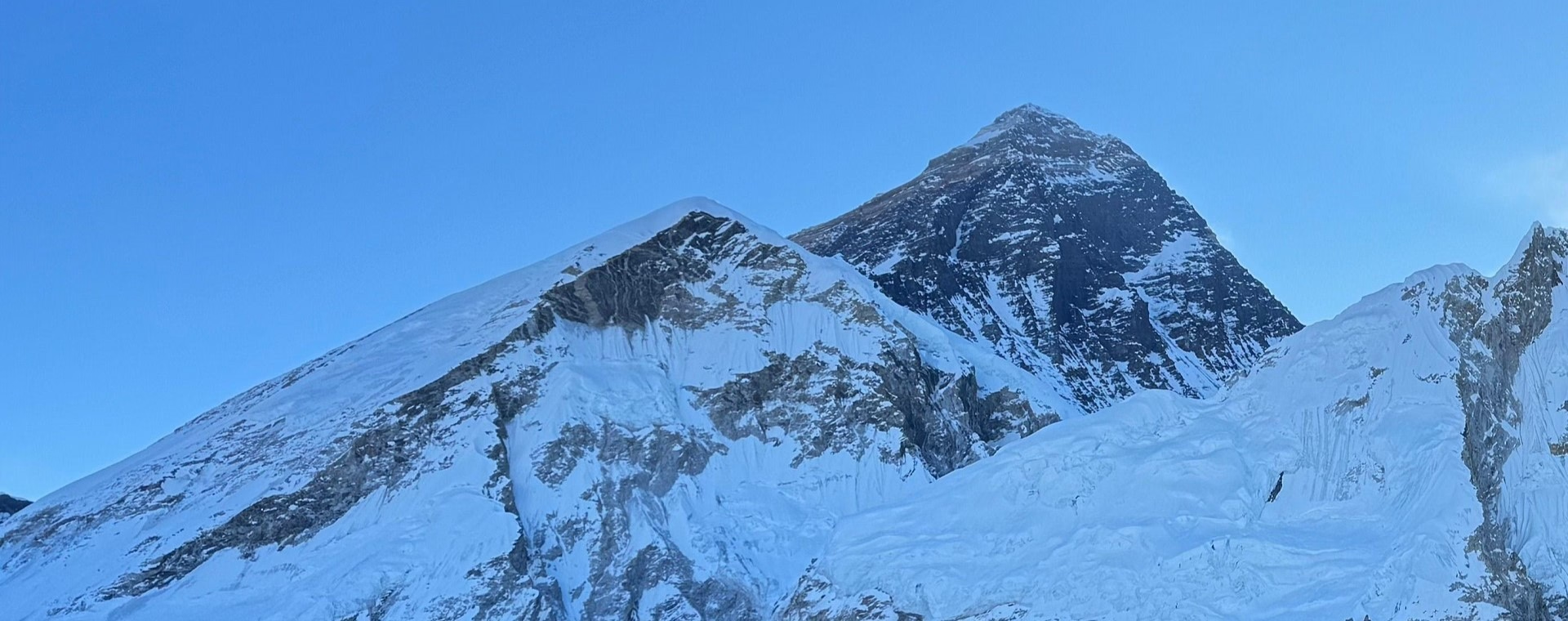
Table of Contents6
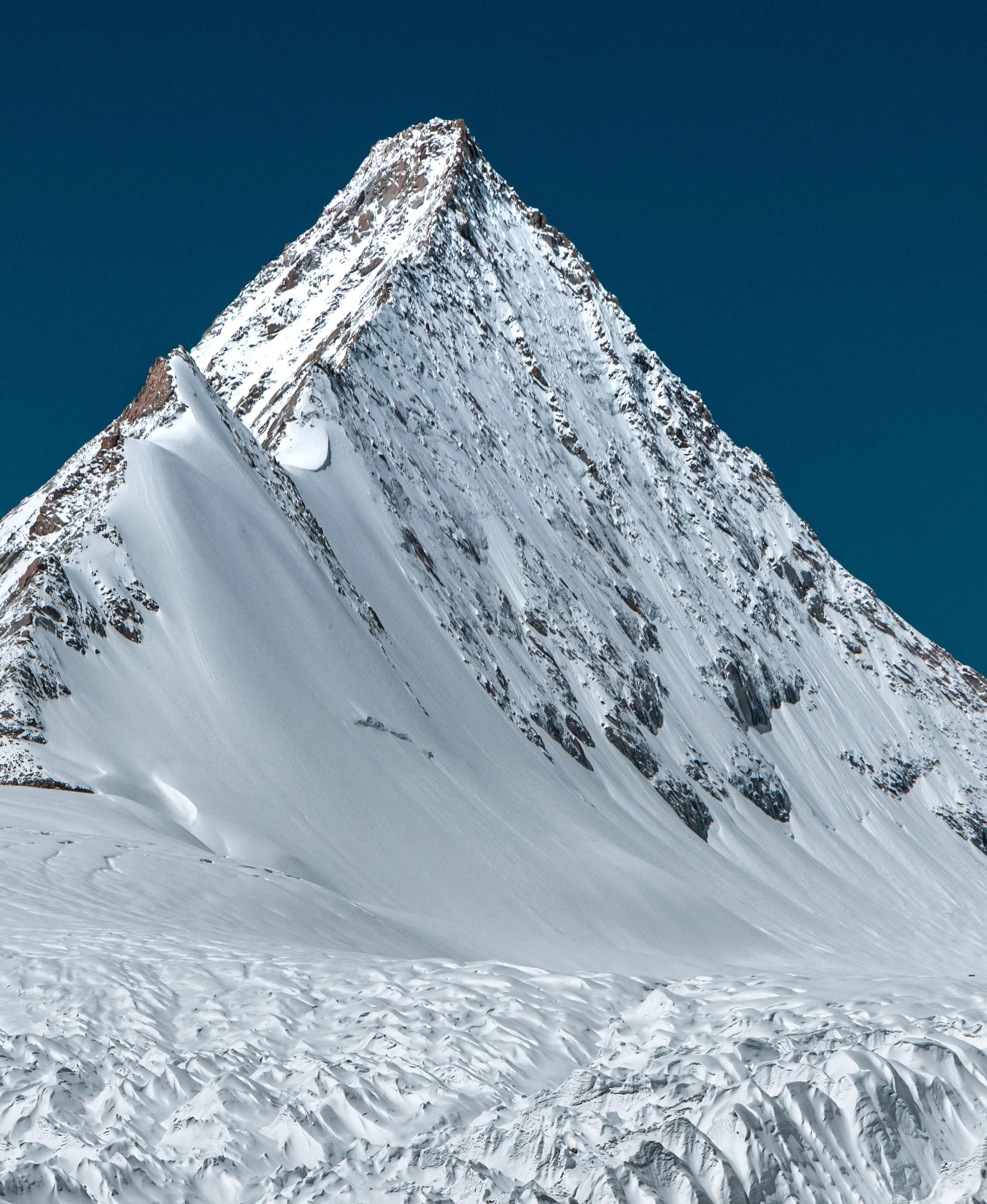
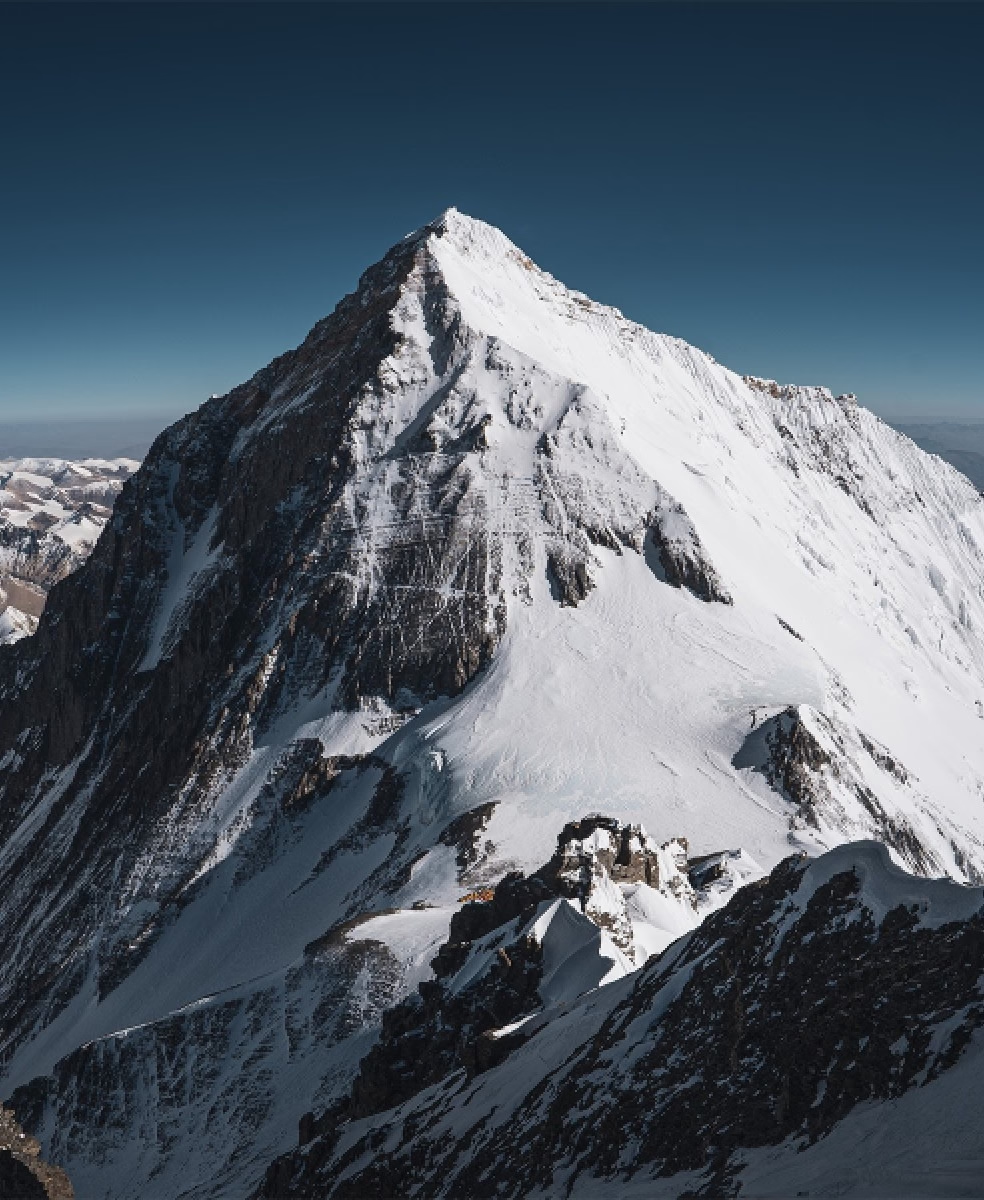
No, Mount Everest is not a volcano. Mount Everest is a mountain formed by the movement and collision of tectonic plates. It stands at around 8,849 meters above sea level, making it the highest mountain in the world.
Unlike a volcano, Mount Everest does not have a magma chamber or an active volcanic system beneath it. A volcano is formed where molten rock, or magma, rises towards the earth’s surface and can eventually erupt. Mount Everest has no such volcanic activity.
In simple words, Mount Everest will not erupt like a volcano.
How Was Mount Everest Formed
The formation of Mount Everest is closely connected with the movement of the Indian and Eurasian tectonic plates. Millions of years ago, the Tethys Sea existed between these landmasses. As the Indian Plate moved north and collided with the Eurasian Plate, the land between them was pushed upwards.
This massive geological movement formed the Himalayas, including Mount Everest. The mountain itself is made up of sedimentary and metamorphic rocks that were gradually uplifted over millions of years. Mount Everest is estimated to have formed around 60 million years ago and the Himalayas are still geologically active today.

Is Mount Everest Dangerous to Climb
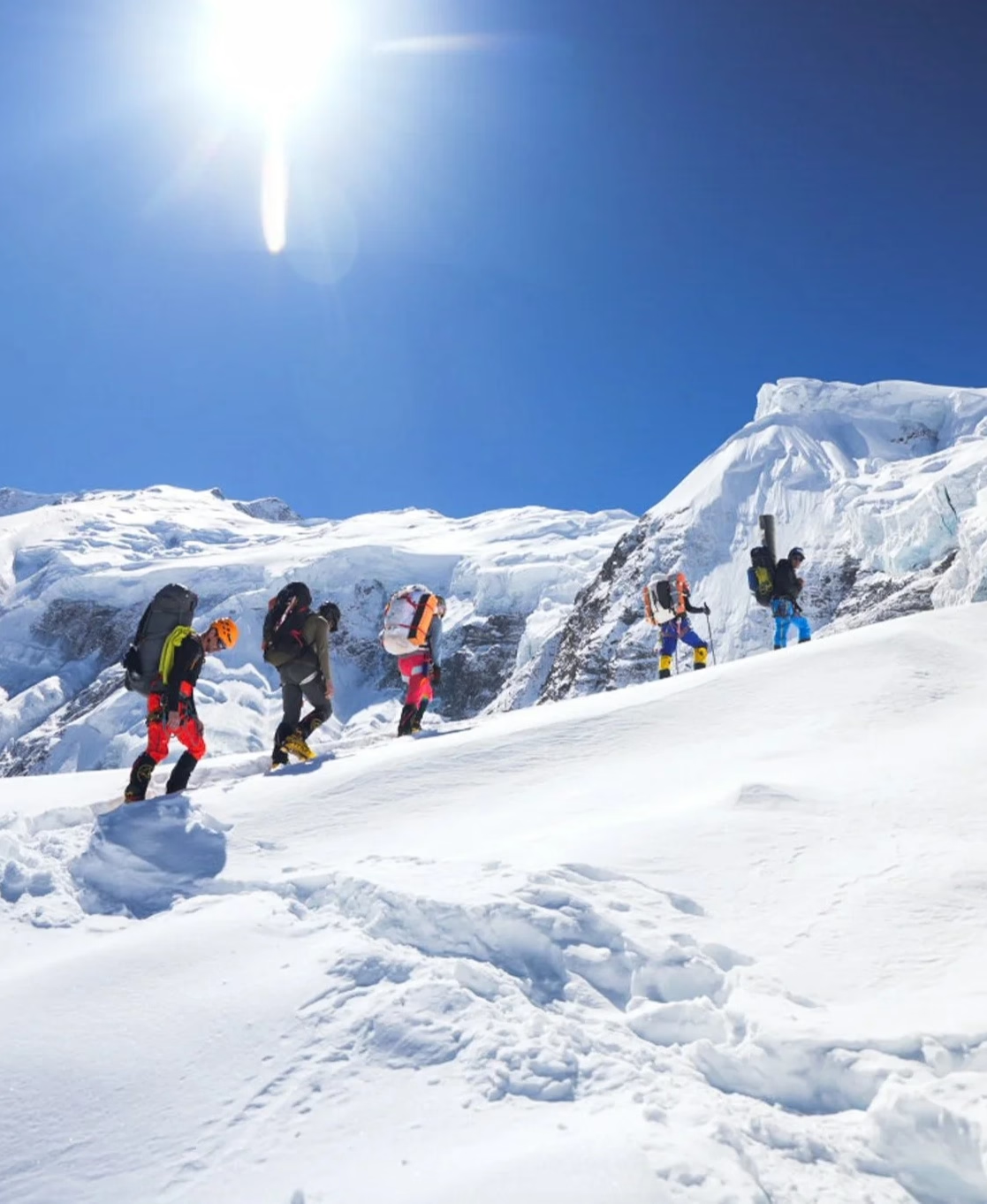
Being a mountain rather than a volcano does not make Mount Everest climbing easy. The extreme altitude, freezing temperatures, changing weather and difficult terrain make an Everest expedition a serious challenge for mountaineers.
Above 8,000 meters, climbers enter what is commonly called the Death Zone. At this elevation, the amount of available oxygen is very low and the human body cannot properly adapt to stay for a long period. Prolonged exposure can affect physical performance, judgement and other normal body functions.
Altitude-related illnesses such as High Altitude Cerebral Edema (HACE) and High Altitude Pulmonary Edema (HAPE) can also become life-threatening.

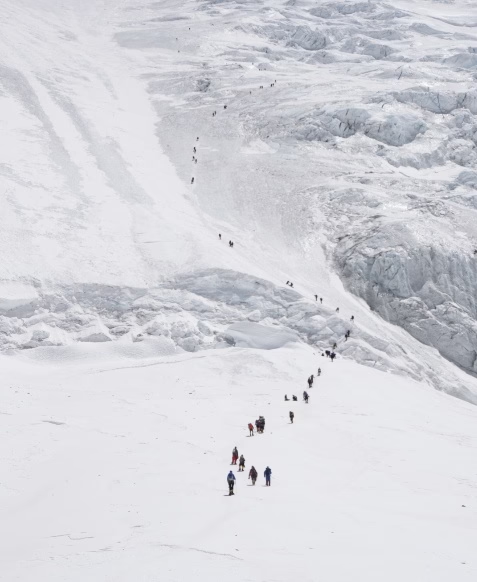
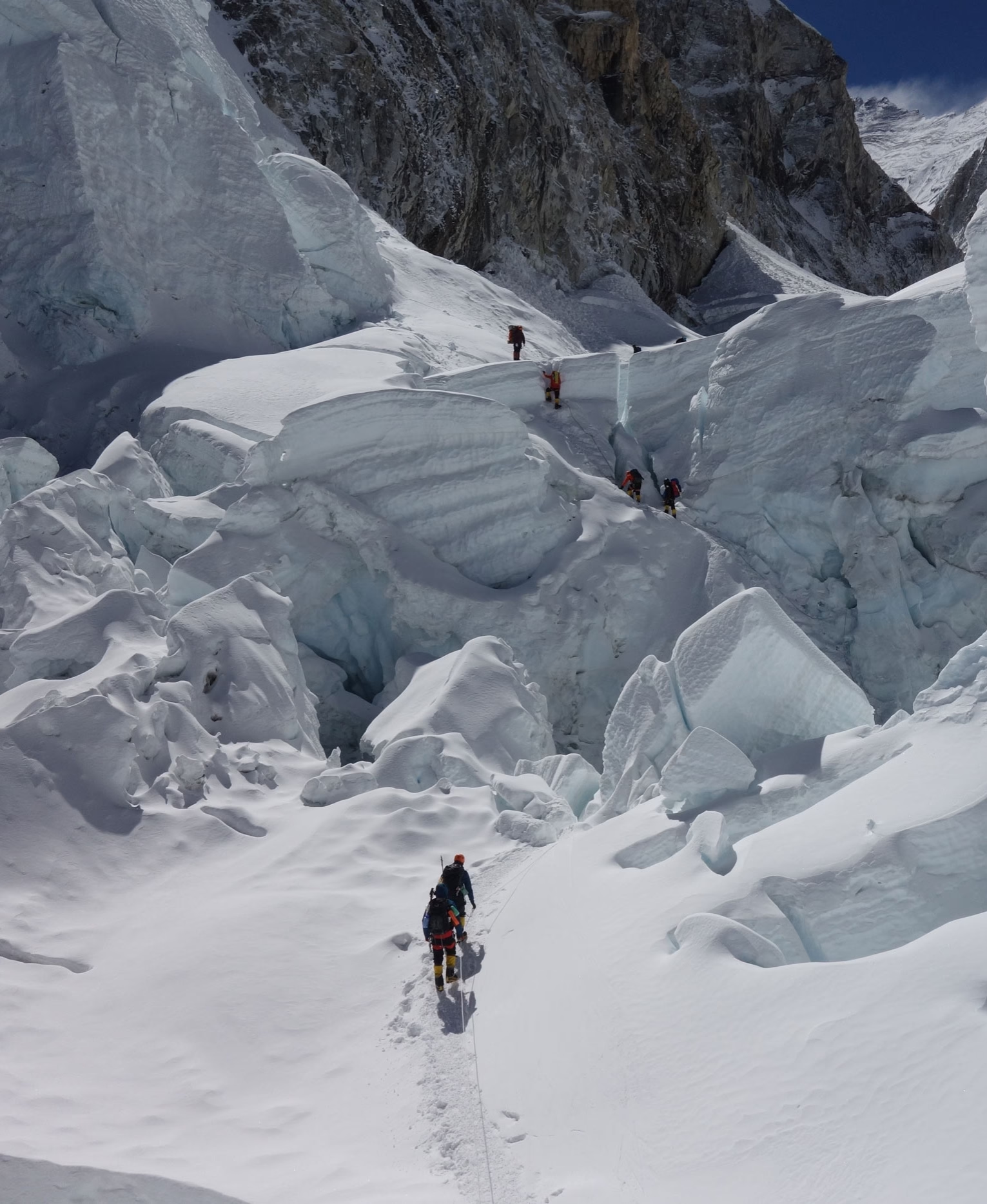
However, altitude sickness is not the only danger on Everest. Climbers also face avalanches, icefalls, falling seracs, extreme cold, frostbite, crevasses, difficult terrain and falls. Sudden weather changes can make the climb even more difficult, and climbers can sometimes lose their route in poor visibility.
Does Mount Everest Have a Volcano
No, there is no volcano on Mount Everest. The mountain was formed through tectonic activity rather than volcanic eruptions. Its rocks and structure are the result of the geological forces that pushed the Himalayan range upwards over millions of years.
So, although Mount Everest is still rising slowly due to ongoing tectonic movement, it is not a volcano and there is no volcanic eruption expected from the mountain.
Is Mount Everest in China
Mount Everest lies on the border between Nepal and Tibet, China. The mountain is known as Sagarmatha in Nepal and Qomolangma in Tibet.
The southern side of Everest lies in Nepal, while the northern side is in Tibet, an autonomous region of China. The mountain therefore belongs to the border region of the two countries rather than being located entirely within one country.
To Sum Up,
If the question is "Will Mount Everest ever erupt?", the simple answer is NO. Mount Everest is not a volcano and has no volcanic system beneath it. It was formed by the collision of tectonic plates that created the Himalayas over millions of years.
The mountain continues to be shaped by geological movement, weather and erosion, but a volcanic eruption is not a threat on Mount Everest.
Explore Mount Everest Up Close
Many people become curious about experiencing the world's highest mountain in person. From trekking through the Khumbu region to taking on the summit from Nepal or Tibet, there are different ways to get closer to Mount Everest.
Everest Base Camp Trek – Trek through the famous Khumbu region, pass through traditional Sherpa villages and mountain trails, and reach Everest Base Camp while enjoying close views of Mount Everest and the surrounding peaks.
Mount Everest Expedition – Take on the challenging journey from the Nepal side, following the classic South Col route with acclimatization, high-altitude camps and technical climbing sections before the final summit push.
Mount Everest Expedition from Tibet Side – Approach Mount Everest from the north through Tibet and experience a different side of the world's highest mountain while following the route towards the North Face and summit.
Whether the goal is to stand at Everest Base Camp or attempt the summit itself, these journeys offer a chance to experience Mount Everest up close and see the Himalayan landscape beyond its geological history.
Continue reading
Ready to see it for yourself?
Tell us your dates, experience and goals. Our Sherpa-led team will shape the route, permits and logistics around you.
Prefer to chat?
WhatsApp usSummit 8000