Destination
Nepal
Duration
16
Destination
Nepal
Duration
16
Trip Difficulty
Moderate
Accommodation
4 Star/ Star Hotel, Tent and Tea House
Meals
B ,L, & D
Max. Elevation
6035
Group Size
15
Best Time
Sept - Nov & March - May
Your adventure begins the moment you land at Tribhuvan International Airport in Kathmandu, where the Summit 8000 team warmly welcomes you. You will be transferred to a comfortable hotel in Thamel, the heart of Kathmandu’s vibrant streets. In the evening, your guides will conduct a detailed briefing, check your climbing gear, and walk you through the expedition plan. This is your first taste of Nepal’s rich Himalayan culture, full of bustling markets, colorful streets, and an energetic local vibe. It’s the perfect start to a journey that combines adventure with authentic cultural experiences.
After breakfast, we begin a scenic drive to Syabrubesi, a gateway to the Langtang region. The journey passes along the Trishuli River, with breathtaking Himalayan foothills on the horizon and terraced fields lining the valley. Syabrubesi is a small, authentic village where time feels slower and the local Tamang culture is visible in every corner. Upon arrival, you settle into a local teahouse and enjoy the serenity of this remote Himalayan valley, a quiet contrast to Kathmandu’s busy streets.
The trek begins gently along the Langtang River, passing lush rhododendron and bamboo forests, dotted with sparkling streams and waterfalls. Every step brings new scenic views of the surrounding hills and distant snow-capped peaks. After about 5–6 hours of trekking over 13 km, you reach Lama Hotel, a peaceful stop surrounded by Himalayan forests. The combination of fresh mountain air and natural beauty makes this first trekking day both exhilarating and calming.
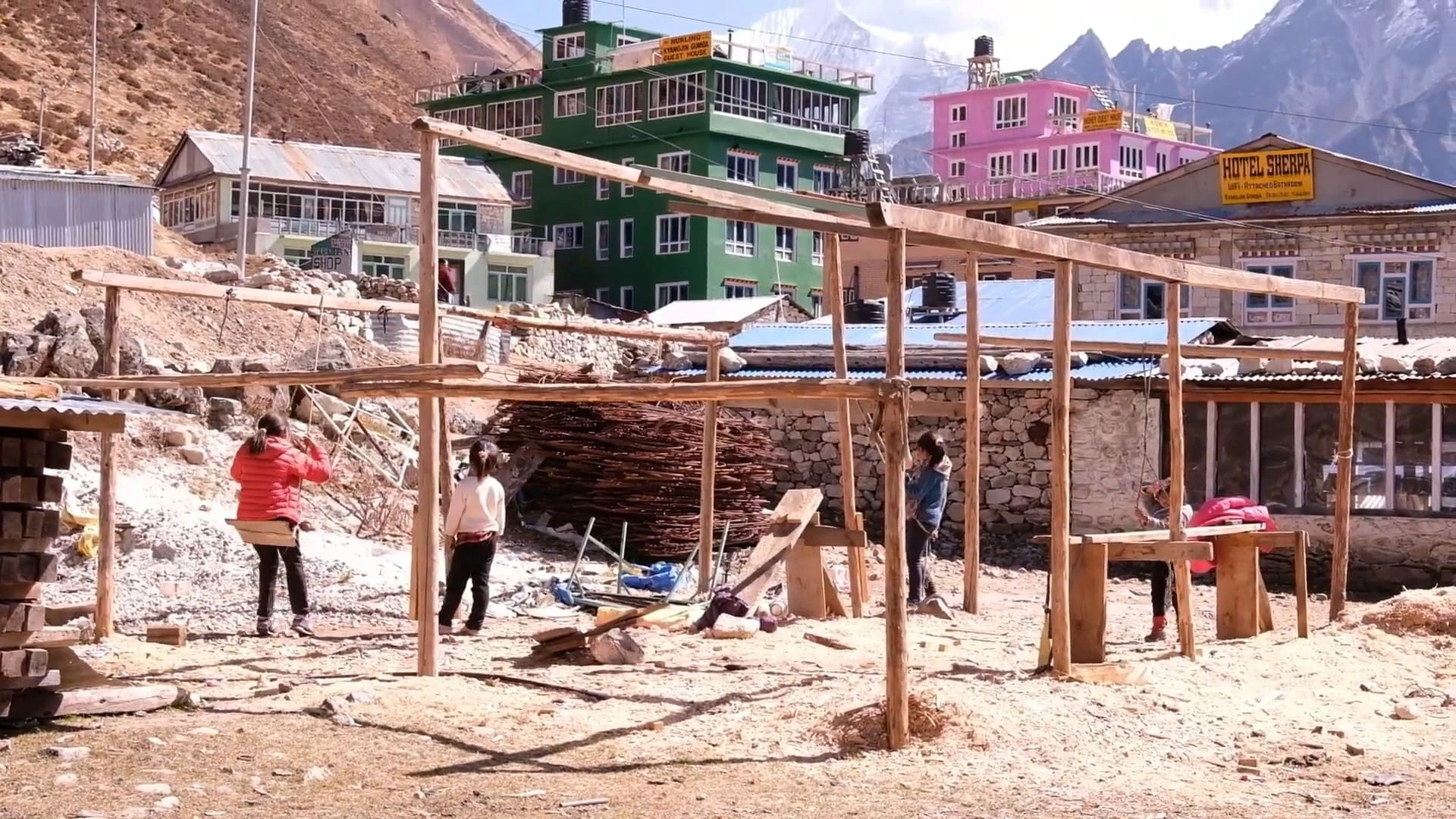
Today, the trail gradually ascends through yak pastures and small settlements, giving you your first taste of authentic Himalayan village life. Langtang Village is famous for its traditional stone houses, monasteries, and friendly locals who warmly welcome trekkers. You can explore the village monastery and interact with villagers, gaining insight into local customs and lifestyle. Surrounded by the serene beauty of Langtang’s snow-capped peaks, this day blends cultural immersion with scenic trekking.
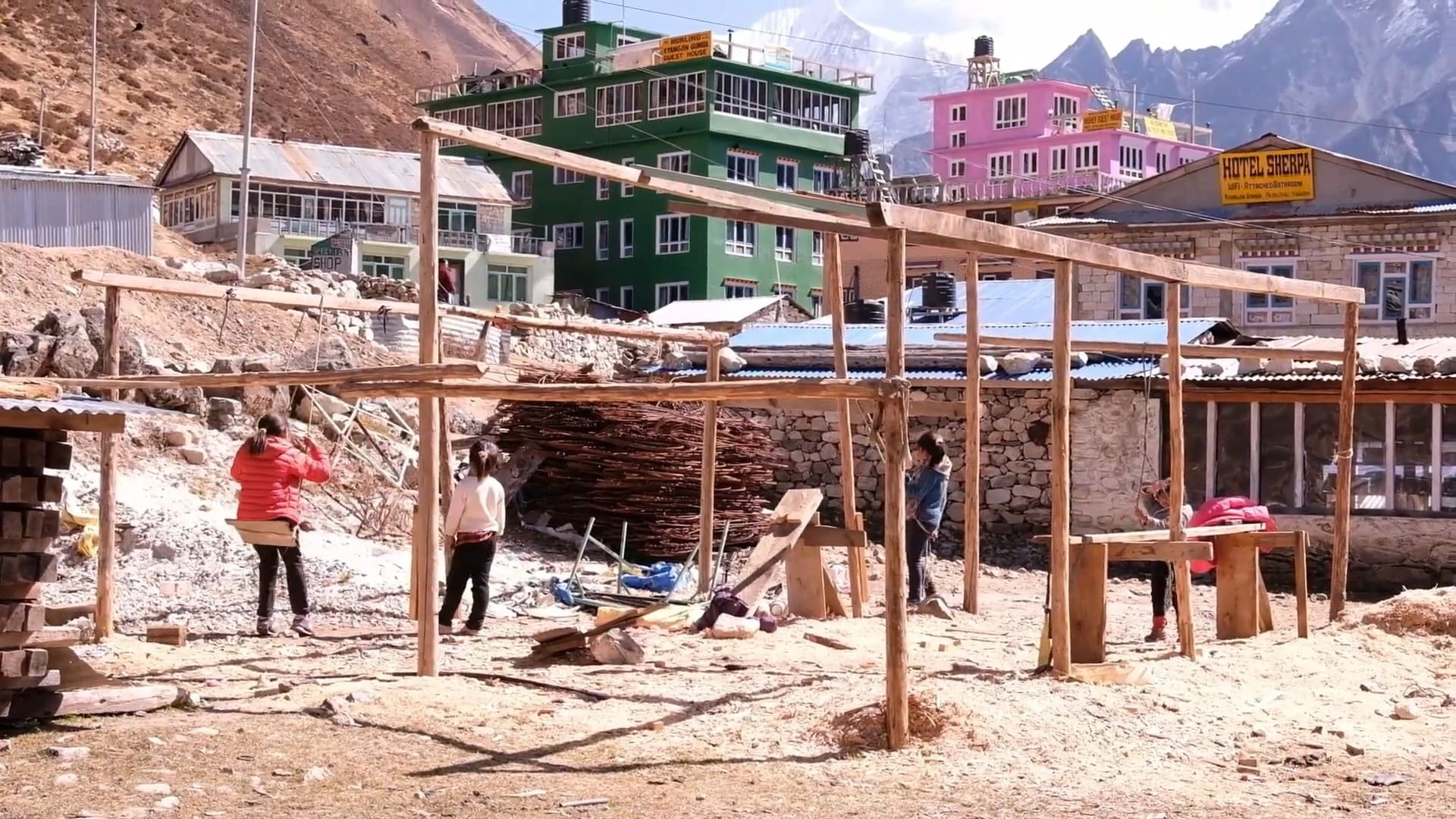
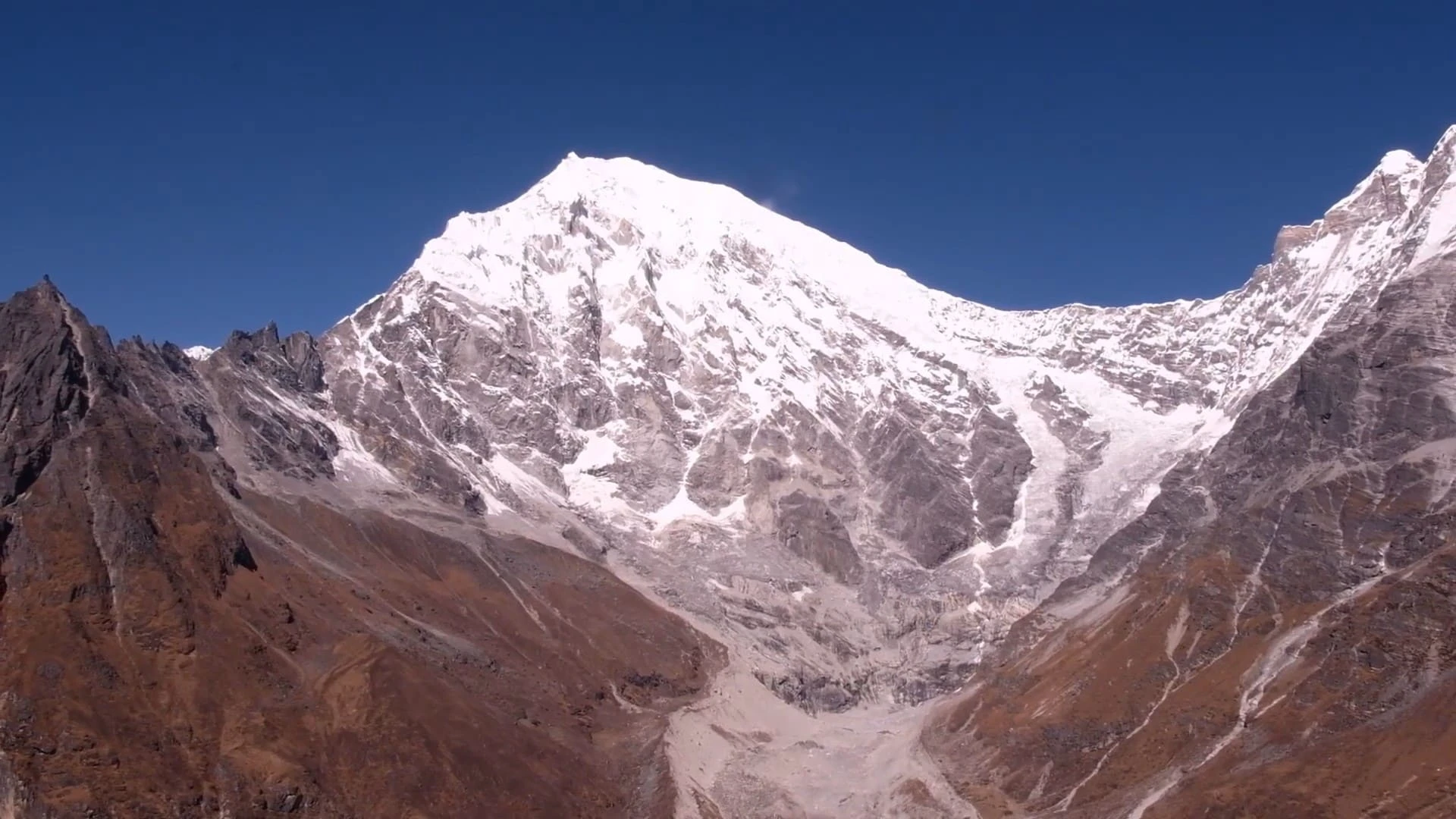
The trail becomes more alpine, passing rolling meadows, moraine landscapes, and small streams. Kyanjin Gompa sits in a remote and breathtaking valley, with panoramic views of towering peaks like Langtang Lirung. The village is serene and ideal for rest after the day’s climb. You can also take a short hike to nearby viewpoints to enjoy scenic vistas and immerse yourself in the surrounding Himalayan wilderness. This day combines adventure with peace, offering an unforgettable high-altitude experience.
To safely prepare for the higher ascent, today is an acclimatization day. You can hike to Kyanjin Ri (4,773m) or Tserko Ri, enjoying breathtaking views of the surrounding glaciers and peaks. Your guides will provide basic mountaineering training, introducing rope techniques and safety measures. This day is not just about physical preparation, it’s a chance to connect emotionally with the remote and raw beauty of the Himalayas.
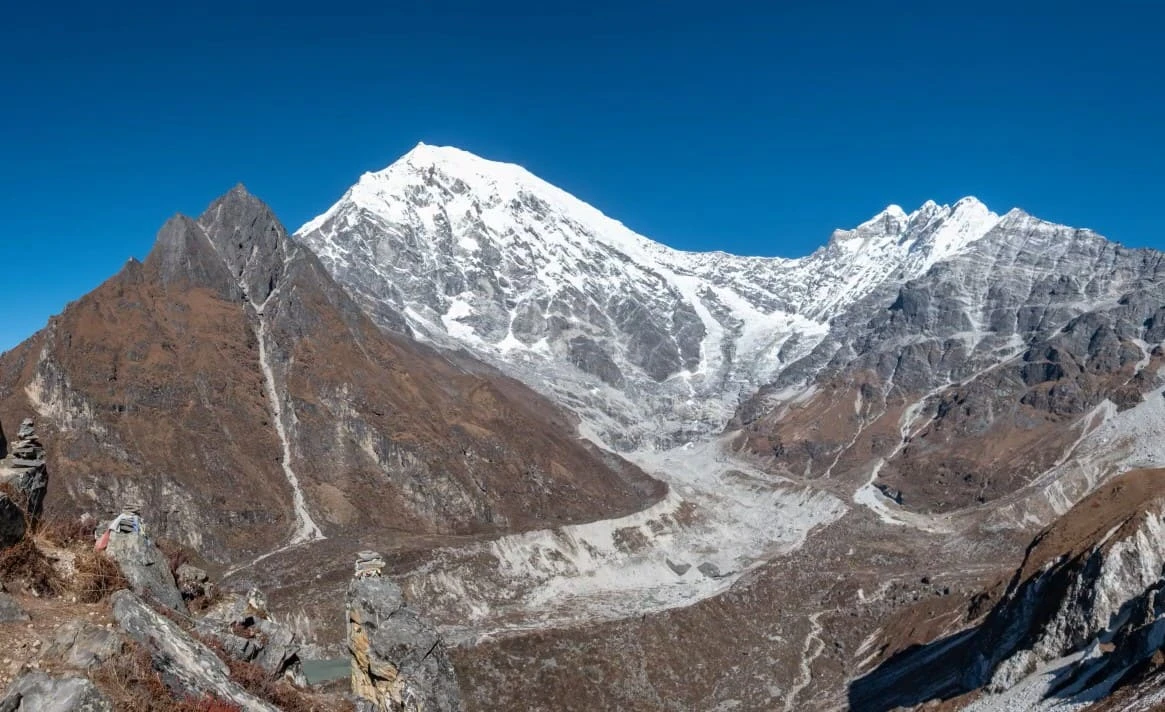
The trail leads into increasingly remote alpine terrain, where fewer trekkers venture. The landscape becomes rugged yet beautiful, with glaciers and snow-capped peaks forming a majestic backdrop. After trekking approximately 8 km in 5–6 hours, you reach Yubra Himal Base Camp, nestled in a scenic valley. The Base Camp feels truly secluded, allowing you to experience the authentic wilderness of the high Himalayas. The sense of isolation and raw nature at this altitude is both humbling and inspiring.
Today is a rest and preparation day. At Base Camp, Our guides teach essential climbing techniques, including crampon use, rope work, and ice axe handling. Equipment is checked and organized for the ascent to High Camp. Beyond training, you can relax and soak in the breathtaking views of the surrounding glaciers and peaks. This day balances safety, learning, and the emotional thrill of being deep in the remote Himalayas.
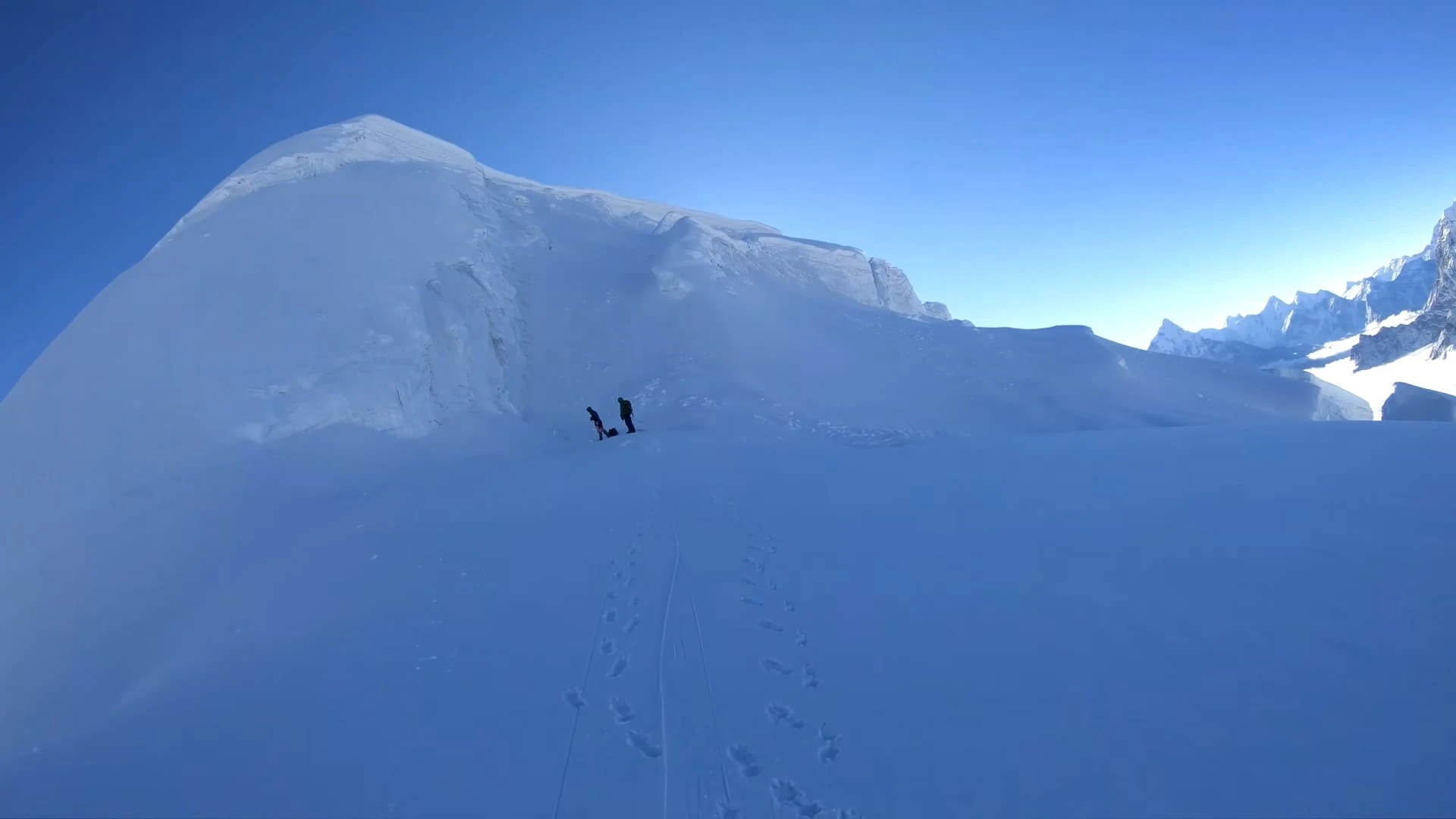
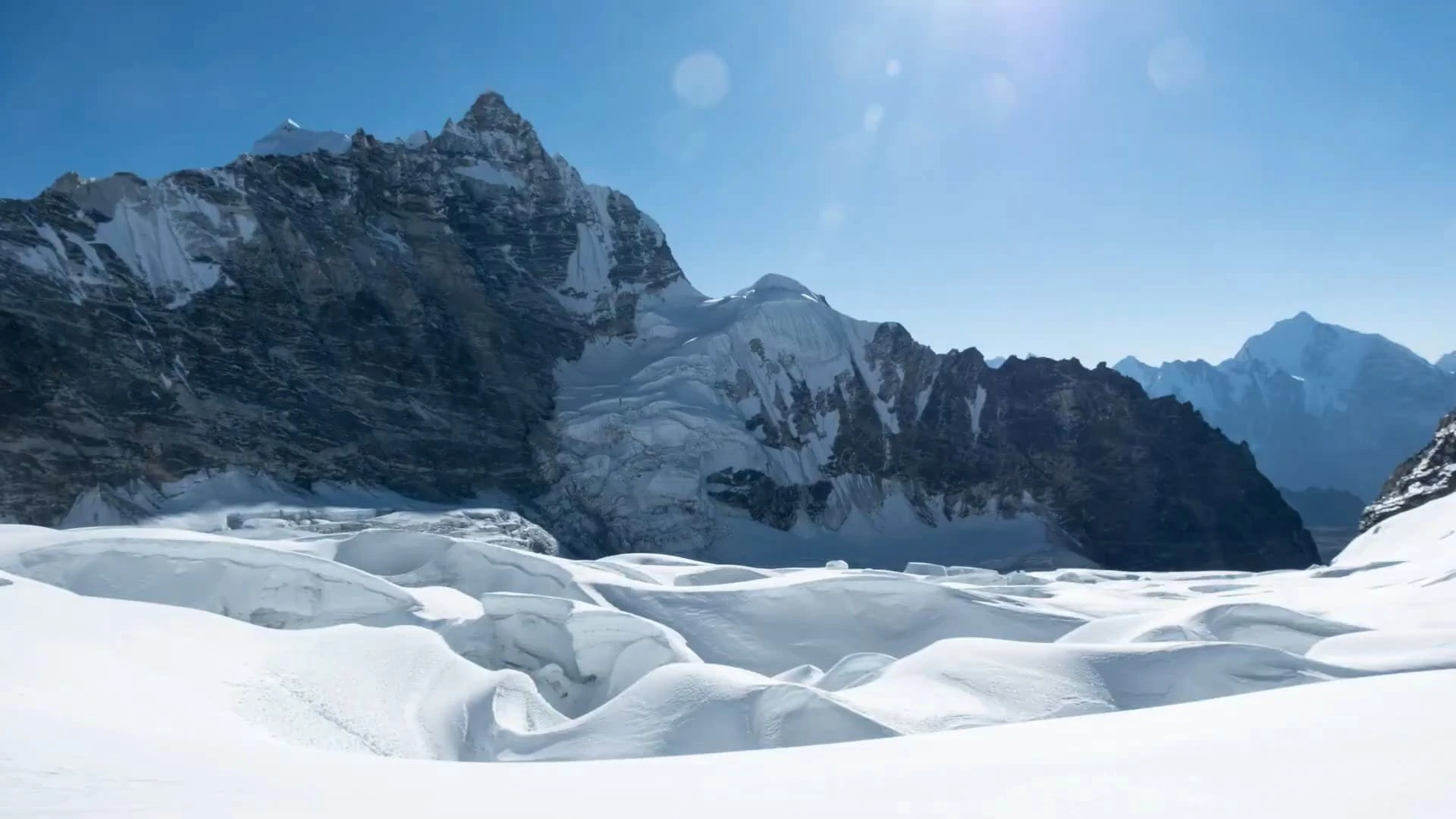
The ascent to High Camp involves steeper terrain and sections of glacier walking, providing a true taste of high-altitude adventure. The trail winds through rugged, scenic alpine landscapes, with quiet valleys and striking peaks all around. After 4–5 hours of trekking over 5 km, you arrive at High Camp. Here, the serenity of the remote mountains and the crisp, thin air prepares you mentally and physically for the summit push. An early dinner and rest ensure you are ready for the big climb.
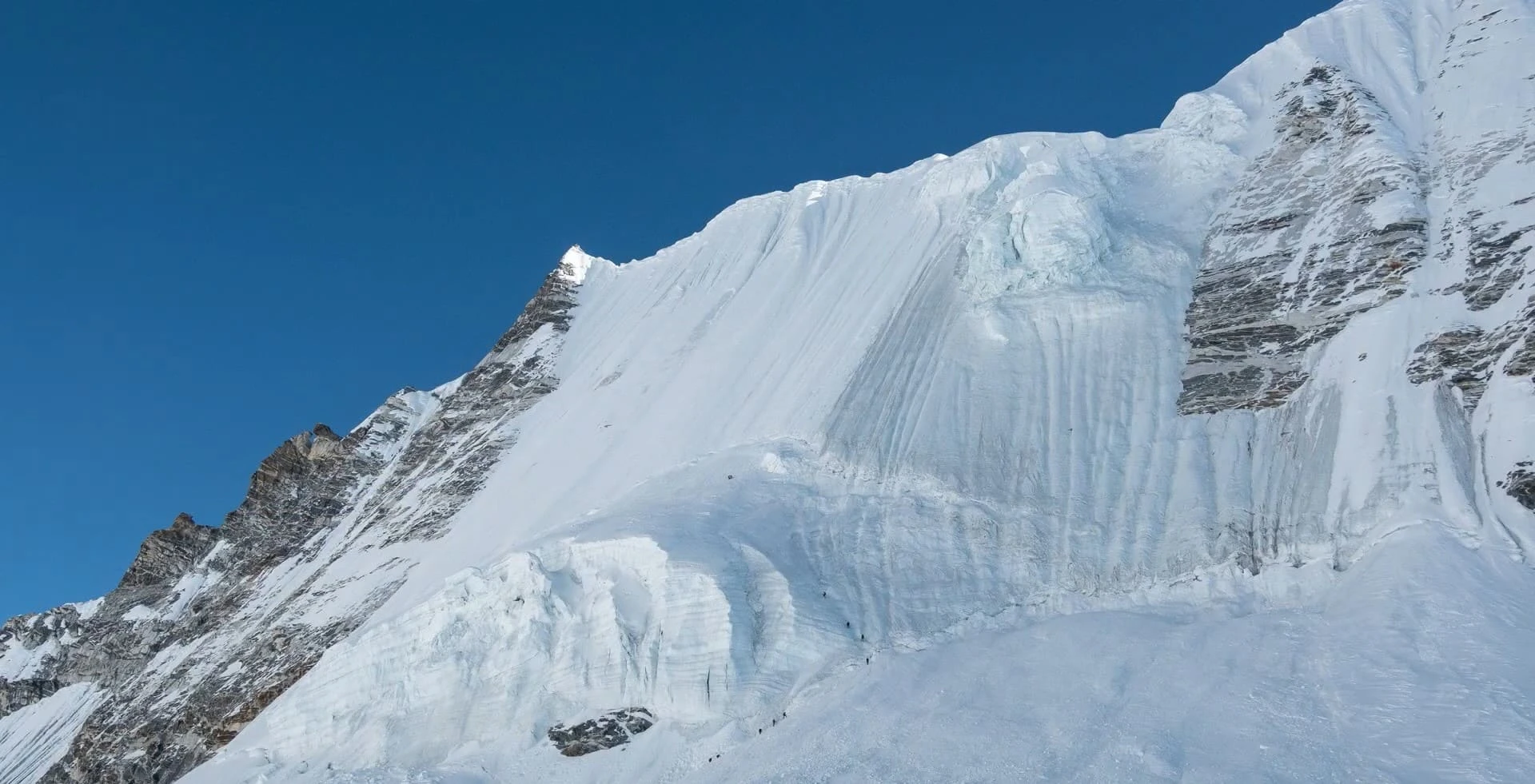
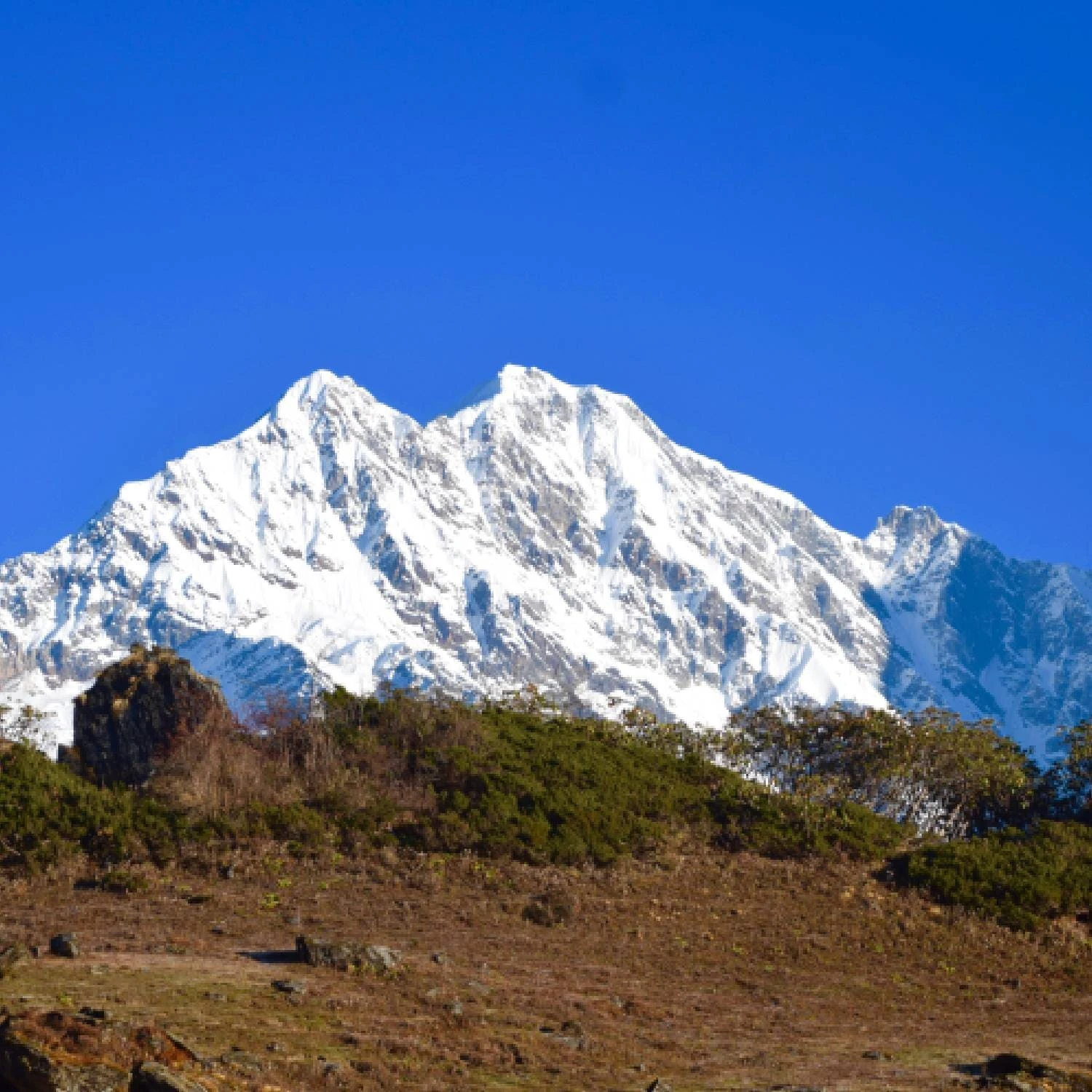
The summit day begins in the early pre-dawn hours. The climb is non-technical but requires stamina, careful pacing, and determination. As you reach the summit at 6,035 meters, the surrounding breathtaking Himalayan panorama unfolds: Langtang Lirung, Ganesh Himal, and countless snow-capped peaks. The feeling of accomplishment, combined with the remote and scenic surroundings, is emotionally unforgettable. After celebrating the achievement, you carefully descend back to Base Camp, carrying the joy and pride of a life-changing adventure.
This extra day is reserved for any weather delays or summit attempts that need to be rescheduled. Safety is the priority, and having this flexibility ensures a stress-free and secure expedition. The day also allows you to rest while enjoying the remote and peaceful alpine environment.
We descend through alpine meadows and moraine trails, retracing steps through scenic Himalayan terrain. Returning to Kyanjin Gompa gives time for reflection on the summit experience and the breathtaking landscapes you’ve crossed. The village is welcoming and peaceful, perfect for a night of rest.
The descent continues gently through forests and small settlements. Trekking along these trails allows you to enjoy the changing scenery as the mountains give way to green hills. Lama Hotel provides a comfortable stopover and a chance to relax in warmer surroundings after the high-altitude adventure.
On the final trekking day, you follow riverside trails surrounded by forests and scenic landscapes. Celebrate the end of your trekking journey with local tea or snacks and enjoy the peaceful atmosphere of this remote Himalayan valley before returning to Kathmandu.
The drive back to Kathmandu is filled with panoramic Himalayan views. In the evening, We will host a farewell dinner, celebrating your successful expedition. It’s a time to share stories, relive the climb, and reflect on the emotional and adventurous journey you’ve just completed.
After breakfast, you are transferred to Tribhuvan International Airport for your onward flight. You leave with unforgettable memories of an authentic, remote, and breathtaking Himalayan adventure, carrying the satisfaction of having climbed Yubra Himal Peak with expert guidance and care.
Altitude Graph
Yubra Peak is considered safe for beginners, with a non-technical route. The main challenges are high altitude, cold weather, and snow-covered trails, but with proper acclimatization, professional guides, and reliable gear, the climb is manageable. Summit 8000 ensures your safety with trained guides, rescue plans, and step-by-step climbing instructions, making it an adventurous yet secure experience.
This expedition is perfect for trekkers with good fitness who want to experience high-altitude Himalayan mountaineering for the first time. Adventure lovers who seek a remote and authentic climbing experience, away from crowded trails, will find Yubra Peak ideal. It’s also excellent for those who want to learn basic climbing skills while enjoying breathtaking alpine landscapes.
Yubra Himal is a moderately difficult peak. It does not require advanced climbing skills, but basic knowledge of crampons, ropes, and ice axes is recommended, especially near the summit. The biggest challenge is altitude, as climbers ascend above 6,000 meters. The trek involves steep trails, glaciers, and snowy terrain, but with expert Summit 8000 guides, it becomes a safe and highly rewarding climb.
The best time is during spring (March–May) and autumn (September–November). During these months, the weather is stable, skies are clear, and the mountain views are breathtaking. Avoid monsoon months as trails can be slippery, and winter brings extreme cold that makes climbing more challenging.
From Kathmandu, Summit 8000 arranges a private vehicle transfer to Syabrubesi, the gateway to the Langtang region. The drive takes 7–8 hours along scenic Himalayan routes, offering views of rivers, forests, and foothills. This ensures a comfortable and stress-free start to your expedition.
Yes. Yubra Peak is suitable for beginners with good fitness, as the climb is non-technical. Summit 8000 guides provide training in mountaineering techniques, including ice axe and crampon use, making it safe for first-time climbers to experience the remote and authentic Himalayas.
During the trek, you stay in comfortable teahouses at lower elevations and tents at Base and High Camp. In Kathmandu, you enjoy a 4-star hotel with all modern facilities. Meals, tea, and coffee are included throughout, ensuring a pleasant and hassle-free experience.
Essential gear includes warm clothing, down jacket, trekking boots, gloves, hats, and sunglasses. Summit 8000 provides camping equipment, and climbing gear like ropes, harnesses, crampons, and ice axes can be rented or provided by the team. Proper gear ensures safety, comfort, and success on the climb.
You should be in good physical condition, capable of trekking 5–7 hours a day on uneven terrain. Previous trekking experience is helpful but not required. With proper preparation and guidance, most climbers can successfully reach the summit while enjoying the breathtaking views along the way.
Yubra Peak is a remote, less-crowded Himalayan climb offering authentic cultural encounters, scenic trekking trails, and breathtaking summit views. Unlike more popular peaks, it allows climbers to experience the raw beauty of the Himalayas with a sense of solitude, making it a truly unforgettable adventure.
 Nepal
Nepal
 21
21  Sept - Nov & March - May