Destination
Nepal
Duration
14
Destination
Nepal
Duration
14
Trip Difficulty
Challenging
Accommodation
4 Star/ Star Hotel, Tent and Tea House
Meals
B, L, & D
Max. Elevation
6,119
Group Size
20
Best Time
Sept - Nov & March - May
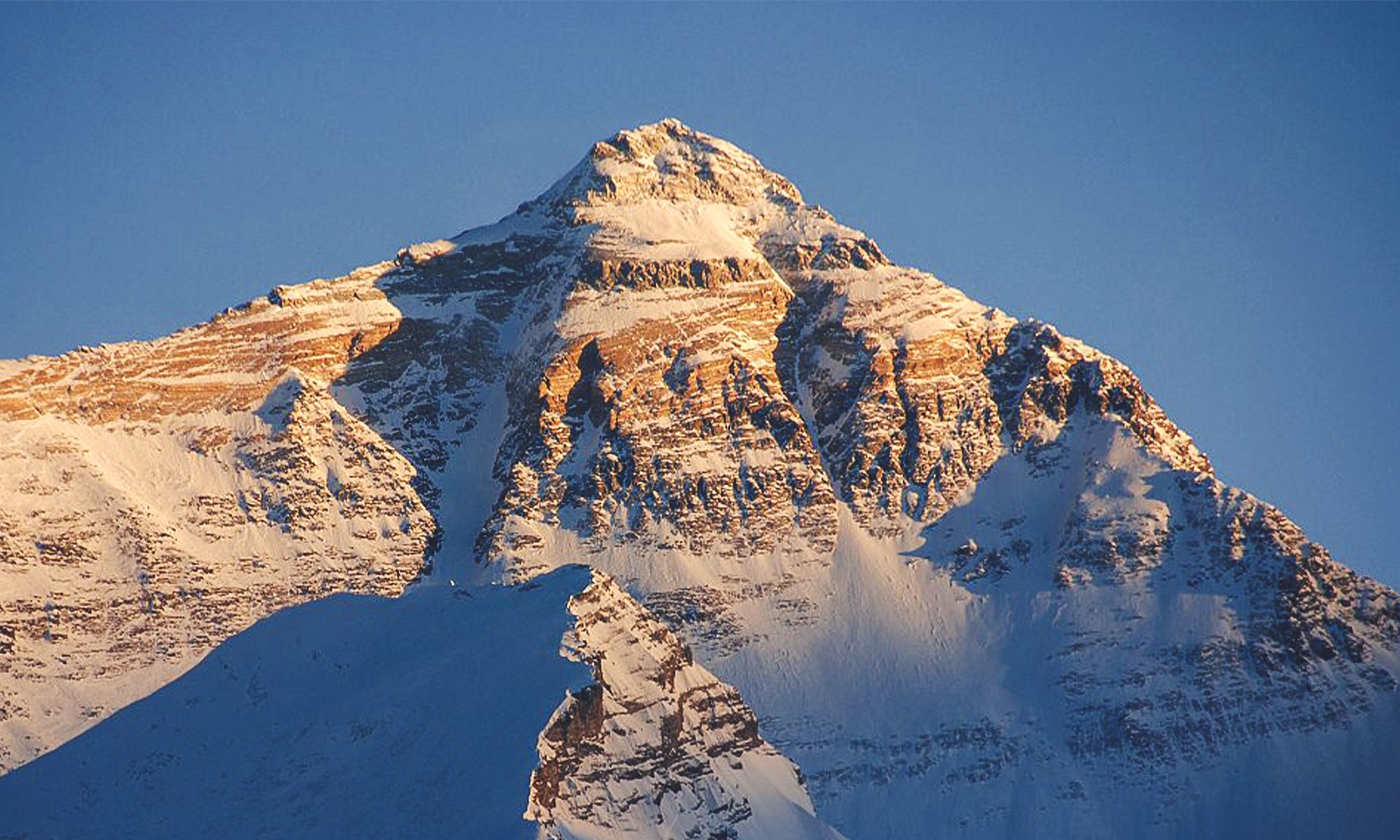
Start your journey on the ultimate Himalayan adventure with our Everest Base Camp and Lobuche Peak Climbing package. Perfect for adventure seekers and mountaineers, this expedition combines the thrill of reaching the iconic Everest Base Camp with the challenge of summiting Lobuche Peak at an altitude of the , one of the most sought-after climbing peaks in Nepal.
This Lobuche Peak climbing itinerary of 14 days is ideal for those looking to experience high-altitude mountaineering without committing to months of expedition. You’ll trek through the breathtaking landscapes of the Everest region, passing charming Sherpa villages, glacial trails, and panoramic Himalayan vistas, all while preparing to take on the summit.
Our package covers everything you need from expert Sherpa guides and high-quality climbing equipment to carefully planned routes and permit arrangements. We provide a clear Lobuche Peak climbing cost breakdown, so you know exactly what to expect.
Whether you’re an experienced climber or an adventurous trekker ready to take your skills to the next level, this expedition promises unforgettable memories, stunning views, and the satisfaction of reaching one of Nepal’s most iconic peaks.
Yes, combining the Everest Base Camp trek with a summit attempt on Lobuche Peak is a popular and rewarding choice. Many mountaineers start with the classic trek to Everest Base Camp to acclimatize and enjoy the breathtaking landscapes, before taking on the technical climb.
This approach allows trekkers to experience Sherpa culture, glacial valleys, and iconic Himalayan views, all while preparing physically and mentally for the summit. Guided by experienced Sherpas, including those who have summited 8,000-meter peaks, climbers can safely navigate the high-altitude challenges.
The cost of a Lobuche Peak expedition depends on several factors, including the duration, level of guide support, equipment, and permits. A professionally guided trip typically includes high-quality climbing gear, trained Sherpa support, trekking and climbing permits, and logistics management, which ensures safety and efficiency.
While costs can vary, the investment reflects not just the adventure, but also the expert support and resources required to safely summit a high-altitude peak. Experienced expedition companies with 8,000-meter summit experience ensure climbers get reliable guidance, making the journey worthwhile.
Yes, it’s possible to complete a condensed Lobuche Peak expedition in a shorter timeframe without compromising safety, though careful planning is essential. Shorter climbs usually combine a rapid trek through the Everest region with an accelerated acclimatization schedule and a focused summit push.
It’s recommended to undertake this only under the guidance of certified Sherpas, ideally those with experience on 8,000-meter peaks, to ensure climbers adjust to altitude properly and reduce risks of altitude sickness.
Climbing Lobuche Peak offers a unique combination of adventure, personal growth, and Himalayan immersion. Beyond the thrill of reaching the summit, climbers gain high-altitude experience, improved mountaineering skills, and mental resilience.
The journey also provides unforgettable views of towering peaks like Everest, Nuptse, and Lhotse, as well as insight into Sherpa culture and life in the Khumbu region. Many climbers also use Lobuche as preparation for future 8,000-meter expeditions, making it both a rewarding challenge and a valuable stepping stone in serious mountaineering.
Welcome to Nepal! Upon arrival at Tribhuvan International Airport, you will be warmly greeted by our representative and transferred to your hotel in Kathmandu. This day allows you to rest and recover from your international flight. In the evening, we’ll conduct a briefing about the upcoming expedition, including an itinerary overview, equipment check, and travel tips for the trek and climb.
After an early breakfast, take a scenic flight from Kathmandu to Lukla, offering stunning views of the Himalayas. Upon arrival in Lukla, begin your trek toward Phakding, a charming village along the Dudh Koshi River. The trail passes through rhododendron forests, suspension bridges, and small villages, giving you your first taste of Sherpa culture. Overnight stay in Phakding.
Today’s trek takes you along the Dudh Koshi River, gradually ascending through picturesque villages like Monjo and Jorsale. Cross famous suspension bridges and enjoy panoramic mountain views along the way. Arrive at Namche Bazaar, the bustling Sherpa hub of the Everest region. Evening at leisure to explore the market or relax.
A crucial day for altitude acclimatization. You can take short hikes to nearby viewpoints, such as Hotel Everest View or the Everest Viewpoint, to enjoy breathtaking panoramas of Everest, Lhotse, and Ama Dablam. This day helps your body adjust to higher altitudes, reducing the risk of altitude sickness. Optional visits include the Sherpa Cultural Museum.
Trek through beautiful forests and cross several suspension bridges as you ascend toward Tengboche, famous for its Tengboche Monastery, one of the largest monasteries in the Khumbu region. Enjoy spectacular views of Ama Dablam, Nuptse, Lhotse, and Everest from the monastery. Overnight stay in Tengboche with time to soak in the serene surroundings.
Continue trekking through the Imja Khola valley, passing by small villages and prayer wheels along the way. Arrive at Dingboche, a beautiful alpine village surrounded by towering peaks. The afternoon is perfect for light walks or visiting nearby chortens while preparing for the higher altitudes ahead.
Another acclimatization day to help your body adjust before higher climbing. You can hike to Nangkar Tshang Hill for stunning views of Island Peak, Lhotse, and Ama Dablam. This hike strengthens your endurance and improves oxygen adaptation, essential for the Lobuche Peak summit attempt.
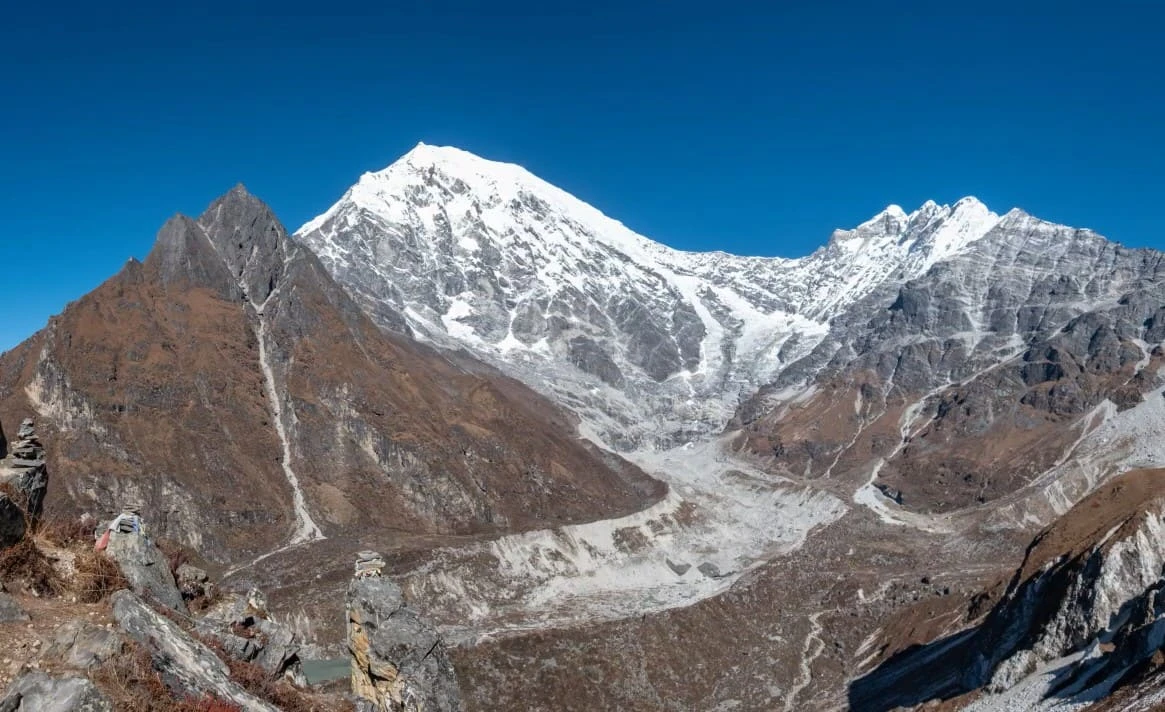
Trek past Chhukung and the Imja Glacier, gradually ascending to Lobuche village. The trail features dramatic mountain scenery, glacial moraines, and breathtaking vistas of the surrounding peaks. Overnight stay in Lobuche provides an opportunity to rest and prepare for the climb to high camp.
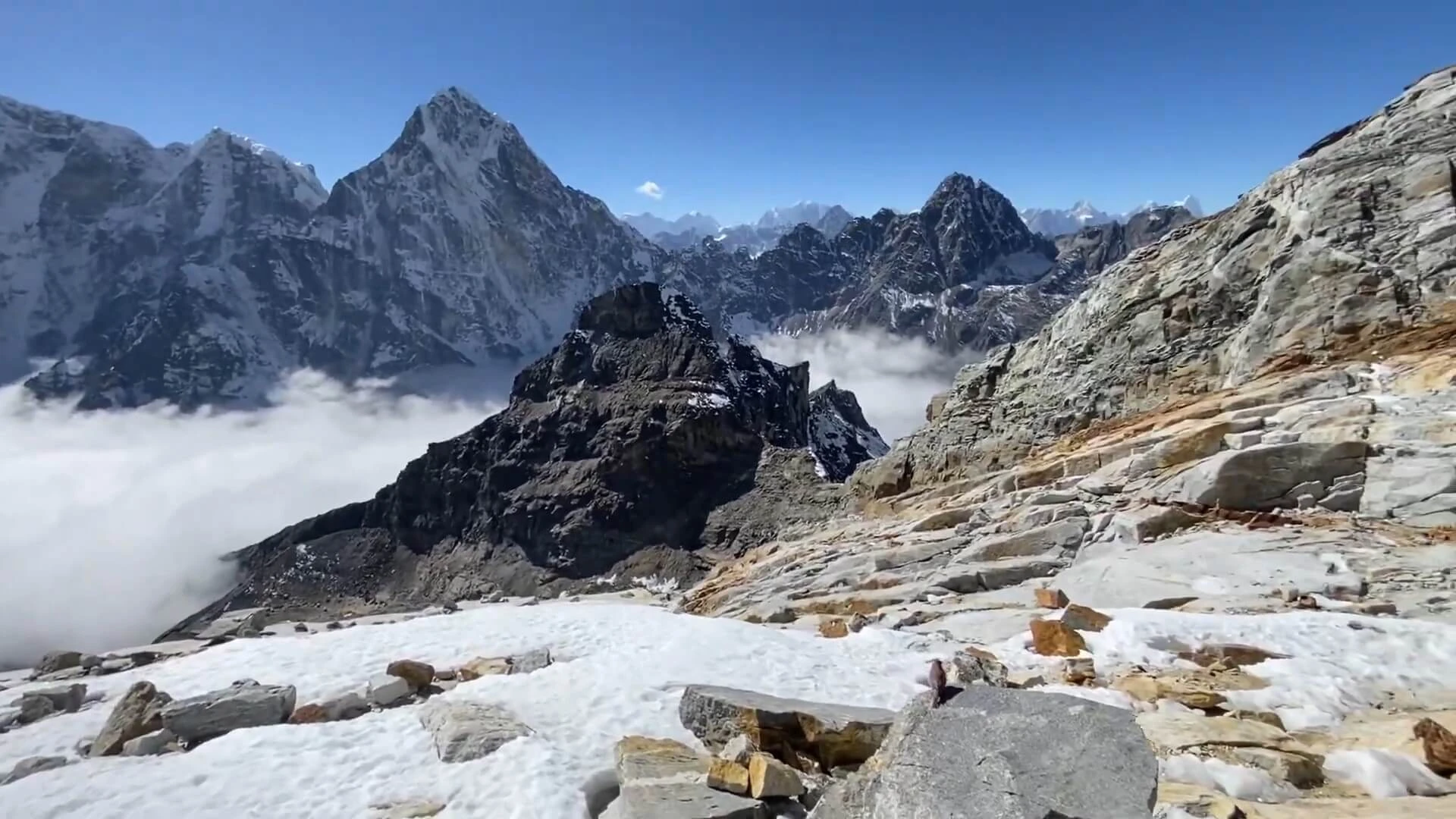
A short but steep trek today takes you to Lobuche High Camp, the base for your summit attempt. Along the way, you’ll traverse rocky paths and moraine fields. This is an ideal time to review climbing techniques, check your gear, and acclimatize further. Enjoy the spectacular sunrise or sunset views from high camp.
The most challenging and rewarding day! Begin the summit climb in the early hours, guided by experienced Sherpas. The climb involves rock and snow sections, requiring careful navigation. Upon reaching the summit of Lobuche Peak, take in the breathtaking 360-degree Himalayan panorama, including views of Everest, Nuptse, Lhotse, and Ama Dablam. Descend carefully to Thukla for overnight rest.
Retrace your steps through Dingboche and Tengboche back to Namche Bazaar. Enjoy the changing scenery and reflect on the summit achievement while interacting with local Sherpa communities. Evening at leisure in Namche.
The final day of trekking takes you back to Lukla. Cross the Dudh Koshi River and pass through familiar villages, enjoying the last views of the towering Himalayan peaks. Overnight stay in Lukla.
Take an early morning flight back to Kathmandu. Transfer to your hotel and spend the afternoon relaxing, shopping for souvenirs, or exploring Kathmandu’s vibrant streets. Evening free for leisure or cultural experiences.
After breakfast, you will be transferred to Tribhuvan International Airport for your onward journey. Depart with unforgettable memories of the Everest region and the proud achievement of summiting Lobuche Peak.
Altitude Graph
Base layers (thermal tops & bottoms)
Insulated down jacket
Waterproof jacket & pants (Gore-Tex)
Fleece jacket or softshell
Trekking pants
Warm hat / beanie
Sun hat or cap
Buff or neck gaiter
Warm gloves & liner gloves
Mountaineering socks (3–4 pairs)
Mountaineering boots
Trekking boots
Camp shoes or sandals
Gaiters
Climbing helmet
Harness
Ice axe
Crampons
Carabiners & ascender
Descender / belay device
Climbing sling
Sleeping bag (-20°C to -30°C)
Sleeping bag liner
Duffel bag
Daypack (30–40L)
Sunglasses (UV protection)
Headlamp with extra batteries
Water bottles / hydration bladder
Sunscreen & lip balm (SPF 50+)
Personal first aid kit
Trekking poles
Quick-dry towel
Wet wipes / hand sanitizer
Power bank
Snacks / energy bars
Camera or phone
Yes, combining the trek to Everest Base Camp with a Lobuche Peak summit attempt is very common. It allows climbers to acclimatize gradually, experience Sherpa culture, and enjoy iconic Himalayan landscapes before attempting the technical climb. Guided by experienced Sherpas with 8,000-meter summit experience, this approach ensures safety and a rewarding adventure.
The pre-monsoon (March to May) and post-monsoon (late September to November) seasons are ideal. During these periods, the skies are usually clear, weather is stable, and temperatures are moderate, providing excellent climbing and trekking conditions.
Lobuche Peak is considered a challenging high-altitude climb but suitable for trekkers with prior trekking experience. The climb involves rock, snow, and moraine sections, and requires basic mountaineering skills. With proper guidance from certified Sherpas, the summit is achievable for physically fit and well-prepared climbers.
The standard itinerary is 14 days, combining the Everest Base Camp trek with the Lobuche Peak climb. Shorter itineraries are possible for experienced climbers, but a full program is recommended to allow proper acclimatization and reduce the risk of altitude sickness.
Climbers need the Lobuche Peak climbing permit, which is issued by the Nepal government, as well as trekking permits for the Sagarmatha National Park and a Khumbu Pasang Lhamu Rural Municipality fee. These permits are arranged by your expedition company as part of the package.
The cost typically covers domestic flights, accommodation in lodges and hotels, all meals during trekking and climbing, Sherpa guides, porter support, climbing permits, and high-quality expedition equipment. Personal gear, travel insurance, and tips are not included.
While some trekking experience is helpful, Lobuche Peak is not for complete beginners. Climbers should have good physical fitness and ideally have previous trekking or climbing experience at high altitudes. Guidance from experienced Sherpas ensures safety for first-time climbers attempting this peak.
Climbers need mountaineering boots, crampons, harnesses, helmet, ice axe, ropes, gloves, and down jackets. While some technical equipment is provided by the expedition company, climbers are responsible for their personal high-altitude gear.
The itinerary includes two acclimatization days one in Namche Bazaar and another in Dingboche to help your body adjust to high altitude. Optional short hikes on these days prepare climbers for the demands of the summit. Proper acclimatization reduces the risk of altitude sickness and ensures a safer climb.
As with any high-altitude expedition, risks include altitude sickness, sudden weather changes, and technical climbing hazards. These risks are minimized by experienced Sherpa guidance, proper acclimatization, and safety protocols. Emergency response and evacuation plans are in place during the expedition.
Climbers should have good cardiovascular fitness, endurance for 6–9 hours of trekking per day, and the ability to handle rocky, icy, and snowy terrain. Training with cardio exercises, hiking with a backpack, and basic climbing practice before the expedition is recommended.
Reaching the summit of Lobuche Peak (6,119m) offers breathtaking 360-degree views of Everest, Nuptse, Lhotse, and Ama Dablam. The climb involves steep snow and rocky sections, and summiting provides a tremendous sense of achievement and a rare Himalayan adventure experience.
Yes, accommodation is available in teahouses and lodges throughout the Everest region, from Lukla to Lobuche. The lodges provide basic comfort, meals, and hot showers at higher camps, ensuring a safe and comfortable stay.
Yes, shorter climbs are possible for experienced climbers, but it’s recommended to allow sufficient days for acclimatization. Rushing the expedition can increase risks of altitude sickness and reduce safety.
Yes, certified guides are trained in high-altitude first aid, and emergency oxygen and medical evacuation arrangements are available. Trekkers are advised to carry personal medications and a first-aid kit.
Yes, high-altitude trekking and mountaineering insurance is mandatory. The policy should cover emergency evacuation, helicopter rescue, and medical treatment at high altitude.
Absolutely. Many climbers use Lobuche Peak as training for 7,000m and 8,000m expeditions. It provides valuable high-altitude experience, technical climbing practice, and mental preparation for more challenging Himalayan peaks.
Each expedition includes experienced Sherpa guides and porters to assist with luggage, route navigation, and safety. The ratio ensures climbers can focus on the climb while minimizing physical strain.
Meals include breakfast, lunch, and dinner throughout the trek and climbing period. Traditional Nepali cuisine and simple Western options are available, providing the energy needed for high-altitude trekking and climbing
This expedition combines Everest Base Camp trekking, high-altitude mountaineering, Sherpa cultural immersion, and breathtaking Himalayan views, all guided by experienced climbers with 8,000m summit experience. It’s ideal for adventure seekers looking for a short yet memorable Himalayan climbing challenge.
 Nepal
Nepal
 21
21  Sept - Nov & March - May