Destination
Nepal
Duration
40
Destination
Nepal
Duration
40
Trip Difficulty
Challenging
Accommodation
Tea House and Tent
Meals
B, L, & D
Max. Elevation
8091
Group Size
25
Best Time
Sept - Nov & March - May
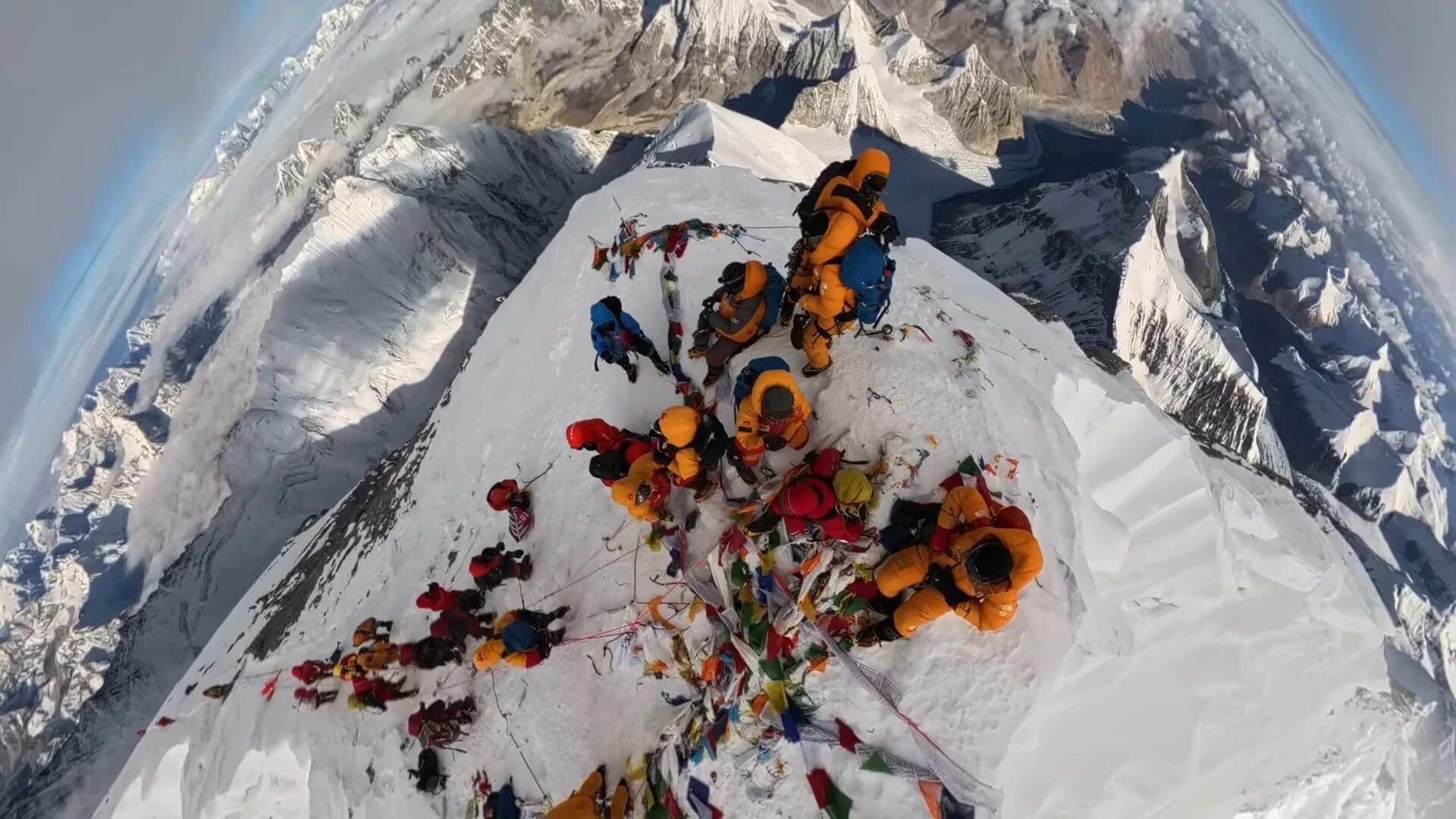
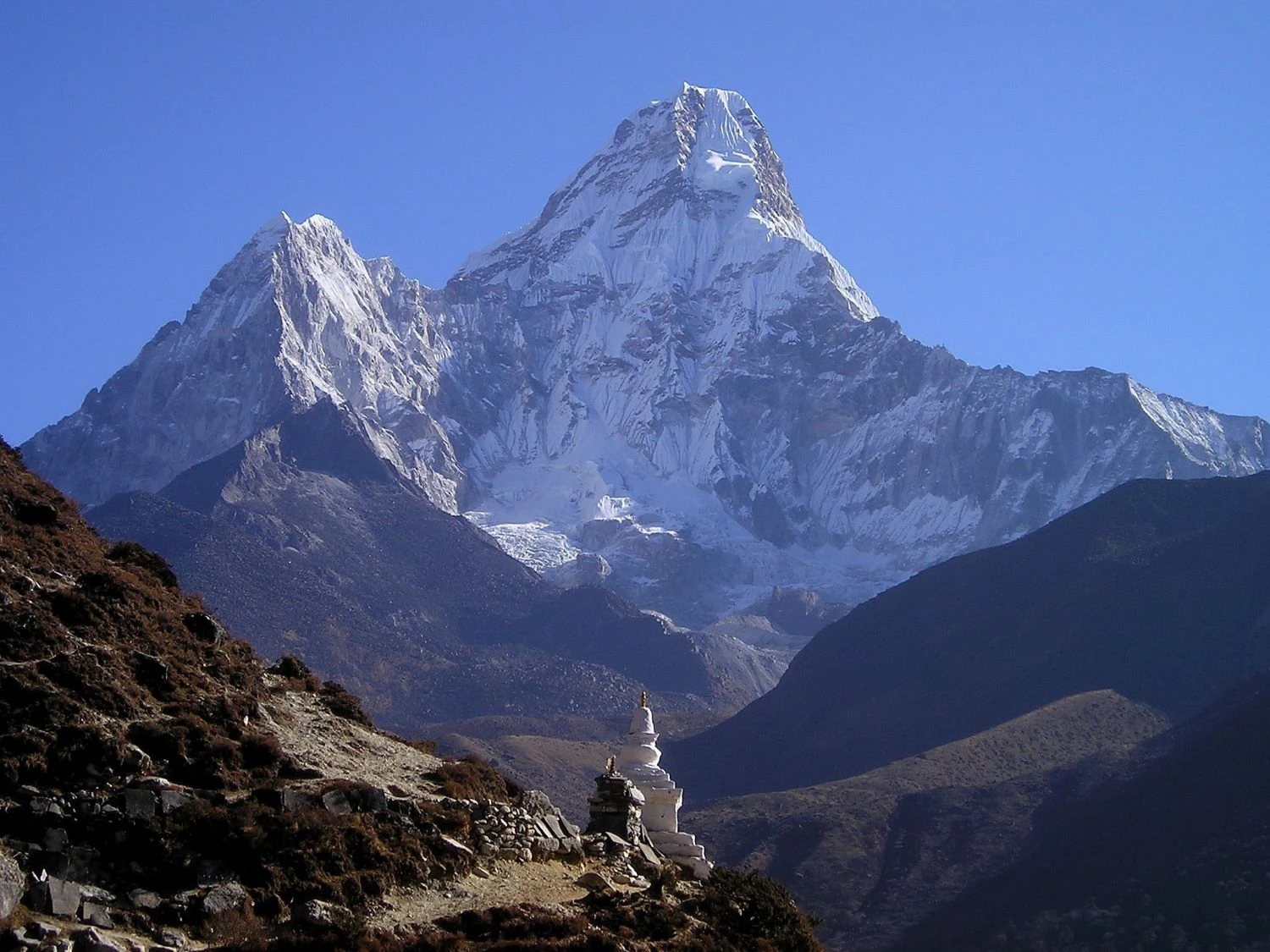
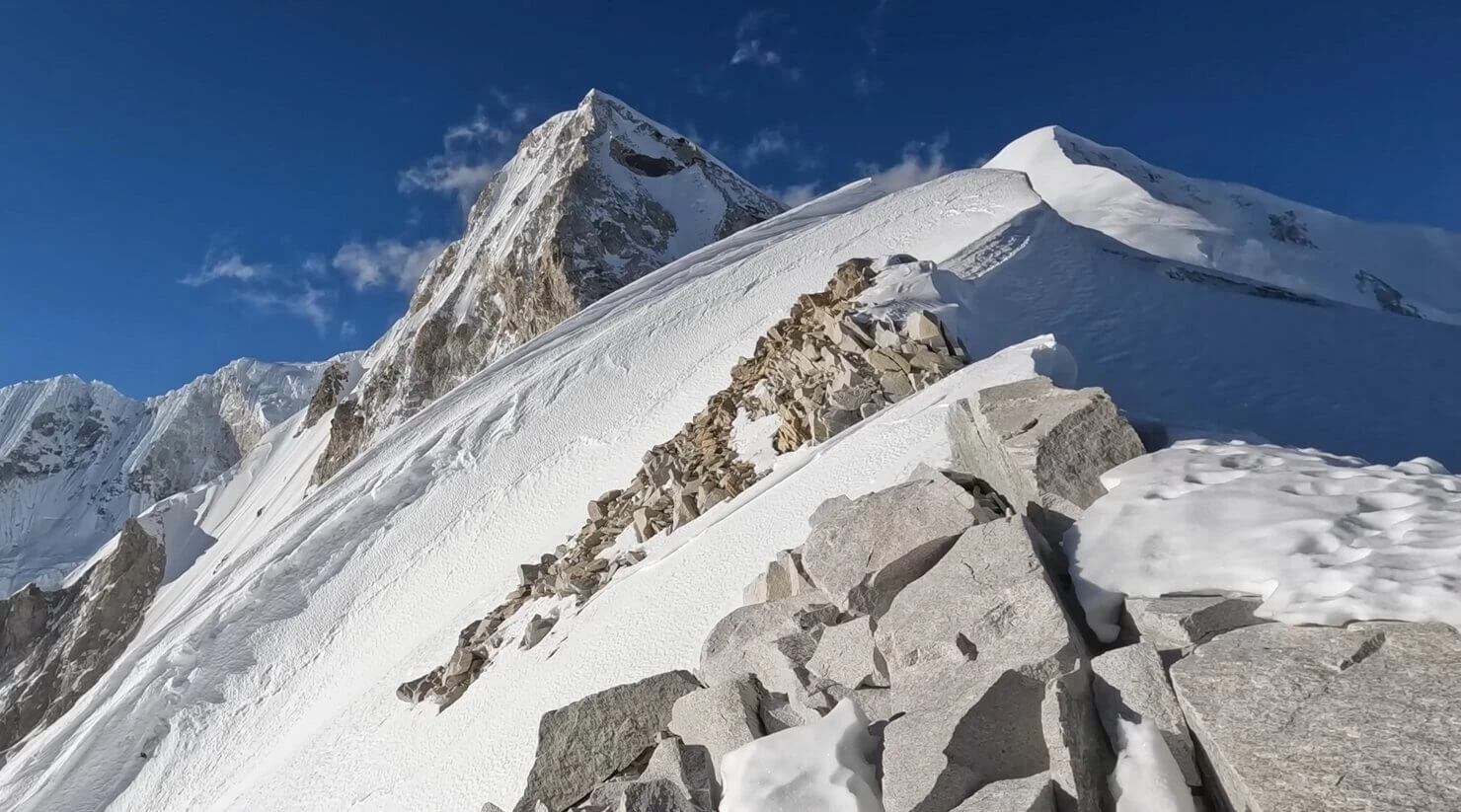
Mount Annapurna I (8,091m / 26,545ft) is the 10th highest mountain in the world and the most dangerous with a 32% fatality rate, the highest of any peak on earth. Located in the heart of the Annapurna Conservation Area in central Nepal, it is surrounded by iconic peaks including Machapuchhare, Annapurna II, III, and IV.
This is not a mountain you simply climb. Annapurna tests your patience, physical limits, mental strength, and respect for nature in ways no other peak can. Its steep north face, massive seracs, avalanche-prone slopes, and violently unpredictable weather make it one of the most technically demanding expeditions in the world.
Beyond the climb itself, you will walk through the villages of the Gurung, Magar, Thakali, and Tibetan-influenced mountain communities some of the most warm and welcoming people on earth. Your expedition begins with a sacred Puja ceremony at base camp, a blessing from the goddess Annapurna performed by our Sherpa team before every single climb.
At Summit 8000, we have been guiding climbers on Annapurna since 1986. Zero fatalities. 80% summit success rate in 2025. When you climb with us, your life is in the hands of Sherpas who have given their entire lives to this mountain.
Mount Annapurna I has one of the lowest summit success rates among all 8,000m peaks in the world. Understanding the global statistics helps climbers set realistic expectations before attempting this legendary mountain.
| Peak | Success Rate | Fatality Rate |
|---|---|---|
| Annapurna I | 40–45% | 32% |
| K2 | 25–30% | 23% |
| Everest Expedition | 55–60% | 1% |
| Manaslu Expedition | 50–55% | 7% |
| Cho Oyu | 65–70% | 1.5% |
Annapurna's low global success rate is driven by its unpredictable weather windows, avalanche-prone slopes, and extreme technical difficulty between Camp III and the summit.
Numbers don't lie. Here is our honest, unfiltered expedition record on Mount Annapurna I built over nearly four decades of guiding climbers to one of the world's most dangerous summits.
| Stat | Summit 8000 Record |
|---|---|
| Experience in High-Altitude Guiding | Since 1986 (39 years) |
| Total Climbers Guided (All Peaks) | 500+ climbers |
| Total Annapurna Expeditions Run | 50+ expeditions |
| Nationalities Guided on Annapurna | 20+ nationalities |
| 2025 Season Success Rate | 80% (8 out of 10 summits) |
| Global Annapurna Average Success Rate | 40–45% |
| Overall Fatality Record | Zero fatalities ever |
| Reason for Non-Summits | 100% weather & natural conditions |
Zero fatalities in 39 years is our most important number. On a mountain with a 32% global fatality rate, this record reflects something far deeper than good luck; it reflects a culture of discipline, patience, and putting human life above any summit goal.
| Factor | What We Do |
|---|---|
| Acclimatization | Conservative rotation schedule never rushed |
| Weather Forecasting | Real-time satellite forecasts + 39 years of local knowledge |
| Sherpa Team | Founding partners with 60+ years of life experience on these peaks |
| Base Camp Support | Dedicated base camp manager, full medical kit, satellite phone |
| Summit Window Planning | We wait for the right window climbers are never pressured |
| Safety Protocol | O₂ systems, fixed ropes, and immediate rescue capability |
All statistics are based on Summit 8000’s internal expedition records and the combined career records of our founding Sherpa partners since 1986. Success rate is defined as climbers reaching the summit of Annapurna I (8,091 m) and returning safely to base camp.
Joining a group expedition significantly reduces per-person costs as logistics, Sherpa fees, and base camp setup are shared across all members.
| Group Size | Estimated Cost Per Person |
|---|---|
| Solo (1 climber) | $28,000–$35,000 |
| Small Group (2–3 climbers) | $22,000–$26,000 |
| Standard Group (4–6 climbers) | $20,000 (Summit 8000 rate) |
| Large Group (7+ climbers) | Contact us for custom pricing |
Climbing Annapurna I requires multiple permits issued by different government authorities in Nepal. At Summit 8000, we handle every single permit on your behalf you will never have to visit a government office or stand in a queue. Here is a complete breakdown of every permit required for the Annapurna I expedition.
| Permit | Issued By | Cost (Per Person) | Required? |
|---|---|---|---|
| Expedition Royalty Permit | Department of Tourism (DoT) | $3,000 (Spring/Autumn) | Mandatory |
| Annapurna Conservation Area Permit (ACAP) | Annapurna Conservation Area Project | $22 (NPR 3,000) | Mandatory |
| Liaison Officer Assignment | Department of Tourism (DoT) | Included in royalty | Mandatory |
| Garbage Deposit Fee | Department of Tourism (DoT) | $300–$500 | Mandatory |
| Climber's Insurance | Private Insurer (verified by DoT) | Varies | Mandatory |
| High Altitude Staff Insurance | Nepal Government Requirement | Included in package | Mandatory |
Greetings from Summit 8000. One of our team members will be waiting for you at the airport to welcome you. After the meeting, you will be assisted to your hotel in Thamel, as it is the tourist hub. Upon reaching, relax and enjoy your day. In the evening, you can have a stroll around the marketplace.
Today, early in the morning, you will have your breakfast with your guide, who will brief you about the expeditions. After that, you and our guide will go to the market to buy your gear and equipment which you will require during the trek and climb. You can rent or buy, depending on your preference. Please buy each and every items our guide suggests you can have a safe climb. After completing the shopping, you can take the items to your hotel and pack for the next day. Also, you will need to obtain the permits on the same day that our guide will be assisting you to obtain.
Early in the morning, our guide, along with the driver, will come to pick you up at your hotel. You can have your breakfast and load your duffel bags, trekking, and everything in the vehicle. If you have a suitcase, you can shift the items from the suitcase to duffel bags and trekking bags and leave them in the hotel. Upon returning, you can take it again. After that, you will drive to the Tribhuvan International Airport and fly from Kathmandu to Pokhara. The flight time is around 25 minutes above the mountains and valleys. Upon reaching, you will be transferred to the hotel. After that, you can have the sightseeing in Pokhara and explore the Phewa Lake, Pumditkot, David falls, and many more.
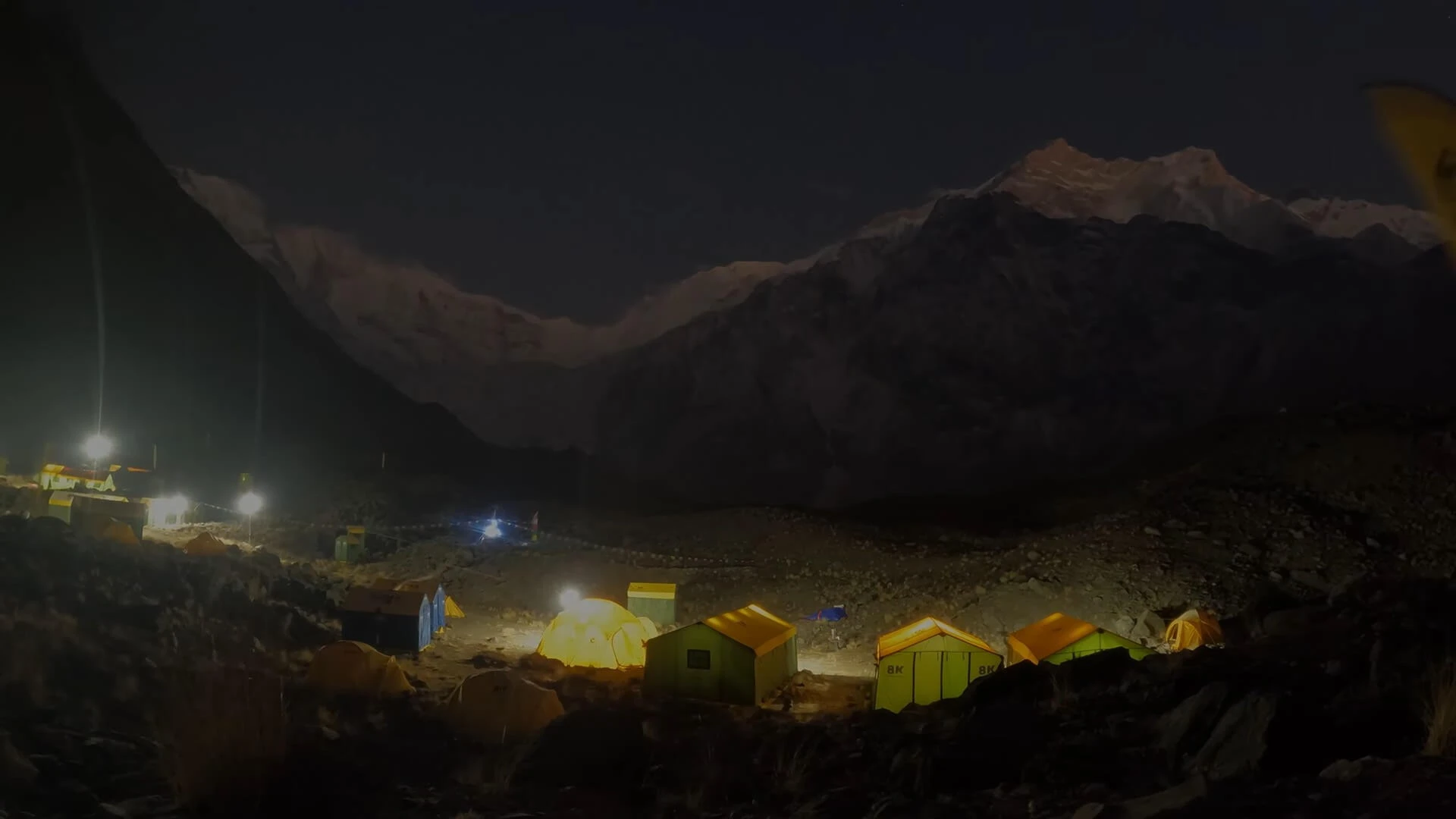
You will have a Heli flight from Pokhara to Annapurna base camp. The flight time will be of 30 minutes while approaching the Annapurna peaks along with the surrounding peaks like the Machapuchhare and Dhaulagiri. The flight from Pokhara to ABC seems so perfect in terms of scene and beauty. Upon reaching the ABC, you can click photographs and relax at your tent house. You will get the perfect sunset views of Annapurna I from the ABC. You will have a short hike to the nearby ridges so that you can acclimate yourself.
From the day 5th you will have practice of climbing, using ropes, crampons, axes, ice arrest, and many more. Along with that, you will have the climbing and rotations periods, which means you will start your climb from the Annapurna base camp, conquer Camp I, conquer it, and return to ABC, and then again from ABC to Camp I, and then from Camp I to II, and again return to ABC. Along with that, you will have a gradual ascent to the terrains, and you will learn about the mountains.
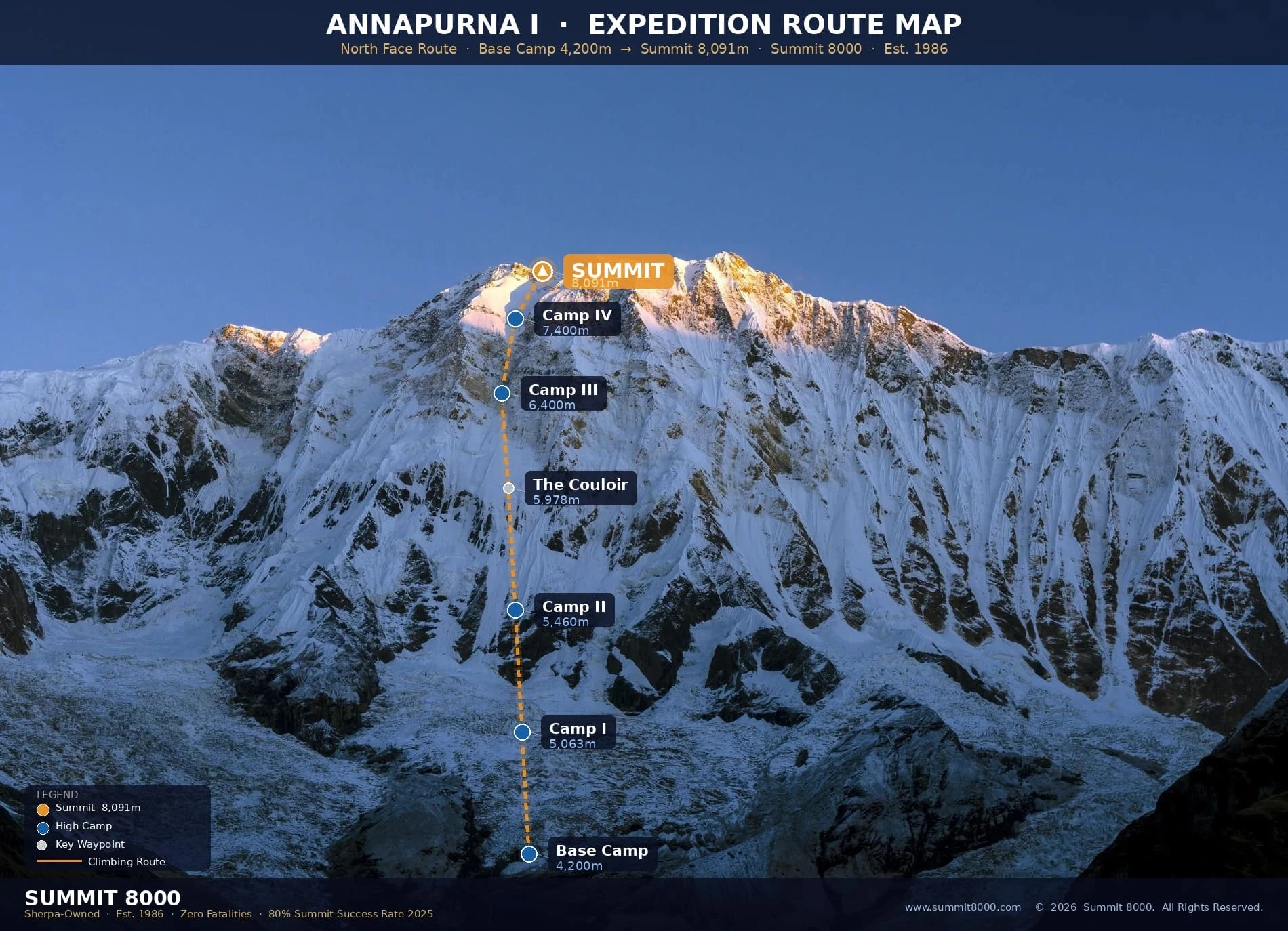
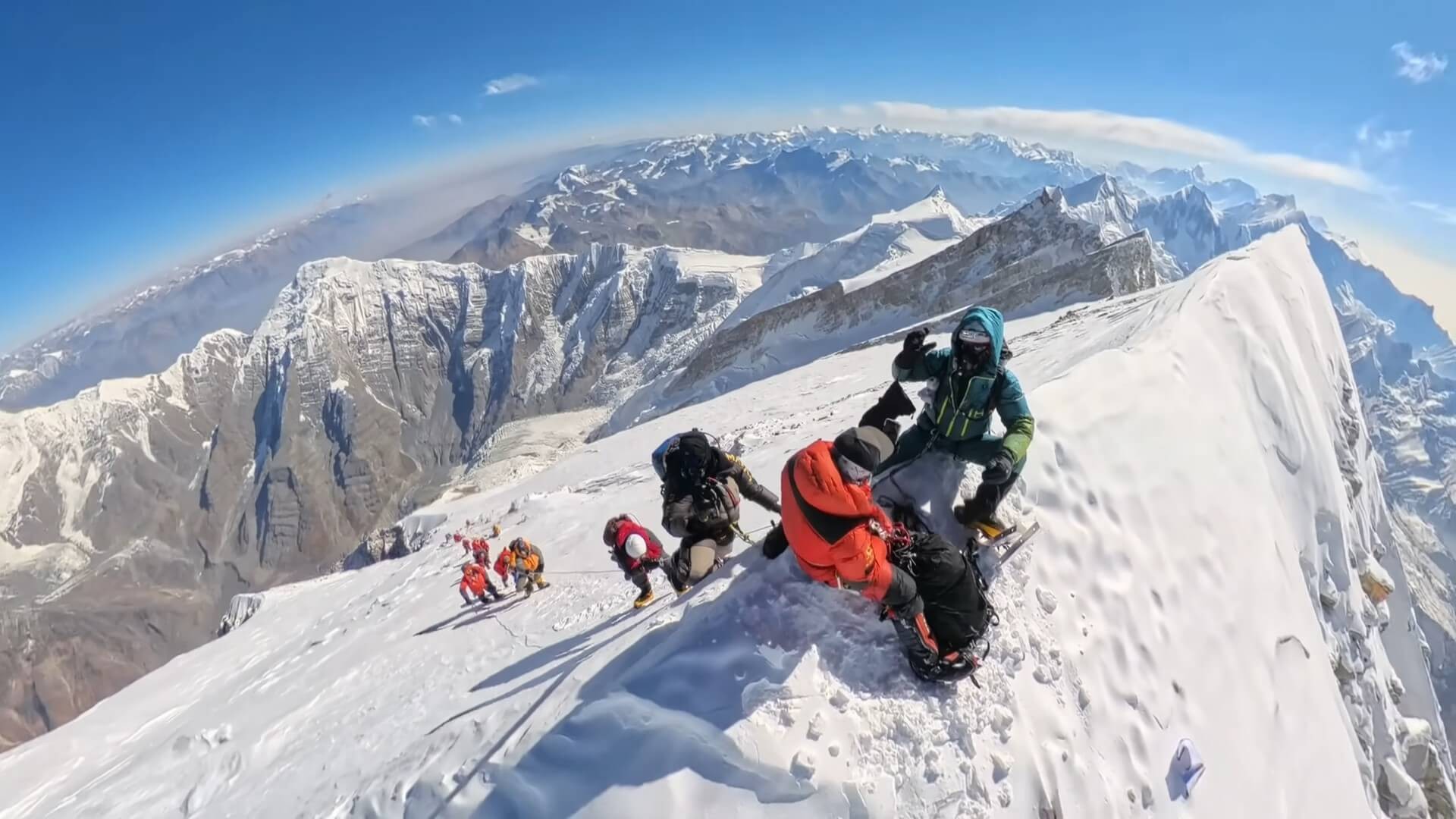
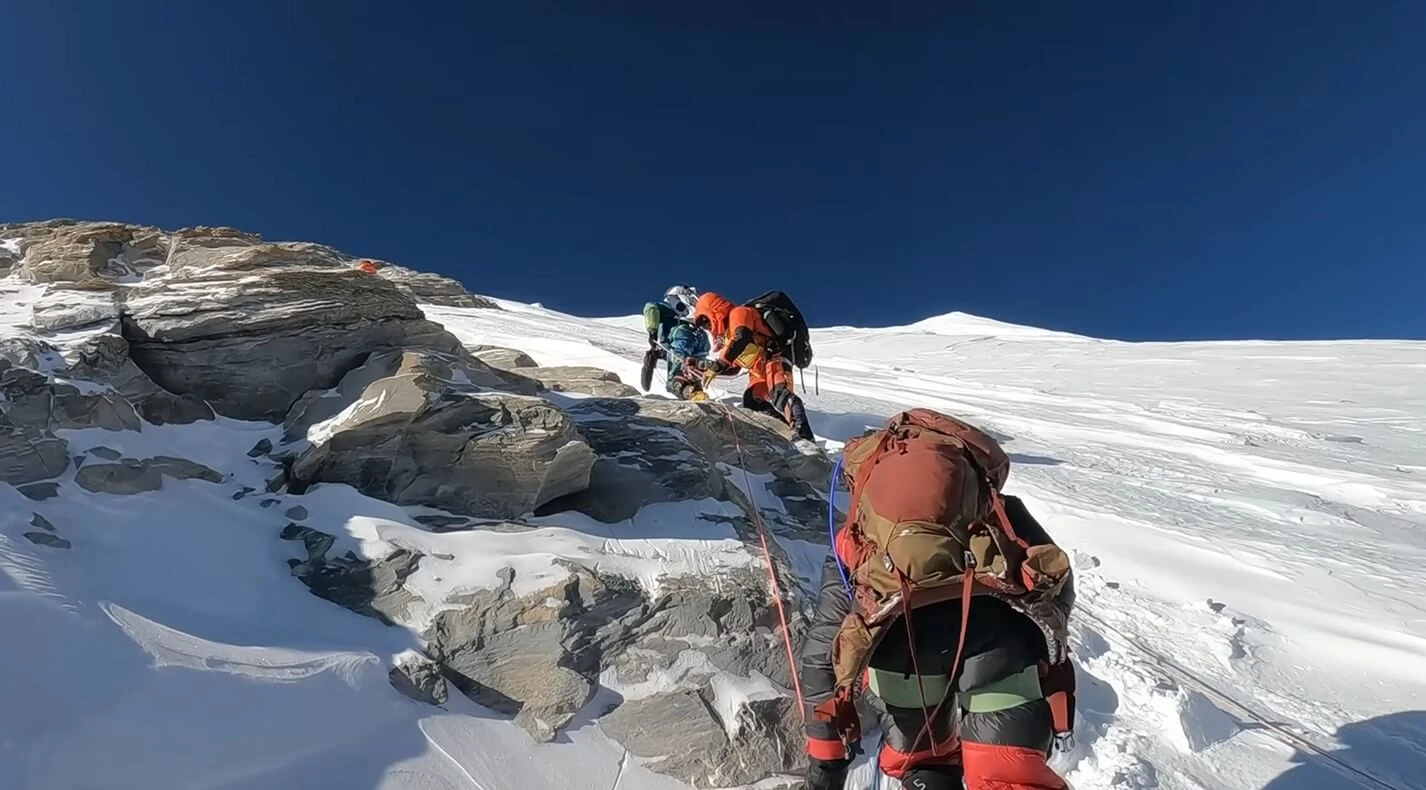
Your summit climbing period will start from the 29th day after you successfully climbed the different camps and conquered. Now you will climb from the base camp to Camp I, Camp II, Camp III, Camp Iv and from Camp Iv you will summit the peak at an altitude of 8,091 meters. After a successful summit, you can congratulate yourself for achieving what other dreams of.
After your successful summit of the Annapurna peak, I will descend to the base camp. Our helicopter will come to pick you up from the camp. You can fly from there to Pokhara and rest at your hotel. Also in the evening, we will invite you to the congratulations dinner were we will share our stories, difficulties, and everything we felt on the climb.
You will have a flight from Pokhara to Kathmandu, which will be of again 25 minutes. Upon reaching, you can rest for a while. After that, you can return the climbing gear and equipment’s which you rented. You can take your suitcase from the hotel and pack your belongings for the next day. You can also visit the different places in Kathmandu valley, such as the Sawayambhunath stupa, Boudhanath stupa, and Kathmandu durbar square. And many more.
According to your time schedule, we will drive you to the airport. We hope you loved our itinerary and experience Nepal mountains. We wish to welcome you again for some other expeditions or treks, such as the Everest Expeditions, Cho Oyu expeditions, or some trekking like the EBC.
Altitude Graph
Annapurna is harder than Kilimanjaro because of the highest fatality rate on Annapurna, along with technical expedition skills. Whereas Kilimanjaro is just at an altitude of 5,895 m, which does not require technical climbing skills.
Both Annapurna and Everest are harder in terms of climbing, and both are above 8000 meters. However, Annapurna is considered harder because of its unpredictable weather and the avalanches prone slope.
Annapurna is called the silent killer because it has one of the highest fatality rate of 32%, which is one of the highest compared to any other 8000-meter peaks.
You will require many gears for Annapurna, such as mountain boots that are insulated, crampons, ice axes, a helmet, a harness, sleeping bags rated to -40 C, goggles, headlamps, an oxygen system, and many more. Please check out the packing list for the Annapurna expeditions blogs for a detailed list.
Annapurna is deadlier in compared to k2 as well as the K2 expeditions is organized and well maintained by the expedition teams, were as Annapurna cannot be organized well due to it’s unpredictable weather and the unpredictable avalanches.
In Nepal, Machapuchhare, which is often known as the Fish tail mountain by the trekkers, is forbidden to climb as locals consider this as a scared mountain.
The death rate of the Annapurna base camp trek is very rare, as it’s the base camp due to which everything is organized, and immediate rescue can happen. However, talking about the peak, its 32% fatality rate, which is the highest in the world.
Yes, you can sleep at Annapurna Base Camp. The tea houses and lodges are well-maintained and run by locals who care about your comfort.
Altitude sickness, or AMS, is common above 3,000 meters. On Annapurna, prevention is all about gradual acclimatization, hydration, and listening to your body. Climbers follow a rotation schedule: ascending to higher camps, then returning to base camp to let the body adjust. Avoid alcohol, get plenty of rest, and report any symptoms immediately. Our Sherpa guides monitor each climber carefully to reduce risks.
HAPE (High-Altitude Pulmonary Edema) and HACE (High-Altitude Cerebral Edema) are life-threatening conditions. HAPE symptoms include extreme breathlessness, persistent cough, and fatigue. HACE symptoms include confusion, loss of coordination, severe headache, and nausea. Immediate descent and medical attention are critical; our team carries emergency oxygen and Gamow bags for these situations.
Fitness is crucial. Annapurna is technically challenging, with steep ice, crevasses, and avalanche-prone slopes. Climbers must be physically strong, mentally resilient, and experienced in high-altitude conditions. Beginners should train extensively and climb smaller peaks first. Summit 8000 ensures climbers are well-prepared before attempting the summit.
Our Annapurna expedition is 40 days from arrival in Kathmandu to departure. This includes acclimatization, rotations through the camps, summit attempt, and return. The extended schedule maximizes safety and increases summit success.
The ideal climbing seasons to Annapurna are spring (March–May) and autumn (September–November). The weather is most stable, avalanche risks are lower, and visibility is better for summit attempts. Monsoon and winter climbs are possible but extremely dangerous.
The standard North Face / Northwest Ridge route has four high camps above base camp:
Base Camp → Camp I → Camp II → Camp III → Camp IV → Summit.
Climbing permits required for Annapurna are:
Technically, yes, you can climb Annapurna without Sherpa guides, but not recommended. Annapurna is extremely dangerous with unpredictable avalanches and weather. Our Sherpa guides provide route expertise, fixed rope systems, emergency response, and acclimatization management, which dramatically increase safety and chances of success.
To climb Annapurna with a summit 8000, our expedition is priced at $20,000 USD per person, including flights, heli transfer, base camp tents, Sherpa guides, meals, satellite phone, and medical support. Group size affects per-person cost: solo climbers pay $28,000–35,000, small groups $22,000–26,000, standard group $20,000.
Yes, personal high-altitude rescue and medical insurance is mandatory for the Annapurna expedition and verified by Nepal’s Department of Tourism. Coverage must include helicopter evacuation, treatment at altitude, and repatriation. Summit 8000 recommends purchasing before arrival.
Yes, prior experience is strongly recommended for Annapurna. Climbers should have technical ice and rock climbing skills, crampon and ice-axe experience, and high-altitude trekking experience. Annapurna is not a beginner-friendly peak.
Trekking ABC (Annapurna Base Camp) – moderate trekking up to 4,130 m, no technical climbing.
Climbing Annapurna I – a high-altitude technical expedition up to 8,091 m, requires mountaineering skills, acclimatization rotations, and Sherpa support. The risks and commitment are significantly higher.
Supplemental oxygen is mandatory above Camp IV (~7,400 m). Our system is carefully rationed to last for the summit push and descent to Camp IV. The exact amount depends on the climber’s fitness and the duration of summit window, and Sherpas monitor oxygen usage closely.
Annapurna’s high fatality is due to unpredictable weather, avalanches, and technical terrain.
Sherpas ensure safety during expedition by:
Technically possible to climb Annapurna in the monsoon season, but extremely dangerous. Heavy rainfall, avalanches, and poor visibility make monsoon climbs high-risk. We strongly advise spring or autumn for safe and successful expeditions.
Before the climb, climbers perform a Puja ceremony at base camp, asking the goddess Annapurna for a safe ascent. Local monks bless climbers, offering spiritual protection and respect for the sacred mountain. It’s a traditional ritual that is an integral part of Himalayan climbing culture.
You will meet Gurung, Magar, Thakali, and Tibetan-influenced mountain communities. They are known for warm hospitality, traditional lifestyles, and connection with the mountains. Interactions include visiting villages, tasting local foods, and learning about customs and festivals.
Annapurna is considered a sacred deity. Locals believe the mountain protects the region and controls the harvest. The French expedition in 1950, led by Maurice Herzog, first summited Annapurna I, a legendary feat that inspired generations of climbers. Many Sherpa stories recount miraculous rescues and close calls that highlight the mountain’s unpredictability.
Weather is the single biggest factor that determines success or failure on Annapurna I. With a 32% fatality rate, much of the danger on this mountain comes not from technical difficulty alone but from its notoriously unpredictable and violent weather. Understanding what conditions to expect at each altitude zone is essential preparation for every climber before attempting this peak.
At Summit 8000, our Sherpas have been reading Annapurna's weather for nearly four decades. The information below is drawn from our direct expedition experience on this mountain not from generic weather data.
| Condition | Details |
|---|---|
| Temperature (Day) | +5°C to +15°C (Spring/Autumn) |
| Temperature (Night) | -5°C to -15°C |
| Wind Speed | 10–30 km/h average |
| Primary Risks | Sudden snowfall, rain, glacial melt |
| Visibility | Generally good in spring and autumn |
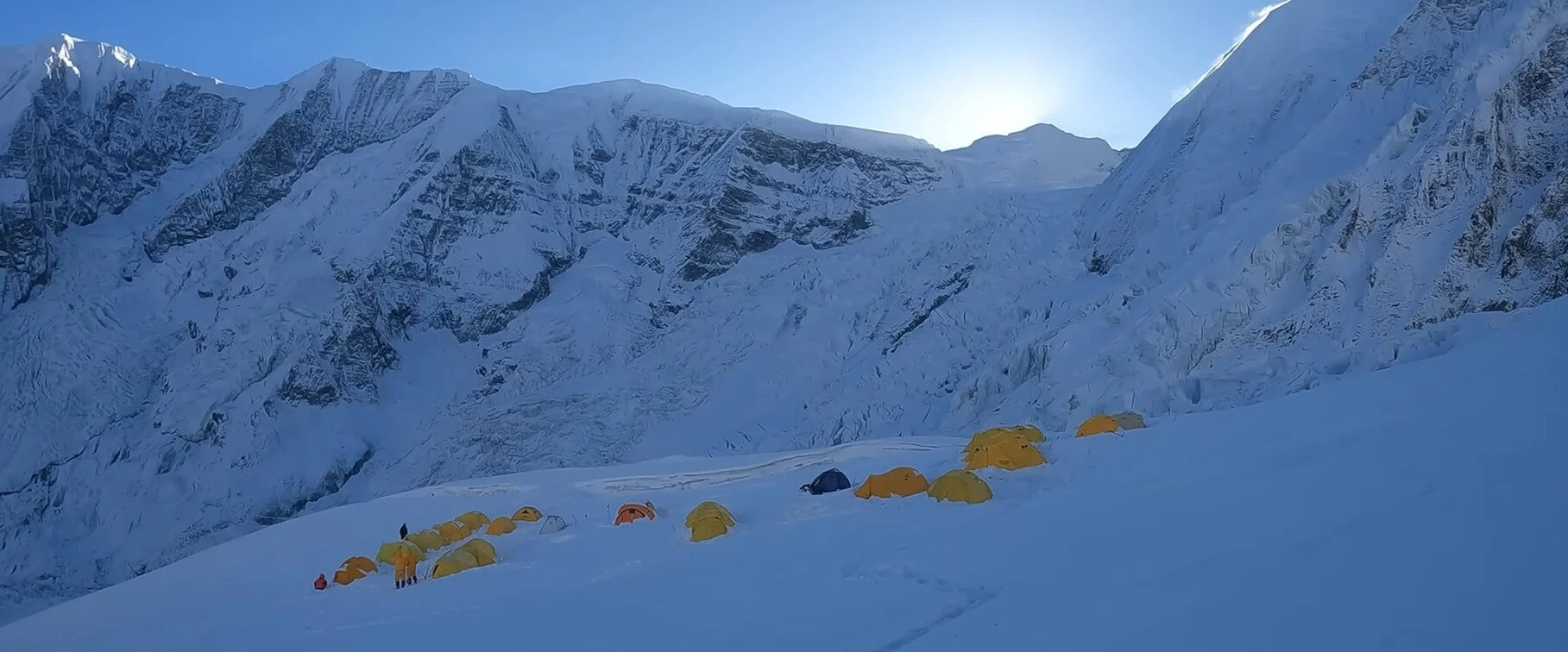
Base camp sits at the foot of the Annapurna massif and is the most stable weather zone on the entire expedition. Days are relatively comfortable with sunshine warming the tents during morning hours. However temperatures drop sharply after sunset and nights can be bitterly cold even at this altitude.
During spring, afternoon cloud buildup is common and light snowfall can occur without warning. During monsoon season, base camp receives heavy and consistent rainfall making conditions uncomfortable and route preparation extremely difficult.
| Condition | Details |
|---|---|
| Temperature (Day) | -5°C to +5°C |
| Temperature (Night) | -15°C to -25°C |
| Wind Speed | 20–50 km/h |
| Primary Risks | Avalanches, crevasse zones, sudden storms |
| Visibility | Frequently changes within hours |
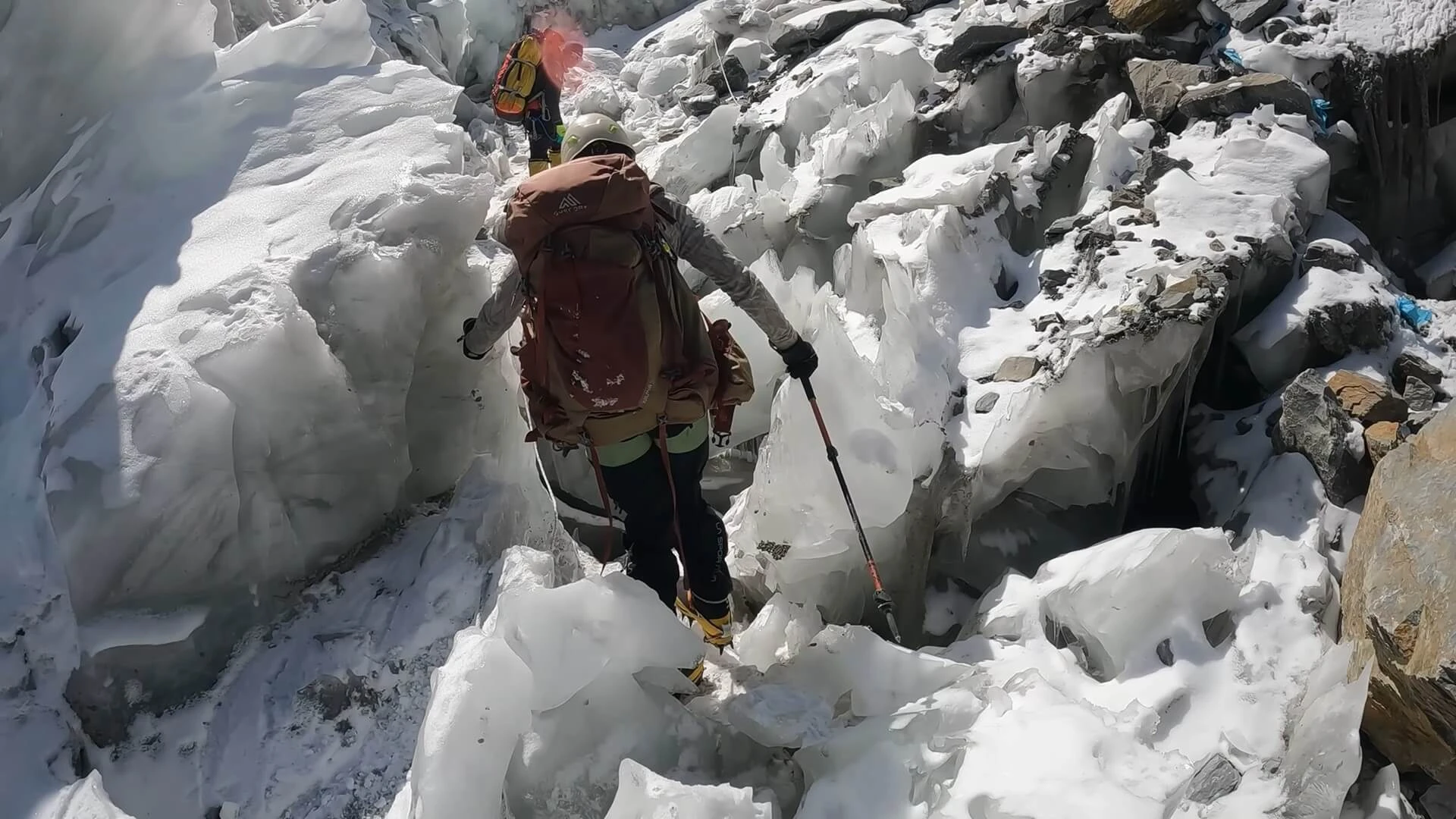
The climb from base camp to Camp I passes through one of the most avalanche-prone sections of the entire route. Weather here changes dramatically and without warning. What begins as a clear morning can deteriorate into a whiteout within two to three hours. Night temperatures regularly drop below -20°C and wind chill makes it feel significantly colder.
Our Sherpas monitor this section extremely carefully the majority of weather-related turnaround decisions are made between base camp and Camp I based on early morning sky and wind readings.
| Condition | Details |
|---|---|
| Temperature (Day) | -10°C to -5°C |
| Temperature (Night) | -20°C to -30°C |
| Wind Speed | 30–70 km/h |
| Primary Risks | Seracs, ice fall, wind slab avalanches |
| Visibility | Often poor — cloud cover frequent |
At Camp II the weather becomes noticeably more severe and unpredictable. Wind speeds increase significantly and sustained gusts above 50 km/h are common even during the best climbing seasons. The terrain between Camp I and Camp II is technically demanding steep glaciers, massive seracs, and exposed ridgelines where high winds become genuinely dangerous.
Climbers must be fully layered and equipped with goggles and face protection at all times above this altitude. Acclimatization rotations to Camp II are a critical part of our itinerary because the body must adapt to both the altitude and the harsher weather conditions before the summit push.
| Condition | Details |
|---|---|
| Temperature (Day) | -15°C to -10°C |
| Temperature (Night) | -25°C to -35°C |
| Wind Speed | 50–90 km/h |
| Primary Risks | Frostbite, hypoxia, wind exposure, whiteouts |
| Visibility | Frequently poor summit rarely visible |
| Oxygen | Supplemental oxygen typically begins here |
| Condition | Details |
|---|---|
| Temperature (Day) | -20°C to -15°C |
| Temperature (Night) | -35°C to -45°C |
| Wind Speed | 60–100+ km/h |
| Primary Risks | Extreme frostbite, HACE, HAPE, exhaustion |
| Visibility | Often zero complete whiteout common |
| Oxygen | Full supplemental oxygen mandatory |
| Condition | Details |
|---|---|
| Temperature | -30°C to -50°C with wind chill |
| Wind Speed | 80–150+ km/h outside summit windows |
| Summit Window | Typically 6–12 hours per season |
| Primary Risks | Extreme cold, exhaustion, whiteout during descent |
| Visibility | Crystal clear or complete zero — no middle ground |
| Oxygen | Full supplemental oxygen mandatory |
| Altitude Zone | Cold Risk | Wind Risk | Avalanche Risk | Overall Danger |
|---|---|---|---|---|
| Base Camp (4,130 m) | Low | Low | Low | 🟡 Moderate |
| Camp I (5,400 m) | Moderate | Moderate | High | 🟠 High |
| Camp II (6,400 m) | High | High | High | 🔴 Very High |
| Camp III (7,200 m) | Very High | Very High | Moderate | 🔴 Very High |
| Camp IV (7,400 m) | Extreme | Extreme | Low | 🔴 Extreme |
| Summit (8,091 m) | Extreme | Extreme | Low | 🔴 Extreme |
 Nepal
Nepal
 32
32  Sept - Nov & March - May