Destination
Nepal
Duration
14
Destination
Nepal
Duration
14
Trip Difficulty
Challenging
Accommodation
Tea House and Tent
Meals
B, L, & D
Max. Elevation
6584
Group Size
25
Best Time
Sept - Nov & March - May
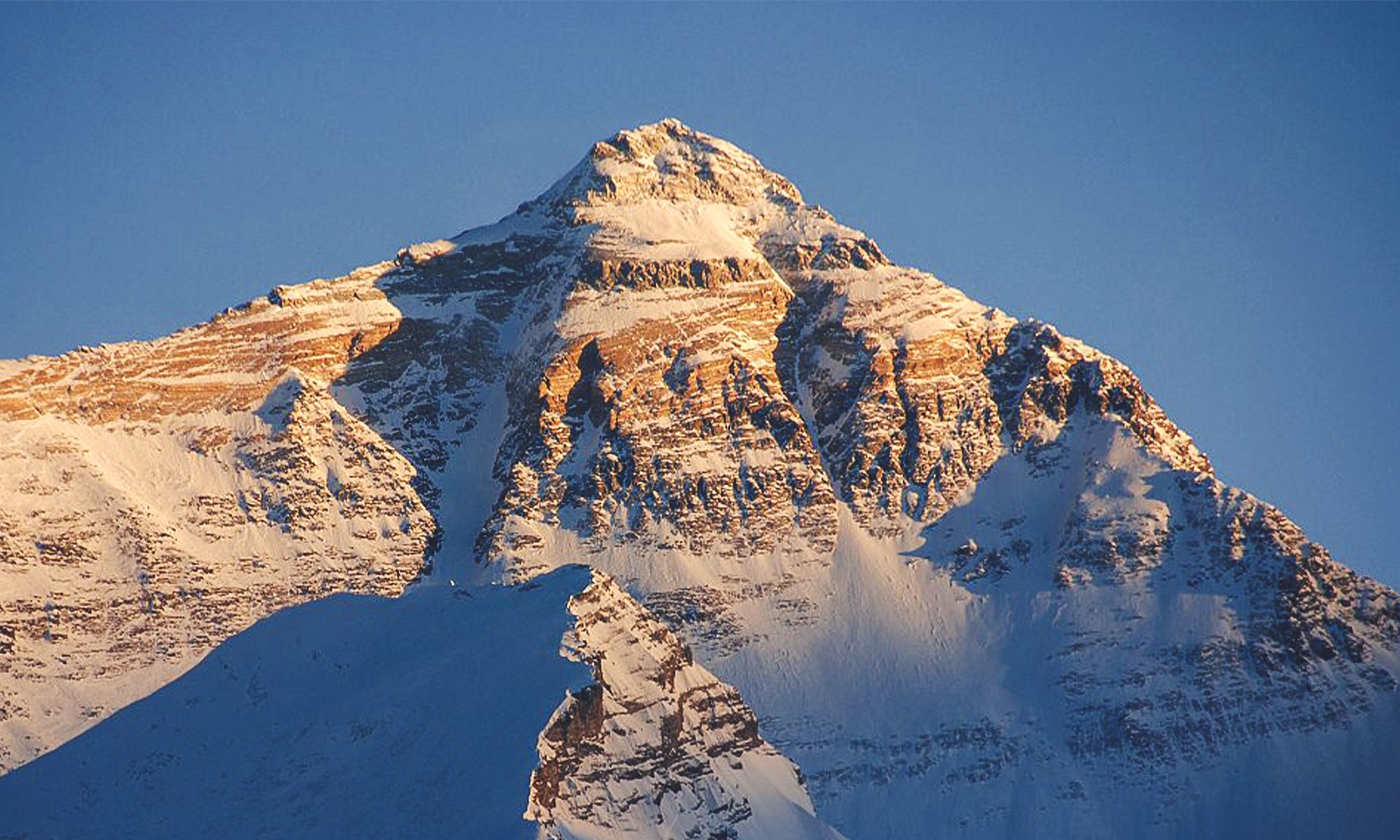
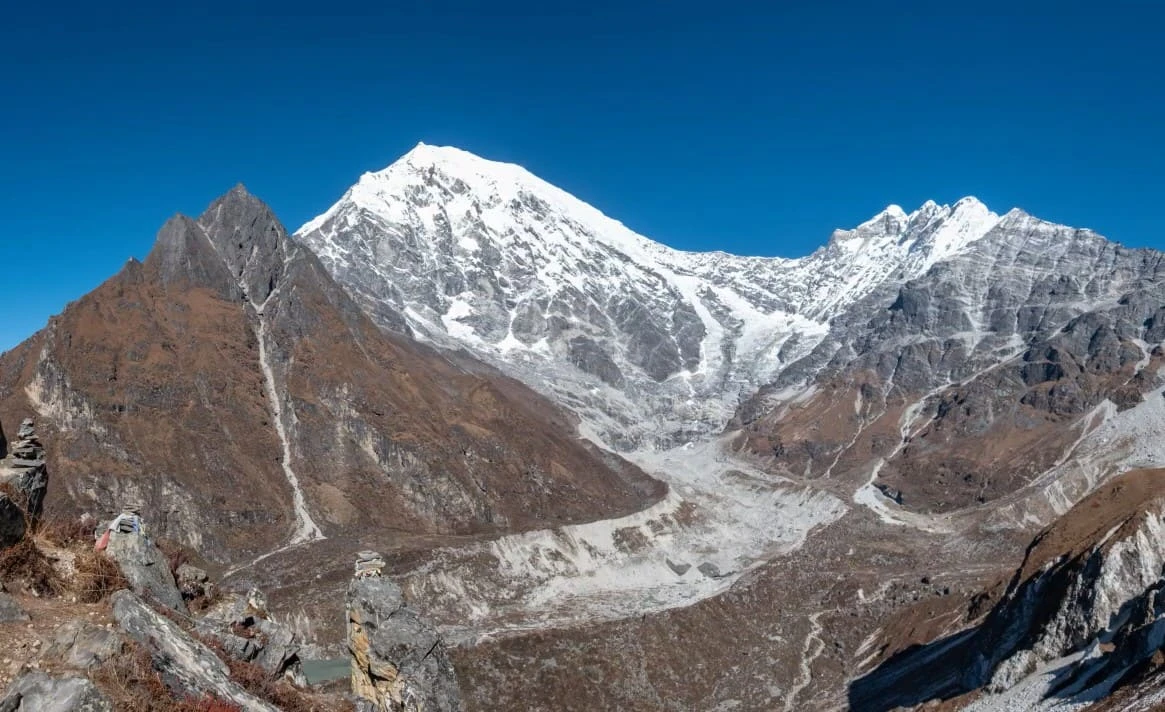
Chulu West Peak, standing tall in the Annapurna region of Nepal, is a favourite among seasoned mountaineers and adventurous trekkers seeking a challenging yet rewarding Himalayan expedition.
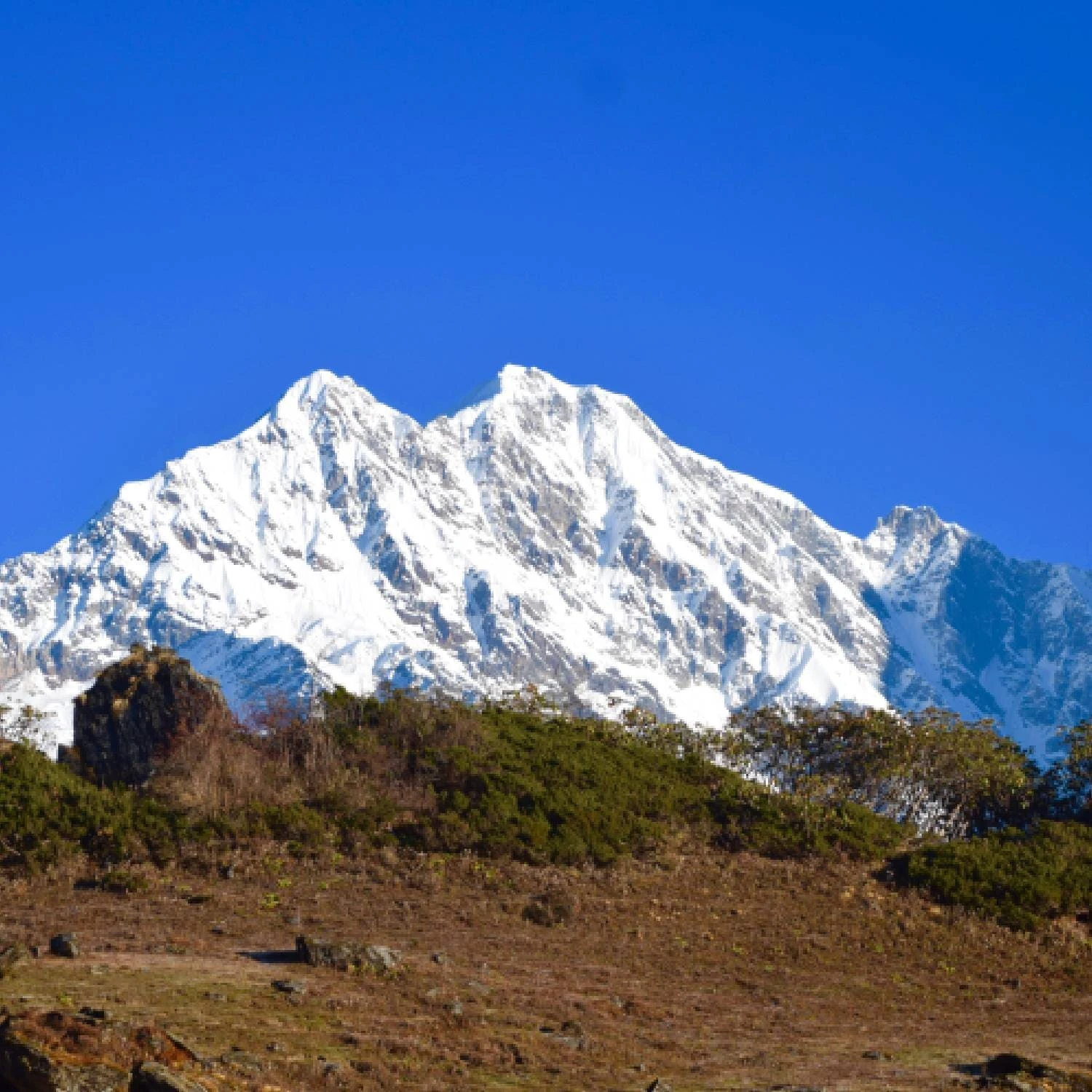
Known for its striking snow-capped ridges and panoramic views of surrounding peaks like Annapurna I and Dhaulagiri, Chulu West offers a perfect combination of technical climbing and trekking experience.
Unlike Chulu East, Chulu West requires more advanced mountaineering skills due to its steep slopes, mixed ice and rock terrain, and unpredictable weather conditions.
Climbers often start the journey from the picturesque Manang Valley, trekking through high-altitude landscapes, traditional Gurung villages, and serene mountain passes before reaching the base camp.
Expeditions to Chulu West are ideal for climbers looking to enhance their technical climbing experience while enjoying one of Nepal’s less crowded, yet visually stunning, Himalayan peaks.
Guided by expert mountaineers and supported by professional logistics, a Chulu West expedition ensures safety, proper acclimatization, and a well-planned ascent for a successful summit.
Whether you are weighing the differences between Chulu East and West, planning your first technical climb, or seeking a high-altitude adventure in Nepal, Chulu West Peak presents a fulfilling challenge with breathtaking Himalayan vistas.
The cost of a Chulu West Peak expedition generally ranges from $4,500 to $6,000 USD, depending on factors such as the duration of the climb, group size, and level of support provided. This investment usually includes government permits, professional guides, climbing equipment, base camp support, accommodation, and meals during the trek.
However, some expenses are not included in the base cost. International flights to Nepal, personal climbing gear, travel insurance, tips for guides and porters, and optional extras like satellite phones or private chefs are typically additional.
Choosing a professionally organized expedition ensures that climbers benefit from expert guidance, proper acclimatization schedules, and higher chances of a successful summit.
Chulu East and Chulu West are both part of the Annapurna range, but they differ significantly in terms of climbing experience and technical difficulty. Chulu East, at 6,584 meters, is moderately challenging and more accessible for climbers with limited high-altitude experience.
Its trekking approach is relatively easier, and it is more popular among beginners and intermediate climbers.
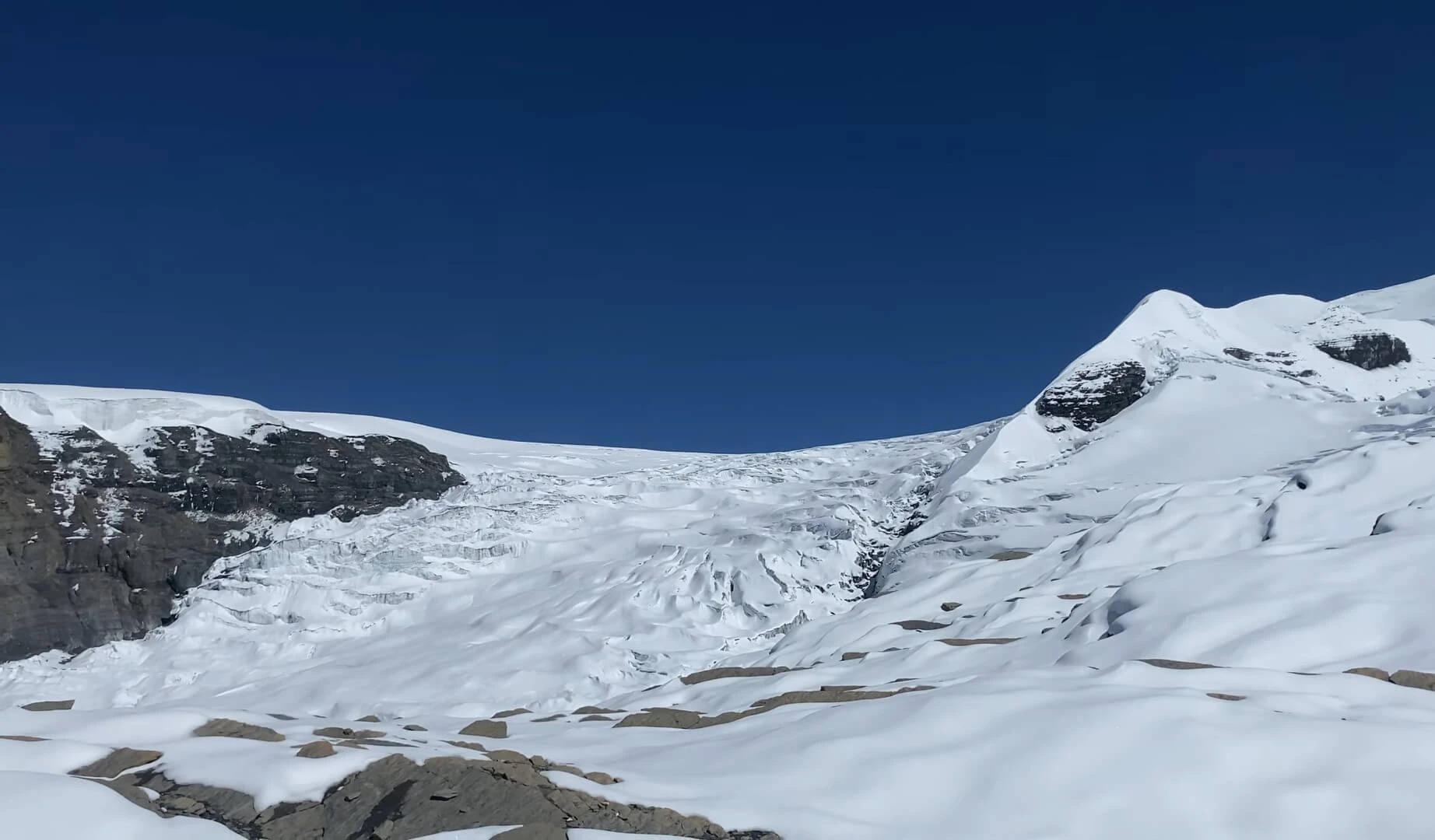
Chulu West, standing at 6,419 meters, is steeper, more technical, and less crowded. It requires climbers to navigate mixed ice and rock terrain, glaciers, and steep slopes. The trek to its base camp is longer and more rugged, making it ideal for experienced mountaineers seeking a technical challenge.
Overall, while Chulu East peak is suitable for newcomers to Himalayan climbing, Chulu West demands advanced skills and preparation.
Climbing Chulu West Peak is considered technically demanding. The mountain presents steep snow slopes, mixed rock sections, and glacier crossings that require a solid understanding of mountaineering techniques. Physical fitness, prior high-altitude experience, and knowledge of ice and rock climbing are essential for a safe ascent.
In addition to the technical climbing challenges, the high altitude of the region requires careful acclimatization. Weather conditions can be unpredictable, with sudden snowstorms and strong winds, adding another layer of difficulty. Climbers must be well-prepared, disciplined, and guided by experienced professionals to successfully reach the summit.
Summit 8000 offers expert-led expeditions that prioritize safety, proper acclimatization, and a well-planned ascent. With years of experience in high-altitude Himalayan climbs, their team provides professional guides, Sherpa support, and logistical management, ensuring climbers can focus fully on the adventure.
Choosing Summit 8000 also means access to personalized expedition planning, quality base camp setups, and emergency support throughout the climb. Their reputation for reliability, local knowledge, and successful summits makes them a trusted partner for anyone attempting Chulu West Peak, especially for climbers seeking both safety and a rewarding Himalayan experience.
Your expedition begins with arrival in Kathmandu, the vibrant capital of Nepal. Upon landing at Tribhuvan International Airport, you will be transferred to your hotel where you can rest and recover from your journey. The day is also used for an expedition briefing, where your guide will review the itinerary, check your climbing gear, and answer any questions. If time permits, a short walk through Thamel allows you to explore the bustling streets and pick up last-minute supplies for the trek ahead.
On the second day, you will drive from Kathmandu to Pokhara, a scenic journey along the Prithvi Highway. The drive passes through terraced hills, rivers, and small towns, offering glimpses of rural Nepal along the way. Pokhara serves as the gateway to the Annapurna region, and the evening is reserved for preparation, rest, and briefing on the trekking route. You can enjoy the serene lakeside atmosphere and prepare for the days of trekking ahead
From Pokhara, the expedition heads towards Chame, the administrative center of the Manang district and the starting point of the trekking trail. The drive offers spectacular views of the Marshyangdi River and surrounding hills. Upon arrival in Chame, you will settle into a local guesthouse and take a short walk to stretch your legs after the long journey. This is an opportunity to adjust to the increasing altitude and get acquainted with the trail ahead.
The trek from Chame to Upper Pisang winds through pine forests, terraced fields, and small villages. The trail offers magnificent views of Annapurna II, Pisang Peak, and Gangapurna. Along the way, you can interact with local Gurung communities and experience traditional mountain culture. Upper Pisang is a quiet village that provides the perfect setting for rest and acclimatization before continuing higher into the mountains.
From Upper Pisang, the trail continues to Manang, a key acclimatization stop in the Annapurna region. Manang is a picturesque village with traditional stone houses and monasteries, set against a backdrop of snow-capped peaks. Spending extra time here helps your body adapt to the higher altitudes, reducing the risk of altitude sickness during the climb. Short hikes in the afternoon allow for gentle acclimatization while offering stunning views of the surrounding mountains.
This day is reserved entirely for acclimatization in Manang. Optional short hikes to nearby areas, such as Gangapurna Lake, help your body adjust to the altitude. The day is also ideal for rest, hydration, and nutrition planning, as well as reviewing climbing techniques with your guide. Proper acclimatization ensures that you are physically prepared for the technical sections of the Chulu West climb.
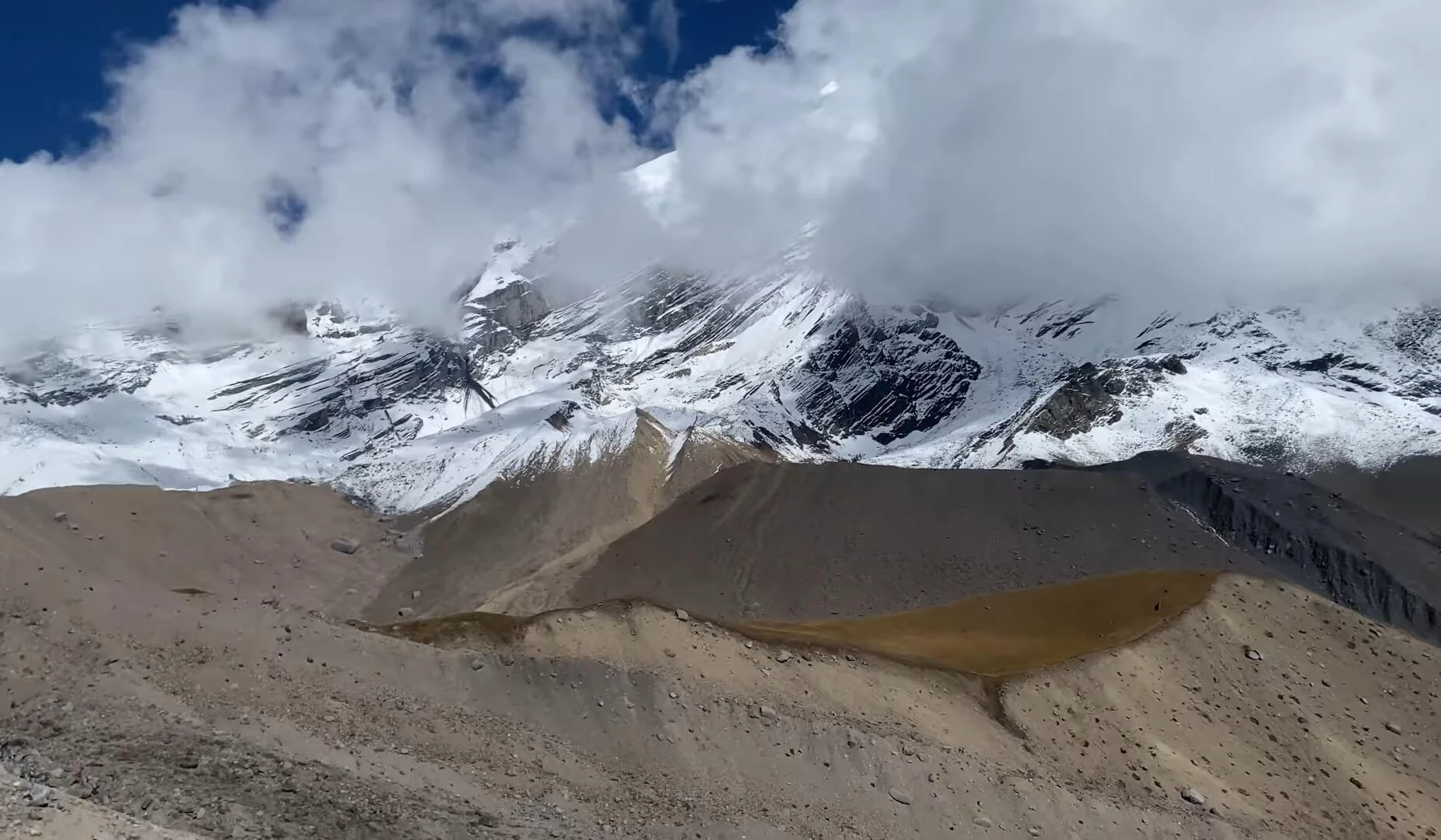
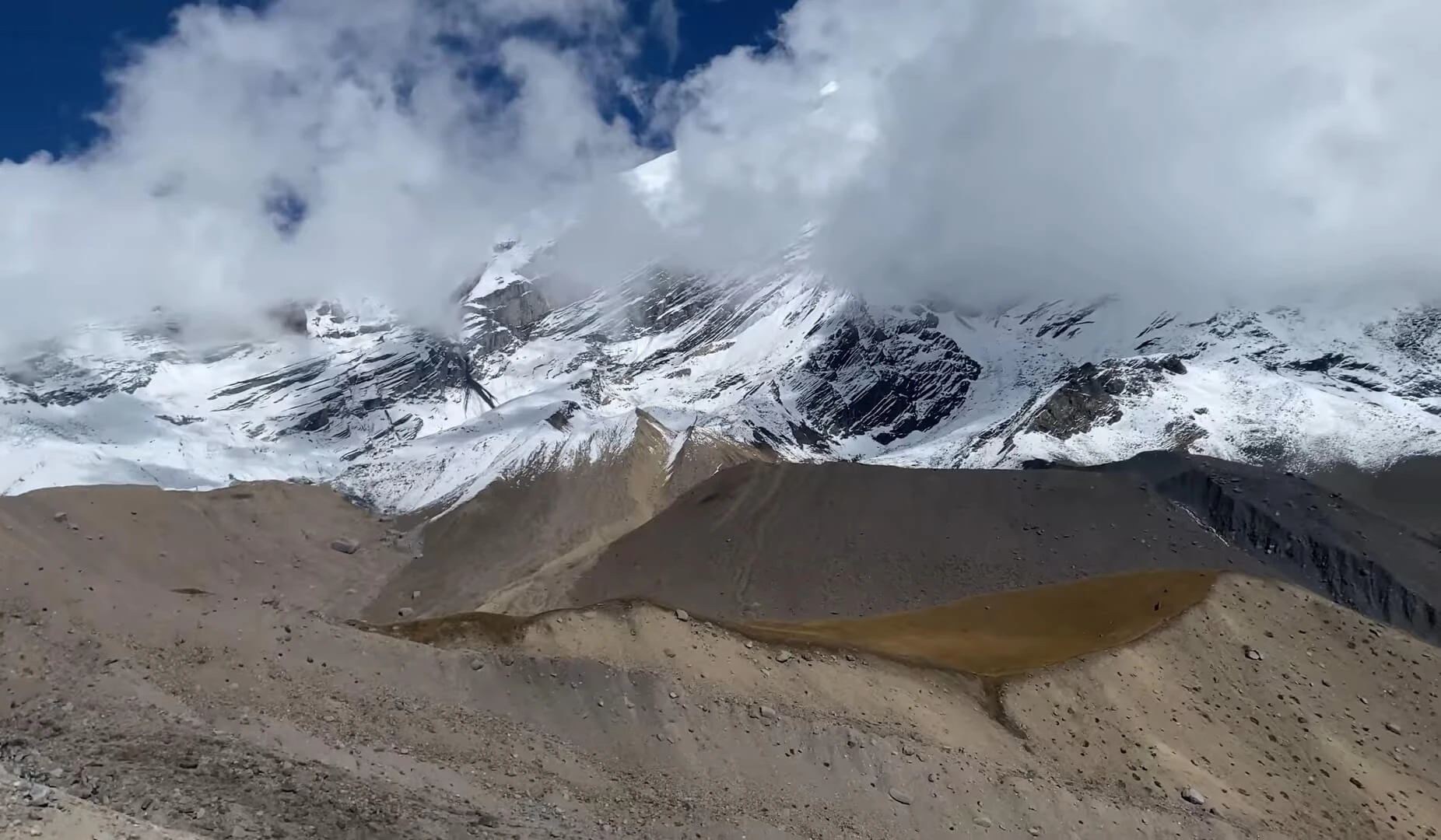
The trek to Chulu West Base Camp begins in earnest on day seven. The trail passes rocky terrain, small streams, and moraines, gradually introducing climbers to high-altitude conditions. Base Camp provides the final staging point before technical climbing begins. Here, you can enjoy panoramic views of Chulu West and East and observe the route ahead, while tents and other facilities are set up for the night.
At Base Camp, the focus is on preparation. Guides and support staff assist climbers in checking all gear, reviewing safety procedures, and practicing rope and crevasse techniques if needed. The day is essential for rest, hydration, and mentally preparing for the challenging ascent. Understanding the route and confirming logistics ensures a smooth start to the climb.
The trek from Base Camp to Advanced Base Camp (ABC) involves more technical terrain, including snow slopes and mixed ice sections. Climbers ascend gradually to ABC to continue acclimatizing while navigating the steeper sections of the route. The environment becomes more alpine, and spectacular views of glaciers and surrounding peaks make this stretch both challenging and rewarding. Overnight at ABC is in tents, with team briefings to plan the next day’s climb.
Climbers move from ABC to High Camp on day ten, where the ascent becomes steeper and more demanding. This section involves careful navigation over snow and ice, and the use of fixed ropes on some slopes. High Camp is the launching point for the summit push, and the afternoon is spent resting, preparing gear, and finalizing plans for the early morning summit attempt.
The summit attempt begins in the early hours, typically around 2:00–3:00 AM, to take advantage of stable morning weather. Climbers face steep snow slopes, mixed rock sections, and glacier crossings before reaching the summit. From the top, the panoramic views of Annapurna, Dhaulagiri, and surrounding Himalayan peaks are breathtaking. After celebrating the achievement, climbers descend carefully back to High Camp, ensuring energy is conserved for the return journey.
After the summit, climbers descend from High Camp to Base Camp. The journey back involves retracing the technical sections safely while gradually reducing altitude. Rest at Base Camp allows climbers to recover from the physical and mental challenges of the summit, preparing for the trek back to Manang.
The trek continues from Base Camp to Manang, moving from high-altitude technical terrain back to trekking trails. This segment provides time to relax, celebrate the successful climb, and enjoy the alpine landscapes one last time. Overnight in Manang offers comfort before the descent toward lower altitudes.
On the final day, the expedition returns to Pokhara and then drives back to Kathmandu. The journey provides an opportunity to reflect on the climb and enjoy the scenic landscapes one final time. Depending on your flight schedule, you can rest in Kathmandu or explore the city before departing from Tribhuvan International Airport.
Altitude Graph
Base Layer
Mid Layer
Outer Layer
Headwear
Handwear
Chulu West Peak is 6,419 meters (21,056 feet) high and is located in the Annapurna region of Nepal.
It is considered technically challenging. Climbers need experience with ice, snow, and rock climbing, as well as good physical fitness.
The full expedition lasts 14 days, including trekking, acclimatization, and summit day.
The spring (March to May) and autumn (September to November) seasons are the best for climbing, with clear skies and stable weather.
Yes, some high-altitude climbing experience is recommended because the route involves technical ice and rock sections.
The cost ranges from $4,500 to $6,000 USD, depending on the group size, duration, and level of support.
The expedition includes permits, professional guides, Sherpa support, meals and accommodation during trekking and at base camp, transportation within Nepal, and safety support.
Expenses like international flights, personal climbing gear, travel insurance, tips, and optional extras such as satellite phones or private chefs are not included.
The trek usually starts from Chame in the Manang district, after a transfer from Kathmandu and Pokhara.
You need to fly into Tribhuvan International Airport in Kathmandu. From there, the expedition team arranges transfers to the starting point.
With experienced guides, Sherpa support, and proper acclimatization, it is safe. However, climbers must be physically fit and follow safety instructions carefully.
This peak is not recommended for beginners. It is best suited for climbers with prior experience in high-altitude technical climbs.
 Nepal
Nepal
 21
21  Sept - Nov & March - May