Experience the ultimate adventure with Everest expeditions from Tibet’s North Face with Summit 8000, offering expert guidance, well-planned itineraries
Destination
Nepal
Duration
60
Destination
Nepal
Duration
60
Trip Difficulty
Strenuous
Accommodation
4 Star/ Star Hotel, Tent and Tea House
Meals
B, L, & D
Max. Elevation
8848.86
Group Size
25
Best Time
Sept - Nov & March - May
Experience the ultimate adventure with Everest expeditions from Tibet’s North Face with Summit 8000, offering expert guidance, well-planned itineraries, and full support for a safe and successful climb. Unlike the Nepal route, the Tibet North Face provides a less crowded path, easier access to base camp, and a unique perspective of the world’s highest peak.
Choosing the North Face allows you to tackle Everest via a technically challenging but rewarding route, perfect for those seeking adventure and achievement. For those looking to explore more, related expeditions include Cho Oyu, Lhotse, and other Himalayan peaks that complement the Everest journey.
Choosing the North Face route allows you to experience a technically rewarding ascent that challenges both skill and endurance. It is considered a classic route for mountaineers who want to combine the thrill of high-altitude climbing with the strategic advantages of a structured expedition.
At Summit 8000 we ensure climbers receive complete support, including acclimatization schedules, professional guides, climbing equipment, and emergency management, ensuring safety without compromising the adventure.
For enthusiasts looking to extend their Himalayan adventure, We also offer related expeditions to nearby peaks such as Cho Oyu, Lhotse, and Shishapangma, allowing climbers to further explore the grandeur of the Himalayas.
Whether you are a seasoned mountaineer or a determined first-time Everest climber, the Tibet North Face expedition promises an unforgettable experience filled with breathtaking landscapes, cultural encounters, and the ultimate achievement of standing on the roof of the world.
Choosing Everest expeditions from Tibet with Summit 8000 ensures a safe, well-organized, and professional climbing experience. We provide expert guides, thorough acclimatization schedules, top-quality equipment, and 24/7 support, making it ideal for both first-time high-altitude climbers and experienced mountaineers.
The expedition is carefully designed to balance adventure with safety, giving climbers the best chance to successfully summit Everest while enjoying the unique landscapes of the Tibetan Himalayas.
The Nepal and Tibet routes to Everest offer distinct experiences. The Nepal side, via the South Col, is more popular and crowded, with longer approaches and more logistical challenges, but it features the classic Khumbu Glacier and Everest Base Camp trek.
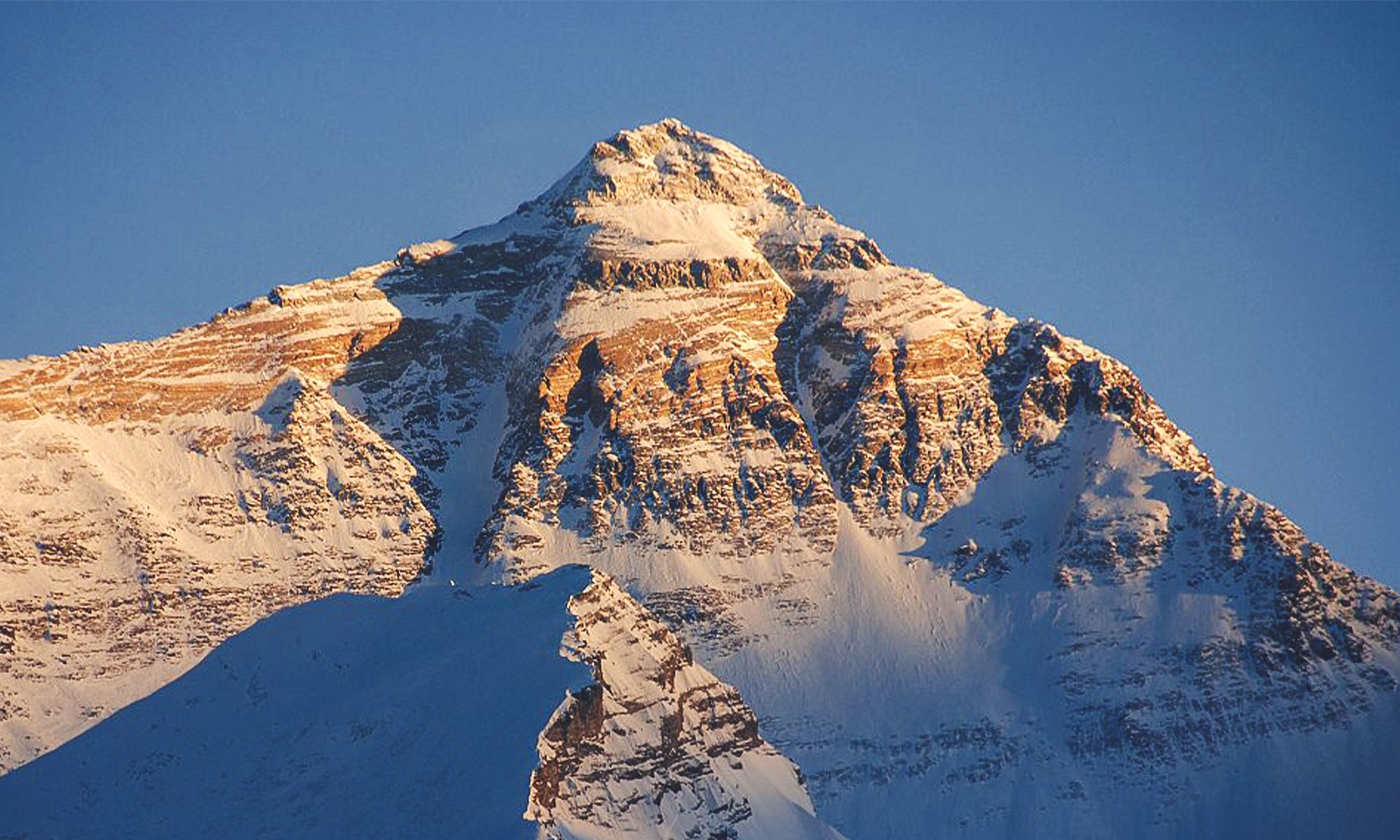
The Tibet side, via the North Face, offers easier access to Base Camp, fewer climbers, and breathtaking views of the North Face and Rongbuk Glacier. While the Nepal route is slightly less technical, the Tibet route provides a strategic and often quieter climbing experience, ideal for those looking for a different perspective of Everest.
Climbing Everest via the North Face offers a technically rewarding and challenging experience. The route allows climbers to test their mountaineering skills on steep terrain while enjoying spectacular views of the Himalayan range.
The North Face is less crowded, providing a more private and immersive climbing adventure. It also has strategic advantages in terms of logistics and acclimatization, making it a preferred choice for climbers seeking both adventure and efficiency.
For climbers looking to extend their Himalayan adventure, we offer related expeditions to nearby peaks such as Cho Oyu, Lhotse, Shishapangma, and Makalu. These peaks provide similar high-altitude challenges and spectacular landscapes, giving climbers the chance to explore more of the majestic Himalayas and gain additional mountaineering experience alongside the Everest journey.
Video
Arrive at Tribhuvan International Airport in Kathmandu, where our team will receive you and transfer you to your hotel. After settling in, there will be a brief discussion about the expedition, including the route, schedule, safety protocols, and what to expect in the coming days. This session ensures all climbers are prepared and informed before the adventure begins.
Spend the day exploring the rich cultural heritage of Kathmandu. Visit iconic sites such as Swayambhunath Stupa, Boudhanath Stupa, Pashupatinath Temple, and the historic Durbar Square. This is also a chance to purchase any last-minute gear and experience the local culture, cuisine, and traditions.
Dedicate this day to completing all necessary permits, paperwork, and final expedition arrangements. Guides will review the climbing plan, medical requirements, and logistics, ensuring that everything is in order for a smooth journey to Tibet. This day also allows for rest and final packing.
Begin the overland journey to the Tibet border town of Zangmu. The drive offers stunning views of the Himalayan foothills, rivers, and Tibetan landscapes. This day is primarily for travel and acclimatization, helping the body adjust to increasing altitudes.
Continue the journey deeper into Tibet, arriving at Nyalam. The town is known for its Tibetan culture and stunning mountain vistas. Overnight at a local hotel provides an opportunity to rest and further acclimatize.
Drive to Tingri, a small Tibetan settlement that serves as a gateway to Everest. The route offers panoramic views of the Himalayas, including glimpses of Everest and Cho Oyu. Tingri’s high-altitude environment prepares climbers for the upcoming ascent.
Spend the day acclimatizing with light walks and rest. This is crucial for preventing altitude sickness. Guides may organize short hikes to help climbers adapt to higher elevations while enjoying breathtaking views of the surrounding mountains.
Drive along the Tibetan plateau to the Everest North Base Camp. This is the official starting point of the climb. Settle into camp, familiarize yourself with the facilities, and begin preparing gear for the climbing phase.
Spend these days at Base Camp for acclimatization and orientation. Activities include light hikes, gear checks, and team briefings. This period allows climbers to adjust to the high altitude, essential for a safe and successful ascent.
Optional buffer days for rest, weather adjustment, and further acclimatization before moving to higher camps.
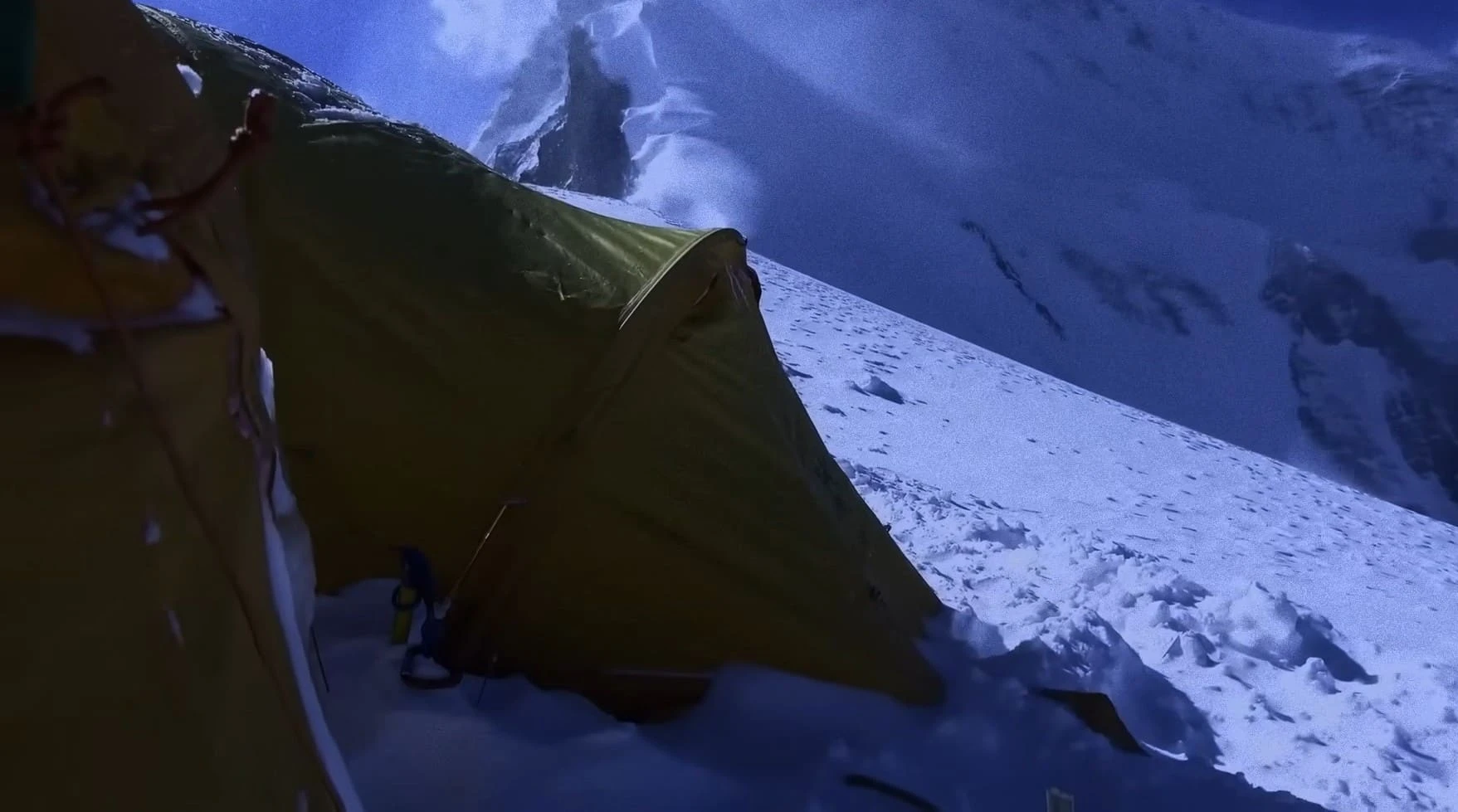
Climb to the Intermediate Camp, where climbers experience steeper terrain and higher altitudes. Focus on maintaining proper acclimatization, hydration, and energy levels. This stage is critical for preparing the body for the challenges ahead.
Advance to the next camp, which serves as the staging point for the final summit push. Spend time resting, organizing equipment, and preparing mentally and physically for the long climbing period ahead.
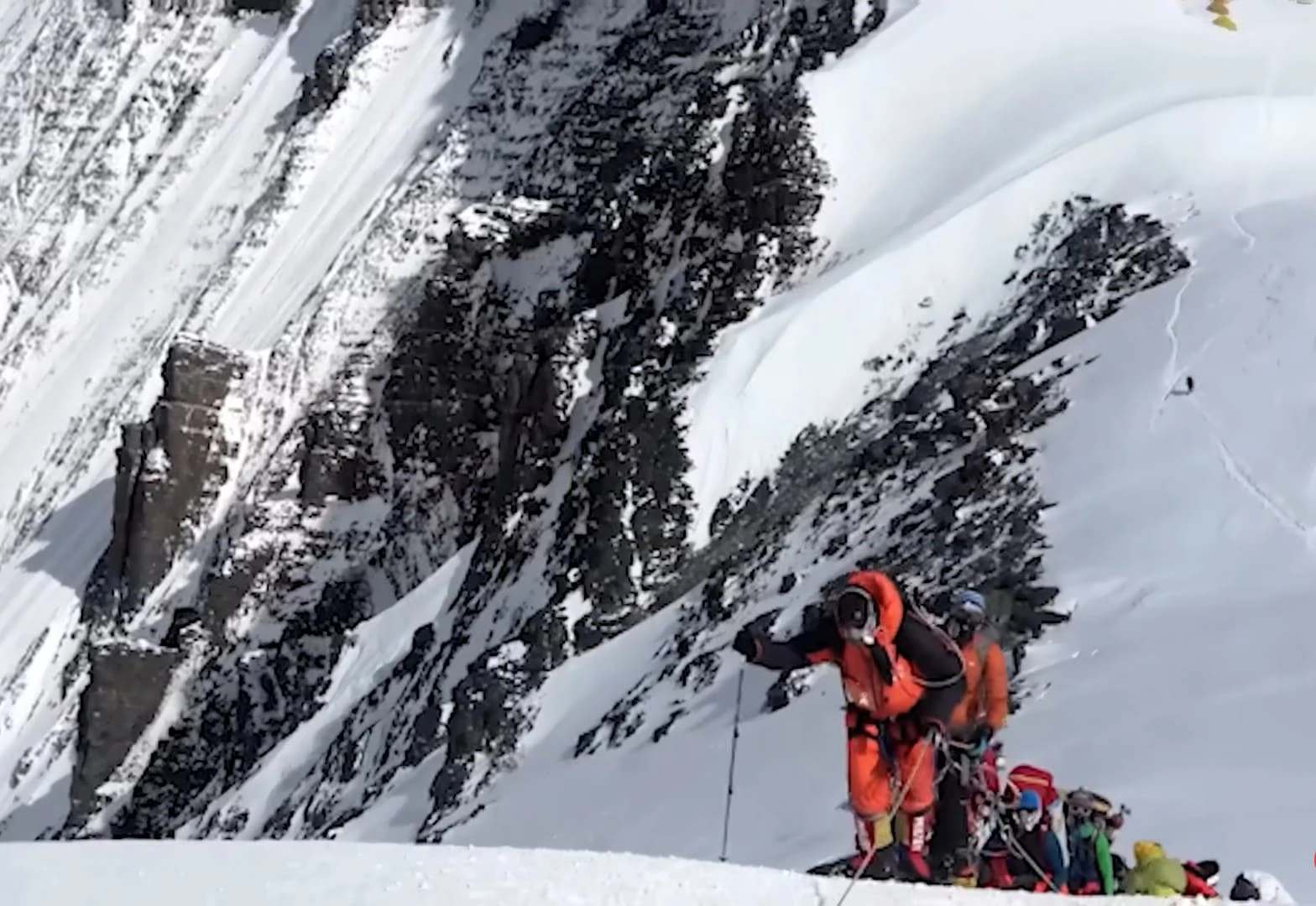
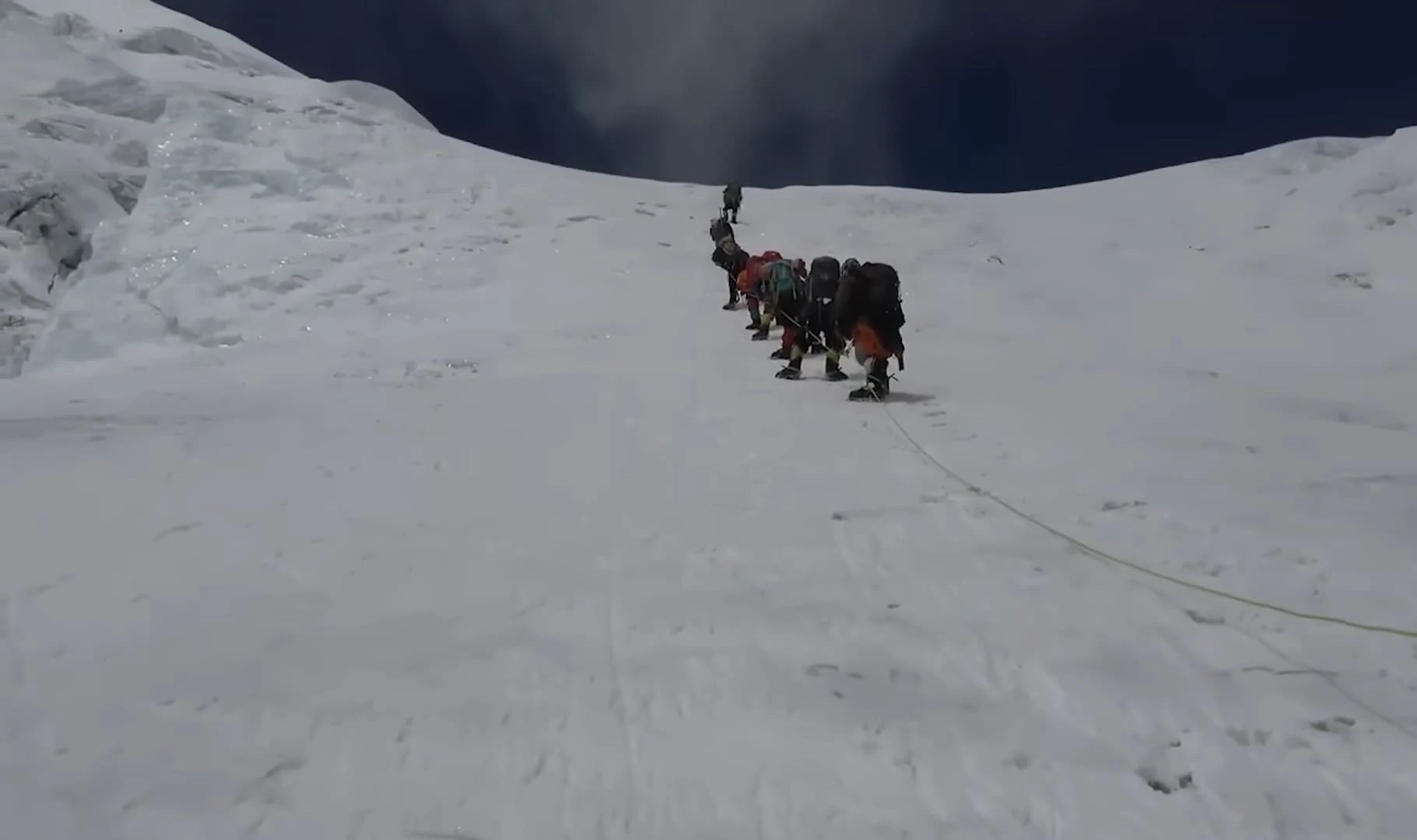
This phase involves multiple rotations between higher camps, acclimatization climbs, and ultimately the summit attempt. The climbing period is flexible depending on weather, acclimatization, and individual progress. Guides closely monitor all climbers for safety during the technical ascent.
After completing the summit attempt, descend to the Advanced Base Camp for rest and recovery. This stage allows climbers to relax, celebrate achievements, and prepare for further descent.
Descend to Base Camp, where climbers can enjoy the final moments of the high-altitude environment and organize gear for the journey back to lower elevations.
Participate in environmental conservation by cleaning and packing up Base Camp. This ensures that the area remains pristine and contributes to responsible mountaineering practices.
Begin the return journey to Nyalam, enjoy a comfortable stay at a local hotel, and rest after the long climb. This also allows climbers to reflect on the expedition and enjoy Tibetan culture one last time.
Return to Kathmandu by road, completing the overland journey from Tibet. Transfer to your hotel for rest, relaxation, and a warm shower after the long expedition.
Enjoy a free day in Kathmandu to relax, shop for souvenirs, or explore any sites missed at the beginning of the trip. This day serves as a decompression period after the high-altitude expedition.
Transfer to Tribhuvan International Airport for your onward flight. Depart with memories of an unforgettable adventure, having experienced the challenges and triumphs of climbing Everest via the North Face in Tibet.
Altitude Graph
The North Face route offers a less crowded and more accessible path to Everest Base Camp and the summit. It provides spectacular views of the Rongbuk Glacier and the North Face itself, while being strategically advantageous for acclimatization and logistics compared to the South Col route in Nepal.
The spring season (April to May) is considered the best time for Everest expeditions from Tibet. During this period, the weather is relatively stable, temperatures are moderate, and the climbing conditions are optimal for a successful summit attempt.
Climbers need a Tibet Travel Permit, an Everest Climbing Permit, and a liaison officer permit. Summit 8000 arranges all the necessary paperwork as part of the expedition package, ensuring a smooth process.
Climbers should have excellent physical fitness and prior high-altitude trekking or mountaineering experience. Training for cardiovascular endurance, strength, and stamina is essential, as the expedition involves long days at extreme altitudes.
The full expedition, including acclimatization, travel, climbing, and return, typically lasts about 60 days, allowing sufficient time for gradual acclimatization and a safe summit attempt
Yes, supplemental oxygen is recommended for the summit push. Summit 8000 provides high-quality oxygen cylinders and masks to ensure safety during the high-altitude climb.
The expedition includes professional guides, Sherpas, Base Camp support staff, high-altitude cooking teams, communication devices, medical facilities, and full logistical support throughout the journey.
Accommodation is provided in Kathmandu hotels, local hotels along the overland route in Tibet, and well-equipped tents at Base Camp. Higher camps include basic tents with shared cooking and sleeping facilities.
Safety is prioritized through careful acclimatization schedules, experienced guides, high-altitude medical monitoring, communication devices, and emergency evacuation plans. Climbers are closely monitored throughout the expedition.
Yes, climbers can explore related Himalayan peaks such as Cho Oyu, Lhotse, Shishapangma, and Makalu. These expeditions complement the Everest climb and offer additional mountaineering experiences in the region.
 Nepal
Nepal
 21
21  Sept - Nov & March - May