Destination
Nepal
Duration
34
Destination
Nepal
Duration
34
Trip Difficulty
Challenging
Accommodation
4 Star/ Star Hotel, Tent and Tea House
Meals
B, L, & D
Max. Elevation
7161
Group Size
25
Best Time
Sept - Nov & March - May
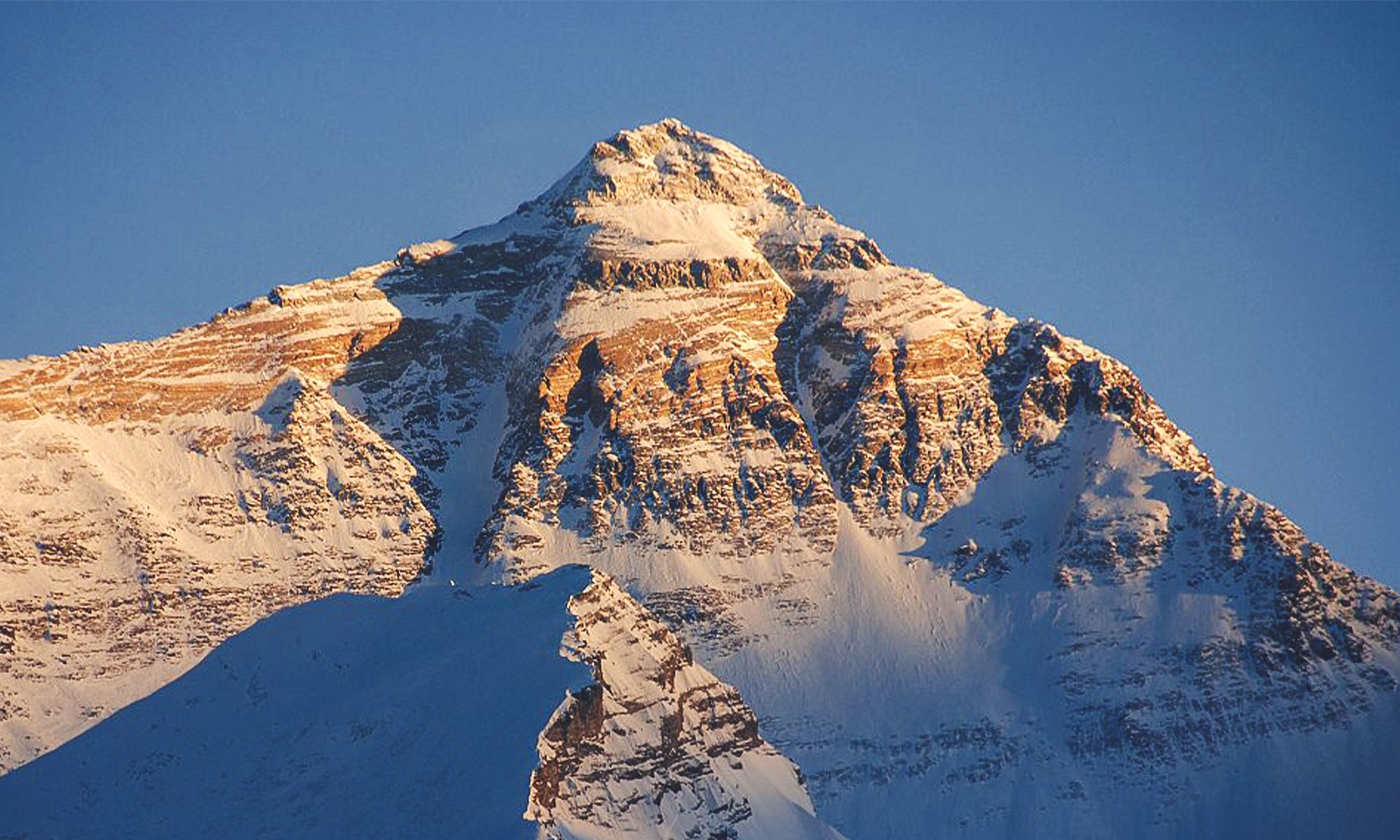
Pumori, known as the “Daughter of Everest,” is a stunning 7,161m peak in Nepal’s Khumbu region, offering breathtaking views of Everest, Lhotse, and Nuptse. This expedition is perfect for experienced climbers seeking a challenging yet rewarding Himalayan adventure.
The popular West Face Route takes you through base and advanced camps before a thrilling summit push. With technical ice and snow slopes, Pumori promises an unforgettable mountaineering experience. Its close proximity to Everest makes it both scenic and iconic for high-altitude adventurers.
You can expect a well-planned expedition that balances adventure, safety, and acclimatization. The journey begins with trekking through traditional Sherpa villages, offering cultural experiences alongside the majestic Himalayan scenery.
With expert guides, base camp support, and detailed preparation, Pumori expeditions are designed to maximize your chance of a successful summit while keeping the climb safe and enjoyable. From the serene landscapes to the adrenaline-filled summit push, every moment on Pumori is an opportunity to connect with the mountains and test your mountaineering skills to the fullest.
The Pumori Peak expedition is an exhilarating Himalayan climbing adventure that takes you to the summit of a 7,161-meter peak in Nepal’s Khumbu region. Designed for seasoned climbers, it combines trekking through scenic Sherpa villages, navigating technical snow and ice slopes, and summiting a mountain with unmatched panoramic views of Everest, Lhotse, and Nuptse.
More than just a climb, it’s an experience that tests your endurance, hones your mountaineering skills, and rewards you with memories of the pristine Himalayan wilderness.
For Pumori peak climbing climbers usually follow the West Face Route, the safest and most established path to the summit. The journey begins at Lukla, trekking through Namche Bazaar and Tengboche to reach Pumori Base Camp.
From there, climbers move to Advanced Base Camp, acclimatize, and gradually ascend via fixed ropes through technical ice and snow slopes. This route balances safety and adventure, offering stunning views while challenging your climbing skills at every step.
Pumori earned its affectionate nickname, the “Daughter of Everest,” because of its proximity and resemblance to the world’s highest peak. First named by Swiss climber Hermann Buhl, the word “Pumori” translates to “Young Female Mountain”, reflecting both its elegance and slightly smaller stature compared to Everest. Standing gracefully beside Everest, it is a beacon for climbers seeking a Himalayan experience that is majestic yet intimate.
Choosing Summit 8000 Expeditions means entrusting your Himalayan adventure to a team of experienced guides and mountaineering professionals who prioritize safety, comfort, and success. From meticulously planned logistics and base camp support to personalized guidance on technical climbs, we ensure every step of your Pumori expedition is smooth and memorable.
With Summit 8000, you gain not only expert leadership but also a supportive, inspiring environment that turns a challenging climb into a lifetime achievement. Your dream of summiting Pumori becomes a reality with confidence, care, and Himalayan expertise.
Upon arrival at Tribhuvan International Airport, Kathmandu, you will be welcomed by our team and transferred to your hotel. This day is for settling in, resting after your flight, and adjusting to the altitude. You can enjoy the comforts of your hotel and soak in the vibrant culture of Nepal’s capital. Breakfast will be provided at the hotel, and the evening is free to prepare for the adventure ahead.
Today is dedicated to acclimatization and preparation for the expedition. You will attend a detailed briefing on Pumori Peak climbing, including safety protocols, gear checks, and route planning. This is also the perfect opportunity to finalize any last-minute equipment or supplies. Spend the rest of the day relaxing and enjoying the city’s atmosphere. Dinner will be served at the hotel.
After an early breakfast, take a scenic flight to Lukla, the gateway to the Everest region. From Lukla, begin your trek along the Dudh Koshi River to Phakding, passing small villages and suspension bridges. The trail is dotted with traditional teahouses and prayer flags, providing a gentle introduction to Himalayan trekking. Overnight stay will be in a lodge with a warm meal to recover from the day’s journey.
The trek today gradually ascends through pine forests, Mani walls, and villages with local Sherpa culture. Cross famous suspension bridges and enjoy panoramic views of the mountains as you approach Namche Bazaar, the bustling Sherpa capital. This is an ideal spot to acclimatize and experience local markets, cafes, and trekking culture. Overnight will be at a comfortable lodge with breakfast, lunch, and dinner provided.
Spend a rest day at Namche Bazaar to acclimatize to the higher altitude. You can explore the town, visit the Sherpa Culture Museum, or take a short hike to nearby viewpoints for stunning views of Everest and Ama Dablam. Gentle walks and light activity help your body adjust before ascending further. Meals will be provided at the lodge throughout the day.
The trek today offers spectacular views of Ama Dablam and the surrounding peaks. You will pass through forests of rhododendron and reach Tyangboche Monastery, one of the most revered monasteries in the Khumbu region. The area provides a serene environment and a great vantage point for photography. Overnight stay will be in a lodge with full board.
Ascending further, you trek through open valleys and moraine landscapes to reach Dingboche, a high-altitude village nestled among towering peaks. The trail offers panoramic mountain vistas and opportunities to see yak caravans. Overnight stay will be in a lodge, allowing for proper rest and acclimatization before higher altitude trekking.
Today, the terrain becomes more rugged as you trek past glacial valleys and moraine hills to Lobuche, a small settlement used as a base for high-altitude climbs. The dramatic views of the surrounding peaks make this stretch both challenging and rewarding. Staying in a lodge here allows for gradual acclimatization before reaching the base camp.
The trail ascends gently through rocky terrain and glacial streams to Gorak Shep, the last settlement before Everest Base Camp. This area is famous for its panoramic views of Pumori, Kala Patthar, and surrounding Himalayan giants. The altitude here requires careful acclimatization and hydration. Overnight stay will be in a lodge, preparing for the approach to Pumori Base Camp.
From Gorak Shep, you begin the trek to Pumori Base Camp, entering a remote and rugged Himalayan landscape. The trail crosses moraines, ice fields, and dramatic ridges, providing an early taste of the challenges ahead. Setting up at base camp, you will prepare for the technical climb with your team. Overnight stay will be in tents with meals provided by the expedition team.
These days are dedicated to the Pumori peak climbing expedition, involving acclimatization rotations, establishing higher camps, and summit attempts. Climbers will navigate technical ice and snow slopes, fixed ropes, and challenging ridges under expert guidance. Each day balances climbing, rest, and safety to ensure successful acclimatization and summit preparation. Meals and overnight stays will be at base camp or higher camps in tents provided by the expedition.
After a successful climb, you descend to Pangboche, retracing your steps through high-altitude trails. The descent allows you to enjoy the changing scenery while recovering from the climb. Overnight stay will be in a lodge with full board.
Continue descending through rhododendron forests and small villages to Namche Bazaar, where you can celebrate the completion of your summit climb. Overnight stay will be in a lodge, enjoying hot meals and comfort.
The trail gradually descends through picturesque villages and river valleys to Lukla, completing the trekking section of the expedition. This day is a mix of reflection and celebration as you approach the starting point of your journey. Overnight stay will be in a lodge.
Take a scenic flight back to Kathmandu, enjoying aerial views of the Himalayas and the Everest region. Upon arrival, you will be transferred to your hotel for rest and relaxation. This is a perfect day to recover from trekking and enjoy the comforts of the city. Breakfast will be provided at the hotel.
Spend a free day exploring Kathmandu at your own pace. You can visit Boudhanath Stupa, Pashupatinath Temple, or shop for souvenirs at Thamel. This day allows for cultural immersion and relaxation after your long expedition. Overnight stay will be at the hotel with breakfast provided.
On the final day, you will be transferred to Tribhuvan International Airport for your departure flight. This marks the end of your unforgettable Pumori expedition, leaving you with lifelong memories of the Himalayas.
Altitude Graph
Warm expedition beanie / wool hat
Balaclava or thermal face mask
Buff or neck gaiter
UV protection glacier sunglasses (Category 4)
Ski goggles (for summit push and storms)
Sun hat or trekking cap
High SPF sunscreen (50+)
SPF lip balm
Headlamp with extra batteries
Moisture-wicking base layer tops (2–3)
Mid-weight fleece jacket
Heavy fleece or softshell jacket
Lightweight insulated jacket
Expedition down jacket (-30°C rated)
Waterproof & windproof hardshell jacket (Gore-Tex recommended)
Down vest (optional but useful)
Thermal base layer pants (2 pairs)
Trekking pants
Softshell climbing pants
Waterproof / windproof hardshell pants
Expedition down pants (for high camps & summit push)
High altitude mountaineering boots (8000m double boots)
Camp / trekking shoes
Gaiters
Heavy expedition socks (4–5 pairs)
Liner socks
Inner gloves / liner gloves
Insulated climbing gloves
Expedition mittens (for summit day)
Climbing helmet
Ice axe (technical mountaineering)
Crampons (compatible with boots)
Climbing harness
Carabiners (locking & non-locking)
Ascender / Jumars
Belay device / rappel device
Prusik loops
Safety sling / personal anchor system
Trekking poles
Expedition sleeping bag (-30°C to -40°C)
Sleeping bag liner
Inflatable or foam sleeping mat
Personal first aid kit
High altitude medications (Diamox if prescribed)
Pain relievers and blister care
Personal prescription medicines
Hand sanitizer and wet wipes
Personal toiletries
Quick-dry towel
Passport (valid for at least 6 months)
Nepal visa
Travel insurance (high altitude climbing coverage)
Expedition permits
Passport size photos
Copies of important documents
Duffel bag (expedition gear bag)
Daypack (40–50L)
Water bottles / thermos
Hydration bladder
Energy bars / snacks
Power bank / solar charger
Camera / phone
Notebook or journal
Lightweight towel
Garbage bags / dry bags
Pumori is a 7,161-meter Himalayan peak in Nepal’s Khumbu region. It is known for its technical ice and snow slopes and breathtaking views of Everest, Lhotse, and Nuptse. The climb is challenging and ideal for experienced mountaineers seeking a rewarding adventure.
Pumori lies just 8 km west of Mount Everest in the Khumbu region. It forms part of the Mahalangur Himalaya range and is accessible via the Everest Base Camp trail. Its location offers stunning panoramic views and easy connection to Sherpa villages.
The name was given by Swiss climber Hermann Buhl and means “Young Female Mountain.” It is called the Daughter of Everest because of its proximity and visual resemblance to Mount Everest. The peak is smaller yet majestic, standing gracefully beside Everest.
The ideal climbing seasons are pre-monsoon (March–May) and post-monsoon (September–November). During these months, the weather is relatively stable, the skies are clear, and climbing conditions are safer.
Pumori is considered a technical climb with steep snow and ice slopes. It requires prior high-altitude experience and mountaineering skills. Climbers should be physically fit and prepared for challenging conditions.
The most common path is the West Face Route, known for safety and established camps. The route includes base camp, advanced base camp, and staged higher camps. Fixed ropes and technical sections test climbing skills while offering breathtaking views.
A standard Pumori expedition lasts about 34 days, including trekking, acclimatization, climbing, and return to Kathmandu. This schedule allows proper acclimatization to minimize altitude sickness risks.
The cost typically ranges from $20,000 to $35,000 USD, depending on support, logistics, and services included. Costs cover permits, guides, base camp support, food, and accommodation.
Yes, a permit from the Nepal Mountaineering Association (NMA) is mandatory. It is usually arranged through a registered expedition operator.
Climbers should have experience with high-altitude trekking and technical ice climbing. Physical fitness and previous expedition experience increase the chances of a successful summit.
Yes, trekkers can reach Pumori Base Camp to enjoy spectacular Himalayan views without attempting the summit. It is an excellent option for adventure enthusiasts who prefer trekking over technical climbing.
Yes, professional Sherpa guides and support staff are included. They assist with climbing, safety, and logistics throughout the expedition.
Accommodation includes hotels in Kathmandu, lodges during trekking, and tents at base and higher camps. Meals are provided according to the itinerary.
Breakfast is served in Kathmandu hotels, while full board meals (breakfast, lunch, dinner) are provided during trekking and climbing. Special dietary requirements can usually be accommodated if informed in advance.
Supplemental oxygen is optional but recommended for climbers who may struggle at higher altitudes. Emergency oxygen is always available at base camp.
Yes, most essential climbing gear, including crampons, harnesses, and helmets, can be rented in Kathmandu or provided by the expedition operator. Personal gear like boots and down jackets are recommended to bring.
Expect cold temperatures, snow, and strong winds at higher altitudes. Trekking sections have milder conditions, but climbers must be prepared for sudden weather changes.
No, Pumori is recommended only for experienced climbers with previous high-altitude expedition experience. Beginners should attempt lower peaks or guided treks first.
Safety includes fixed ropes, high-altitude medical kits, experienced guides, and acclimatization schedules. Emergency evacuation plans are part of the expedition plan.
Summit 8000 provides expert guides, base camp support, meticulous planning, and personalized assistance. Choosing them ensures a safe, successful, and memorable expedition experience.
 Nepal
Nepal
 21
21  Sept - Nov & March - May