Destination
Nepal
Duration
34
Destination
Nepal
Duration
34
Trip Difficulty
Challenging
Accommodation
4 Star/ Star Hotel, Tent and Tea House
Meals
B, L, & D
Max. Elevation
6993
Group Size
20
Best Time
Sept - Nov & March - May
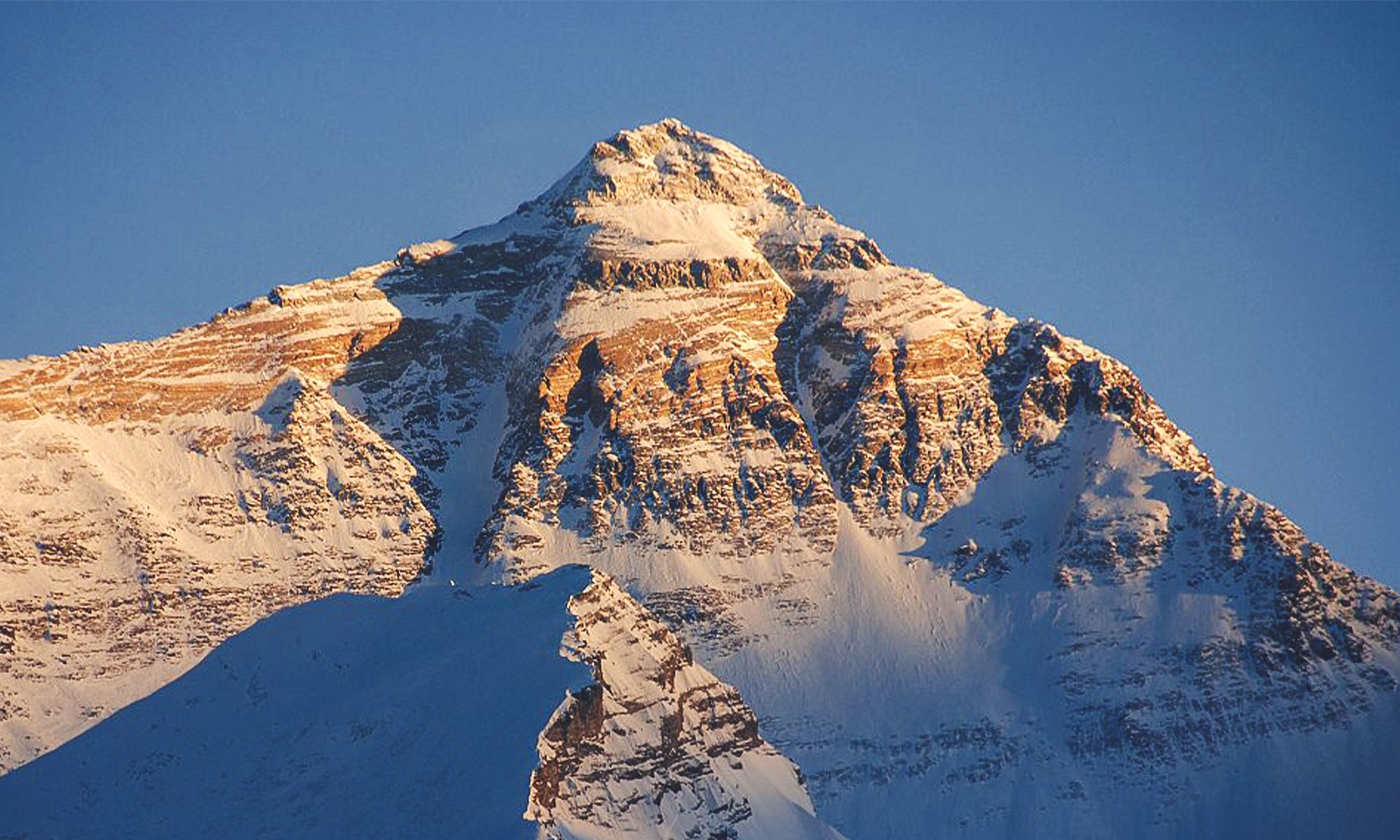
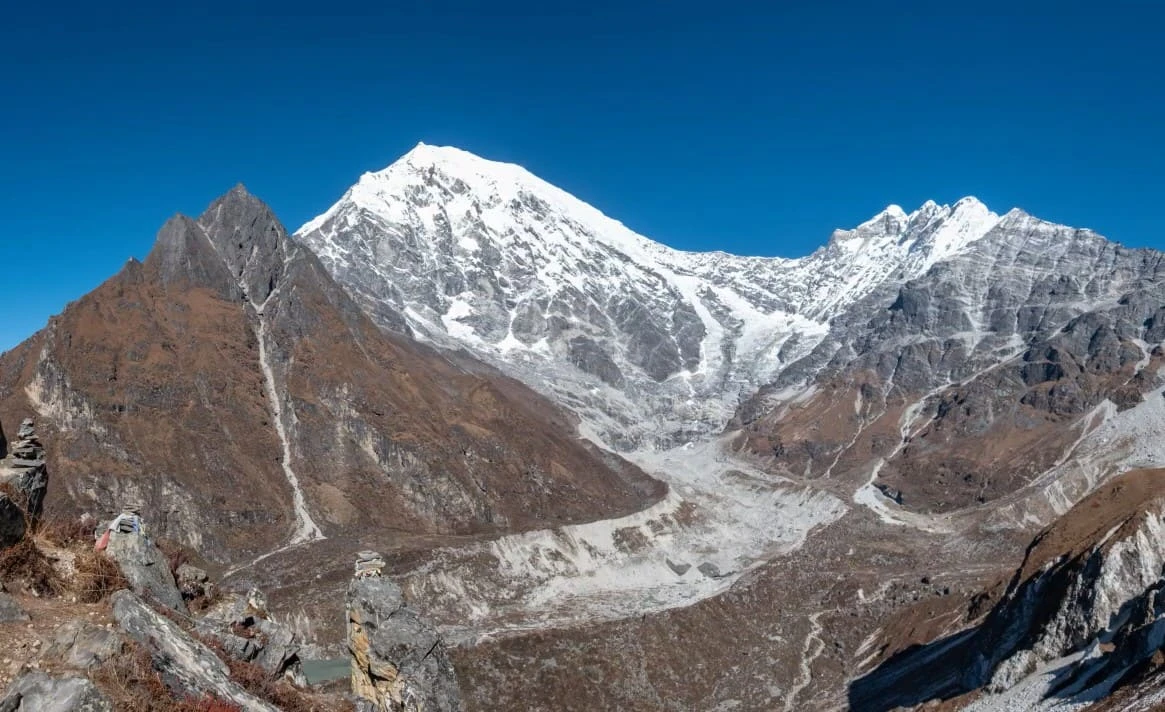
Putha Hiunchuli Nepal, also known as Dhaulagiri VII, is a stunning peak in the Annapurna region that offers adventure trekking and challenging climbing experiences for mountaineers. Hiunchuli expeditions in Nepal are designed with expert guides, Sherpa support, and well-planned logistics, making the climb safe, rewarding, and unforgettable.
The Hiunchuli expeditions cost depends on permits, guides, base camp support, and season, ensuring transparent pricing for adventurers.
Choosing Hiunchuli for expeditions promises breathtaking Himalayan vistas, serene trails, and fewer crowds, while Summit 8000 guarantees professional guidance, quality equipment, and personalized support, making your summit attempt seamless and memorable.
Start your journey on an unforgettable adventure with Putha Hiunchuli Nepal, one of the hidden gems of the Annapurna region. Known for its breathtaking vistas and challenging high-altitude terrain, Hiunchuli Expeditions in Nepal offer a perfect blend of thrill, culture, and natural beauty.
From snow-clad slopes and glaciers to rugged rocky ridges, this expedition is designed for adventurous climbers seeking both scenic landscapes and an exhilarating mountaineering experience.
Our Hiunchuli Expeditions in Nepal are led by certified expert guides who prioritize safety, support, and a seamless climbing experience. With fully transparent Hiunchuli Expeditions cost and detailed planning, climbers can focus on the adventure while we handle logistics, permits, and basecamp arrangements.
For those interested in exploring beyond Annapurna, this expedition also provides stunning views of the Dhaulagiri VII expeditions in Nepal, making it an ideal choice for high-altitude climbers aiming to gain experience and create lasting memories in the Himalayas.
Experience the thrill of summiting Putha Hiunchuli and immerse yourself in the majestic Annapurna range with our carefully curated and expertly guided expeditions.
Putha Hiunchuli Expeditions in Nepal is lesser-known adventure trekking which is located inside the Dhaulagiri region of Nepal. The peak is situated at the 6,993 meters (22,949 ft) above sea level giving the experience for you to climb the 7000 meters peak. Although it’s 6993 meters but still it considered as the 7000 meters peak in Nepal.
The journey leading you to the base and summit of the peak is scenic and mix of adventure, natural beauty, and the cultural immersion. The routes take you to the off beaten path guiding you through the beautiful landscapes, lush green forests, and the remote villages which is mainly inhabitant by the Gurung and Magar people.
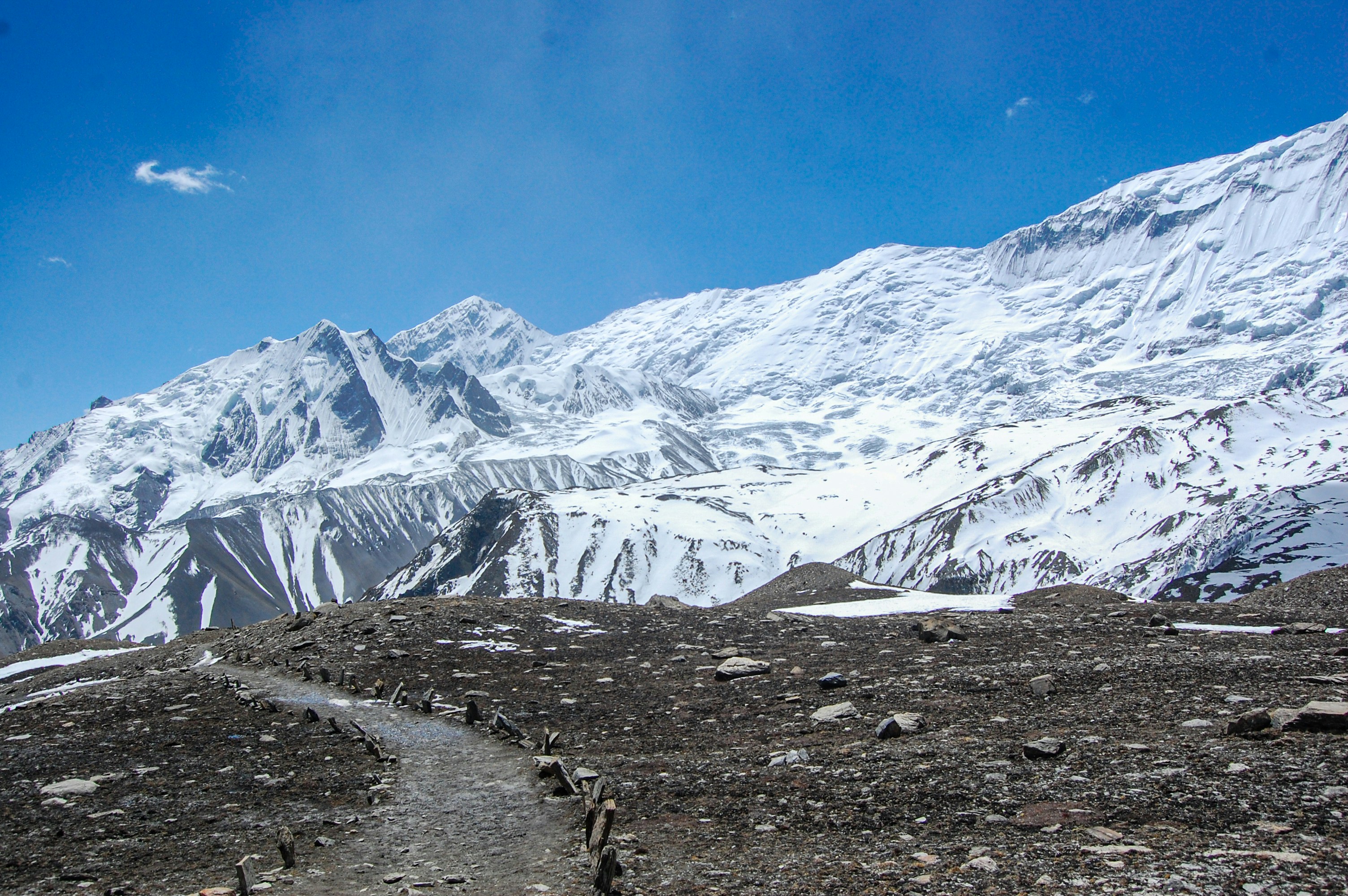
The peak is also known for its adventurous high-altitude experience which takes you through the different terrains such as the mix of snow ice, rocky terrains, glaciers formations and rugged alpine ridges offering both thrilling challenge and breathe taking panoramic views of the surrounding Himalayas.
Cost for the Putha Hiunchuli expeditions depends upon the several factors such as the duration of the trek, climb and summit, types of accommodations, permits and fees, guide and porters, Liaison officer, and the agency charge.
You can generally except the cost to be around the 7000 USD to 15000 USD depending upon the different agencies and the services you choose. Your cost will cover everything you will be required while climbing periods from the foods and accommodations to support staff, permits, transportations to everything.
However, the shared equipment will be provided such as the rope, crampons, duffel bags but personal gears such as the down jackets, trekking shoes and all will not be included inside the cost.
There are many reasons why you should choose Hiunchuli for expeditions such as it is the lesser known 7000-meter peaks which gives you an edge for the peaceful climb. If you are in search of the solitude and untouched landscape its perfect route for you.
The route leading to the base camp and the top of the summit is mix of the adventure and challenge where you will travel through the mix of snow, ice, glaciers, and rocky terrains. You will also enjoy the breath taking 360-degree views of the Annapurna Massif, Dhaulagiri, Machapuchhare (fishtail), and surrounding Himalayan peaks.
The expeditions phase passes you through the remote villages which gives you a chance to experience traditional Himalayan culture, local life style and authentic village life. It’s also a perfect training arena for you to gain high altitude mountain experience before attempting the biggest 8000 meters giants such as the Annapurna, Everest, Makalu or any other peaks.
At Summit 8000, we specialize in delivering unforgettable Putha Hiunchuli expeditions in Nepal with a perfect blend of adventure, safety, and cultural immersion. Our climbs are led by certified, experienced mountain guides and supported by skilled Sherpas, ensuring every step is carefully planned and executed for your safety and success. We prioritize transparent costs, covering permits, accommodation, meals, and support staff, so there are no hidden surprises.
Our expeditions are personalized to suit your pace, skills, and comfort, whether you join a private group or guided team. Beyond the climb, we offer authentic Himalayan cultural experiences, visiting remote Gurung villages and exploring local traditions. With years of experience and a proven track record of summiting high peaks, including Putha Hiunchuli, our team handles every detail from airport pickup in Kathmandu to basecamp logistics so you can fully focus on the adventure.
Choosing Summit 8000 guarantees not just a challenging and scenic climb, but a life-changing Himalayan journey filled with breathtaking landscapes, high-altitude thrills, and memories that will last a lifetime.
Namaste and we welcome you to the land of high passes and sherpas Nepal. You will be arriving at Tribhuvan International Airport where one of our team mates will welcome you with your name banner. Upon meeting me will drive to Thamel and rest.
Early in the morning, after the hearty breakfast we will drive to the Tribhuvan International Airport. After that you will take a flight from Kathmandu to Nepalgunj. The flight time will be of the 50 minutes. Upon reaching you will stay at the Nepalgunj and our guide will provide you all the permits and trekking gears lists and equipment which you can get from the trekking shops. You will have the brief day and visit around the places.
Early in the morning you will have a scenic flight from Nepalgunj to Jhupal which will be followed by a picturesque drive to Dunai, nestled among terraced fields and forested hills. Here, meet your climbing team and review the trail itinerary, safety measures, and high-altitude protocols. Overnight stay in Dunai allows for rest and preparation before the trek begins.
Today marks the beginning of our trekking journey into the remote Dolpo region. The trail follows the Thuli Bheri River northward, winding through pine and cedar forests with occasional glimpses of snow-capped peaks in the distance. The path alternates between riverside trails and sections that climb above the gorge, offering panoramic views of the surrounding valleys. You'll pass through small settlements where the local Dolpo-pa people maintain their traditional way of life, largely unchanged for centuries. Tarakot (2,537m) is a historic village with an ancient dzong (fort) overlooking the settlement. This strategic location once controlled trade routes between Tibet and the Indian subcontinent. The village exhibits distinctive Tibetan Buddhist architecture, with whitewashed houses and prayer flags adorning the landscape.
Departing Tarakot, the trail continues following the Barbung Khola upstream. The landscape becomes increasingly dramatic as we venture deeper into the Dolpo wilderness. The path climbs gradually through narrow gorges where the river has carved impressive formations into the rock. You'll traverse mixed terrain, including forested sections, open scrubland, and areas of exposed rock. The vegetation gradually becomes sparser as we gain elevation, reflecting the rain shadow effect of the Himalayan barrier. Mushi Khola (2,820m) is a small settlement beside a tributary stream. The area offers good camping facilities and serves as a strategic stopping point for expeditions heading toward the inner Dolpo region. The steady altitude gain continues your acclimatization process. You may begin to notice the effects of thinner air, making it important to maintain proper hydration and a comfortable pace.
Today's journey takes us deeper into the high mountain environment. The trail climbs more steeply now, ascending through alpine meadows that transform into high desert terrain characteristic of the trans-Himalayan region. The path crosses several streams and traverses hillsides where blue sheep (bharal) and Himalayan griffon vultures may be spotted. The vegetation becomes increasingly sparse, with hardy shrubs and grasses adapted to the harsh climate. Kagkot (3,500m) serves as a crucial acclimatization point in our itinerary. This remote location offers expansive views of the surrounding peaks and valleys. The settlement consists of traditional stone houses and seasonal herder shelters. The significant altitude gain today makes proper rest essential. Our team will monitor all members for signs of altitude-related issues, though the gradual ascent profile is designed to minimize such risks.
This strategically planned rest day is essential for proper high-altitude adaptation. While termed a "rest day," the schedule includes an active acclimatization hike to a higher elevation before returning to Kagkot for the night following the mountaineering principle of "climb high, sleep low." Your guide will lead a 3-4 hour hike to approximately 4,000m, allowing your body to experience higher altitude while returning to sleep at lower elevation. This significantly improves oxygen saturation and reduces the risk of altitude-related illness
After our acclimatization day, we continue ascending toward Panjing. The trail traverses high alpine terrain with increasingly spectacular mountain views. The landscape here is stark and beautiful, with minimal vegetation and dramatic rock formations. The route may cross seasonal streams and glacial moraines. As we approach Panjing, the massive presence of Putha Hiunchuli and surrounding peaks becomes more prominent on the horizon. Panjing (4,000m) is a high-altitude settlement that serves as the last inhabited area before entering the wild mountain zones. The village maintains yak pastures during summer months, and you may encounter herders tending their livestock.
Our second dedicated acclimatization day occurs at Panjing, positioned at 4,000m. This rest day is critical for proper physiological adaptation before proceeding to the base camp areas above 4,500m. Today's activities include an acclimatization rotation to approximately 4,500m, spending several hours at elevation before descending back to Panjing. This exposure stimulates red blood cell production and improves your body's oxygen-carrying capacity.
Today, we depart civilization and enter the high mountain wilderness. The trail climbs steadily toward German Base Camp, traversing glacial valleys and moraine fields. The term "German Base Camp" refers to a historical expedition site used by German mountaineering teams in earlier explorations of this region. The route follows ancient glacial valleys, crossing lateral moraines and boulder fields. Navigation becomes more challenging, and your experienced guides will lead the way through this terrain. The landscape is raw and magnificent, towering ice peaks, hanging glaciers, and vast expanses of rock and ice. German Base Camp (4,500m) sits in a strategic location that provides access to both Putha Hiunchuli and other surrounding peaks. The site offers some shelter from prevailing winds and access to water sources from nearby glacial streams
The final approach to Putha Hiunchuli Base Camp represents our transition from trekking to expedition mode. The route crosses complex glacial terrain, requiring careful navigation through crevasse zones and unstable moraine fields. Depending on seasonal conditions, the route may traverse snow-covered glaciers, requiring the use of crampons and roped team travel. Your guides will assess conditions and implement appropriate safety measures. Putha Hiunchuli Base Camp (5,200m) serves as our home for the coming weeks. The afternoon includes a puja ceremony (Buddhist blessing ritual) conducted by our Sherpa team. This sacred ceremony seeks blessings from the mountain deities for safe passage and successful climbing. All team members are welcome to participate in this meaningful cultural tradition.
The next seventeen days constitute the core climbing period for Putha Hiunchuli (7,246m). This timeframe allows for establishing high camps, acclimatization rotations, weather waiting, and the summit push. The exact schedule remains flexible based on weather patterns, snow conditions, and team performance.
After the intensive climbing period, we begin our return journey. Following the successful expedition (or in the event of earlier descent due to weather or other factors), we break down Base Camp, carefully packing all equipment and ensuring Leave No Trace principles are followed. The descent from Base Camp retraces our approach route, dropping approximately 1,700m in elevation to Kagkot. While descending is generally easier on the cardiovascular system, it can be challenging for the knees and requires careful foot placement on loose terrain. Most climbers experience a sense of relief and accomplishment mixed with fatigue from the intense weeks at altitude. The descent passes through German Base Camp before continuing down valley to Kagkot, where we'll stay overnight in more comfortable conditions than Base Camp offered.
Continuing our descent, today's trek takes us from Kagkot toward Lashicap, following river valleys and traversing hillsides covered in gradually increasing vegetation as we lose elevation. The return journey offers different perspectives on the landscape we passed during our approach. With the expedition behind you, there's often a more relaxed atmosphere and opportunity to appreciate the cultural and natural beauty of the Dolpo region with fresh eyes. Lashicap sits at a lower elevation where agricultural terraces reappear, and the local population lives year-round rather than seasonally. You may notice warmer temperatures and the return of bird species and plant life absent in the higher zones.
Our penultimate trekking day brings us back to Dunai, the district headquarters where our trek effectively began. The trail descends through increasingly populated areas, passing through villages and agricultural lands. Returning to Dunai feels like returning to civilization after weeks in the wilderness. The town offers basic amenities that will seem luxurious after the spartan conditions of high camp running water, varied food options, and communication capabilities. This evening often includes a celebration dinner with the trekking crew, offering an opportunity to thank the porters, kitchen staff, and support team who made the expedition possible. Stories are shared, photographs exchanged, and bonds formed during the challenging weeks are celebrated.
The final day of trekking retraces our steps to Jhupal, the mountain airstrip where we first set foot in Dolpo. This relatively short trek follows the Thuli Bheri River, crossing suspension bridges and passing through terraced farmland. Arriving in Jhupal marks the end of our mountain journey. The small settlement here feels busy compared to the isolated campsites of the past month. Tomorrow's flight depends on weather conditions, so we'll arrive with an adequate time buffer.
Weather permitting, we'll take the morning flight from Jhupal to Nepalgunj. Mountain flights operate on visual flight rules, meaning they require clear weather. Delays are possible and should be anticipated this is why we build buffer days into the itinerary. The flight offers one last opportunity to view the magnificent Himalayan landscape from above. Upon landing in Nepalgunj, we'll connect to the flight back to Kathmandu (same day or next day depending on flight schedules). Arriving in Kathmandu marks your return to urban civilization. The sights, sounds, and smells of the city may feel overwhelming after weeks in the mountains. Transfer to your hotel in Thamel allows time to shower, rest, and begin processing the incredible journey you've completed.
Your Putha Hiunchuli expedition concludes today. Depending on your international flight schedule, you may have time for last-minute shopping in Thamel, visiting cultural sites in Kathmandu Valley, or simply relaxing at your hotel. Our team will arrange your airport transfer according to your flight departure time. We recommend arriving at Tribhuvan International Airport at least three hours before international flights. As you depart Nepal, you carry with you the memories of an extraordinary adventure standing on a 7,000-meter Himalayan summit, experiencing the remote Dolpo region, and pushing your physical and mental limits in one of Earth's most spectacular mountain environments.
Altitude Graph
Putha Hiunchuli is a 7,246-meter (23,773 feet) peak located in the remote Dolpo region of western Nepal. It's part of the Dhaulagiri massif and offers exceptional climbing in one of Nepal's least-visited areas.
This mountain sees far fewer climbers than popular peaks, offering a genuine wilderness experience. The approach through Dolpo provides pristine Tibetan Buddhist culture and authentic expedition-style mountaineering.
The optimal seasons are pre-monsoon (April-June) and post-monsoon (September-November). Pre-monsoon generally offers more stable weather and is preferred by most expeditions.
The climb is rated Alpine Grade PD+ to AD, meaning moderately difficult with technical sections. You'll encounter glacier travel, crevasse hazards, mixed climbing, and the primary challenge of operating above 7,000 meters.
No, it's typically climbed without supplemental oxygen using natural acclimatization. Emergency oxygen is available at base camp for medical situations.
Success rates vary between 40-70% depending on season, weather, and team preparation. Weather is the primary factor affecting summit attempts, and safety always takes priority over summit success.
You must have previous high-altitude experience of at least 6,000 meters. Technical skills with crampons, ice axes, jumars, and fixed ropes are essential.
Excellent cardiovascular fitness is essential, as you should handle 6-8 hours of daily climbing with moderate loads. At least 6 months of structured training, including cardio, strength work, and elevation hiking, is recommended.
Formal certification isn't required, but documented climbing experience is essential. Mountaineering courses from recognized institutions and ice climbing experience are highly valuable.
No, Putha Hiunchuli is not suitable for beginners or first-time high-altitude climbers. Start with trekking peaks (5,000-6,000m) and build experience gradually before attempting 7,000+ meter peaks.
The minimum age is 18 years old with appropriate climbing experience. There's no maximum age limit if you meet fitness and experience requirements with recent medical clearance.
The complete expedition is 34 days from arrival to departure. This includes 17 days dedicated to the climbing period with built-in weather contingency days.
The itinerary cannot be significantly shortened due to acclimatization requirements and remote location. Proper acclimatization is critical for safety and success at this altitude.
Mountain flights frequently experience weather delays this is normal in the Himalayas. We build buffer days into the itinerary, and participants should have flexible return flights.
Most climbers fly into Tribhuvan International Airport in Kathmandu. Major airlines serve Kathmandu from international hubs in the Middle East, Asia, and Europe.
We provide group equipment including tents, ropes, cooking gear, base camp facilities, and communication equipment. High-altitude tents, fixed ropes, and snow protection are also supplied.
You'll stay in basic teahouses and lodges with twin-sharing rooms. Facilities are simple with shared bathrooms and limited electricity.
 Nepal
Nepal
 21
21  Sept - Nov & March - May