Destination
Nepal
Duration
18
Destination
Nepal
Duration
18
Trip Difficulty
Challenging
Accommodation
4 Star/ Star Hotel, Tent and Tea House
Meals
B, L, & D
Max. Elevation
5663
Group Size
15
Best Time
Sept - Nov & March - May
Welcome to Nepal! Upon landing at Tribhuvan International Airport, you will be warmly greeted by a Summit 8000 representative and transferred to your hotel in the heart of Kathmandu. After freshening up, the remainder of the day is free to explore the vibrant streets of Thamel the lively tourist hub lined with trekking shops, local restaurants, and colorful bazaars. You may also visit a nearby temple or stupa. Your expedition leader will conduct a pre-trip briefing in the evening to review the itinerary, distribute permits, confirm climbing gear, and answer any questions. A welcome dinner with the team rounds off the evening.
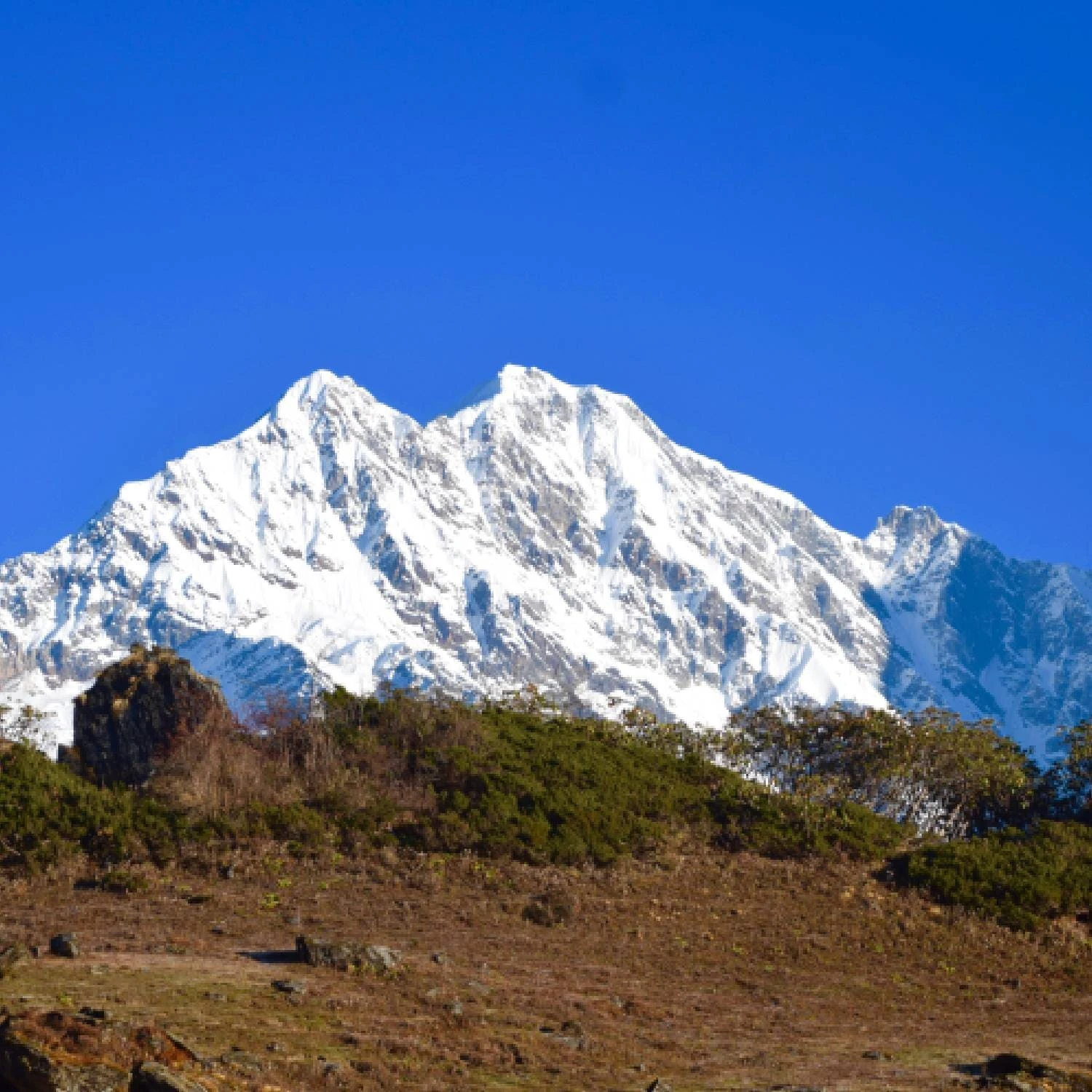
After an early breakfast, board the tourist bus for the scenic overland journey from Kathmandu to Pokhara, Nepal's adventure capital. The route winds through the mid-hills, offering rolling green landscapes, terraced fields, and glimpses of distant snow-capped peaks on a clear day. Arrive in Pokhara by early evening and check in to your lakeside hotel. Spend the evening strolling along Phewa Lake, savoring fresh Nepali cuisine, or browsing the lively Lakeside bazaar. Pokhara serves as the perfect gateway to the Annapurna region and offers one of the most spectacular mountain panoramas in Nepal look out for the distinctive fishtail silhouette of Machapuchare (6,993 m) dominating the skyline.
An early morning departure from Pokhara by private vehicle takes you east along the Pokhara–Baglung Highway and then off-road toward the village of Tikhedunga. The drive itself is a scenic adventure, passing through Nayapul and local Gurung villages before reaching the official trailhead. The afternoon trek from Tikhedunga to Ulleri is short but characterful the highlight is a famous stone staircase of approximately 3,000 steps that winds steeply uphill through dense forest and past cascading streams. Though demanding, this ascent offers a rewarding warm-up for the days ahead and stunning views behind you across the Modi Khola valley. Ulleri is a traditional Magar village perched on a hillside with sweeping views of Annapurna South and Hiunchuli on a clear evening.
Today's trail leads through one of the most beautiful sections of the Annapurna trekking route. The path climbs steadily through magnificent rhododendron and oak forests in spring (March–April), these forests explode in brilliant reds and pinks, creating a mesmerizing natural tunnel overhead. Pass through the villages of Banthanti and Nangethanti, where you can pause at local tea houses to sip warm masala tea and enjoy valley views. The gradient is consistent but manageable, offering a solid conditioning day for the legs. Ghorepani is a popular overnight stop perched at the edge of the ridge, offering stunning views of the Dhaulagiri and Annapurna ranges. On arrival, enjoy a hot meal and early rest tomorrow requires a pre-dawn start.
Rise before dawn (around 4:30–5:00 AM) and make the 45-minute ascent to Poon Hill viewpoint one of the most celebrated sunrise spots in the Himalayas. As the first golden light touches the peaks, you'll be rewarded with a breathtaking 180-degree panorama of Dhaulagiri (8,167 m), Annapurna I (8,091 m), Annapurna South, Hiunchuli, Nilgiri, and the iconic Machapuchare (Fishtail Peak). This is a truly unmissable Himalayan moment. Return to Ghorepani for breakfast, then descend into the Banthanti valley and re-climb through forest toward Tadapani. This section of trail is less-traveled and rewards walkers with solitude, bird song, and occasional views of Annapurna South towering ahead. Tadapani is a small ridge-top hamlet known for its dramatic sunset views of the Annapurna massif.
The trail descends steeply from Tadapani through dense forest before crossing the Kimrong Khola river at the valley bottom. A sharp re-ascent on the opposite bank leads up to Chomrong, the last major village before entering the restricted Annapurna Sanctuary. Chomrong is a large, well-established Gurung village with fantastic views of Annapurna South and Hiunchuli. The village marks an important milestone in the trek permits are checked here before trekkers proceed further into the sanctuary. Use the afternoon to rest, launder gear, stock up on any last supplies, and enjoy a cold drink with Himalayan views. A good night's sleep here is valuable before the remoter sections ahead.
Today's trail descends from Chomrong to the Chhomrong Khola river via a long stone staircase, then climbs again through the forest villages of Sinuwa and Bamboo before reaching Dovan. The route begins to feel increasingly dramatic as the valley narrows and the walls of the Modi Khola gorge rise steeply on both sides. Bamboo (2,335 m) is a key rest point mid-route stop here for lunch among the giant bamboo groves. Beyond Bamboo, the trail enters the inner gorge and the vegetation becomes lusher and more exotic, with towering rhododendron trees and moss-covered boulders. Dovan sits deep within the gorge and feels wonderfully remote. Accommodation here is simple but comfortable, and the sound of the Modi Khola river provides a natural soundtrack for the night. Note: The path may be slippery in wet conditions; trekking poles are recommended.
From Dovan, the trail continues deeper into the gorge, gaining altitude steadily through Himalayan and Machhapuchhre Base Camp (MBC) at 3,700 m. MBC is a popular lunch stop and offers the first truly dramatic views of the Annapurna Sanctuary peaks Machapuchare's iconic twin summits loom directly overhead. The final stretch to Deurali involves a short but steep climb. As you gain altitude, you begin to leave the treeline behind and enter an alpine world of rock, ice, and sky. On clear days, the encircling walls of the sanctuary become visible in their entirety. Altitude awareness begins here. Monitor yourself for symptoms of Acute Mountain Sickness (AMS): headache, nausea, dizziness, or disturbed sleep. Stay well hydrated and inform your guide immediately if you feel unwell.
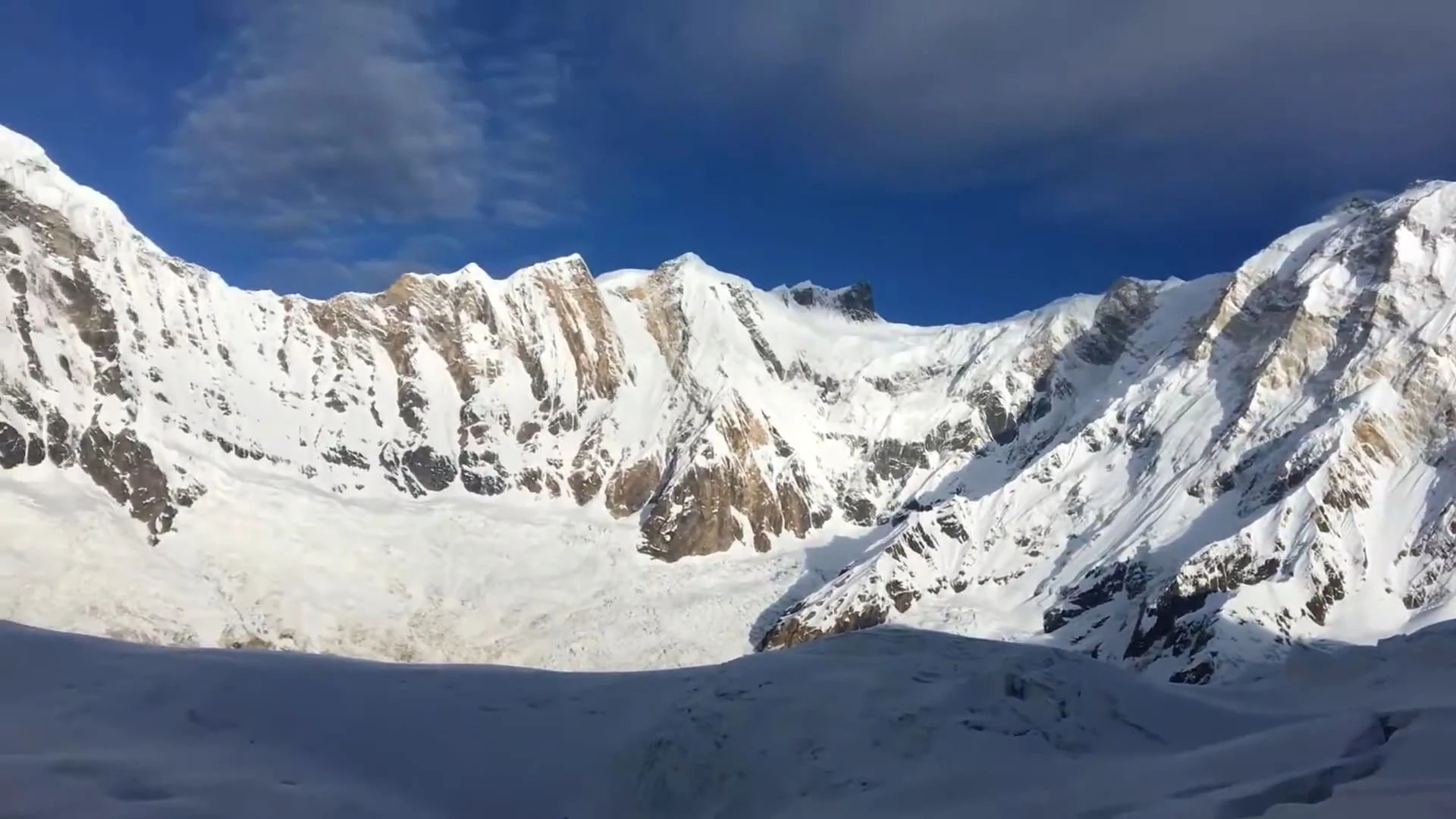
Today is one of the most memorable days of the entire expedition. From Deurali, the trail emerges from the gorge into the legendary Annapurna Sanctuary a high glacial amphitheater completely encircled by 7,000 and 8,000-metre peaks. The scale is overwhelming and humbling. The final 3–4 hours of trail cross open moraine slopes with unobstructed, 360-degree views of Annapurna I (8,091 m), Annapurna South (7,219 m), Annapurna III (7,555 m), Gangapurna (7,455 m), Hiunchuli (6,441 m), and the unmistakable twin peaks of Machapuchare (6,993 m). Annapurna Base Camp (ABC) sits at the heart of this natural amphitheater. This is the highest point of the classic ABC trek take time to absorb the atmosphere, photograph the surroundings, and acclimatize before tomorrow's move to Tent Peak Base Camp.
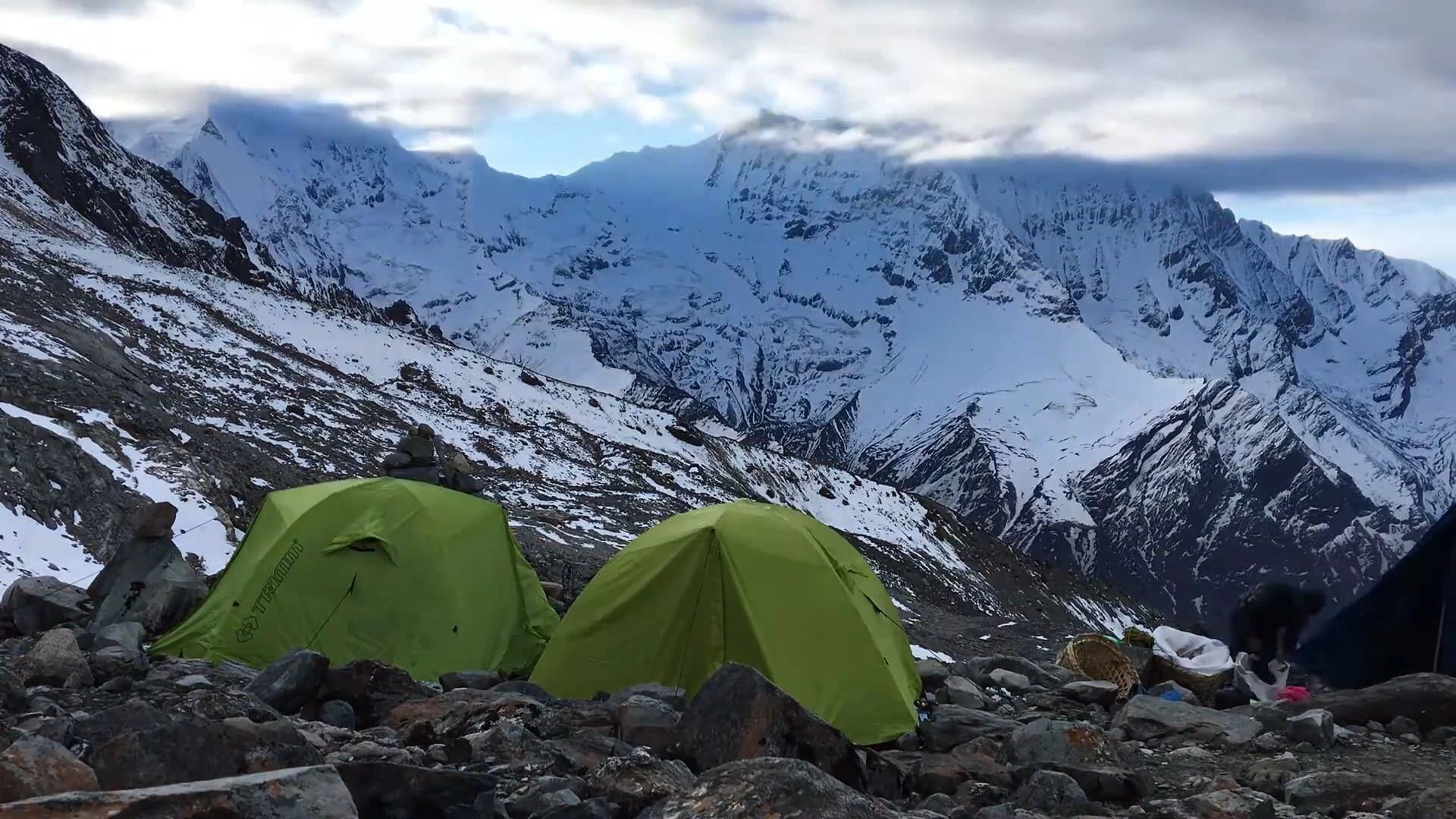
Leaving the guesthouses of ABC behind, today marks your transition from trekker to climber. The route from ABC to Tent Peak Base Camp leads across glacial moraines and rocky terrain, gradually ascending to the base of the mountain. Upon arrival, the expedition team will set up your tented camp and deliver a full equipment briefing. Your guide will check and distribute all climbing gear: crampons, harness, helmet, ice axe, ropes, gaiters, and high-altitude clothing layers. Practice fitting and adjusting all equipment under guidance. The afternoon provides time to acclimatize, rest, and mentally prepare for the climb ahead. A detailed summit briefing will cover the route, safety protocols, turnaround times, and weather forecasting. Good acclimatization at this altitude is critical to your summit success.
A shorter but demanding day climbing steeply from Base Camp to High Camp. The trail gains approximately 600 metres of altitude over 3–4 hours, crossing snow slopes and rocky ridges. Crampons and rope may be required depending on snow conditions your guide will advise on the day. High Camp is a small, exposed ledge cut into the upper mountainside. The views from here are extraordinary the entire Annapurna Sanctuary spreads out far below, and the summit of Tent Peak is clearly visible above. The scale of the surroundings provides powerful motivation. The afternoon is reserved for complete rest. Eat well, drink at least 3–4 litres of water, and limit physical activity. Your guide will deliver a final summit briefing including the wake-up time (typically midnight to 1:00 AM), route description, and contingency plans.
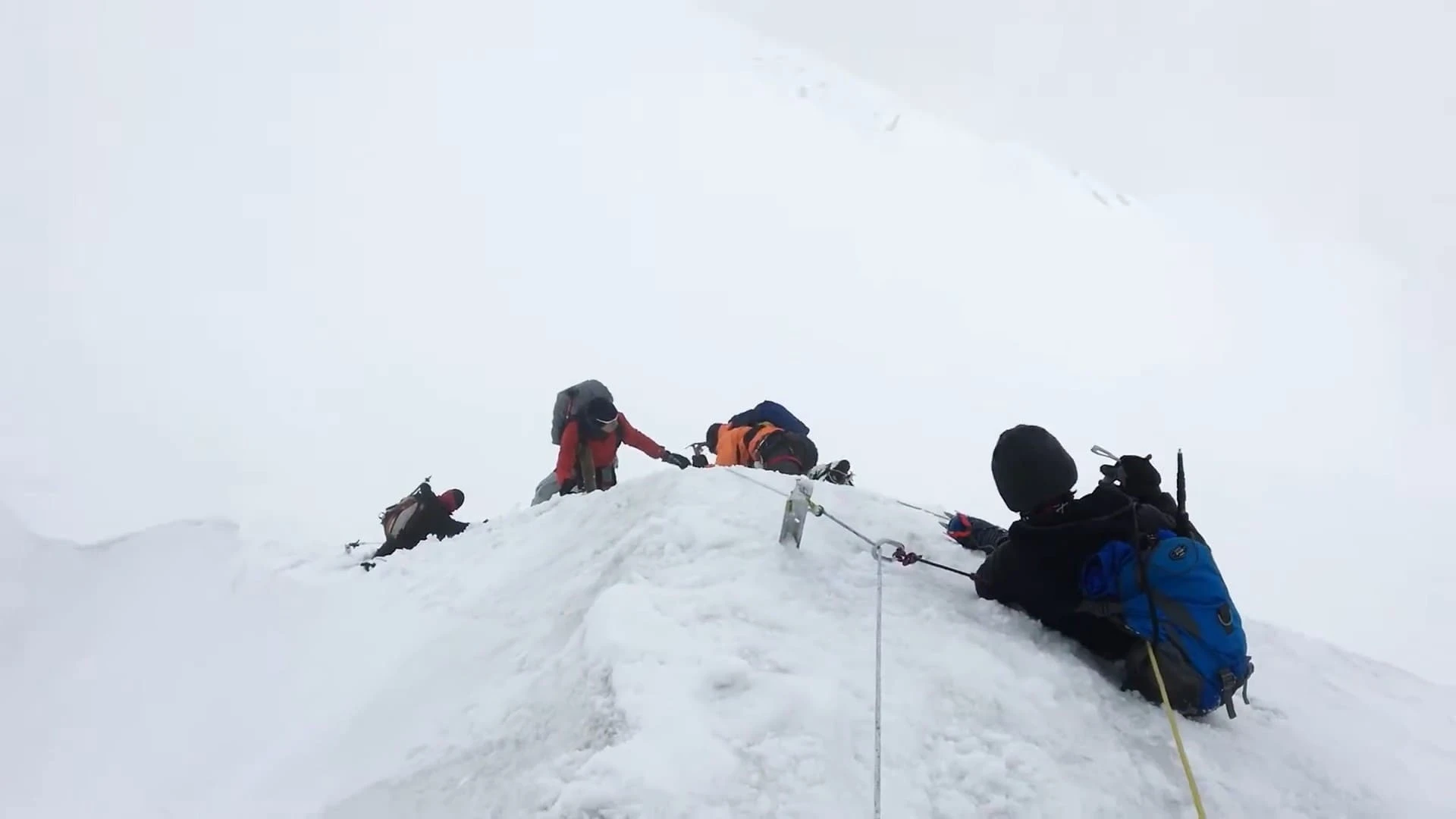
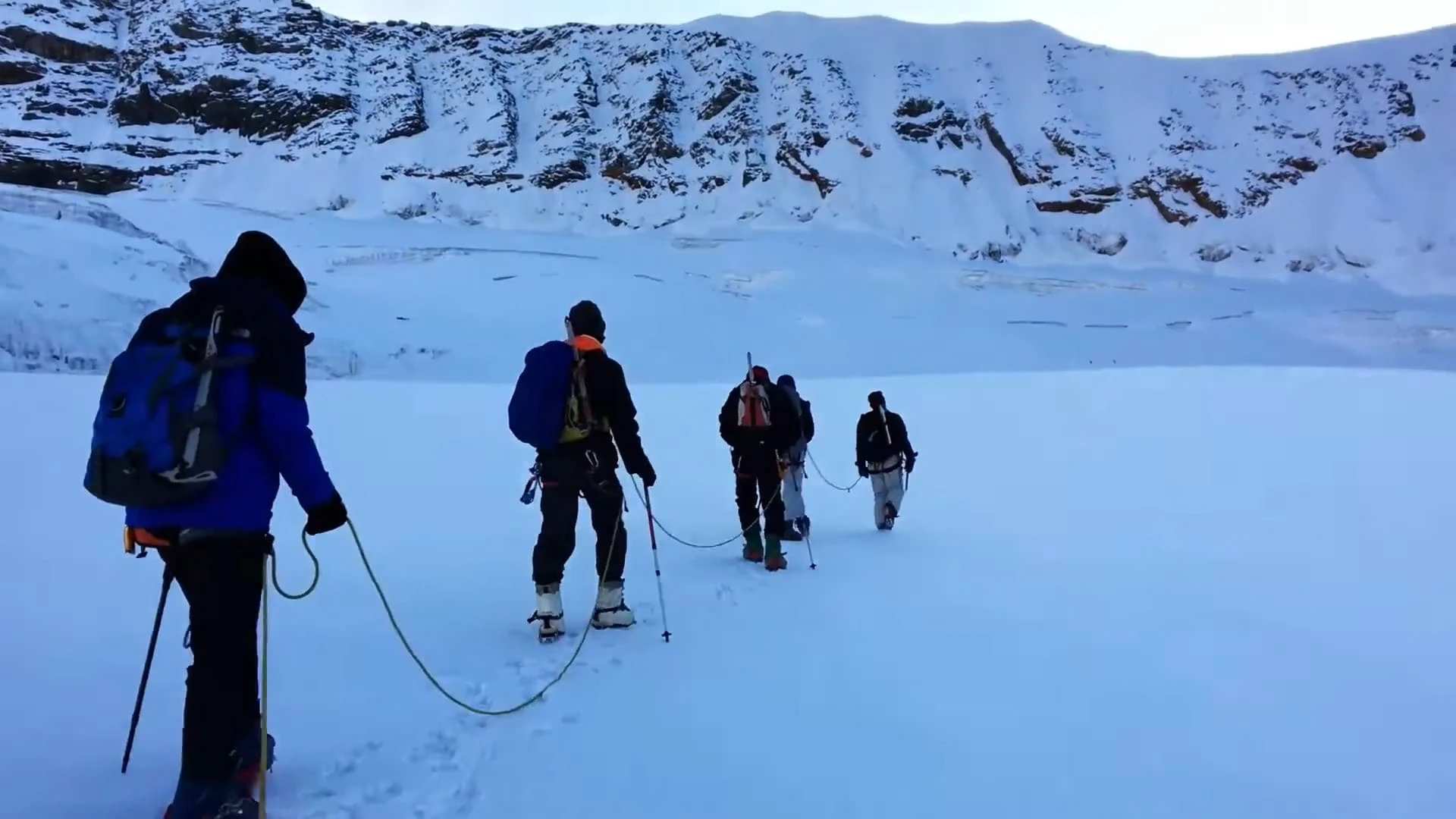
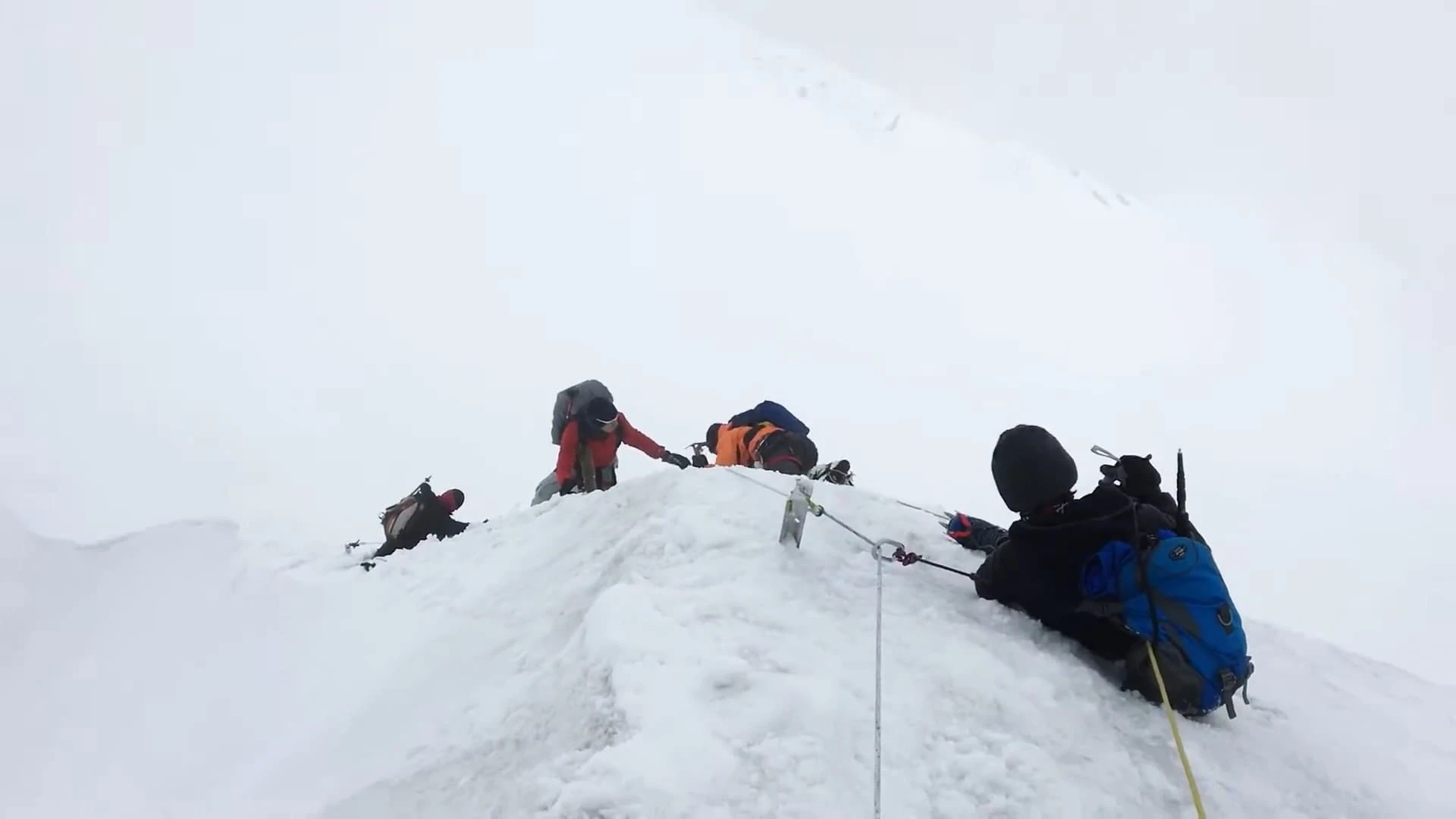
SUMMIT DAY. Wake up at midnight to 1:00 AM for final gear checks, a hot breakfast, and pre-climb preparations. Depart High Camp under headlamp in the pre-dawn darkness, roped up and equipped. The summit route climbs steeply through snow and ice on the upper face of Tent Peak. Climbers will use crampons, ice axe, and fixed ropes where required, ascending with the full support of your experienced climbing guide. The pace is steady and controlled this is not a race, but a disciplined, safe ascent. The summit of Tharpu Chuli (5,695 m) offers one of the most dramatic panoramas in the Annapurna region. On a clear morning, the dawn light illuminates Annapurna I, Annapurna South, Gangapurna, Machapuchare, and dozens of other peaks in an awe-inspiring spectacle. Savor this hard-earned moment. Descend carefully using the same route, returning to High Camp by mid-morning and continuing all the way down to Base Camp for lunch and a well-deserved rest. The descent from High Camp to Base Camp takes approximately 3–4 hours.
After the exertions of summit day, today begins a long and satisfying descent back through the Annapurna Sanctuary toward Deurali. The route reverses the approach trail, passing back through ABC, across the moraine, and down through the Modi Khola gorge. Despite tired legs, the descent is deeply rewarding. The peaks that loomed ahead on the way up now flank your retreat, and the views remain spectacular until you drop back below the treeline at Deurali. Altitude loss brings a notable increase in oxygen and energy. Many climbers find the descent exhilarating, experiencing a tangible sense of relief and achievement after the summit push.
Continue the descent from Deurali through the inner gorge, passing back through the bamboo forest and the riverside village of Bamboo before re-climbing to Chomrong via the Sinuwa ridge. The return journey through this section feels familiar, but the perspective is different you are now a summit climber returning from the mountain. Chomrong's guesthouses offer welcome hot showers, cold drinks, and the comforts of civilization. Celebrate your summit success with fellow trekkers, share stories over dinner, and reflect on the achievement. This is also a good opportunity to sort equipment, pack away climbing gear, and transfer unnecessary weight to porter loads for the final days of trekking.
The final full day of trekking leads from Chomrong to Ghandruk, one of the most beautiful and culturally rich villages in the Annapurna region. The trail crosses the Chomrong Khola river, climbs back to the Kimrong ridge, and then makes a long, gradual descent through rhododendron and oak forests. Ghandruk is a large, traditional Gurung village famous for its stone-paved paths, traditional architecture, and vibrant local culture. The Gurung people are among Nepal's most celebrated high-altitude ethnic groups and many Gurkha soldiers hail from this region. Visit the Gurung Museum and Cultural Centre if time permits, explore the village's traditional alleyways, and enjoy a panoramic dinner view of Annapurna South, Hiunchuli, and Machapuchare a fitting farewell to the Annapurna giants.
A private vehicle awaits at Siwai (Lower Ghandruk) for the scenic drive back to Pokhara. The road winds through the lower Annapurna foothills, crossing river valleys and passing through small market towns before arriving at the lakeside city. Check into your hotel, freshen up with a long-awaited hot shower, and spend the afternoon at leisure. Pokhara offers excellent options for a celebratory evening: rooftop restaurants overlooking Phewa Lake, live music venues, and the lively Lakeside strip. A summit celebration dinner is arranged for the team to mark the successful completion of the Tent Peak expedition. This is a great opportunity to share memories, review photos, and toast the achievement.
A morning departure from Pokhara by tourist bus for the return journey to Kathmandu. The drive follows the Prithvi Highway through the scenic river valleys and forested hills of the mid-hills region. Arrive in Kathmandu by early evening. Transfer to your hotel in Thamel for a final night in Nepal's capital. Use the evening to explore Thamel's lively shops and restaurants, purchase any last-minute souvenirs, or simply relax after the expedition. If time permits, a visit to the iconic Boudhanath Stupa a UNESCO World Heritage Site is highly recommended for a serene evening experience.
Your Tent Peak expedition comes to a close. After breakfast, pack your bags and check out of the hotel. A Summit 8000 representative will transfer you to Tribhuvan International Airport in plenty of time for your international flight. We hope the memories of the Annapurna Sanctuary, the camaraderie of the team, and the extraordinary achievement of standing on the summit of Tharpu Chuli stay with you for a lifetime. Safe travels, and we hope to welcome you back to Nepal for your next Himalayan adventure. Namaste!
Altitude Graph
While Tent Peak is classified as a trekking peak and is suitable for motivated beginners, some prior physical preparation is strongly advised. You do not need formal technical mountaineering experience, but you should be comfortable with long trekking days, high altitude, and basic fitness challenges. Before the expedition, we recommend completing at least 3–4 months of cardiovascular and endurance training (hiking, trail running, cycling). Your climbing guide will teach all essential techniques crampon use, ice axe handling, rope work, and rope-team movement during the Base Camp and High Camp acclimatization days.
Tent Peak can be climbed in two main seasons: Spring (March to May) and Autumn (September to November). Both offer excellent conditions with high summit success rates. Spring (March–May) is particularly popular because rhododendron forests are in full bloom along the Annapurna trekking route, creating spectacular scenery. Autumn (October–November) offers the clearest skies and sharpest mountain views. Winter (December–February) and Monsoon (June–August) climbs are possible but come with significant weather challenges and are not recommended for first-time Himalayan climbers.
Summit day is the most demanding part of the expedition. The ascent begins in the early hours (around midnight to 1:00 AM) and involves 5–7 hours of climbing on snow and ice slopes, using crampons, ice axe, and fixed ropes with guide support. The technical difficulty is graded PD (Peu Difficile) on the Alpine scale meaning it involves moderate glacier travel and snow slopes up to 45–50 degrees but no extreme vertical ice or rock sections. The main challenges are altitude, cold, and endurance rather than technical complexity. Turnaround times are strictly enforced by your guide for safety. If weather deteriorates or a climber shows signs of serious altitude sickness, descent is non-negotiable.
Essential personal mountaineering gear includes: double-layered mountaineering boots (compatible with crampons), technical 12-point crampons, a mountaineering ice axe, a climbing harness, a certified climbing helmet, and a down suit or very warm layering system rated to at least -20°C. You will also need a sleeping bag rated to -20°C or below, moisture-wicking base layers, insulating mid-layers, waterproof outer shells (jacket and trousers), warm gloves (liner + outer), high-altitude goggles, UV-protection sunglasses, gaiters, and trekking poles. Summit 8000 provides a comprehensive personal gear checklist upon booking confirmation. We can also arrange rental of certain items (crampons, ice axe, harness) in Kathmandu for an additional fee.
Three permits are required: (1) Tent Peak Climbing Permit issued by the Nepal Mountaineering Association (NMA); (2) Annapurna Conservation Area Permit (ACAP); and (3) the TIMS (Trekkers' Information Management System) card. Yes Summit 8000 Adventure arranges and processes all three permits on your behalf. Permit costs are fully included in the expedition package price. You simply need to provide a passport-sized photo and a copy of your passport at the time of booking confirmation.
Yes, comprehensive travel insurance is absolutely mandatory for all participants. This is a non-negotiable safety requirement. Your policy must cover: helicopter rescue and evacuation from altitude (up to 5,700 m), emergency medical treatment and hospitalization, trip cancellation and curtailment, and personal baggage loss. We strongly recommend purchasing your policy well in advance of travel and carrying both a digital and physical copy throughout the expedition. Your insurance details must be shared with Summit 8000 Adventure before departure.
Acute Mountain Sickness (AMS) is a real risk above 3,500 m. Symptoms include headache, nausea, dizziness, fatigue, and disturbed sleep. In rare cases it can progress to HACE (High Altitude Cerebral Edema) or HAPE (High Altitude Pulmonary Edema), both of which are life-threatening. The itinerary is carefully designed with gradual altitude gain and rest days to support acclimatization. Your guide is trained in Wilderness First Aid and AMS recognition. The expedition carries a pulse oximeter, supplemental oxygen kit, and a Gamow bag at Base Camp. If you are concerned about AMS, consult your physician about Diamox (acetazolamide) before departure. Stay well hydrated (3–4 litres per day above Deurali), ascend slowly, and never ignore symptoms. The golden rule: never ascend with AMS symptoms.
Summit 8000 Adventure runs Tent Peak expeditions for groups of 1 to 10 climbers. Smaller groups (1–4 climbers) receive a 1:1 guide-to-climber ratio on summit day, which is the gold standard for safety and support. For groups of 5 or more, an additional climbing guide is provided. We do not allow summit-day groups exceeding a 1:4 guide-to-climber ratio. Private expeditions can be arranged for individuals or groups at any time during the climbing seasons. Contact us for customized group pricing.
Summit 8000 Adventure maintains a strong summit success rate of approximately 75–85% across all Tent Peak expeditions, which is above the industry average for this peak. Success depends primarily on weather conditions, individual acclimatization, and physical fitness. Our experienced guides use real-time weather forecasting to optimize summit day timing. In seasons with stable weather windows, success rates reach 90%+. It is important to note that even an unsuccessful summit attempt can be an extraordinary Himalayan experience. The journey through the Annapurna Sanctuary alone is worth every step.
Yes, Summit 8000 Adventure offers full itinerary customization. Popular add-ons include extra acclimatization days at ABC or Tent Peak Base Camp, an extension to include the Mardi Himal Trek, a Chitwan National Park safari post-expedition, or city tours of Kathmandu's UNESCO heritage sites. Pre-expedition training treks (such as the Annapurna Circuit or Mardi Himal) can also be combined with the Tent Peak climb for clients who want additional acclimatization or trekking experience. Contact our team with your preferences and we will design a bespoke Himalayan adventure tailored to your goals and timeline.
 Nepal
Nepal
 21
21  Sept - Nov & March - May