Destination
Nepal
Duration
13
Destination
Nepal
Duration
13
Trip Difficulty
Challenging
Accommodation
Tea House and Tent
Meals
B, L, & D
Max. Elevation
6012
Group Size
25
Best Time
Sept - Nov & March - May
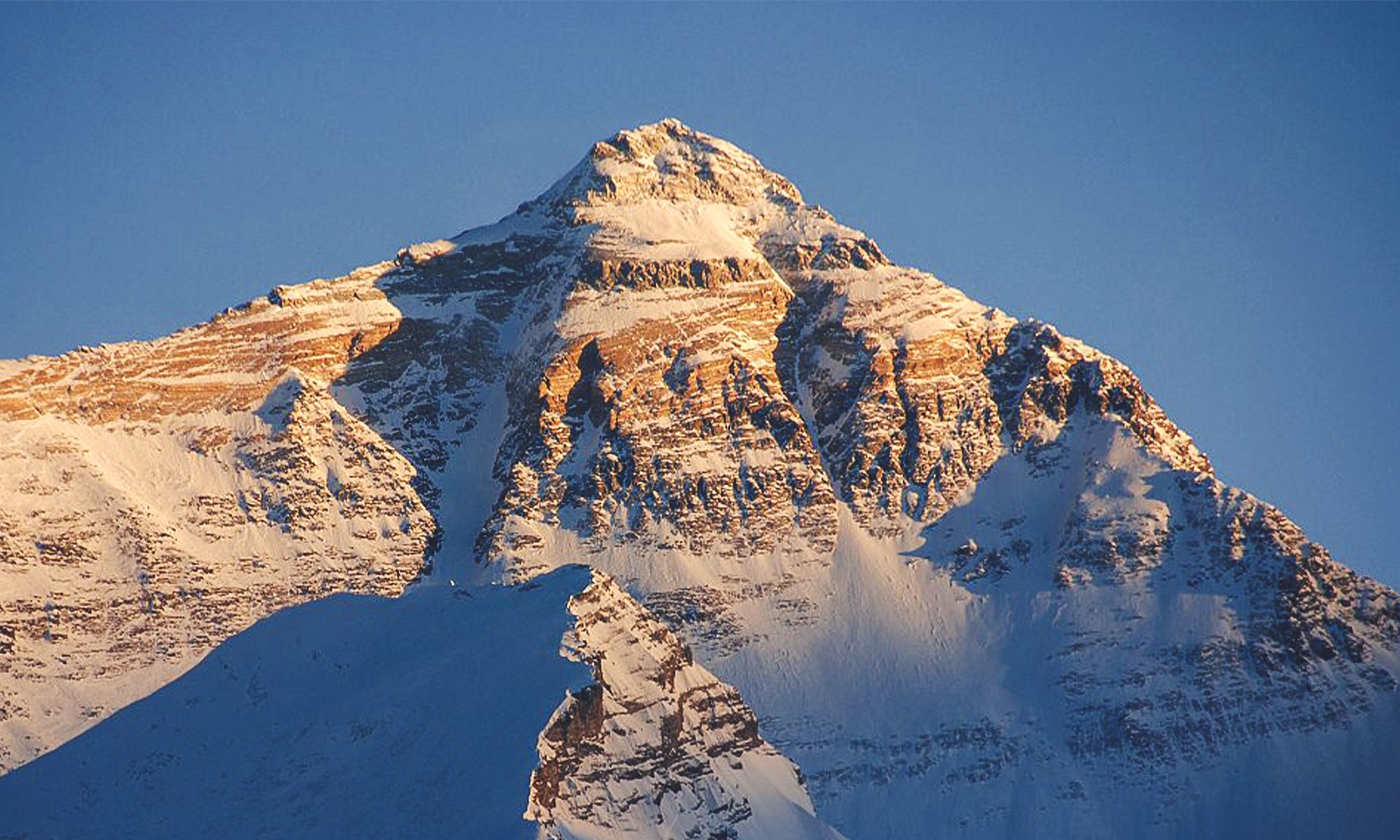
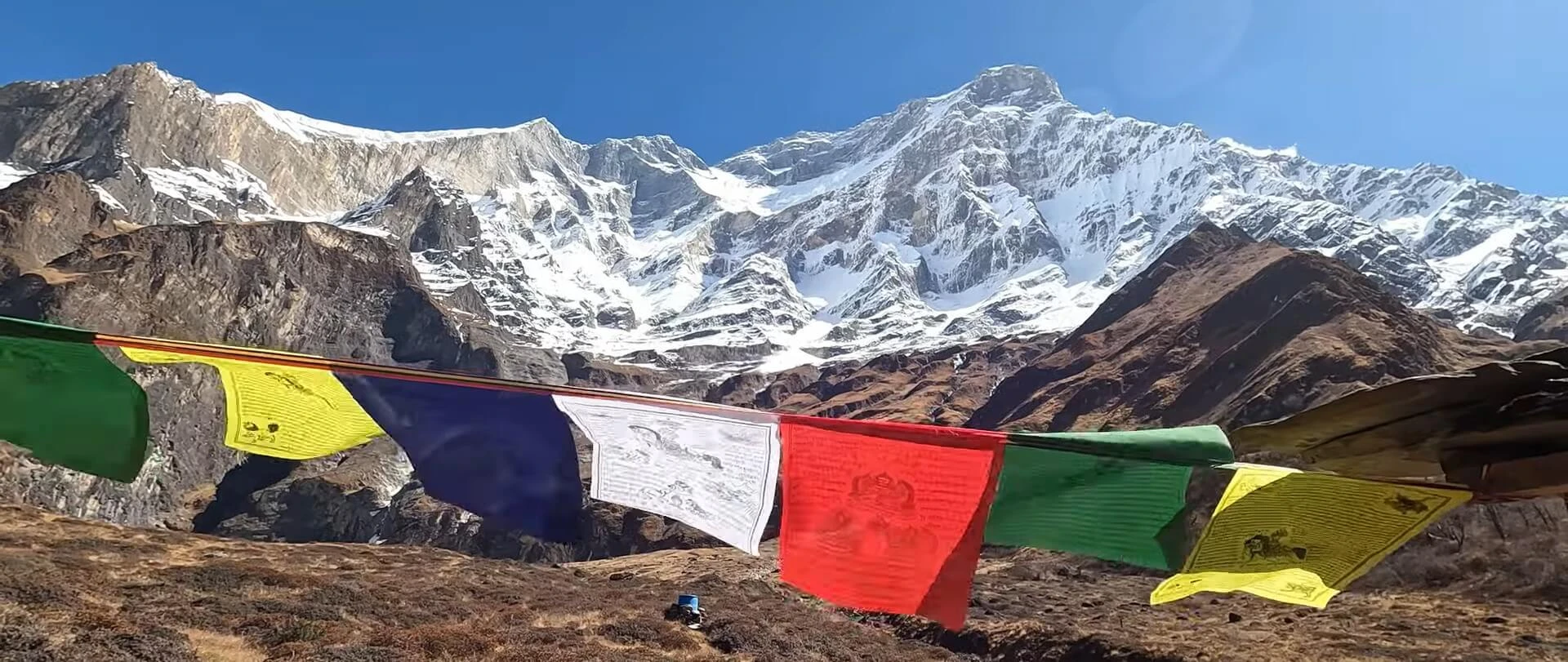
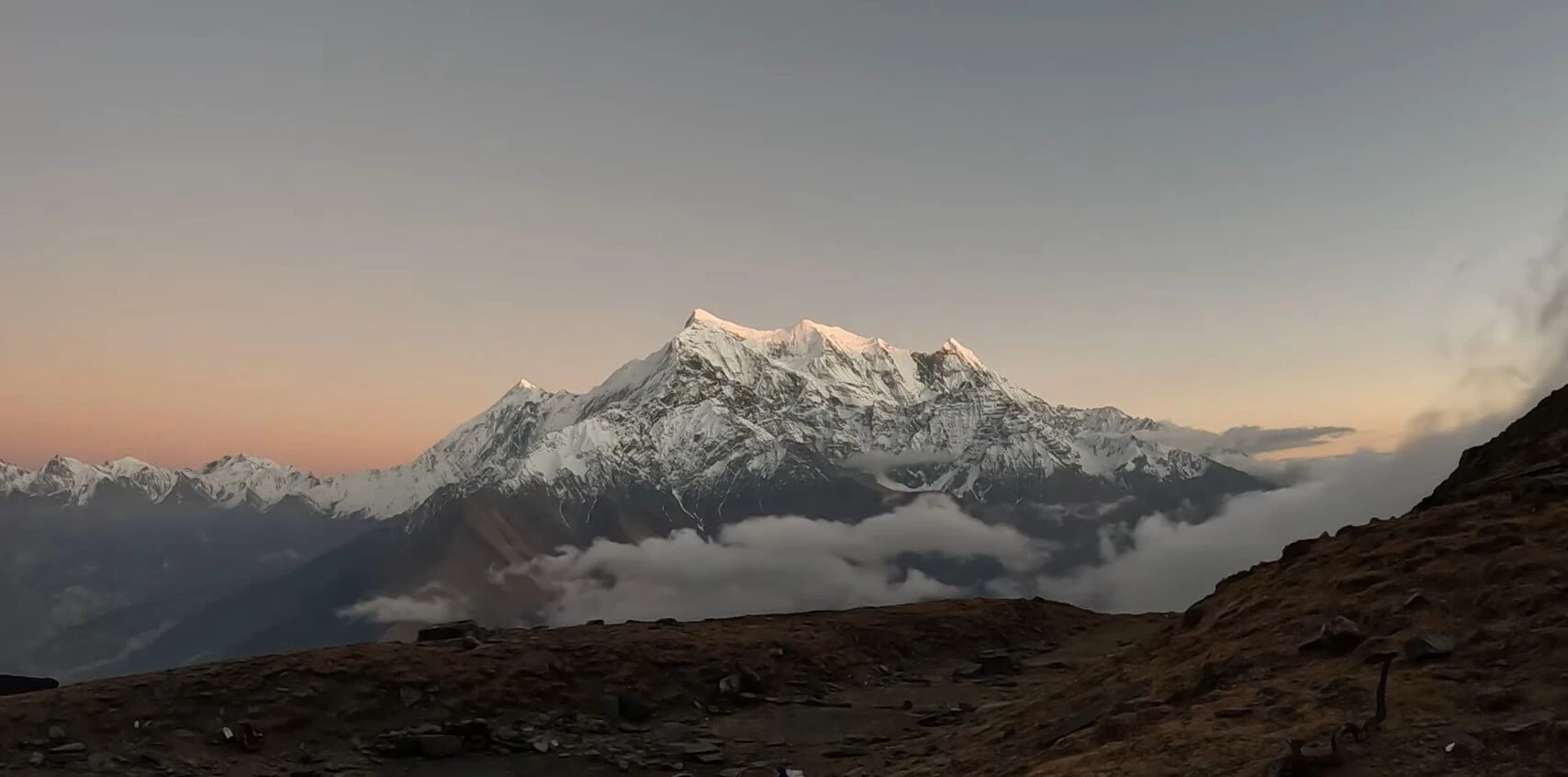
The Dhampus peak in Nepal is one of the 6000 mountain which is known for its panoramic views of the Annapurna, Dhaulagiri and the surrounding ranges.
The summit is at an altitude of the 6,012 meters (19,728 ft) above level located inside the Annapurna region the gateway to the Annapurna sanctuary.
It is located near the Pokhara and its base camp which is the Dhampus village is one of the most famous view points in the Annapurna region. If you are seeking for an adventure on the 6000 meters without facing the technical climbing difficultly this journey Is for you.
The journey takes you through picturesque trails, traditional villages, and lush alpine forests, leading to panoramic views of the Annapurna, Dhaulagiri, and Machapuchhare ranges.
It is Ideal during pre-monsoon (March–May) and post-monsoon (September–November) seasons, this expedition blends adventure, breathtaking scenery, and cultural encounters.
Dhampus which is often known as the Thapa peak by the locals Is located inside the Kaski District of Gandaki province.
The mountain is the part of the trekking peak inside the Annapurna region. The peak is itself the gateway to the famous trekking regions such as the Ghorepani poon hill, Annapurna base camp, and many more.
The peak is located nearby the Pokhara city due to which climbers and trekkers can easily reach its base camp via driving to the Dhampus village and then trek to the Dhampus base camp.
It is considered a trekking peak meaning it's a popular mountaineering destination that doesn't require highly technical climbing skills making it a favourite among trekkers and beginner mountaineers wanting a Himalayan peak experience.
There are two trekking rotes that takes you to the Dhampus Thapa peak base camp and its summit. Which is one of the easiest that is Dhampus village → Australian Camp → Dhampus Peak Base Camp → Summit → Return via same route.
And another is long route for you to acclimate yourself in the thin air at this altitude which Is drive from Pokhara to Beni and from Beni your trails follow a standard route passing many villages such as the Tato Pani, Ghasa, Larjung, Marpha, Yak Kharka, Dhampus pass (Thapa pass), Dhampus peak climbing, and same route return.
The best time to summit Dhampus peak in Nepal for 2026/2027 is during the month of the Spring (March to May) and Autumn (September to November).
During the month of the Spring which is March to May is the most popular seasons for Dhampus summit. During this month the weather is stable and clear. The mountain views at the distance are at their best. You will feel the temperature is moderate and you will not feel too hot or too cold on the mountains.
You will witness the Rhododendrons blooming along the trail with the lush green forests and water streams producing the soothing sound to the ear.
Another excellent seasons to trek the Thapa peak is during the month of the Autumn which falls mainly in September to November. During this time of the month the weather is crisp clear with the breath-taking visibility of the mountains.
The trails are dry and safe. All the accommodations are opened due to which you can easily acclimate yourself. Also, it is the month of the Nepal’s two biggest festival which is Dashain and Tihar and if you are one the trails you can celebrate with the locals and experience Nepal hospitality and local culture and traditions.
Climbing Dhampus Peak above 6,000 meters requires careful planning. Knowing essential safety tips and risk management strategies ensures a safer and more enjoyable trek in Nepal.
Acclimatization is key for you to complete your journey safely. You will need to walk slowly and ascend gradually so that your body can adopt the thin air in the high altitude.
You should follow the rule of the walk high sleep low which means you will hike to a certain level of the altitude and then descend and sleep in the lower altitude due to which your body can acclimate and adopt accordingly.
The 6000-meter summit requires a well trained and experienced guide who can guide you through every step of the mountains. The person who knows the trails, weather patterns and the emergency protocol so that he/she can help you in need.
It’s important for you to have a proper gear and clothing when you are heading towards your destinations. You will need to pack the high-quality trekking boots, layered clothing, gloves, headgear, and sunglasses are essential to handle extreme temperatures and UV exposure at high altitudes. You can check our packing list for the Dhampus peak climbing blog.
It’s important for you to be prepared physically and mentally before heading towards the journey. You will need to be in good physical shape which will enhance your stamina and reduces fatigue. You will need to do the Regular cardio, strength training, and prior trekking experience help prepare for the climb.
When you are trekking in the mountains it’s important for you to be prepared for the emergency situations as well. As the mountains are unpredictable and challenges can come any day without any notice. You will need Carry first-aid kits, oxygen supply, and communication devices. Also, you shall Know the nearest evacuation points and hospitals along the route.
When you are trekking on the Dhampus peak inside the Annapurna region you shall also know the best scenic photography spots to enhance your social media profiles and let people known about your journey. Such as the:
Namaste and we welcome you to the land of the brave Gurkha Army Nepal. Upon your arrival we will meet you at the airport arrival section and with the meet and greet drive to Thamel. In the evening you can relax and explore the vibrant streets with the different cuisines’ restaurant and handicraft shops.
Early in the morning, summit 8000 driver will come to pick you up at the hotel parking. Pack your bags and we will drive to Pokhara the gateway to the Annapurna mountains. The distance between Kathmandu to Pokhara is around 160 miles which can be reached upon the 6 to 8 hours travel time. On the way you will have drive via the lush green scenic forests and explore the local village life. In the evening you can do the boating in the Phewa lake or have stroll around the city.
You will have a drive from Pokhara to Beni after the breakfast. The distance between the two destinations is 59 miles which can be reached in the 4/5 hours via the Kali Gandaki River. Upon reaching Beni you can have lunch there and from there we will have a trek to the Tatopani via the lush green forested trails.
You will hike to the Ghasa a beautiful traditional Magar village located over at an altitude of the 2010 meters. You will walk via lush forests of rhododendron, pine, and bamboo. Also, you will be hiking alongside the world’s deepest gorge formed by the Kali Gandaki. Also, we will Pass via waterfalls, and cliffs with some gentle ascends and descend through the day.
Upon having the hearty breakfast, you will start your journey to the Larjung. It is a beautiful village in the Mustang region of Nepal known for its awesome views of the Nilgiri and Dhaulagiri ranges. We will walk via the apple orchards and stone-built villages and experience the Tibetan-influenced culture and lifestyle of the local people.
You will walk to the Marpha from the Larjung village which is situated at an altitude of the 2670 meters above sea level. We will have a scenic walk alongside the kali Gandaki valley. You will pass via the monasteries, prayer wheels, and mani walls. Upon reaching Marpha check in into your tea house and in the evening, you can explore the apple orchards and enjoy apple pie or brandy in the evening.
After enjoying the warm Gurung hospitality in the Marpha we will ascend towards the Yak Kharka. Please note this is not the classic Annapurna circuit trek yak Kharka in the Manang region but it’s a small village inside the Mustang which is also named as the Yak Kharka by the locals. You will have a gradual ascend towards the alpine terrain and open pastures. Where you will notice the Changing landscape from greenery to barren high-altitude terrains. You might see occasionally blue sheep and Himalayan birds.
You will have a hike from the Yak Kharka to Dhampus pass which is also known as the Thapa pass which is situated at an altitude of the 5244 meters above sea level. You will start early today because the pass is located at a high altitude and the weather might be unpredictable at such terrains. You walk on the Steep ascent over rocky trails and snow patches and upon reaching the witness the beautiful Spectacular panoramic views of Annapurna, Dhaulagiri, and Nilgiri ranges. In the evening you will have rest on the pass itself. You will need to sleep early today as your summit will start in the middle of the night to avoid any kinds of difficulties.
Early in the morning around 2 Am you will have summit to the Thapa peak often known as the Dhampus peak by the most of the travellers. You will start early and cross the Snow and ice climbing with rope support which will be guide-assisted. When climber reach the summit top they see the beautiful 360° panoramic Himalayan views of the mountains. After reaching the top you can spend some time and click photographs and celebrate the moment of victory and descend to Kalo Pani also be careful while descending as the difficult part of the summit is not ascending but its descend safely.
You will trek down from the Kalo Pani to Tatopani. You will have a long descent through forests and river valleys. As you come to lower altitude you will experience that you are able to breathe in the heavy oxygen and your body is performing better. Upon reaching the Tatopani you can check into the hotel and relax in the natural hot spring of the Tatopani. Hot spring have many medicinal values due to which your body will recover at the fullest.
As the acclimatization is not much more important today you will directly drive from Tatopani to Pokhara. The distance between these places is 60 miles via the Kali Gandaki River passing. You will pass via the Beni, Baglung, and Pokhara. On the way if you want, we can take you to the Kusma bungee jumping which is the world’s 2nd highest Bungee in Nepal. Upon reaching Pokhara you can relax and explore the Pokhara city and visit the places such as the World peace pagoda, Pumdikot, Davis fall, Mahendra Gufa, Chamero gufa and many more.
Early in the morning, you will have a drive to Sarangkot from where you can witness the beautiful sunrise over the Annapurna and Dhaulagiri ranges. After that drive back to the hotel and have breakfast and be prepared for your next journey which is the Drive from Pokhara to Kathmandu. Upon reaching the Kathmandu we will have a farewell dinner where you can share your thoughts and opinions on the expeditions.
Our journey comes to an end today. According to your flight schedule, we will provide a transfer to Tribhuvan International Airport. We hope you had a memorable time in Nepal and look forward to welcoming you again. Your feedback on Google Reviews or Tripadvisor would be greatly appreciated.
Altitude Graph
Know About Destinations
Feb 26, 2026
Dhampus peak is located inside the Annapurna Conservation Area in the north of the Pokhara city known for its famous Dhampus village hike.
The altitude of the Dhampus (Thapa) peak is 6,012 meters (19,724 feet) above sea level, making it a non-technical trekking peak but still a serious high-altitude climb.
Yes, Dhampus peak is suitable for beginners if you are fit trekker with basic mountaineering training. While it does not require advanced technical climbing skills, prior high-altitude trekking experience and basic knowledge of crampons, ice axe, and rope use are highly recommended.
The best time to climb Dhampus peak is during the month of the Autumn (Sept to Nov) and Spring (March to May) as during this time the weather is clear and temperature is moderate.
The difficulty level of the climbing of Thapa peak is moderate to challenging where you will encounter Snow and ice slopes, Use of fixed ropes in some sections and the Long summit day (8–9 hours).
Yes, previous mountaineering experience is mandatory to climb the peak as it will comfortable trekking for you above 5,000 meters and follow guide instructions strictly.
Yes, you will need a climbing permit for Dhampus peak which are the: • Nepal Government Trekking Peak Permit • Annapurna Conservation Area Permit (ACAP) • TIMS Card • All permits are usually arranged by the summit8000 for you.
 Nepal
Nepal
 21
21  Sept - Nov & March - May