Destination
Nepal
Duration
60
Destination
Nepal
Duration
60
Trip Difficulty
Strenuous
Accommodation
4 Star/ Star Hotel, Tent and Tea House
Meals
B, L, & D
Max. Elevation
8516
Group Size
25
Best Time
Sept - Nov & March - May
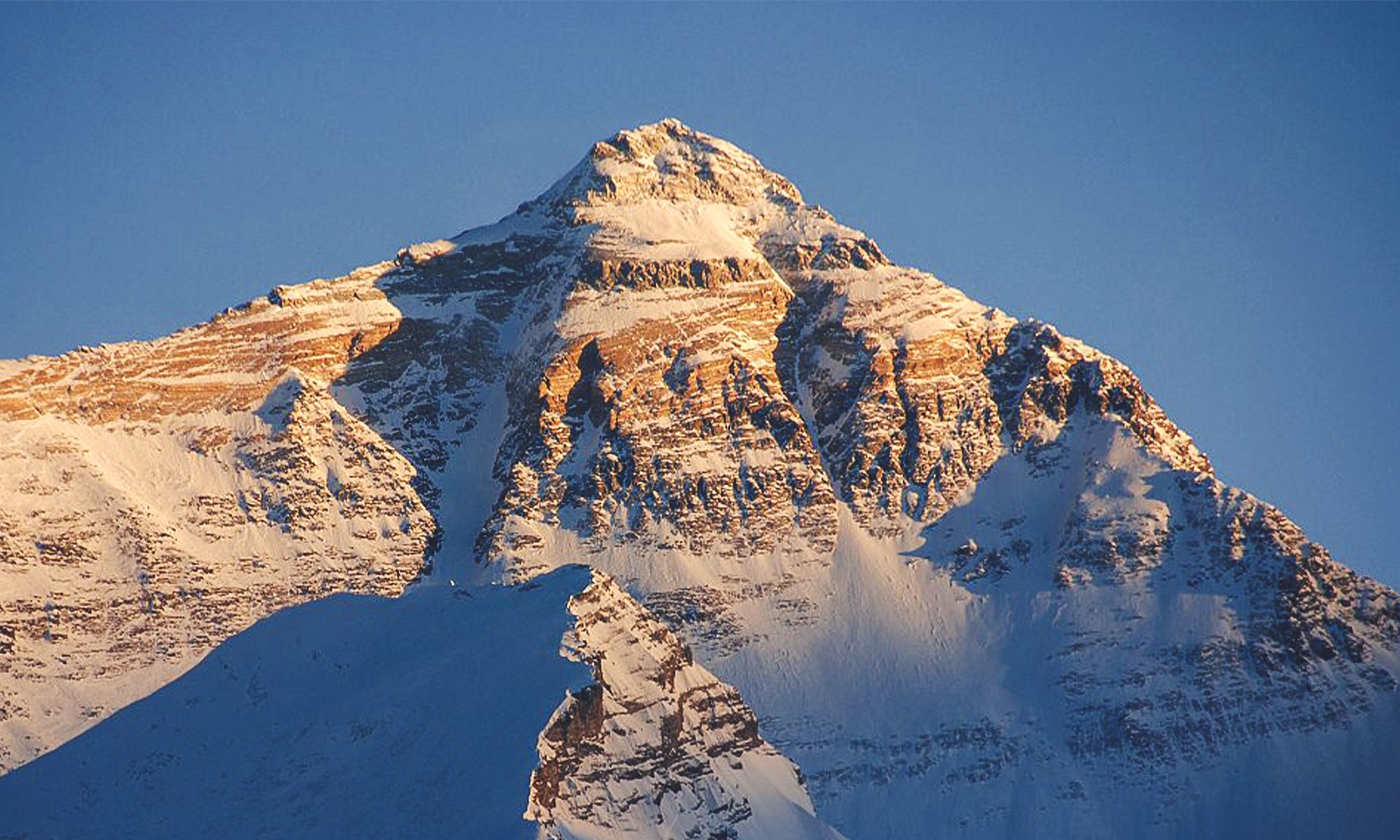
Lhotse, the fourth highest mountain in the world at 8,516 meters (27,940 feet), stands as a formidable neighbor to Everest, connected by the South Col. Despite its proximity to the world's most famous peak, Lhotse offers a distinctly different and arguably more technical climbing challenge that attracts experienced mountaineers seeking to test themselves on one of the Himalayas' most demanding faces.
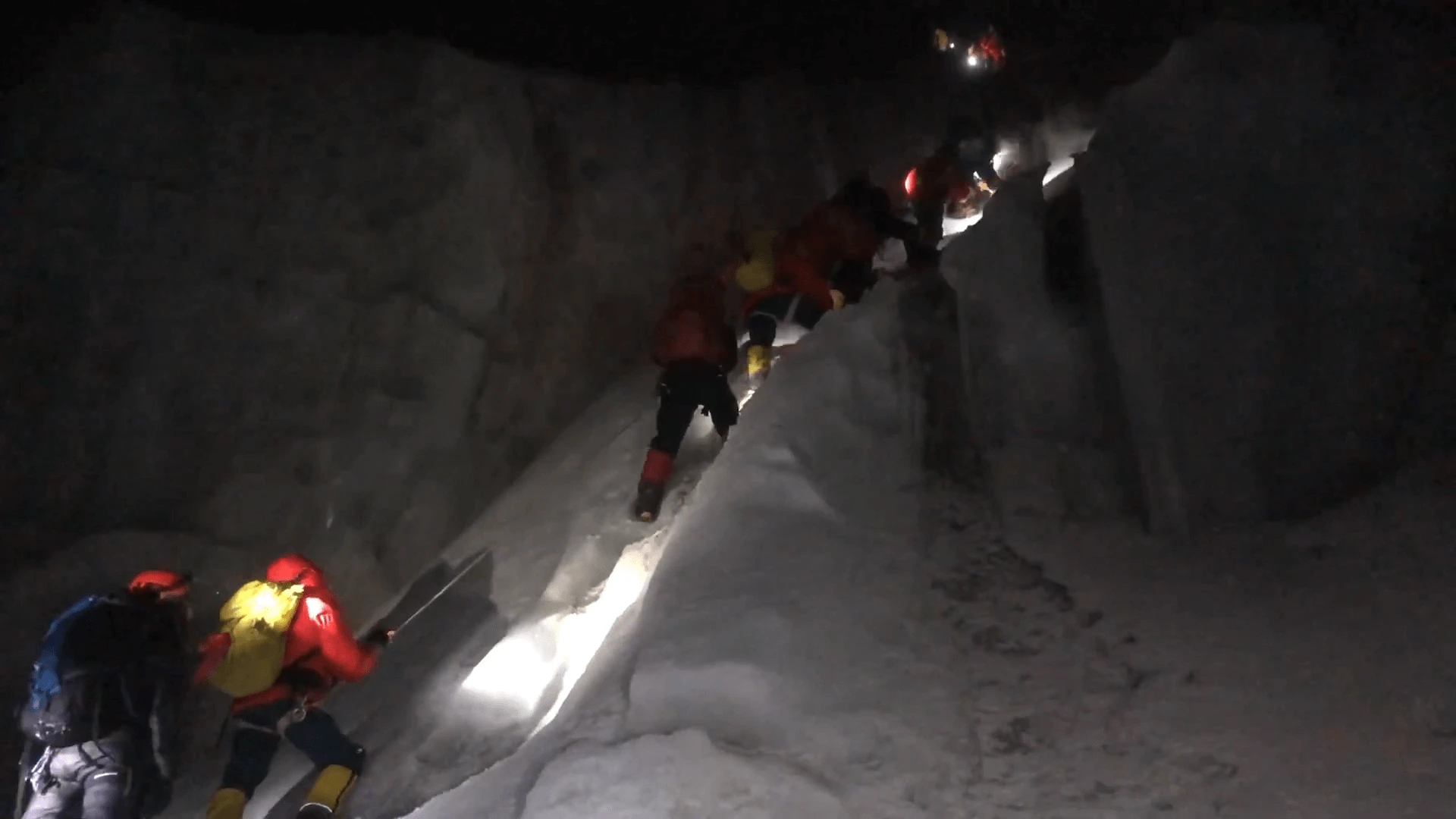
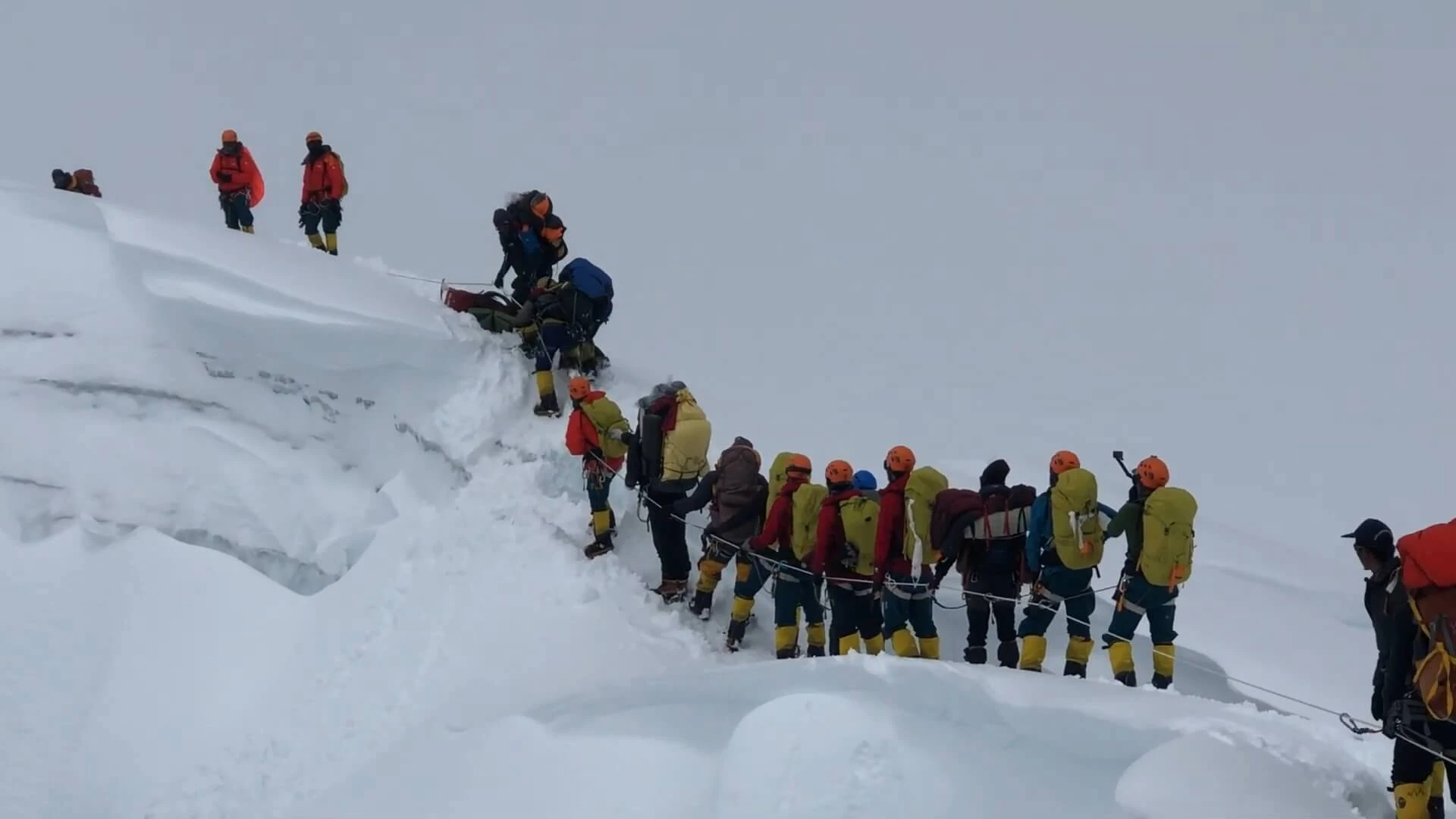
Named after the Tibetan word for "South Peak," Lhotse presents climbers with its infamous Lhotse Face a massive wall of blue glacial ice rising at angles between 40 and 80 degrees, which must be ascended using fixed ropes and demanding all of a climber's technical skill and physical endurance.
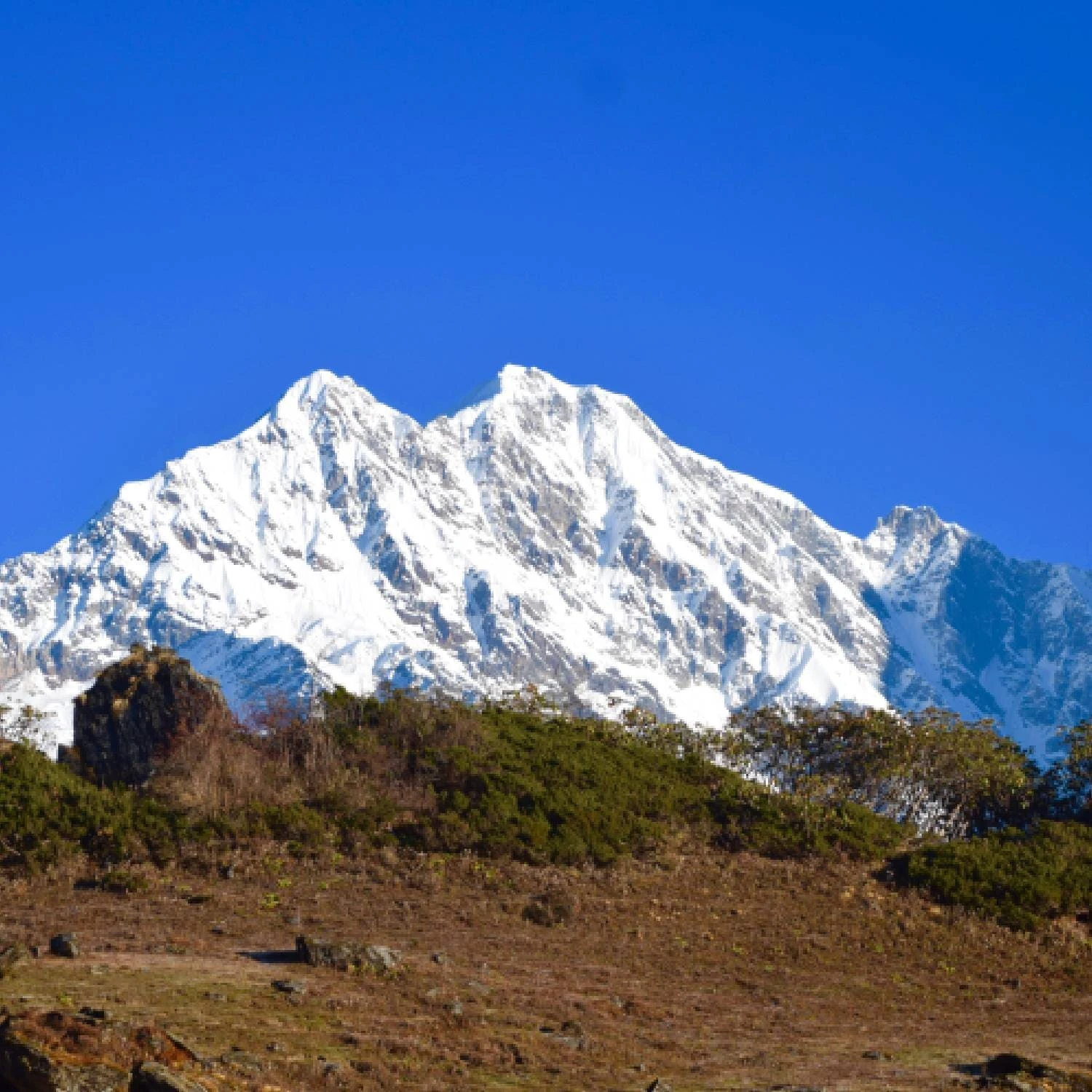
The mountain's dramatic profile, particularly when viewed from the Khumbu Valley, reveals a steep, imposing pyramid that has captured the imagination of alpinists since its first ascent by a Swiss team in 1956.
Lhotse expeditions typically share the same approach route as Everest climbers, trekking through Sherpa villages like Namche Bazaar and Tengboche before establishing Base Camp at approximately 5,300 meters.
However, the climbing route diverges above Camp 3, where Lhotse climbers face the mountain's signature challenge rather than continuing toward Everest's South Col. The ascent requires excellent physical conditioning, previous high-altitude experience, and proficiency in technical ice climbing.
What draws climbers to Lhotse is often the combination of its relative exclusivity compared to Everest, its technical demands, and its status as one of the 8,000-meter peaks.
With significantly fewer summit attempts each year than its famous neighbor, Lhotse offers a more intimate high-altitude experience while still providing the infrastructure benefits of the popular Everest route for the lower sections of the climb. The expedition typically spans 60-65 days, allowing for proper acclimatization through multiple rotations to higher camps before the summit push.
Lhotse, the world’s fourth-highest peak at 8,516 meters, shares part of its route with the iconic Everest Base Camp, yet offers a distinct and exhilarating climbing experience. While many climbers flock to Everest, Lhotse presents a unique challenge with its steep faces, technical sections, and demanding high-altitude conditions.
This gives mountaineers the opportunity to test their skills on one of the world’s highest peaks while enjoying the same legendary Himalayan scenery, including glaciers, icefalls, and panoramic mountain vistas, without the crowded trails of Everest.
Expeditions to Lhotse are fully supported with meticulously planned logistics, ensuring climbers can focus entirely on the ascent. From high-quality tents and base camp facilities to meals, oxygen supply, and equipment handling, every detail is professionally managed.
Experienced expedition leaders and Sherpas oversee acclimatization, safety, and route preparation, providing climbers with peace of mind at every stage. With this level of support, Lhotse climbers can maximize their summit potential while enjoying a safe, comfortable, and well-organized high-altitude adventure.
Arrive at Tribhuvan International Airport in Kathmandu, the gateway to the Himalayas. Our team will welcome you and transfer you to your hotel. Take this day to rest after your international flight, recover from travel fatigue, and prepare for the expedition. In the evening, enjoy a briefing covering expedition details, route plans, permits, and essential equipment checks. Overnight stay in Kathmandu.
Spend the day in Kathmandu resting and preparing for the expedition. Participate in a detailed briefing with your expedition leader covering acclimatization schedules, high-altitude safety, equipment usage, and emergency protocols. This is also the day to make final adjustments to your gear and review the climbing plan. Overnight in Kathmandu.
Take an early morning scenic flight from Kathmandu to Lukla, considered one of the most thrilling airports in the world. Begin trekking along the Dudh Koshi River, passing traditional Sherpa villages, prayer flags, and suspension bridges. The trail is gentle, helping your body adjust to altitude while enjoying views of pine forests and the surrounding hills. Overnight stay in a lodge at Phakding.
The trail steadily ascends through pine and rhododendron forests, with several river crossings and suspension bridges. Arrive at Namche Bazaar, the cultural and commercial hub of the Khumbu region. Take time to explore the local market, visit small monasteries, and enjoy panoramic views of mountains including Kongde Ri and Thamserku. Overnight in Namche Bazaar.
A full day at Namche Bazaar to acclimatize to higher altitudes. Optional hikes include a trek to Everest View Hotel or nearby ridges to enjoy spectacular views of Everest, Lhotse, and Ama Dablam. This day reduces the risk of altitude sickness and prepares climbers for the challenging trek ahead. Overnight in Namche Bazaar.
The trail passes through dense forests and highland meadows, gradually gaining altitude. Cross the Dudh Koshi River and trek past traditional Sherpa villages. Dibuche offers serene mountain views and a chance to rest and acclimatize before heading into higher terrain. Overnight at Dibuche lodge.
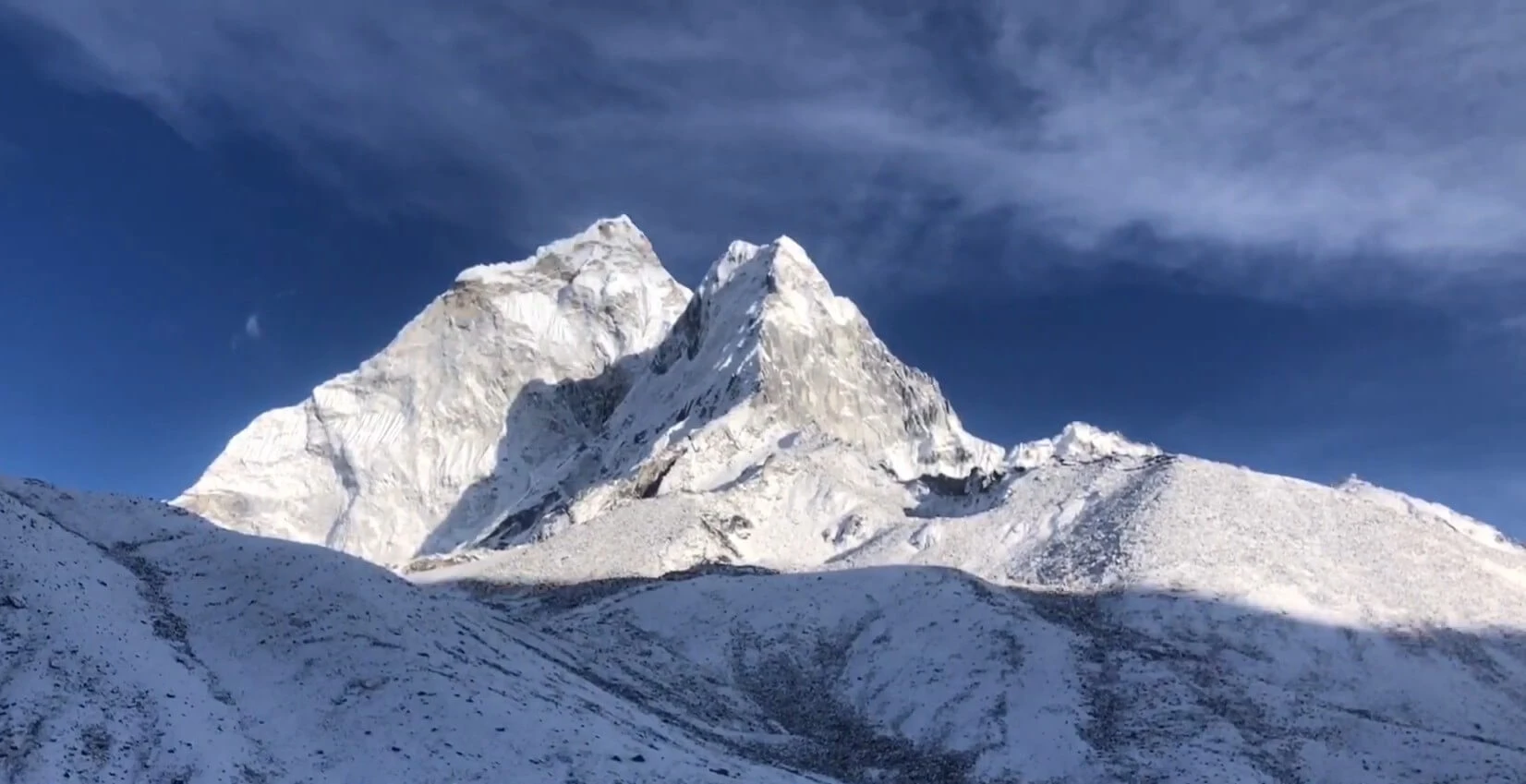
The trek moves through alpine terrain with moraines and scattered villages. Dingboche, a key acclimatization stop, provides sweeping views of Lhotse, Island Peak, and Ama Dablam. Trekkers are encouraged to hike nearby ridges for additional acclimatization. Overnight in Dingboche.
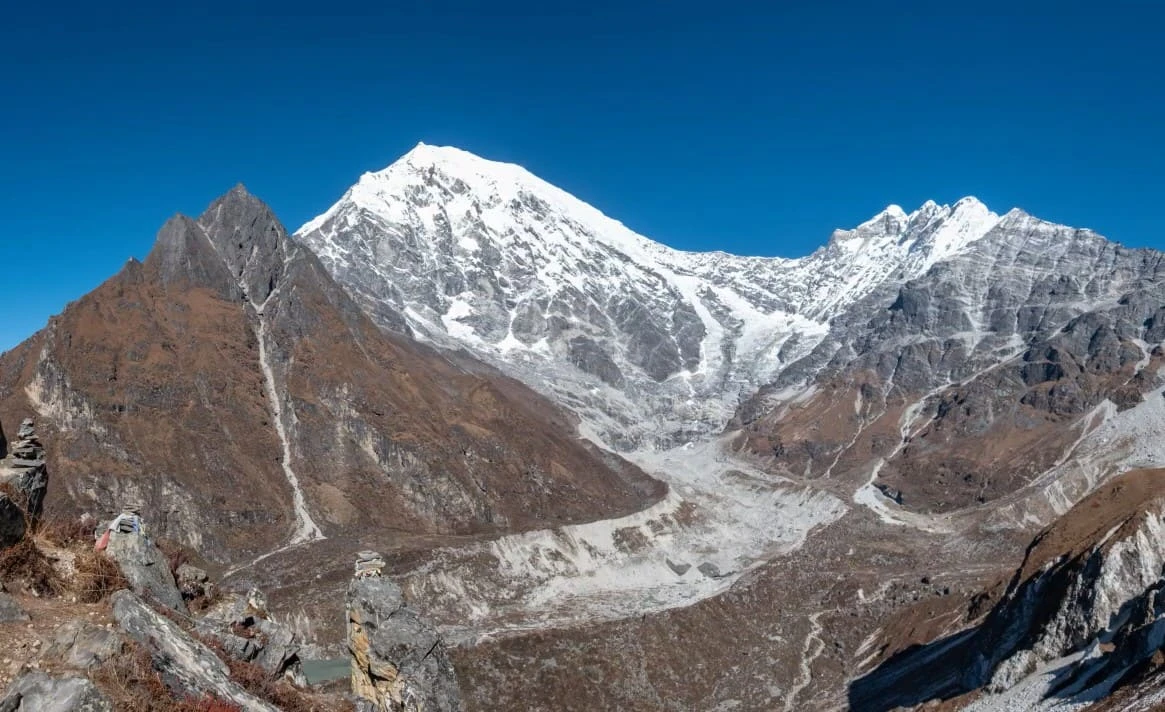
The trail becomes more rugged, passing through high-altitude moraine fields and glacial streams. Lobuche, a small settlement near the Khumbu Glacier, serves as the final stop before the approach to Everest and Lhotse Base Camps. Overnight in a lodge at Lobuche.
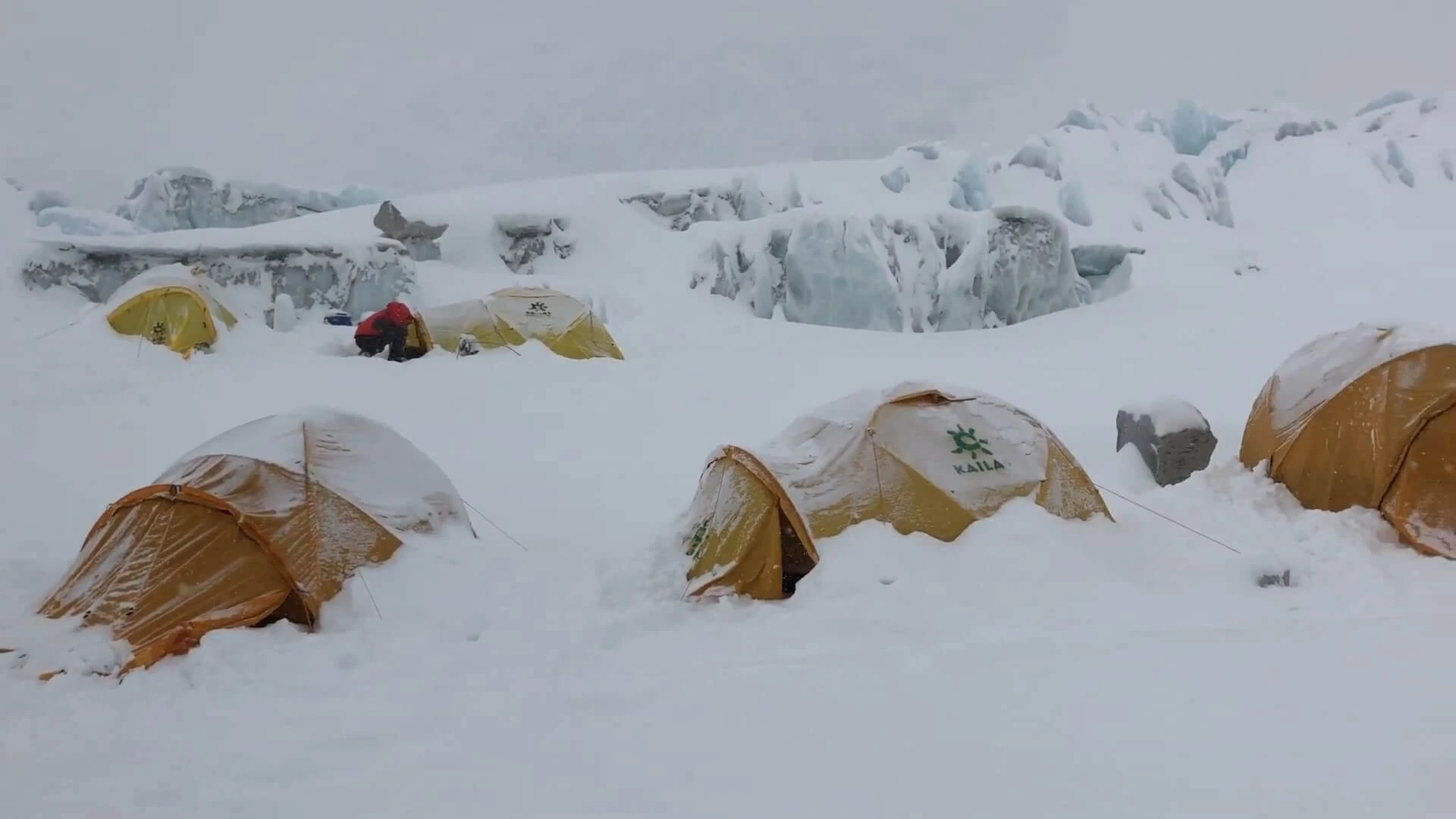
Reach the legendary Everest Base Camp, the launching point for Everest and Lhotse expeditions. Witness the Khumbu Icefall, glaciers, and towering peaks of Lhotse, Nuptse, and Everest. Set up camp in tents and begin final preparations for the high-altitude rotations. Overnight at Base Camp.
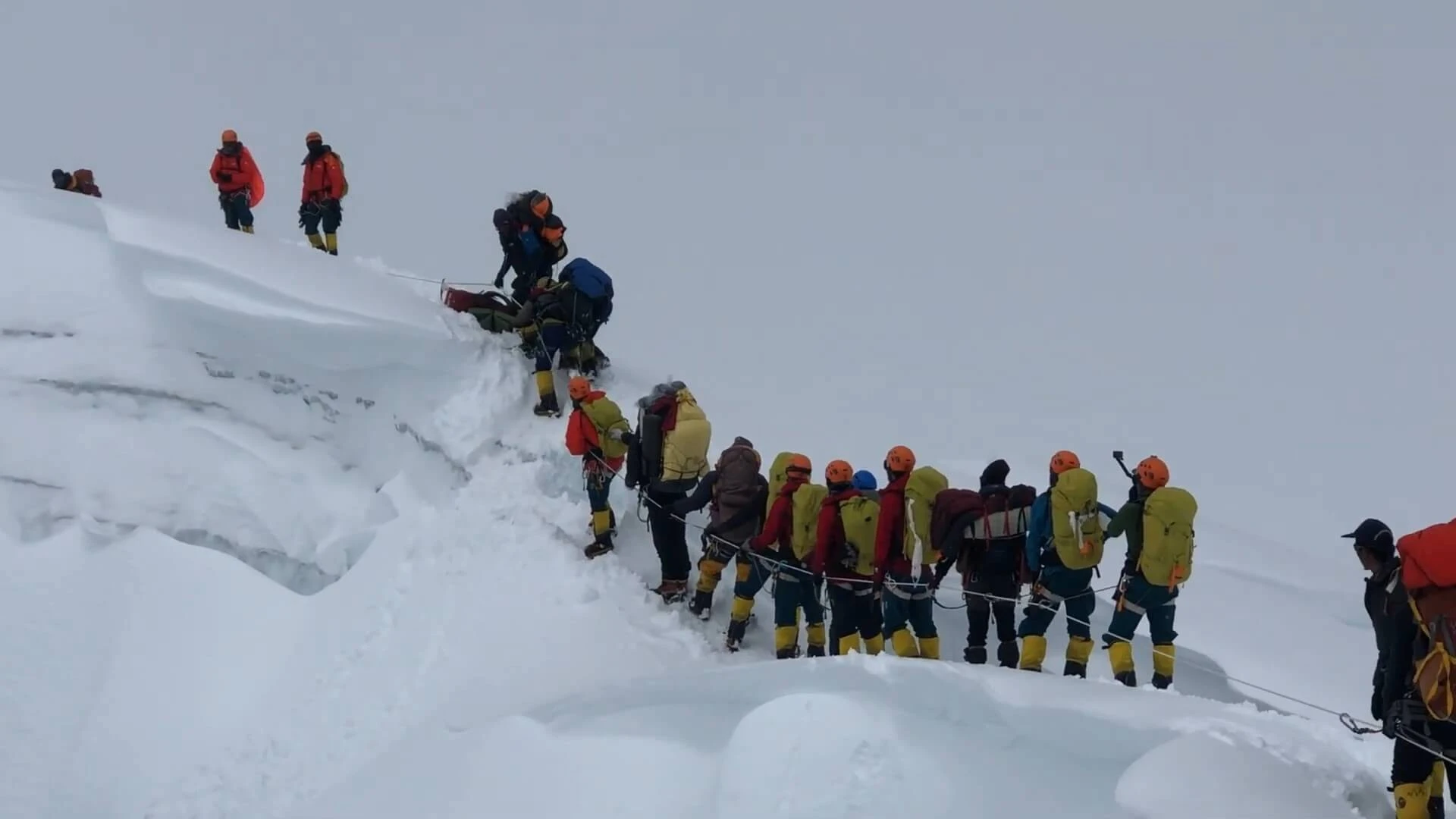
Climbers follow a rotation schedule between Base Camp and higher camps (Camp I, II, and III) for acclimatization and technical preparation. These rotations involve carrying loads, setting up camps, and familiarizing with climbing routes while gradually increasing altitude. This period is critical for ensuring a safe summit attempt. Full board meals and tents are provided during these rotations.
The summit push begins from Base Camp, progressing through the high camps to reach Lhotse’s summit at 8,516 meters. Climbers follow carefully planned schedules with expert guidance and Sherpa support. After summiting, climbers descend safely back to Base Camp. This period focuses on summit success while managing high-altitude risks. Full board meals and tents are provided.
Spend the day cleaning up Base Camp and organizing equipment for the descent. This ensures minimal environmental impact and proper preparation for the trek down. Overnight at Base Camp tents.
Begin the descent through Lobuche and Thukla, retracing the trail with stunning Himalayan views. Overnight stay in Pheriche, a peaceful village perfect for resting after the high-altitude climb.
Continue descending through alpine landscapes and traditional villages. This day allows climbers to reflect on their expedition achievements. Overnight in Namche Bazaar.
Complete the trek back to Lukla, passing forests, rivers, and local settlements. Celebrate the successful completion of the expedition before preparing for the flight to Kathmandu. Overnight in a lodge at Lukla.
Take a scenic flight back to Kathmandu. Transfer to your hotel and spend the evening at leisure, resting and enjoying Kathmandu’s vibrant atmosphere. Overnight in Kathmandu.
Enjoy a free day in Kathmandu for sightseeing, shopping, or cultural exploration. This is the perfect opportunity to visit temples, markets, or relax before your departure. Overnight in Kathmandu.
After breakfast, transfer to Tribhuvan International Airport for your onward flight. Depart with memories of an extraordinary expedition, having conquered Lhotse and experienced the remote beauty of the Himalayas.
Altitude Graph
Mount Lhotse is located in the Everest region of Nepal, near the Nepal–Tibet border. It stands right beside Mount Everest and shares the same approach route through the famous Khumbu Valley.
Mount Lhotse rises to an elevation of 8,516 meters (27,940 feet), making it the fourth-highest mountain in the world. It is known for its dramatic south face, one of the steepest and most impressive mountain walls on Earth.
The Lhotse Expedition is extremely challenging due to high altitude, technical climbing sections, and harsh weather conditions. Although the route follows Everest up to Camp 3, the final ascent to the summit is steep and demanding.
A typical Lhotse Expedition takes around 45 to 60 days, including trekking, acclimatization, and summit attempts. The duration depends heavily on weather windows and individual climbing pace.
The best season for climbing Lhotse is spring (April to May), when conditions are most stable in the Everest region. Autumn (September to October) is also possible but less common for summit attempts.
The standard route is via the South Col route, following the Everest Base Camp trail and climbing through the Khumbu Icefall. From Camp 3, climbers separate from the Everest route and ascend the steep Lhotse Couloir to reach the summit.
Yes, climbers should have strong high-altitude mountaineering experience and prior climbs above 7,000 meters. Lhotse is not suitable for beginners because of its technical terrain and extreme altitude risks.
Climbers need a Lhotse climbing permit issued by the Government of Nepal, along with Sagarmatha National Park entry permits. Most expedition operators handle all permit arrangements and official paperwork.
Lhotse Base Camp is reached by flying from Kathmandu to Lukla, followed by a trek through Namche Bazaar, Tengboche, and Gorak Shep. The trek usually takes about 8 to 10 days before arriving at base camp.
Yes, supplementary oxygen is commonly used above Camp 3 due to the extreme altitude. While climbing without oxygen is possible, it is much more difficult and only attempted by highly experienced climbers.
The cost of a Lhotse Expedition generally ranges from USD 25,000 to 45,000 or more depending on support services, oxygen supply, Sherpa assistance, and logistics. Prices vary widely based on expedition style and operator quality.
Major risks include altitude sickness, icefall dangers, avalanches, frostbite, and sudden Himalayan storms. Proper acclimatization and experienced guides are essential for a safe and successful ascent.
Rescue is possible in the lower parts of the Everest region through helicopter evacuation, especially from base camp. However, above higher camps, rescue becomes extremely difficult due to technical terrain and altitude.
Lhotse offers a slightly less crowded but equally thrilling 8,000-meter expedition experience. It is ideal for climbers seeking a world-class Himalayan summit with a more technical and serious final climb than Everest.
 Nepal
Nepal
 21
21  Sept - Nov & March - May