Destination
Nepal
Duration
30
Destination
Nepal
Duration
30
Trip Difficulty
Challenging
Accommodation
Tea House and Tent
Meals
B, L, & D
Max. Elevation
7455
Group Size
25
Best Time
Sept - Nov & March - May
Situated in the heart of the Annapurna region, which is the gateway to the giant peak such as the Annapurna mountain at the same place, Gangapurna Peak is one of Nepal’s hidden gems for climbers seeking both challenge and serenity.
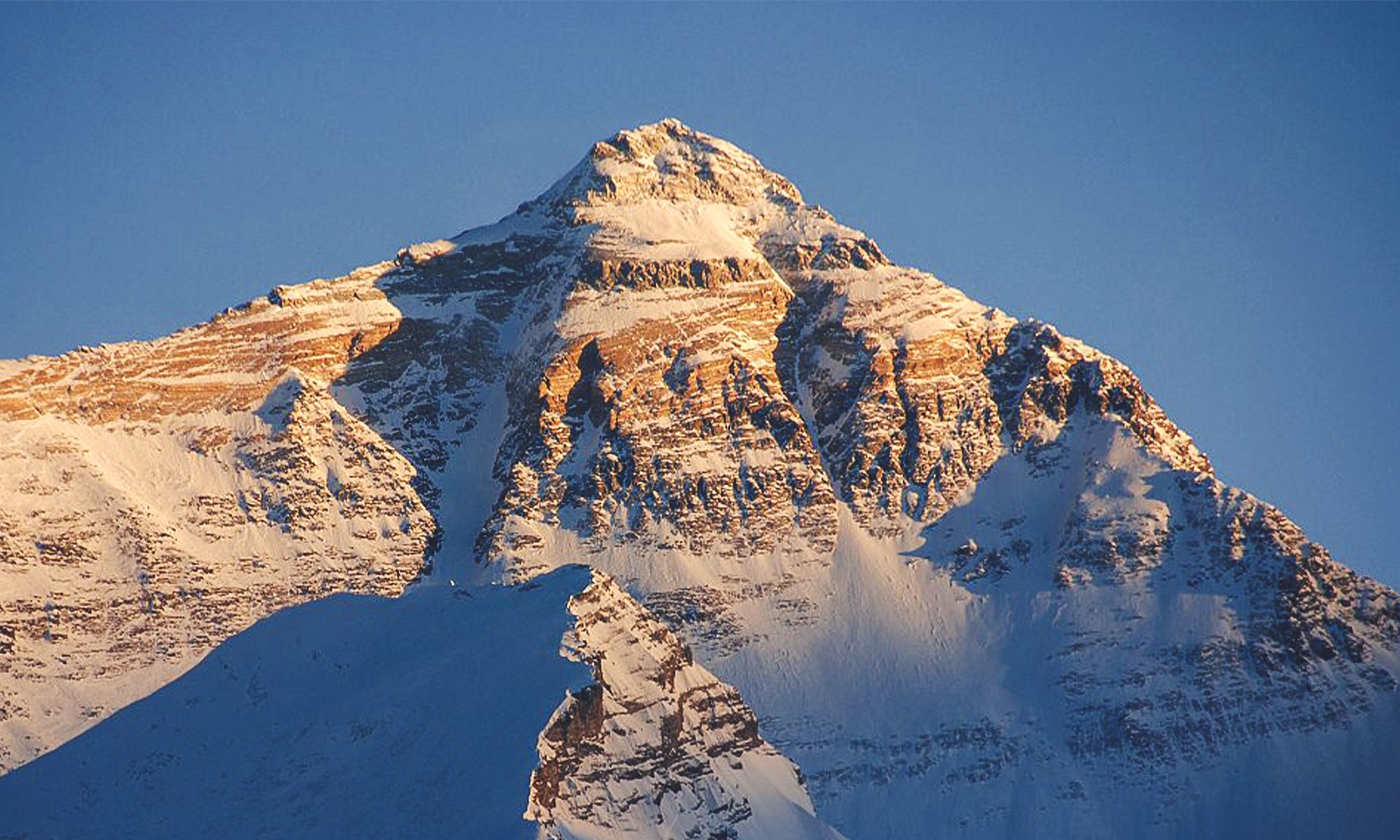
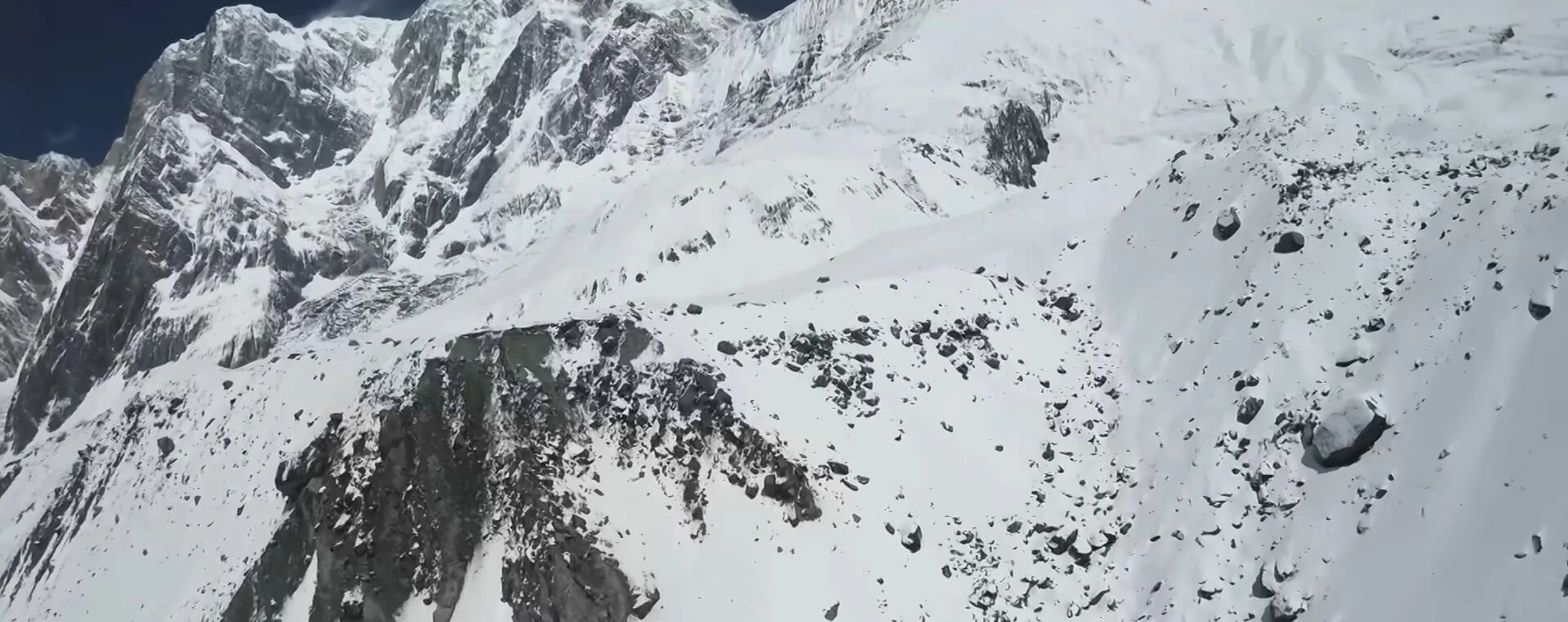
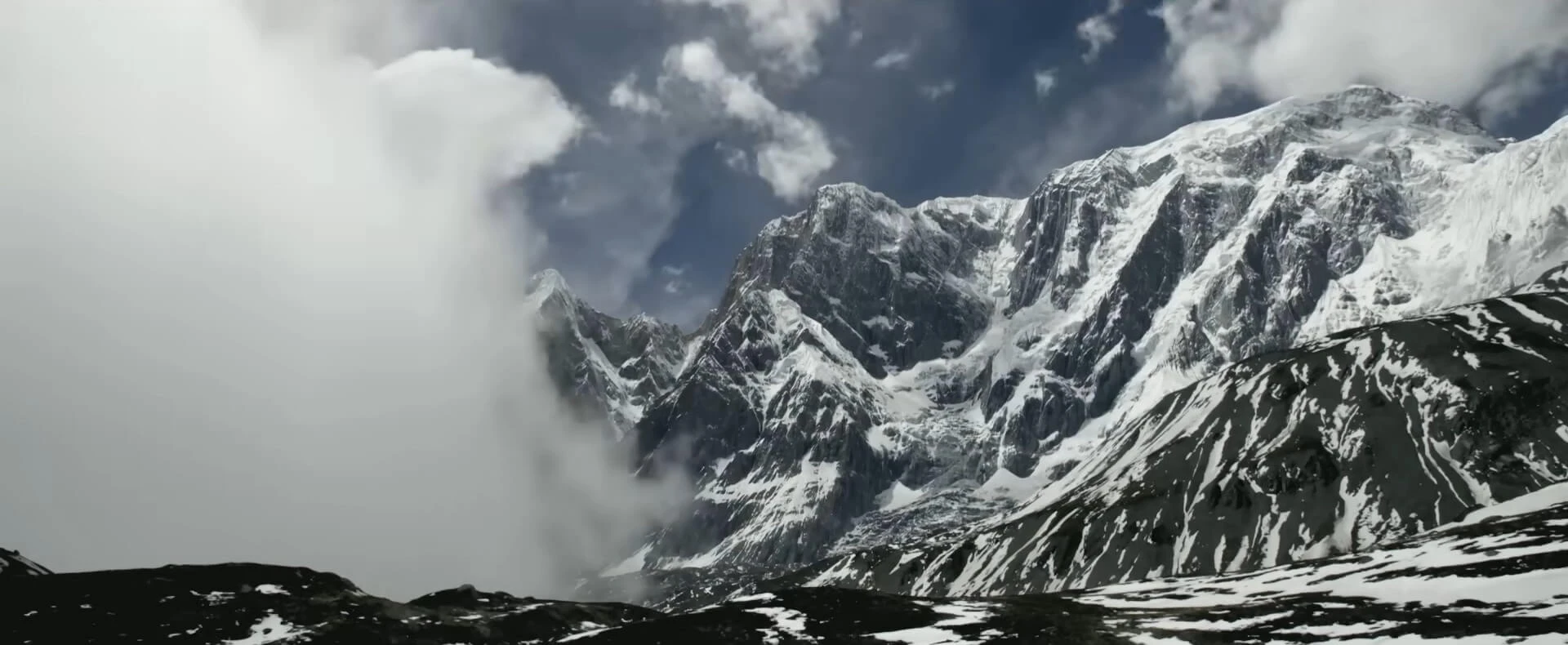
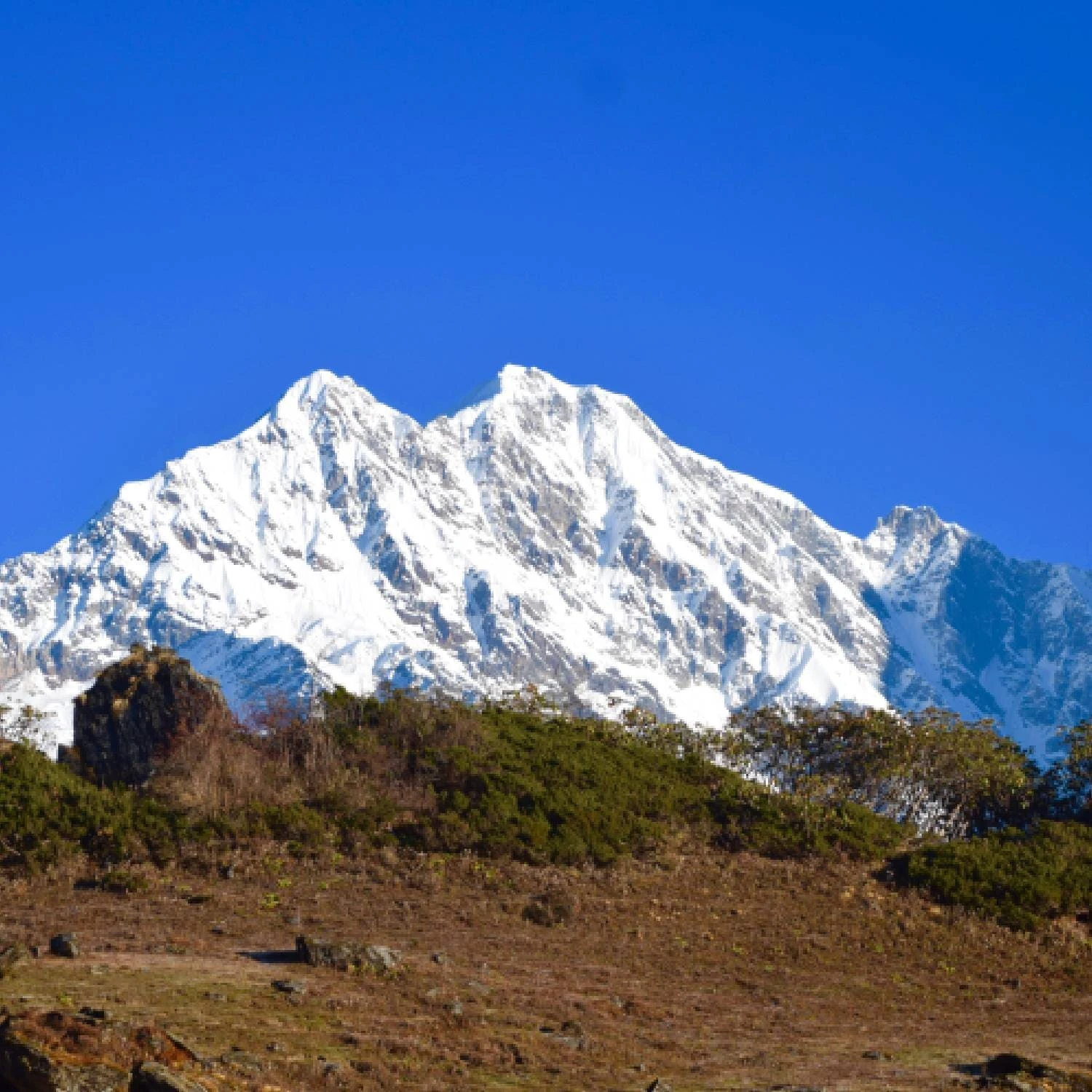
Rising to an elevation of 7,455 meters (24,450 ft), Gangapurna Himal stands as a majestic peak that forms part of the breathtaking Gangapurna mountains. Its rugged slopes, stunning ridges, and relatively untouched routes make it a must-visit for experienced mountaineers.
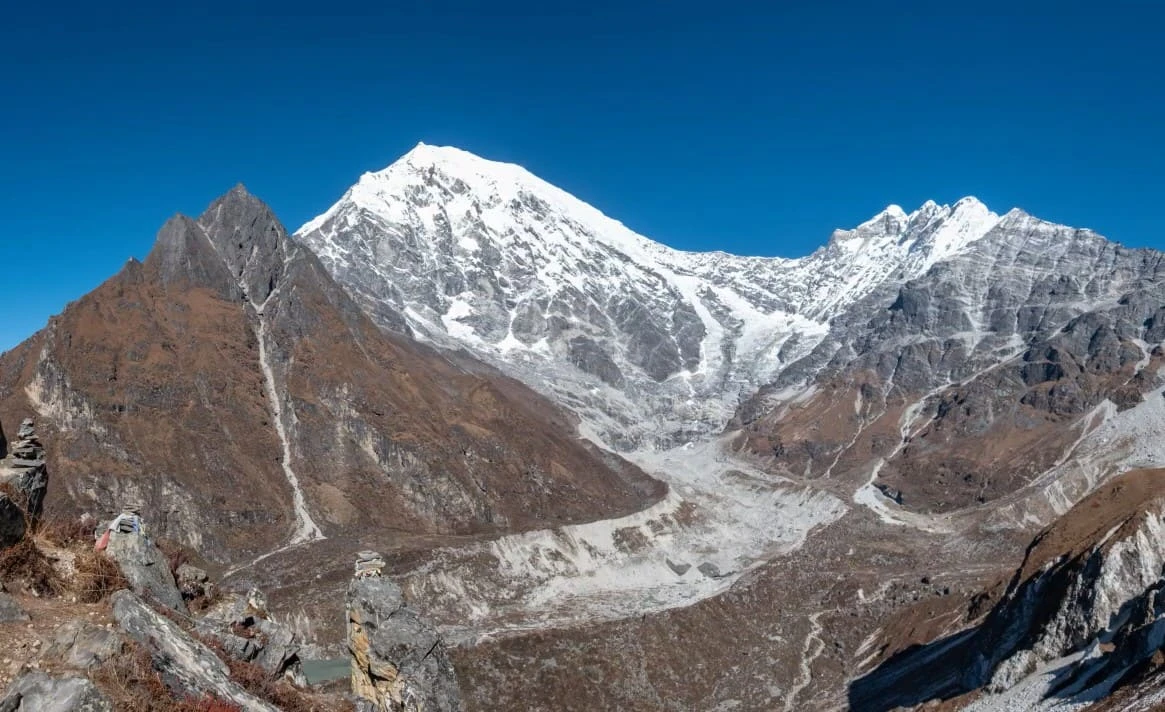
One of the most captivating features of the region is Gangapurna Lake, a serene glacial lake that mirrors the snowy peaks above. Surrounded by lush alpine meadows and dramatic cliffs, this lake is not just a visual delight but also holds spiritual significance for locals.
Trekking to the lake offers a peaceful introduction to the Annapurna Himalayas before attempting the technical climb of Gangapurna Peak itself.
Gangapurna Lake is more than just a scenic spot. Its crystal-clear waters reflect the imposing Himalayas, creating a perfect blend of tranquillity and grandeur. Trekkers and climbers often describe it as a rejuvenating pause an ideal place to acclimatize and connect with nature.
The lake’s location near the base of Gangapurna Mountain also provides incredible photo opportunities and a calm retreat away from busier trekking routes.
Climbing Gangapurna Himal in 2026/2027 promises a once-in-a-lifetime experience for mountaineers. Unlike more crowded peaks in Nepal, Gangapurna offers a relatively untouched route that challenges your skills while rewarding you with panoramic views of the Annapurna range.
The 2026/2027 climbing season is expected to be ideal, with clear skies and stable weather, making it perfect for climbers aiming to summit safely and successfully.
A Gangapurna Peak expedition involves a variety of expenses, including permits, guides, equipment, and logistics. While the overall cost depends on the level of support you choose, climbers can expect a comprehensive package that ensures safety, local expertise, and all the essentials for a smooth expedition. Detailed cost breakdowns typically cover accommodations, meals, trekking guides, porters, and necessary climbing gear.
Summit 8000 has established itself as a trusted operator for high-altitude expeditions in Nepal. With years of experience guiding climbers on peaks like Gangapurna, Annapurna, and Manaslu, Summit 8000 combines expert logistics, professional guides, and high-quality equipment. Choosing Summit 8000 ensures that your Gangapurna expedition is not just a climb but a safe, well-organized, and memorable adventure.
From the serene beauty of Gangapurna Lake to the technical challenge of the Gangapurna mountains, this expedition offers a perfect blend of adventure, natural beauty, and cultural immersion in Nepal’s Himalayas. Whether you’re a seasoned mountaineer or a trekking enthusiast seeking new challenges, Gangapurna Peak promises an unforgettable journey.
Arrive at Tribhuvan International Airport in Kathmandu, where our team will transfer you to your hotel. Take some time to rest and recover from your flight. In the evening, attend a briefing about the upcoming Gangapurna expedition. Get familiar with your trekking and climbing equipment and meet your guides. This is the perfect opportunity to acclimatize to the local environment.
Explore Kathmandu’s rich cultural heritage with visits to Pashupatinath Temple, Boudhanath Stupa, and Patan Durbar Square. Learn about local traditions and architecture while enjoying the vibrant city atmosphere. Use this day to finalize your trekking permits and check your climbing gear. Meet with your guides to discuss the expedition plan. This day sets the foundation for your high-altitude adventure.
Begin your journey to the Annapurna region with a scenic drive to Besisahar. Pass terraced fields, rivers, and traditional villages along the way. The drive allows you to gradually immerse yourself in the Himalayan landscape. Overnight at a local lodge in Besisahar. Prepare for the trekking phase of the expedition starting tomorrow.
Continue deeper into the mountains with a drive to Dharapani, following the Marsyangdi River. The road winds through forests, hills, and small villages, offering glimpses of Annapurna peaks. This day helps your body adjust to increasing altitudes. Arrive at Dharapani and settle in at a cozy lodge. Enjoy the serene mountain environment before trekking begins.
Start the official travel from Dharapani to Chame, passing through rhododendron forests and picturesque villages. Stop along the way for short breaks and to enjoy the views of Lamjung Himal and Annapurna II. Chame offers comfortable lodges and warm hospitality. The trail gradually ascends, allowing for proper acclimatization. Evening at leisure in Chame to relax and enjoy the scenery.
Trek from Chame to Pisang, where the terrain becomes more alpine. The trail offers stunning views of Gangapurna Peak and Annapurna II. Pisang village is known for its traditional architecture and panoramic surroundings. Overnight at a lodge and enjoy a hearty local meal. This is an important day for altitude adjustment as you ascend further.
Continue the walk to Manang, one of the most beautiful villages in the Annapurna region. Pass by Buddhist monasteries and local markets along the way. The higher altitude requires a steady pace, allowing your body to acclimatize. Overnight in Manang at a lodge with comfortable facilities. Enjoy the spectacular mountain views surrounding the village.
Spend a full day in Manang to acclimatize to the high altitude. Optional short hikes to nearby viewpoints or Gangapurna Lake help your body adjust. Rest, hydrate, and prepare for the climb ahead. This day also provides a chance to interact with local communities and learn about their culture. Evening at leisure to relax and enjoy the Himalayan scenery.
Trek from Manang to Gangapurna Base Camp, passing glaciers and alpine terrain. The base camp is the starting point for the summit climb, offering incredible close-up views of Gangapurna Peak. Overnight at the base camp in tents or lodges. Use the day to settle in, organize your gear, and acclimatize further. Enjoy the serenity and breathtaking Himalayan panorama.
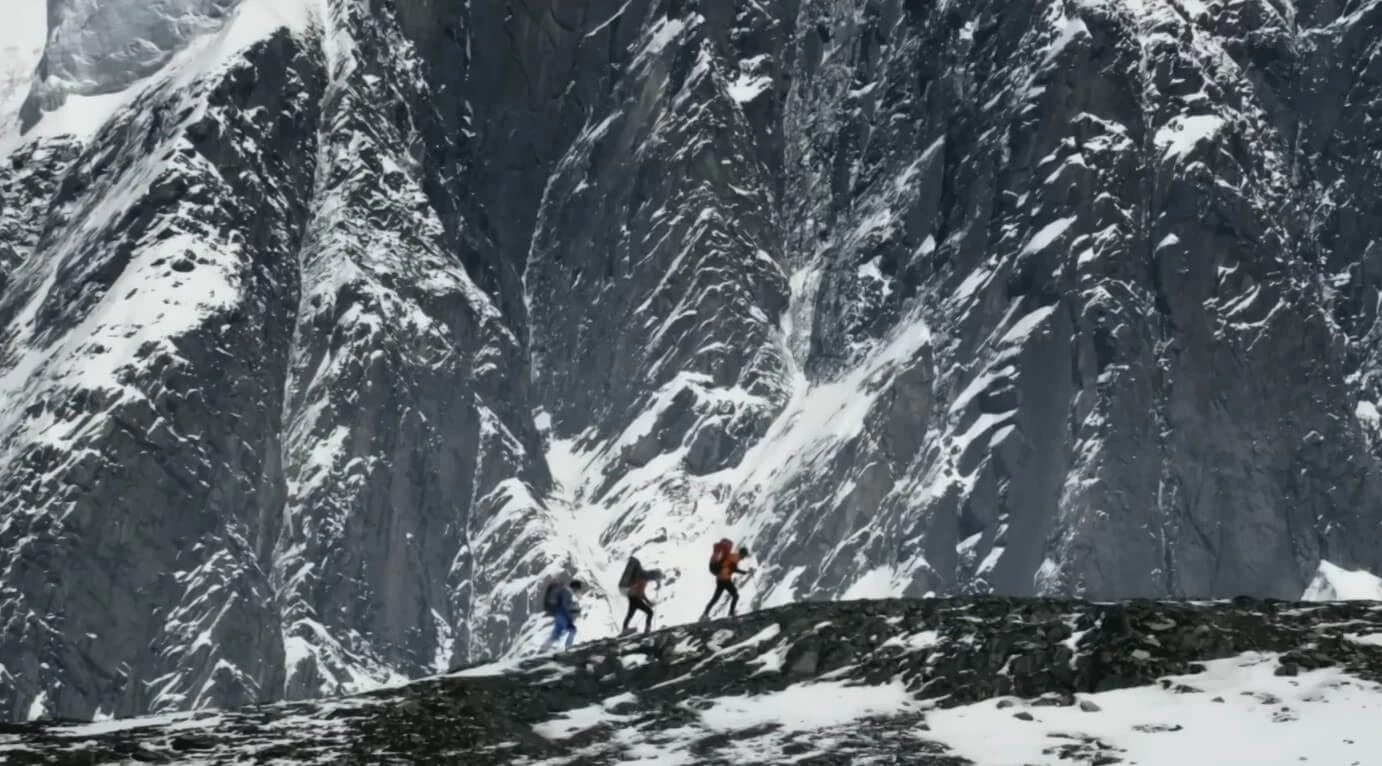
Over the next 18 days, climbers follow a careful schedule of establishing higher camps, acclimatizing, and technical climbing. Under expert guidance, you navigate snow and ice routes, practicing rope techniques along the way. The ultimate goal is the summit of Gangapurna Peak, rewarding climbers with unparalleled Himalayan views. Safety is the top priority, and the pace is adapted to weather and conditions. Descend gradually after the summit to recover at lower camps.
After the climb, pack all climbing equipment and personal belongings. Prepare for the descent back through the trekking route. Reflect on the accomplishment and enjoy the last moments at high altitude. Overnight at a lodge near the base camp. Take in the surrounding mountains one last time before heading down.
Descend from Tilicho Base Camp to Yak Kharka, walking through alpine meadows and glacial terrain. Overnight at a cozy lodge and enjoy the high-altitude village’s hospitality. The descent is easier but still requires caution. Hydrate well and rest to prevent fatigue. This is a scenic day filled with beautiful Himalayan views.
Continue descending to Thorong Phedi, preparing for the lower-altitude trek ahead. Overnight at a lodge, allowing your body to adjust gradually. The trail passes through rugged terrain and traditional villages. Enjoy the serene mountain environment and spectacular views. Rest well for the next day’s journey to Muktinath.
Trek through alpine landscapes to Muktinath, a sacred pilgrimage site for Hindus and Buddhists. Explore the temple, holy springs, and surrounding trails. Overnight at a lodge in Muktinath. This descent is easier on the body and offers a chance to appreciate cultural experiences. Enjoy the peaceful Himalayan surroundings.
Descend further through the Thak Khola valley, passing Kagbeni and other traditional villages. Arrive in Jomsom, a charming town with mountain views and cozy lodges. Overnight in Jomsom, preparing for the short flight to Pokhara the next day. Reflect on the trekking journey and the stunning landscapes you’ve passed.
Take a scenic flight to Pokhara, the adventure capital of Nepal. Explore Phewa Lake, Davis Falls, and the Lakeside area. Overnight at a hotel, enjoying the city’s vibrant atmosphere and relaxing after the trek. Pokhara offers a refreshing change from the high-altitude environment. Enjoy leisure activities or simply unwind by the lake.
Drive from Pokhara to Kathmandu, passing rivers, hills, and charming villages. Overnight in Kathmandu hotel. Rest and relax after the long drive. Prepare for your final day in the city. Reflect on your incredible journey through the Annapurna and Gangapurna region.
Enjoy a full day at leisure in Kathmandu. Shop for souvenirs, explore the city, or simply rest at your hotel. Optional visits to local markets or cultural sites. This is the perfect day to unwind before departure. Celebrate the success of your Gangapurna expedition.
Transfer to Tribhuvan International Airport for your onward flight. Carry with you unforgettable memories of the Himalayas, cultural experiences, and the triumph of climbing Gangapurna Peak. Bid farewell to Nepal and your expedition team.
Altitude Graph
Gangapurna Peak is a 7,455-meter Himalayan mountain located in the Annapurna region of Nepal. It is part of the Gangapurna mountains and offers a challenging expedition for experienced climbers.
Gangapurna Himal is situated in the northern part of the Annapurna range, accessible via Manang and the Gangapurna Lake trekking route.
Gangapurna Lake is a serene glacial lake at the base of Gangapurna Peak. Its crystal-clear waters reflect the surrounding snow-capped mountains, making it a popular spot for acclimatization and photography.
The best climbing seasons are spring (March–May) and autumn (September–November) when the weather is stable, skies are clear, and snow conditions are favorable.
Gangapurna Peak is considered a technical climb and requires experience in high-altitude mountaineering, including ice and snow techniques.
Yes, climbers are expected to have prior experience with high-altitude peaks or training in technical mountaineering.
A typical Gangapurna Peak expedition lasts about 36 days, including trekking, acclimatization, climbing, and return to Kathmandu.
Packages generally include permits, guides, porters, meals during the trek, base camp accommodation, and group climbing equipment.
International flights, personal climbing gear, travel insurance, tips, and personal expenses such as drinks or laundry are not included.
Yes, a Gangapurna climbing permit from the Nepal Mountaineering Association (NMA) is mandatory.
Climbers should have excellent fitness, stamina, and experience with long-duration trekking and high-altitude conditions.
Yes, as Gangapurna Peak rises above 7,400 meters, altitude sickness is possible. Proper acclimatization and hydration are crucial.
No, this expedition is suitable only for experienced mountaineers due to technical and high-altitude challenges.
Essential gear includes crampons, ice axes, climbing harness, helmet, high-altitude boots, insulated jackets, gloves, sleeping bags, and trekking poles.
Yes, the expedition includes a base camp at 4,650m and higher camps as needed for acclimatization and summit attempts.
Mobile coverage is limited. Some lodges in Manang or near base camp may have Wi-Fi or satellite phone access.
Yes, trekking to Gangapurna Lake is included in the itinerary for acclimatization and photography opportunities.
The weather can change rapidly, with cold temperatures, strong winds, and snowfall common at higher altitudes.
Summit 8000 provides experienced guides, high-quality climbing equipment, reliable logistics, and safety support for a well-organized expedition.
Yes, high-altitude mountaineering insurance covering helicopter rescue and medical emergencies is mandatory for all climbers.
 Nepal
Nepal
 21
21  Sept - Nov & March - May