Destination
Nepal
Duration
15
Destination
Nepal
Duration
15
Trip Difficulty
Moderate
Accommodation
4 Star/ Star Hotel, Tent and Tea House
Meals
B, L, & D
Max. Elevation
5844
Group Size
15
Best Time
Sept - Nov & March - May
Your Himalayan adventure begins the moment you land at Tribhuvan International Airport. After clearing customs and collecting your bags, your guide or a representative from your trekking company will meet you and transfer you to your hotel in the heart of Kathmandu. The rest of the day is yours to settle in, freshen up, and soak in the sights and sounds of this vibrant city. Take an evening stroll through the lively streets of Thamel, sample some Nepali dal bhat, and get to bed early as the journey ahead is a big one.
Today is a wonderful mix of culture and logistics. In the morning, your guide will assist you with obtaining your Naya Kanga peak climbing permit, Langtang National Park entry permit, and TIMS card. Once the paperwork is sorted, the rest of the day opens up for sightseeing around Kathmandu's UNESCO-listed heritage sites. Wander through the golden temples of Pashupatinath, spin the prayer wheels at Boudhanath Stupa, or lose yourself in the ancient courtyards of Swayambhunath. It is a perfect way to ease into the rhythm of Nepal before hitting the trail.
After breakfast, you hit the road for the scenic overland journey to Syabrubesi, the charming gateway village to the Langtang region. The drive takes roughly seven to eight hours through winding mountain roads, terraced hillsides, and occasional glimpses of snow-capped ridges peeking above the treeline. It is a long day in the vehicle, but the scenery keeps things entertaining. Arrive in Syabrubesi in the late afternoon, check into your teahouse, enjoy a warm meal, and rest up for your first proper day on the trail tomorrow.
Boots on, pack up, and step onto the trail. Today's walk follows the Langtang Khola river upstream through lush subtropical forest, crossing suspension bridges and passing through small settlements along the way. The trail gains elevation gradually and the surrounding greenery is a lovely introduction to the Langtang wilderness. After around five to six hours of trekking, you arrive at Lama Hotel, a cluster of friendly teahouses nestled in dense forest. Celebrate your first day on the trail with a hot tea and a well-earned rest.
Today the landscape begins to open up beautifully as you leave the forest behind and enter the wider valley. The trail climbs steadily past yak pastures, cascading waterfalls, and colourful mani stones carved with Buddhist prayers. Langtang Village, rebuilt after the 2015 earthquake with heartfelt community effort, welcomes you with warm hospitality and its first proper Himalayan views. Spend the evening exploring the village, chatting with locals, and getting your first real taste of the high alpine world that lies ahead.
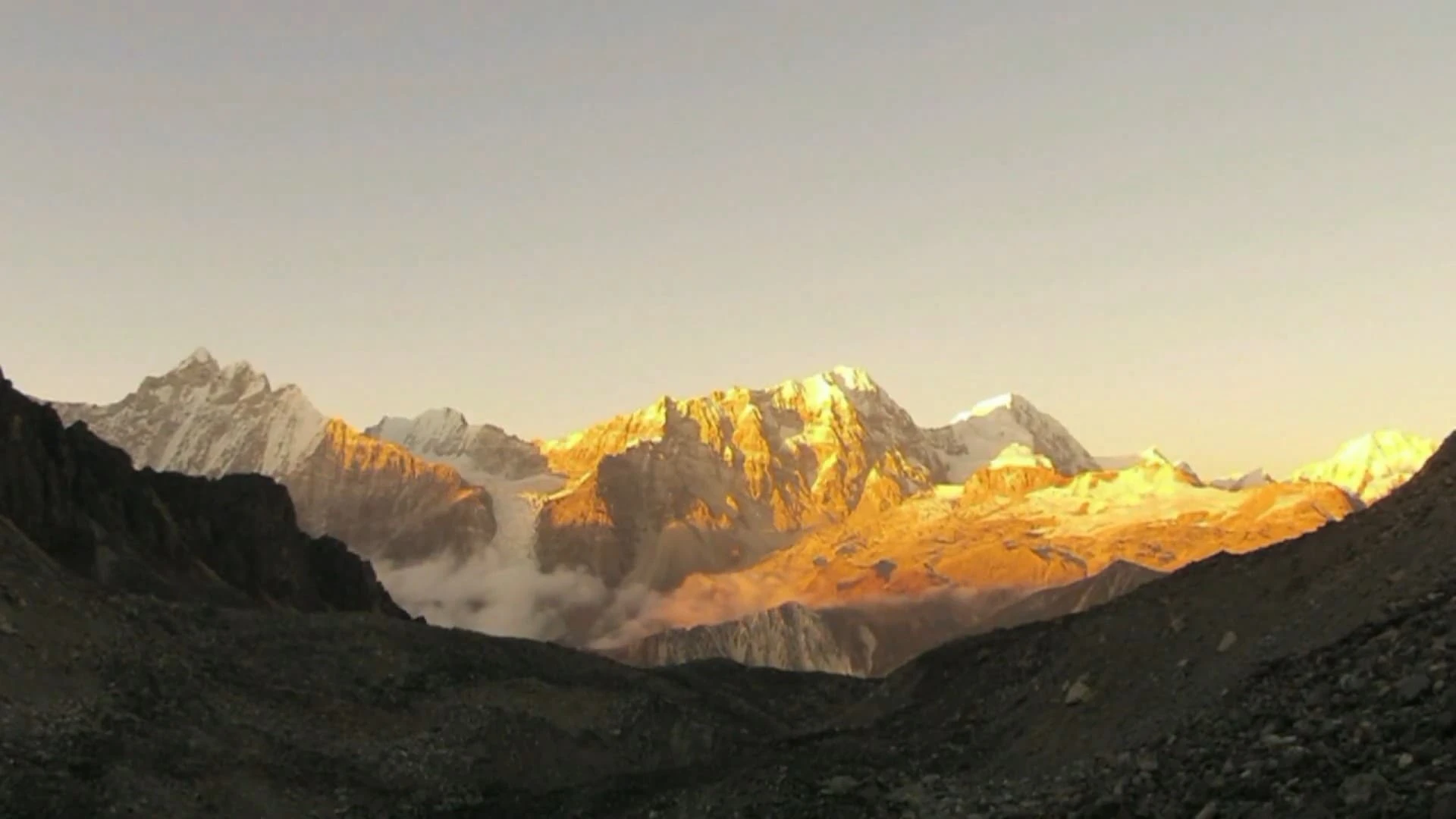
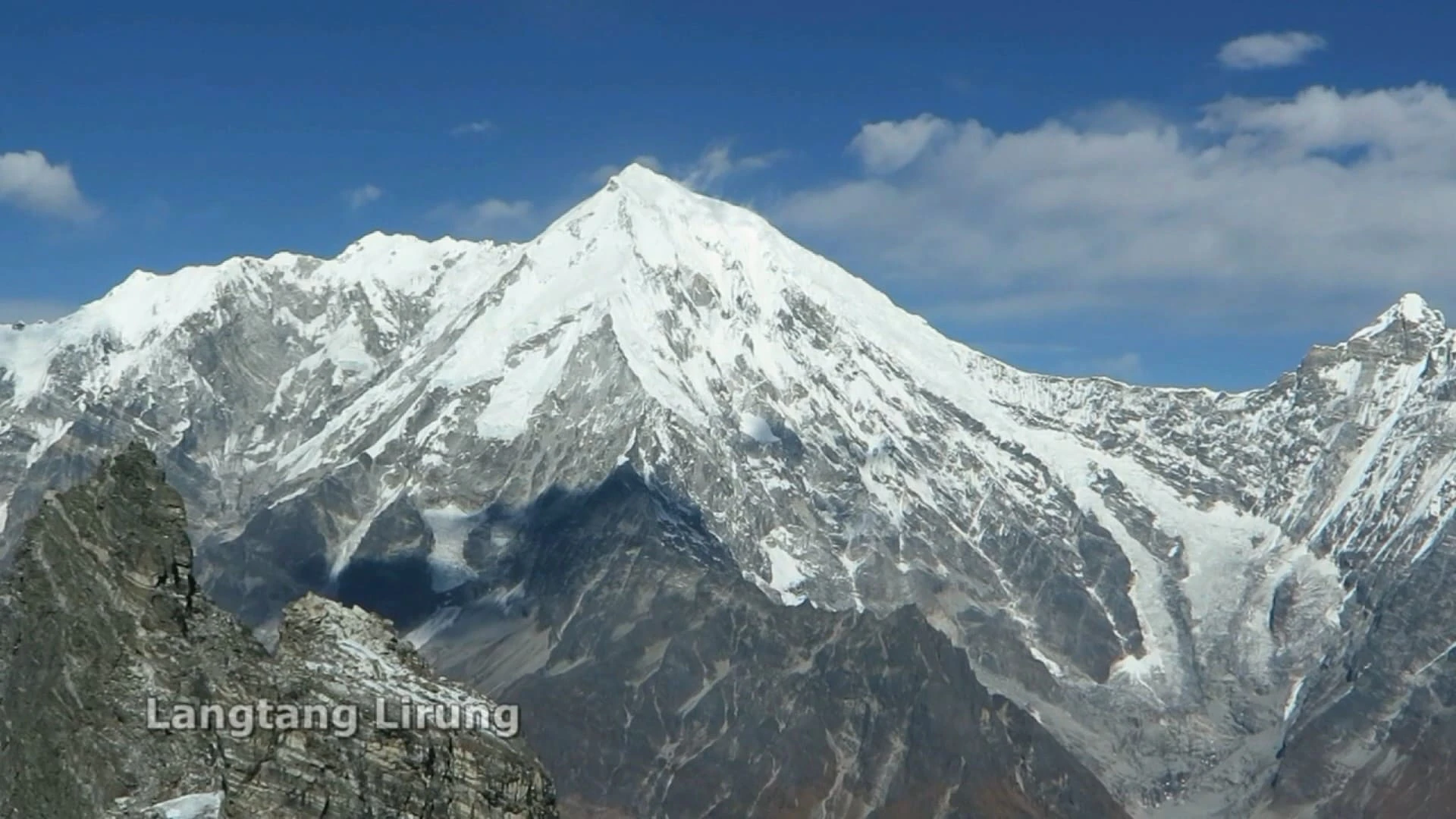
A relatively short but scenic day brings you to Kyanjin Gompa, one of the most beloved stops on any Langtang itinerary. The trail winds through open meadows dotted with grazing yaks, and the surrounding peaks grow more dramatic with every step. Kyanjin Gompa itself is a small but spirited settlement home to a centuries-old monastery and a famous yak cheese factory, both worth a visit on arrival. The mountain views from here are simply stunning, and on a clear evening, Langtang Lirung glows golden in the fading light.
Rest days at altitude are never really rest days, and today is a great example of that. To help your body adapt to the thinner air, you will make a rewarding day hike up to either Kyanjin Ri (4,773m) or Tserko Ri (4,984m), both offering sweeping panoramic views across the Langtang Himalaya. The golden rule of high-altitude trekking applies perfectly here: climb high, sleep low. Return to Kyanjin Gompa for a hearty dinner, a visit to the monastery if you have not already, and an early night as higher camps await.
Leaving the comforts of Kyanjin Gompa behind, today you make your way toward the mountain proper. The trail heads northeast across rocky moraines and open terrain, with the glacial world of Naya Kanga coming into sharp focus ahead of you. Base camp at around 4,400 metres is a raw and beautiful place, with big skies, total silence, and a real sense of being at the edge of something extraordinary. Your climbing guide will brief you on the route ahead, check gear, and help you prepare mentally and physically for the days to come.
A shorter but meaningful push today takes you up to high camp at 5,000 metres. The terrain becomes more technical as you gain elevation, moving across boulder fields and the lower reaches of the glacier. High camp is a small, exposed perch on the m
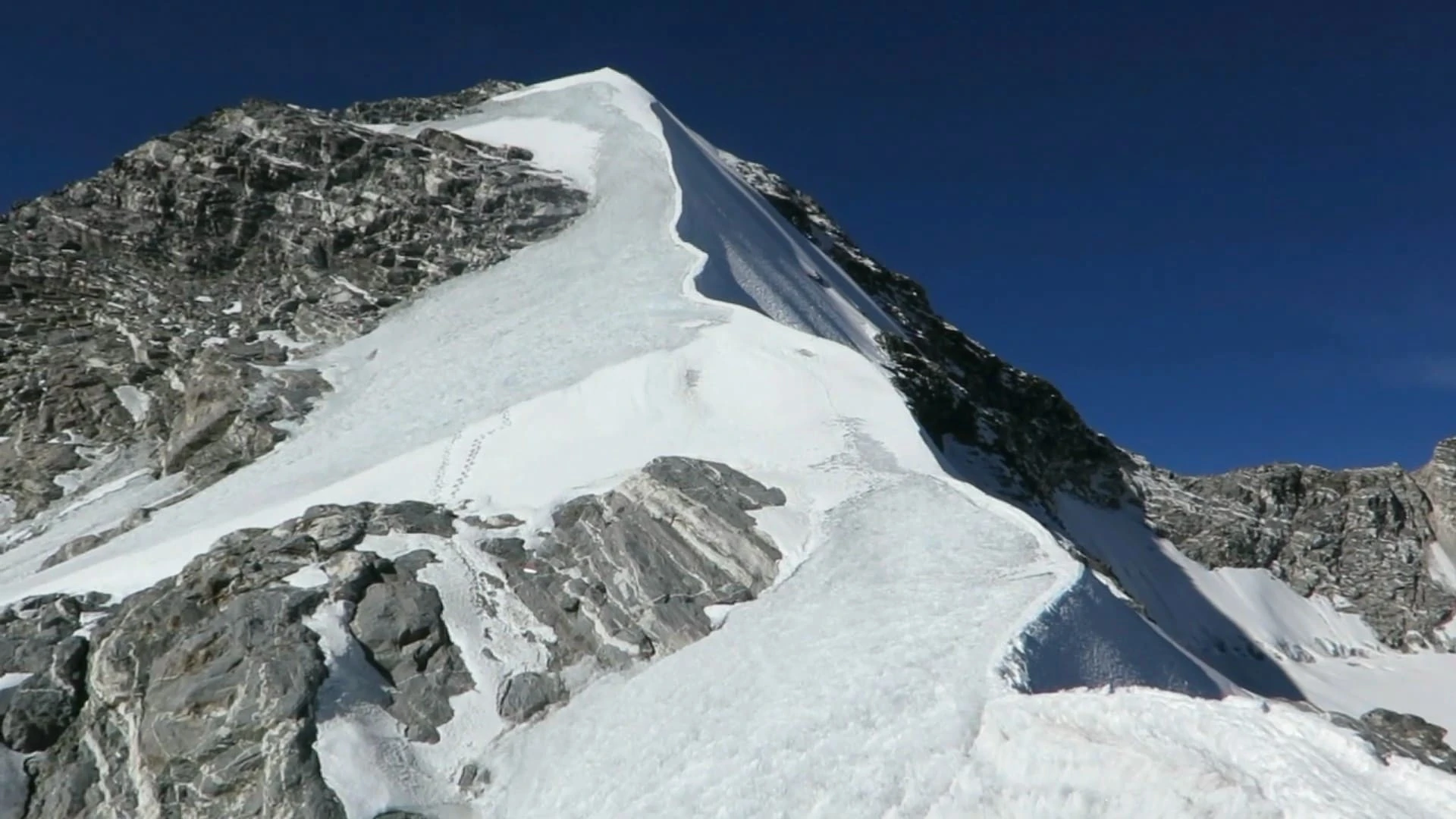
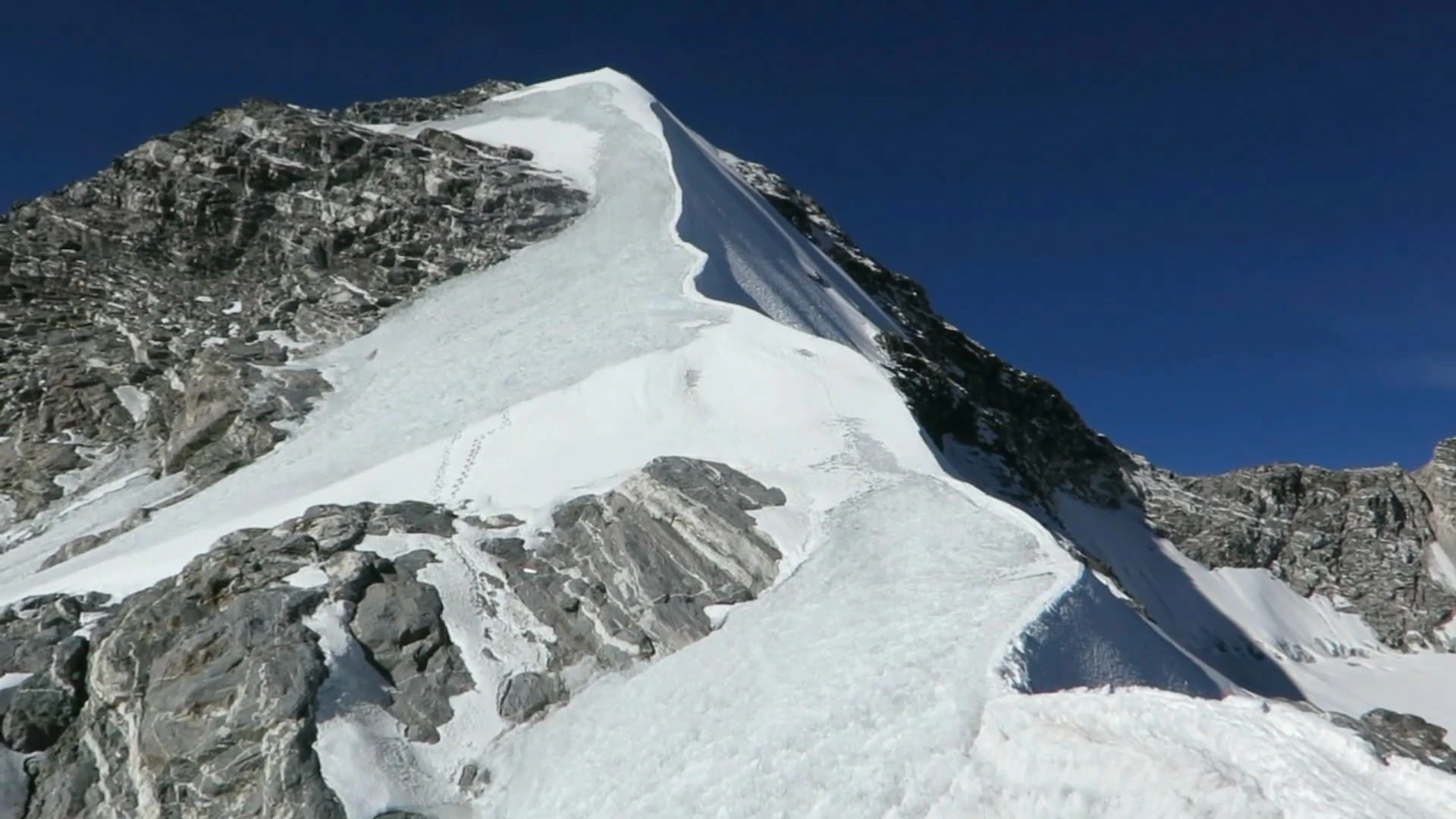
This is the day everything has been building toward. Your team rises in the dark, layers up against the cold, and sets off across the glacier by headtorch. The ascent involves crampons and ice axe work on increasingly steep snow and ice slopes, and every step upward brings a growing sense of achievement. The summit ridge of Naya Kanga at 5,844 metres delivers one of the finest panoramas in the central Himalaya, with Langtang Lirung, Dorje Lakpa, Ganesh Himal, and countless other giants stretching across the horizon. Savour the moment, take your photos, then make a careful descent all the way back to base camp for a well-deserved rest.
With the summit behind you and a lightness in your step, today is a long but satisfying descent back through familiar terrain. You pass through Kyanjin Gompa, where a quick stop for yak cheese or butter tea feels like a fitting reward, before continuing down the valley to Langtang Village. The lower elevation brings warmer air, and the body begins to unwind after the intensity of the summit push. It is a great day to reflect on everything you have experienced and share stories with fellow trekkers over dinner.
Back into the forest you go, descending steadily through the familiar trail that brought you up just over a week ago. The rhododendrons, the river crossings, and the birdsong all feel like old friends now. Lama Hotel greets you once again with its simple teahouse warmth, and the contrast between where you slept two nights ago and where you are sleeping tonight is a quietly satisfying reminder of just how much ground you have covered.
The final day on the trail winds back down through the lower valley to Syabrubesi, completing the full loop. The descent is gentle and the mood tends to be celebratory, with the hard work firmly behind you. Arrive in Syabrubesi in the early afternoon, treat yourself to a cold drink and a big meal, and spend the evening swapping stories and unwinding before the road journey back to the capital tomorrow.
The scenic mountain road brings you back to Kathmandu after roughly seven to eight hours on the road. It is a long drive, but it gives you plenty of time to decompress, watch the landscape shift from high mountain country back to valley and city, and start thinking about what comes next. Arrive back in Kathmandu in the evening, check into your hotel, and give yourself a proper pat on the back. You climbed a Himalayan peak. That deserves a celebration dinner.
Your Naya Kanga adventure comes to a close today. Depending on your onward plans, your team will arrange a transfer to the airport for your flight home, or help you prepare for your next program if you are continuing on to further trekking or climbing in Nepal. Whatever comes next, you leave with the summit of Naya Kanga in your memories, stronger legs, a bigger perspective, and almost certainly the beginnings of a plan to come back.
Altitude Graph
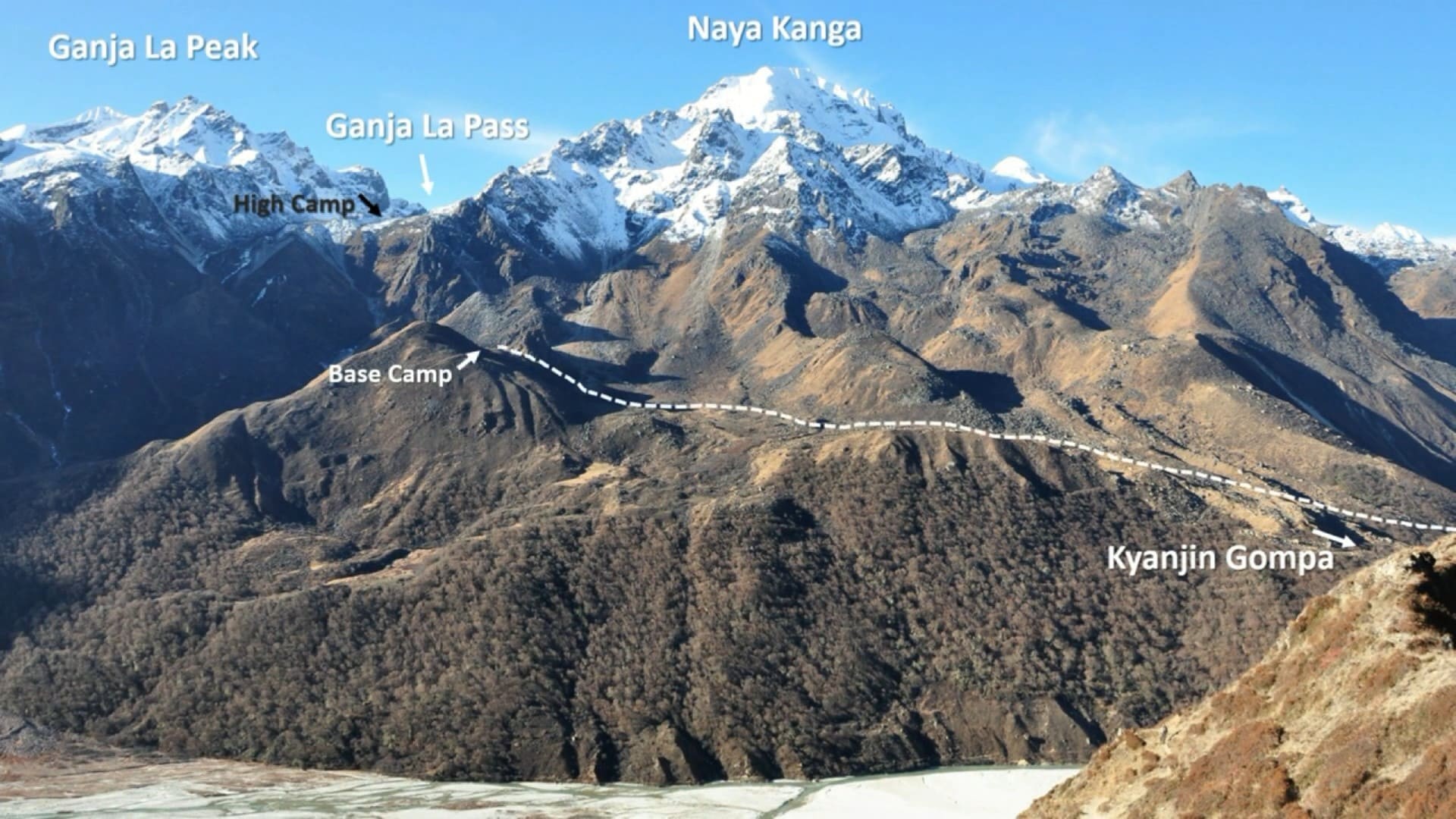
Naya Kanga Peak (Ganja La Chuli) lies in the beautiful Langtang region of Nepal, inside Langtang National Park. The mountain rises above the Langtang Valley and is commonly approached via Kyanjin Gompa, a popular trekking destination.
The summit of Naya Kanga Peak stands at 5,844 meters (19,173 feet) above sea level, making it one of the attractive trekking peaks in the Langtang region.
Naya Kanga is considered a moderately technical trekking peak. Climbers should be comfortable trekking at high altitude and using basic mountaineering equipment such as crampons, ropes, and an ice axe.
Previous high-altitude trekking experience is recommended. Basic mountaineering skills are helpful, but many climbers successfully summit the peak with guidance from experienced climbing guides.
Most expeditions take 16–18 days, including trekking through Langtang Valley, acclimatization days, and the summit attempt.
The best seasons are spring (March–May) and autumn (September–November) when weather conditions are stable and the mountain views are clear.
Yes. Climbers need a Naya Kanga climbing permit issued by the Nepal Mountaineering Association, along with a Langtang National Park entry permit.
The expedition normally begins with a drive from Kathmandu to Syabrubesi, followed by trekking through Langtang Valley to Kyanjin Gompa, and then crossing Ganja La Pass before the summit climb.
Trekkers stay in tea houses during the trekking section and tented camps during the climbing phase near base camp and high cam
Yes. Since the climb reaches nearly 6,000 meters, proper acclimatization and gradual ascent are important to reduce the risk of altitude sickness.
Yes, climbing Naya Kanga Peak requires a licensed climbing guide for safety, route navigation, and technical support during the summit attempt.
Climbers typically use crampons, ropes, an ice axe, a helmet, a harness, and mountaineering boots for the summit section.
From the summit, climbers can enjoy spectacular views of Langtang Lirung, Dorje Lakpa, Shishapangma, and other Himalayan peaks.
The climb requires good physical fitness and endurance, as trekkers walk several hours daily and climb at high altitude in challenging terrain.
With proper acclimatization, good weather conditions, and experienced guides, the success rate for climbers is generally quite high compared to more technical Himalayan peaks.
Fit beginners with trekking experience and proper preparation can attempt the climb with guidance from a professional climbing team.
Naya Kanga offers a combination of trekking adventure and technical climbing, along with stunning landscapes, glaciers, and panoramic Himalayan views.