Destination
Nepal
Duration
15
Destination
Nepal
Duration
15
Trip Difficulty
Moderate
Accommodation
4 Star hotel and Tea House
Meals
B, L, & D
Max. Elevation
4130
Group Size
15
Best Time
Sept - Nov & March - May
After a delightful breakfast, you will travel to Pokhara either by a scenic flight or a comfortable private vehicle. The distance between Kathmandu and Pokhara is around 200 km, which would take around 4 to 6 hours to travel. As you arrive, the tranquil beauty of Phewa Lake and the stunning backdrop of Machapuchare will welcome you. Check into your luxury hotel and spend the evening enjoying lakeside dining and relaxing views. This is your perfect introduction to the Himalayan journey ahead.
Today, your adventure begins with a private drive to Nayapul, followed by a gentle trek along rivers and charming villages. The trail is easy and scenic, allowing you to fully enjoy the natural surroundings. Your overnight stay will be in a comfortable, well-selected teahouse with upgraded services.
Your day starts with a steady climb through beautiful rhododendron forests and traditional settlements. The famous Ulleri stone steps will challenge you, but the rewarding views make it worthwhile. Upon reaching Ghorepani, enjoy warm hospitality and comfortable lodging with stunning mountain scenery.
Early morning, hike to Poon Hill for a breathtaking sunrise over the Annapurna and Dhaulagiri ranges. After capturing unforgettable views, return for breakfast and continue trekking through peaceful forests to Tadapani. The trail offers a perfect mix of nature, tranquility, and scenic beauty.
Descend through lush forests and cross scenic suspension bridges before reaching Chomrong village. This beautiful Gurung settlement offers incredible mountain views and a glimpse into local culture. Enjoy a comfortable stay with warm hospitality and delicious meals.
Leaving Chomrong, you will descend and then gradually ascend through dense bamboo and rhododendron forests. The peaceful trail, filled with natural sounds, creates a calming trekking experience. Overnight stay in a well-managed teahouse with comfortable amenities.
Today’s trek takes you deeper into the Annapurna Sanctuary, where the landscape becomes more alpine and dramatic. You will pass waterfalls, narrow valleys, and quiet trails. Your accommodation will be carefully chosen to ensure maximum comfort in the mountains.
As you move higher, the surroundings open into breathtaking Himalayan landscapes. Walking alongside glacial rivers and rocky terrain, you’ll reach Machapuchare Base Camp. Enjoy premium mountain lodge comfort while surrounded by towering peaks.
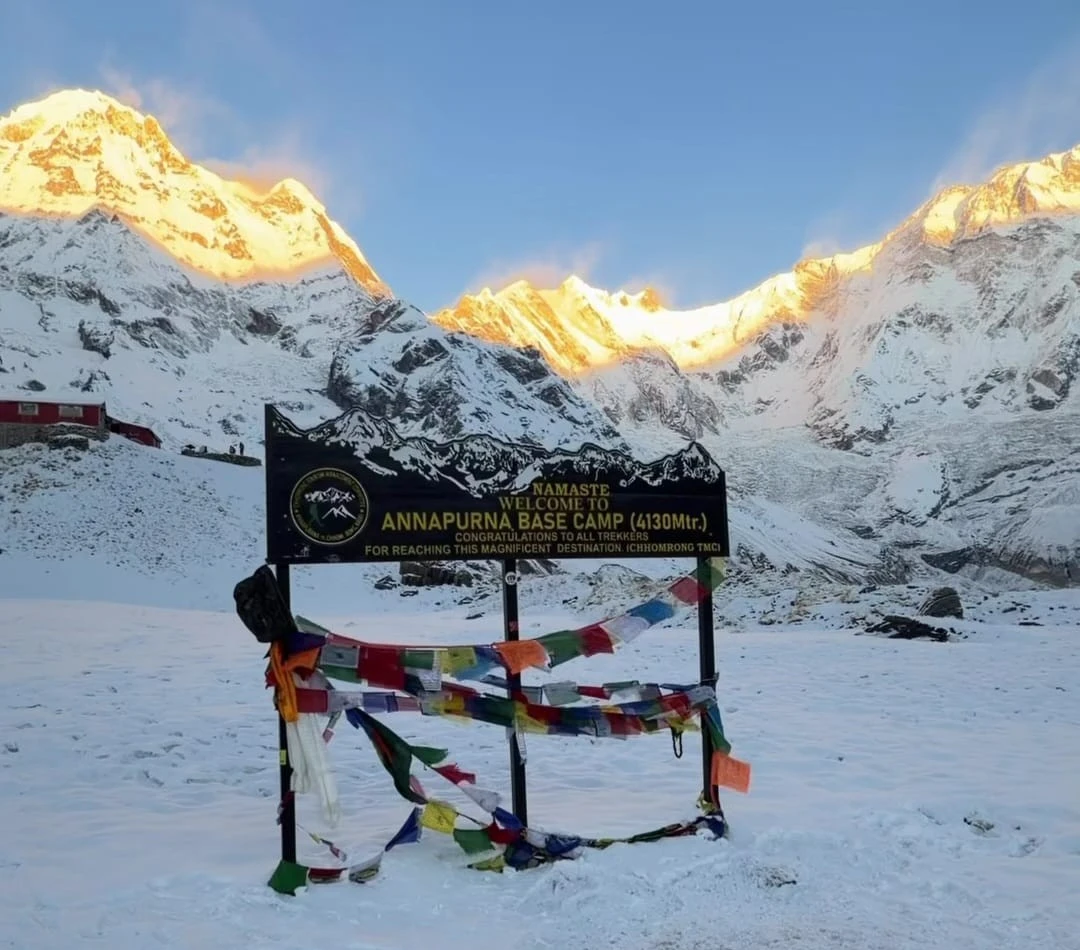
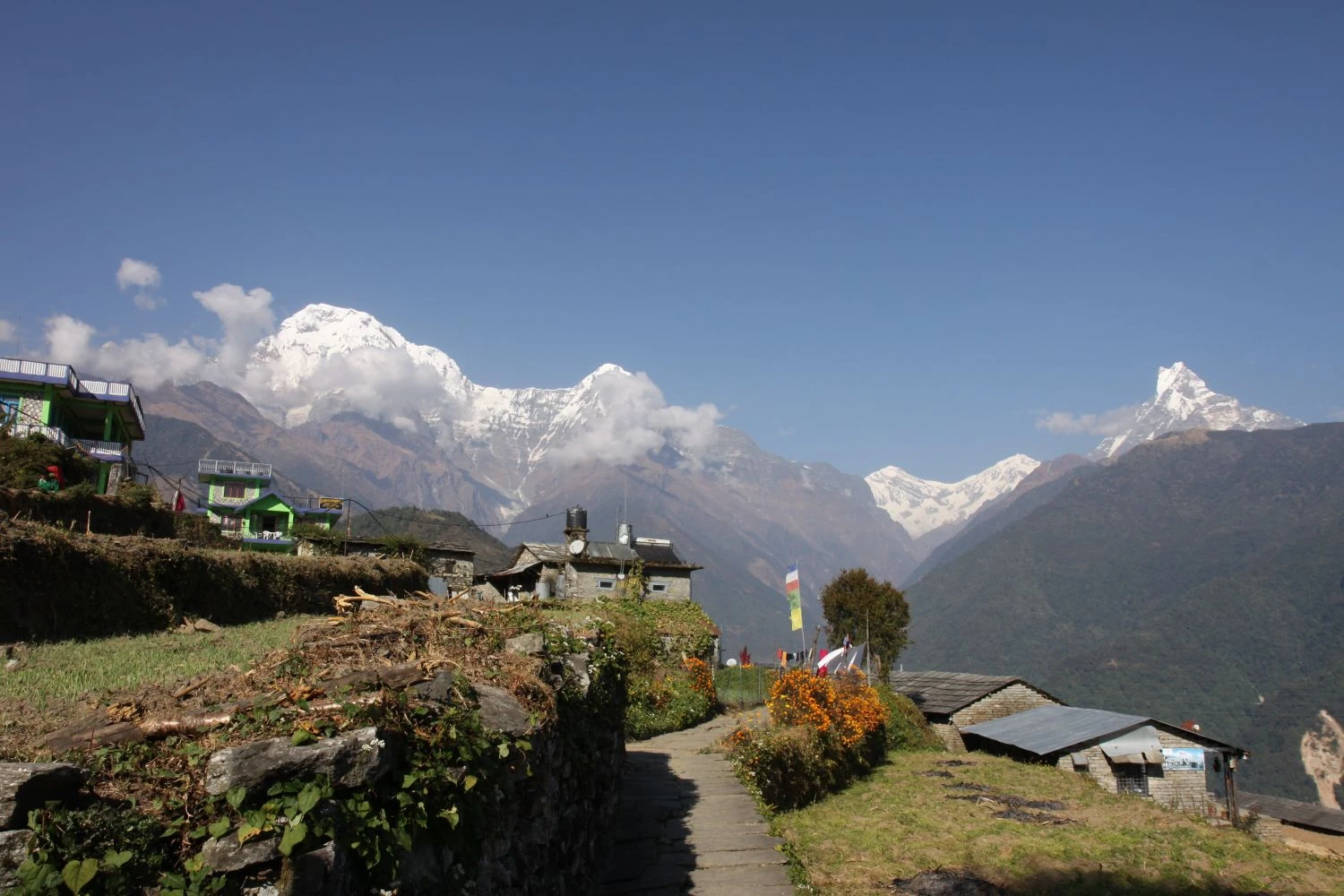
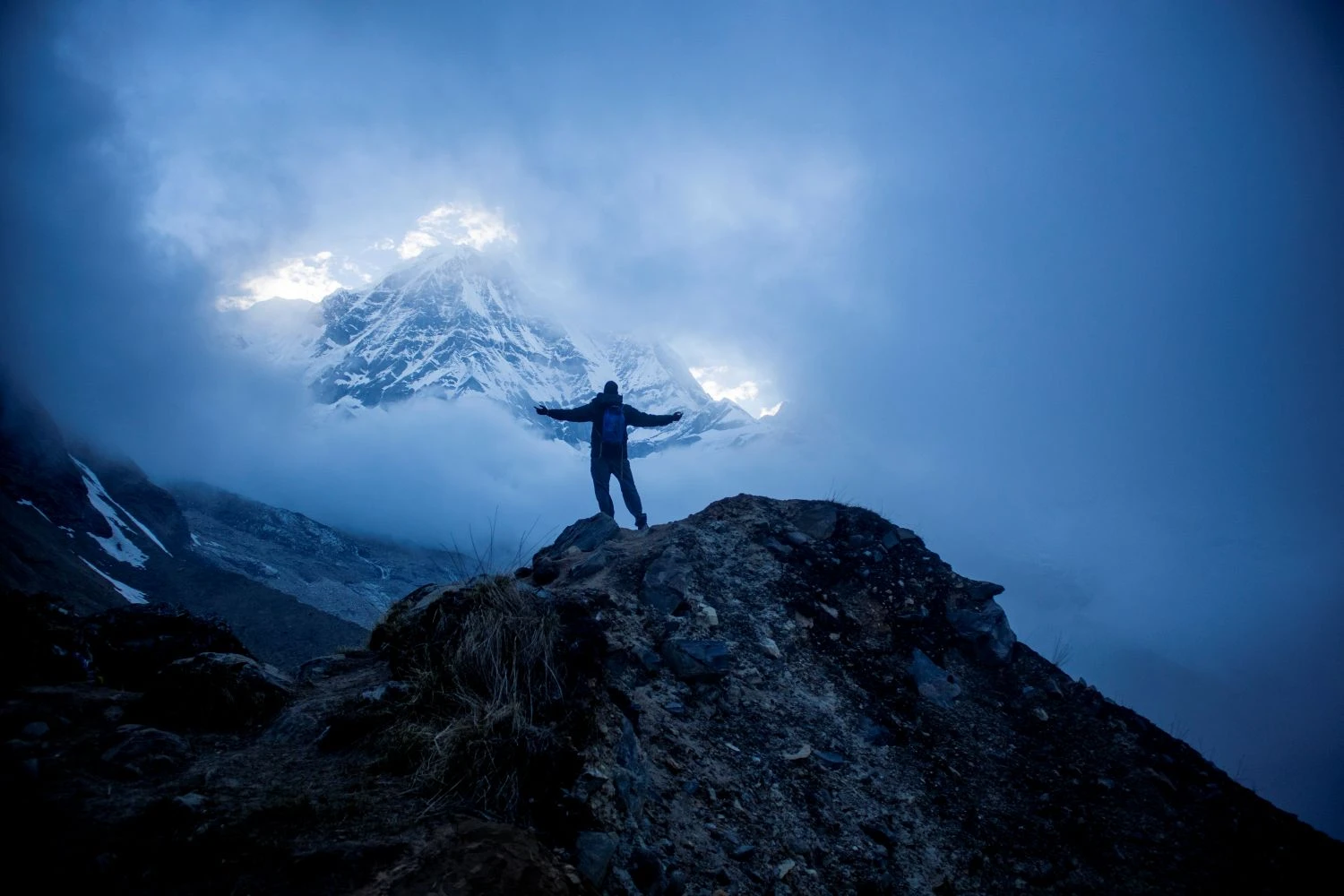
Today is the highlight of your journey as you reach Annapurna Base Camp. Surrounded by a natural amphitheater of snow-capped mountains, the experience is both peaceful and awe-inspiring. Enjoy the luxury of time, space, and unforgettable panoramic views in the heart of the Himalayas.
Wake up to a magical sunrise over the Annapurna range before beginning your descent. The return journey offers a new perspective of the landscapes you passed earlier. Relax in the comfort of your teahouse at Bamboo after a fulfilling day.
Continue your descent through forests and villages. At Jhinu Danda, you have the option to enjoy a soothing dip in natural hot springs by the river. This relaxing experience is a perfect reward after days of trekking.
On your final trekking day, walk through beautiful villages and farmlands back to Nayapul. From here, enjoy a private drive back to Pokhara. Check into your luxury hotel and spend the evening celebrating your successful trek by the lakeside.
After breakfast, you will travel back to Kathmandu in a comfortable private vehicle or optional flight. Upon arrival, check into your premium hotel and enjoy your final evening in Nepal. You may explore the city, enjoy fine dining, or simply relax.
Your incredible journey in Nepal comes to an end today. After breakfast, our team will transfer you to Tribhuvan International Airport for your departure. You leave with unforgettable memories of the Annapurna Sanctuary and the majestic Himalayas.
Altitude Graph
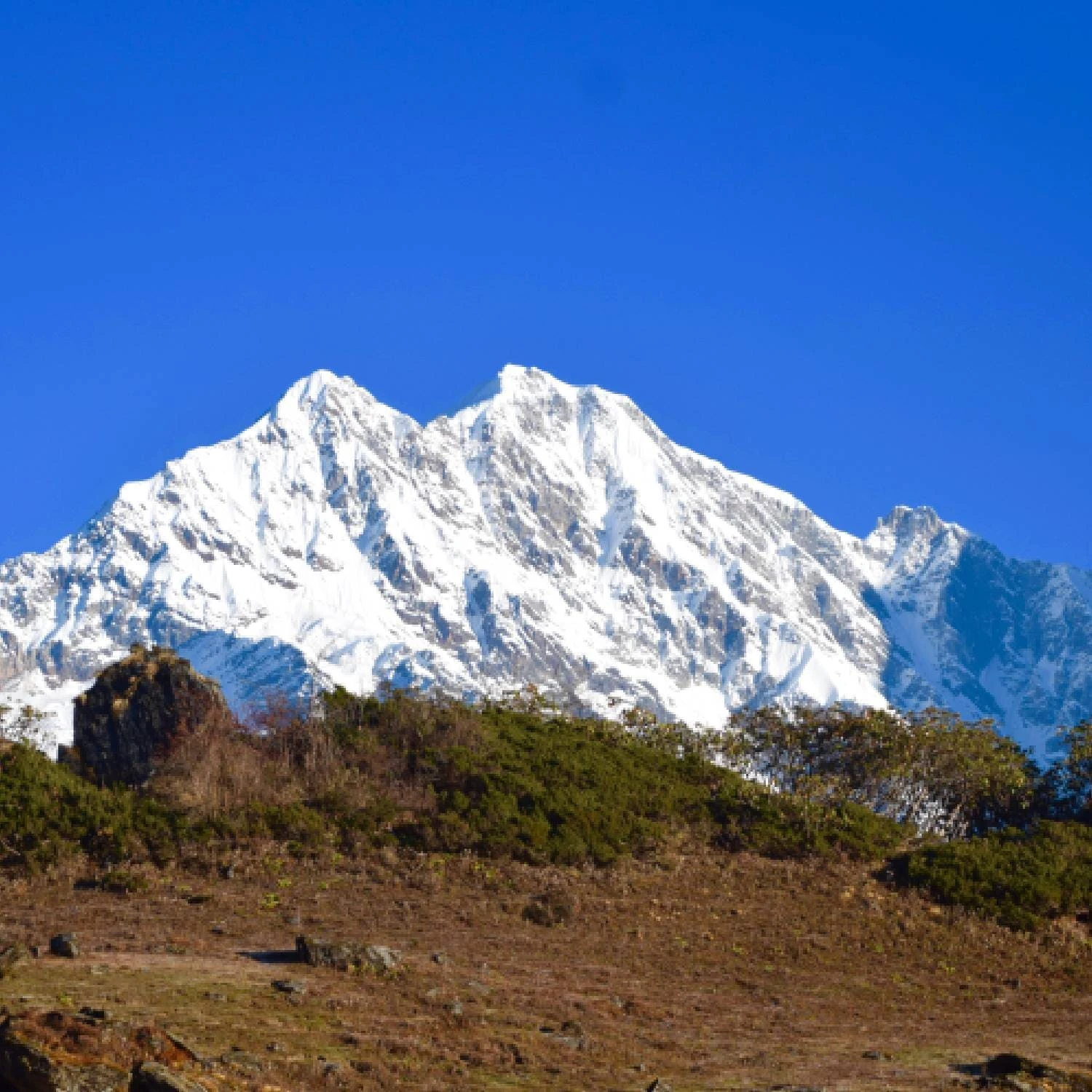
The Annapurna Sanctuary Trek, also known as the Annapurna Base Camp (ABC) Trek, is a popular trekking route in Nepal that leads to a natural amphitheater surrounded by Himalaya peaks above 6,000 meters. It offers close-up views of Annapurna I, Machapuchare, and Annapurna South.
The Annapurna Sanctuary Trek is a moderate trek. It involves daily walking of 5–7 hours with gradual altitude gain up to 4,130 meters. While no technical climbing is required, good fitness and stamina are necessary.
Yes, beginners can do the ABC trek if they have basic fitness and prepare properly. The trail is well-marked, has teahouses, and does not require technical skills, making it beginner-friendly compared to high-altitude expeditions.
The Annapurna Base Camp trek usually takes 10 to 15 days, depending on your itinerary, pace, and starting point like Pokhar
The ABC trek is considered moderately difficult. The main challenges are long walking hours, steep stair sections, and altitude above 3,000 meters, which may cause mild altitude sickness.
The Annapurna Base Camp trek is generally easier than Everest Base Camp. ABC is shorter, lower in altitude, and has less extreme weather conditions compared to EBC.
Yes, the ABC trek is absolutely worth it. It offers stunning mountain views, diverse landscapes, cultural villages, and a close-up Himalayan experience at a relatively affordable cost.
The Annapurna Circuit is a longer trek (12–20 days) that circles the Annapurna range, while ABC trek is shorter (7–12 days) and goes directly to Annapurna Base Camp.
The best months are March–May (spring) and September–November (autumn) for clear skies, stable weather, and best mountain views.
Yes, you can stay overnight at Annapurna Base Camp in teahouses. It is safe and offers an unforgettable sunrise view over the Annapurna massif.
The main risks include: * Altitude sickness * Slippery trails and steep stairs * Sudden weather changes * Avalanches in winter (rare but possible)
The Annapurna Base Camp trek is considered one of the most beautiful treks in Nepal because of its diverse scenery, cultural villages, and panoramic Himalayan views.
 Nepal
Nepal
 21
21  Sept - Nov & March - May