Destination
Nepal
Duration
17
Destination
Nepal
Duration
17
Trip Difficulty
Moderate
Accommodation
4 Star Hotel and Tea House
Meals
B, L, & D
Max. Elevation
5416
Group Size
5
Best Time
Sept - Nov & March - May
Upon arrival at Tribhuvan International Airport, you will be warmly welcomed by our experienced Sherpa team and transferred to your hotel in Kathmandu. Take this day to rest and acclimate, or stroll through Thamel’s bustling streets filled with shops, cafés, and trekking gear stores. Our team will provide a detailed briefing about the upcoming trek, ensuring that your journey starts with confidence and clarity.
Explore the spiritual and cultural treasures of Kathmandu, including Pashupatinath Temple and Boudhanath Stupa. You will also attend a trek preparation session with expert guides, who have decades of experience in the Himalayas. This day ensures that both your gear and your knowledge are ready, setting the foundation for a safe and enjoyable trekking adventure.
Drive through scenic landscapes to Besisahar and begin your trek along the Marsyangdi River to Bhulbhule. Walking through charming villages, lush forests, and terraced farmlands, you will experience the rhythm of rural Himalayan life. Stay in a local teahouse, enjoying authentic meals prepared by local families, which adds to the cultural richness of your journey.
Trekking from Bhulbhule to Jagat, you will cross rivers, stone bridges, and small villages, immersing yourself in the local culture. The trail gently ascends, allowing you to enjoy the scenic Himalayan backdrop while walking at a comfortable pace. Jagat is a quaint village where you will rest and prepare for the journey ahead.
Continue trekking along terraced fields, pine forests, and traditional villages to reach Dharapani. The trail passes through local markets and community settlements, giving you a glimpse of daily Himalayan life. Your Sherpa guides ensure safe navigation while sharing expert knowledge about the region’s culture and natural history.
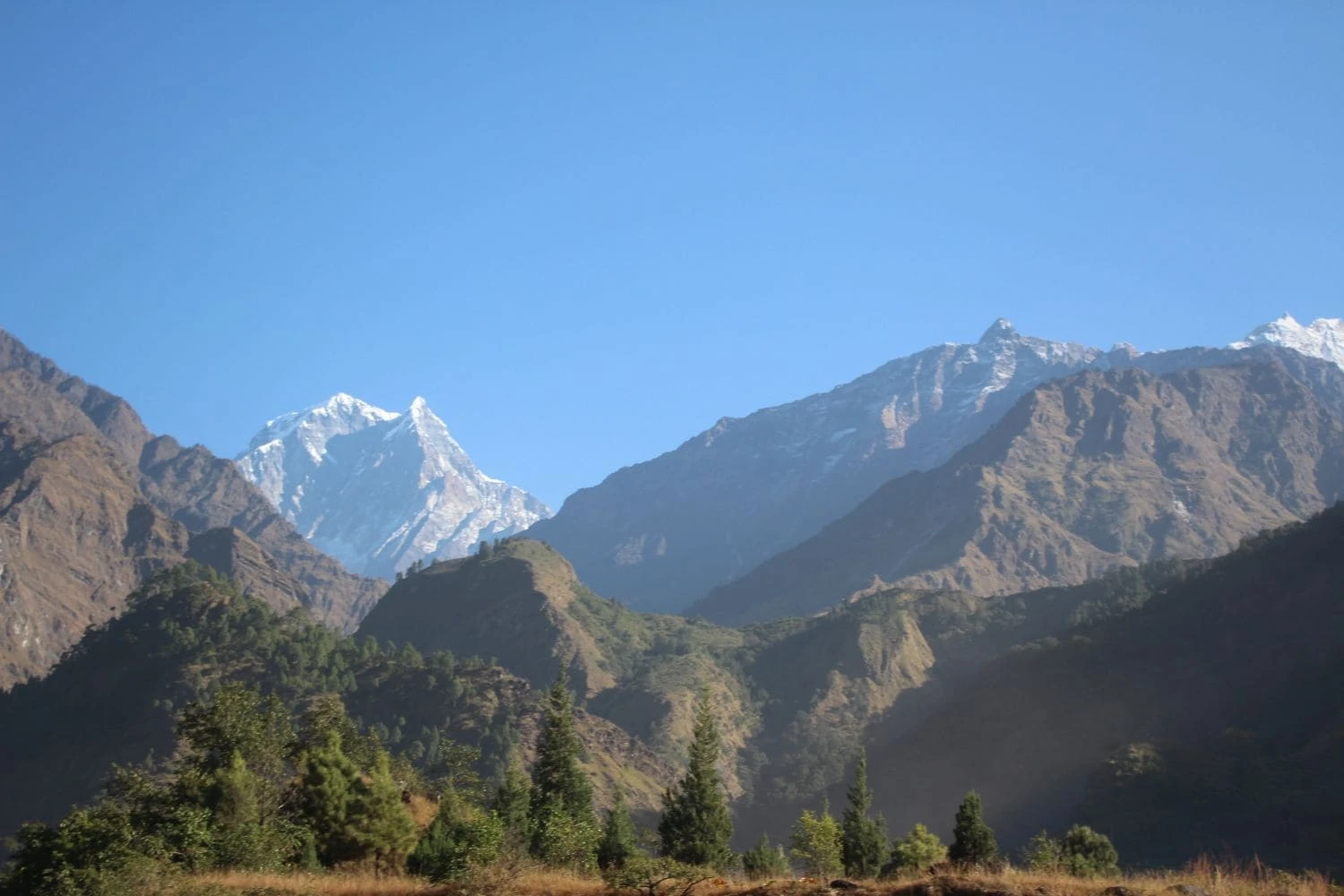
Trek through the dramatic landscapes of the Marsyangdi Valley, entering pine forests and passing cascading waterfalls. Chame, the district headquarters of Manang, offers breathtaking views of Annapurna II. Staying in local teahouses allows you to experience the warmth and hospitality of the Himalayan communities while keeping your journey environmentally sustainable.
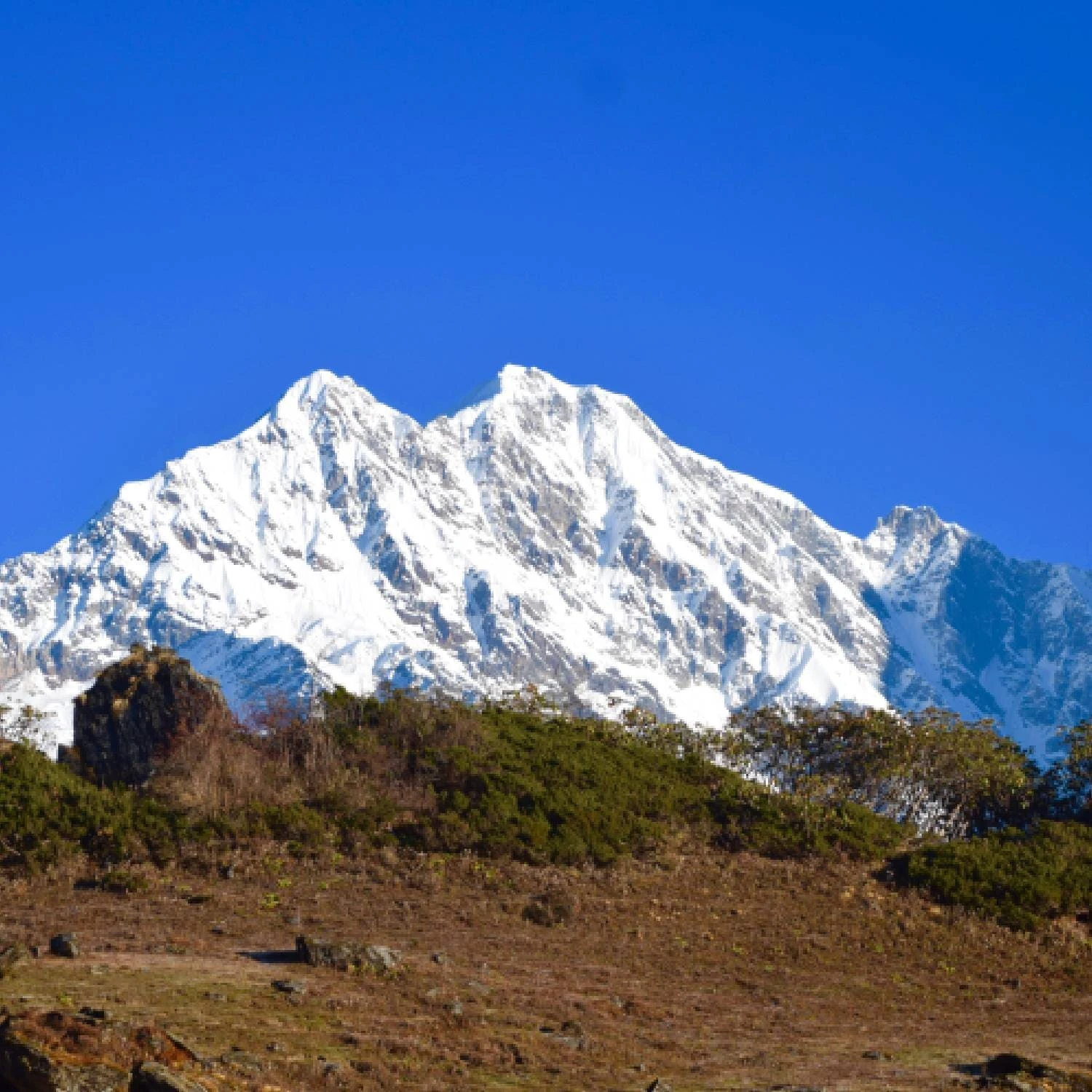
As you ascend, the trail leads through alpine terrain and offers panoramic views of Pisang Peak and Annapurna II. The villages along the way reflect centuries-old traditions, showcasing unique stone houses and Buddhist monasteries. Your guides ensure that the trek remains safe and that cultural respect is maintained at every step.
The trek gradually rises toward Manang, passing through Braka and Ngawal villages. The route reveals spectacular mountain views, including Gangapurna and Annapurna III. Manang serves as the perfect location to rest and acclimatize, and local teahouses provide insight into traditional Tibetan-influenced culture.
Spend the day acclimatizing with short hikes around Gangapurna Lake or Ice Lake. This day is crucial for adjusting to high altitudes and preventing altitude sickness. Your guides share knowledge about mountain ecology, local flora, and fauna, emphasizing safe and responsible trekking practices.
The trek continues through alpine meadows and yak pastures. Yak Kharka is a serene settlement where you can experience traditional Himalayan herding life. Walking at this altitude offers a unique perspective of the Annapurna range and surrounding peaks.
Ascend gradually toward Thorong Phedi, the base for the high pass. The trail becomes steeper, with glacial streams and rocky paths. Your guides ensure safe progress while monitoring altitude and weather conditions.
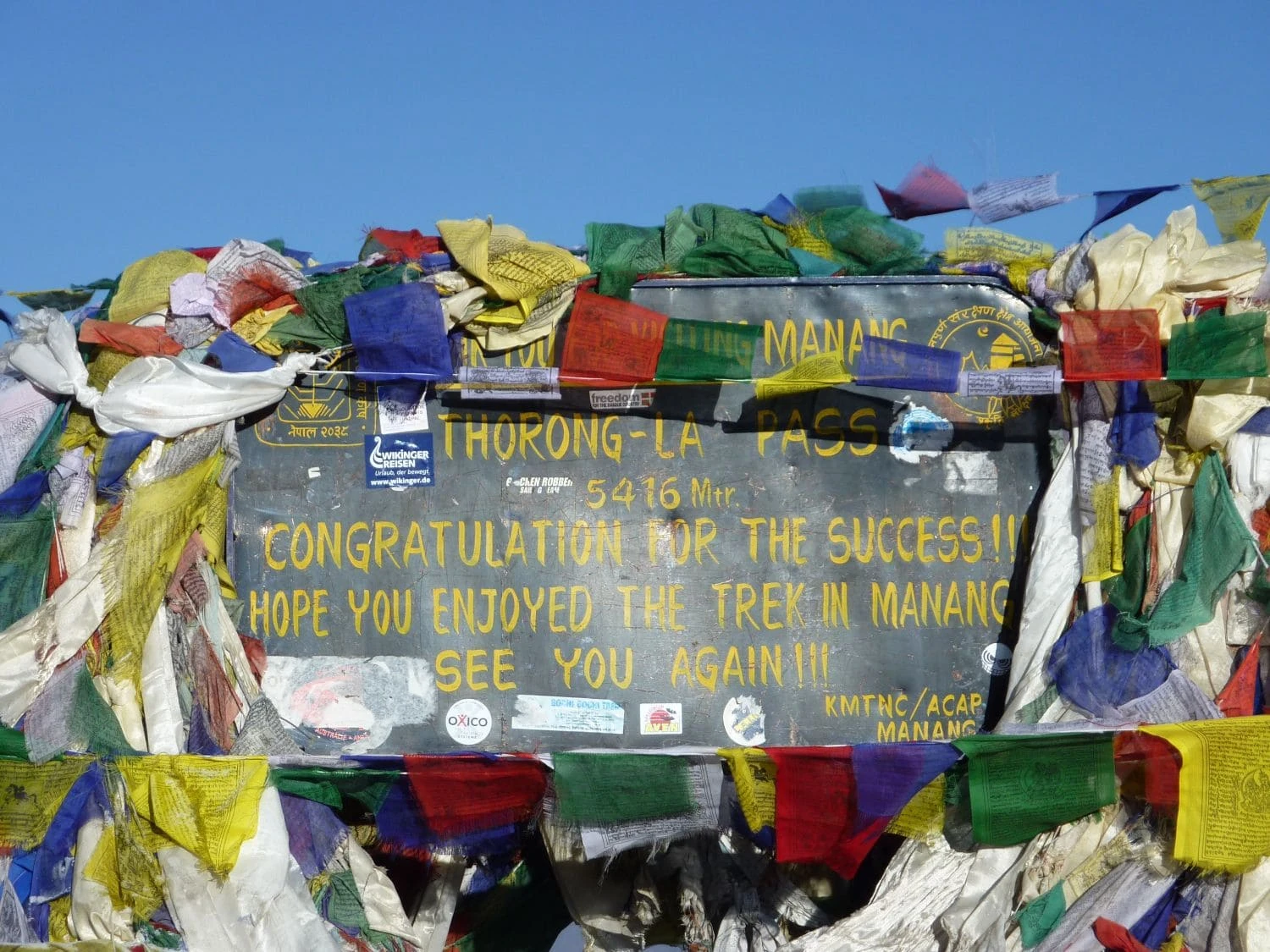
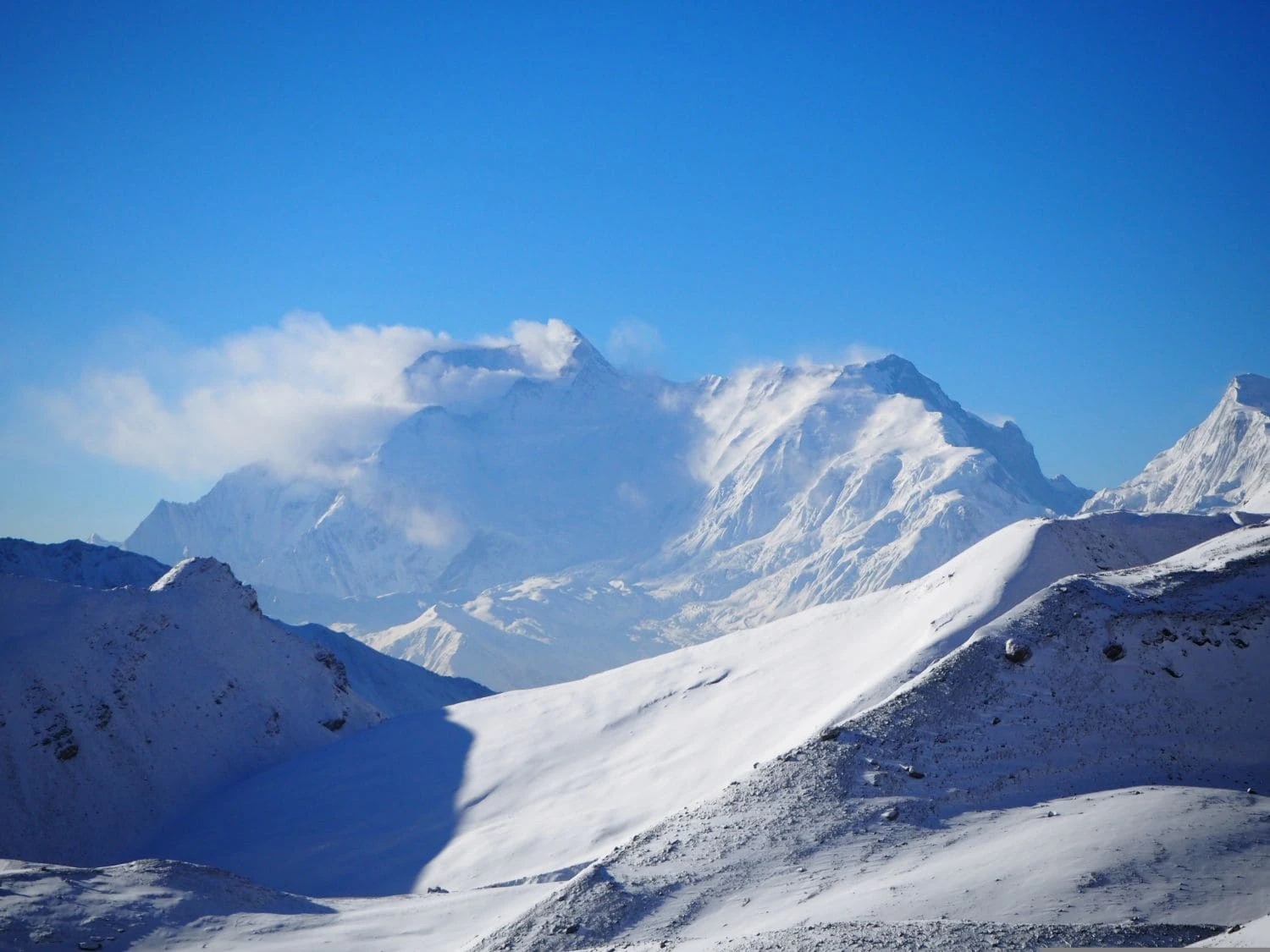
Start early to cross Thorong La Pass, the highest point of the trek at 5,416 m. Witness breathtaking 360-degree Himalayan panoramas. Descend carefully into the sacred Muktinath area, a unique site revered by both Hindus and Buddhists. This day combines physical challenge, spiritual significance, and awe-inspiring natural beauty.
Descend through the Kali Gandaki Valley toward Marpha. The trail passes through apple orchards and charming villages, showcasing Mustang’s unique cultural and architectural heritage. Your guides highlight the local traditions, making the experience both educational and memorable.
Trek downhill through terraced fields and riverside trails to reach Tatopani, famous for its natural hot springs. Take the opportunity to relax your muscles in the thermal waters, which have been cherished by local communities for generations.
Climb through rhododendron forests and scenic villages to Ghorepani. The area is renowned for spectacular sunset and sunrise views of Annapurna and Dhaulagiri, offering photographers and trekkers alike unmatched natural beauty.
Wake early for a short hike to Poon Hill to witness a breathtaking Himalayan sunrise. After descending to Nayapul, drive to Pokhara for relaxation by Phewa Lake. This day blends natural beauty, accomplishment, and comfort after the long trek.
Drive or fly back to Kathmandu for final shopping, sightseeing, or rest. Depart from Tribhuvan International Airport with memories of the Annapurna Circuit etched forever in your mind.
Altitude Graph
The Annapurna circuit trek spans approximately 179 km (111 miles) and typically takes 17 days, including acclimatization days. Daily trekking distances vary between 10 and 20 km, depending on the terrain and stops.
The total elevation gain on the Annapurna circuit trek ranges from 1,000 meters (3,280 ft) in the lowlands to 5,416 meters (17,769 ft) at Thorong La Pass, the highest point of the circuit.
The best time to do the Annapurna circuit trek is from spring (March–May) and autumn (September–November) for clear skies, moderate temperatures, and stable trekking conditions. Winter is cold and snowy at higher altitudes, while the monsoon season (June–August) brings heavy rain and slippery trails.
Annapurna circuit trek Costs vary depending on your style of travel. On average: * Budget trekking: $800–$1,200 per person * Mid-range trekking: $1,200–$1,800 per person * Luxury trekking: $1,800+ per person This usually includes accommodation, meals, guide/porter services, and permits (TIMS and ACAP).
The ACT cost includes are: * Accommodation in tea houses/lodges * Breakfast, lunch, and dinner during trekking * Experienced trekking guide and porter * Trekking permits (TIMS, ACAP) * Transportation from Kathmandu to the starting point and back
Yes, you will need a guide and porter for the Annapurna circuit trek becuase its important for you to look after your safety, navigation, and cultural insights. Porters can help carry heavy luggage and make your trek more comfortable.
The Annapurna circuit tre is moderate to strenuous, with long walking days and high-altitude challenges. Proper physical preparation, acclimatization, and pacing are essential to avoid altitude sickness.
Most nights are spent in tea houses or lodges offering basic rooms with beds, blankets, and shared bathrooms. Hot showers are available in larger villages but may be limited in remote areas.
Both are possible. Independent trekkers should have trekking experience and good navigation skills. Joining a tour operator ensures support with logistics, permits, accommodation, and local knowledge.
Yes, generally, the Annapurna circuit trek is safe. Risks include altitude sickness, weather changes, and slips/falls, so it’s important to acclimatize, trek in good conditions, and follow safety advice from guides.
Absolutely. You’ll visit traditional villages, monasteries, and local markets, interact with Gurung, Thakali, and Manangi communities, and experience Nepalese mountain hospitality firsthand.
Moderate fitness is required. Daily treks of 5–8 hours, sometimes on steep or rocky terrain, demand cardiovascular endurance, leg strength, and stamina. Pre-trek conditioning, like hiking, running, or cycling, is recommended.
 Nepal
Nepal
 21
21  Sept - Nov & March - May