Destination
Nepal
Duration
50
Destination
Nepal
Duration
50
Trip Difficulty
Strenuous
Accommodation
4 Star/ Star Hotel, Tent and Tea House
Meals
B, L, & D
Max. Elevation
8481
Group Size
20
Best Time
Sept - Nov & March - May
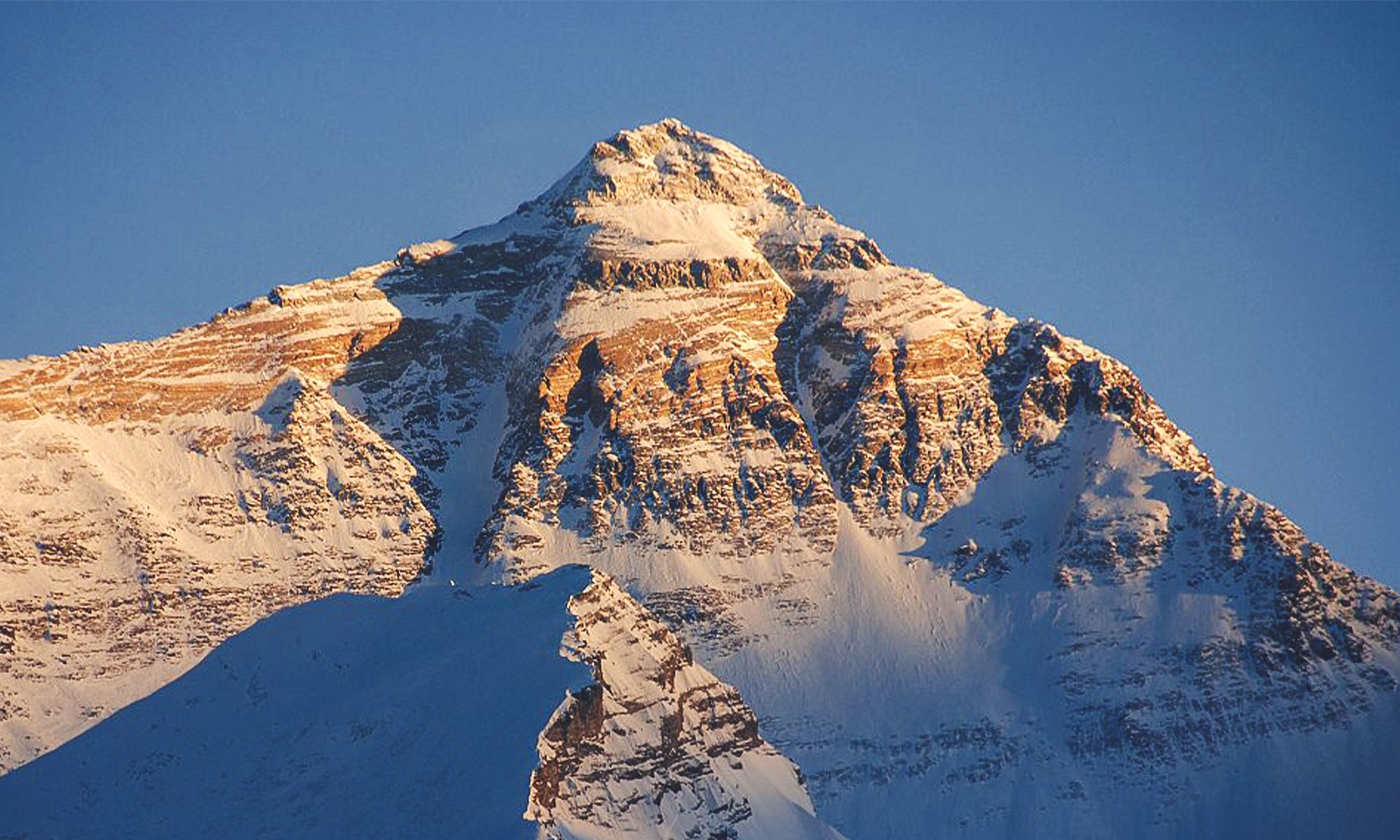
Makalu, the world’s fifth-highest peak at 8,481 meters, stands as one of the most challenging and awe-inspiring mountains in the Himalayas. Nestled in the remote eastern region of Nepal, Makalu offers adventurers a truly off-the-beaten-path expedition experience, combining extreme mountaineering with breathtaking natural beauty.
Unlike more popular peaks, Makalu demands technical skills, endurance, and careful acclimatization, making it a dream for seasoned climbers seeking a serious Himalayan challenge.
A Makalu expedition is not just about reaching the summit t’s an immersive journey through rugged landscapes, high-altitude glaciers, and pristine valleys. Climbers experience authentic Sherpa culture, navigate dramatic ridges, and witness panoramic views of neighboring giants like Everest, Lhotse, and Kanchenjunga.
With expert guidance, professional support teams, and meticulous planning, Makalu expeditions offer a unique blend of adventure, accomplishment, and Himalayan wonder.
Perfect for experienced mountaineers, these expeditions provide a once-in-a-lifetime opportunity to stand at the foot or the summit of one of the world’s most majestic peaks while exploring the untouched wilderness of eastern Nepal.
Embark on the ultimate Himalayan adventure with our Makalu Expedition, designed for experienced climbers seeking the pinnacle of mountaineering challenges. Makalu, the world’s fifth-highest peak at 8,481 meters, is renowned for its technical difficulty, dramatic ridges, and breathtaking glaciers, offering a truly unparalleled climbing experience.
Unlike more frequented peaks, Makalu takes you deep into the remote eastern region of Nepal, providing an off-the-beaten-path journey where natural beauty and adventure meet in their purest form.
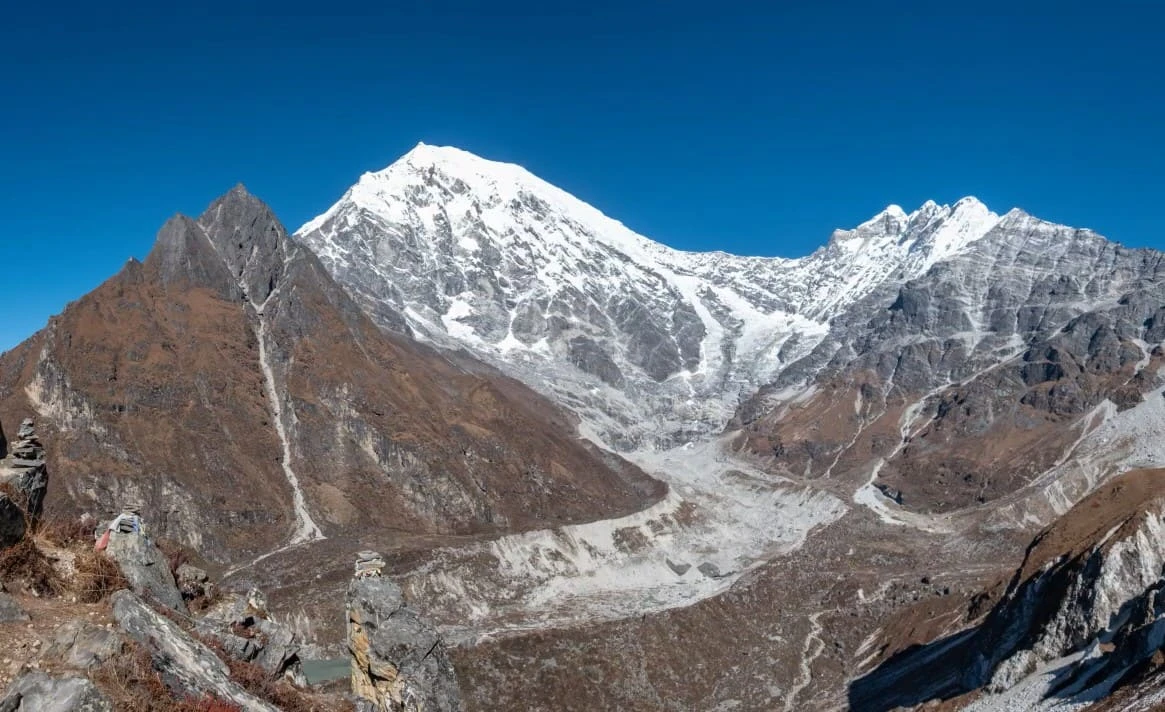
This expedition takes you far from the crowded trails of the Everest and Annapurna regions. Trek through pristine alpine valleys, dense rhododendron forests, and the untouched wilderness of Makalu Barun National Park. Experience the thrill of navigating rugged terrain, glacial landscapes, and high-altitude ridges that few adventurers ever witness.
Along the way, you’ll encounter remote Sherpa villages and immerse yourself in authentic local culture, making the journey as enriching as the summit itself.
Safety and success are at the heart of our expeditions. Our team includes highly experienced mountaineering guides and skilled Sherpas who provide technical support, route management, and high-altitude expertise.
Every aspect of the climb from acclimatization schedules to equipment logistics is meticulously planned to ensure your expedition is as safe, efficient, and rewarding as possible.
Upon arrival at Tribhuvan International Airport in Kathmandu, you will be warmly welcomed by your expedition team. Transfer to your hotel in the heart of Kathmandu and settle in after your journey. Take the evening to rest, recover from travel, and enjoy the vibrant city surroundings. The day concludes with a welcome meeting where you are introduced to your guides and Sherpa team, receive your first briefing, and review the itinerary ahead. This is your first opportunity to immerse yourself in Nepal’s rich culture while preparing for the adventure to come.
Spend a full day in Kathmandu acclimatizing to the local environment. Attend a comprehensive expedition briefing where your guides explain the Makalu route, climbing schedule, high-altitude safety measures, and technical requirements. Equipment checks, personal gear adjustments, and tips on high-altitude trekking will be conducted. You can also explore Kathmandu’s cultural landmarks or enjoy local cuisine while mentally preparing for the challenging expedition ahead.
Take an early morning scenic flight from Kathmandu to Tumlingtar, a small airport in eastern Nepal serving as the gateway to the Makalu region. From Tumlingtar, embark on a drive through rolling hills and rural villages, arriving at Num, your first stop in the mountains. Num offers a glimpse of traditional Nepalese village life, surrounded by terraced fields and forested slopes. This day is ideal for light walking and stretching after the flight.
Begin your trek along the well-marked trails that follow rivers and pass through dense forests and small villages. The trail gradually ascends, giving your body time to adjust to the higher altitude. Along the way, enjoy views of distant Himalayan peaks and interact with locals going about their daily routines. Seduwa, a picturesque village nestled in the hills, provides a comfortable lodge for the night.
Today’s trek introduces slightly steeper climbs through rhododendron forests and terraced farmland. The trail passes small, traditional villages where you may witness local customs and lifestyles. Tashi Gaun, your destination for the night, is an excellent place for acclimatization before higher altitudes.
Take a rest day at Tashi Gaun to acclimatize. Gentle hikes around the village allow your body to adapt to the increasing altitude, while the surrounding forests and ridges provide breathtaking views of distant snow-capped peaks. Guides provide instruction on high-altitude trekking techniques and safety measures for the days ahead.
A longer and more challenging trekking day through alpine terrain, forests, and river valleys. The landscape becomes more rugged as you ascend, with panoramic views of Makalu and nearby peaks emerging. Khongma is a high-altitude village where you spend the night in a lodge, preparing for the move toward the Base Camp.
Trek through high-altitude valleys and glacial streams to reach Dobato. This marks the start of camping accommodations, bringing you closer to the wilderness and the mountains. The environment becomes stark and dramatic, with sparse vegetation and a sense of isolation. Your guides help set up camp, ensuring tents are secure and supplies are organized.
Continue trekking along the rugged terrain of the Makalu region. Yangle Kharka is a picturesque campsite surrounded by alpine meadows and glacial streams. The trek involves navigating steep sections, small ridges, and open valleys, offering spectacular views of Makalu’s massive ridges.
Ascend into higher alpine landscapes with breathtaking panoramas of surrounding peaks. Langmale Kharka is an expansive campsite, perfect for resting before reaching Lower Base Camp. This day helps your body adapt to higher altitudes and prepares you for the serious climbing ahead.
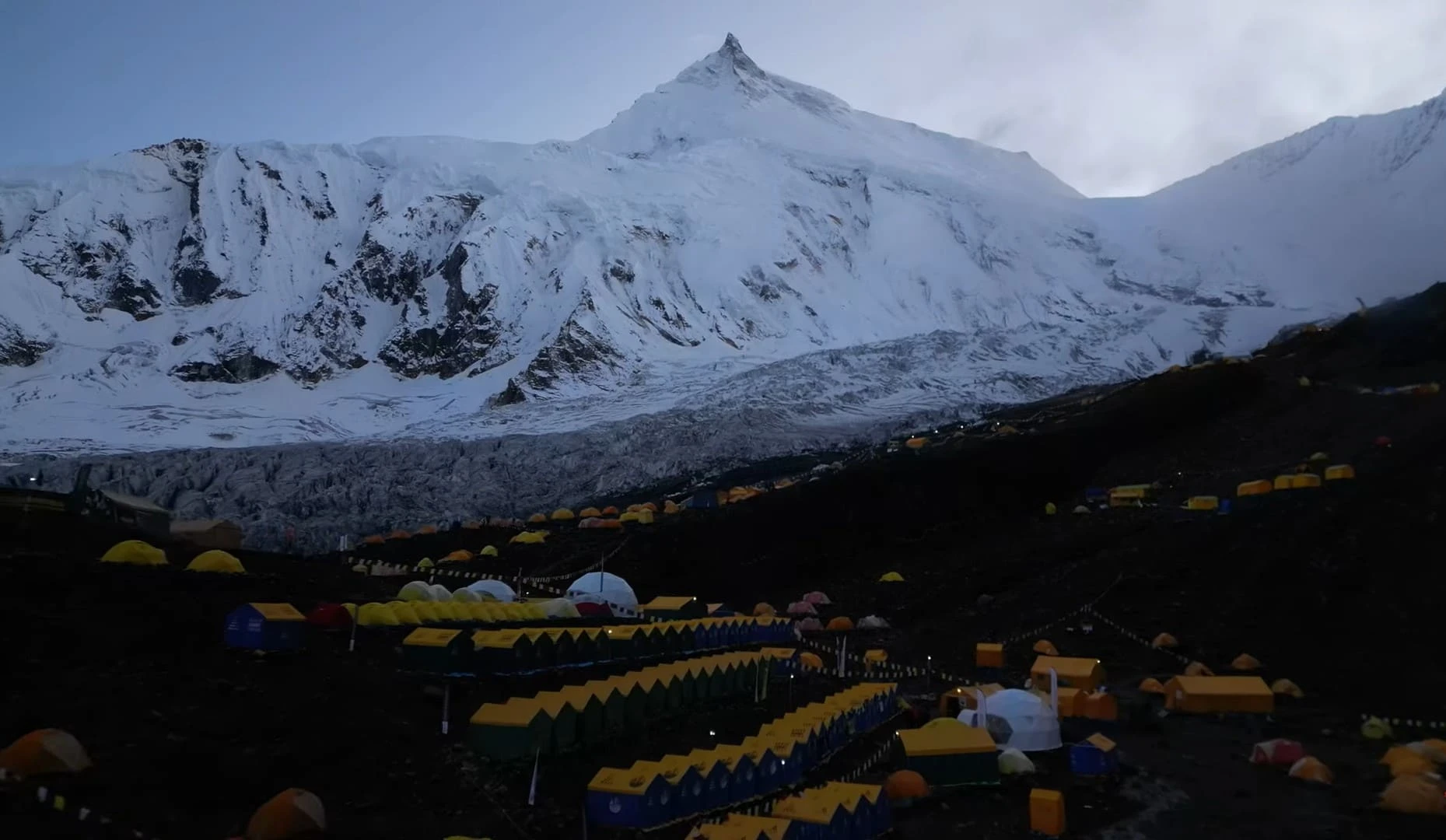
Arrive at Lower Base Camp, the staging point for all summit attempts. Spend the day acclimatizing, organizing gear, and scouting the surrounding glaciers. The sheer size and scale of Makalu become apparent here, and climbers can enjoy close-up views of its impressive ridges and technical faces.
Rest and acclimatize with optional short hikes to nearby ridges or glaciers. These days are crucial for preparing your body for higher camps and the summit attempt. Guides review climbing techniques, rope work, and high-altitude safety drills.
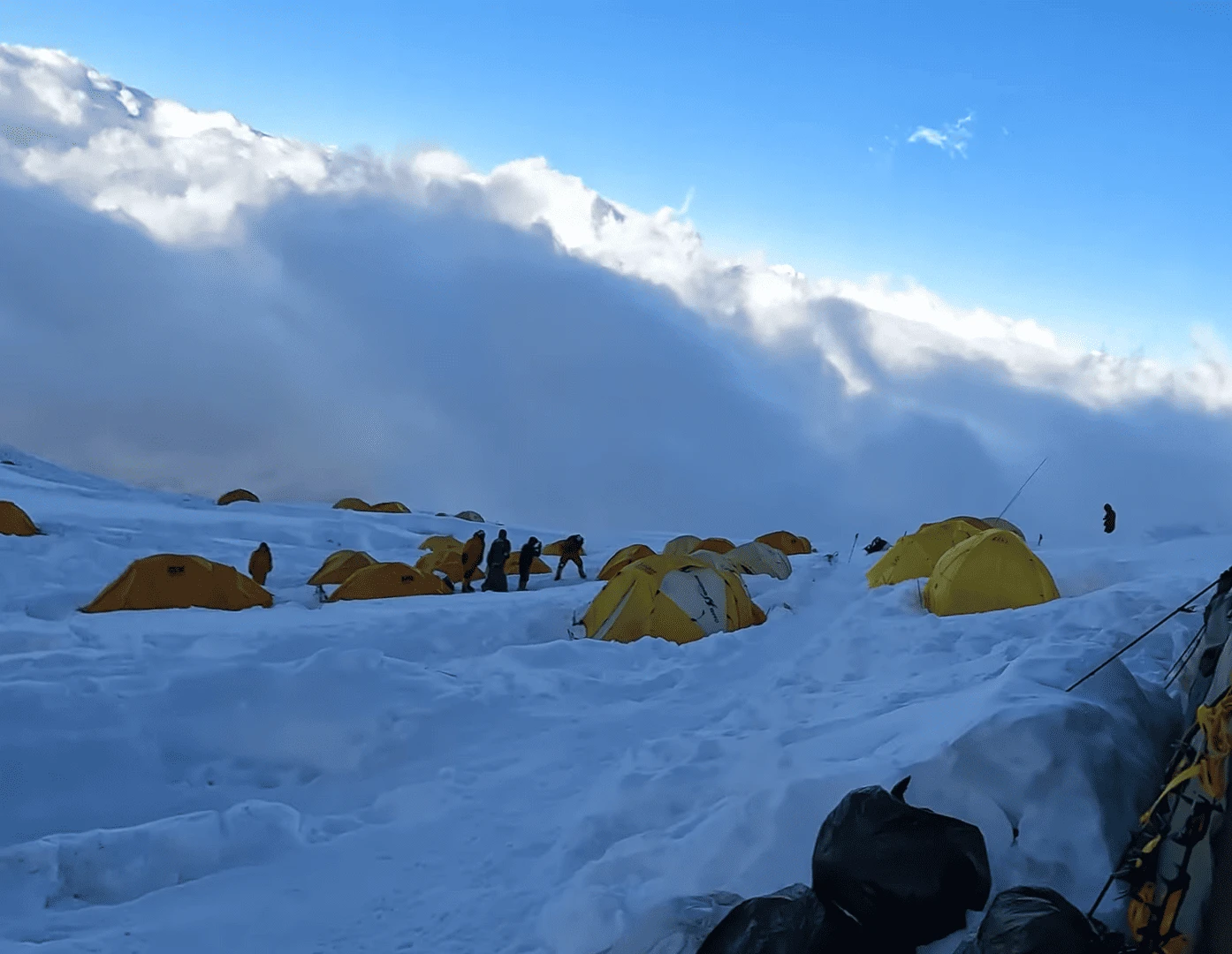
Move to Main Base Camp at 5,600m. The climb involves navigating moraines and small glaciers, giving climbers their first exposure to high-altitude technical terrain. The camp offers stunning views of Makalu’s upper ridges and the surrounding high Himalayan peaks.
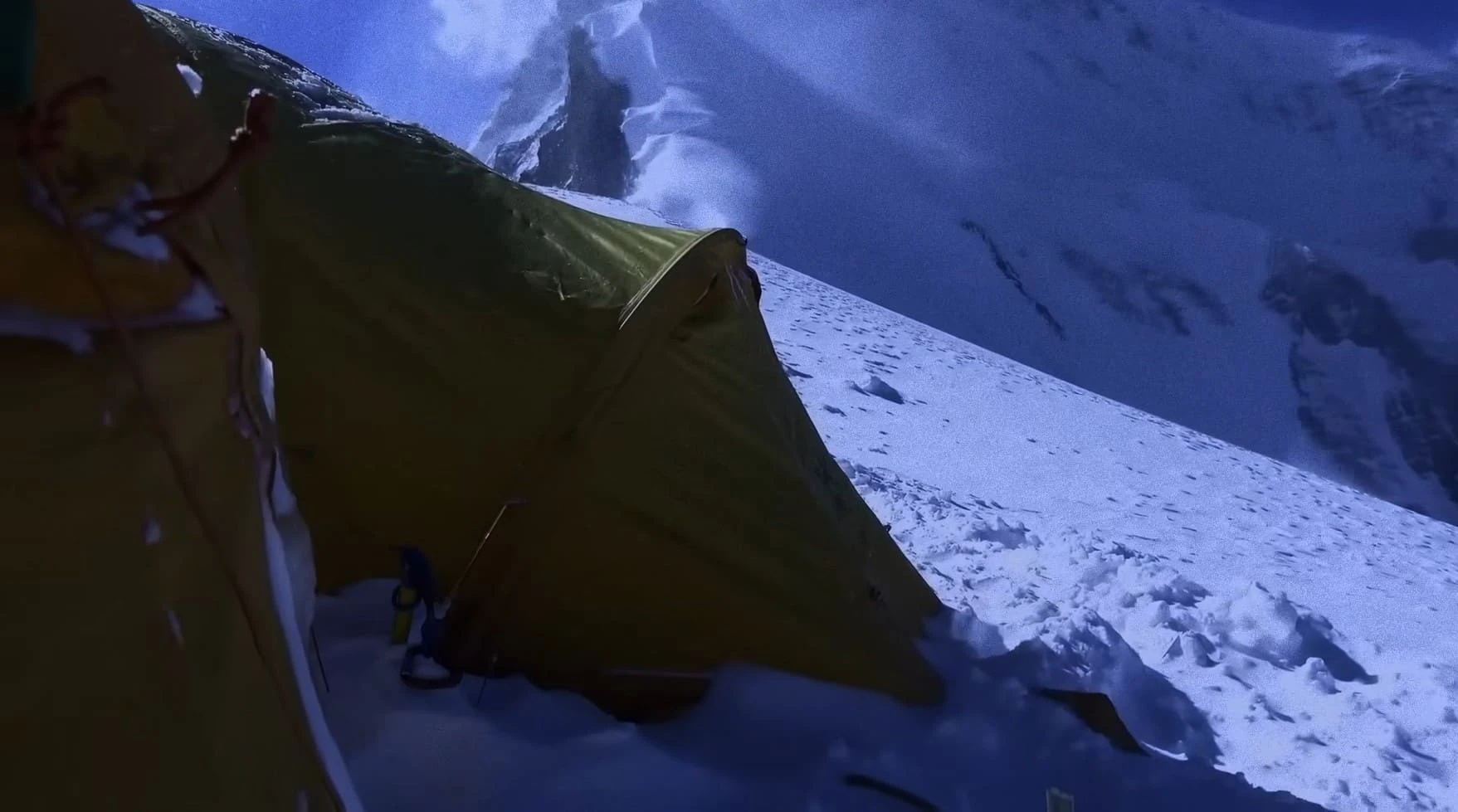
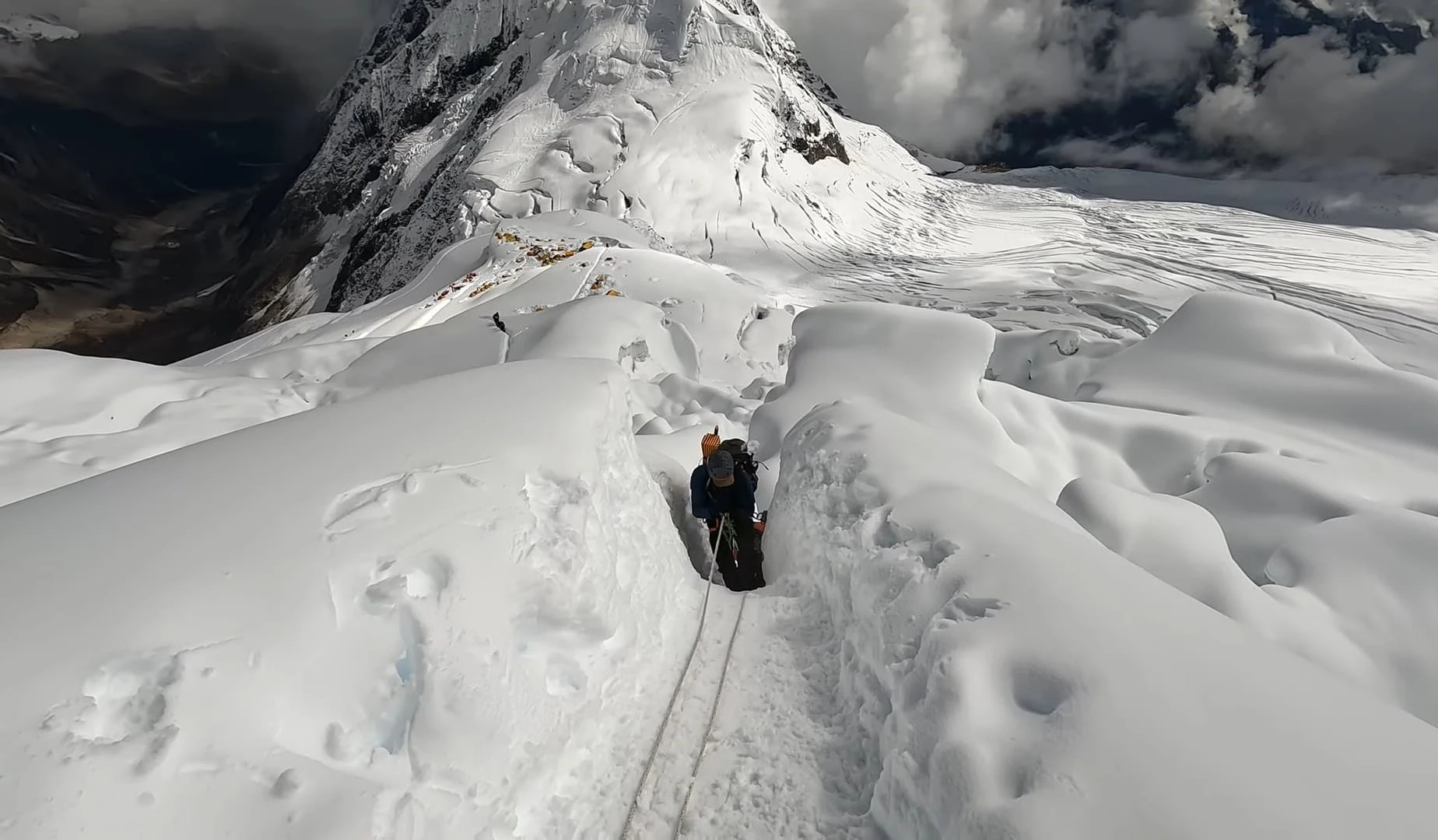
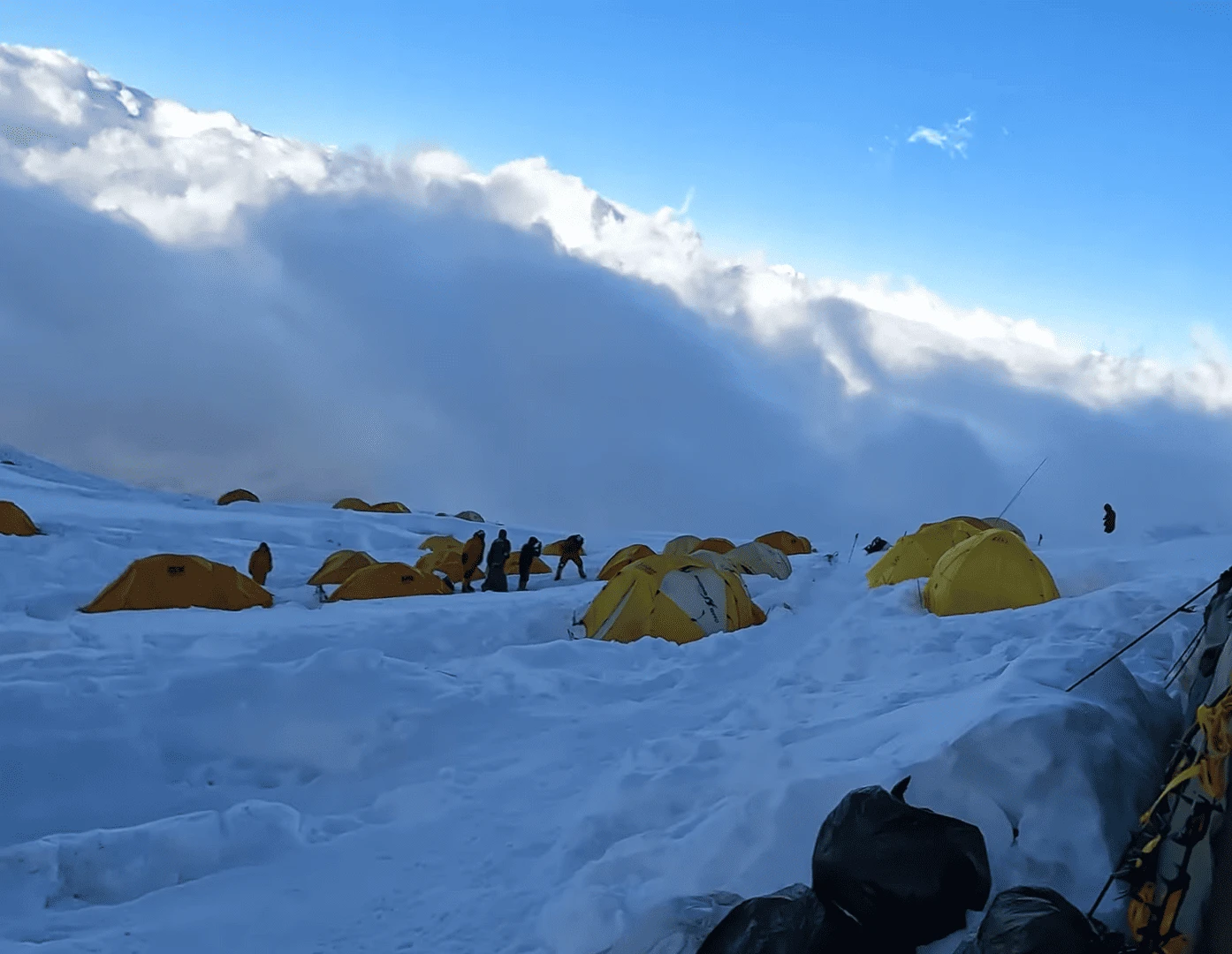
Over the next two weeks, climbers rotate between Base Camp and higher camps (Camp I, II, III) to gradually acclimatize. Each rotation includes carrying loads, practicing rope and ice techniques, and sleeping at progressively higher altitudes. These rotations are essential for building strength, endurance, and confidence before the summit push.
The final summit attempt involves moving from Base Camp to Makalu’s summit (8,485m) and returning safely. Climbers navigate glaciers, ice walls, and steep ridges, facing extreme conditions that demand technical skill, careful planning, and mental resilience. Success at the summit offers unparalleled views and a life-changing achievement.
After the summit push, the team organizes and cleans Base Camp, packing gear and ensuring the environment is left pristine. Rest and recover after the intense climbing period.
Begin your descent retracing the route through Langmale Kharka, Yangle Kharka, Dobato, Khongma, and Tashi Gaun. Overnight stays are in lodges along the trail, giving climbers time to reflect on their achievement and enjoy the mountains one last time.
Drive to Tumlingtar and take a flight back to Kathmandu. Upon arrival, transfer to your hotel for a relaxing evening, celebrating the completion of the expedition.
Spend the day exploring Kathmandu, visiting temples, markets, or relaxing at the hotel. This day is ideal for recovery, shopping, and experiencing the vibrant culture of Nepal’s capital.
Transfer to Tribhuvan International Airport for your onward flight. Depart with memories of a challenging and unforgettable Himalayan expedition, having experienced the grandeur of Makalu and the remote beauty of eastern Nepal.
Altitude Graph
Warm expedition hat or insulated beanie
Balaclava or face mask
Buff / neck gaiter
Glacier sunglasses (Category 4 protection)
Ski goggles for storms and high winds
Sun hat or cap for lower elevations
Headlamp with spare batteries (2 recommended)
High SPF sunscreen (50+)
SPF lip balm
UV protective face cover
Layering is essential because temperatures can range from warm valleys to −40°C at higher camps.
Moisture-wicking base layer tops (2–3)
Mid-weight thermal tops
Fleece jacket or grid fleece
Softshell jacket
Down jacket (heavy expedition down parka)
Hardshell waterproof jacket (Gore-Tex or equivalent)
Lightweight trekking shirt
Expedition down suit or down jacket & pants combination
Base layer thermal bottoms (2–3)
Softshell climbing pants
Waterproof hardshell pants
Insulated down pants for high camps
Trekking pants for lower elevations
Underwear (quick-drying)
Gaiters (heavy-duty mountaineering)
Proper boots are critical for climbing Mount Makalu.
Expedition mountaineering boots (8000m rated)
Base camp shoes or trekking shoes
Camp booties or insulated down booties
Thick wool expedition socks (4–5 pairs)
Liner socks
Mountaineering crampons
Ice axe (technical mountaineering)
Climbing harness
Helmet
Carabiners (locking and non-locking)
Ascender (Jumar)
Belay/rappel device
Trekking poles
Prusik loops
Fixed line safety lanyard
Heavy-duty duffel bag
Daypack (30–40L)
Expedition backpack (70–90L)
Personal first aid kit
High altitude medication (Diamox if prescribed)
Pain relievers
Blister treatment kit
Hand sanitizer
Wet wipes
Toothbrush and toothpaste
Small quick-dry towel
Nail clipper
Personal prescription medicines
Rehydration salts
Energy snacks / electrolyte tablets
Passport (valid for at least 6 months)
Nepal visa
Travel insurance (high-altitude rescue coverage)
Passport photos
Copies of permits and expedition documents
Flight tickets
Emergency contact list
Credit card and some cash (USD/NPR)
Sleeping bag (-40°C expedition rated)
Sleeping bag liner
Inflatable sleeping pad
Water bottles (insulated recommended)
Thermos flask
Water purification tablets or filter
Power bank / solar charger
Camera or GoPro
Notebook and pen
Books or entertainment for base camp
Snacks and comfort food
Large waterproof stuff sacks
Laundry bag
Repair kit (duct tape, gear patches)
Mount Makalu is located in eastern Nepal near the Nepal–Tibet border, within the Makalu Barun National Park. It lies in a remote Himalayan region close to the Everest area, known for its untouched wilderness.
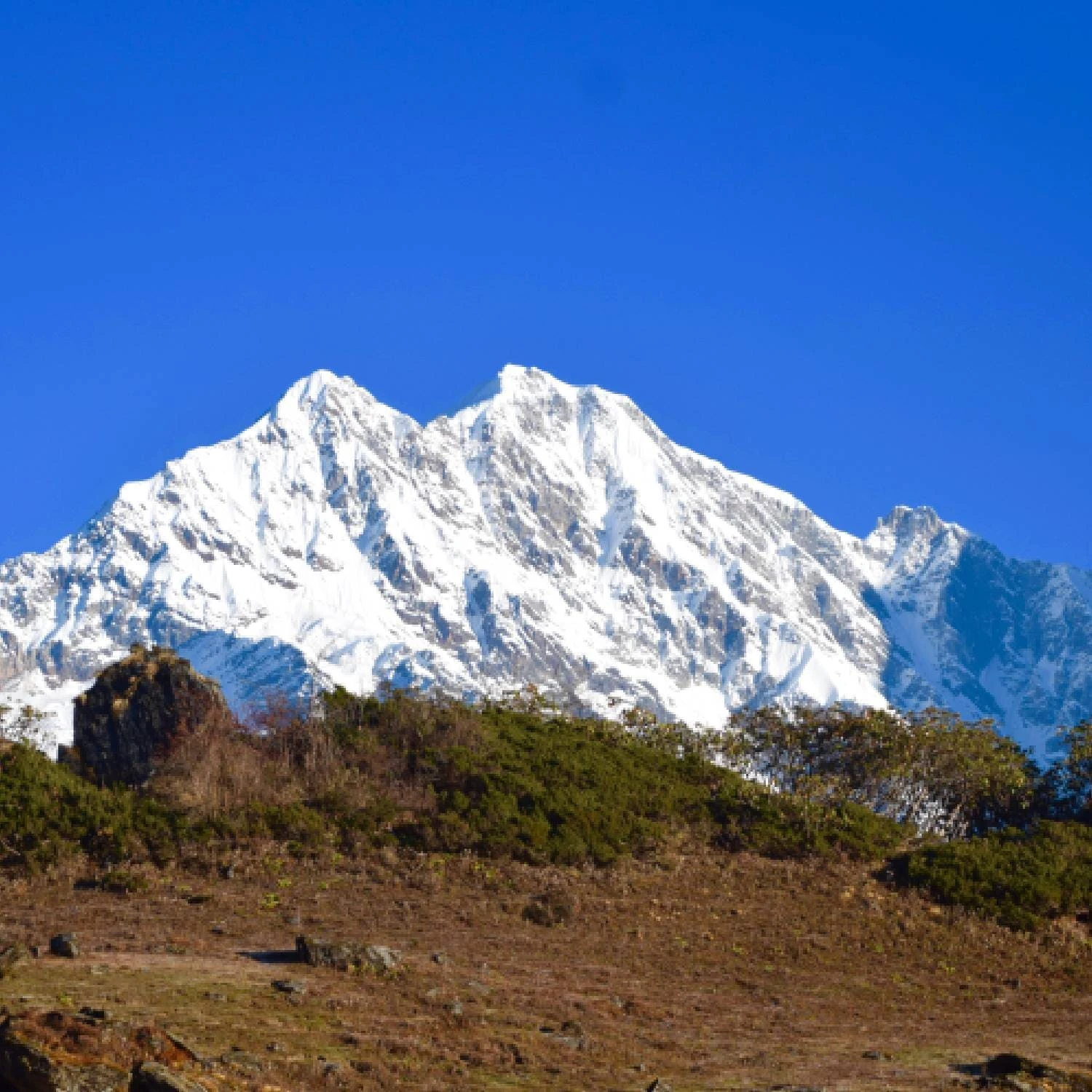
Mount Makalu stands at 8,485 meters (27,838 feet), making it the fifth-highest mountain in the world. Its sharp pyramid summit makes it one of the most striking peaks in the Himalayas.
Makalu is considered one of the most challenging 8,000-meter expeditions due to steep technical sections and extreme altitude. It is recommended only for climbers with strong high-altitude and mountaineering experience.
The Makalu Expedition typically takes around 50 to 65 days, including trekking, acclimatization, and summit attempts. The exact duration depends on weather conditions and team progress.
The best time to climb Makalu is during the spring season (April to May) when weather is more stable. Autumn (September to October) is also possible but tends to be colder.
The most common route is the Southeast Ridge, which involves glacier travel, steep snow slopes, and technical summit climbing. Fixed ropes are usually required for safety on higher sections.
Yes, climbers should have prior experience on peaks above 6,500–7,000 meters and strong technical skills. Makalu is not suitable for beginners because of its demanding terrain and altitude.
Climbers need a Makalu climbing permit issued by the Nepal government along with Makalu Barun National Park entry permits. Most expedition operators handle all necessary documentation.
The journey usually starts with a flight from Kathmandu to Tumlingtar, followed by a drive and multi-day trek through remote valleys. Reaching base camp generally takes about 8 to 10 days of trekking.
Supplementary oxygen is optional but commonly used during summit attempts due to the extreme altitude. Climbing without oxygen is possible but significantly more difficult and risky.
The cost of a Makalu Expedition generally ranges from USD 18,000 to 35,000 or more depending on support level, logistics, oxygen, and Sherpa assistance. Prices vary based on services included in the package.
Major risks include altitude sickness, avalanches, extreme cold, crevasses, and sudden weather changes. Proper acclimatization and experienced guides are essential for safety.
Rescue is possible but challenging because Makalu is very remote. Helicopter evacuation may work in lower regions, but above base camp, rescue becomes extremely difficult.
Makalu is famous for its technical difficulty, remote approach, and less crowded climbing routes. It offers a true wilderness expedition experience for serious mountaineers.
 Nepal
Nepal
 21
21  Sept - Nov & March - May