Destination
Nepal
Duration
17
Destination
Nepal
Duration
17
Trip Difficulty
Moderate
Accommodation
4 Star/ Star Hotel, Tent and Tea House
Meals
B, L, & D
Max. Elevation
6476
Group Size
25
Best Time
Sept - Nov & March - May
Experience Mera Peak Climbing in 17 days with options for short or luxury climbs. Secure all necessary permits for a smooth expedition. Enjoy stunning Himalayan views while following our detailed itinerary. Perfect for adventurers seeking a safe and memorable ascent in 2026/2027.
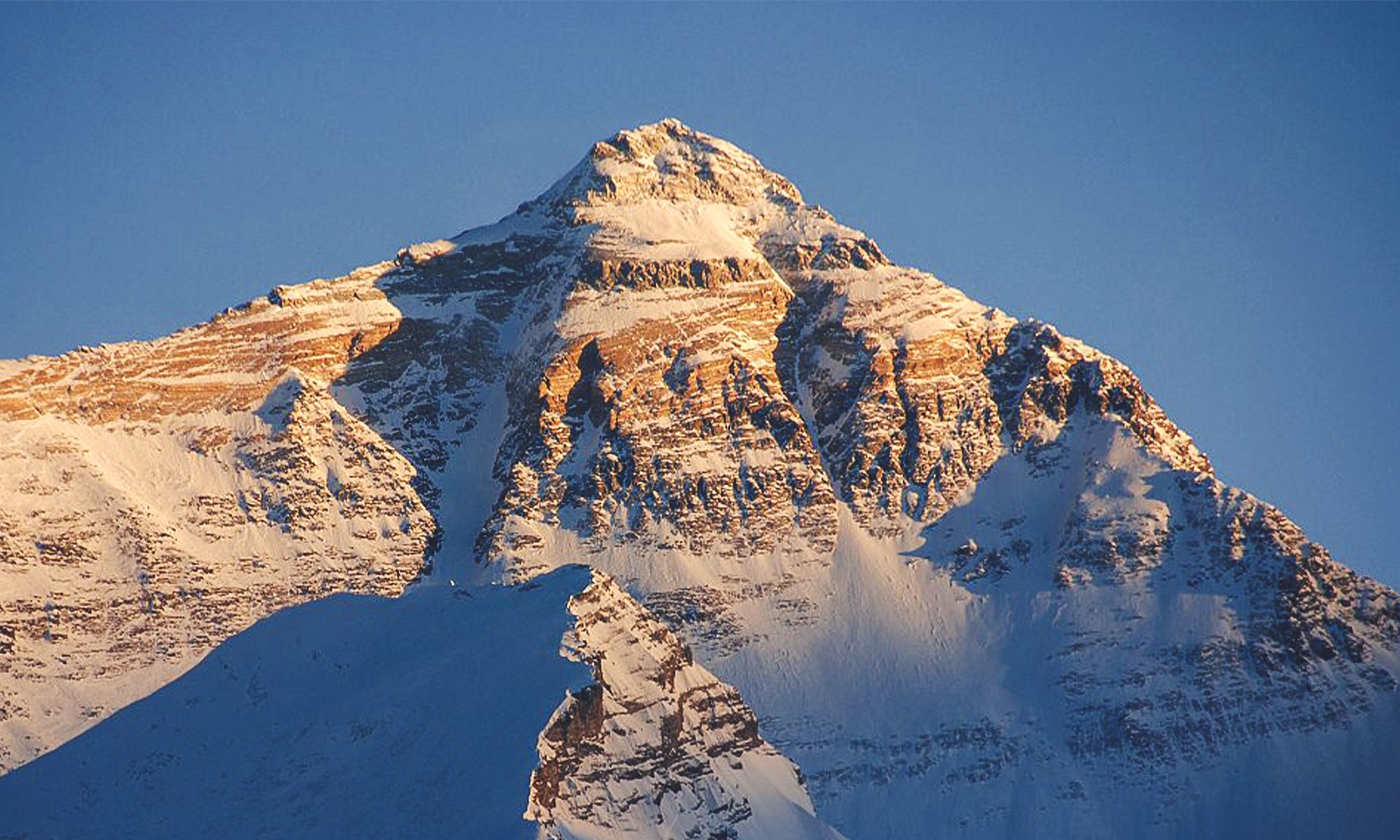
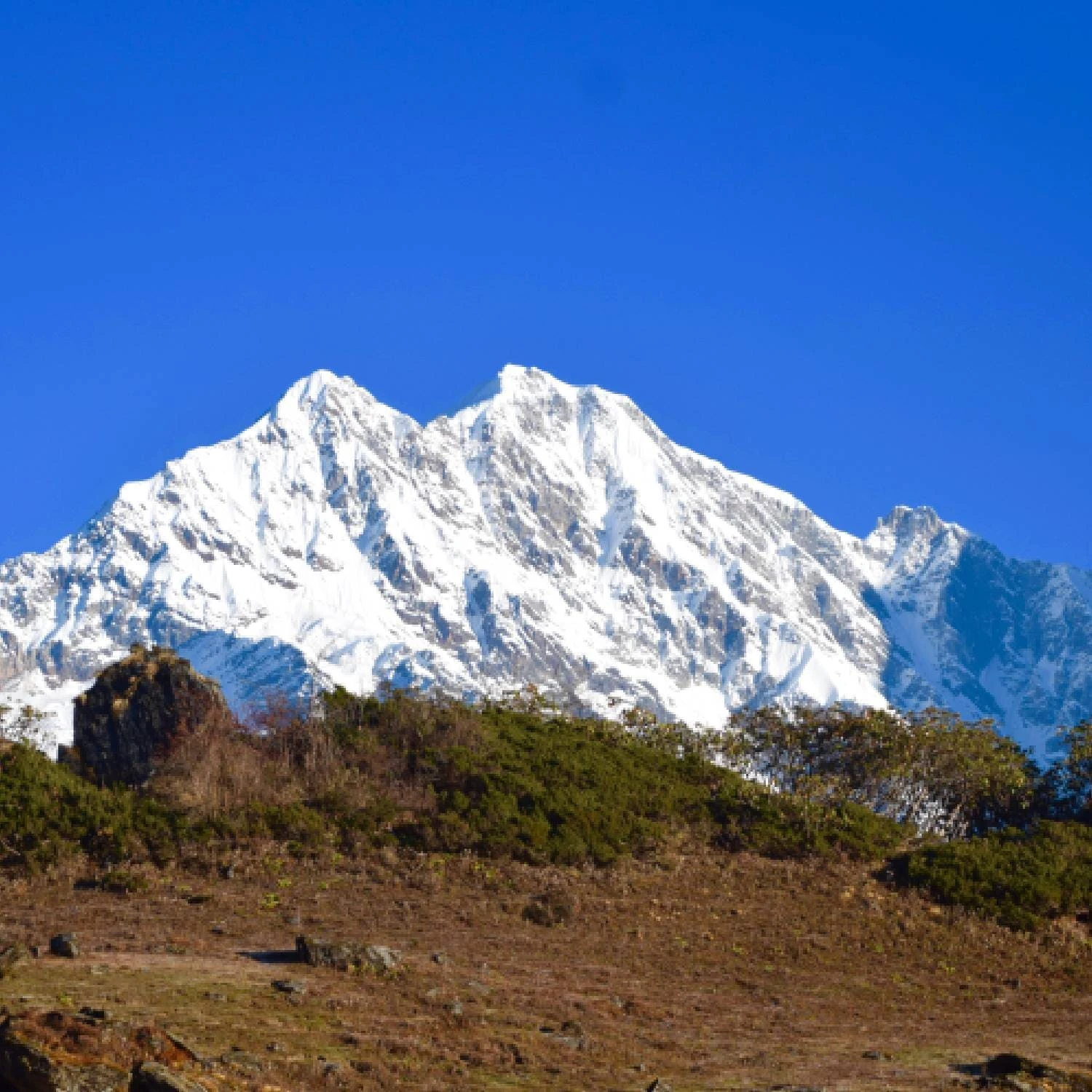
Mera peak takes you to the top of the stunning 6,476-meter (21,247-foot) giant which is one of Nepal's most popular trekking peaks, and honestly, it's not hard to see why. Standing tall in the Khumbu region, Mera offers jaw-dropping views of five of the world's highest mountains Everest, Lhotse, Cho Oyu, Makalu, and Kanchenjunga. Pretty epic, right?
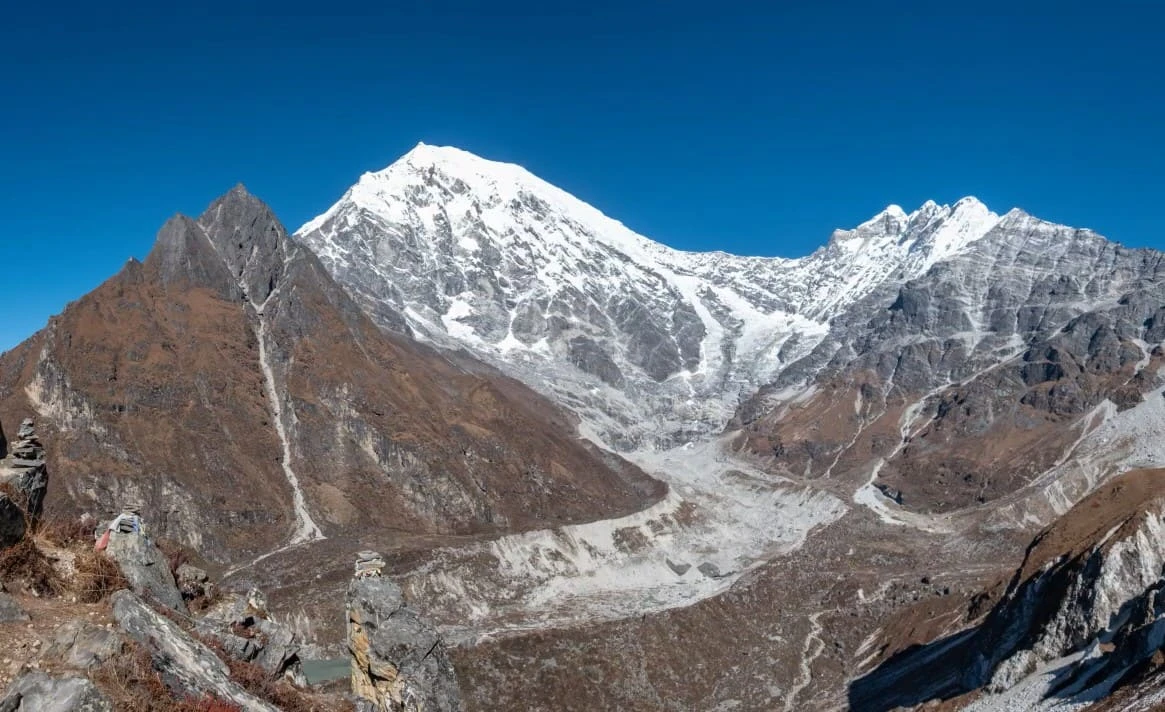
What makes this climb special is that it's accessible to adventurous souls who might not have extensive mountaineering experience but are in good shape and ready for a challenge. You'll traverse through remote valleys, cross high passes, walk alongside pristine glaciers, and experience the raw beauty of the Himalayas in ways that few trekking routes can match.
Here's something you might not expect you can actually do Mera Peak with a touch of luxury! While the mountain itself is wild and remote, Summit 8000 now offer premium experiences that blend adventure with comfort.
What does luxury Mera Peak climbing look like? Think better lodges during the approach trek, higher-quality camping equipment at base camp, more spacious tents, superior meals prepared by experienced cooks, smaller group sizes for personalized attention, and top-notch guides with excellent safety records. You might even get comfortable bedding, heated dining tents, and better bathroom facilities than standard expeditions.
It's still camping on a glacier at 5,800 meters let's be real but the difference in comfort during the approach and at base camp can make your experience significantly more enjoyable. After all, you'll perform better on summit day when you've been sleeping and eating well!
Before you set foot on Mera, you'll need a few permits. Don't worry though your trekking company typically handles all this for you.
Here's what you'll need:
This is issued by the Nepal Mountaineering Association (NMA) and guess what our company CEO Mr Pasang Sherpa himself was a NMA Director back in 2010. Costs vary by season, but expect around $250 for spring (March-May) and autumn (September-November), and roughly $125 for winter and summer seasons.
Since Mera lies within this protected area, you'll need this permit, which costs about $30 for foreign nationals.
Depending on your specific route, you might need additional permits for certain restricted areas.
Your expedition company will collect your passport copies and photos well in advance to sort everything out. Summit 8000, for instance, takes care of all permit arrangements as part of your package.
Not everyone has three weeks to spare, and we get it. While the standard Mera Peak expedition runs 17-18 days, you can actually condense this into a shorter 12-14 day itinerary if you're already acclimatized or willing to take on a bit more challenge.
You will have some quick approaches such as the flying directly to the Lukla. You will skip some acclimatization days. You will move fast and combine some of the certain stages during the trek.
Summit 8000 has built a solid reputation for Mera Peak expeditions. We bring experienced Sherpa guides who know every crevasse and weather pattern on that mountain, maintain high safety standards with proper equipment and rescue protocols, and offer flexible packages from standard to luxury options.
Our guides don't just get you up and down they share their knowledge about the region, its culture, and mountaineering techniques that'll serve you well if you continue climbing. Plus, our logistics are smooth, which means you spend less time worrying about the details and more time enjoying the journey.
We welcome you to Kathmandu the capital city of Nepal and it is also known as the gateway to Nepal. Upon arrival one of our team mates will be waiting for you to welcome you at the airport arrival sections. Upon meeting drive to Thamel and rest for the day.
Early in the morning you will have the flight to the Lukla which is the gateway to the Everest expeditions and the EBC trek itself along with the other trekking regions. Upon reaching Lukla you will Get your local permits and hike to the Paiya. A beautiful village in the Khumbu region which is known for its terraced fields and Rhododendron forest.
Upon having your heart breakfast in your tea house our guide will give you brief of the day. After the brief you will travel to the Panggom which is another village that takes you to your destination. You will walk via lush forests of pine and rhododendron. Cross several suspension bridges and small streams along the way. When you reach the village, you will see that the settlements reflect with the beautiful majestic mountains at the background.
Ningsow is another beautiful Sherpa village located inside the Solu Khumbu region known for its terraced farm lands along with the scenic forest paths and the beautiful mountain views. On the way you will interact with the locals and learn about their day to life in the mountains and their culture and traditions.
Early in the morning you will head towards the next destination which is the Chhatra Khola a village located on the river bank of the Chhatra. It is a glacier river coming from the melting glacier of the mountains. As you walk you will feel the surrounding is covered by the rugged mountains and terraced fields. You will also cross the small river which is used for the agriculture in the mountains.
You will walk to the Kothe village which is a gateway to the Mera peak. The walk from the village to your destination will be challenging due to the higher altitudes. As you climb the altitude you will see that the lush green village is vanished and the surrounding is replaced by the shrubs and the rocky landscapes. Also, you will witness the dramatic landscapes at the background.
You will walk from the Kothe to Thaknak a beautiful village in the higher altitude which is known for its beautiful views of the Cho Oyu and other surrounding peaks. It’s a small village located over the mountains which is used an ideal acclimatization place before heading to the Mera Peak.
Tea HouseFinally, after the 7th day of continuous walk, you will officially enter inside the Mera peak region. Khare is the main base camp for the Mera Peak climbing due to which the area is covered with the beautiful decorated tents and awesome views of the Mount Mera Baruntse and the other Himalayan ranges.
You will have an acclimatization day before the summit as its important as well due to the high altitude of the peak and thin air of the region. You will have a short hike to the Mera La or nearby ridges, where you will practice the use of crampons, ice axes, and other mountaineering gears.
After acclimating yourself in the Khare you will hike to the Mera High Camp at an altitude of the 5,780m / 18,958ft above sea level. The air here is very thin and its important for you to acclimate before climbing the high camp. You will see the terrain is rocky and snow patches all over the camp. You will have the closet views of the Mera Peak, Mount Everest and the surrounding ranges. You will sleep early today as tomorrow morning you will be having summit to the top of the peak and the weather is unstable at such altitude we start our climbing from the morning 2 Am due to which its important for you to sleep early and have enough rest
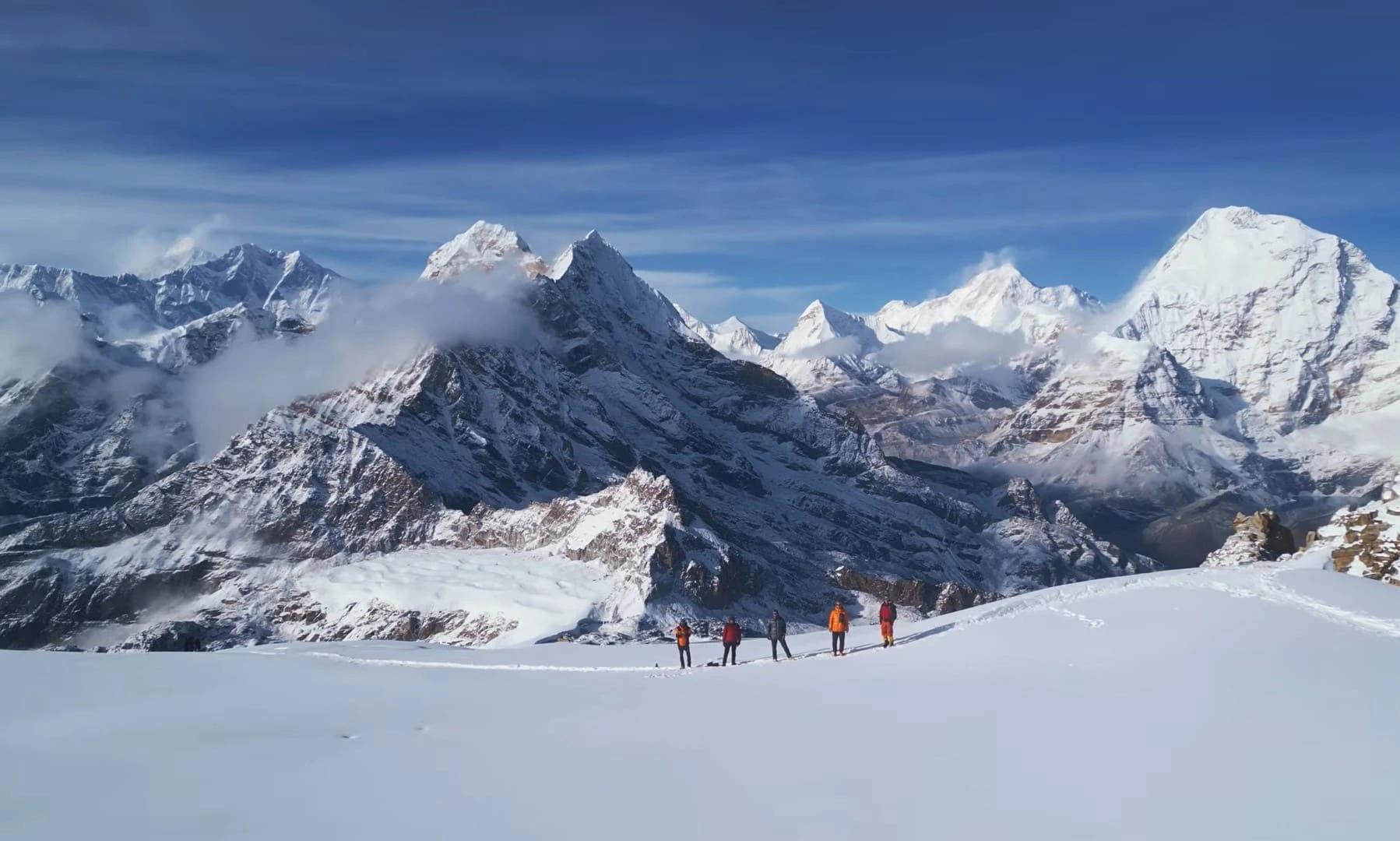
As we discussed above we will be having the summit from the morning 1 to 2 Am. You need to be ready before this time so that we can summit as soon as possible. You will need to trek slowly cross the glaciers and use the crampons and axes properly. Upon reaching the top of the Mera peak at an altitude of the (6,476m / 21,247ft) you will see the unmatched views of the Everest, Kanchenjunga, and Makalu. Enjoy your moment of victory and descend slowly as the fatality happens more when you descend then climbing the peak.
Today will be the reserve day for any kinds of Contingency which means the bad weather, flight delays or the recovery from the summit climb. If in your case everything worked our fine you can still enjoy the day in the mountains and explore the nearby places with your climbing guide.
After summiting the peak, you will again need to descend down to the Kothe. As the trail will be known you may not face any kinds of difficulties and descend easily. You will via the same alpine meadows route and have the scenic photographs and local people interactions.
After breakfast at Kothe, the trail begins with a gradual ascent following the Hinku Valley. You will walk through beautiful rhododendron and pine forests, crossing small streams and alpine pastures. As you gain altitude, the vegetation becomes thinner and the landscape opens into wide high-altitude terrain. The trail continues uphill toward the ridge area of Thuli Kharka, also known as Chatra La base. From here, you can enjoy spectacular views of Mera Peak, Kusum Kanguru, and surrounding Himalayan ranges. Thuli Kharka is a peaceful high camp and serves as the preparation point for the next day’s crossing of the Zatrwa La Pass.
Today is one of the most scenic and adventurous days of the trek. After an early breakfast, you will ascend steadily toward Zatrwa La Pass. The climb is steep but rewarding, offering breathtaking panoramic views of Everest, Lhotse, Makalu, Cho Oyu, and other Himalayan giants. After spending some time at the pass for photos and rest, the trail descends steeply toward the Lukla valley. The descent passes through rocky paths, alpine meadows, and gradually re-enters forested terrain. As you approach Lukla, the trail becomes more lively, marking the end of your trekking journey. Celebrate the successful completion of your adventure with your trekking team in Lukla.
Early in the morning, you will take a scenic flight back to Kathmandu. The short but spectacular flight offers stunning aerial views of the Himalayas and the hill landscapes of Nepal. Upon arrival in Kathmandu, you will be transferred to your hotel. The rest of the day is free for relaxation, souvenir shopping, or exploring the vibrant streets of Thamel.
Your adventure in Nepal comes to an end today. Depending on your flight schedule, you will be transferred to Tribhuvan International Airport for your final departure. We hope you leave Nepal with unforgettable memories of the Himalayas and wonderful trekking experiences. We look forward to welcoming you again for another adventure.
Altitude Graph
Astrid Moore
Mar 13, 2026
Yes, Mera Peak is moderately difficult. It is not very technical, but the high altitude (6,476 m) makes it physically demanding. Good fitness, proper acclimatization, and some trekking experiences are very important.
You need a good level of fitness. You should be able to walk 5–7 hours a day for several days. Regular cardio, hiking, and endurance training before the climb will help a lot.
No, Mera Peak is considered a non-technical or basic mountaineering peak. However, you will need to use crampons, ropes, and an ice axe near the summit, and your guide will train you before the climb.
Yes, beginners can climb Mera Peak if they are physically fit and well-prepared. Previous trekking experience at high altitude is highly recommended for a safer and more enjoyable climb.
Yes, Mera Peak is one of the best beginner-friendly trekking peaks in Nepal. It is a great introduction to mountaineering and a perfect preparation for higher peaks in the future.
No, most climbers do not need supplemental oxygen. However, the altitude is very high, so proper acclimatization and a slow ascent are essential to avoid altitude sickness.
Mera Peak is generally harder than Kilimanjaro. While Kilimanjaro is a trekking peak, Mera Peak involves glacier walking, basic climbing skills, and colder, more remote conditions.
It usually takes about 14 to 18 days including trekking, acclimatization, and the summit climb. The extra days help your body adjust to the altitude.
Focus on cardio exercises like running, cycling, or swimming. Practice long hikes with a backpack, strength training for legs, and endurance workouts at least 2–3 months before the trip.
Mera Peak has a high success rate when climbers follow a proper itinerary and acclimatize well. Good weather, fitness, and an experienced guide greatly increase your chances of reaching the summit.
Mera Peak is considered one of the easier trekking peaks technically, but its high altitude makes it physically challenging.
No, you cannot climb Mera Peak easily. It is a high-altitude peak that requires good fitness, proper preparation, and trekking experience. However, with training and guidance, it is achievable and a great step toward future high-altitude climbs.
 Nepal
Nepal
 21
21  Sept - Nov & March - May