Destination
Nepal
Duration
46
Destination
Nepal
Duration
46
Trip Difficulty
Strenuous
Accommodation
Tea House and Tent
Meals
B, L, & D
Max. Elevation
8167
Group Size
25
Best Time
Sept - Nov & March - May
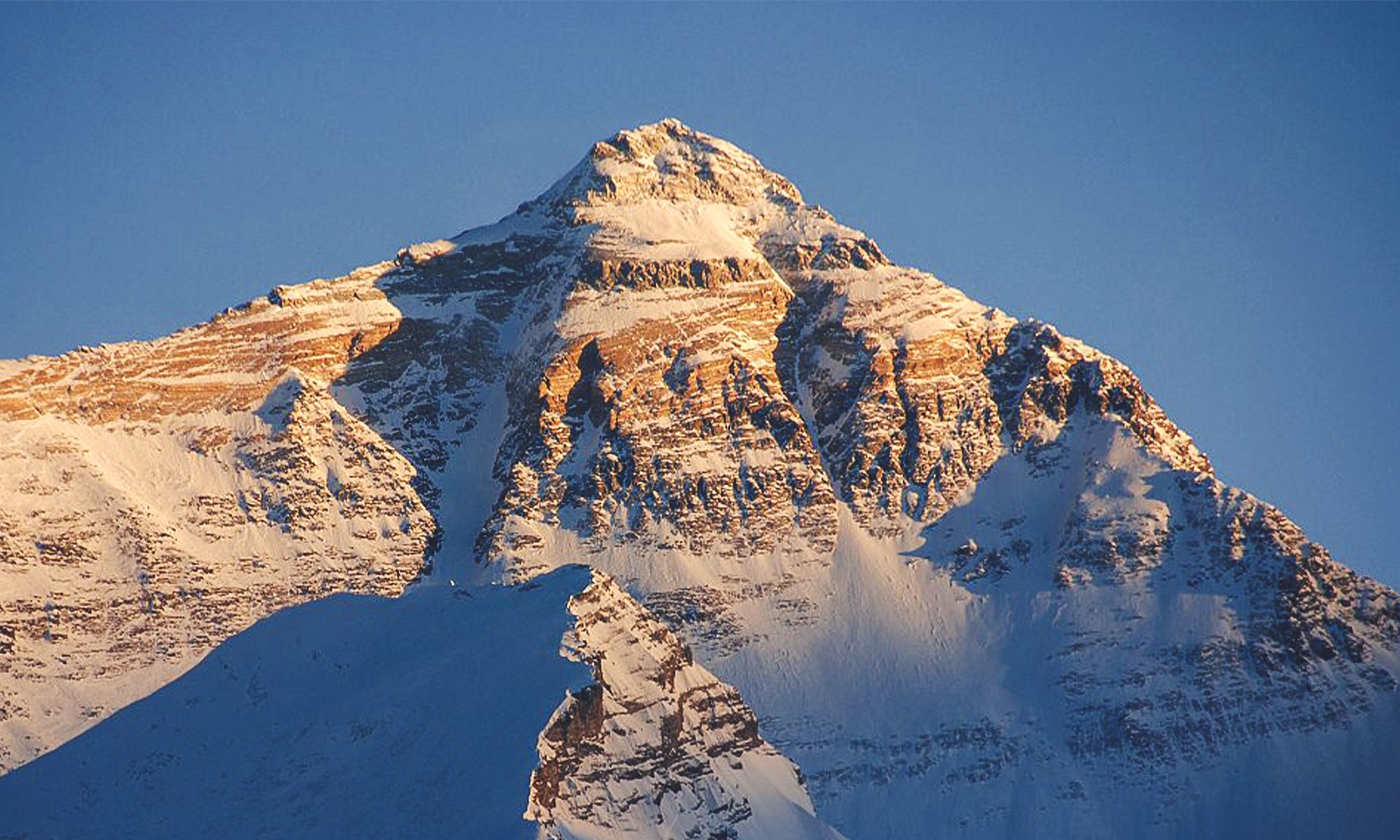
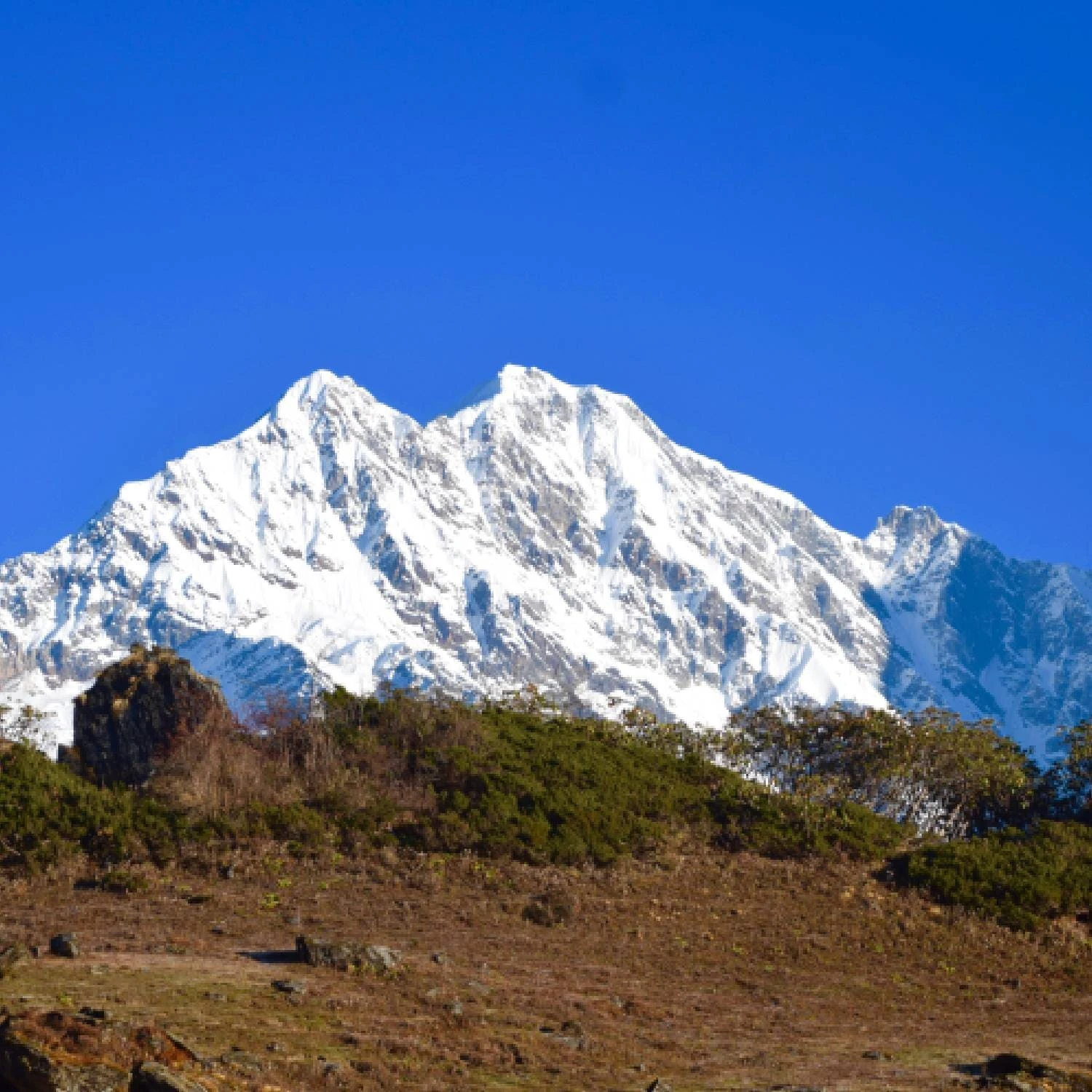
Mount Dhaulagiri Expeditions is an experience which will take you to the top of the world’s 7th highest mountain at an altitude of 8,167 meters (26,795 feet) above sea level. The mountain is known for its dramatic valleys, icy glaciers, and the never-ending snow surrounding with thin air and steep sections.
If you love extreme altitude, technical ice climbing, rock climbing and want to face the unpredictable weather does not matter the situations then this expedition is for you. If you believe in preparation, perseverance, and partnership in every step you take then you will be climbing the Dhaulagiri peak.
The peak was firstly climbed by the Swiss Australian expedition team in 1960 who flew the plane to the base camp and made the first attempt. Yes, they are the same expeditions teams who firstly climbed the Annapurna Peak and then Dhaulagiri making a history to climb two of the highest every climbed in 1960.
Local Gurung and Magar villages people believes that the mountain is sacred and people around the mountain treats it as a sacred deity. The Kali Gandaki River George is the deepest Georges which cuts between the Annapurna and Dhaulagiri mountains making it a one of the most stunning places to climb.
The Dhaulagiri Mountain is the world’s 7th highest peak at an altitude of 8,167 meters (26,795 ft) and is known for its challenging but rewarding climbing route. Standing at the top of the Dhaulagiri peak is about the unforgettable journey that takes you to the some of the world’s most spectacular landscapes in the Himalayas.
You will cross the icy glaciers to rugged ridges to make your dream come true with a beautiful view of the Annapurna and Mustang region.
Choosing the Dhaulagiri peak to climb is one of the most adventures and thrilling decision you will ever take. You will have the ultimate adventure challenge which demands to climb and cross the worlds most dangerous and toughest 8000-meter peak.
Along the expeditions you will have the stunning Himalayas views of the nearby peaks such as the Annapurna, Dhaulagiri, and the Machapuchhare. After summit you will feel your personal achievement which will make you test your endurance, determinations, and the mountaineering skills.
You will have a right expedition team along with the expert climbers, highly experienced climbing guides and the right crew who will make your dream come true.
You shall choose Summit 8000 for your climb to Dhaulagiri because we are not only a simple expeditions organizer but we are Sherpas. We know the mountains nerves and how mountain behaves.
Also, with that we have the expert expeditions leaders, tailored expeditions plans, safety first approach, full logistics from the guides, porters, local liaison to trained sherpa guides who watches your every step and make your journey more beautiful.
The Dhaulagiri Mountain is climbed using the four routes and all routes have some advantages and some disadvantages for you as a climber. Talking about the routes:
Northwest Ridge Route is the first and foremost climbing route used to the summit the Dhaulagiri mountain. It is also a famous route among the expedition’s teams and the summit 8000 also uses this route considering your safety.
This is a classic route and most frequently attempted. The base camp for this route is Dhampus and the Dhaulagiri base camp itself. The route features the glacier travel, steep ice slopes, and the technical rock sections.
The South Face is one of the most dangerous and rarely attempted routes on Dhaulagiri. This route involves extremely technical climbing on a massive wall with constant rockfall and avalanche danger. Only the most experienced climbers attempt this route.
The advantage is the prestige of completing one of the hardest climbs in the Himalayas, but the disadvantages are enormous: extreme objective dangers, very low success rate, and high fatality risk.
The Southeast Ridge offers another challenging option for experienced mountaineers. This route is less travelled than the Northwest Ridge and presents its own technical challenges including knife-edge ridge sections and exposure to harsh winds.
The advantages include a unique perspective of the mountain and less crowded camps, while disadvantages include longer approach times, more complex route-finding, and increased exposure to weather systems.
Upon arrival at Tribhuvan International Airport in Kathmandu, our expedition team will welcome you and transfer you to your hotel. Take rest after your long flight and recover from jet lag. In the evening, attend a welcome dinner where you'll meet your climbing team and expedition leader. This is a good time to discuss the Dhaulagiri climbing expedition ahead.
This day is dedicated to expedition preparation and official briefings. Visit the Department of Tourism for your climbing permit briefing. Check all your mountaineering equipment and climbing gear. Purchase any missing items from Thamel's climbing shops. Attend a detailed briefing about the Dhaulagiri expedition route, weather conditions, and safety protocols. Meet with your Sherpa climbing guide and discuss the summit plan.
Take a scenic 25-minute flight from Kathmandu to Pokhara. Enjoy beautiful views of the Himalayan mountains including Manaslu, Annapurna, and Dhaulagiri. Upon arrival in Pokhara, transfer to your hotel. Spend the rest of the day exploring Pokhara lakeside or resting before the trek begins. Final gear check and pack your equipment for the helicopter flight to base camp.
Start early morning drive from Pokhara to Takam village. The journey takes approximately 8-10 hours through rough mountain roads. Pass through beautiful villages and terraced farmlands. Arrive at Takam, a small village that serves as the starting point for Dhaulagiri expeditions. Stay overnight in a basic lodge. This is your first night at altitude, so drink plenty of water.
Spend the day acclimatizing at Takam. Take short walks around the village to help your body adjust to the altitude. Check your climbing equipment one final time. Attend briefing about helicopter safety and Italian Base Camp. Rest well as tomorrow you'll fly to higher altitude. Monitor your health and inform the expedition leader of any altitude sickness symptoms.
Take an exciting helicopter flight from Takam to Italian Base Camp. The flight offers spectacular aerial views of Dhaulagiri Mountain and surrounding peaks. Land at Italian Base Camp and set up your tents. The camp is located on the Chhonbardan Glacier. Spend the afternoon organizing camp and resting. Drink lots of fluids to prevent altitude sickness.
First acclimatization day at Italian Base Camp. Take short walks around the camp area. Practice using your climbing equipment and get familiar with the glacier terrain. Attend training sessions on rope techniques and glacier travel. The climbing Sherpa team will demonstrate proper use of fixed ropes, jumars, and crampons. Rest and hydrate well.
Continue acclimatization at Italian Base Camp. Take slightly longer walks and practice climbing skills. Some team members may make a short climb up to scout the route ahead. Review the route map to Dhaulagiri Base Camp. Check weather forecasts and discuss the climbing plan. Maintain good nutrition and rest for the trek tomorrow.
Trek from Italian Base Camp to Dhaulagiri Base Camp. The route crosses the Chhonbardan Glacier and involves glacier walking. Trek time is approximately 5-7 hours. The path includes crevassed sections requiring careful navigation. Arrive at Dhaulagiri Base Camp and set up camp. This will be your home for the next several weeks during the climbing expedition. Organize your personal tent and equipment.
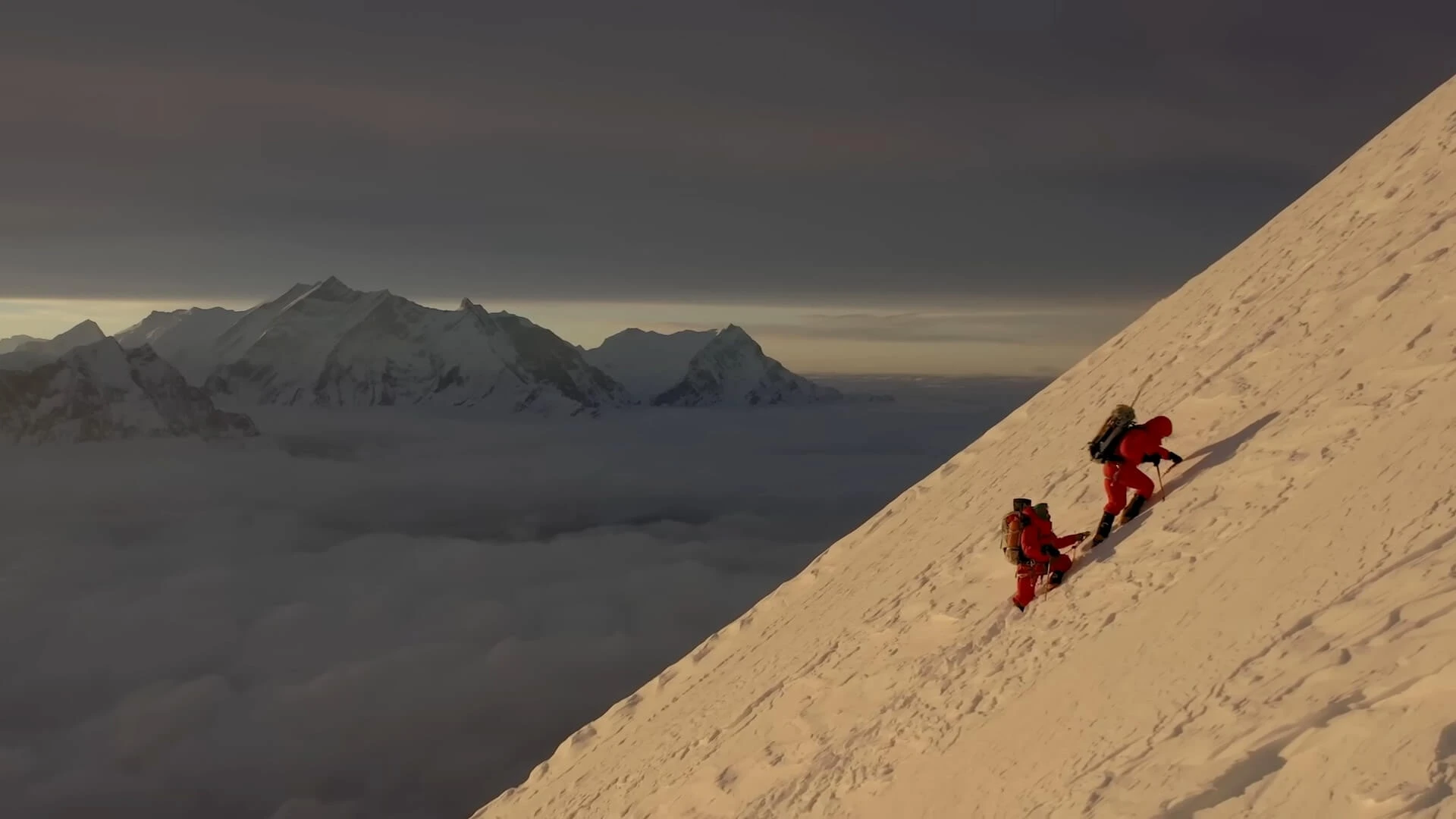
These three weeks are dedicated to acclimatization rotations and establishing higher camps. The rotation schedule includes: First Rotation: Climb from Base Camp to Camp I (5,800m) and return to Base Camp. This helps your body adapt to higher altitude. Second Rotation: Climb to Camp I, continue to Camp II (6,400m), and return to Base Camp. Spend night at Camp I during this rotation. Third Rotation: Climb to Camp I, Camp II, touch Camp III (7,400m), and return to Base Camp. This prepares your body for summit push. Between rotations, rest at Base Camp to recover strength. The climbing Sherpa team will fix ropes and establish camps. Weather conditions will determine the exact rotation schedule. Each rotation makes your body stronger for high altitude climbing.
This is the summit push period for Dhaulagiri (8,167m). The exact timing depends on weather window and your acclimatization. Summit Route: Base Camp → Camp I → Camp II → Camp III → Summit Camp → Dhaulagiri Summit → Return to Base Camp Summit Day: Wake up around midnight. Start climbing at 1-2 AM from Summit Camp. Climb through the night using headlamps. Reach Dhaulagiri summit (8,167m) in morning. Enjoy summit views but don't stay long due to oxygen and weather. Descend carefully back to Camp III, then Camp II, and finally return to Base Camp. Total summit push takes 7-10 days depending on conditions and your climbing speed. This period includes buffer days for bad weather. Not all days will be climbing days. Weather and your physical condition determine the final summit attempt.
After successful summit, trek back from Dhaulagiri Base Camp to Italian Base Camp. Retrace your route across the Chhonbardan Glacier. Celebrate your achievement with the team. Pack all personal equipment and clean up the camp. Rest well at Italian Base Camp before helicopter flight.
Take helicopter flight from Italian Base Camp back to Takam village. Enjoy the scenic flight and relief of successful expedition. Arrive at Takam and transfer to lodge. Take a hot shower and enjoy cooked meals. This is your first comfortable accommodation after weeks in tents.
Drive back from Takam to Pokhara. The journey takes 8-10 hours. Arrive in Pokhara and check into hotel. Enjoy the comfort of a proper bed and hot shower. Celebrate your Dhaulagiri summit success with team dinner at Pokhara lakeside. Share expedition photos and memories with teammates.
Take morning flight from Pokhara to Kathmandu. Transfer to hotel upon arrival. Rest of the day is free for personal activities. Visit Thamel for souvenir shopping. Get summit certificate processed from expedition company. Attend farewell dinner with expedition team in the evening.
Free day to explore Kathmandu city. Visit UNESCO World Heritage Sites like Pashupatinath Temple, Boudhanath Stupa, or Swayambhunath. Shop for gifts and souvenirs. Rest and recover from the expedition. Organize your luggage for departure. Optional: Receive your official Dhaulagiri summit certificate.
Transfer to Tribhuvan International Airport for your final departure. Our team will assist you with airport procedures. Depart Nepal with memories of your successful Dhaulagiri expedition and Himalayan mountaineering experience.
Altitude Graph
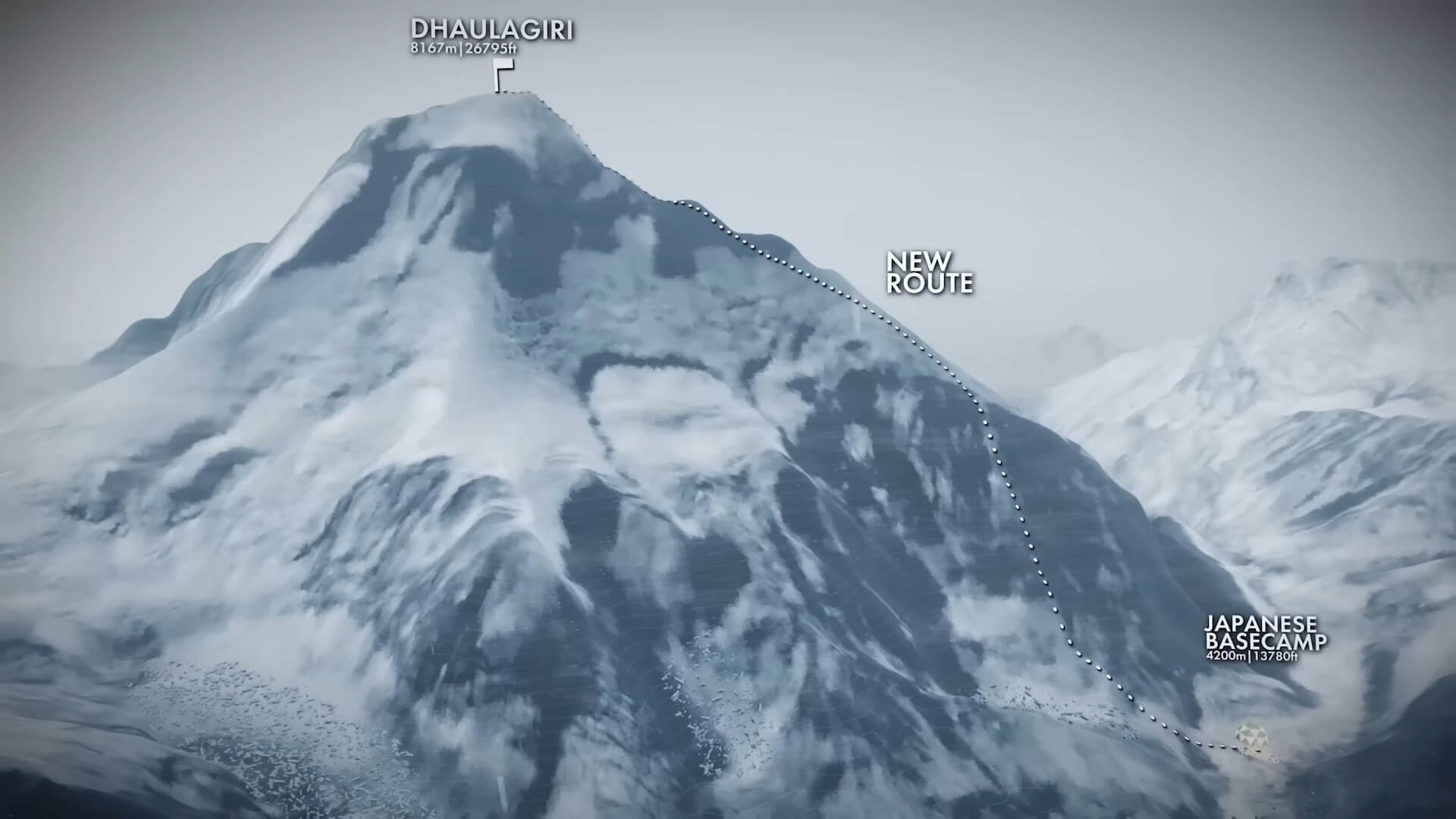
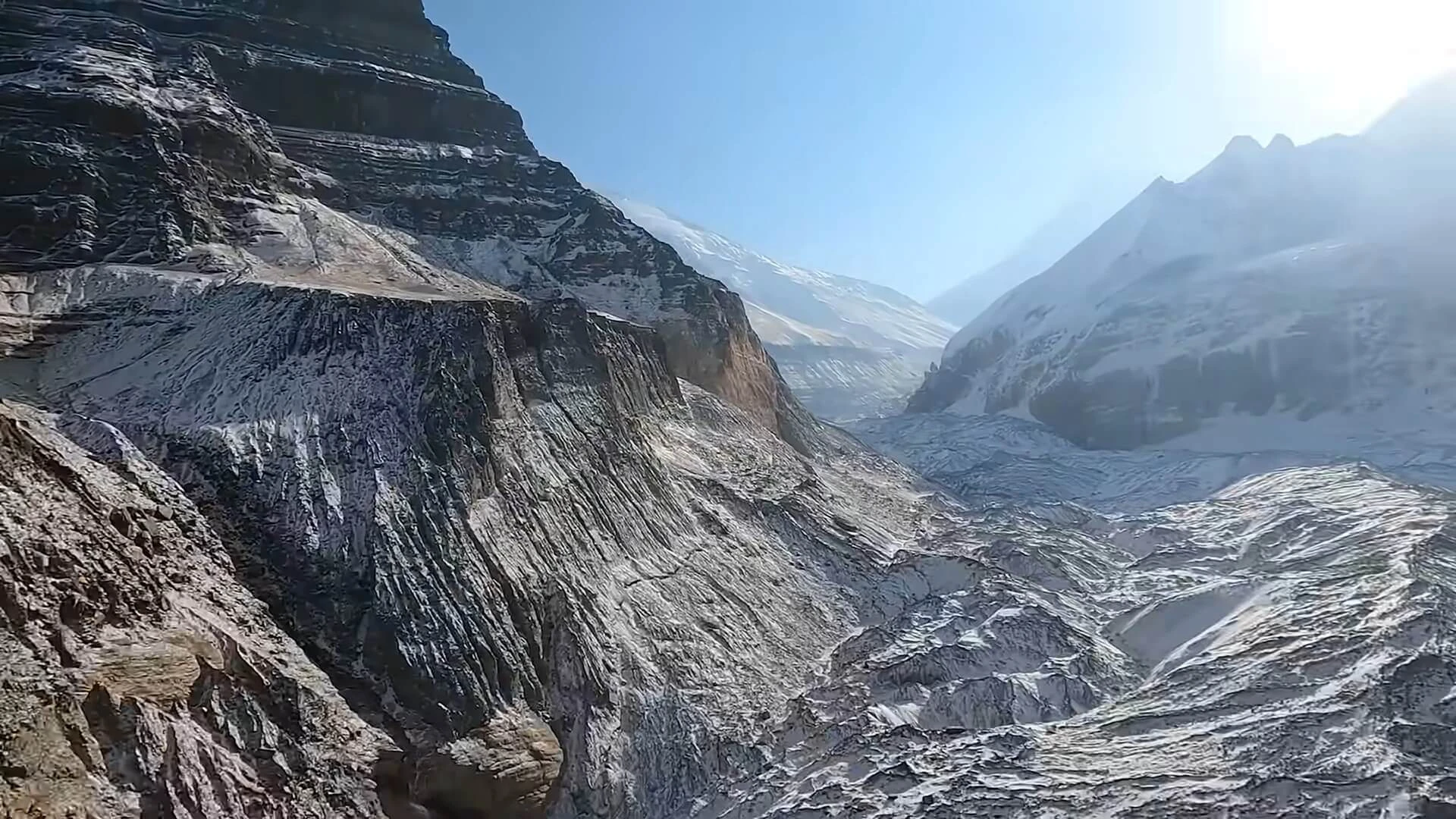
Mount Dhaulagiri is located in western Nepal, in the Dhaulagiri Himal range, northwest of Pokhara. It stands in a remote region surrounded by deep valleys, glaciers, and some of the most dramatic landscapes in the Himalayas.
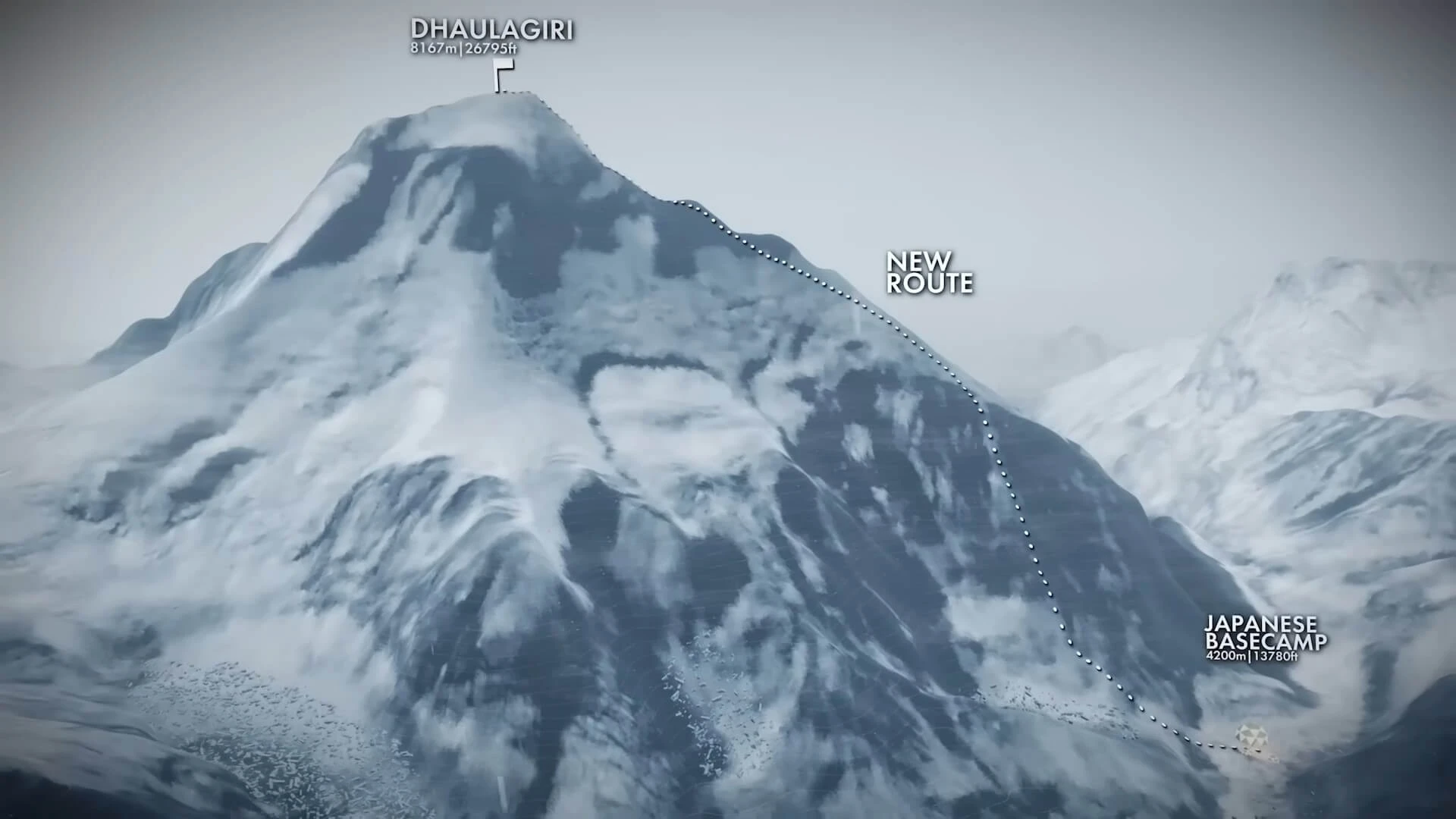
Mount Dhaulagiri reaches an elevation of 8,167 meters (26,795 feet), making it the seventh-highest mountain in the world. Its massive snowy face and isolated position make it one of Nepal’s most impressive peaks.
The Dhaulagiri Expedition is considered extremely challenging due to steep climbing sections, high avalanche risk, and unpredictable weather. It is recommended only for experienced mountaineers with prior high-altitude expedition background.
A typical Dhaulagiri Expedition takes around 50 to 60 days, including trekking to base camp, acclimatization rotations, and the summit push. The schedule may vary depending on weather and route conditions.
The best season for climbing Dhaulagiri is spring (April to May) when the weather is relatively stable. Autumn (September to October) is also possible but colder and less commonly attempted.
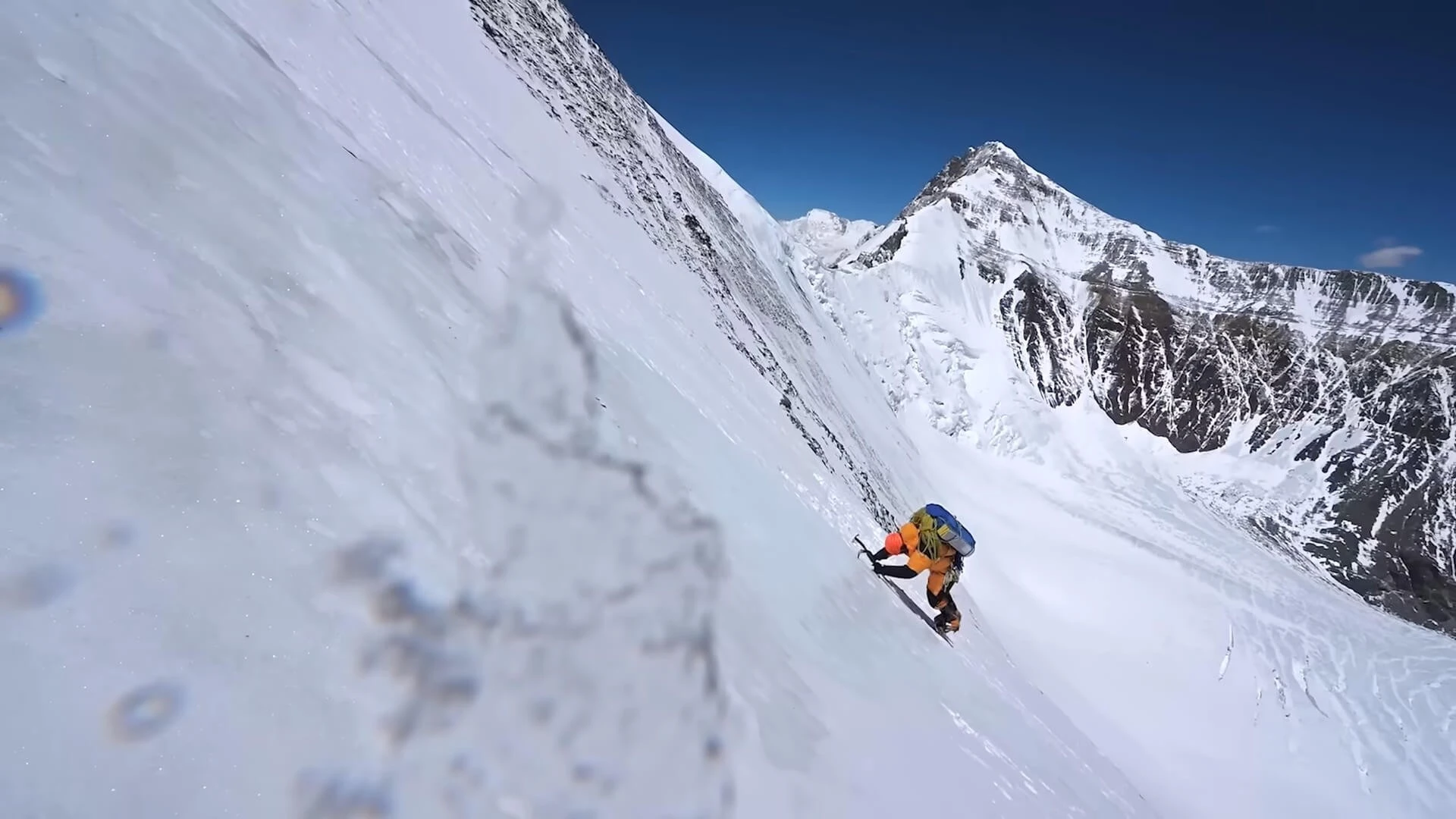
The standard route is the Northeast Ridge, which involves glacier crossings, steep ice slopes, and technical climbing above high camps. Fixed ropes and strong teamwork are essential on the upper mountain.
Yes, climbers must have significant experience on peaks above 6,500–7,000 meters and be comfortable with technical ice and snow climbing. Dhaulagiri is not suitable for first-time 8,000-meter climbers. Climbers seeking their first 8,000m experience should consider the Manaslu Expedition a more accessible 8,000m peak that builds the high-altitude skills needed before tackling Dhaulagiri."
Climbers need a Dhaulagiri climbing permit issued by the Government of Nepal along with trekking permits for the approach route. Expedition operators usually manage all necessary paperwork and logistics.
The expedition begins with travel from Kathmandu to Pokhara, followed by a drive to the trekking trailhead. The trek to Dhaulagiri Base Camp usually takes about 8 to 10 days through remote villages and glacial valleys.
Supplementary oxygen is optional but often used during the summit attempt because of the extreme altitude and difficult conditions. Some elite climbers choose to climb without oxygen, but it increases the challenge significantly.
The cost generally ranges from USD 20,000 to 40,000 or more depending on group size, Sherpa support, oxygen services, and expedition logistics. Full-service packages are more expensive but provide higher safety and comfort.
Major risks include altitude sickness, avalanches, crevasses, frostbite, and sudden storms. Proper acclimatization, expert guides, and strong preparation are critical for a safe climb.
Rescue is possible but difficult because of the remote terrain and technical nature of the mountain. Helicopter evacuation may work from lower camps, but above base camp rescue becomes very limited.
Dhaulagiri is known for its isolation, steep faces, and serious expedition atmosphere compared to more commercial peaks. It offers a true high-altitude adventure for climbers seeking one of Nepal’s toughest challenges.
 Nepal
Nepal
 21
21  Sept - Nov & March - May