- Destination
- Nepal
- Duration
- 24 Days
- Trip Difficulty
- Challenging
- Accommodation
- Tea House and Tent
- Meals
- B, L, & D
- Max. Elevation
- 6812m
- Group Size
- 15
- Best Time
- Sept - Nov & March - May
Trip overview
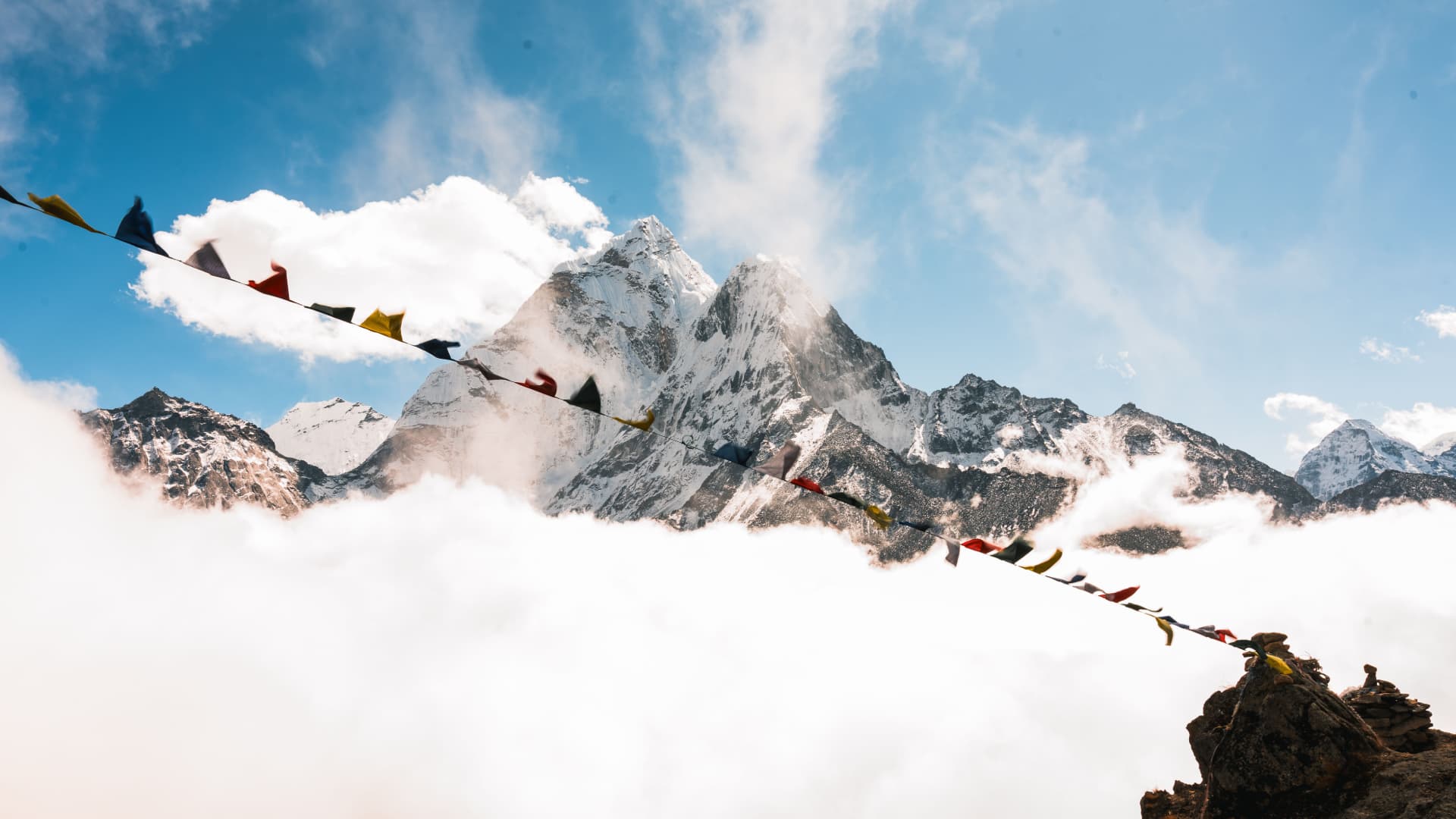
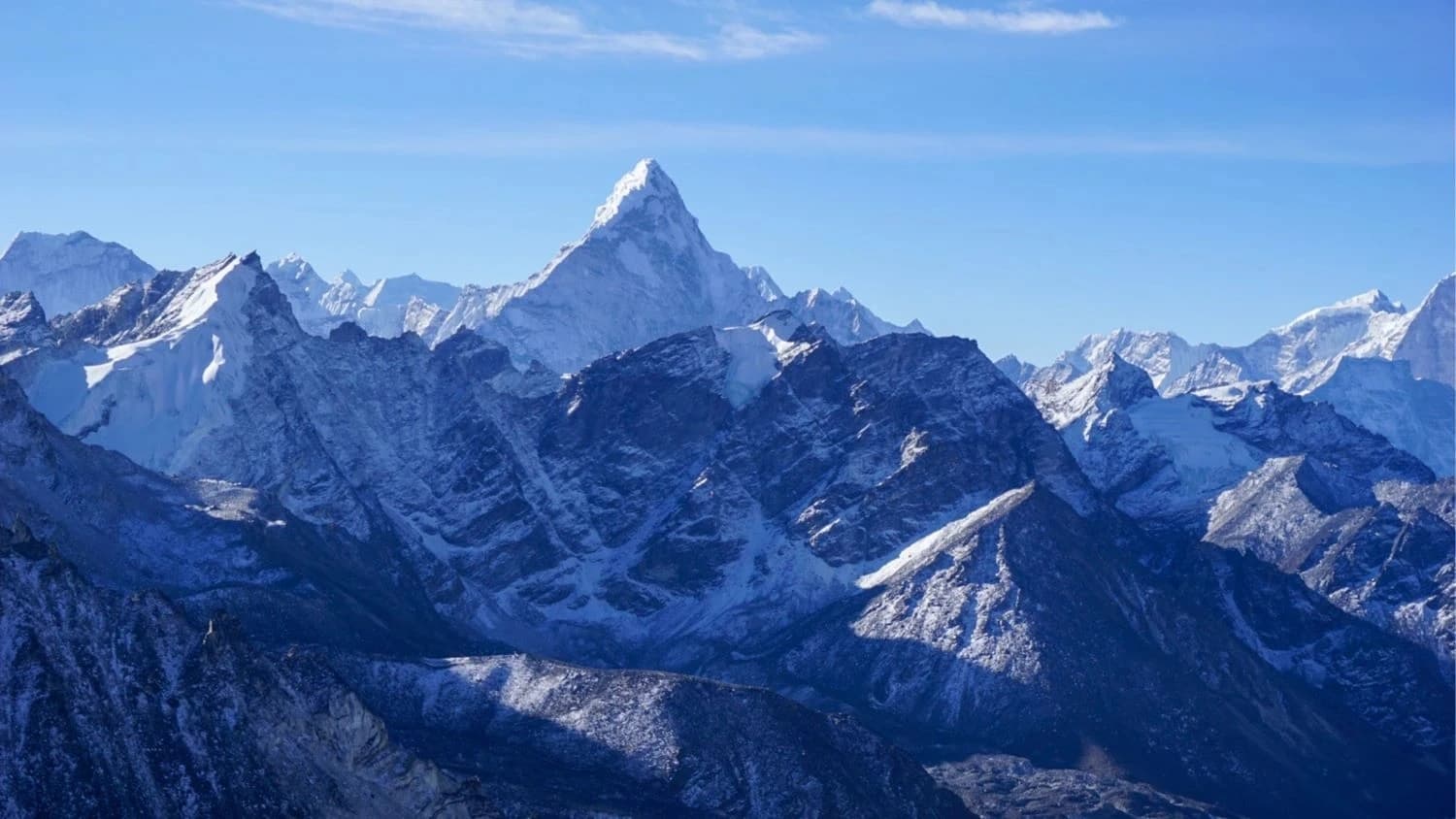
Ama Dablam Expedition is one of the technical and visually stunning climbs in Nepal, standing at 6,812 meters in the heart of the Khumbu region. Known as the “Matterhorn of the Himalayas,” this peak offers a challenging alpine climb combining rock, ice, and exposed ridge sections.
Unlike trekking peaks, Ama Dablam demands prior mountaineering experience, making it an ideal choice for climbers preparing for 7000m and 8000m expeditions. With its iconic Southwest Ridge route, breathtaking views of Everest, Lhotse, and Nuptse, and a high success rate among guided expeditions, it remains one of the most sought-after climbs in the Himalayas.
Our 24-day expeditions are especially designed for you if you want to experience the true raw beauty of the mountains without climbing and risky Mount Everest expeditions or any other peaks above 8000 meters.
If you want to have the technical climbing experience which requires the technical climb then this expedition is for you. You will navigate through the rock, snow, and ice sections alongside enjoying the beautiful views of the Everest, Lhotse, Nuptse, and the Cho Oyu.
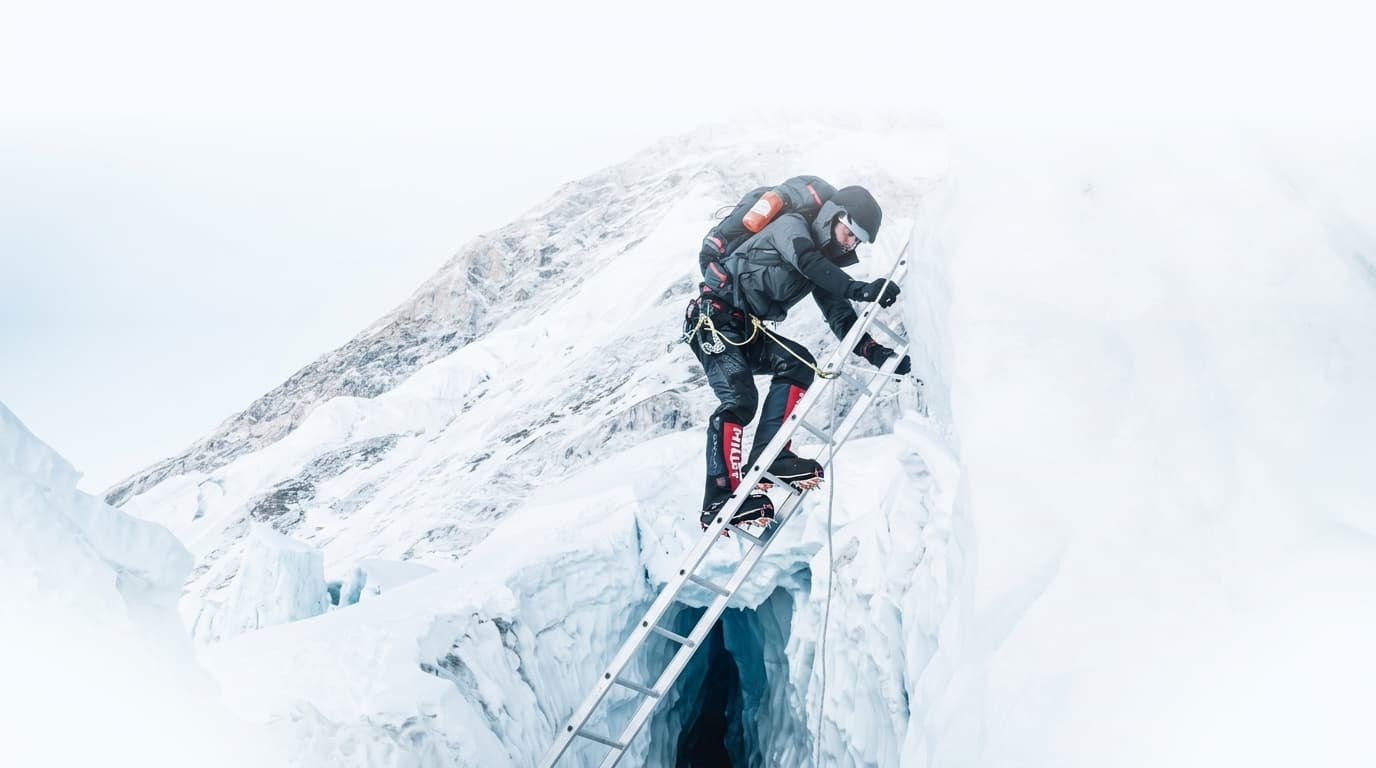
If you are technical in mountaineering, then this climb will teach you everything that you may require to climb the high peaks. You will learn to use the ropes, crampons, and ice axes, and walk on the glaciers.
Key facts about Ama Dablam Peak
Feature | Details |
|---|---|
Elevation | 6,812 m / 22,349 ft |
Location | Everest Region (Khumbu), Nepal |
Mountain Range | Himalayas |
First Ascent | 1961 |
First Climbers | Mike Gill, Barry Bishop, Mike Ward, Wally Romanes |
Meaning of Name | “Mother’s Necklace” (Sherpa/Tibetan origin) |
Difficulty Level | Technical Alpine Climb |
Popular Route | Southwest Ridge |
Best Climbing Seasons | Spring (Apr–May) & Autumn (Oct–Nov) |
Permit Authority | Nepal Mountaineering Association |
Nearby Peaks | Mount Everest, Lhotse |
Nickname | “Matterhorn of the Himalayas” |
Why Shall I choose Ama Dablam Nepal for Expeditions?
Choosing Ama Dablam Nepal for climbing is your decision that combines adventure, challenge, incredible scenery with iconic and stunning peak. Ama Dablam is located at an altitude of 6,812 meters (22,349 ft) which is often called as the Matterhorn of the Himalayas by the trekkers and climbers. As the mountain is sharp and elegant in shape.
The climbing is demanding but Achievable. Its perfect for you if you want to test your technical mountaineering skills or want to learn.
The summit takes part inside the Khumbu region which home to the sherpa community. So, this walk will also give you an opportunity to experience the Himalayan sherpa culture, traditional villages, traditional and local foods.
While walking you will feel the true deep sense of accomplishment. Unlike any other trekking peaks you will need to have a proper planning, skill, perseverance and the mindset. The peak is also the training expeditions for the above 8000 meters peaks due to the exposure of high attitude conditions, technical climbing, glaciers navigations, use of crampons, ropes and the axes.
The Peak That Defied the World's Greatest Mountaineer
In 1959, Sir Edmund Hillary the first man to summit Everest looked at Ama Dablam and called it unclimbable. For two years the mountain stood untouched, sharp and defiant against the Khumbu sky.
Then on March 13, 1961, four scientists not professional mountaineers reached the summit and quietly rewrote what was possible in the Himalayas. Barry Bishop, Mike Gill, Wally Romanes, and Mike Ward proved that with the right preparation, the right team, and the right mindset, Ama Dablam could be climbed.
It has been climbed thousands of times since. The same Southwest Ridge. The same Yellow Tower. The same narrow summit ridge with the same breathtaking drop on either side.
The mountain that Edmund Hillary called impossible is waiting. The only question is whether you are ready.
Why Shall I Choose Summit 8000?
Summit 8000 is a Sherpa-owned expedition company based in Kathmandu with over a decade of guided climbs in the Khumbu region. Every expedition we run on Ama Dablam is led by Sherpas who have personally summited the peak multiple times and know the Southwest Ridge in every season and weather condition.
We handle everything from permit applications and logistics to acclimatization scheduling and emergency support so that you arrive focused entirely on your climb. Our team does not use a one-size-fits-all approach. Your itinerary, your rotation schedule, and your summit day timing are all adjusted to your fitness level and the live weather conditions on the mountain.
What sets us apart is not just the logistics. Our Sherpa guides genuinely care whether you summit safely. They will tell you honestly when to push and when to turn back. That honesty is why many of our clients who do not summit on their first attempt come back the following season and succeed with us.
Ama Dablam Summit Success Rate
Ama Dablam has an overall industry summit success rate of approximately 60–70%, which is considered high for a technical Himalayan peak of its difficulty. However, at Summit 8000, our guided success rate exceeds the industry average due to our structured acclimatization rotations, an experienced Sherpa team, and informed weather window decisions.
The most common reasons climbers do not summit Ama Dablam are:
Poor acclimatization, rushing the rotation schedule between camps.
Unstable weather windows, particularly during the Yellow Tower and summit ridge push
Insufficient technical preparation, underestimating the rock and mixed climbing sections
Physical exhaustion from carrying loads between Camps I, II, and III
Our team does not push climbers beyond safe limits. If the weather or your physical condition on summit day is not right, we turn back. A safe return is always the priority over a summit photo. Many of our climbers who do not summit on their first attempt return the following season and succeed.
What improves your chances:
Arriving with prior high-altitude experience (5,000m+)
Completing all acclimatization rotations without skipping
Trusting your Sherpa guide's judgment on weather and pace
Starting physical training at least 6 months before departure
Ama Dablam Peak climbing Camp Elevations Table
Camp | Altitude | Typical Stay | Key Challenge |
|---|---|---|---|
Base Camp | 4,570 m / 14,994 ft | 3–4 days | Acclimatization |
Camp I | 5,800 m / 19,029 ft | 1–2 days | Rock scrambling |
Camp II | 6,000 m / 19,685 ft | 1–2 days | Fixed rope sections |
Camp III | 6,400 m / 20,997 ft | 1 day | Exposure and extreme cold |
Summit | 6,812 m / 22,349 ft | 1–2 hours | Yellow Tower push |
Ama Dablam Climbing Permit Cost and Requirements
Climbing Ama Dablam requires several official permits issued by the Nepal Mountaineering Association and government authorities. Below is a quick overview of the required permits, costs, and purposes.
Permit | Issued By | Cost (USD) | Valid For |
|---|---|---|---|
Ama Dablam Climbing Permit | Nepal Mountaineering Association | $400 | One climbing season |
Sagarmatha National Park Entry | Department of National Parks and Wildlife Conservation | $22 | Duration of trek |
Khumbu Rural Municipality Fee | Khumbu Pasang Lhamu Rural Municipality | $20–30 | Duration of trek |
Ama Dablam Climbing Permit Issued by the Nepal Mountaineering Association (NMA). The official government fee is USD $400 per person for both the spring (March–May) and autumn (September–November) seasons. This is the primary permit that grants you legal access to attempt the summit.
Sagarmatha National Park Entry Permit: Ama Dablam is situated within Sagarmatha National Park, a UNESCO World Heritage Site. All climbers and trekkers entering the park are required to hold this permit. The current fee is approximately NPR 3,000 (around USD $22) per person.
Khumbu Rural Municipality Permit A local government permit is required for all visitors entering the Khumbu region. The fee is approximately USD $20–$30 per person, depending on the season.
Total permit cost: approximately USD $450–$455 per person
These fees are set by the Government of Nepal and are non-negotiable regardless of which company you climb with. Be cautious of any operator quoting permit costs significantly below these figures, as it may indicate unregistered or illegal operations.
Requirements to obtain the climbing permit:
Valid passport with a minimum of 6 months' validity
Nepal entry visa
Passport-sized photographs
Your expedition company handles all paperwork on your behalf.
At Summit 8000, we handle every permit application, submission, and collection so you arrive in Kathmandu and focus entirely on your preparation.
Ama Dablam peak Climbing itinerary
The Ama Dablam Peak Climbing itinerary is a carefully designed high-altitude expedition that typically lasts 24 days, depending on weather conditions, acclimatization needs, and the team's pace. The journey begins with your arrival in Kathmandu, where permits, gear checks, and expedition briefings are completed before flying to Lukla and trekking into the Everest region.
From there, the route follows the classic trail through Phakding and Namche Bazaar, allowing climbers to gradually acclimatize while experiencing Sherpa culture and the stunning landscapes of the Khumbu Valley.
After reaching Ama Dablam Base Camp, teams spend several days preparing for the climb and establishing higher camps along the technical Southwest Ridge route. The itinerary usually includes rotations between Camp I, Camp II, and Camp III to ensure proper acclimatization and route fixing before the summit push.
The final ascent is the most demanding section, involving steep rock, ice, and exposed ridgelines, but it rewards climbers with one of the most breathtaking summit views in the Himalayas. The descent follows the same route back to base camp, concluding with the trek out and return to Kathmandu.
Ama Dablam Season Comparison Table (Spring, Autumn, Winter and Monsoon)
The best seasons to climb Ama Dablam are spring and autumn, offering stable weather, better visibility, and higher summit success rates compared to winter and monsoon.
Season | Months | Temperature | Wind | Visibility | Crowd Level |
|---|---|---|---|---|---|
Spring | Mar – May | Mild | Moderate | Good | High |
Autumn | Sep – Nov | Cold | Stable | Excellent | Very High |
Winter | Dec – Feb | Extreme | Very High | Poor | Very Low |
Monsoon | Jun – Aug | Wet | Unpredictable | Poor | Very Low |
Physical Fitness and Experience Requirements for Ama Dablam
Ama Dablam is not a beginners climb. Before applying for this expedition you should honestly assess whether you meet the following requirements:
Prior experience needed: at least one previous high-altitude trek above 5,000m such as Everest Base Camp or Island Peak, basic technical climbing skills including rope work, crampon use, and ice axe handling, and comfort with exposed ridge walking at altitude.
Physical fitness benchmarks: you should be able to hike 6 to 8 hours consecutively with a loaded pack, complete a 10km run comfortably, and have no underlying cardiovascular or respiratory conditions.
Recommended preparation: begin a structured training programme at least 6 months before departure combining cardio, strength training, and weekend hiking with a weighted pack. Prior guided climbs on peaks such as Island Peak or Lobuche East are strongly recommended as preparation.
If you are unsure whether you qualify, contact our team and we will assess your experience honestly.
Ama Dablam Southwest Ridge Route Description
The Southwest Ridge is the standard and most popular route on Ama Dablam, first climbed in 1961 and used by virtually every guided expedition today. The route begins at base camp at 4,570m and follows a logical progression through three distinct technical sections before reaching the summit at 6,812m.
The Lower Ridge (Base Camp to Camp I — 5,800m) The climb begins with moderate rock scrambling and fixed rope sections leading from base camp up to Camp I. This section introduces climbers to the exposure and rhythm of Himalayan technical climbing. The terrain is rocky with some snow and ice patches depending on the season.
The Middle Section (Camp I to Camp II — 6,000m) Above Camp I the ridge narrows and the technical difficulty increases. Fixed ropes are in place throughout this section. Climbers move through mixed rock and ice terrain with increasing exposure on both sides of the ridge. Camp II sits on a small ledge with dramatic views of Everest and Lhotse directly across the valley.
The Upper Ridge (Camp II to Camp III — 6,400m) This is where Ama Dablam reveals its true character. The ridge becomes sharply exposed and the climbing requires careful movement on fixed ropes across mixed terrain. Camp III is perched at 6,400m on one of the most dramatically positioned campsites in the Himalayas with near vertical drops on either side.
The Yellow Tower (Camp III to Summit — 6,812m) The Yellow Tower is the crux of the entire route. Located above Camp III at approximately 6,600m it is a steep rock band requiring UIAA Grade IV climbing ability. This is the section that separates Ama Dablam from lower technical peaks and the reason prior climbing experience is non-negotiable.
Above the Yellow Tower the Grey Tower presents a second challenging mixed section before the final narrow summit ridge leads to the top.
Standing on the summit you have 360 degree views of the greatest concentration of high peaks on earth including Everest, Lhotse, Nuptse, Makalu, and Cho Oyu.
Ama Dablam Base Camp (4,600m)
Ama Dablam Base Camp sits at around 4,600 meters and is one of the most scenic and accessible viewpoints of the iconic Ama Dablam peak. Located above Pangboche village in the Khumbu region, this base camp offers a close-up perspective of the mountain’s striking ridges and hanging glacier.
Reaching the base camp is relatively straightforward compared to technical climbs in the region. The trail branches off from the main Everest Base Camp route and gradually ascends through alpine terrain, yak pastures, and open valleys. It’s a popular acclimatization hike for trekkers heading higher into the Everest region, as well as a rewarding standalone destination.
From the base camp, you get uninterrupted views of Ama Dablam’s southwest face, along with surrounding peaks like Island Peak and Lhotse. The area is also used by climbers preparing for summit attempts, so you may see expedition tents during climbing seasons.
Ama Dablam Camp II (Approx. 6,000m)
Ama Dablam Camp II, located at roughly 5,900 to 6,000 meters, is a completely different world compared to base camp. This is part of the technical climbing route and is only accessible to experienced mountaineers with proper gear, guides, and climbing permits.
The route to Camp II involves steep rock climbing, exposed ridges, and fixed ropes. One of the most famous sections is the “Yellow Tower,” a challenging vertical rock face that climbers must ascend before reaching higher camps.
Unlike base camp, Camp II is not a trekking destination. It sits high on the mountain, offering dramatic exposure and breathtaking views but also significant risk. Climbers use this camp for acclimatization and as a staging point before pushing toward higher camps and the summit.
Ama Dablam 2027/2028 Bookings Now Open
The Ama Dablam 2027/2028 climbing season is officially open for bookings, offering climbers the opportunity to join one of the most iconic and technical Himalayan expeditions. Known for its striking pyramid shape and challenging Soutwest Ridge, Ama Dablam is a dream peak for experienced mountaineers looking to step into serious high-altitude climbing in Nepal. With limited permits and high demand each season, early booking is strongly recommended to secure your place.
If you’re planning your climb, now is the right time to reserve your spot and start preparing for the journey ahead. Secure your place for the 2027/2028 season today. Reach out to our team to check availability, discuss expedition dates, and begin your path toward the summit of Ama Dablam.