Destination
Nepal
Duration
16
Destination
Nepal
Duration
16
Trip Difficulty
Moderate
Accommodation
4 Star hotel and Tea House
Meals
B, L, & D
Max. Elevation
5364
Group Size
10
Best Time
Sept - Nov & March - May
Land in Kathmandu, meet your guide, and settle into your hotel in Thamel. The evening is yours to explore the vibrant streets, try your first dal bhat, and run final gear checks before the adventure begins.
Collect your Sagarmatha National Park permit and Khumbu Pasang Lhamu Rural Municipality card. Your guide will brief you on the route, altitude safety, and what to expect at teahouses along the trail.
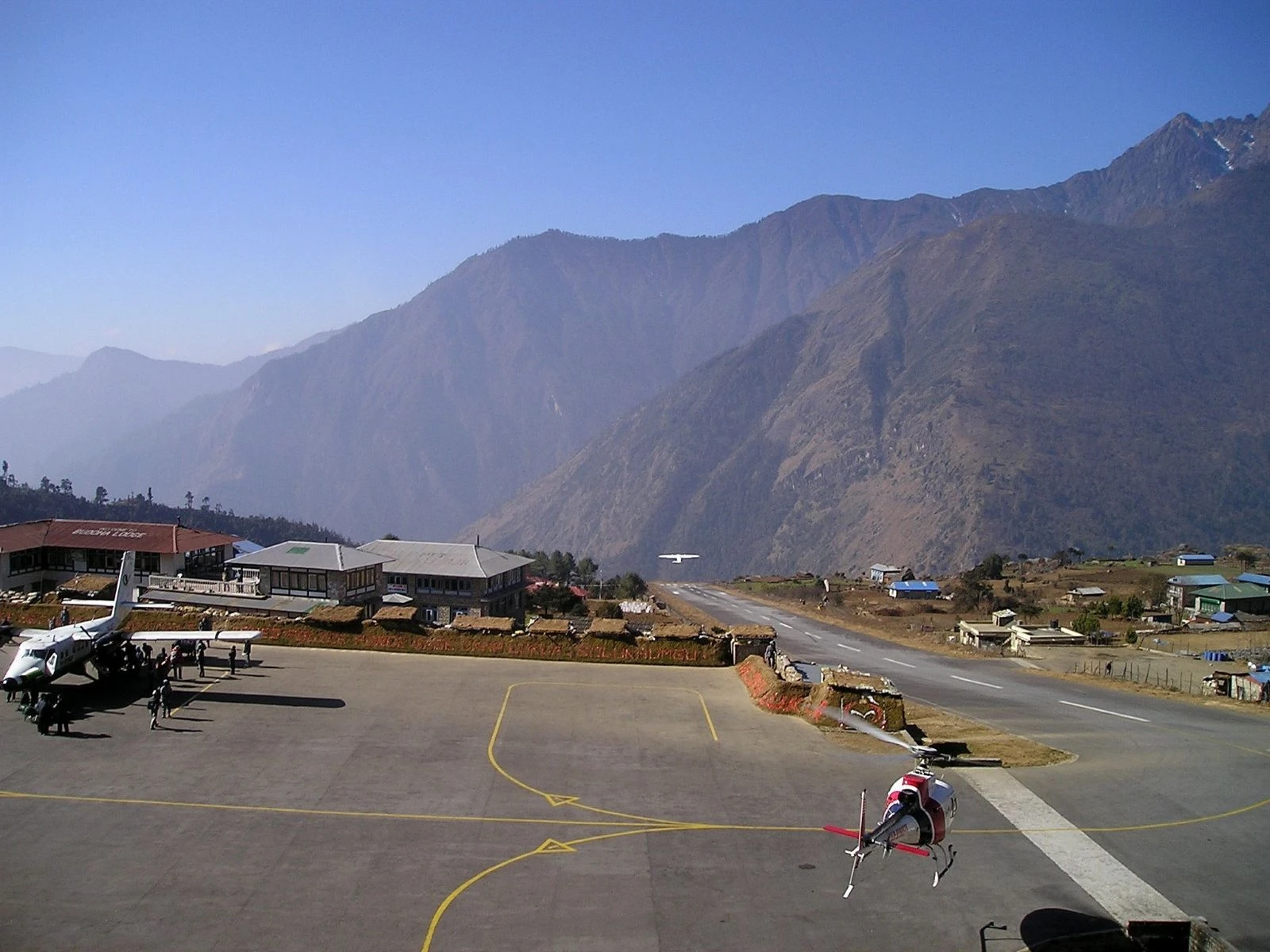
Board the iconic mountain flight into Lukla, one of the world's most thrilling landings, then hit the trail immediately, descending through pine forest to the riverside village of Phakding (2,610 m).
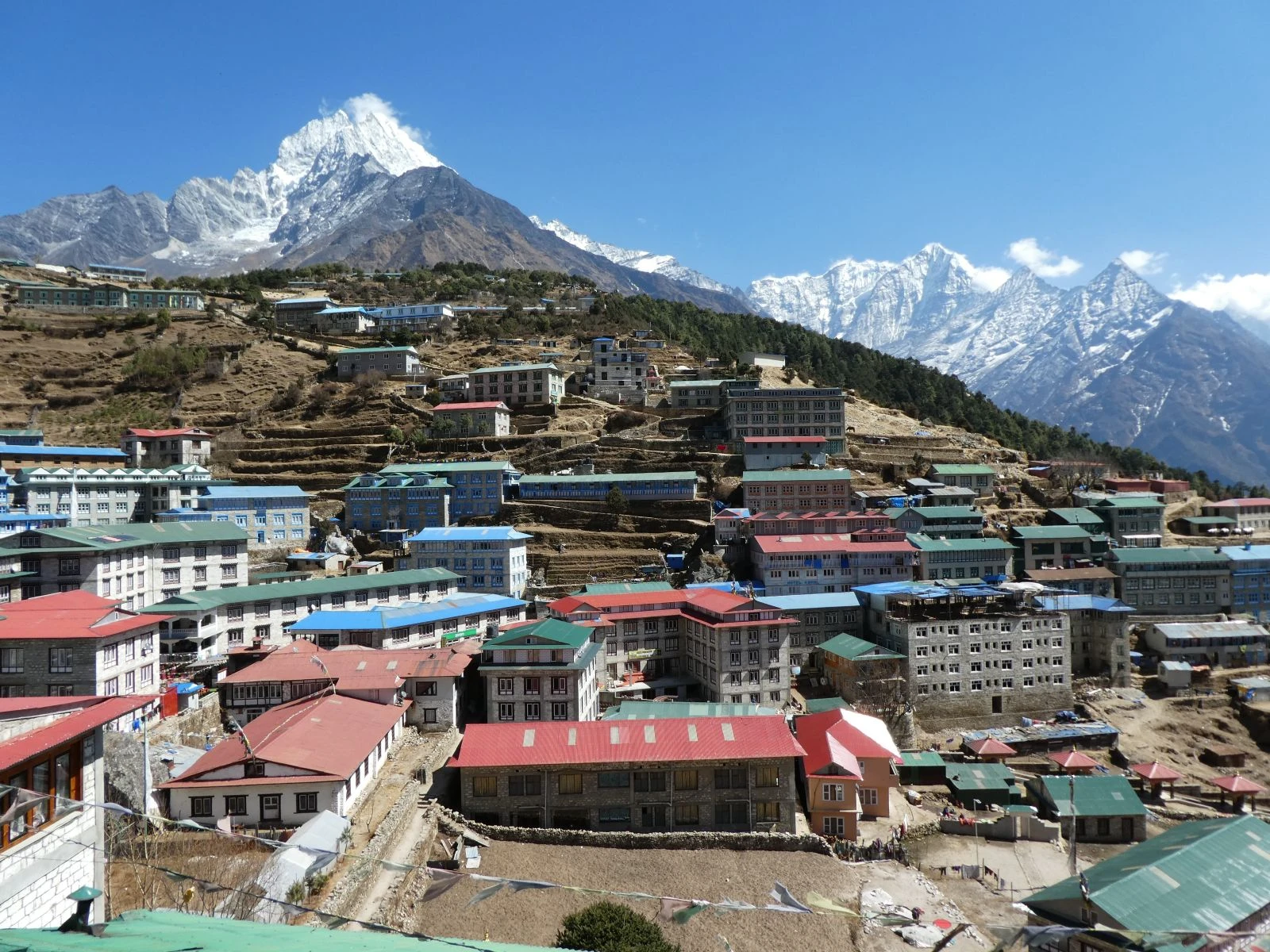
Cross suspension bridges over the roaring Dudh Koshi river, enter Sagarmatha National Park at Monjo, and tackle the steep two-hour climb up to Namche the bustling gateway to the Khumbu. Your first views of Everest may appear on the ascent.
A mandatory rest day to help your body adjust to altitude. Hike up to the Everest View Hotel for your first panoramic look at Everest, Lhotse, and Ama Dablam, then spend the afternoon exploring Namche's cafes, bakeries, and gear shops.
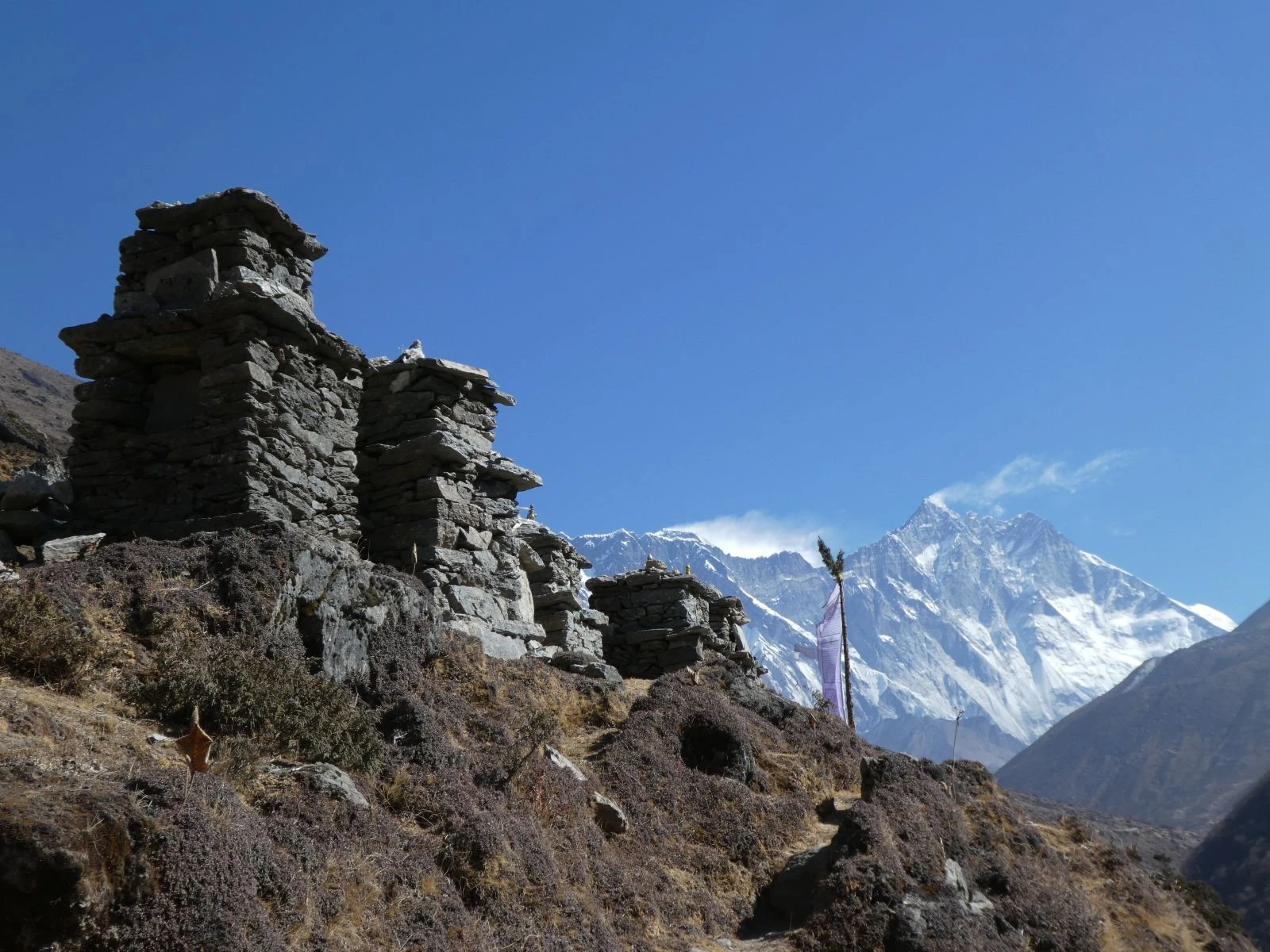
The trail rolls through rhododendron forests with Ama Dablam towering overhead at every turn. Arrive at Tengboche monastery, the spiritual heart of the Khumbu, perched on a ridge with staggering views of Everest and Nuptse.
Descend to Pangboche village, home to the valley's oldest monastery, before climbing steadily up into the open, windswept terrain of the upper Khumbu. Dingboche sits in a wide bowl surrounded by giant peaks on three sides.
Second critical acclimatization day. Hike up to the Nangkartshang ridge (5,000+ m) for sweeping views of Makalu, Cho Oyu, and Island Peak, then descend and rest. Your appetite and sleep quality here are key indicators of how your body is adapting.
The landscape turns raw and glacial as you pass the Thukla memorial cairns a sobering tribute to Everest climbers lost on the mountain. Lobuche is a small, exposed cluster of teahouses where the cold bites hard after dark.
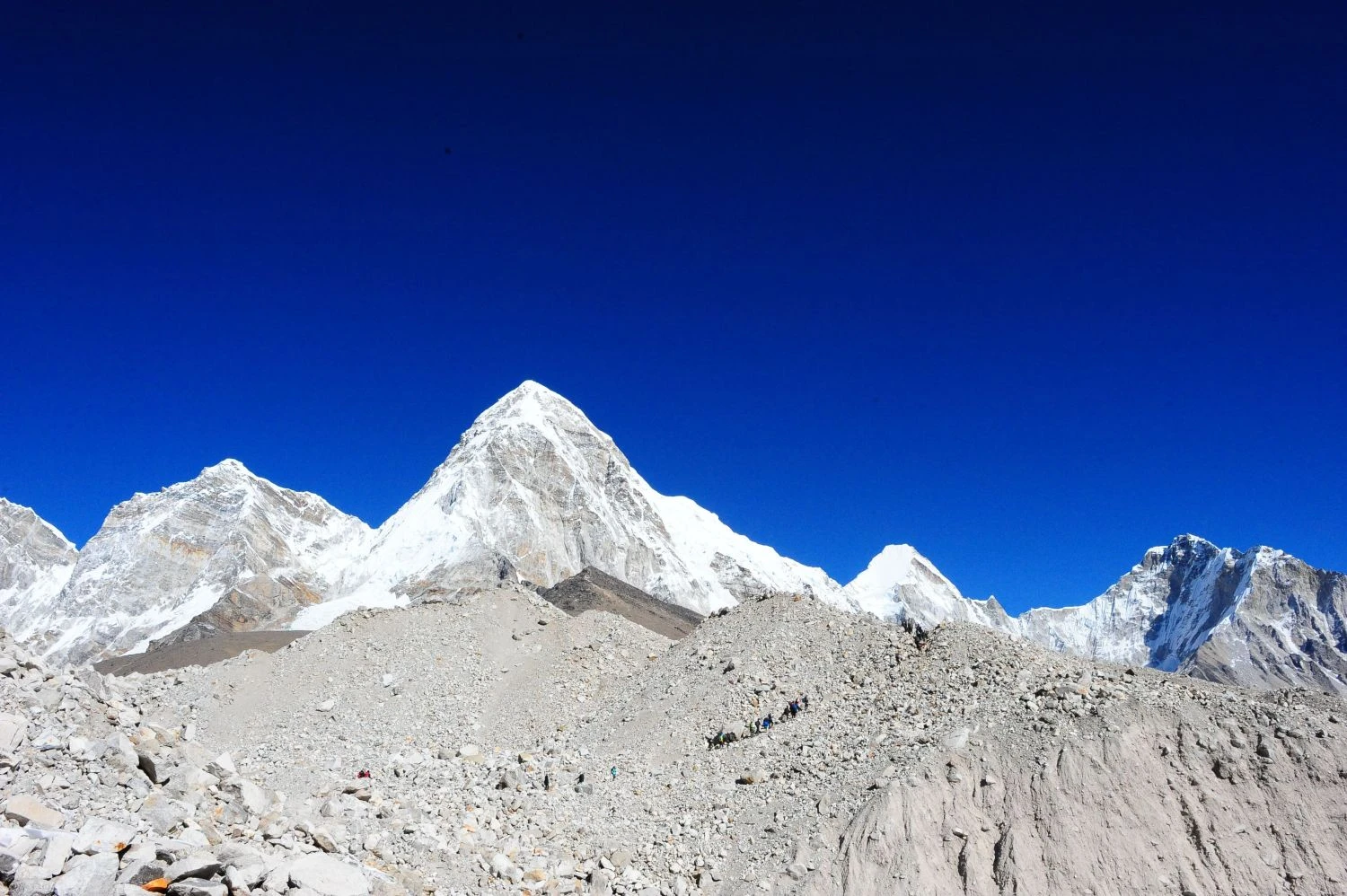
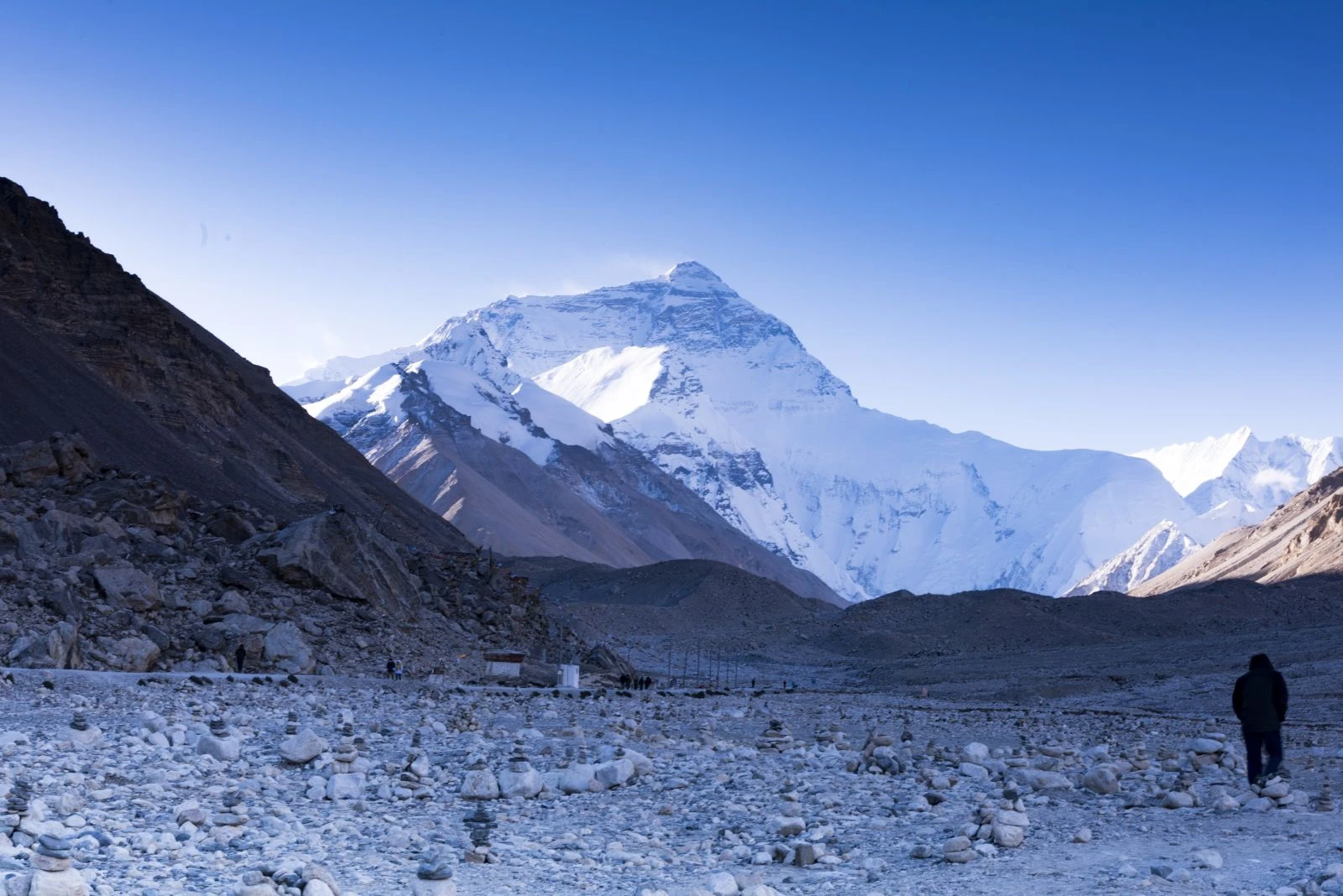
Push on to Gorakshep the last stop before Base Camp then continue the final 3 km across the rocky Khumbu glacier moraine to reach Everest Base Camp at 5,364 m. Stand at the foot of the world's highest mountain and take it all in before returning to Gorakshep for the night.
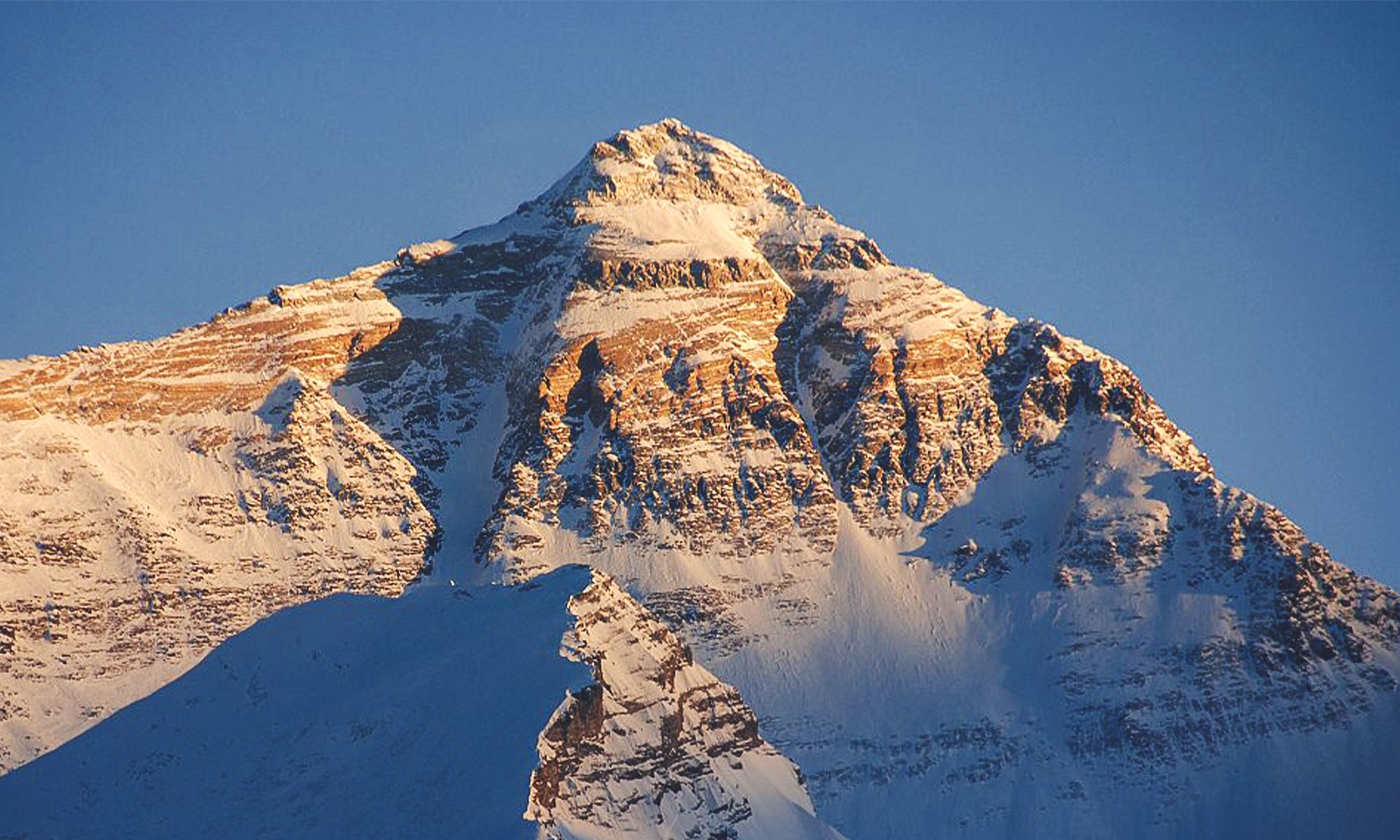
Rise before dawn and summit Kala Patthar (5,545 m) for the most iconic direct view of Everest available to trekkers the summit glows gold at sunrise. Descend all the way to Pheriche (4,288 m) to aid recovery at lower altitude.
The descent always feels faster and lighter your legs are strong, your lungs are full, and the views hit differently now that you know what's behind you. Return to Tengboche and enjoy a well-earned rest in the shadow of the monastery.
Retrace the trail back through the rhododendron forest and across the high ridgeline, returning to Namche for a final night in the Khumbu's most lively settlement. Celebrate with a hot shower, a good meal, and stories with fellow trekkers.
One long, satisfying day back through Phakding and the lower Khumbu valleys to Lukla. The altitude drops with every step and the air grows noticeably thicker a welcome reward after two weeks at height.
Morning flight back to Kathmandu, weather permitting, with the entire Himalayan range spread below you one final time. The afternoon is free for shopping in Thamel, a massage, or a celebratory dinner with your team.
Your Everest Base Camp adventure comes to a close. Transfer to Tribhuvan International Airport for your onward flight leaving with sore legs, a full memory card, and a story you'll tell for the rest of your life.
Altitude Graph
Yes, trekking to Everest Base Camp is an absolutely wonderful idea for anyone who loves the outdoors and is looking for a truly life-changing adventure. The Everest Base Camp trek rewards you with panoramic views of the world's highest peaks including Everest (8,849 m), Lhotse, Nuptse, and Ama Dablam, while immersing you in the rich Sherpa culture, ancient Buddhist monasteries, and the raw beauty of the Khumbu Valley. It is one of the most celebrated treks on Earth for good reason and it does not require technical climbing skills, making it achievable for any fit and determined traveller.
The Everest Base Camp trek is considered a moderately challenging to strenuous trek, but it is not technically difficult — you do not need any mountaineering experience or specialist equipment to complete it. The main challenge of the Everest Base Camp trek is the high altitude, with the trail reaching 5,364 m at Base Camp and 5,545 m at Kala Patthar. Long walking days of 5–7 hours, steep ascents such as the climb to Namche Bazaar, and cold temperatures at higher elevations all test your stamina. A reasonable level of fitness, proper preparation, and following a slow acclimatization schedule will make this trek very achievable.
The total cost of the Everest Base Camp trek typically ranges from $1,200 to $2,500 USD for a fully guided experience, which includes your Lukla flights, teahouse accommodation, three meals a day, a licensed guide, and a porter. On top of this, you will need to budget for the Sagarmatha National Park entry permit (around $30) and the Khumbu Pasang Lhamu Rural Municipality fee (around $20). Budget trekkers going more independently can bring the cost of the Everest Base Camp trek down to around $800–$1,000, though hiring at least a guide is always strongly recommended for safety at high altitude.
To trek to Everest Base Camp, you need two main permits. The first is the Sagarmatha National Park entry permit (approximately $30 USD), which covers your entry into the UNESCO World Heritage protected area that the entire route passes through. The second is the Khumbu Pasang Lhamu Rural Municipality permit (approximately $20 USD), which is required for trekking in the Khumbu region. Both permits are arranged in Kathmandu before you fly to Lukla, and a licensed trekking agency or guide will typically handle the full permit process on your behalf.
While the Everest Base Camp trek is technically possible without a guide, hiring a licensed, experienced guide is very strongly recommended for safety, navigation, and overall experience. A good guide for the Everest Base Camp trek manages your acclimatization schedule, identifies early signs of altitude sickness, communicates with local teahouses, and can arrange emergency evacuations if needed — all things that are very difficult to handle alone at high altitude. Your guide should hold a valid Nepal Tourism Board (NTB) license and have specific experience on the Everest trail. Booking through a registered trekking agency in Kathmandu is the safest and most reliable way to find one.
Altitude sickness medically known as Acute Mountain Sickness (AMS) is a condition caused by ascending too quickly to high altitude, where reduced oxygen levels cause symptoms including headaches, nausea, dizziness, fatigue, and disrupted sleep. On the Everest Base Camp trek, altitude sickness is the most common reason trekkers are forced to turn back or require helicopter evacuation. To avoid altitude sickness on the EBC trek, follow a gradual acclimatization schedule (built into a proper 16-day itinerary), take mandatory rest days at Namche Bazaar and Dingboche, drink at least 3–4 litres of water daily, avoid alcohol at altitude, and never push forward if you are experiencing worsening symptoms. The golden rule of high-altitude trekking is: walk high, sleep low.
Yes, travel insurance is absolutely essential not optional for the Everest Base Camp trek. Your insurance policy must specifically cover high-altitude trekking above 5,000 m and emergency helicopter evacuation, as a rescue helicopter from the upper Khumbu can cost anywhere from $3,000 to $10,000 USD or more without coverage. Standard travel insurance policies often do not include high-altitude activities, so always read the fine print and confirm your policy covers the EBC trek at its maximum elevation of 5,545 m (Kala Patthar). Purchasing comprehensive insurance before departing for Nepal is one of the most important steps in your pre-trek preparation.
Temperatures on the Everest Base Camp trek vary significantly depending on the season and elevation. During the peak autumn season (October–November), daytime temperatures at lower elevations like Namche Bazaar sit around 10–15°C, while at Gorakshep (5,164 m) nights regularly drop to -10°C or colder. In spring, similar daytime conditions apply but nights remain very cold above 4,000 m. At Kala Patthar (5,545 m) during the pre-dawn summit, temperatures can feel bitterly cold with wind chill. Packing a high-quality down jacket, thermal base layers, and a sleeping bag rated to at least -10°C is essential for a comfortable Everest Base Camp trek experience.
Yes, beginners can absolutely do the Everest Base Camp trek and thousands of first-time trekkers complete it successfully every year. The Everest Base Camp trail does not require any technical climbing skills, ropes, or mountaineering experience. What beginners need before attempting the EBC trek is a solid base of cardiovascular fitness (regular hiking, running, or cycling in the months before departure), a well-paced 16-day itinerary with proper acclimatization days built in, and a licensed guide who can manage the pace and monitor health. Starting with some day hikes or multi-day treks before attempting EBC is a great way for beginners to build confidence and test their gear.
 Nepal
Nepal
 21
21  Sept - Nov & March - May