Destination
Nepal
Duration
60
Destination
Nepal
Duration
60
Trip Difficulty
Challenging
Accommodation
Tea House and Tent
Meals
B, L, & D
Max. Elevation
8848.86
Group Size
2 to 15
Best Time
April and May
| Fact | Details |
|---|---|
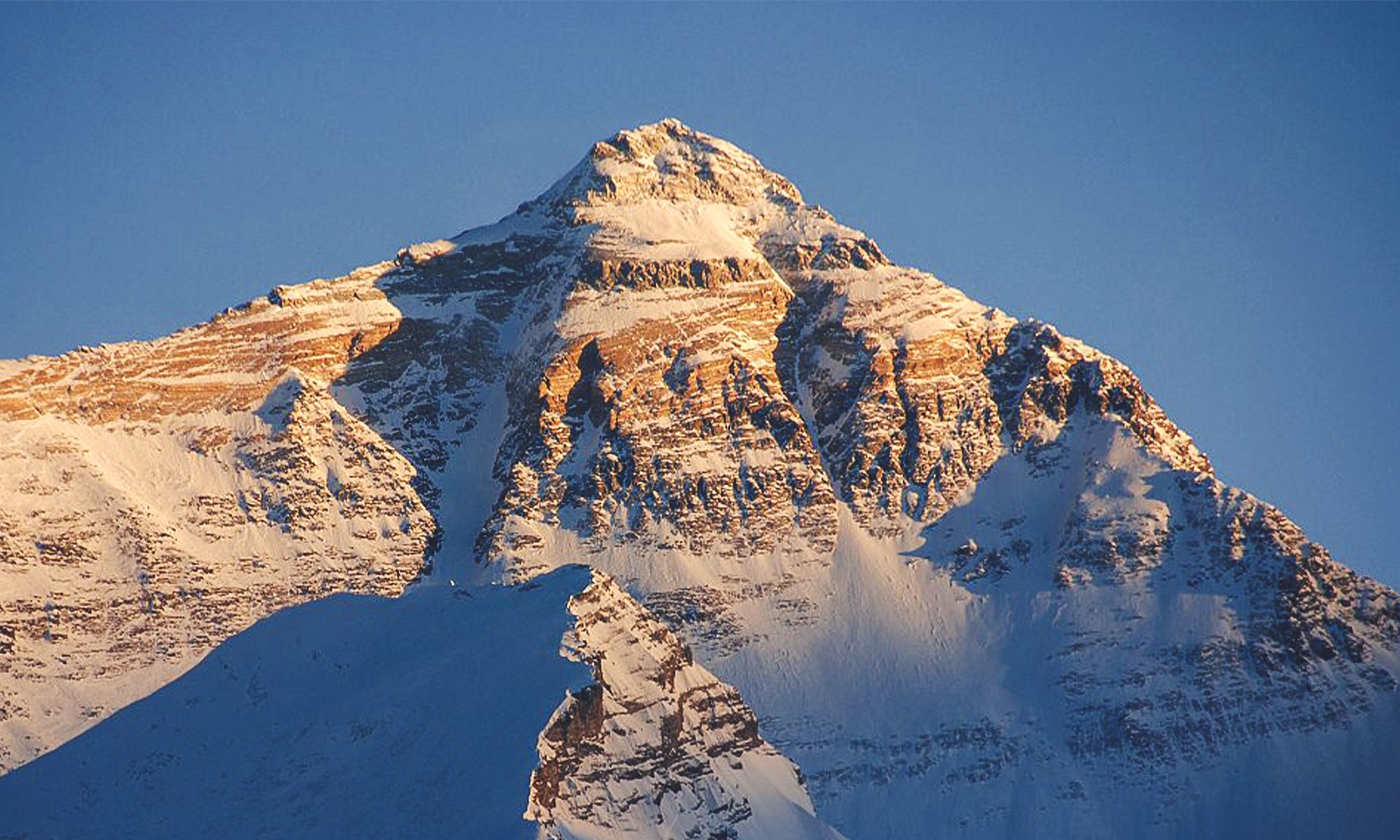
| Official Name | Mount Everest (Sagarmatha in Nepali, Chomolungma in Tibetan) |
| Height (2020 Survey) | 8,848.86 m (29,031.7 ft) jointly measured by Nepal & China |
| Location | Mahalangur Himal, Himalayas (Nepal–Tibet border) |
| First Summit | 29 May 1953 Edmund Hillary & Tenzing Norgay |
| First Solo Summit | 1980 Reinhold Messner (without oxygen) |
| First Woman to Summit | 1975 Junko Tabei |
| Fastest Ascent (Nepal Side) | 10h 56m Lhakpa Gelu Sherpa (2003) |
| Oldest Summiteer | Yuichiro Miura age 80 (2013) |
| Youngest Summiteer | Jordan Romero age 13 (2010) |
| Most Summits | Kami Rita Sherpa 29 summits (as of 2024) |
| Oxygen at Summit | 33% of sea-level oxygen |
| Avg. Summit Temp | -36°C in May; down to -60°C in winter |
| Wind Speeds | 50–100 km/h; winter jet stream exceeds 285 km/h |
| Total Deaths | 330+ recorded; 200 bodies remain on the mountain |
| Climbing Seasons | Spring (Apr–May) & Autumn (Sept–Oct) |
| Permits/Year (Nepal) | 400–500 climbers |
Not ready for Everest yet? The Manaslu Expedition 2026 is widely regarded as the best preparation climb same Himalayan experience, less crowd, lower cost.
Climbing a mountain is not just only a dream but it’s a once in a life moment achievement. And in this achievement summit, 8000 can be your perfect partner to make your dream come true in Nepal. As we are built by the Himalayas, we not only sell, but we also understand the mountains.
We have a deep understanding of the local terrain, weather behaviour, altitude adaptation, and mountain cultures.Our founder, Mr. Pasang Sherpa, is an elite sherpa guide with the IFMGA-trained certificates. He has done multiple Everest summits, due to which he can exactly guide you through everything. We have the safety-first philosophy, and we believe a successful climb is not only about reaching the top of Everest, but it's also about reaching back to the base camp safely.
Due to this, we take conservative weather decisions, we have strong acclimatization schedules, we have proper backup days and rotation plans, we have medical awareness at high altitude, and we have clean turnaround policies in the death zone.
We have designed itineraries especially made for you and your safety. We have strong logistics and high-quality equipment. We provide ethical, sustainable, and responsible climbing. We have the years of experience and proven track record to safely conquer the world’s top without any fatality.
Preparing for climbing Mount Everest is not only a one-day thought, but it is years of planning, physically, mentally, emotionally, and financially. The climbing of the peak is 70% mentally and 30 % physically.
You will need to make up for the fact that you will be away from your comfort zone for the month’s duration. You will need to have the long waiting periods due to the weather, snowfall, avalanches, and other natural disasters.
You will need to face the extreme cold, fear, and exhaustion. You will need to be ready to face the biggest mental breakdown, which is that you will be close to the summit but still need to turn back in case of any fatality. You will need to train yourself to do long endurance activities and learn to stay calm in case of any stress.
Not only mentally, but you will need to prepare yourself physically as well. You don’t need to be a bodybuilder or gym freak, but you will need to have endurance and efficiency. You will need to have a good practice of hiking for 8 to 10 hours a day with a 20 to 25kg backpack. You will need to practice running and cycling for hours without getting tired.
Also, with this, you will need to do some cardio exercises like hiking, stair climbing, leg, core, back, and shoulder, and you will also need to practice lifting loads with uneven distractions. If you are a beginner and planning to climb Mount Everest, then it's a big no for you.
You cannot do that, first you will need to do some trekking or hiking. After that, you will need to climb the smaller peaks above 6000 meters, like the Island Peak, Lobuche Peak, Ama Dablam Peak, and similar.
After preparing yourself mentally and physically, it's important for you to prepare for the climbing technically as well. The Everest is not a learning ground, so everything you need to learn before climbing it, and you shall have the experience to use it.
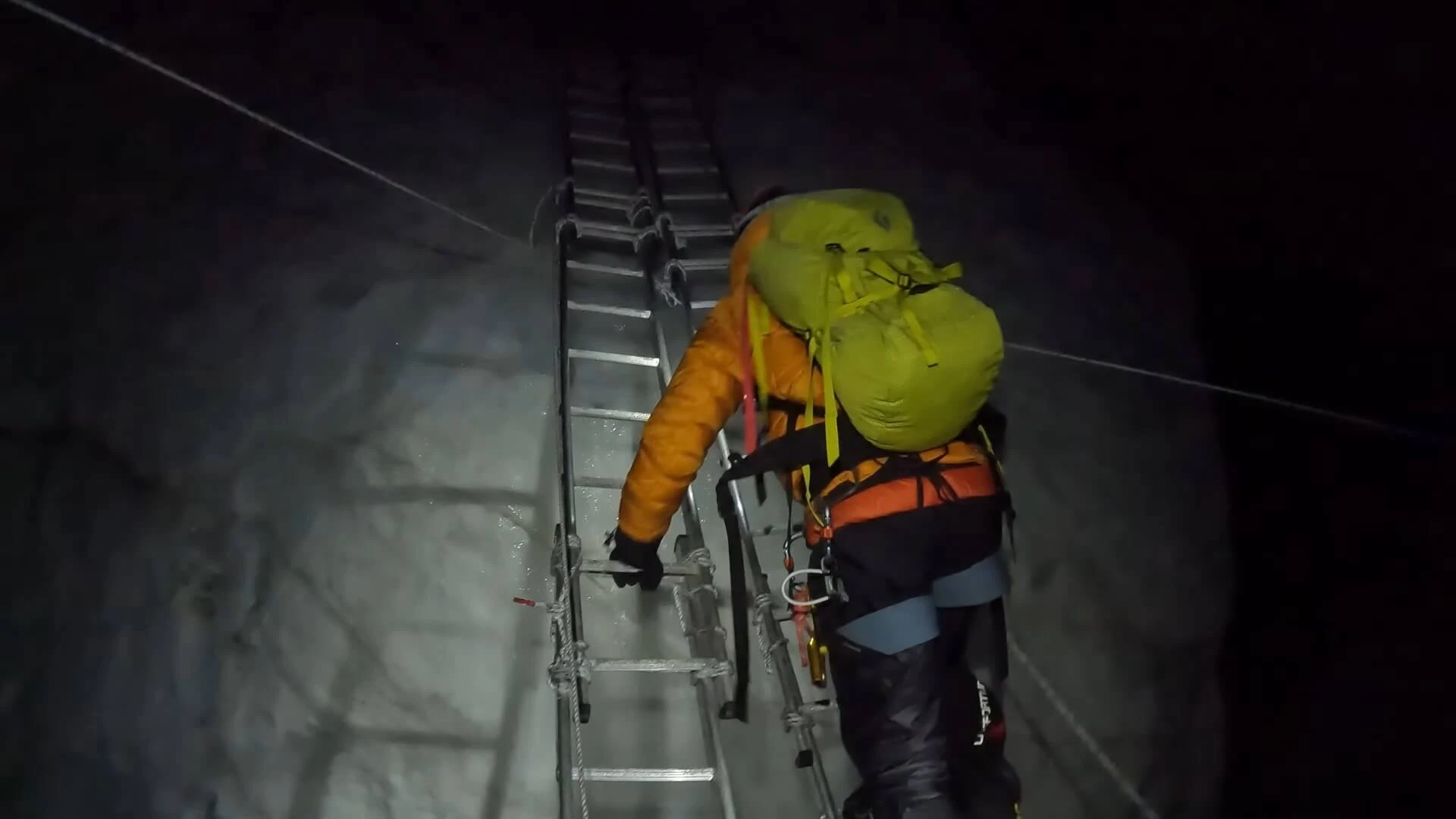
You will need to know how to use the crampons efficiently, you need to know how to do the ice arrest, you will need to know how to use the fixed ropes, you will need to know how to use the ladder in the glaciers, you shall have the knowledge how to do the glacier travel, and crevasse rescue basics, you will need to climb the peaks top without oxygen of course it shall be lower than the 7000 meters. If you have these skills, then it's suggested to go for the Everest summit.
South Col route camp by camp
The standard Nepal-side route used by Summit 8000 expeditions. Each camp requires multiple rotation climbs for proper acclimatization.
| Camp | Location & Description | Elevation (m) | Elevation (ft) |
|---|---|---|---|
| EBC | Everest Base Camp Main operations hub · Puja ceremony · Icefall preparation | 5,364 m | 17,598 ft |
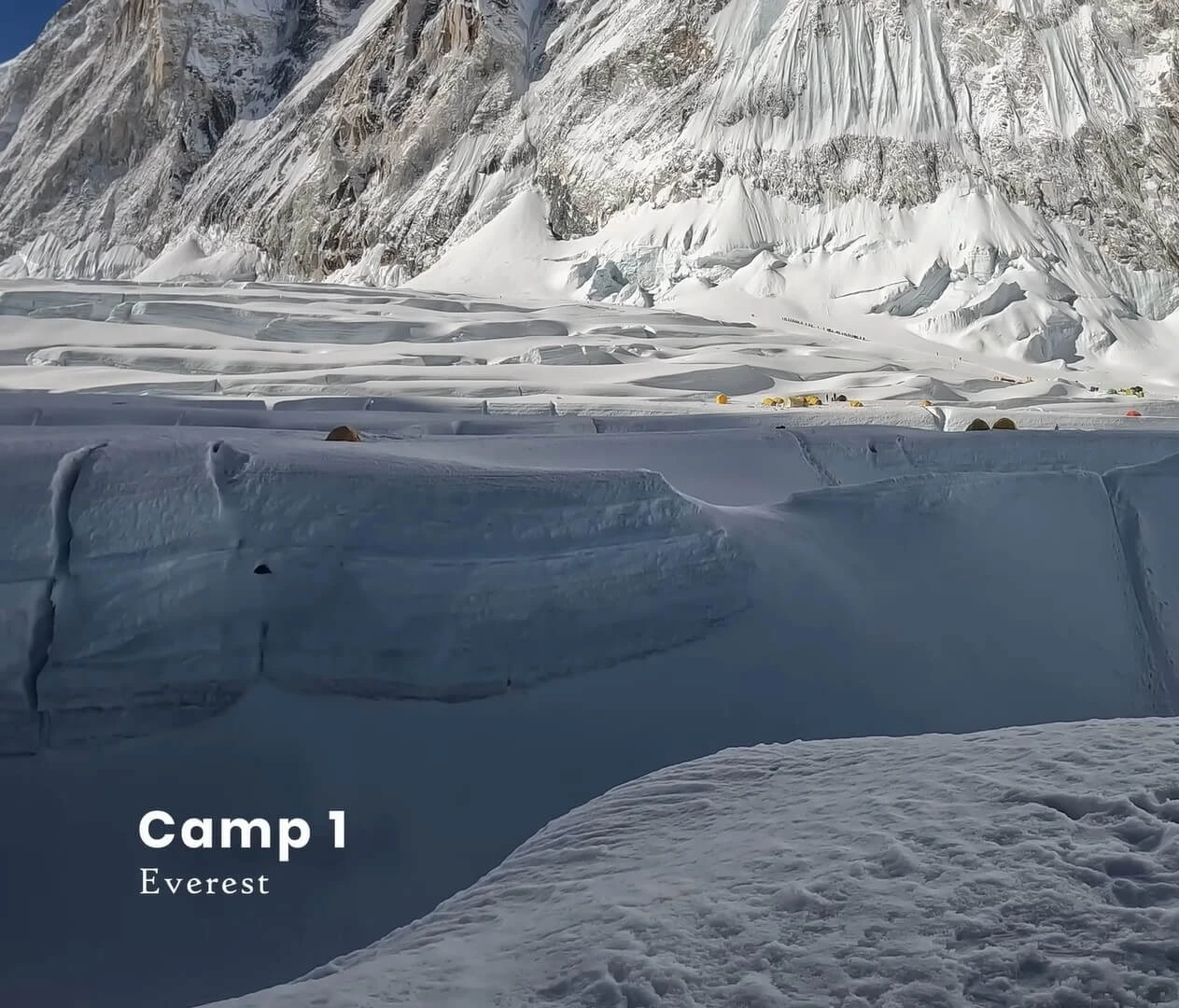
| C I | Camp I Western Cwm entry · Above Khumbu Icefall · Crevasse crossings | 6,065 m | 19,865 ft |
| C II | Camp II Advanced Base Camp · Acclimatization & rest hub | 6,400 m | 20,997 ft |
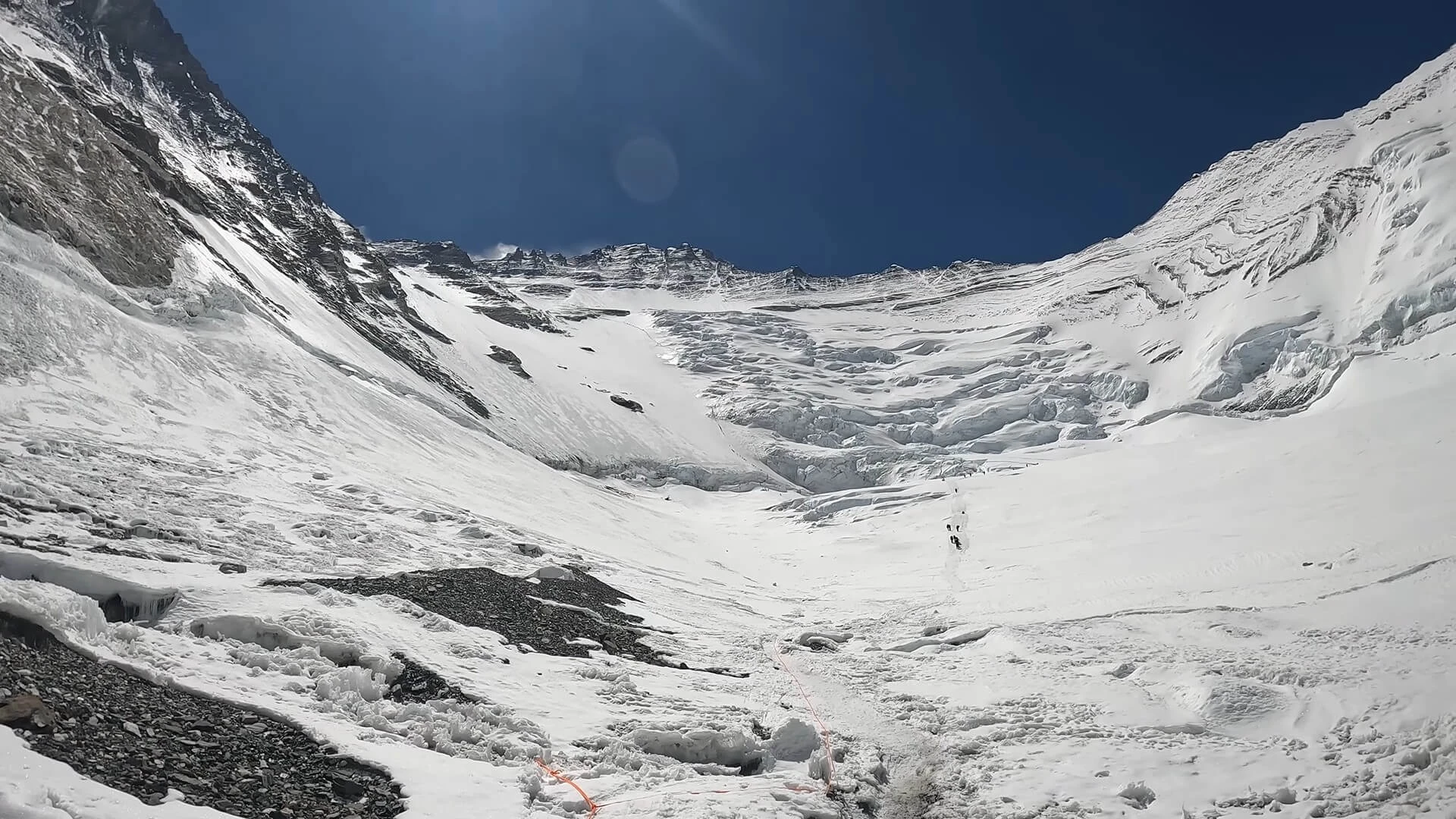
| C III | Camp III Lhotse Face · Fixed ropes · 45–55° ice slope | 7,200 m | 23,622 ft |
| C IV | Camp IV South Col (Death Zone) · Final summit staging point | 7,950 m | 26,083 ft |
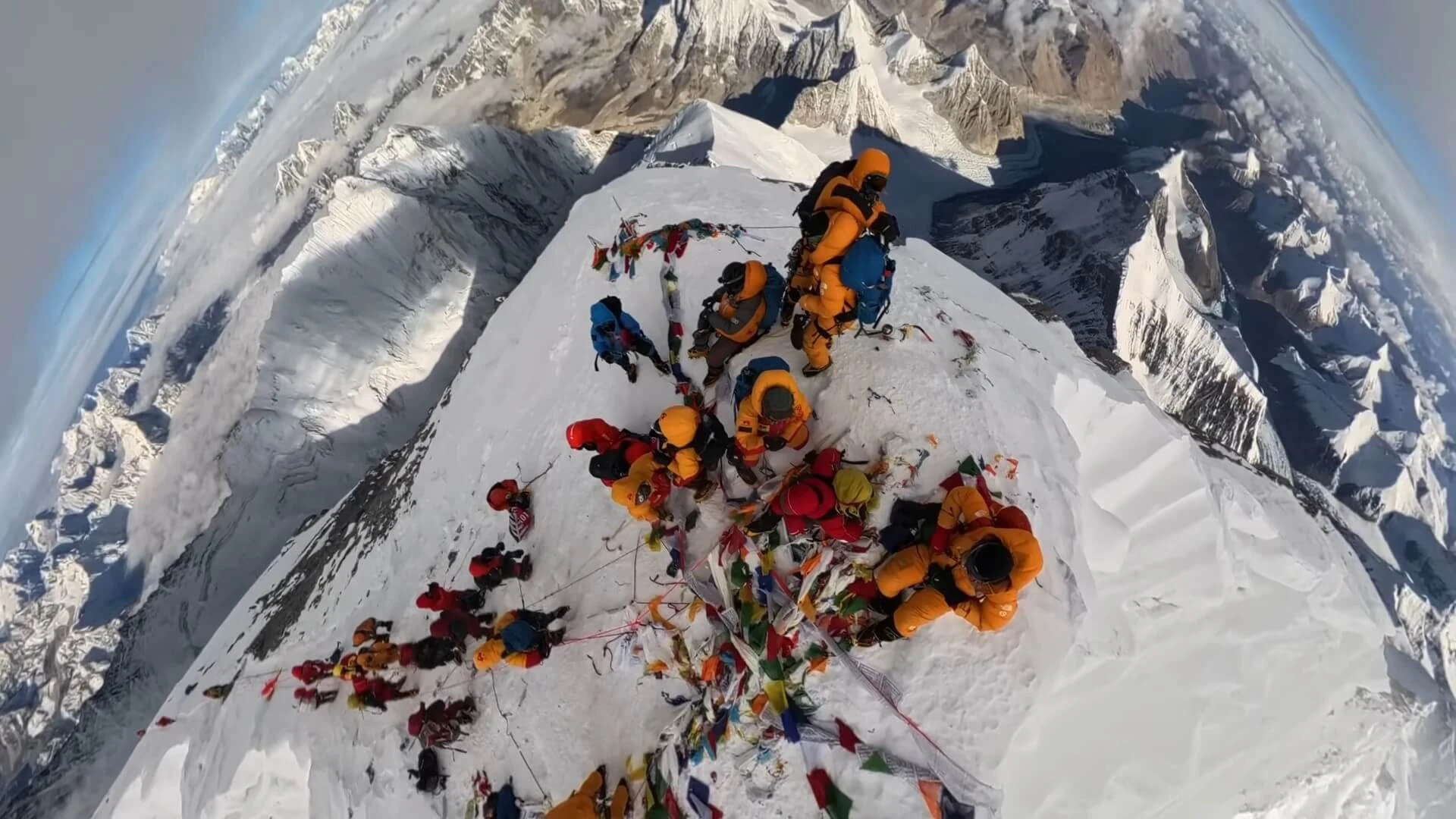
| Summit | Hillary Step & summit ridge · Final push from Camp IV | 8,848 m | 29,032 ft |
Climbers ascend to Camp II or III and descend back to EBC multiple times before the summit push. This "climb high, sleep low" strategy forces the body to produce more red blood cells and improves oxygen-carrying capacity the difference between summiting and turning back.
| Factor | South Col (Nepal) | North Ridge (Tibet) |
|---|---|---|
| Base Camp Altitude | 5,364 m | 5,150 m |
| Permit Cost (2025) | $11,000 USD (Nepal Govt) | $9,000 USD (China/Tibet) |
| Expedition Duration | 60–90 days | 60–75 days |
| Technical Difficulty | Moderate (less technical, more objective risk) | More technical & exposed |
| Key Obstacle | Khumbu Icefall (objective hazard) | Second Step (technical crux) |
| Fixed Ropes | From Base Camp to summit (well established) | From Advanced Camp upward |
| Supplemental Oxygen | Strongly advised from Camp III | Strongly advised from higher camps |
| Support System | Excellent Sherpa support & logistics | Limited support compared to Nepal |
| % of Total Summits | 60% of all ascents | 40% of all ascents |
| Best For | First-time 8000m climbers | Experienced climbers seeking challenge |
| Cost Component | Budget Range | Standard Range | Luxury Range |
|---|---|---|---|
| NMA Climbing Permit (Nepal) | $11,000 | $11,000 | $11,000 |
| Expedition Operator Fee | $10,000–15,000 | $25,000–40,000 | $60,000–90,000 |
| Sherpa Support (High-Altitude) | Shared | 1:1 ratio included | 1:1 + dedicated team |
| Oxygen Cylinders & Mask | $2,000–3,000 | Included | Included (premium) |
| Personal Climbing Gear | $5,000–8,000 | $5,000–8,000 | $8,000–12,000 |
| Travel Insurance (Mandatory) | $1,500–2,500 | $1,500–2,500 | $2,500–5,000 |
| International Flights | $1,000–2,500 | $1,000–2,500 | $5,000–15,000 |
| Pre-Expedition Training Peaks | $3,000–6,000 | $5,000–10,000 | $10,000–20,000 |
| Estimated Total | $35,000–45,000 | $50,000–75,000 | $100,000–150,000+ |
Budget operators sometimes cut corners on safety equipment, Sherpa ratios, oxygen reserves, and evacuation planning. At 8,000+ metres, these cuts can be fatal. Summit 8000 operates on a safety-first philosophy with full backup oxygen, conservative turnaround policies, and IFMGA-certified lead guides on every expedition.
| Year | Event / Achievement | Details |
|---|---|---|
| 1978 | First solo summit Reinhold Messner | Messner climbed alone via the North Face in monsoon season — the most audacious solo act in climbing history. |
| 1996 | Deadliest season in history 15 deaths | A catastrophic storm on 10–11 May 1996 claimed 8 lives in a single day. Documented in Jon Krakauer's Into Thin Air. |
| 2003 | 50th anniversary fastest ascent record set | Lhakpa Gelu Sherpa set the speed record from EBC to summit in just 10 hours 56 minutes. |
| 2015 | Nepal earthquake closes mountain 22 deaths at EBC | The April 2015 earthquake triggered a massive avalanche that swept through Base Camp, the deadliest single disaster on Everest. |
| 2020 | New official height 8,848.86 m | Nepal and China jointly resurveyed the mountain using GPS and gravimetric data, adding 86 cm to the previously accepted height. |
| 2024 | Kami Rita Sherpa 29th summit (world record) | Kami Rita Sherpa extended his own world record for the most summits of Everest by any individual. |
Climbing Mount Everest is not just a test of physical endurance it’s a serious encounter with some of the harshest conditions on Earth. The risks are both environmental and physiological, and they can escalate quickly with altitude.
Climbers face acute mountain sickness (AMS), which can progress to life-threatening conditions like high-altitude cerebral edema (HACE) and high-altitude pulmonary edema (HAPE) if not treated promptly. Extreme cold and wind increase the likelihood of frostbite, hypothermia, and exhaustion, while intense sunlight and reflective snow can cause snow blindness.
On the objective hazards side, the mountain is prone to avalanches, icefall collapses, and serac breaks, particularly in sections like the Khumbu Icefall. Even experienced climbers must respect strict turnaround times, acclimatization schedules, and safety protocols, because transparency, preparation, and cautious decision-making are the difference between life and death at 8,000 meters.
| Risk / Condition | Level | Onset Zone | Prevention & Response |
|---|---|---|---|
| Acute Mountain Sickness (AMS) | Medium | Above 3,000 m | Slow ascent, stay hydrated, descend if symptoms worsen |
| High Altitude Cerebral Edema (HACE) | Critical | Above 5,500 m | Immediate descent, Dexamethasone, Gamow bag |
| High Altitude Pulmonary Edema (HAPE) | Critical | Above 3,500 m | Immediate descent, oxygen therapy, Nifedipine |
| Frostbite | High | Above Camp III | Proper layering, heated boots, avoid rewarming in the field |
| Snow Blindness | Medium | All zones | Wear CE-rated glacier glasses or goggles at all times |
| Exhaustion / Hypothermia | High | Death Zone 8,000 m+ | Follow strict 2 PM turnaround rule, ensure rest and nutrition |
| Serac / Icefall Collapse | High (objective) | Khumbu Icefall | Cross icefall early morning (01:00–04:00); avoid lingering |
| Avalanche | Medium | All zones | Use avalanche transceiver, monitor routes, follow weather windows |
Bookings for the Mount Everest Expedition Spring 2027 are now officially open with limited slots available for serious climbers. The spring season (April–May) offers the most stable weather window, making it the ideal time to attempt the summit of the world’s highest mountain at 8,848.86 meters.
Our 2027 expedition is designed for climbers who are fully committed to high-altitude mountaineering and ready to take on the ultimate challenge. With a carefully planned 60 day itinerary, expert Sherpa support, fixed rope logistics, and a safety-first climbing strategy, this expedition maximizes your chances of a successful and safe summit.
Due to increasing demand and limited permits issued by the Nepal government each year, early booking is highly recommended. Securing your spot in advance allows sufficient time for training, gear preparation, and proper acclimatization planning. Whether you are aiming to complete your first 8000m peak or fulfill a lifelong dream, the Everest Expedition 2027 is your opportunity to stand on top of the world.
👉 Reserve your place now and begin your journey toward the ultimate mountaineering achievement.
Welcome to Kathmandu. Our team member from Summit 8000 will be waiting for you at the arrival gate with your name. After the meeting, you will have a small meet and greet ceremony where our team member will put a mala and tika on you and drive you to Thamel. In the evening you can explore the Thamel husting and bustling streets.
From the 2nd to the 4th, you will meet your guide. Your guide will give you instructions on how to buy the gear and equipment for you. You can buy or rent the items. You will need to select high-quality materials for your safety. You will need to re-check the missing equipment and do proper inspections. You shall try everything and check whether it works. Once everything is done, you will have your permits ready for the climb. After that, if you still have time left, you may do some sightseeing in Kathmandu Valley. Also, your guide will brief you on everything about the expeditions.
Early in the morning, you will have your breakfast, and then our company vehicle will come to pick you up from your hotel and drop you off at the airport. After that, you will fly to Lukla. The flight is around 35 minutes above the valleys and mountains. Upon reaching Lukla, you will trek to Phakding via the lush green forests of pines and Rhododendron.
You will have an early morning hike to Namche Bazar, the market hub in the Khumbu region. You will walk via the beautiful suspension bridges like the Tenzing Hillary suspension bridge, which is named after the first mount Everest climber Tenzing Hillary. You will walk through the beautiful valleys and reach Namche.
Today will be the acclimatization day for you at Namche Bazar. You will hike to the Everest View hotel from where you can witness the breathtaking views of Mount Everest (8848 m, which will be summiting its peak. Along with that, you will see the surrounding peaks like the Lhotse (8,516), Nuptse (7,861), Ama Dablam (6,812), and many more. You may visit the Sherpa museum, where you can learn about their history, their cultures, their traditions, and their bravery.
You will trek to Tengboche on the 8th day. You will be trekking through the red and white Rhododendron forests along the Dudh Koshi River, following the streams. You will cross the suspension bridges and reach your destinations. Upon reaching, you can visit the Tengboche monastery, which is a famous monastery inside the Everest region, as it is the largest in the region
You will have an early morning walk from Tengboche to Dingboche. You will have your breakfast in the tea house. On the way, you will cross some wooden bridges and descend at first through the green forests. After that, you will ascend from the Debouche villages, from where you can witness the first glimpse of the alpine shrubs.
As you are closer to the EBC, it's important for you to acclimate yourself so that you don’t feel any difficulty breathing. Following this, you will have a short walk around the village via the small chortens and prayer flags. You will walk to the Nangkartshang Peak, which is located at an altitude of 4,700 m, and return to the village, which will help you to acclimate.
We understand your curiosity to reach the EBC and start your climb, but before that, it's important for you fight the high altitude and AMS problems due to which you will need to follow this itinerary as well. You will go via the well-marked terrains, crossing small streams and agricultural areas. You will start to see the rocky surroundings, glacier moraines, and uneven trails.
In the morning, you will hike to the Kala Patthar at an altitude of 5545 m from where you can witness the beautiful views of the Everest and its surrounding peaks. You will walk via zigzag rocky trails, and after that, you will trek to the EBC. During the walk, you will cross the glacial moraine and sandy paths. After reaching the base camp, you will finally reach the foot of the world's highest mountain, and your goal will be to climb to its top within 3 months. While a normal trekker will return from there, you can stay there inside your tent with your expedition team.
Proper acclimatization and preparation are key to a safe and successful climb. Our itinerary is carefully designed to allow gradual altitude gain, giving your body time to adapt to the Himalayan environment. Before the expedition, we recommend focused physical training that builds endurance, strength, and mental resilience. Our experienced guides also provide briefings, gear checks, and climbing preparation to ensure every climber is fully ready for the journey ahead.
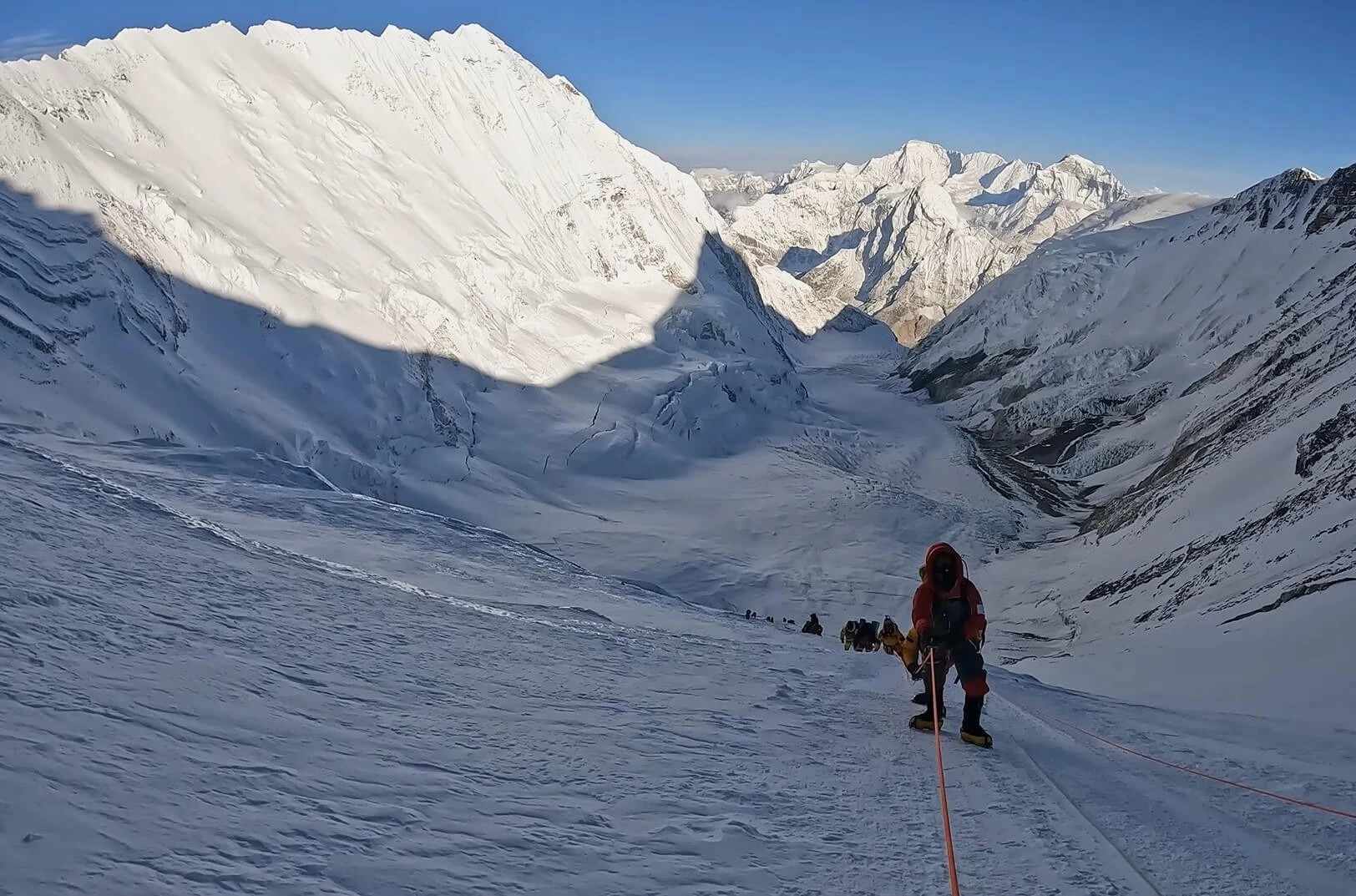
From day 17 to 35, your true adventure spirit will test you. You will acclimate yourself in the mountains along with the rotations climbs from Camp I (6,065m), Camp II (6,400m), and Camp III (7,200m). After completing your rotations and climbs, you will do the summit push on the South Col route. To the top of the world at an altitude of 8,848.86. Please be careful, listen to your guide, and follow all rules and regulations of climbing the peak.
This is the most critical phase of the expedition as we begin the summit push from Base Camp. Climbers move through the higher camps, following the fixed ropes and weather window identified by our guide team. With careful pacing, teamwork, and determination, the final ascent leads to the summit before descending safely back to Base Camp. This phase demands endurance, focus, and commitment—but offers the ultimate reward of standing on the summit.
After completing your Mount Everest expeditions, congratulate yourself on doing it. After that, you will trek down to Gorakshep from the EBC to rest and relax. You can enjoy your time with the locals and share your interesting stories with them. Upon reaching Gorakshep, you can again visit the Kala Patthar to witness the peak that you just summited.
As you have already conquered the Everest peak and acclimated yourself, it would be easy for you to trek down from Gorakshep to Pheriche. Your trail will be descending via the alpine moraines and beautiful surroundings. You will pass through beautiful villages like the Lobuche, Thukla, and finally reach Pheriche
As you descend towards Namche Bazar, you will see the beautiful villages like Pangboche and Tengboche. You will go down via crossing the suspension bridges, and the scenic villages that lie on the way. Upon reaching Namche, you can relax and enjoy the beautiful views and the local foods. You can visit the different bakeries and cafes, you can take a hot shower, and enjoy your dinner.
Early in the morning, you start your journey towards Lukla, which will be an easy descent via the beautiful, well-marked trails. You can interact with the locals and enjoy your last day of adventure in the mountains. Upon reaching Lukla, you will fly to Kathmandu, which will be a 35-minute flight. Upon reaching, you can relax and then enjoy your last day in Kathmandu.
Following the successful completion of the expedition, climbers attend the official debriefing with the Nepal Tourism Board. This final process includes expedition reporting, permit closure, and sharing key updates from the climb. It marks the formal conclusion of the journey in Nepal while giving climbers time to reflect on their achievement before departure.
Early in the morning, you will head towards the gear and equipment shops and return the things that you rented. And the things that you bought, you can carry yourself. We will have a flight schedule for you, and according to that, we will drop you off at the airport at least 4 hours before completing your visa and immigration-related work. We hope we served you best and wish to welcome you again to climb some other mountains like the Annapurna expedition - I, Dhaulagiri, Makalu, or any other peaks.
Altitude Graph
Lars Thorne
Mar 13, 2026
The Everest expeditions cost 40,000 USD to 200,000 USD, depending on your packages, whether you are choosing the standard expeditions options, budget options, or the luxury options. The goal of the package is to reach the top of the peak, but how you reach it and your comfort level, decide the costs.
The 7000m rule for Everest is that the climbers who want to summit the mountain must have prior climbing experience on Nepal’s 7000 m peaks, so that they can easily complete their summit.
You cannot climb Everest in the summer because of the heavy Monsoon rains, along with the fast winds and storms, making it difficult to climb.
The 2 o’clock or known as the 2 pm role on Everest is that climbers must stop summiting if they have not reached the top of the peak till 2 pm because of the unpredictable weather and storms.
No, Sleeping Beauty (Francys Arsentiev) is not there on Everest, as it was removed in 2007 from the main route for the climbers’ safety.
No, a beginner cannot hike in Everest because the mountain is the world’s highest peak, and it's at an altitude of 8848 meters, which is the death zone, so it's always important for you to do some trekking, some 7000-meter expeditions, and then climb.
It costs $40, 000 to climb Mount Everest because of the permit fees fixed by the Nepal government, Sherpa guides, oxygen cylinders, food, accommodations, gears and equipment, and many more.
Yes, Mount Everest is a high-altitude expedition in Nepal that requires technical climbing, guides, permits, and acclimatization.
Multiple climbers have summited 7+ times, but one notable climber is Apa Sherpa, who held the record for the most Everest summits for many years.
There are On average, about 40–50 commercial expeditions attempt to climb Everest each spring, and 10–20 in autumn, though numbers vary by season and conditions.
The reason why climbers need more than 40,000 USD to climb Mount Everest is because of the Nepal government permit costs, guides, Sherpa support, oxygen, gear, food, logistics, insurance, and contingency plans for emergencies.
The biggest killer on Everest is Altitude-related illnesses (HAPE, HACE), falls, avalanches, and many more, due to which the success rate of this peak is around 60 to 70% only.
You can’t climb Mount Everest after 2 PM because of the afternoon storms, and ensure enough daylight for descent.
Deaths vary, but roughly 5–10 climbers die annually on Everest each year, and some years are higher depending on weather and crowding.
The oldest dead body on Everest is Green Boots, which is believed to have died in the early 1990s.
The temperature on Mount Everest can drop below −40°C at the summit during winter, with wind chills making it feel colder.
You cannot climb Mount Everest in the summer because it is monsoon season, bringing heavy snow, avalanches, poor visibility, and unstable conditions, making climbing extremely dangerous.
The dead bodies on Everest can last forever due to the freezing temperatures and low oxygen, which slows down the process of decomposing.
There are many things that are banned on Mount Everest during climbing, such as littering, leaving human waste, and using non-permitted routes or unlicensed guides. Climbers are expected to follow strict environmental and safety regulations.
Yes, K2 is colder than Everest because it lies in a higher latitude and steeper, more exposed terrain.
The Everest region is the coldest, due to which some of the rare animals live, such as the snow leopards, Himalayan tahr, yaks, birds like choughs, and Himalayan snowcock at lower altitudes.
Yes, some birds, such as the bar-headed goose, can fly over the summit at extreme altitudes.
The dead bodies are not removed from Everest because of Harsh conditions, high altitude, technical difficulty, and cost, which make body recovery extremely dangerous; many remain as markers of the mountain’s risks.
The famous dead body on Everest was Green Boots, who is the most well-known, serving as a landmark in the North-East ridge route.
The most common deaths on Everest is Falls, avalanches, and altitude sickness (HAPE/HACE).
 Nepal
Nepal
 21
21  Sept - Nov & March - May