Destination
Nepal
Duration
17
Destination
Nepal
Duration
17
Trip Difficulty
Moderate
Accommodation
Tea House and Tent
Meals
B, L, & D
Max. Elevation
6189
Group Size
25
Best Time
Sept - Nov & March - May
Your adventure begins as you arrive at Tribhuvan International Airport in Kathmandu. You will be warmly welcomed by your guide and transferred to your hotel. The remainder of the day is reserved for rest and preparation, including organizing gear and attending a detailed expedition briefing. Your guide will cover the itinerary, safety protocols, and essentials for trekking and climbing in the Everest region. You may also use this time to explore Thamel, the bustling heart of Kathmandu, full of shops, cafés, and trekking outfitters.
Today is devoted to cultural immersion and final preparations. Visit UNESCO World Heritage Sites such as Pashupatinath Temple, Boudhanath Stupa, and Swayambhunath (Monkey Temple). These iconic landmarks offer a glimpse of Nepal's rich heritage and spiritual traditions. Your guide will ensure all climbing and trekking permits are ready, including the Sagarmatha National Park entry permit, TIMS card, and Island Peak climbing permit. Gear checks and packing advice will be provided to ensure you are ready for the challenging expedition ahead
Take an early morning scenic flight to Lukla one of the most exhilarating experiences in the Himalayas as the runway perches atop a steep hillside with panoramic views of snowy peaks. From Lukla, begin your trek along the Dudh Koshi River, crossing suspension bridges and passing through small villages. Today's trek is gentle and serves as a first acclimatization walk, ending in Phakding, where you will stay overnight in a teahouse.
The trail gradually ascends through lush forests of rhododendron and pine, crossing several rivers via suspension bridges. The trek passes through Monjo and Jorsale before eventually reaching the vibrant market town of Namche Bazaar, the gateway to the Everest region. Namche is a lively Sherpa town offering views of Thamserku and Kongde Ri. Take time to explore the local market and rest, as Namche serves as your first major acclimatization stop.
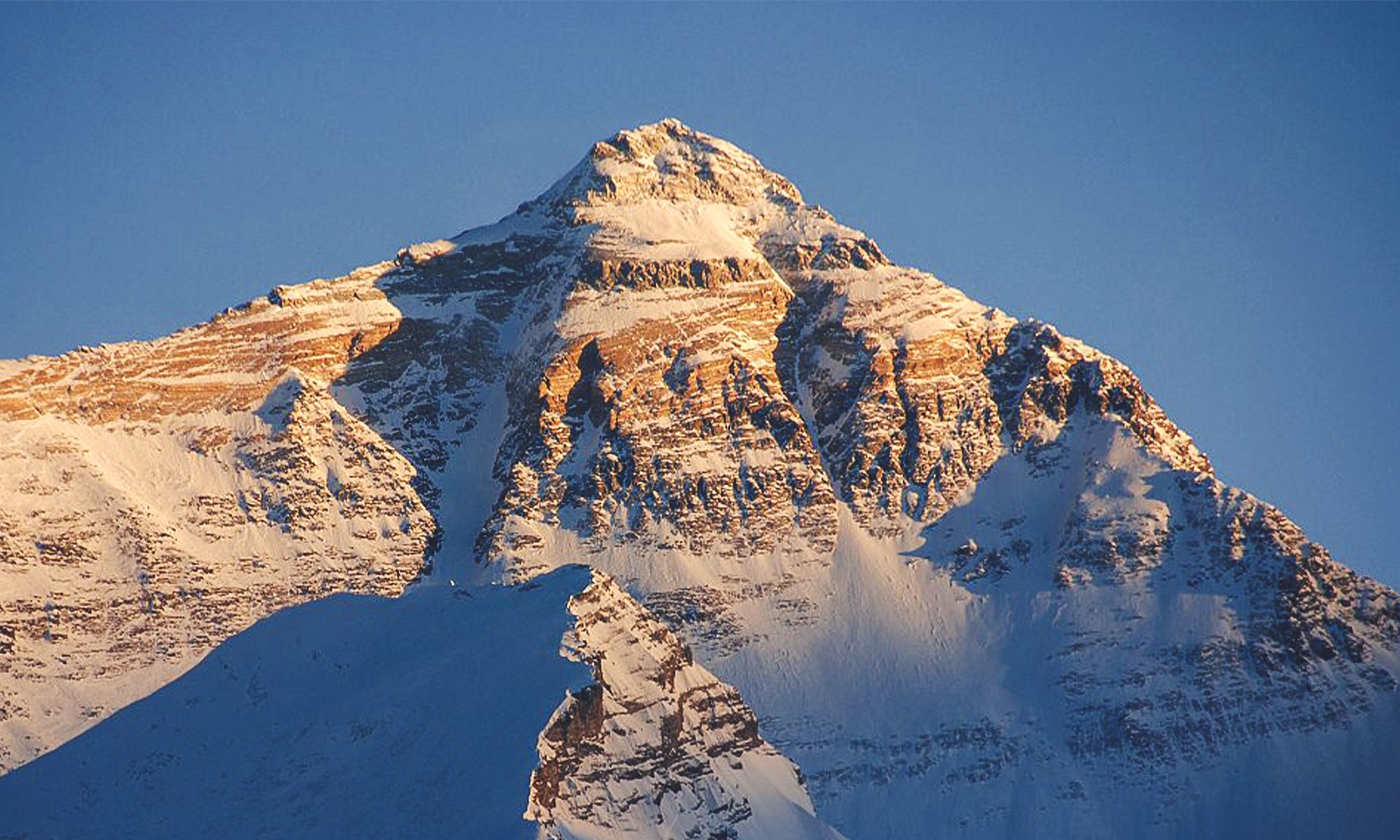
Spend the day adjusting to the altitude and exploring the surroundings. Hike to the Everest View Hotel for spectacular vistas of Everest (8,848 m), Lhotse (8,516 m), Nuptse (7,861 m), and Ama Dablam (6,812 m). This day is crucial for reducing the risk of altitude sickness. You can also visit Khumjung Village, home to the famous Hillary School and a monastery housing a reputed sacred Yeti scalp.
The trail continues through Sherpa settlements with magnificent views of the Everest massif. Visit Tengboche Monastery, the largest in the region, which offers a spiritual atmosphere set against the backdrop of towering peaks. This stretch is moderate but includes some steep sections. The evening is spent resting and enjoying a traditional Sherpa meal.
Trek through a stunning high-altitude landscape, passing yak pastures, icy streams, and rocky terrain. Views of Ama Dablam dominate the skyline as you approach Dingboche, a village nestled in a picturesque valley surrounded by mountains. Overnight at a teahouse in preparation for further altitude gain.
Spend the day acclimatizing with a hike to Nangkar Tshang Peak or nearby ridges. The higher-altitude trek conditions your body for the challenges ahead and provides awe-inspiring views of Lhotse and Island Peak. Learn basic mountaineering skills and practice with crampons and ropes, guided by your expert Sherpa team.
The trail climbs gently alongside the Imja Khola, passing memorials dedicated to climbers who lost their lives on Everest. Lobuche is a small settlement beneath towering ridges, providing the perfect base for your approach to Island Peak Base Camp. Overnight in a teahouse in preparation for higher-elevation trekking.
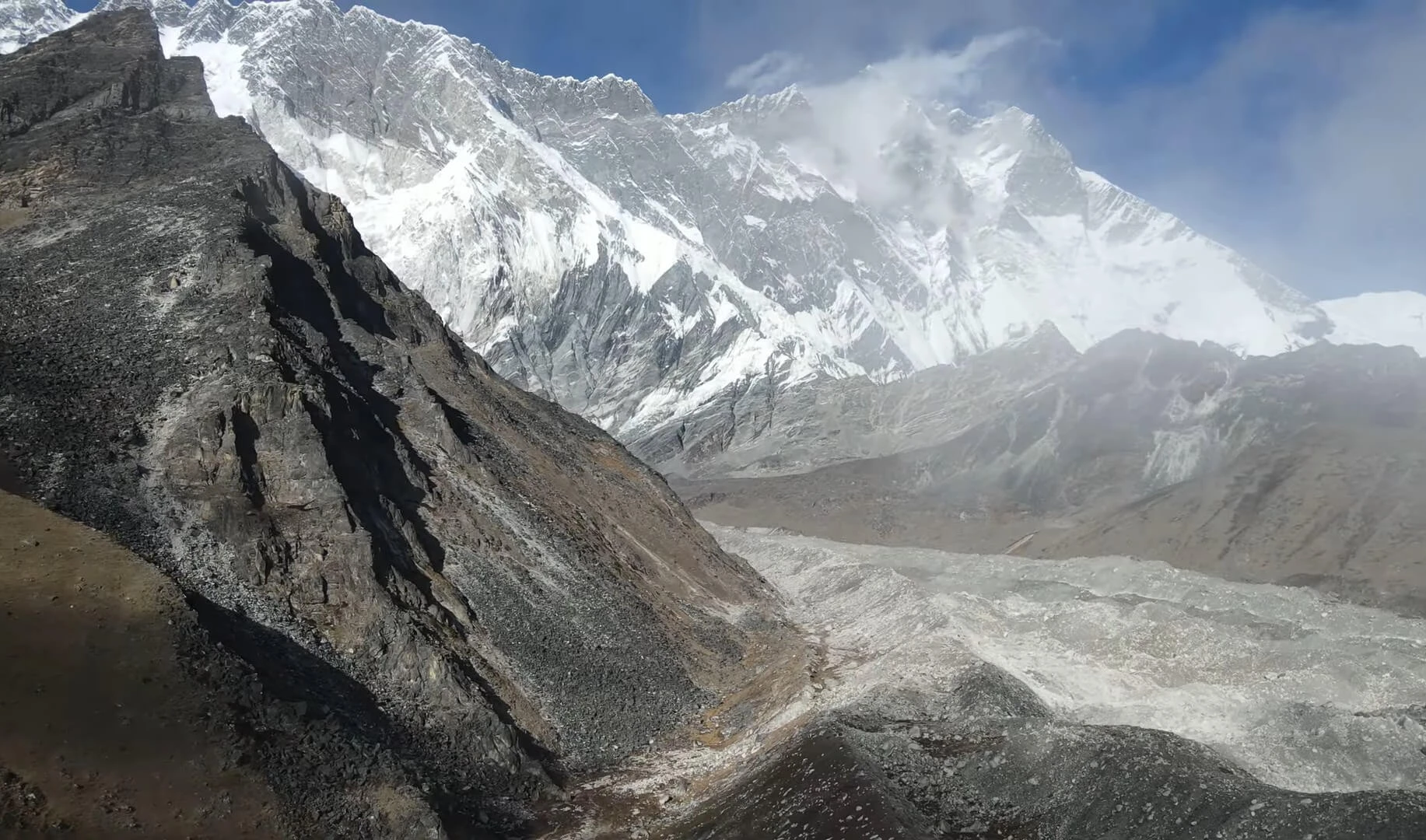
Today is the highlight of the trek Everest Base Camp (EBC). The path passes the Khumbu Glacier and iconic landmarks such as the Memorial Wall. Standing at EBC, you are surrounded by the footprints of climbers aiming for 8,000 m summits like Everest, Lhotse, and Nuptse. After soaking in the dramatic vistas, descend to Gorak Shep for the night.
Rise early for a pre-dawn hike to Kala Patthar, a viewpoint offering the most stunning sunrise views over Everest and the surrounding Himalayan giants. After enjoying the panoramic vistas, descend to Pheriche, passing glacial moraines and high-altitude landscapes. Overnight in Pheriche, a village known for its acclimatization clinics and medical posts.
The trail now shifts focus from trekking to climbing. Hike through the Imja Valley, crossing glacial streams and moraines, until you reach Island Peak Base Camp. Spend the afternoon with your climbing team learning technical skills and practicing rope handling, crampon walking, and ice axe techniques. This is the final preparation before your summit push.
Climb to High Camp, located on the upper slopes of Island Peak. The ascent includes moraine trails, rock scrambles, and glacier walking. Your Sherpa team will help set up tents and provide mountaineering guidance. Use the evening to rest and hydrate, as summit day will begin in the early hours.
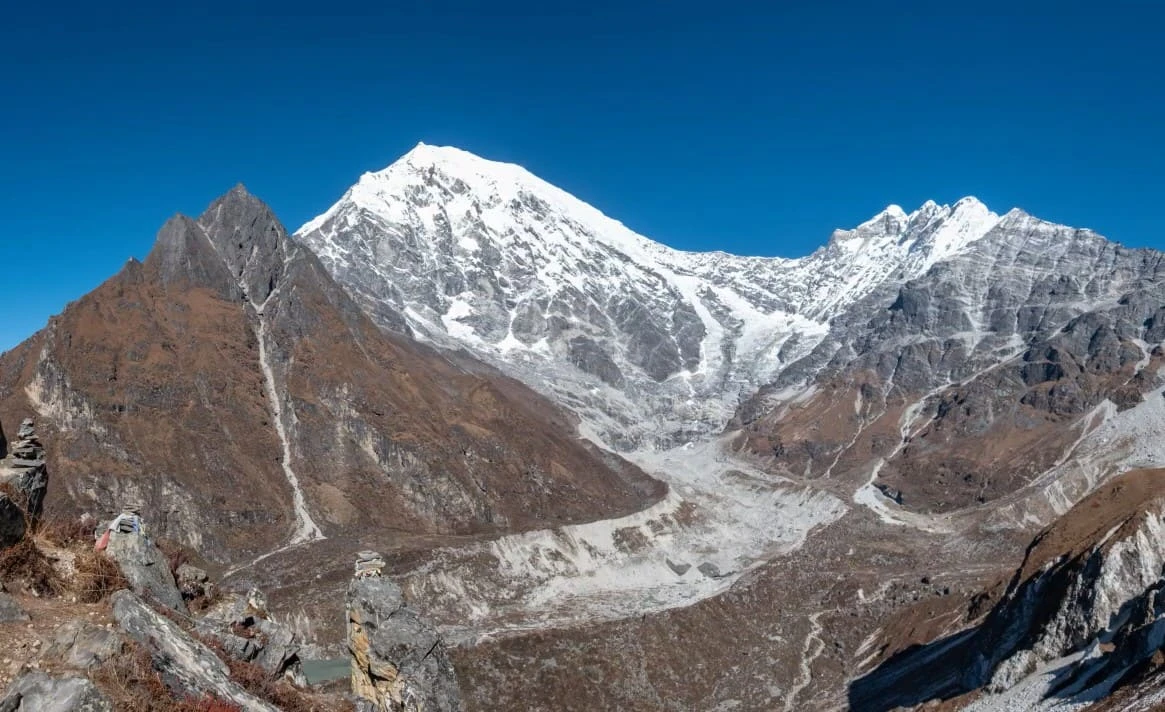
Wake at midnight for the summit attempt, moving under starlit skies to avoid strong winds. The climb includes vertical ice walls (100 m), glacier crossings, and a narrow summit ridge requiring rope assistance. Upon reaching the top, experience 360-degree views of Lhotse, Makalu, Baruntse, Ama Dablam, and the surrounding Himalayas, with glacial valleys unfolding below. Descend carefully to Base Camp for a well-deserved rest.
Begin the descent through the Khumbu Valley, retracing your steps past Dingboche, Tengboche, and other villages. Enjoy the changing landscapes, from high alpine terrain to lush forests and cultural settlements. Overnight in Namche Bazaar, celebrating your successful climb and trek.
Complete the trek back to Lukla, where you will board a flight to Kathmandu. Upon arrival, transfer to your hotel for relaxation or last-minute shopping. The evening is an opportunity to celebrate the expedition, share experiences, and prepare for departure the following day.
After a hearty breakfast and some final shopping or sightseeing in Thamel, you will be transferred to Tribhuvan International Airport for your onward flight. Reflect on your incredible 17-day adventure the trek to Everest Base Camp, the technical climb of Island Peak, and the unforgettable views of 8,000 m Himalayan giants. Safe travels as you depart Nepal, carrying memories of both its natural beauty and Sherpa culture.
Altitude Graph
Island Peak is considered a moderate technical climb, suitable for climbers with good fitness and basic trekking experience. It requires some technical skills, such as using crampons, ice axes, and ropes, but it is achievable for beginners who have trained properly and are guided by experienced Sherpas.
While prior climbing experience is helpful, it is not mandatory. The climb is designed to teach basic mountaineering skills, including glacier travel, rope techniques, and high-altitude trekking, making it ideal for novice climbers preparing for higher peaks in the future.
The pre-monsoon (March to May) and post-monsoon (late September to November) seasons are the most suitable. These periods offer stable weather, clear skies, and stunning views of surrounding peaks like Everest, Lhotse, and Makalu. Monsoon and winter months are generally not recommended due to heavy snowfall and harsh conditions.
Climbers need a Peak Climbing Permit from the Nepal Ministry of Tourism, along with a Sagarmatha National Park Permit and a TIMS card. Your trekking agency or guide usually handles the permit process to ensure compliance and smooth access to the region.
Climbers should focus on cardiovascular fitness, strength training, and endurance trekking. Acclimatization hikes are recommended before the expedition, and basic knowledge of climbing techniques is useful. Mental preparation for early starts, cold nights, and high-altitude conditions is equally important.
Essential items include mountaineering boots, crampons, ice axe, harness, helmet, gloves, down jacket, and sleeping bag. Most technical gear, ropes, and safety equipment are usually provided by the expedition team, but personal clothing and trekking essentials must be arranged by the climber.
The typical expedition lasts 16 days, combining trekking to Everest Base Camp and acclimatization with the technical climb to Island Peak. Summit day starts early (around midnight) to take advantage of stable weather and minimal winds.
When properly guided and with appropriate acclimatization, Island Peak is considered a safe climb. Experienced Sherpa guides lead every step, monitor health conditions, and provide emergency support. However, high-altitude risks like altitude sickness, frostbite, and weather changes are always present, so vigilance is required.
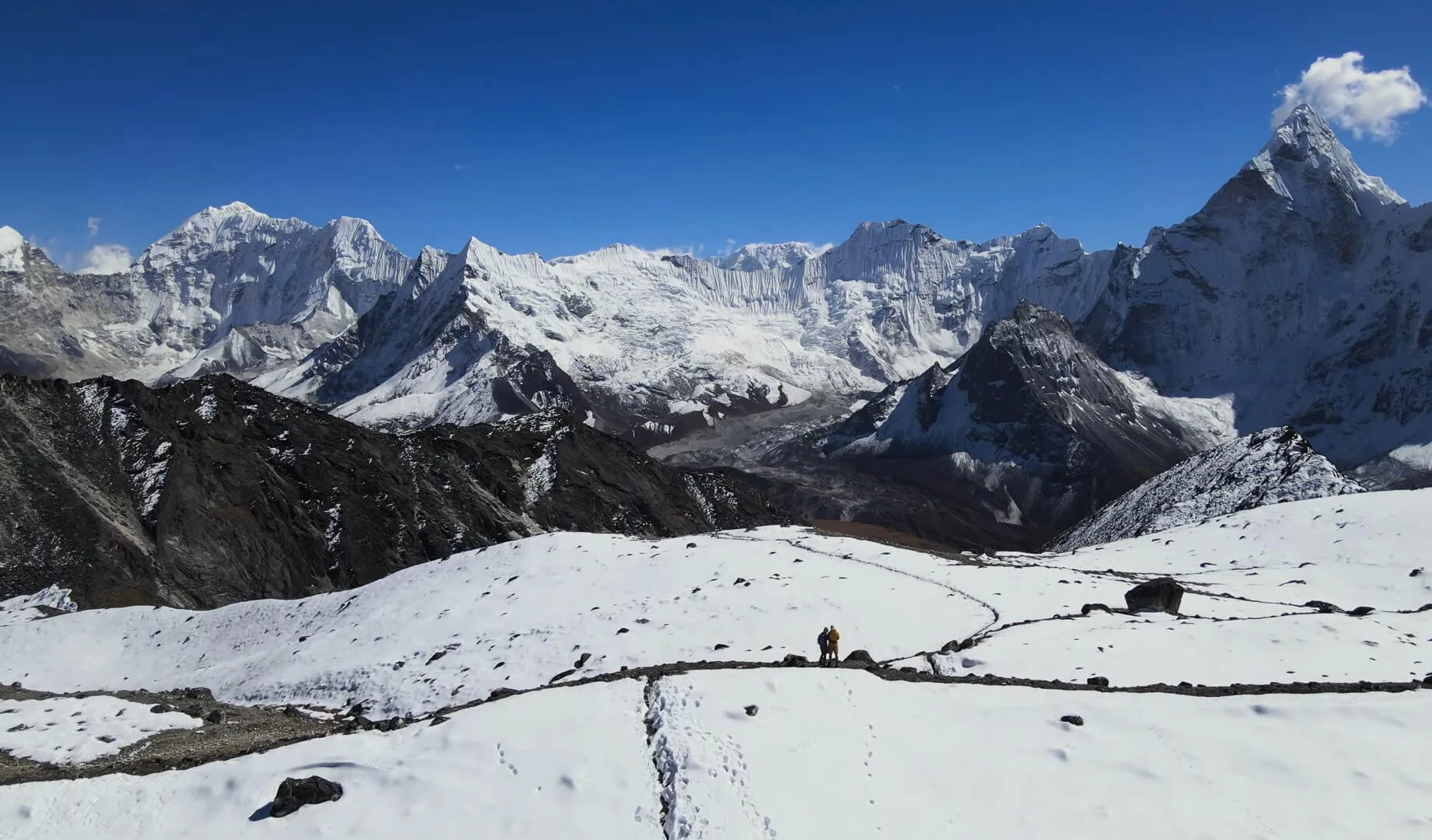
From the Island Peak summit (6,189 m), climbers enjoy 360-degree panoramic views of the Himalayas, including Everest, Lhotse, Makalu, Nuptse, and Ama Dablam, along with glaciers, alpine valleys, and the surrounding Khumbu region. It’s a rewarding experience and a perfect introduction to climbing high-altitude peaks, including the world’s 8000m giants.
 Nepal
Nepal
 21
21  Sept - Nov & March - May