Destination
Nepal
Duration
32
Destination
Nepal
Duration
32
Trip Difficulty
Challenging
Accommodation
Tea House and Tent
Meals
B, L, & D
Max. Elevation
8188
Group Size
25
Best Time
Sept - Nov & March - May
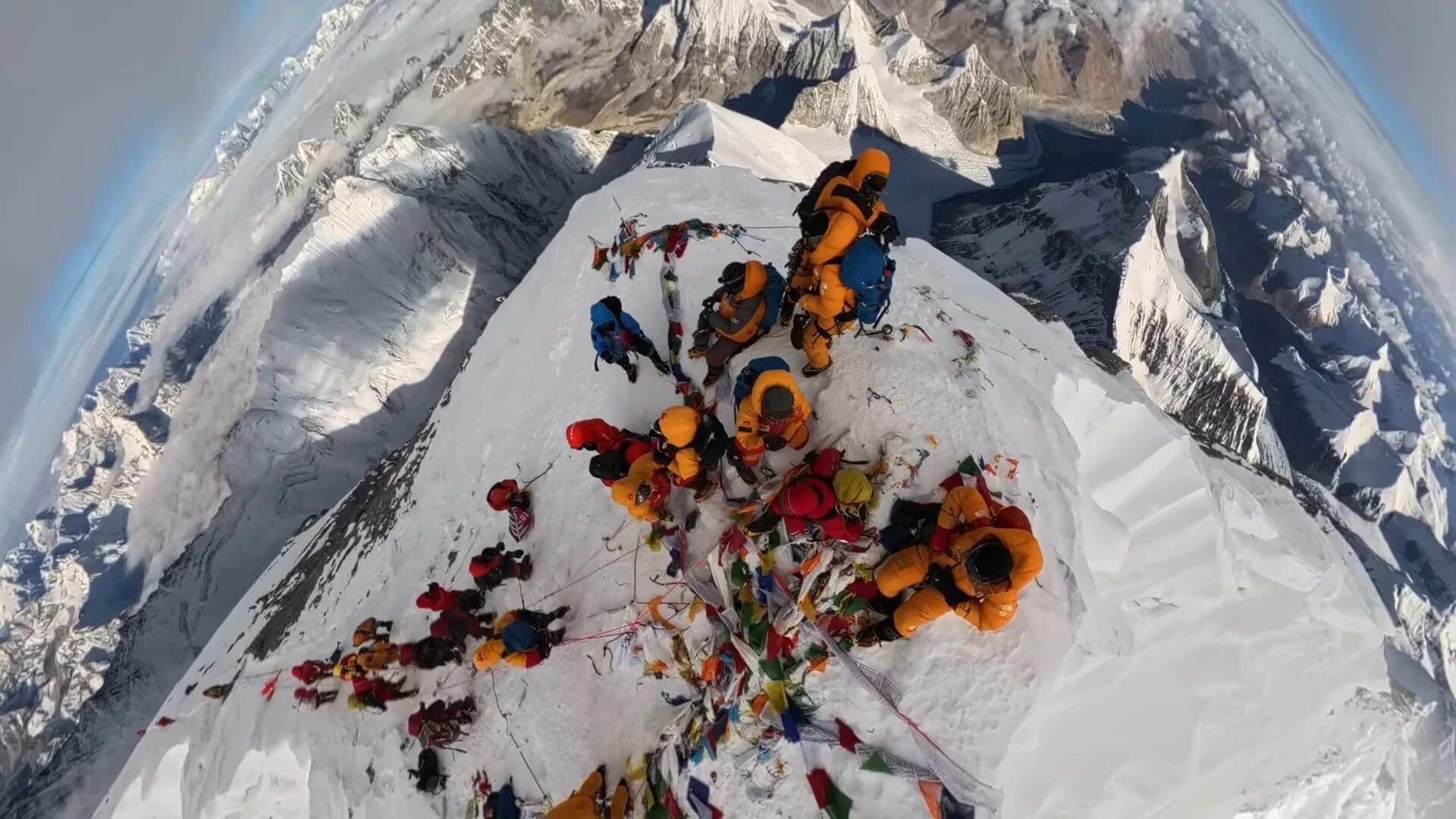
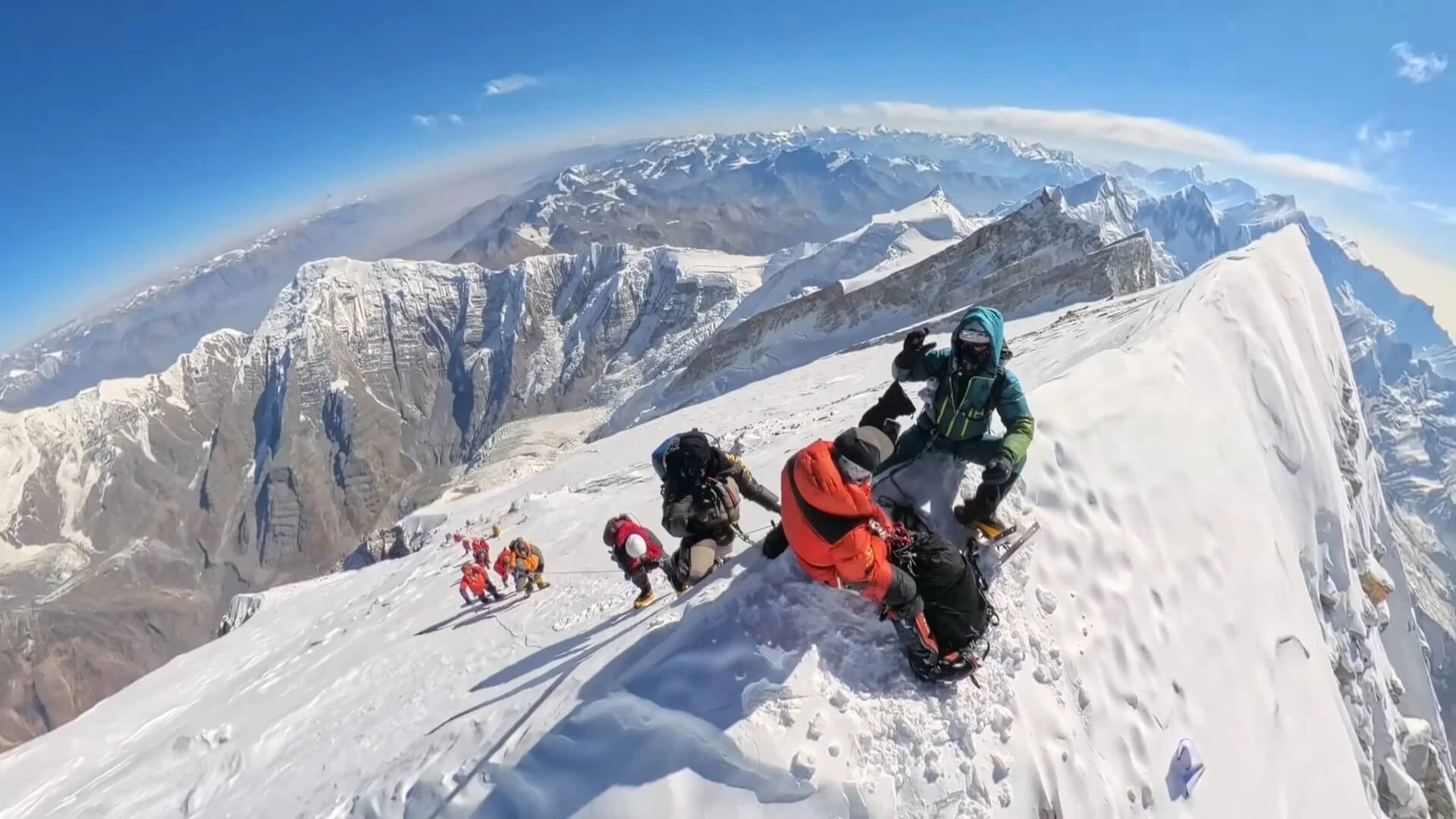
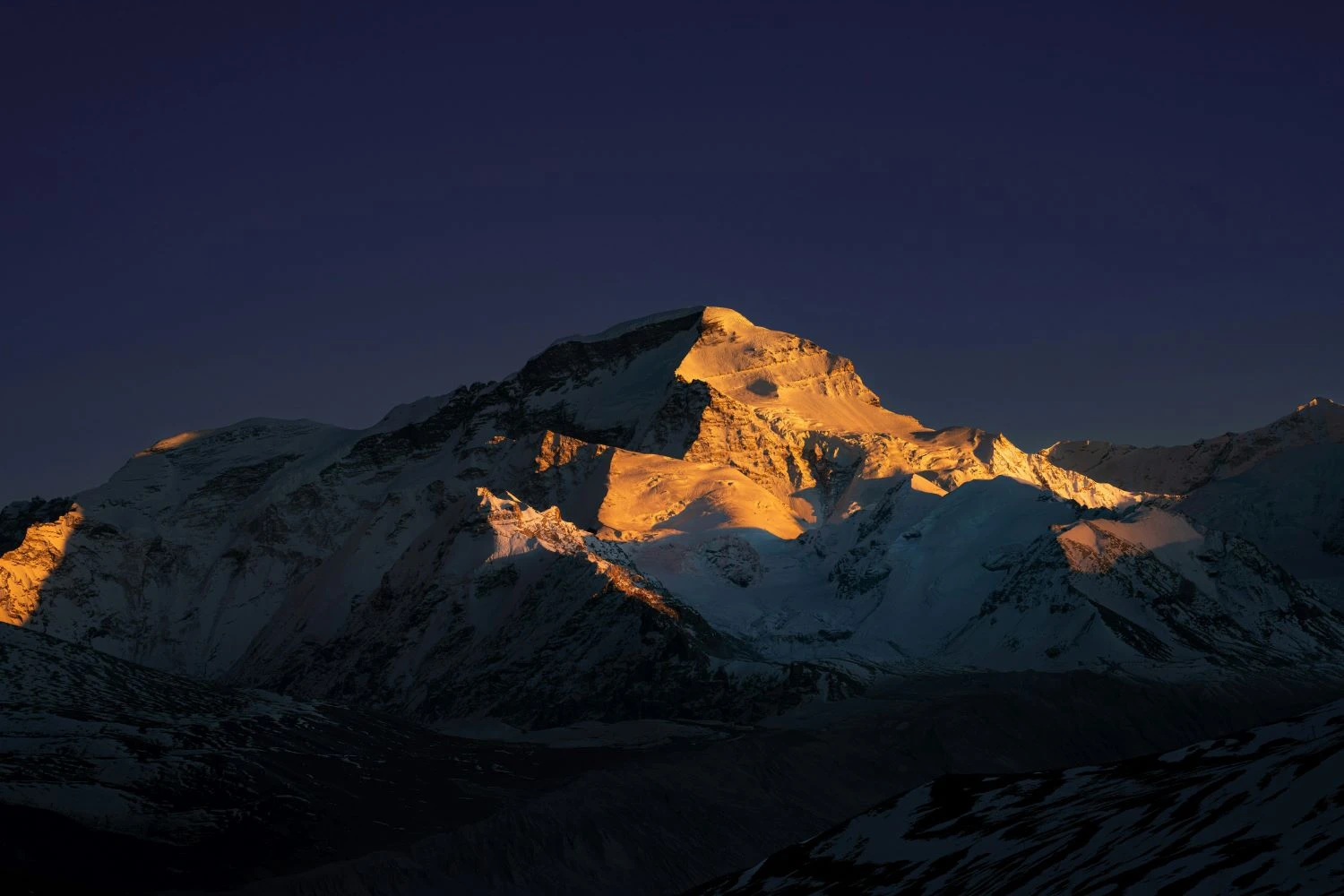
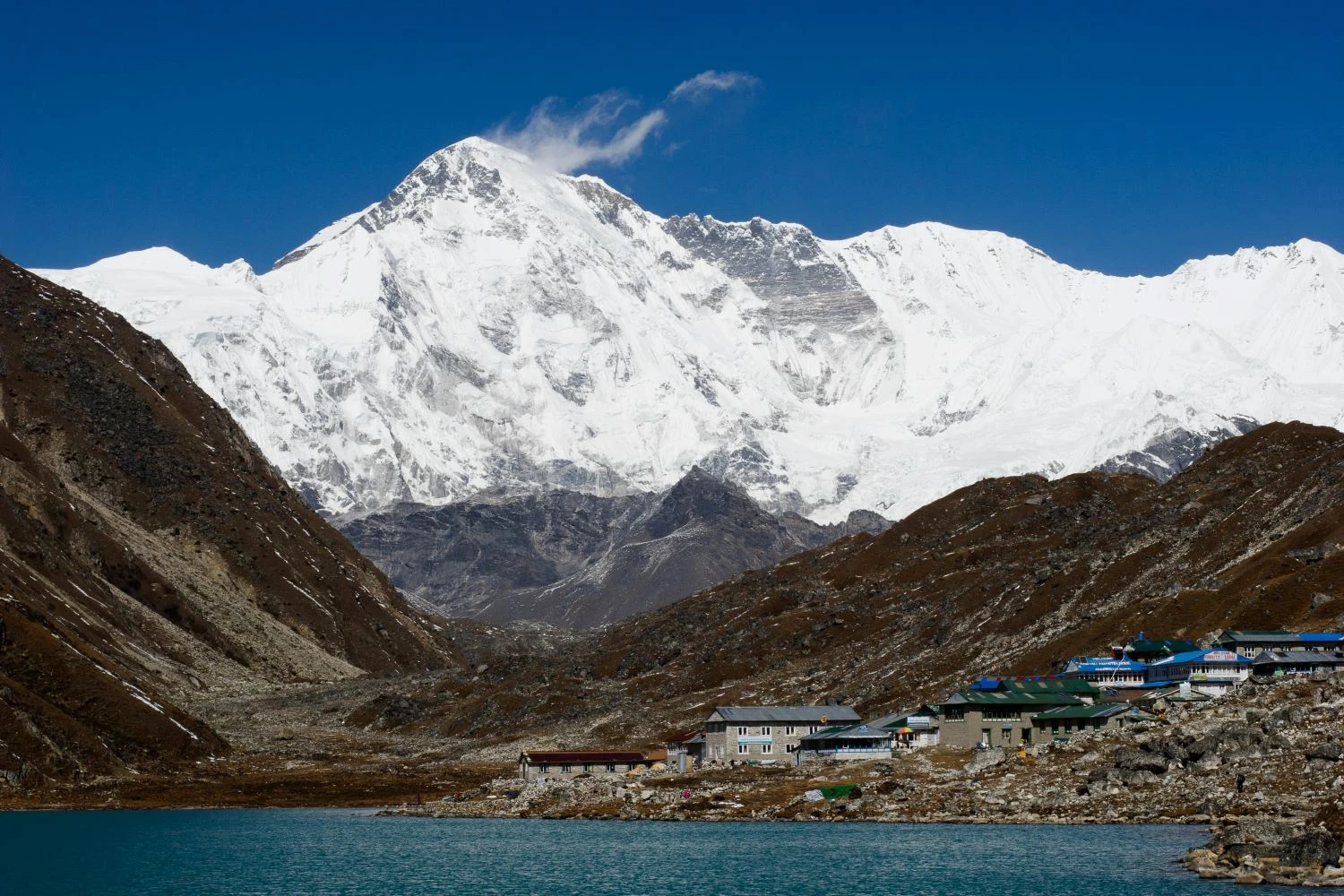
Mount Cho Oyu, the world’s sixth-highest peak at 8,188 meters (26,864 ft), sits on the Nepal–Tibet border and is famously known as the “Turquoise Goddess.” Often considered one of the more accessible 8,000-meter mountains, it attracts climbers who want to experience true high-altitude mountaineering without the extreme technical challenges found on many other Himalayan giants.
Climbers who prefer to stay on the Nepal side often choose the Manaslu Expedition 2026 as their first 8,000m peak similar accessibility, no Tibet permit required, and starting at $18,800."
Summit 8000 provides you a golden opportunity to climb this peak if you are a mountain climber and want to climb the peak above 8000 meters but is afraid of the technical difficulty to climb the peaks such as the Mount Everest, Mount Annapurna or any other peaks.
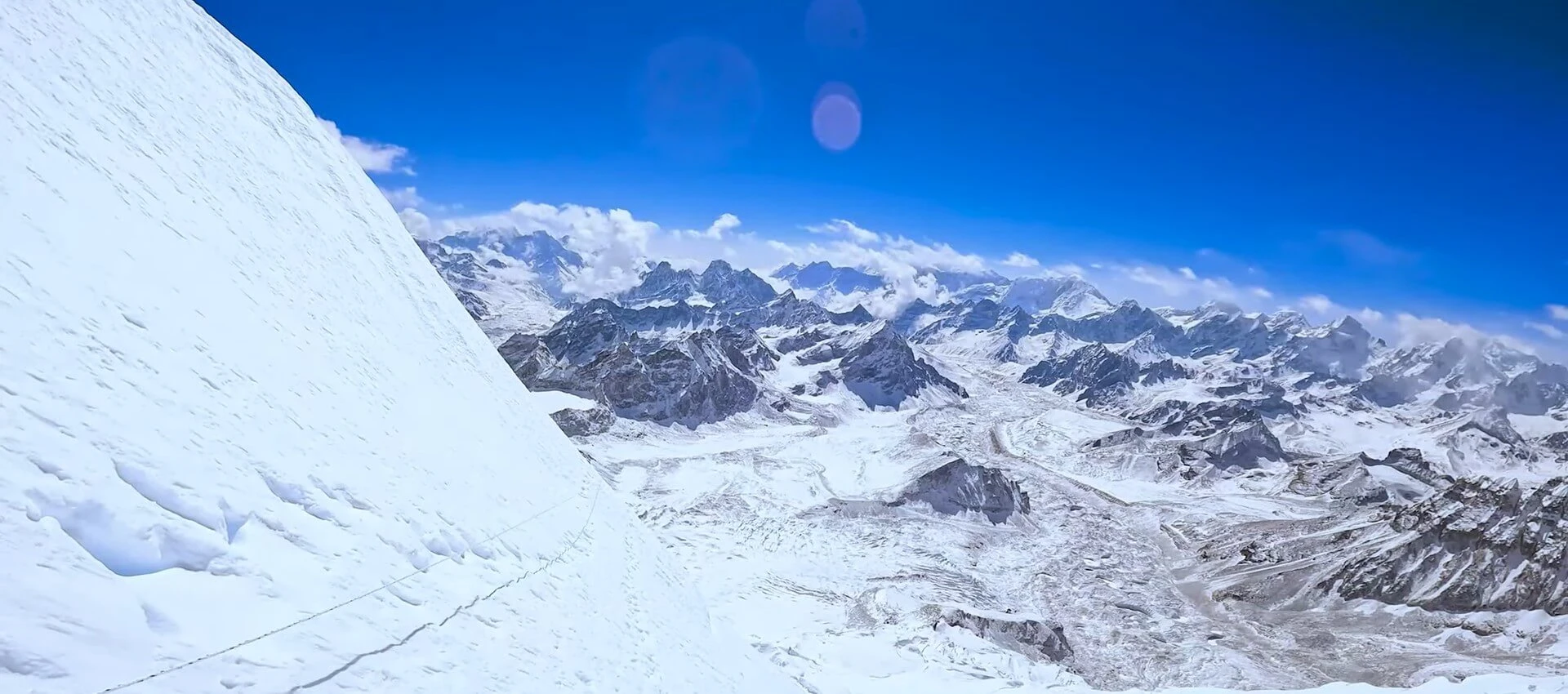
The peak is located between the border of the Nepal and Tibet and be climbed from the both countries. It’s the more accessible high altitude climb which gives the perfect views of the Everest, Lhotse, and other Himalayan giants from its summit.
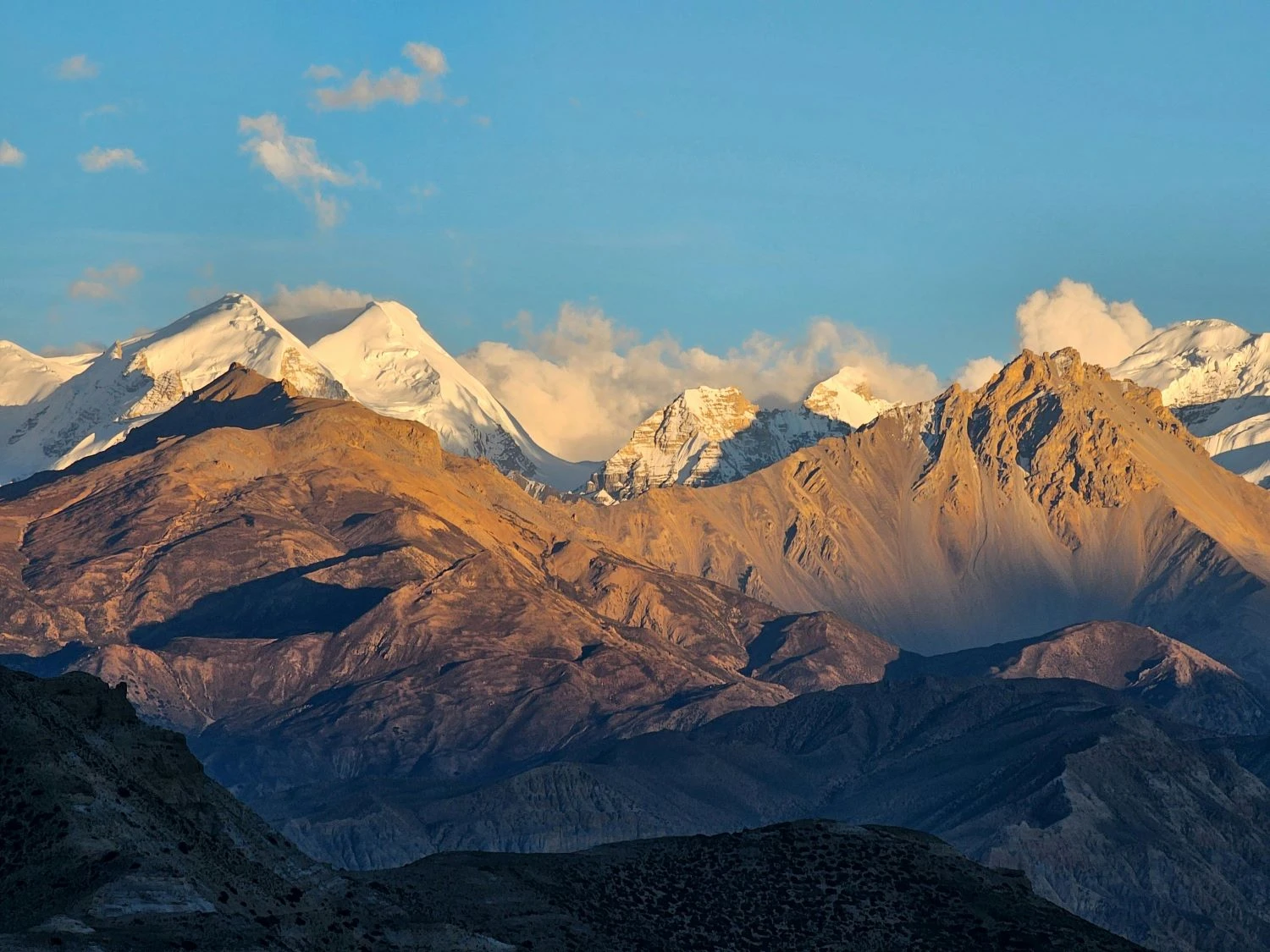
Its glaciers are extensive but relatively gentle and the routes leading to its summit top is Himalayan serenity, where you will witness golden sunrises over jagged peaks, encounter unique alpine wildlife, and engage with the welcoming local culture.
The mountain’s appeal lies in its combination of stunning beauty, high-altitude adventure, and achievable summit for experienced trekkers and mountaineers alike.
Cho Oyu Climbing peak route starts from the Nepal side which is fly from the Kathmandu to Lukla and from there to the Nyalam village in Khumbu region. From the Nyalam village you hike to the base camp at an altitude of the 5,700 meters.
Following the series you will climb to the Camp – I at an altitude of 6400 meters and from there to the camp – II at an altitude of 7000 meters and from the Camp II you will have a rapid ascend to the summit at 8818 meters.
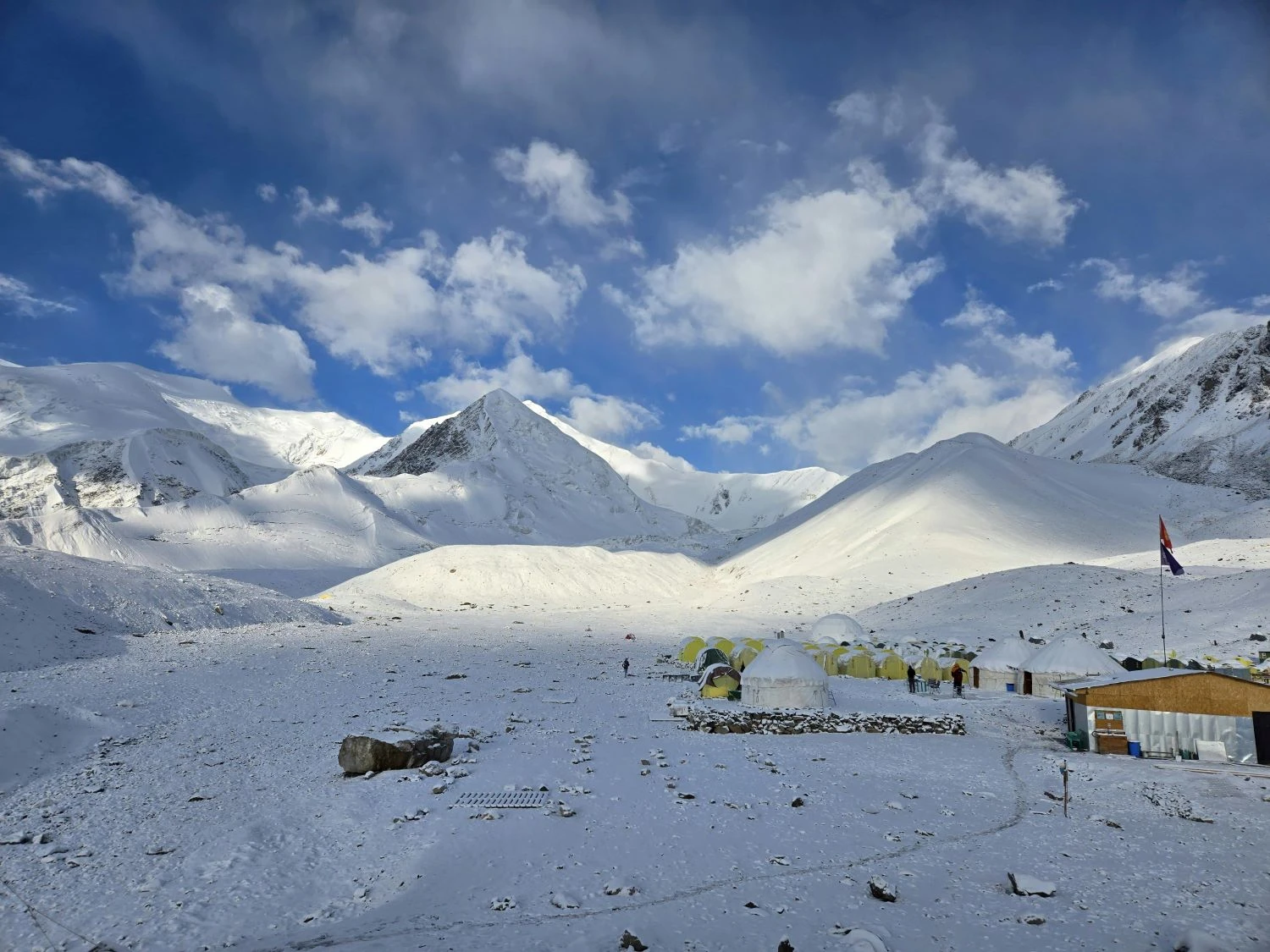
The base camps are located over the glacial slopes and ridge from where you can acclimatize and climb gradually to the extreme altitude reducing the risk of the high-altitude sickness.
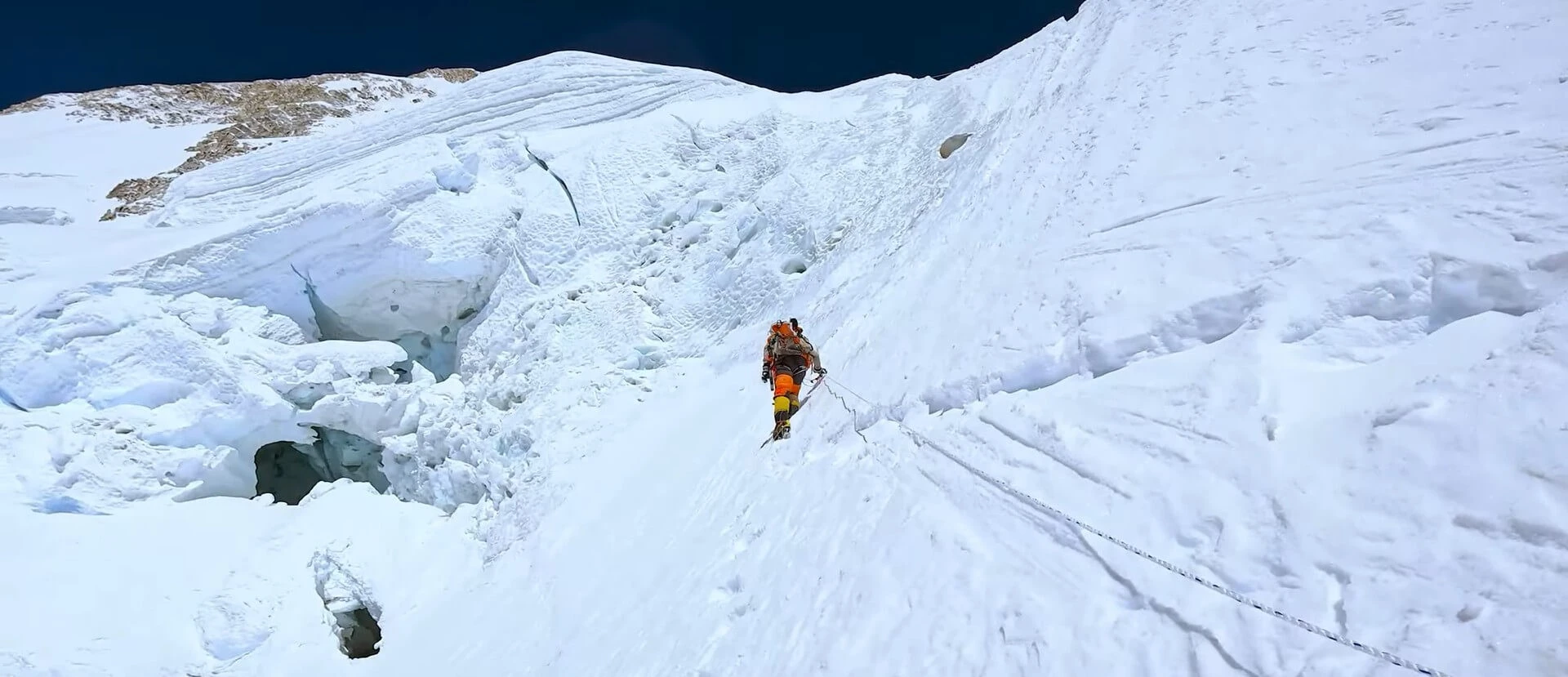
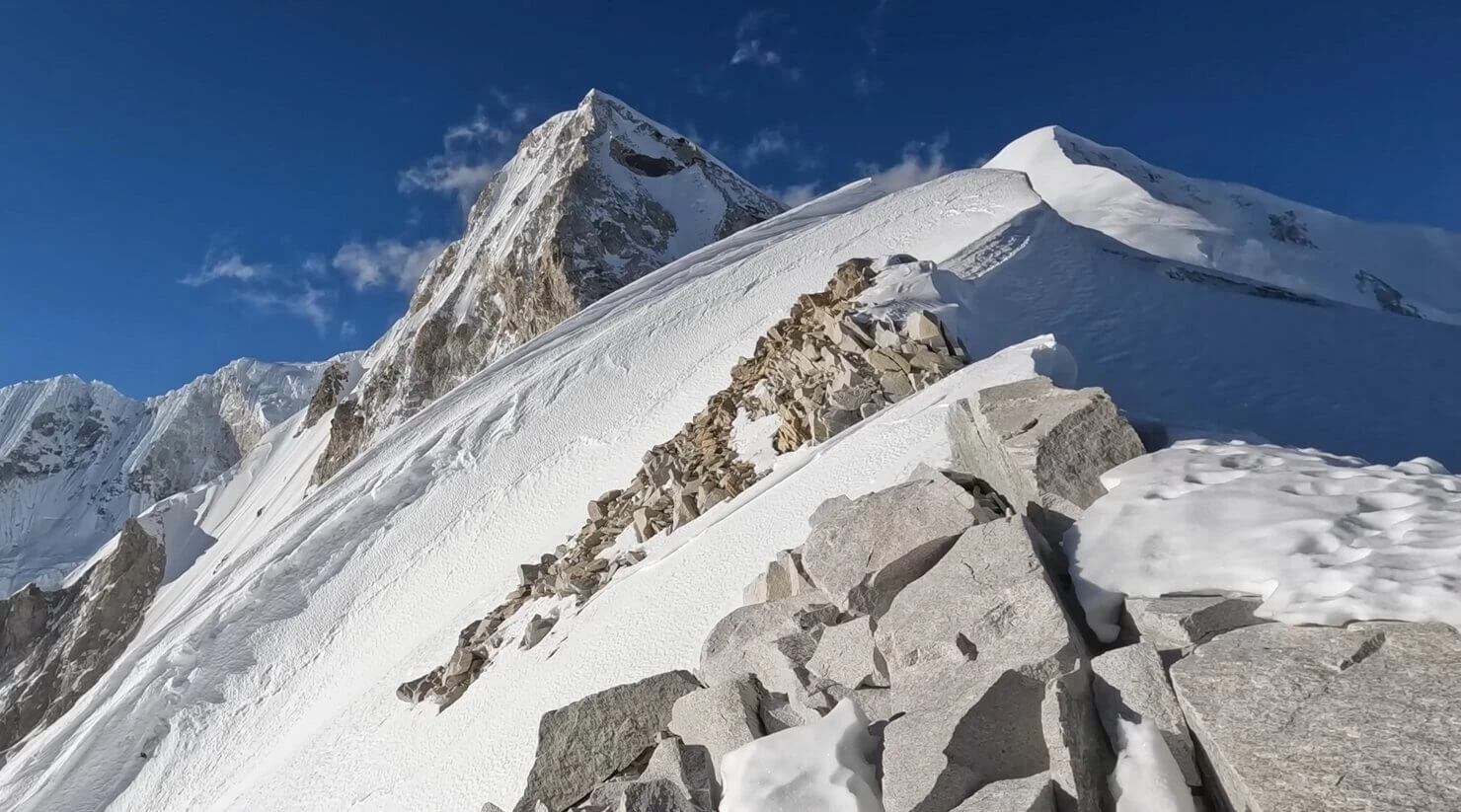
The climb is not technically difficult and but its challenging as it’s the peak above 8000 meters. You will be walking on the long stretches of the snow and ice from where you will navigate gently through sloping glaciers, minor crevasses, and some steep sections near the summit ridge. Fixed ropes are often used in the final stretch.
The Cho Oyu peak is a summit focused climbing experience which teaches you how to build the endurance, makes you understand the mountains, and connects you with the Himalayan environment.
This high-altitude journey also tests your spirit, resilience, hard work, patience, and your mental and physical abilities. The summit is designed by us in such a way which makes you comfortable while climbing the peak and every day you spend in the mountains will bring you some challenges and rewards.
You will be crossing the frozen rivers, glaciers moraines, climb the rocks and learn how to use the crampons, ice axes, and many more.
The summit periods start, from the most intense and the memorable phase of the climbing periods where the air is thin, every step you take demands your carefulness and your ability to use your energy when required.
It will also give you a thrill to reach the roof of the world while soaking in the mountain’s beauty, and celebrate the hard-earned achievement.
Summit 8000 is among one of the leading and oldest agencies who provides the mountain climbing experience for the trekkers who wants to explore the peak and return back safely due to our safety and preparations norms.
Climbing this peak is extra ordinary adventure but it also demands the careful preparations and the commitment to safety. The peak is above 8000 meters and its easiest compared to any other climbing peaks at this altitude.
During the climbing periods you will face the extreme cold, unpredictable weather, high-altitude risks, and glacial terrain that require you to be physically fit, mentally resilient, and well-equipped to handle all this.
To overcome these kinds of problems we have carefully planned this itinerary keeping in mind for the acclimatization, providing the healthy and careful meals, by giving you training on how to use the gears and equipment.
You will learn how to use the crampons, ice climbing, use of ropes, ice arrest, and movement on the ice and snow.
In case of any kinds of emergency, we will make sure you get back to your home safely due to which we will keep an emergency evacuations helicopter on the back up during the summit. Also, our sherpa guides who are excellent in their work will help you to overcome any kinds of the minor health issues and support you throughout the climb.
With Summit 8000, every aspect of the expedition is designed to ensure that your journey is not only thrilling but also safe, well-prepared, and unforgettable.
| Key Factor | Tibet Side (North / NW Ridge) | Nepal Side (South / SW Face) |
|---|---|---|
| Standard Route | Northwest Ridge (Normal route) | Southwest Face / Southeast Ridge (Rarely used) |
| Overall Character | Moderate snow slopes (25–40°), short rock section, wide summit plateau. Fixed ropes in place. | Steeper, more technical terrain with ice cliffs, rock bands & crevasses. Limited fixed ropes. |
| Technical Grade | PD (Peu Difficile) One of the easiest 8000m routes | AD / D (Assez Difficile) For experienced climbers only |
| Base Camp Access | Drive directly to base camp (5,100m) | 4–6 day trek via Khumbu region |
| From Kathmandu | Overland via Kerung (Tibet) 7 days to ABC | Fly to Lukla + trek 8–10 days to base camp |
| Khumbu Icefall Risk | None no icefall on this route | No classic icefall, but complex glacier terrain |
| Objective Hazards | Very Low minimal serac & avalanche risk | Higher Risk steeper ice, crevasses, route-finding challenges |
| Cultural Highlight | View of Nangpa La trade route; yak caravans still pass | Classic Khumbu trekking experience via Namche & Gokyo |
Note: The vast majority of Cho Oyu expeditions including Summit8000's program use the Tibet (north) side via the Northwest Ridge. This is the route with the established infrastructure, highest success rates, and the experience recommended for climbers attempting their first 8,000m peak.
The Nepal side is rarely commercially operated and is primarily undertaken by highly experienced alpinists on private expeditions. Permit costs and fees are approximate for 2026 and subject to change by the respective government authorities.
| Camp | Tibet Side Elevation | Nepal Side Elevation |
|---|---|---|
| Base Camp (BC) | 5,100 m / 16,732 ft road access by jeep | 4,800 m / 15,748 ft reached by trek |
| Intermediate Camp | 5,400 m / 17,716 ft yaks carry loads to here | Not standard on Nepal route |
| Advanced Base Camp (ABC) | 5,700 m / 18,700 ft main staging camp | 5,500 m / 18,044 ft |
| Camp I | 6,400 m / 20,997 ft across Gyabrag Glacier | 6,000 m / 19,685 ft |
| Camp II | 7,100 m / 23,294 ft 35–40° snow face | 6,800 m / 22,309 ft |
| Camp III (Optional) | 7,550 m / 24,770 ft used in poor weather | 7,400 m / 24,278 ft |
| Summit | 8,188 m / 26,864 ft | 8,188 m / 26,864 ft |
The best time to climb Cho Oyu from the Tibet side is generally during the pre-monsoon (spring) and post-monsoon (autumn) seasons, when weather conditions are more stable, and the Himalayan skies are clearer.
However, each month within these seasons offers slightly different conditions in terms of temperature, wind speed, snowfall, and overall summit chances. Understanding this month-by-month variation helps climbers choose the right expedition window based on experience level, risk tolerance, and summit goals.
| Month | Season | Weather Conditions | Wind & Temperature | Summit Window |
|---|---|---|---|---|
| January | Do not climb | Deep winter, brutal cold, extreme winds, no daylight warmth above 6,000m | Winds 80–120 km/h, extreme cold (~ -40°C at high camps) | None |
| February | Do not climb | Winter continues, no commercial expeditions operate, Tibetan plateau fully exposed to jet stream | Very harsh conditions, extreme wind chill | None |
| March | Shoulder | Winter begins to ease, early spring preparations start, permit processing and arrival | Still cold, winds starting to calm at lower camps | Very rare |
| April | Spring season opens | Pre-monsoon window opens, stable weather begins, acclimatization rotations start | -15°C to -25°C at high camps, winds calming | Late April possible |
| May | Peak spring season | Best summit window, stable high-pressure systems, clear skies | 20–40 km/h summit winds, manageable temps with gear | Strong (multiple windows) |
| June | Monsoon approaching | Moisture increases, snowfall becomes unpredictable, route instability begins | Increasing snowfall, whiteout risk rising | Very limited (end season only) |
| July | Full monsoon | Heavy snowfall, avalanche risk, expedition season closed | Wet, unstable, dangerous above base camp | None |
| August | Full monsoon | Continued storms, buried routes, high avalanche danger | Warm at lower elevations, unstable snowpack above 6,000m | None |
| September | Autumn begins | Post-monsoon clearing, stable teams return, base camp re-established | Cooling temperatures, clearer skies, winds settling | Late September (first window opens) |
| October | Peak autumn season | Best autumn climbing month, stable weather, high summit success rate | -20°C to -30°C at high camps, 15–35 km/h summit winds | Excellent (2–4 clear windows) |
| November | Late autumn | Weather deteriorates quickly, early winter conditions return | Temperatures dropping, strong jet stream influence | Early November only |
| December | Winter sets in | No expeditions, extreme cold returns, mountain inaccessible | Severe cold, strong winds 60–100 km/h | None |
Namaste and we welcome you to the land of the Sherpas Nepal. You will be arriving at the Tribhuvan International airport for your Cho Oyu mountain expeditions. One of our team mates will be waiting for you at the airport arrival sections and upon arriving you will drive to the hotel in Thamel and rest.
You will have a leisure day for yourself so that you can prepare your packing lists obtain your permits and be prepared for your upcoming summit. Our guide will give you the check list for the gears and equipment. You can obtain those from any of the shops in Thamel and your Tibet Visa will be also processed on the same day so that you can enter the Tibet without any difficulties.
Early morning drive to Timure which from Kathmandu to Timure which is a small village in located near the Nepal Tibet border. The distance between this place is around 130 kilo meters which can be reached in the 5 to 7 hours as there are many off roads leading to this village. You will via many beautiful villages along side the way while enjoying the lush green dense forests and beautiful peaks
You will cross the border of Nepal- Tibet and enter inside the Tibet region. You will need to show the passport and the visas to the security force. After that we will take another vehicle inside the Tibet and then drive to the Kerung. The distance between Tibet border to Kerung is around the 250 kilo meters via the beautiful alpine landscapes which will take you around 7 to 9 hours drive. Upon reaching the Kerung rest and enjoy the delicious Tibetan delicacy.
You will again have a morning drive to Tingri at an altitude of the 4300 meters. The distance between these places is around 270 kilo meters which can be reached in the 8 to 10 hours time. You will see the beautiful landscapes of the alpine valley which will take you to your destinations. On the way you will stop of the scenic photographs and enjoy your journey.
Today is reserved for acclimatization to help your body adjust to the high altitude before heading deeper into the Tibetan plateau. You will spend the day resting, doing short walks around Old Tingri, and enjoying panoramic views of Everest, Cho Oyu, and other Himalayan giants. Our climbing guide will conduct a detailed briefing about the upcoming days, safety measures, and altitude awareness. Final equipment checks will be done to ensure everything is in order for the expedition ahead. Overnight stay at a lodge in Old Tingri.
After breakfast, you will drive towards Thingri, a small Tibetan town that serves as an important acclimatization stop for Cho Oyu expeditions. The drive takes you through vast open landscapes, traditional Tibetan villages, and dramatic high-altitude scenery. Upon arrival, you will check into a local lodge, rest, and prepare for the journey toward the Cho Oyu Basecamp region.
This day is dedicated to further acclimatization and preparation. You will take short acclimatization walks around Thingri, helping your body adapt to the increasing altitude. Your climbing Sherpa and expedition leader will review climbing techniques, rope handling, use of oxygen systems, and emergency protocols. This is also a great day to mentally prepare while enjoying the peaceful Tibetan highlands. Overnight at a lodge.
After an early breakfast, you will drive toward the Cho Oyu Chinese Basecamp. En route, you will visit the historic Rombuk Monastery, one of the highest monasteries in the world, offering spiritual insight and stunning mountain views. Continuing the drive across rugged terrain, you will finally reach the Chinese Basecamp of Cho Oyu at 5,100 meters. Upon arrival, the expedition team will set up tents, and you will rest and acclimatize. Overnight stay in tents.
Today is another important acclimatization day at the Chinese Basecamp. You will spend the day resting, hydrating, and taking short walks around the camp. The team will organize climbing gear, loads, and food supplies for higher camps. Your guide will closely monitor your health and oxygen levels. Overnight stay in tents at Basecamp.
After breakfast, you will begin trekking toward the Intermediate Camp. The trail gradually ascends over rocky moraines and glacial terrain, offering spectacular views of Cho Oyu’s north face. This short but significant ascent helps your body continue acclimatizing. Upon reaching Intermediate Camp, tents will be set up, and you will rest for the remainder of the day. Overnight in tents.
Today you will trek further up to the Advanced Basecamp. The route follows the glacier, with steady elevation gain and breathtaking views of surrounding peaks. Advanced Basecamp is strategically located closer to the climbing route and will be your main staging point for rotations and summit attempts. After arrival, you will rest, rehydrate, and prepare for the upcoming acclimatization rotations. Overnight stay in tents.
These days are dedicated to crucial acclimatization rotations, which significantly increase your chances of a successful and safe summit. First Rotation You will climb from Advanced Basecamp to Camp I, then continue to touch Camp II before descending and sleeping at Camp I. The following day, you will descend back to Advanced Basecamp. Second Rotation You will again climb from Advanced Basecamp to Camp I, then continue to Camp II, where you will spend a night. After proper acclimatization, you will descend back to Advanced Basecamp for rest and recovery. These rotations help your body adapt to extreme altitude while familiarizing you with the route, terrain, and conditions. Full board accommodation will be provided at high camps.
This is the main climbing phase of the expedition. Weather conditions will be carefully monitored to choose the safest summit window. You will climb from Advanced Basecamp to Camp I, then to Camp II. From Camp II, you will make your summit attempt of Cho Oyu (8,188 m), one of the world’s highest and most achievable 8,000-meter peaks. After reaching the summit and celebrating your achievement, you will descend safely back to Camp II or directly to Advanced Basecamp depending on conditions and strength. These days require patience, determination, and teamwork. Full board will be provided at all high camps.
After completing the summit phase, you will trek down from Advanced Basecamp to the Chinese Basecamp. The descent is easier and allows you to reflect on your incredible achievement. Upon arrival, you will enjoy a well-earned rest and a comfortable lodge stay.
Today you will drive back to Thingri, retracing the scenic route across the Tibetan plateau. The lower altitude will feel refreshing, and you can relax after the intense climbing days. Overnight stay at a lodge.
After breakfast, you will drive toward the Kerung border. The journey offers sweeping views of mountains, wide valleys, and traditional Tibetan settlements. Upon arrival near the border, you will rest overnight at a lodge.
You will cross the Tibet–Nepal border after completing immigration formalities. Once back in Nepal, you will continue the drive to Kathmandu. Upon arrival, you will check into your hotel and enjoy a well-deserved rest after your expedition adventure.
This is a free day in Kathmandu to relax, explore the city, do souvenir shopping, or enjoy a farewell dinner with your expedition team. You can also visit cultural sites or simply unwind after the long journey. Overnight stay at a hotel.
According to your flight schedule, our representative will transfer you to Tribhuvan International Airport for your final departure. With unforgettable memories of climbing Cho Oyu, we bid you farewell and wish you a safe journey home.
Altitude Graph
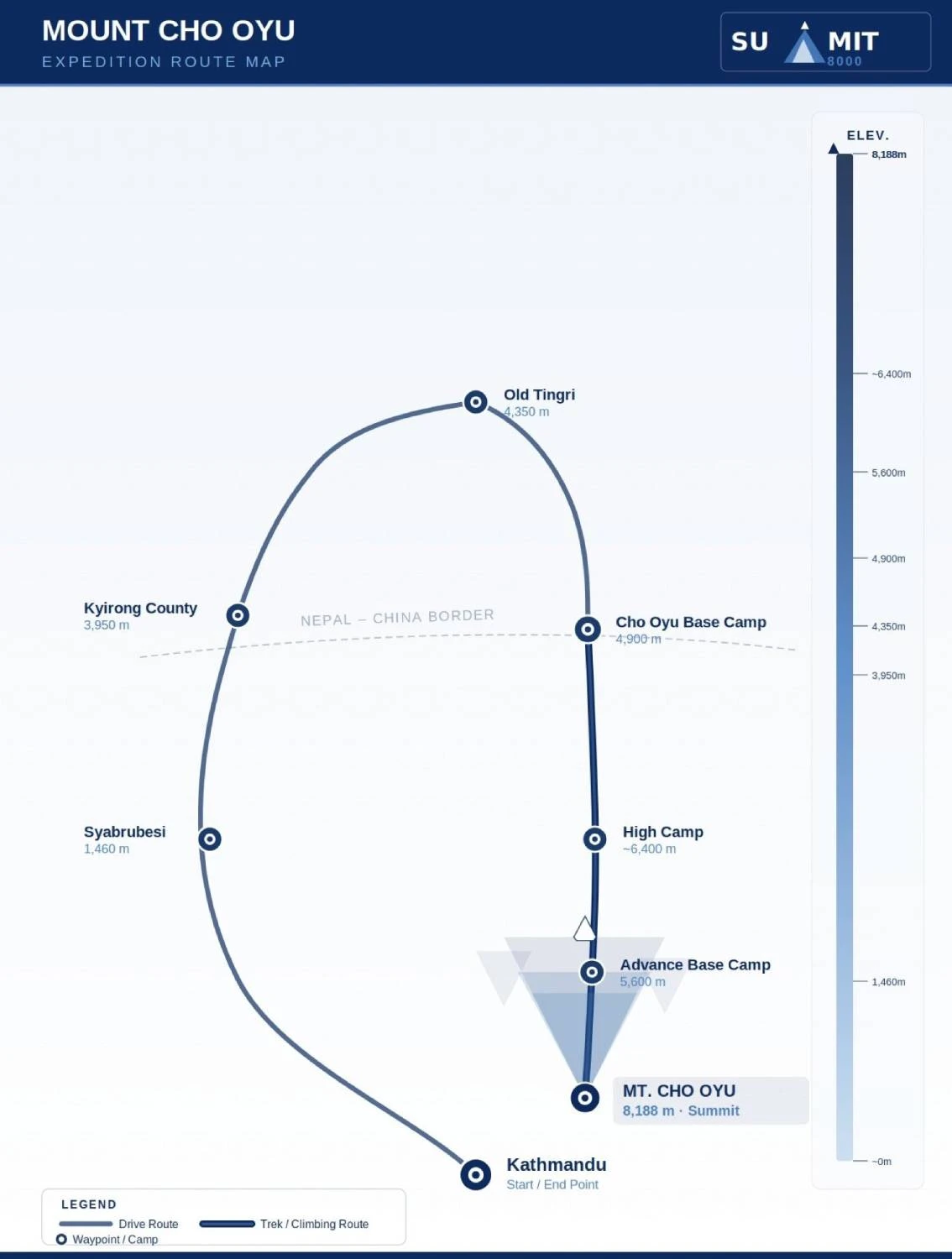
Preparing properly for the Mount Cho Oyu expedition is essential for safety and comfort at high altitude. Since you’ll be climbing above 8,000 meters in cold, windy, and remote conditions, your gear should focus on warmth, layering, and reliable technical equipment. Below is a practical packing list to help you get expedition-ready.
Cho Oyu is located on the Nepal–Tibet border in the Mahalangur Himal range. With an elevation of 8,188 meters, it is the sixth-highest mountain in the world and one of the most popular 8,000-meter peaks due to its relatively less technical climbing route.
Cho Oyu is considered one of the least technical 8,000-meter mountains, making it ideal for climbers aiming to summit their first 8,000er. However, it is still an extremely demanding expedition that requires excellent physical fitness, strong mental endurance, and prior high-altitude climbing experience.
Participants should have prior experience climbing peaks above 6,000 meters, such as Ama Dablam, Island Peak, Lobuche Peak, or similar mountains. Familiarity with crampons, fixed ropes, ice axe use, and high-altitude camping is essential.
The best seasons for the Cho Oyu expedition are spring (April–May) and autumn (September–October). During these periods, weather conditions are relatively stable, visibility is good, and temperatures are more favorable for high-altitude climbing.
The complete Cho Oyu expedition typically takes 32 to 35 days, including arrival, acclimatization, rotations, summit push, and return. This duration allows proper acclimatization and increases safety and success rates.
While some elite climbers attempt Cho Oyu without oxygen, supplemental oxygen is strongly recommended for safety and comfort, especially during the summit push. Our expedition includes oxygen support as per the chosen package.
The summit is reached from Camp II during a long summit day.
Accommodation includes hotels in Kathmandu, lodges in Tibet (Kerung, Tingri, Thingri), and fully equipped expedition tents at Basecamp and high camps. High-altitude camps use shared climbing tents.
We provide full-board meals throughout the expedition, including freshly cooked meals at Basecamp and high camps. The menu includes Nepali, Tibetan, and international dishes designed to meet high-altitude nutritional needs.
Acclimatization is carefully planned through rest days, gradual ascents, and rotation climbs between Basecamp and higher camps. This systematic approach helps reduce the risk of altitude sickness and improves summit success.
Yes, comprehensive travel insurance covering high-altitude mountaineering and emergency evacuation is mandatory. Climbers must provide proof of insurance before the expedition begins.
All required permits, including Cho Oyu climbing permits, Chinese permits, and liaison officer fees, are included in the expedition cost. We handle all administrative and permit arrangements on your behalf.
Safety is our top priority. The expedition is led by experienced guides and Sherpas, with fixed ropes, medical kits, oxygen support, and continuous monitoring at Basecamp. Weather windows are carefully analyzed before any summit attempt.
Yes, the itinerary may change due to weather conditions, climber health, or safety concerns. Flexibility is essential in high-altitude expeditions, and decisions are always made in the best interest of the team.
Reaching the summit depends on weather, health, and individual performance. Even if you do not summit, the expedition still offers an extraordinary high-altitude climbing experience. No refunds are provided for unsuccessful summit attempts, as safety always comes first for summit 8000.
Climbing Cho Oyu is a serious 8,000-meter adventure, and understanding the real cost structure makes the whole journey a lot clearer. From the Tibet side, the total expense is split into two main parts: mandatory government permits and the full expedition package provided by your operator, in this case Summit 8000.
Most of the non-negotiable costs come from permits issued through Chinese authorities. The biggest one is the climbing royalty charged by the Chinese Mountaineering Association, which is roughly around $9,000–$9,500 per climber. On top of that, there’s an environmental or waste management fee of about $1,000 that goes toward keeping the mountain clean and regulated.
Every expedition also includes a government-appointed liaison officer who travels with the team. Their salary, travel, and accommodation are already bundled into the permit system and handled by the operator.
To enter and operate in the region, you’ll also need a Tibet Travel Permit along with a Chinese visa, both of which Summit 8000 arranges for you during your preparation period in Nepal. You’ll also get a Nepal entry visa on arrival at Kathmandu airport, which is typically around $125 for a 90-day multiple-entry option.
Once you successfully reach the summit, the Chinese Mountaineering Association issues an official summit certificate, which serves as international recognition of your climb.
The full guided expedition starts at around $25,000 per person. This isn’t just a permit fee it covers the entire logistics chain from Kathmandu to the summit and back.
It usually includes:
Once you move above base camp, everything is supported by a professional mountain team, including Sherpa guidance and oxygen management where needed.
There are a few expenses not included in the main package. The most important is high-altitude rescue and travel insurance, which must cover at least $90,000 and include helicopter evacuation from altitude. This is mandatory for all climbers.
You’ll also need to budget separately for your personal climbing gear, international flights to Kathmandu, and summit bonuses for Sherpa staff, which are standard practice in high-altitude expeditions.
When you compare it to other 8,000-meter peaks, Cho Oyu is still one of the most cost-effective major expeditions. For example, Everest permits alone can exceed $15,000, and total guided climbs often range anywhere from $50,000 to over $100,000.
Cho Oyu gives you the full high-altitude experience thin air, technical camps, and a full Sherpa-supported summit push but at a much more accessible overall cost. That’s why many climbers see it as a perfect entry point into the world of 8,000-meter mountaineering.
 Nepal
Nepal
 32
32  Sept - Nov & March - May