Destination
Nepal
Duration
46
Destination
Nepal
Duration
46
Trip Difficulty
Strenuous
Accommodation
4 Star/ Star Hotel, Tent and Tea House
Meals
B, L, & D
Max. Elevation
7861
Group Size
25
Best Time
Sept - Nov & March - May
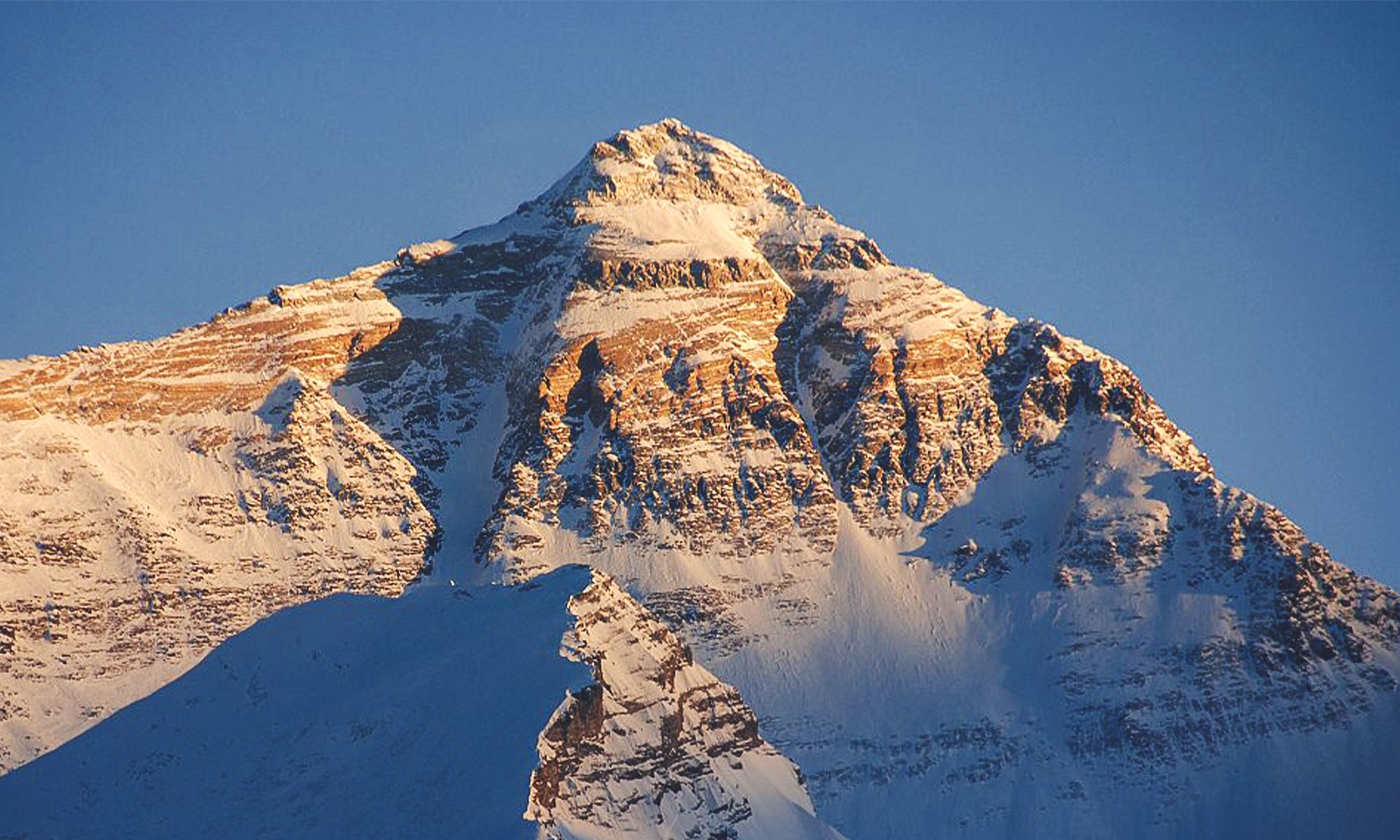
The Nuptse Peak Expedition in Nepal 2026/2027 is one of the most demanding and prestigious Himalayan climbing adventures, offering seasoned mountaineers a rare opportunity to conquer one of the most technical peaks in the Everest region. Standing at 7,861 meters (25,791 ft).
Nuptse Mountain forms a dramatic ridge west of Mount Everest and is globally respected for its steep ice walls, exposed ridgelines, and complex alpine terrain.
Unlike commercial climbs, the Nuptse climb requires strong technical proficiency, high-altitude endurance, and real expedition experience. The route to the Nuptse Summit involves advanced rope work, mixed climbing, ice sections, and sustained exposure, making it suitable only for climbers with prior 6,000–7,000-meter peak experience.
Because of its proximity to Everest, the expedition also offers breathtaking views of Everest, Lhotse, Ama Dablam, and the surrounding Khumbu giants making the Nuptse Everest region one of the most spectacular high-altitude environments on Earth.
This Nuptse Adventure follows a carefully structured acclimatization schedule, ensuring climbers adapt safely to extreme altitude while minimizing risks associated with AMS, HAPE, and HACE. Every phase of the expedition from trekking to Everest Base Camp, rotation climbs, high camp setup, to summit push is conducted using internationally recognized mountaineering safety standards and proven logistical planning.
Choosing the right expedition operator is critical for a peak as serious as Nuptse. Summit 8000 brings extensive hands-on Himalayan experience, certified climbing guides, Sherpa teams with successful Nuptse and 8,000-meter ascents, and a strong safety record built on real expedition knowledge not theory.
Our team emphasizes transparent communication, proper load management, reliable equipment, and ethical climbing practices, ensuring trust and confidence throughout the journey.
With optimal climbing windows in spring and autumn, professional route fixing, and personalized expedition support, the Nuptse Peak Expedition 2026/2027 with Summit 8000 is designed for climbers who seek authenticity, safety, and true alpine achievement. This is not just a climb it is a test of skill, discipline, and commitment in one of the most respected mountains of the Himalayas.
The Nuptse Peak Expedition in Nepal 2026/2027 is ideal for climbers seeking a serious Himalayan challenge beyond standard commercial peaks. Nuptse is known for its highly technical routes, extreme exposure, and demanding alpine conditions, making it one of the most respected peaks in the Everest region.
The 2026/2027 seasons offer stable climbing windows, improved logistics, and well-established safety protocols. Choosing this expedition allows climbers to experience an authentic Nuptse Adventure, test advanced mountaineering skills, and attempt a prestigious Nuptse Summit with proper acclimatization and expert support.
The Nuptse Peak Adventure is suitable for experienced mountaineers who have previously climbed 6,000–7,000-meter peaks and are confident in technical climbing. Participants should have solid experience with fixed ropes, ice climbing, mixed terrain, and high-altitude endurance.
This expedition is not recommended for beginners; instead, it is designed for climbers preparing for future 8,000-meter expeditions or those seeking a technically demanding Nuptse climb near Everest.
The best time for the Nuptse Peak Summit is during spring (April to May) and autumn (September to October). In spring, climbers benefit from stable weather, longer daylight hours, and well-established routes in the Nuptse Everest region.
Autumn offers clear skies, colder but stable conditions, and excellent visibility of surrounding Himalayan peaks. These seasons provide the safest and most reliable conditions for a successful Nuptse Mountain expedition.
Nuptse Peak is located in eastern Nepal’s Khumbu region, within the Sagarmatha National Park, west of Mount Everest and south of Lhotse. The mountain forms a dramatic ridge separating the Everest and Lhotse massifs, making it a prominent feature of the Everest Base Camp area. Its strategic location offers climbers close-up views of Everest, Ama Dablam, and other iconic Himalayan peaks during the expedition.
The Nuptse Peak climb is conducted using a classic expedition-style approach. Climbers trek to Everest Base Camp, followed by a structured acclimatization program with multiple rotation climbs. The ascent involves establishing high camps, fixing ropes on technical sections, and navigating steep ice and mixed terrain.
Summit attempts are carefully planned based on weather conditions and climber readiness, ensuring safety while maintaining the highest standards of professional Nuptse Adventure operations.
Summit 8000 is a trusted Himalayan expedition company with extensive experience in technical peaks and high-altitude climbing. Our Nuptse Mountain expeditions in Nepal are led by certified guides and highly experienced Sherpa climbers who have proven success on Nuptse and other major Himalayan peaks.
We prioritize safety, proper acclimatization, ethical climbing practices, and personalized support. With transparent planning, quality equipment, and a strong summit-focused yet safety-first approach, Summit 8000 ensures a professional and reliable Nuptse Peak Expedition experience.
Upon arrival at Tribhuvan International Airport, you will be warmly welcomed by our team and transferred to your hotel in Kathmandu. After check-in, you can rest from your journey or explore the nearby streets. Kathmandu is the cultural gateway to the Himalayas and offers a first glimpse into Nepal’s rich heritage. In the evening, our representative will brief you about the upcoming days.
This day is dedicated to expedition preparation. You will attend a detailed Nuptse Peak expedition briefing covering route plans, safety procedures, acclimatization strategy, and summit logistics. Gear checks are conducted to ensure all technical equipment meets expedition standards. Necessary permits are finalized, and climbers may use free time for last-minute shopping or rest before heading to the mountains.
An early morning scenic flight takes you to Lukla, the gateway to the Everest region. After landing, the trek begins through traditional Sherpa villages, prayer wheels, and mani stones. The trail gently descends along the Dudh Koshi River to Phakding, allowing your body to begin adapting to altitude.
Today’s trek includes several suspension bridges and a gradual ascent through pine forests. After entering Sagarmatha National Park, the trail climbs steeply to Namche Bazaar, the commercial hub of the Khumbu region. Weather permitting, you’ll catch your first views of Everest and surrounding peaks.
Proper acclimatization is crucial for the Nuptse climb. A short hike to Everest View Hotel or nearby ridges helps your body adjust to altitude. The rest of the day is spent relaxing, hydrating, and exploring Namche’s bakeries, shops, and museums.
The trail contours along the valley with stunning views of Ama Dablam, Everest, and Lhotse. Passing through Tengboche Monastery, the spiritual heart of the Khumbu, the trek descends slightly to Debuche, offering a peaceful overnight stay surrounded by alpine forests.
As you move higher, the landscape becomes more rugged and alpine. The trail crosses rivers and ascends steadily to Dingboche, a traditional Sherpa settlement with stone-walled fields. This village serves as an important acclimatization stop before heading toward Everest Base Camp.
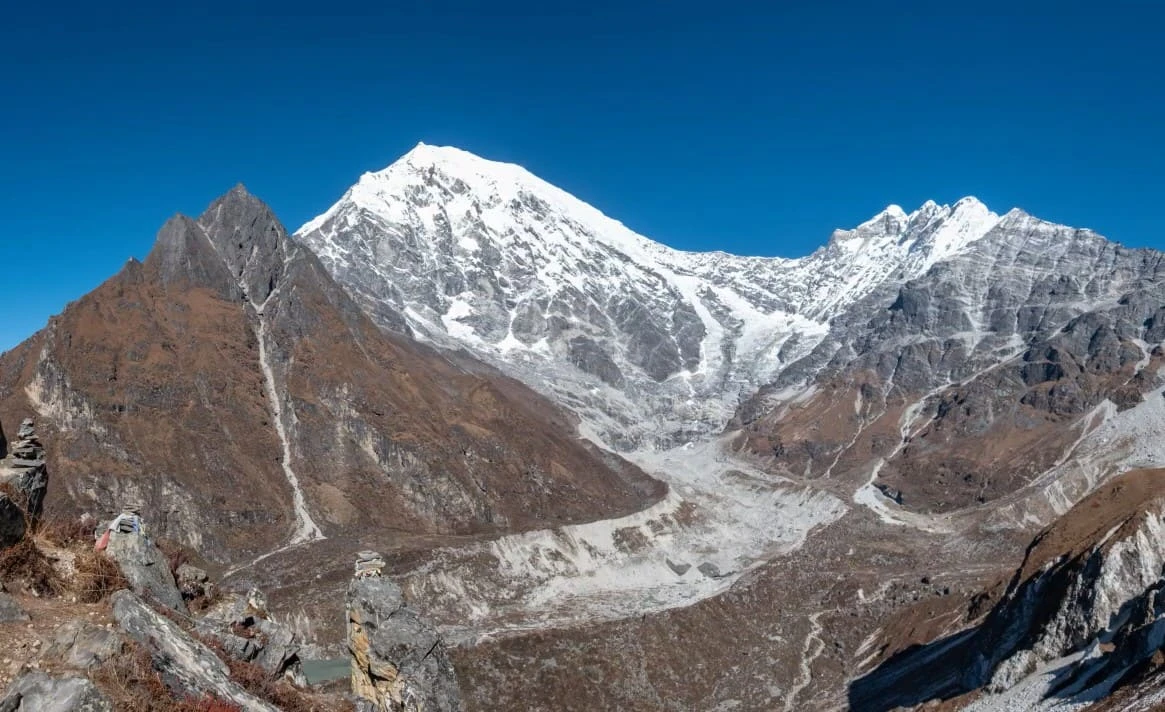
The trek continues along glacial moraines with panoramic views of Nuptse Mountain dominating the skyline. Passing the memorials at Thukla dedicated to climbers who lost their lives in the Himalayas, you reach Lobuche, a small settlement close to the Khumbu Glacier.
Today you reach Everest Base Camp, your home for the climbing phase. The trail follows the Khumbu Glacier, offering dramatic views of Nuptse, Everest, and Pumori. Upon arrival, the expedition team sets up camp, and climbers settle in for the upcoming high-altitude challenge.
This extended period is reserved for acclimatization rotations, route fixing, and summit attempts. Climbers move between Base Camp and higher camps, gradually adapting to altitude. The Nuptse Peak climb involves steep ice walls, mixed terrain, and technical rope sections. Summit attempts are made only during optimal weather windows, following strict safety protocols. After a successful Nuptse Summit, climbers descend carefully back to Base Camp
In line with ethical climbing practices, this day is dedicated to cleaning Base Camp and surrounding areas. Waste is properly packed and prepared for removal, ensuring minimal environmental impact on the fragile Himalayan ecosystem.
Leaving Base Camp, the trek descends gradually to Pheriche, allowing your body to recover after weeks at extreme altitude. The lower elevation provides noticeable relief and improved energy levels.
The return trek follows familiar trails back through Pangboche and Tengboche. Descending altitude, warmer temperatures, and greener landscapes mark the transition back to lower elevations.
Your final trekking day retraces the route to Lukla. In the evening, the team gathers for a farewell dinner to celebrate the successful Nuptse Adventure.
An early morning flight returns you to Kathmandu. After hotel check-in, the rest of the day is free to relax, shop, or enjoy the city.
This day is reserved for rest, sightseeing, or optional cultural tours around Kathmandu Valley. It also serves as a buffer day in case of flight delays from Lukla.
Our team will transfer you to the international airport for your onward journey, marking the end of your Nuptse Peak Expedition in Nepal 2026/2027.
Altitude Graph
Warm expedition beanie / wool hat
Balaclava or thermal face mask
Buff or neck gaiter
UV protection glacier sunglasses (Category 4)
Ski goggles (for summit push / storms)
Sun hat or cap
High SPF sunscreen (SPF 50+)
SPF lip balm
Headlamp with spare batteries
Moisture-wicking thermal base layers (2–3 sets)
Fleece or softshell mid-layer jacket
Insulated down jacket (expedition grade)
Heavy expedition down parka (for high camps & summit push)
Waterproof & windproof hardshell jacket (Gore-Tex recommended)
Lightweight trekking shirt (long sleeve)
Down or synthetic insulated vest (optional)
Thermal base layer pants (2–3 pairs)
Softshell climbing pants
Fleece pants for cold conditions
Waterproof hardshell pants (Gore-Tex recommended)
Expedition down pants (for high camps)
Comfortable trekking pants
High-altitude mountaineering boots (8000m rated)
Lightweight trekking boots (for approach trek)
Camp shoes or sandals
Gaiters (waterproof)
Expedition socks (4–5 pairs)
Liner socks
Down booties for camp
Lightweight liner gloves
Fleece gloves
Insulated climbing gloves
Expedition down mittens
Waterproof shell mittens
Climbing helmet
Mountaineering harness
Ice axe
Crampons compatible with boots
Ascender (jumar)
Descender / belay device
Locking carabiners (3–4)
Non-locking carabiners (3–4)
Climbing slings / runners
Prusik cords
Expedition sleeping bag (-30°C to -40°C rating)
Sleeping bag liner
Inflatable sleeping mat
Foam sleeping mat (backup insulation)
Personal first aid kit
Altitude sickness medication
Pain relief medicine
Personal prescription medication
Hand sanitizer
Wet wipes / tissue paper
Toothbrush & toothpaste
Small quick-dry towel
Blister treatment kit
Passport (valid at least 6 months)
Nepal visa
Expedition permit for Nuptse
Travel insurance (high-altitude evacuation coverage)
Passport size photos
Flight tickets & trekking permits
Expedition duffel bag (90–120L)
Daypack (30–40L)
Water bottles or thermos (insulated)
Hydration bladder
Power bank / solar charger
Camera / phone
Snacks & energy bars
Notebook / pen
Yes. Nuptse Peak is considered one of the most technically demanding mountains in the Everest region due to steep ice walls, mixed climbing, and exposed ridgelines
Yes. Climbers should have prior experience on 6,000–7,000-meter peaks and be comfortable with technical alpine climbing.
No. Nuptse Peak is not recommended for beginners due to its technical difficulty and extreme altitude.
Yes. Nuptse Peak lies west of Mount Everest in Nepal’s Khumbu region and is part of the Everest massif.
Yes. The expedition is operated from Everest Base Camp, which serves as the main climbing base.
Yes. Nuptse involves advanced rope work, ice climbing, and mixed terrain, far exceeding trekking peak difficulty.
Yes. The expedition follows a structured acclimatization plan with rotation climbs to ensure safety.
No. Supplemental oxygen is generally not used for summit climbing, though emergency oxygen is available for safety.
Yes. Spring (April–May) offers the most stable weather and optimal climbing conditions.
Yes. Autumn (September–October) provides clear skies and stable conditions, though colder than spring.
Yes. Nuptse Peak stands at 7,861 meters (25,791 ft).
Yes. It requires excellent physical fitness, endurance, and mental resilience.
Yes. Emergency rescue coordination and medical support are part of the expedition plan.
Yes. Comprehensive high-altitude insurance is mandatory for all participants.
Yes. Summit 8000 has extensive experience with technical peaks and high-altitude expeditions in Nepal.
Yes. The expedition includes Base Camp cleanup and follows ethical climbing and waste management practices.
 Nepal
Nepal
 21
21  Sept - Nov & March - May