Destination
Nepal
Duration
12
Destination
Nepal
Duration
12
Trip Difficulty
Challenging
Accommodation
4 Star/ Star Hotel, Tent and Tea House
Meals
B,L,& D
Max. Elevation
6584
Group Size
15
Best Time
Sept - Nov & March - May
Arrive at Tribhuvan International Airport, Kathmandu, where you’ll be welcomed by our Summit 8000 team and transferred to your 4 or 5 star hotel. Take the day to rest, recover from your flight, and prepare for the Himalayan journey ahead. Depending on your arrival time, you can explore the vibrant streets of Thamel, enjoy local cuisine, or attend an expedition briefing covering safety, equipment, and itinerary details.
Begin your adventure with a scenic drive to Chame, the gateway to the Annapurna region. The distance between Kathmandu and Chame is around 249 km. The route follows rivers, terraced farmland, and forested hills, offering spectacular views of snow-capped peaks along the way. Upon arrival, settle into a teahouse and enjoy the peaceful mountain surroundings while acclimatizing for the trek ahead.
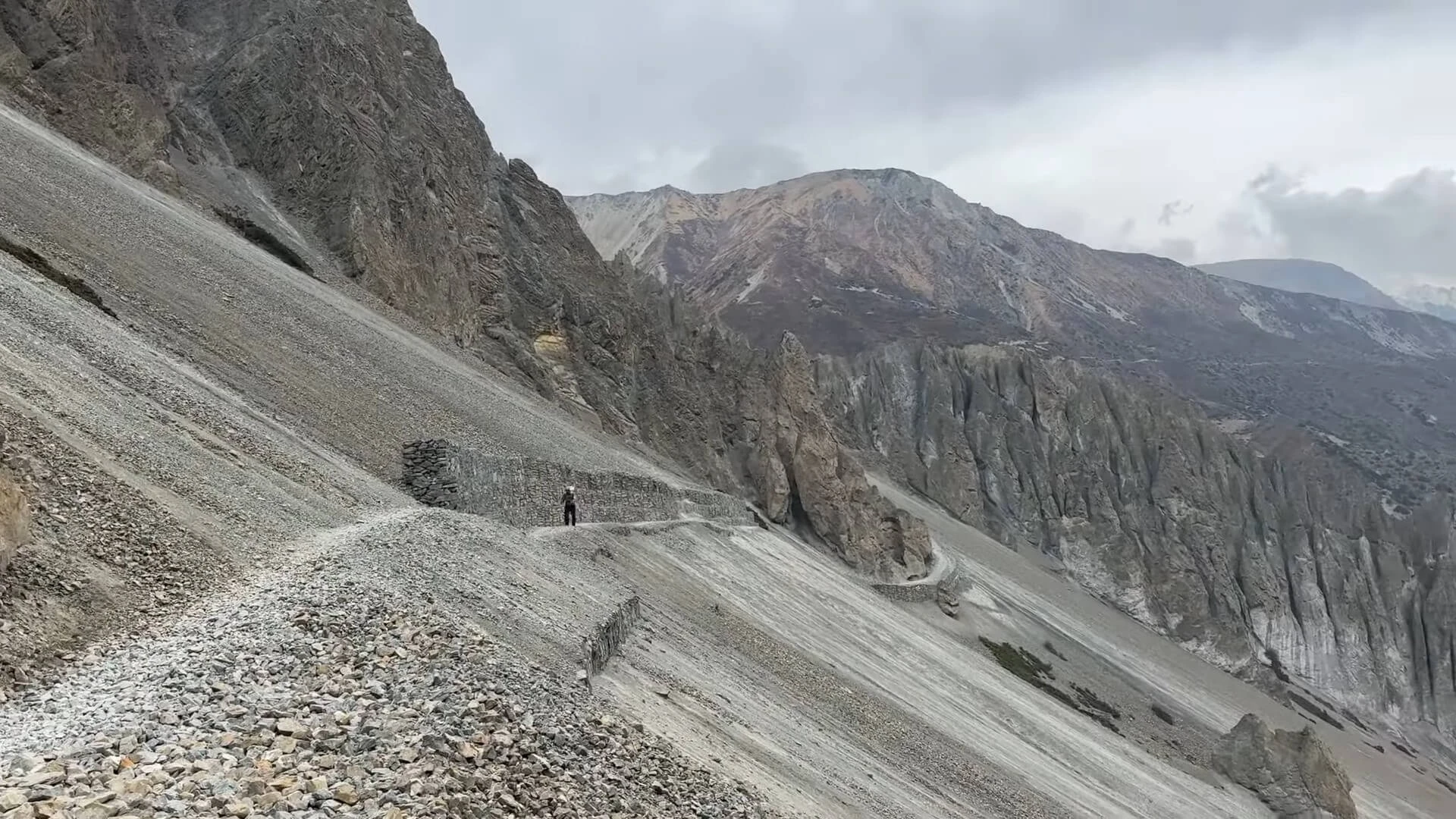
The trek starts with the mountain guide's brief of the day and then walks through the gentle trails of pine forests and traditional villages. Enjoy panoramic views of Pisang Peak and the northern face of Annapurna II. This day helps your body adjust to the altitude while immersing you in local culture, prayer flags, and Himalayan landscapes. Evening is perfect for rest and photography.
After your breakfast in the tea house, you will start your walk to the Nagawal, where the trail climbs gradually through terraced fields and small villages, leading to Ngawal, a village known for its Tibetan Buddhist culture. Explore local monasteries, enjoy stunning mountain vistas, and spend the evening acclimatizing before higher altitude trekking begins.
The fifth day of your journey is a very crucial day for acclimatization. You will take short hikes near ridges to help your body adjust to higher altitudes. Our experienced mountain guides may also provide training on crampons, ice axes, and climbing techniques, preparing you for the summit push.
Trekking today takes you higher into alpine landscapes, with grazing fields and glacial streams along the way. Yak Kharka offers simple teahouse accommodation and a serene environment, allowing your body to adapt to the growing altitude while you enjoy panoramic views of the surrounding peaks.
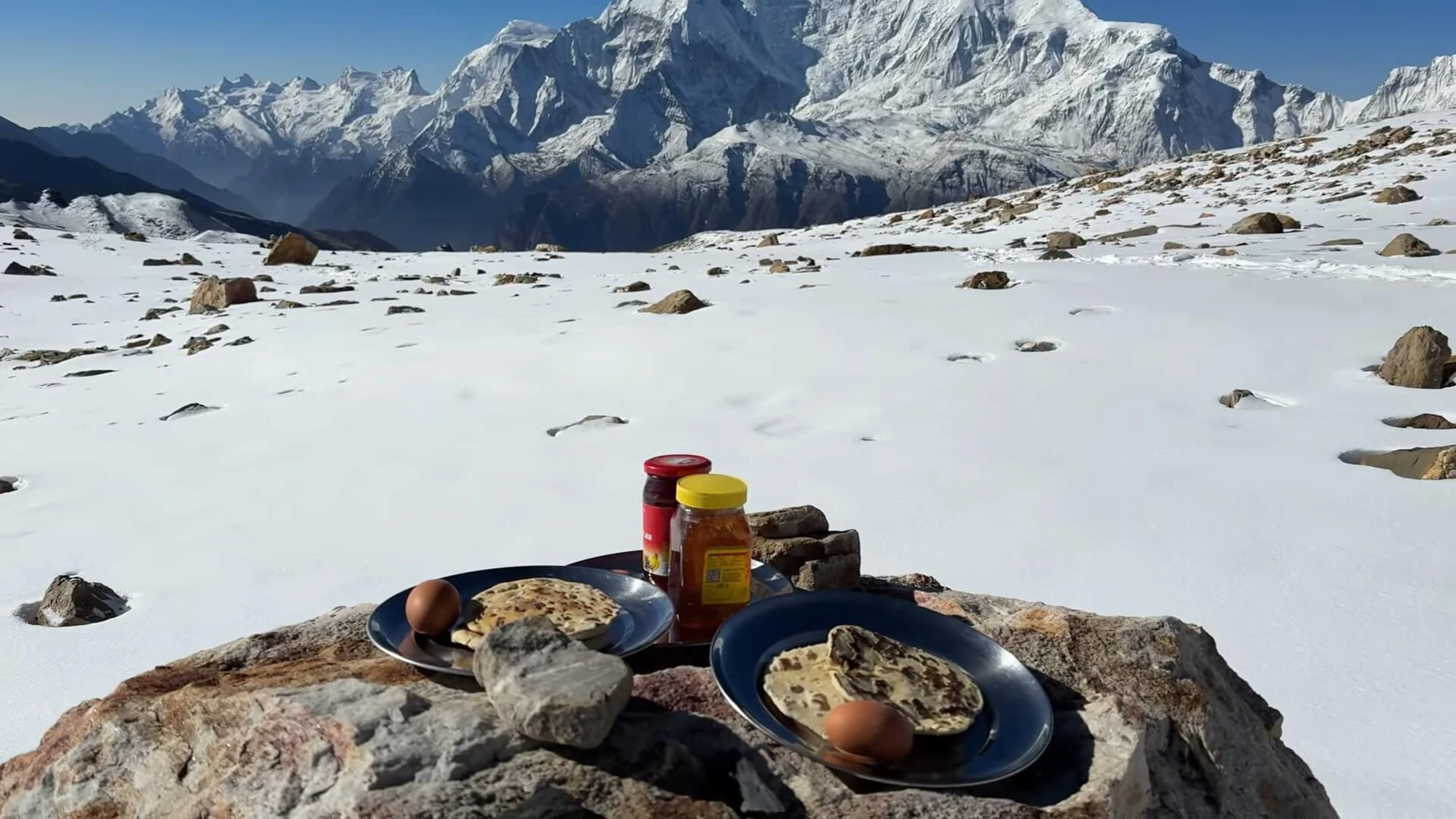
The ascent to High Camp at an altitude of 5600 meters is challenging but rewarding. Snow-covered slopes, rocky ridges, and glacier views dominate the landscape. High Camp serves as your base for the summit attempt, and here you’ll finalize your climbing preparations with the guidance of our experienced Himalayan climbing team.
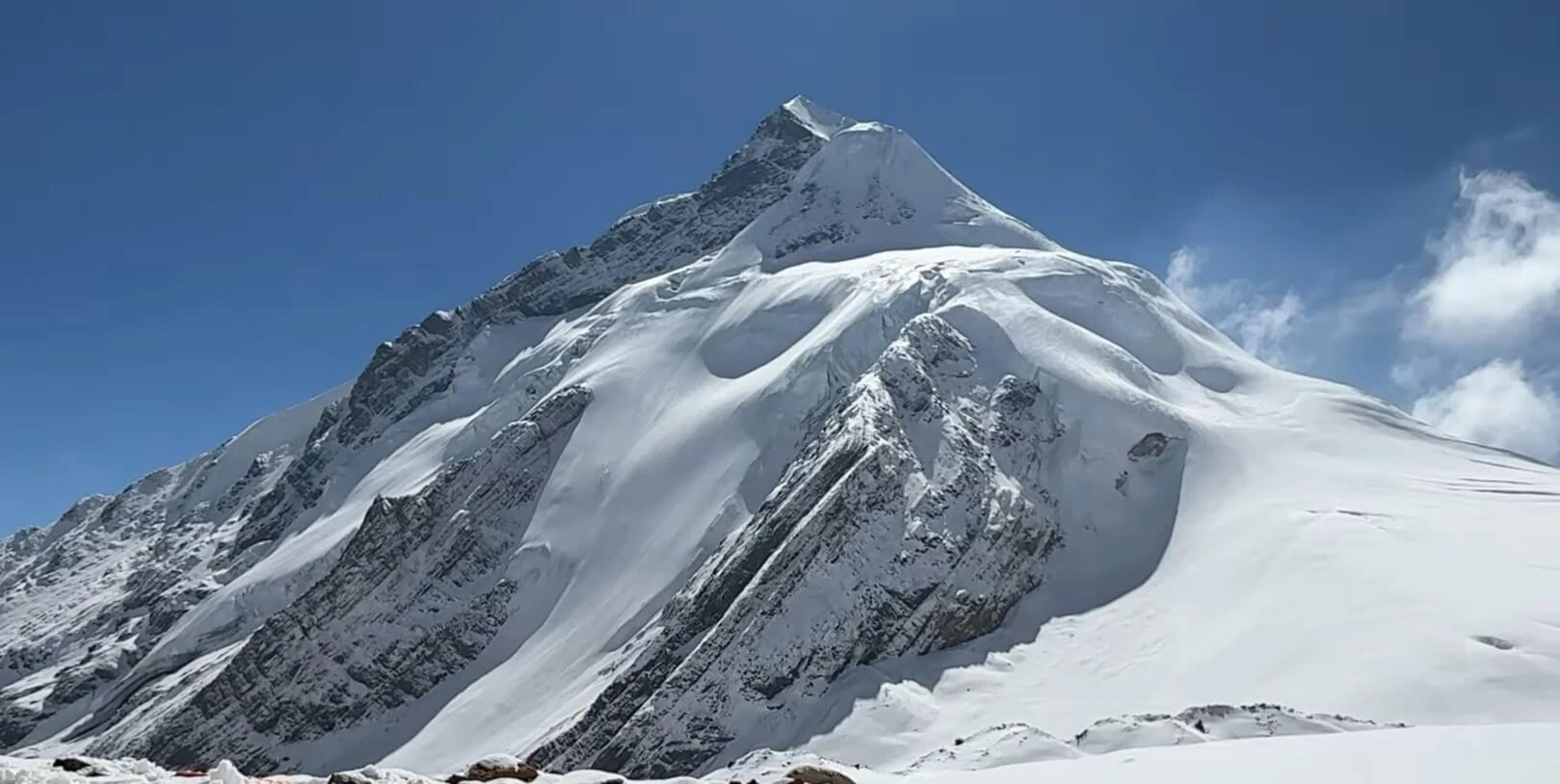
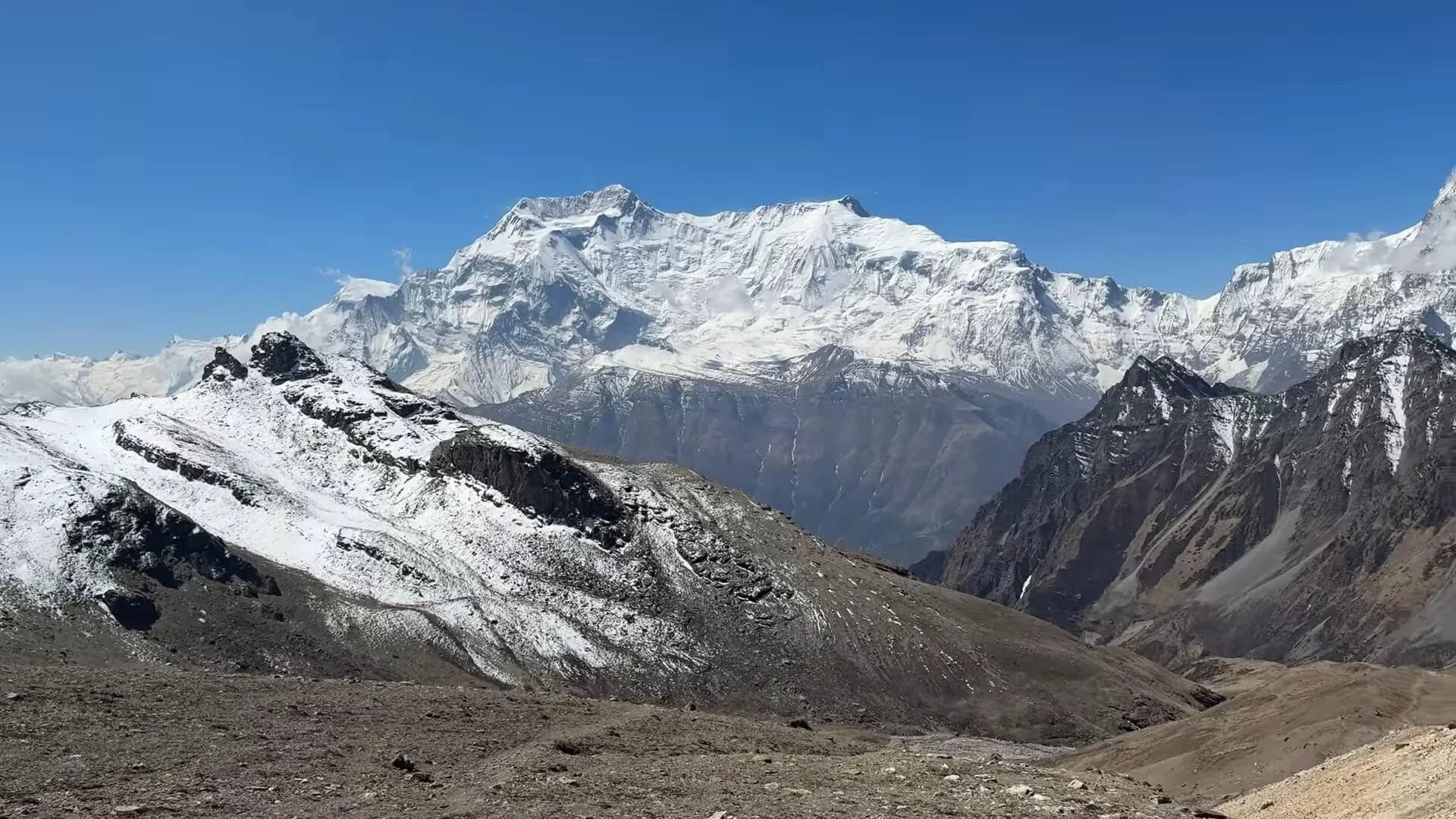
Summit day is the highlight of the expedition. Start early before sunrise, navigating snow slopes with crampons and ice axes under expert supervision. Reach the summit of Chulu East Peak to enjoy breathtaking views of Annapurna II, Tilicho Peak, Gangapurna, and the Manaslu range. After celebrating your achievement, descend to Ngawal for rest and reflection on this unforgettable Himalayan experience.
The ninth day is reserved in case of adverse weather or for additional acclimatization. Safety is our top priority, and having a buffer day increases the chances of a successful summit. Optional short hikes around Ngawal provide extra exploration and photography opportunities.
Descend through picturesque valleys, alpine landscapes, and local villages toward Humde. From here, board a vehicle to Besisahar, enjoying views of terraced fields and rivers along the way. This day allows your body to recover while experiencing the diverse terrain of the Annapurna region.
Return to Kathmandu by road, witnessing the transition from high mountains to the bustling city. In the evening, explore Thamel for souvenirs, enjoy local cuisine, or celebrate the completion of your Chulu East Peak expedition with your team.
After breakfast, transfer to Tribhuvan International Airport for your departure flight. Take home memories of a lifetime summiting a Himalayan peak, experiencing Nepalese culture, and trekking through some of the most scenic landscapes in the world. Please don’t forget to give us a review on the Trip Advisor or google to help other trekkers and climbers to experience their memories with us.
Altitude Graph
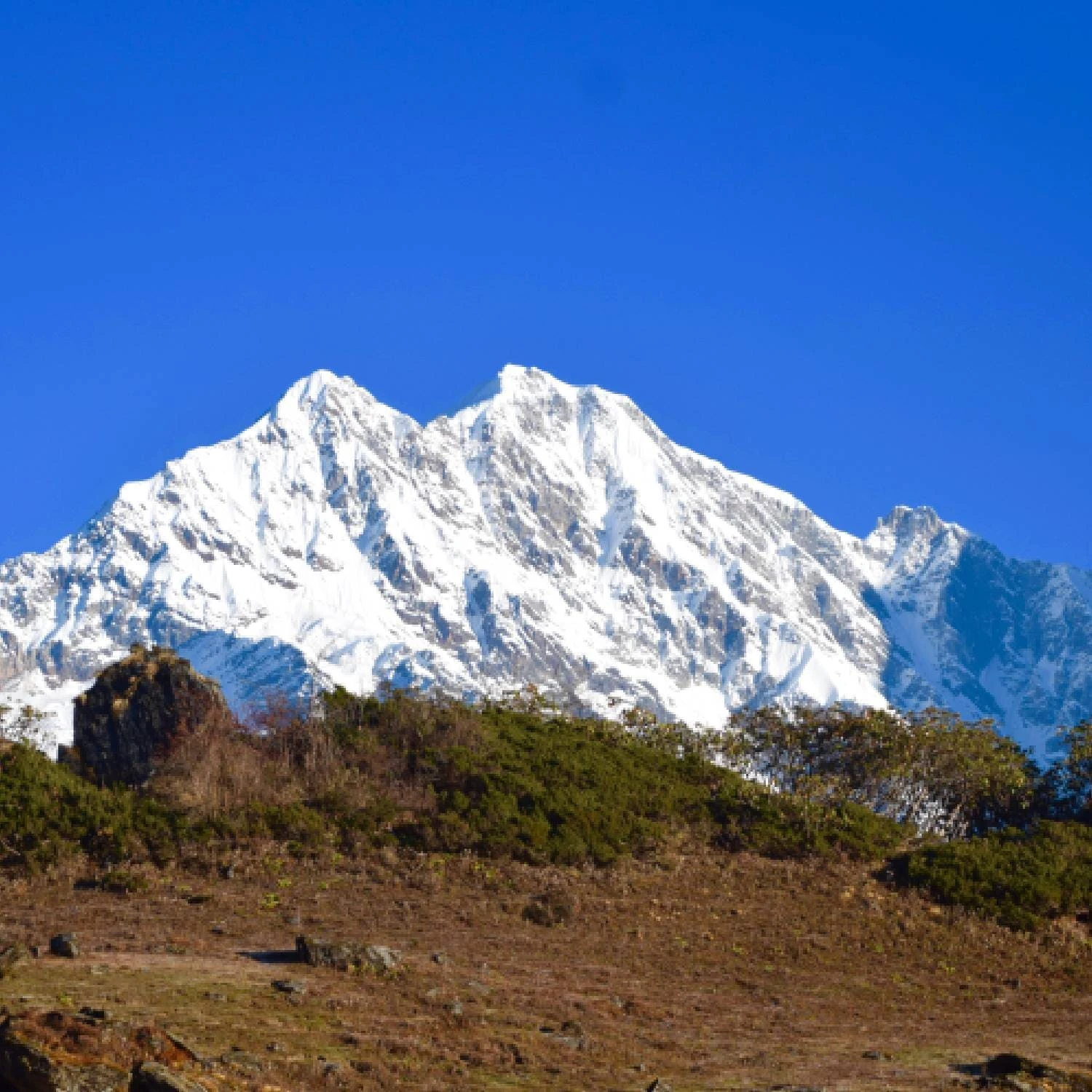
Chulu East is the best choice if you want to experience Himalayan climbing without tackling extremely technical peaks. The expedition combines trekking through scenic villages and the Manang Valley with a real climbing experience. Plus, the summit rewards you with breathtaking views of Annapurna II, Tilicho Peak, Gangapurna, and the Manaslu range.
The difficulty level of the Chulu East Peak expedition is suitable for trekkers with some hiking experience who want to try mountaineering. The climb involves snow slopes and glacier sections, but with the guidance of our experienced climbing team, it’s achievable even for first-time Himalayan climbers.
The Chulu East peak expedition typically takes 12 days, including trekking, acclimatization, summit attempt, and return to Kathmandu.
The best time to climb Chulu East Peak is spring (March to May) and autumn (September to November). During these months, the weather is stable, the skies are clear, and mountain views are at their best. Spring offers blooming rhododendrons, while autumn gives crisp, clear panoramas of the Himalayas.
The Chulu East peak expeditions cost usually covers permits, experienced guides, support staff, accommodation in Kathmandu and along the trek, meals during trekking, transportation in Nepal, climbing equipment, and acclimatization support.
No, you will not need prior technical mountaineering experience to attempt Chulu East Peak. Because basic trekking experience helps, and our guides provide training on crampons, ice axes, and climbing techniques during the expedition.
You will need to be at a good level of fitness for the Chulu East peak expedition. You should be comfortable with daily treks of 4–7 hours and able to handle moderate altitude. Regular cardio and strength training before the expedition is highly recommended.
We have a reserve day built into the itinerary for weather delays or extra acclimatization. Safety is our top priority, and summit attempts may be rescheduled to ensure a safe climb.
Accommodation includes 4–5 star hotels in Kathmandu and comfortable teahouses along the trek. Teahouses provide basic but clean facilities and local meals, helping you experience mountain life while staying comfortable.
To get to Chulu east peak from Kathmandu, you will need a scenic drive from Kathmandu to Chame, the gateway to the Annapurna region, followed by trekking through Manang Valley and higher alpine landscapes toward the peak.
Yes, our experienced Himalayan guides and climbing team accompany you throughout the trek and summit attempt, ensuring safety, proper acclimatization, and technical support during the climb.
 Nepal
Nepal
 21
21  Sept - Nov & March - May