
Everest Base Camp Trek vs Everest Expedition: What’s the Difference?
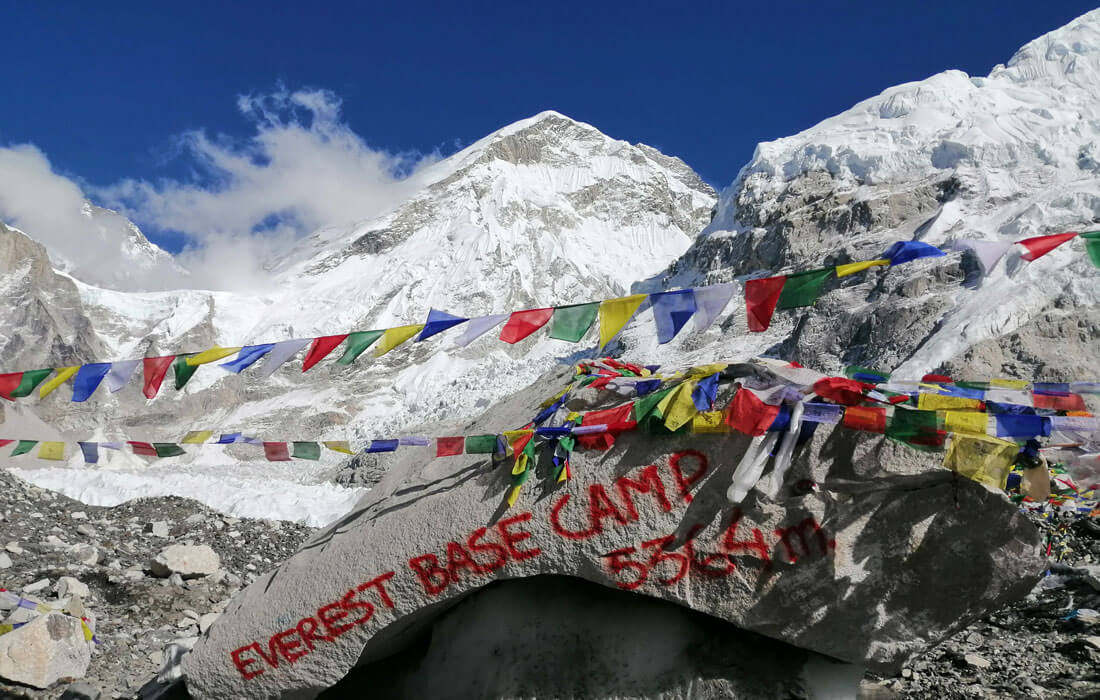
The Everest Base Camp Trek and Everest Expedition are often mentioned together, but they are two very different Himalayan adventures. Both take place in the Everest region of Nepal, and both bring you into the world of Mount Everest, but the experience, difficulty, preparation, cost, and objective are not the same.
The easiest way to understand the difference is this: the Everest Base Camp Trek takes you to the foot of Mount Everest, while an Everest Expedition attempts to take you to its summit.
For most travelers, reaching Everest Base Camp is a demanding trekking achievement. Climbing Everest is a serious mountaineering expedition that requires extensive experience, technical skills, specialized equipment, and a much greater commitment of time and money.
What is the Everest Base Camp Trek?
The Everest Base Camp Trek is a high-altitude trekking journey through Nepal's Khumbu region. The classic route starts around Lukla and passes through well-known mountain settlements such as Phakding, Namche Bazaar, Tengboche, Dingboche, Lobuche, and Gorak Shep before reaching Everest Base Camp.
Everest Base Camp sits at approximately 5,364 meters (17,598 feet) above sea level. Getting there involves several days of walking through rugged mountain terrain, crossing suspension bridges, climbing steep sections of trail, and gradually gaining altitude.
The trek isn't a technical climbing expedition. You don't need to climb the mountain using ropes, crampons, or an ice axe simply to reach Base Camp. However, that doesn't mean the journey is easy. The altitude is the biggest challenge, and the combination of thin air, long walking days, cold temperatures, and constantly changing terrain can make the trek physically demanding.
For many people, the attraction isn't just reaching the destination. The journey through the Khumbu Valley is a major part of the experience. You get to experience Sherpa culture, Buddhist monasteries, mountain villages, suspension bridges, and some of the most spectacular scenery in the Himalayas.
What is an Everest Expedition?
An Everest Expedition is an attempt to climb Mount Everest itself, rather than simply reaching its base camp.
At 8,849 meters (29,032 feet), Everest is the highest mountain in the world. Reaching its summit requires climbers to continue far beyond Base Camp and spend weeks adapting to progressively higher elevations.
The expedition normally involves establishing or using a series of higher camps, making acclimatization rotations, navigating difficult sections of the mountain, and eventually making a summit attempt when weather and climbing conditions are suitable.
This is where the difference becomes much more significant.
An Everest expedition involves technical mountaineering. Climbers may have to cross glaciers and crevasses, climb steep sections of ice and rock, use fixed ropes, and operate specialized equipment in extremely cold and oxygen-deprived conditions.
It is not simply a longer version of the Everest Base Camp Trek.
Everest Base Camp Trek vs Everest Expedition: The Main Difference
The fundamental difference comes down to the objective.
When you undertake the Everest Base Camp Trek, your destination is Everest Base Camp. You are trekking through the Everest region to experience the Himalayas and reach the base of the world's highest mountain.
During an Everest Expedition, Base Camp is only the beginning. From there, climbers continue toward the summit through increasingly difficult and dangerous terrain.
That means the two journeys require very different levels of preparation. A fit person with good trekking preparation can take on the EBC trek, while an Everest climber needs substantial high-altitude mountaineering experience in addition to excellent physical conditioning.
How Difficult is the Everest Base Camp Trek Compared to Everest?
The Everest Base Camp Trek is challenging, but it is nowhere near the technical difficulty of climbing Everest.
Most of the difficulty on the trek comes from altitude and endurance. You may spend several hours walking each day, often on uneven trails with considerable uphill and downhill sections. As you approach Base Camp, the air becomes noticeably thinner, making even relatively simple walking feel more strenuous.
An Everest Expedition adds another layer of difficulty. The climber isn't only dealing with altitude and endurance but also with technical climbing, extreme weather, glacier travel, steep terrain, and the physiological effects of spending prolonged periods at very high elevations.
The difference becomes especially obvious above Everest Base Camp, where the environment becomes increasingly hostile and the consequences of mistakes become much more serious.
How High Do You Go on Each Journey?
Altitude is one of the clearest ways to understand the difference.
Everest Base Camp is located at about 5,364 meters, although trekkers can reach higher viewpoints during the journey, such as Kala Patthar, which rises to roughly 5,545 meters.
An Everest Expedition continues all the way to the summit at 8,849 meters.
That difference of more than 3,400 meters is enormous from a physiological perspective. The higher you climb, the less oxygen is available, and the body has an increasingly difficult time functioning normally.
This is why acclimatization is an essential part of both experiences, but it becomes even more critical during an Everest summit expedition.
Do You Need Mountaineering Experience for the EBC Trek?
You don't need to be an experienced mountaineer to complete the Everest Base Camp Trek.
The trek does require preparation and a good level of physical fitness, particularly because you'll be walking at high altitude for multiple days. Previous trekking experience can certainly help, but you don't need technical climbing skills to follow the standard route to Base Camp.
The more important considerations are your ability to walk for several hours a day, your approach to altitude, and your willingness to maintain a sensible pace.
The trek should still be taken seriously because altitude sickness can affect people regardless of their fitness level.
Do You Need Mountaineering Experience to Climb Everest?
Yes. An Everest summit attempt requires a completely different skill set.
A climber needs experience with high-altitude mountaineering and should be comfortable using equipment and techniques associated with glacier and rope travel. Experience on other high mountains is an important part of preparing for an Everest expedition.
Simply completing the Everest Base Camp Trek does not mean you are ready to climb Everest.
Reaching Base Camp demonstrates that you can trek at high altitude and handle the journey into the Khumbu region. Climbing from Base Camp to the summit introduces technical climbing, extreme altitude, severe weather, and much greater risk.
How Long Does the EBC Trek Take Compared to an Everest Expedition?
The difference in duration is substantial.
A typical Everest Base Camp Trek takes around two weeks, although the exact length depends on the itinerary, acclimatization schedule, route, weather, and transportation arrangements.
An Everest Expedition generally takes several weeks. The longer duration isn't simply because the mountain is far away. Climbers need time to acclimatize, establish a rhythm at high altitude, make rotations between camps, wait for suitable weather, and prepare for the summit push.
Patience is a major part of mountaineering at this level. Even when a climber is physically ready, the weather may not provide a safe opportunity to reach the summit.
How Are the Costs Different?
The financial difference between the two experiences is also considerable.
The Everest Base Camp Trek is relatively accessible compared with an Everest summit expedition. Your expenses generally revolve around transportation, permits, accommodation, meals, guides or porters, equipment, insurance, and other trekking-related costs.
An Everest Expedition requires a much larger logistical operation. The cost can reach tens of thousands of dollars, depending on the expedition operator, level of support, permits, equipment, logistics, guides, Sherpa support, insurance, and other services.
The price reflects the complexity of operating safely in one of the most demanding environments on Earth.
What Equipment Do You Need?
The equipment required for the Everest Base Camp Trek is primarily trekking and cold-weather gear. You need suitable footwear, warm clothing, a good sleeping bag, a backpack, trekking poles, sun protection, and other essentials for several days in the mountains.
An Everest Expedition requires considerably more specialized equipment. Climbers need technical mountaineering gear designed for glacier travel, fixed-rope climbing, extreme cold, and high-altitude conditions.
The equipment isn't simply about comfort. At extreme elevations, the right gear can be essential for protecting a climber from the environment.
What Are the Risks of the EBC Trek?
The Everest Base Camp Trek is a serious high-altitude journey, but its risks are different from those associated with an Everest summit attempt.
Altitude sickness is one of the primary concerns. As you climb higher, your body needs time to adjust to the reduced oxygen availability. Dehydration, exhaustion, cold temperatures, changing weather, and difficult terrain can also make the journey more challenging.
This is why a well-designed itinerary includes appropriate acclimatization and doesn't rush the ascent.
What Makes an Everest Expedition More Dangerous?
The risks increase dramatically as you move toward the summit.
Above Base Camp, climbers encounter glaciers, crevasses, steep climbing sections, falling ice, extreme cold, high winds, and increasingly severe altitude conditions. The higher you go, the more difficult it becomes for the body to recover from physical exertion.
The region above 8,000 meters is commonly known as the death zone because the human body cannot remain there indefinitely. At that altitude, every additional hour and every physical effort places significant stress on the body.
This is one of the reasons an Everest summit attempt requires careful planning, experienced guides and support teams, acclimatization, suitable weather conditions, and strong decision-making.
Can You Climb Everest After Completing the Base Camp Trek?
Completing the Everest Base Camp Trek can be a valuable experience if you eventually want to pursue high-altitude mountaineering, but it doesn't make you an Everest climber.
The trek gives you exposure to the Khumbu environment and allows you to experience how your body responds to altitude. It can also give you a better understanding of the terrain and conditions around Everest.
However, climbing the mountain requires additional training and experience. You would need to develop technical mountaineering skills and gain experience on appropriate peaks before considering an Everest summit expedition.
In other words, EBC can be part of your journey toward mountaineering, but it isn't a substitute for mountaineering experience.
Which is Better: Everest Base Camp Trek or Everest Expedition?
Neither is really "better." They are designed for completely different types of travelers.
If your dream is to experience the Himalayas, walk through the legendary Khumbu Valley, see Mount Everest and reach its Base Camp, the Everest Base Camp Trek can provide an incredible adventure without requiring technical mountaineering.
If your goal is specifically to stand on the summit of Mount Everest, then you're looking at an Everest Expedition, which requires a much greater commitment in terms of preparation, experience, time, money, and risk.
For someone who has never undertaken a serious high-altitude trek, the EBC trek is a much more realistic starting point.
Everest Base Camp Trek vs Everest Expedition: Which One Should You Choose?
The answer depends entirely on what you want to accomplish.
The Everest Base Camp Trek allows you to experience the Everest region from the perspective of a trekker. You can walk beneath some of the world's highest peaks, explore Sherpa settlements, visit monasteries, experience the unique culture of the Khumbu, and eventually stand at the base of Mount Everest.
An Everest Expedition takes you into the world of high-altitude mountaineering. Base Camp becomes the starting point for a much more demanding journey toward the summit.
So, if you're looking for a challenging Himalayan trek and want to get close to Mount Everest, choose the Everest Base Camp Trek.
If you're an experienced mountaineer with the skills, preparation, resources, and determination required to attempt the world's highest summit, an Everest Expedition is an entirely different adventure.
The key thing to remember is simple: you trek to Everest Base Camp; you climb Mount Everest.