
Why Should You Do the Everest Expedition in Nepal?
Dhiren Kumar
Climbing Mount Everest is the ultimate dream for mountaineers and adventure lovers around the world. Rising to an incredible height of 8,848.86 meters, Everest is the highest mountain on Earth and represents the pinnacle of human endurance, determination, and courage.
But beyond the thrill of reaching the summit, doing the Everest expedition in Nepal offers an experience that goes far beyond mountaineering. From breathtaking Himalayan landscapes to the warm hospitality of the Sherpa community, the journey to Everest is as rewarding as the summit itself.
Below are some of the key reasons why Nepal is the best place to attempt the Everest expedition.
The World’s Highest Mountain
The most obvious reason to climb Everest in Nepal is that this is where the highest point on the planet stands. For decades, Everest has inspired explorers and climbers to push their limits and pursue extraordinary achievements.
The first successful ascent of the mountain in 1953 by Sir Edmund Hillary and Tenzing Norgay turned Everest into a global symbol of adventure and determination. Since then, climbers from all over the world have traveled to Nepal to follow the historic South Col route and experience the challenge of reaching the summit.
Standing on the top of Everest is more than just a climb it’s a moment that represents years of preparation and a lifetime dream fulfilled.
The Iconic Everest Base Camp Journey
Most Everest expeditions begin with a trek to Everest Base Camp, which is already one of the most famous trekking routes in the world. This journey allows climbers to gradually acclimatize while experiencing the beauty of the Everest region.
The trek passes through charming Sherpa villages, lush valleys, and rugged mountain trails. Along the way, trekkers cross suspension bridges, walk through pine forests, and enjoy stunning views of surrounding Himalayan peaks such as Lhotse, Nuptse, and Ama Dablam.
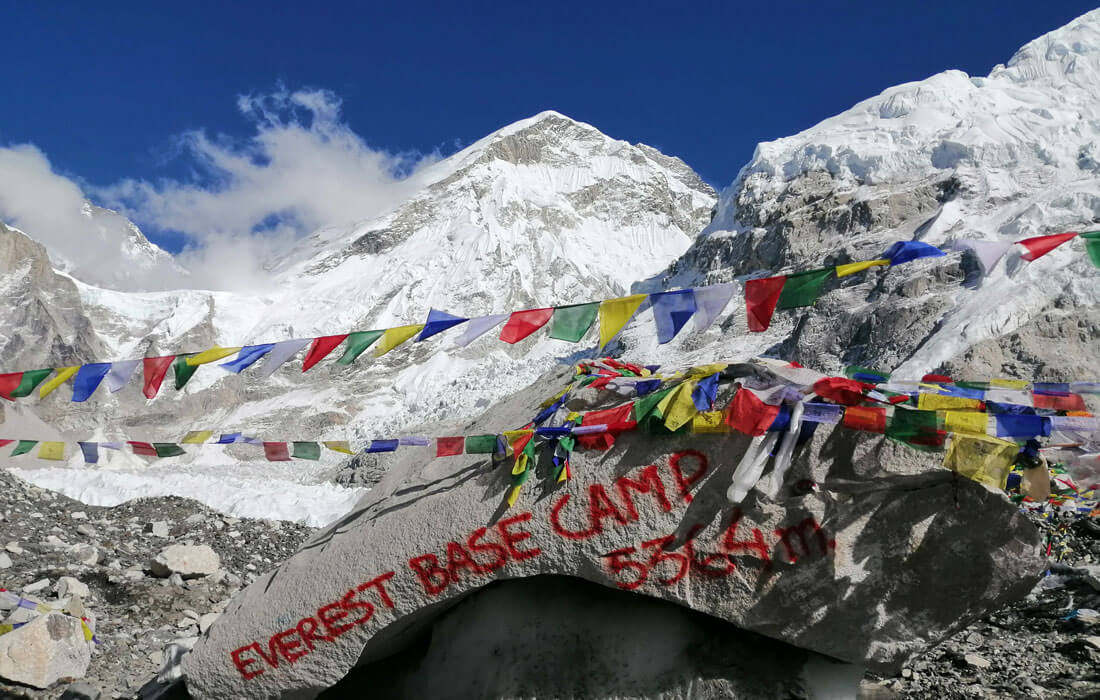
Reaching Everest Base Camp itself is an incredible milestone, where climbers prepare for the challenging ascent ahead.
The Expertise of the Sherpa Community
Another major reason to climb Everest in Nepal is the extraordinary support provided by the Sherpa community. Sherpas are world-renowned for their strength, resilience, and deep knowledge of the Himalayan environment.
During the expedition, Sherpas help climbers navigate technical sections such as the dangerous Khumbu Icefall, set up high-altitude camps, fix ropes along the climbing route, and ensure the overall safety of the team.
Their experience and dedication play a crucial role in the success of many Everest expeditions, making them an essential part of the journey.
Spectacular Himalayan Scenery
Nepal is home to eight of the world’s fourteen mountains above 8000 meters, which makes it one of the most spectacular mountain regions on Earth. During the Everest expedition, climbers are surrounded by some of the most breathtaking peaks in the Himalayas.
Mountains such as Makalu, Cho Oyu, and Pumori dominate the skyline, creating unforgettable panoramic views. The combination of glaciers, icefalls, and towering peaks creates a landscape that is both dramatic and inspiring.
For many climbers, the scenery of the Everest region is one of the most rewarding parts of the expedition.
Rich Culture of the Everest Region
Climbing Everest in Nepal also provides the opportunity to experience the unique culture of the Khumbu region. Along the trekking route, climbers pass through vibrant Sherpa villages such as Namche Bazaar and Tengboche.
These villages are known for their colorful prayer flags, ancient monasteries, and welcoming communities. Visiting the famous Tengboche Monastery and learning about the Buddhist traditions of the region adds a spiritual dimension to the expedition.
This cultural immersion makes the Everest journey more meaningful than just a climbing challenge.
A Life-Changing Personal Achievement
Climbing Everest is one of the most demanding adventures a person can undertake. The expedition usually takes six to eight weeks, requiring careful acclimatization, physical endurance, and mental resilience.
However, reaching the summit brings an unparalleled sense of accomplishment. Standing on the top of Mount Everest, surrounded by the vast Himalayan landscape, is a moment that few people on Earth will ever experience.
For many climbers, the Everest expedition becomes a life-changing journey that proves the power of determination and perseverance.
Suggested Reads