
When is the Best Time for Baruntse Expedition? (Season Guide)
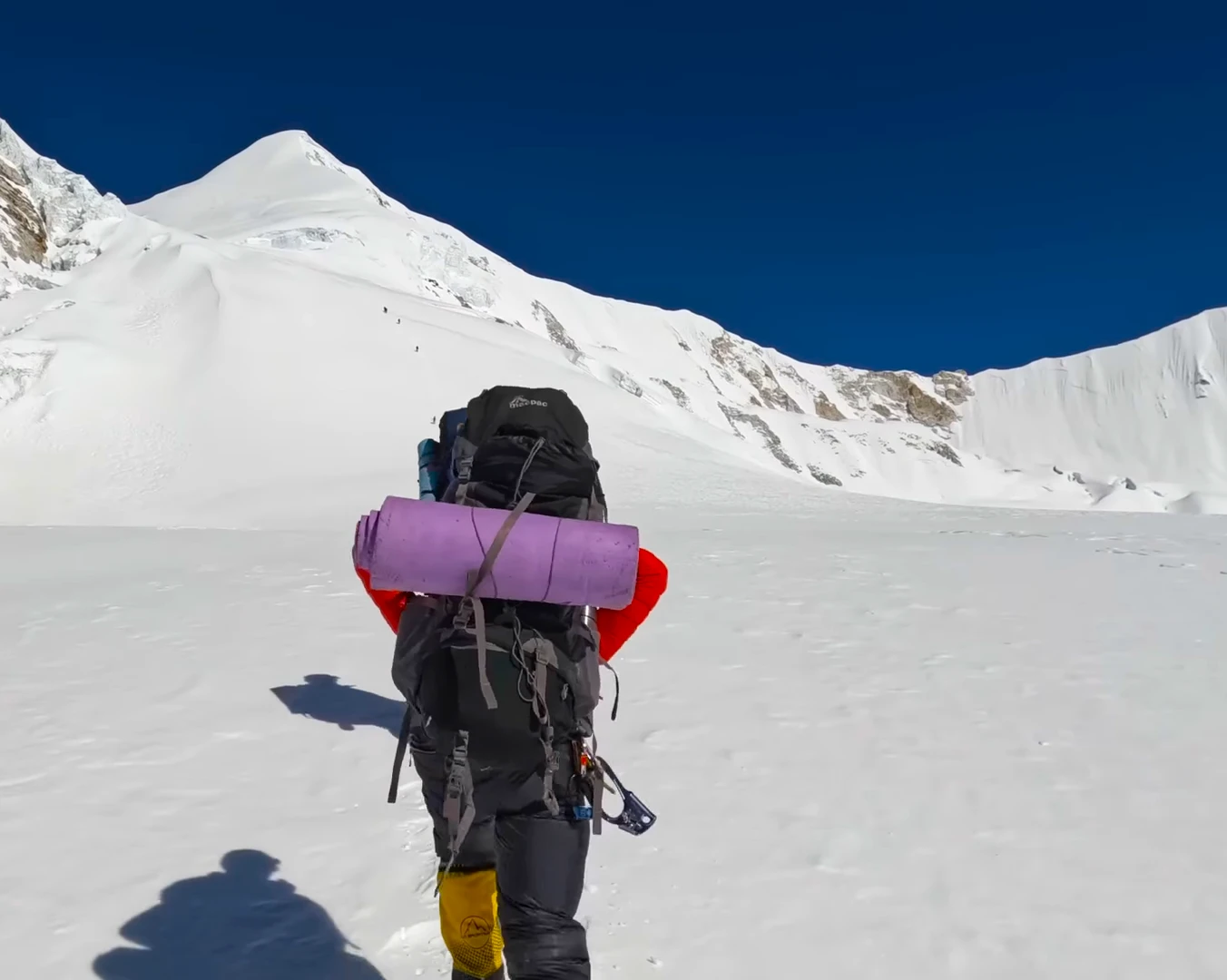
The best time for the Baruntse expedition in Nepal is during spring (March–May) and autumn (September–November), when weather conditions are stable, visibility is clear, and summit success rates are highest. Spring is generally preferred for its warmer temperatures and longer daylight hours, while autumn offers crisp skies and post-monsoon trail conditions.
When it comes to the Baruntse expedition, timing isn’t just a small detail it can make or break your entire climb. Weather in the Himalayas can shift quickly, turning clear skies into whiteouts or safe routes into risky terrain. The right season means better visibility, safer conditions, and a much smoother experience overall even when it comes to permits and logistics.
In this guide, I’ll Walk you through the best time to climb Baruntse in Nepal, breaking it down season by season and even month by month. You’ll get a clear idea of what to expect in terms of weather, conditions, and your chances of reaching the summit.
Choosing the wrong season can mean dangerous whiteouts, impassable routes, or permit complications. But get it right, and you set yourself up for a safer, more successful, and far more enjoyable climb.
Why Timing Matters for Baruntse Expedition?
Timing matters for Baruntse expedition because the peak is situated at the elevation of 7,129 (23,389 feet) above sea level which is extreme altitude which means you will get the short weather window and you need to climb at the period only.
Also, if you choose the wrong time to climb you will need to face the heavy snowfall, avalanche risk, poor visibility, and even serious cold-related issues like frostbite. The cost, permits and the logistics also depends upon the timing if you don’t do it time you will not have availability for anything. Let’s look the seasons in more detailed.
Spring (March- May): Considered the Best time to Climb Baruntse
Spring which is March to may is considered the best time climb Baruntse because it is the most popular and most suggested by every trekking or expedition agency. During this time the weather is clear and temperature are manageable.
You will get the longer day light hours which will help you to get more climbing time. By April and May, the jet stream shifts further north, bringing more stable winds and clearer summit windows. As it is also the busiest time of the year you will need to book your slot earlier to get the proper sherpa team and logistics to make your climb more safe and secure.
March Early Spring Conditions
The early spring conditions in march might make you feel that you are in the winters. You can except colder temperatures, fresh snow, and less stable conditions compared to later months. It is also quieter time in the mountains which will mostly climbers prefers.
April Peak Climbing Month
April is the peak climbing month for the Baruntse due to its stable weather, improved temperatures, and perfect snow conditions makes it ideal. Most of the expeditions companies tries to do the summit due to which it acts as the balance and safety for the climbers which will make your experience in worth it in Nepal peak climbing journey.
May Late Spring & Monsoon Approach
May is also the best seasons to do the Baruntse but if you are doing at the Late Spring it is the time when monsoon approaches. Due to which you will experience warmer temperatures and increasing moisture signal the approach of the monsoon. Also, Snow can become softer, and weather patterns less predictable, so timing your summit window becomes more important.
Autumn (September–November): Second Best Season
Autumn which is during the month of the September to November is also considered as the second-best season to climb the Baruntse peak. During this time the weather is stable and the mountains are seen perfectly in the north of Nepal.
As the weather is clear the skies open up which offers the perfect conditions for photography and route assessment. The trail and the base camp become more reliable, with fewer weather-related disruptions compared to summer. You will experience that the temperatures are colder than in spring, still it remains manageable for well-prepared climbers. Another advantage is the quieter atmosphere autumn sees fewer Baruntse expeditions, allowing for a more peaceful and focused climbing experience.
September Post-Monsoon Transition
During the month of the September, it is the post monsoon transition due to which the weather can be unpredictable sometimes. Residual moisture may affect trails, and occasional clouds or light precipitation can occur. However, as the weeks progress, the weather begins to stabilize, and the landscape looks especially vibrant after the rains. If you are choosing late September often benefit from improving visibility and fewer crowds on the route.
October Ideal Autumn Window
October is the ideal Autumn time to climb the peak at the altitude of 7,129 meters above sea level. During this time the weather acts as the sweet spot for a Baruntse peak climbing. During this time temperatures strike a good balance not too cold at lower camps, yet suitable for summit attempts. This month also offers the most reliable window for success, making it a top choice for climbers seeking optimal conditions without the heavy traffic of spring.
November Late Season Risks
November is the ideal time yet as it is the late season it brings the colder temperatures and shorter days, which signals the end of the main climbing window. While early November can still offer stable weather, conditions gradually become harsher, especially at higher elevations. Increased cold and the risk of early winter storms make summit attempts more challenging. However, for experienced climbers prepared for colder conditions, it can still be a rewarding time with quieter routes and stunning, crystal-clear views.
Why to Avoid Baruntse Climbing in Monsoon (June- August)?
The main reason to avoid the Baruntse climbing in Monsoon which is the during the month of the June to August is that during this time heavy rainfall and the trails becomes slipper and dangerous.
The heavy clouds block all the mountain views and visibility becomes zero. Also, due to the rainfall the mountain becomes high avalanche zone and there is always risk of the rockfall. During this time the trekking and expeditions both are halted by the agencies for your safety and security.
Winter (December–February) Winter Conditions
During the month of the winter which is the December to February is the winter seasons and during this time the temperatures are extremely cold and it can drop sometimes -30c which is the lowest and most dangerous temperatures in winter in Baruntse.
The days are short which gives the limited climbing window. Also, the routes taking you to the base camp and peak is buried under the deep snow which increases the life threats. It is not recommended at all for the climbers.
Baruntse Expedition Month-by-Month Guide
| Month | Season | Conditions | Recommended? |
|---|---|---|---|
| January | Winter | Extreme cold, high winds | No |
| February | Winter | Cold, unstable conditions | No |
| March | Spring | Warming temperatures, moderate | Yes |
| April | Spring | Stable weather, ideal conditions | Best |
| May | Spring | Warm, pre-monsoon stability | Yes |
| June | Monsoon | Heavy rainfall, dangerous | No |
| July | Monsoon | Worst weather conditions | No |
| August | Monsoon | Still unstable, poor visibility | No |
| September | Autumn | Skies clearing, improving views | Yes |
| October | Autumn | Clear, stable, peak conditions | Best |
| November | Autumn | Getting colder, mixed conditions | Moderate |
| December | Winter | Harsh cold, strong winds | No |
Baruntse Weather and Temperature by Season
| Season | Months | Base Camp Temperature | Higher Camps Temperature | Weather Conditions | Climbing Conditions |
|---|---|---|---|---|---|
| Spring | March – May | -10°C to 5°C | -15°C to -25°C | Stable weather, clear skies, low wind | Best season |
| Summer | June – August | 0°C to 10°C | -10°C to -20°C | Heavy monsoon rain, poor visibility | Not recommended |
| Autumn | September – Nov | -10°C to 5°C | -15°C to -25°C | Clear post-monsoon skies, stable weather | Second best season |
| Winter | December – Feb | -20°C to -5°C | -25°C to -35°C | Extreme cold, strong winds, harsh conditions | Not recommended |
How Season Impacts Baruntse Summit Success Rate?
The season plays a major role in the Baruntse summit success rate because it directly determines how safe and stable the mountain conditions will be. In the Himalayas, even a technically manageable peak like Baruntse becomes much more challenging when weather windows are poor or unstable.
The best seasons consistently provide safer climbing conditions, more predictable weather, and better chances of reaching the summit. In contrast, unfavorable seasons can quickly turn a normal expedition into a risky and unsuccessful attempt, no matter how strong the team is.
Best Time for Baruntse Based on Experience Level
| Experience Level | Best Season | Best Months | Conditions Summary | Recommendation |
|---|---|---|---|---|
| Beginner 7000m climbers | Spring | April – May | Stable weather, longer days, safer acclimatization | Highly Recommended |
| Intermediate climbers | Spring / Autumn | April – May / October | Good balance of stability and fewer crowds | Recommended |
| Experienced climbers | Autumn | September – October | Cold but clear, less crowded, strong conditions | Very Good |
| Elite / High-altitude experts | Spring / Winter (rare) | April or late Nov–Dec | Extreme conditions, high risk, technical challenge | Only for experts |
Frequently Asked Questions about Baruntse Expedition
What is the best month for Baruntse expedition?
The best month for the Baruntse expedition is April in spring and October in autumn, as both months offer the most stable weather conditions, clear skies, and safer climbing windows.
Can you climb Baruntse in winter?
Yes, you can climb Baruntse in winter, but it is extremely rare because harsh winds, deep cold, and unstable weather make the expedition highly dangerous and suitable only for very experienced high-altitude climbers.
Is Baruntse open during monsoon?
Baruntse is technically open during the monsoon season, but most expedition companies do not operate Baruntse expeditions during monsoon, as heavy rainfall, snowfall at altitude, and poor visibility create high safety risks.
How long does a Baruntse expedition take?
A typical Baruntse expedition usually takes 30 to 40 days, including arrival in Nepal, acclimatization rotations, trekking to base camp, and the summit push.
Do I need prior 7000m experience for Baruntse?
Yes, prior 7000m peak climbing experience is strongly recommended for Baruntse expedition, as it helps climbers adapt to extreme altitude, technical sections, and long summit days more safely and effectively.
Suggested Reads
Baruntse Peak Climbing vs Mera Peak Climbing — Which One Should You Choose?
Permits Required for Baruntse Expedition (2026 Update)
How to Prepare for the Baruntse Expedition in Nepal
Top 10 Best Peak Climbing in Nepal