
How to Prepare for the Baruntse Expedition in Nepal
Temba Tsheri Sherpa
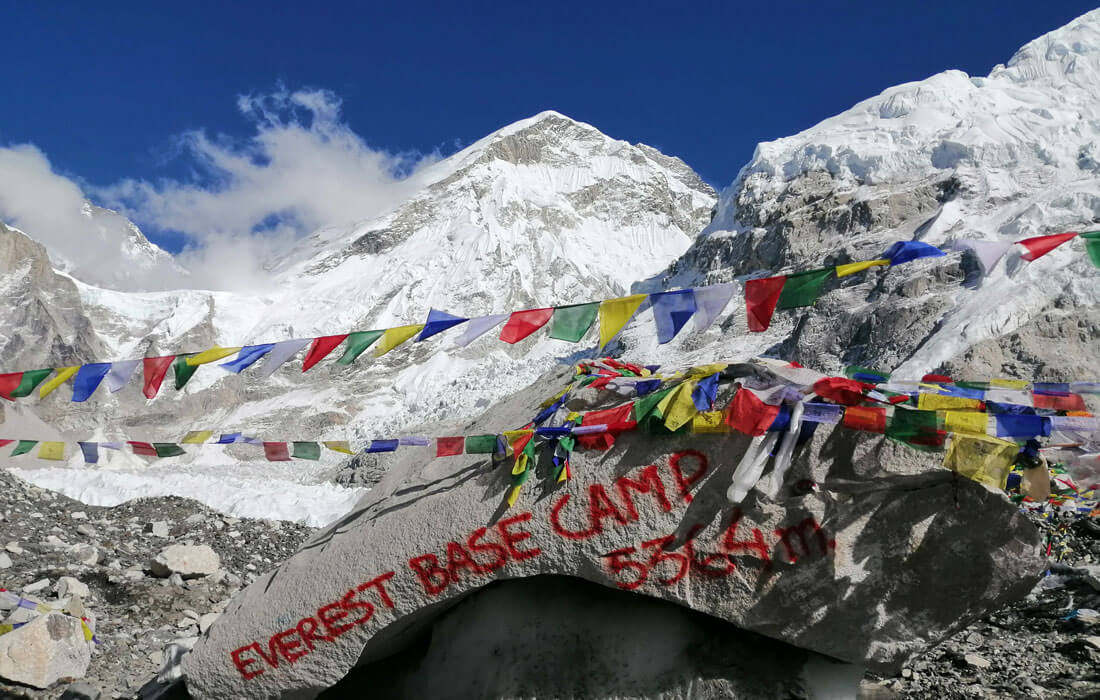
Climbing Baruntse isn’t just another Himalayan trek it’s a serious expedition that pushes you physically, mentally, and technically. Standing at 7,129 meters, Baruntse sits in the heart of the Khumbu region, surrounded by giants like Everest, Lhotse, and Makalu. And while it’s often considered one of the more “accessible” 7000m peaks, don’t let that fool you it still demands proper preparation.
If you’re here, chances are you’re already thinking about taking on this challenge. Maybe you’ve done a few treks, climbed a 6000m peak, or you’re just ready to step into the world of high-altitude mountaineering. But the biggest question is: how do you actually prepare for something like this?
That’s exactly what this guide is for.
In this complete 2026 guide, we’ll walk you through everything you need to know, from physical training and technical skills to gear, acclimatization, costs, and real expedition planning. No fluff, no vague advice, just practical insights to help you prepare properly and increase your chances of a safe and successful summit.
What is Baruntse, and Why Climb It?
If you are ready to step beyond the popular trekking peaks but not quite ready for an 8,000-meter giant, Baruntse is the perfect mountain for you.
Baruntse is a 7,129m (23,389 ft) peak located in the Mahalangur Himalayas of Nepal, sitting in the heart of the Khumbu region close to legendary giants like Everest and Makalu. It is one of the most rewarding high-altitude climbs in Nepal for experienced mountaineers seeking a genuine Himalayan challenge.
What makes Baruntse truly special is its dramatic horseshoe-shaped ridge and twin summits, offering a technical and visually stunning climbing experience. From the summit, you are rewarded with breathtaking 360° views of four 8,000m peaks: Everest, Lhotse, Makalu, and Kanchenjunga, a panorama that very few mountains in the world can match.
Mountaineers widely regard Baruntse peak climbing as the ideal stepping stone to 8,000m peaks. It tests your high-altitude endurance, technical climbing skills, and mental strength, all the qualities you need before attempting peaks like Manaslu or Dhaulagiri. The mountain was first summited in 1954 by a New Zealand team, and it continues to attract serious climbers from across the world who want more than a trekking peak but are not yet ready for the death zone.
If you are chasing your first 7,000m summit, Baruntse deserves to be at the top of your list.
Best Season to Climb Baruntse
The best seasons to climb Baruntse are Spring (March–May) and Autumn (September–November). Both seasons offer stable weather, clear skies, and favorable conditions for summit attempts. Spring is the most popular window, while Autumn attracts climbers looking for a quieter experience on the mountain.
For a detailed breakdown of weather, temperatures, and which season suits your plan best, read our complete guide: Best Season to Climb Baruntse.
How to Reach Baruntse Base Camp?
To reach Baruntse Base Camp, your journey begins in Kathmandu, the capital city of Nepal. From Kathmandu, you will take a domestic flight to Lukla (Tenzing-Hillary Airport), the main gateway to the Khumbu region.
Important: During peak seasons (spring and autumn), flights to Lukla are often diverted to Ramechhap (Manthali Airport) due to heavy air traffic congestion. In that case, you will need to drive from Kathmandu to Ramechhap (approximately 4–5 hours) and then take a short flight from Manthali Airport to Lukla. Plan your schedule accordingly and always keep a buffer day.
Main Trekking Route
After landing in Lukla, the standard trekking route to Baruntse Base Camp follows this path:
Lukla → Namche Bazaar → Chhukung → Amphu Lapcha Pass → Base Camp
This route takes approximately 12–14 days and is itself a challenging high-altitude trek. The Amphu Lapcha Pass (5,845m) is a technical crossing that requires crampons and basic climbing skills it is not a casual walk.
Alternate Route
An alternative approach is via the Mera La Pass, which is popular among climbers who combine a Mera Peak climb before attempting Baruntse. This route also helps with gradual acclimatization before reaching base camp.
Throughout the trek, porter and yak support are available to carry your expedition gear, which makes the approach significantly more manageable.
Baruntse Expedition Route Overview
The standard route to the summit of Baruntse follows the Southwest Ridge, the most well-established and commonly used path on the mountain, and here at Summit8000, we use the same route. It is not the most technical route in the Himalayas, but it demands solid climbing skills, high-altitude endurance, and careful judgment throughout.
Camp Structure
The typical camp progression on Baruntse looks like this:
- Base Camp (5,300m) — Main rest and acclimatization hub
- Camp 1 (6,000m) — Established after crossing the initial glacier
- Camp 2 (6,500m) — High camp and launch point for the summit push
Key Technical Sections
The route involves crevassed glacier crossings, fixed rope sections, and steep ice and snow slopes on the upper ridge. Confident crampon and jumar use is essential.
Summit Day
Most teams depart Camp 2 around midnight, reaching the summit by early morning before afternoon weather moves in. The descent back to Camp 2 or Base Camp follows immediately after summiting.
Turnaround Rule
Always agree on a firm turnaround time before leaving Camp 2. The summit is optional, the descent is mandatory.
Acclimatization Strategy and Altitude Management for Baruntse Climbing
Acclimatization can make or break your Baruntse climbing. Your body needs time to adjust to the reduced oxygen levels as you climb higher, and rushing this process is the number one mistake climbers make.
Follow the golden rule: climb high, sleep low. You climb to a higher camp during the day and return to a lower camp to sleep. This forces your body to produce more red blood cells and adapt gradually.
On Baruntse, your approach trek through the Khumbu region naturally starts the acclimatization process before you even reach Base Camp. Once at Base Camp, your team will do at least one or two rotation climbs to Camp 1 and Camp 2 before the actual summit push.
Watch for signs of Acute Mountain Sickness (AMS), headaches, nausea, dizziness, and loss of appetite. If symptoms worsen, descend immediately. No summit is worth your life.
Many climbers use Diamox to help with acclimatization. Talk to your doctor before the expedition about whether it is right for you. Staying well hydrated and getting enough rest at each camp also plays a huge role in how well your body adapts.
Fitness and Physical Training Requirements
Baruntse is a serious mountain and demands serious fitness. You cannot wing this one. Start your training at least 6 to 12 months before your expedition date.
Focus on three main areas:
- Cardio endurance: Run, cycle, and hike regularly. Build up to long sessions of 2–3 hours without stopping.
- Leg and core strength: Squats, lunges, step-ups, and planks will prepare your body for long days on steep terrain.
- Weighted hiking : Train with a 12–15kg pack on steep trails. This is the closest simulation to actual expedition climbing.
If you have access to high altitude before the expedition, use it. Some climbers also use hypoxic tents at home to simulate altitude and help their bodies adapt early.
The approach trek to Base Camp is itself demanding, so arrive in Nepal already fit not planning to get fit on the trail.
Technical Skills and Prior Experience Needed
Baruntse is not a beginner peak. Before you attempt it, you need real mountain experience and solid technical skills.
You should be completely comfortable with:
- Crampons and ice axe use on steep snow and ice
- Fixed rope ascending and descending using a jumar and descender.
- Crevasse awareness and basic rescue knowledge
- Multi-day high-altitude camping in extreme conditions
In terms of prior peaks, most guides recommend climbing Island Peak or Mera Peak first, followed by at least one 6,000m peak such as Mera Peak (6,476m) or a similar mountain. This gives you the altitude experience and technical confidence Baruntse demands.
Hiring a certified high-altitude guide and an experienced Sherpa team is strongly recommended. Their knowledge of the route and conditions can be the difference between a successful summit and a dangerous situation.
Gear, Equipment, and Packing Checklist
Packing the right gear is non-negotiable at 7,000 meters. Here is what you need:
Clothing
- Moisture-wicking base layers
- Insulating mid layers (fleece or down)
- Hardshell jacket and pants (windproof and waterproof)
- High-altitude down suit for summit day
- Insulated gloves and liner gloves
- Warm hat, balaclava, and sun hat
Technical Gear
- Double mountaineering boots rated to -40°C
- 12-point crampons
- Ice axe
- Climbing harness and helmet
- Jumar, descender, carabiners, and slings
Camping and Sleep
- Sleeping bag rated to -30°C minimum
- Expedition-grade tent (for high camps)
- Sleeping mat
Other Essentials
- Headlamp with extra batteries
- Sunglasses and goggles (100% UV protection)
- Satellite communicator or GPS device
- Personal medical kit (blister care, altitude medication, painkillers)
- Hydration system and water purification tablets
Check with your operator about what they provide. Most reputable operators supply fixed ropes, group tents, and cooking equipment at Base Camp.
Permits, Insurance, and Regulations of Baruntse for 2026
Before you set foot on Baruntse, you need to sort your permits and paperwork. Here is what you need for 2026:
- Climbing permit: Issued by the Nepal Mountaineering Association (NMA). Fees vary by season, so confirm the latest rates with your operator.
- Sagarmatha National Park entry permit: Required as Baruntse falls within the park boundary
- TIMS card: Trekkers' Information Management System card for the approach trek
- Liaison officer: The Nepal government requires a liaison officer to accompany all expeditions
On the insurance side, high-altitude rescue insurance is mandatory. Make sure your policy covers helicopter evacuation above 7,000 meters. Many standard travel insurance policies do not cover this, so read the fine print carefully.
Nepal also enforces strict waste management rules on all expeditions. Your team is responsible for carrying all waste back down from the mountain. Violations can result in heavy fines and future permit bans.
Apply for all permits well in advance, at least 3 to 6 months before your expedition start date.
Cost Breakdown
The total cost of a Baruntse expedition typically ranges between $7,000 and $15,000 USD, depending on the operator, season, and what is included in your package. Here is where your money goes:
- Climbing permit and park fees: Approximately $1,500–$2,500
- Expedition operator fees: The highest cost, covering Sherpa team, Base Camp setup, meals, tents, and logistics
- International flights: Varies by your home country
- Kathmandu–Lukla domestic flights: Around $200–$350 each way
- Gear and equipment: $2,000–$5,000 if buying new (rent what you can)
- High-altitude insurance: $500–$1,500, depending on your policy
- Sherpa and porter tips: Budget at least $500–$1,000. This is a cultural norm, not optional.
- Extra hotel nights in Kathmandu: Before and after the expedition
- Visa fees: Nepal visa on arrival is available for most nationalities
Watch out for unusually cheap packages. A bargain operator often cuts corners on safety, Sherpa experience, and equipment quality, none of which you want to compromise at 7,000 meters. Read our detailed blog on the topic: How much does it cost to climb Baruntse peak?
Mental Preparation for High-Altitude Climbing on Baruntse
Physical fitness gets you to Mount Baruntse. Mental strength gets you to the summit and back safely.
High-altitude climbing pushes your mind to its limits. You will deal with sleep deprivation, extreme cold, exhaustion, uncertainty, and moments where every step feels impossible. The climbers who succeed are not always the fittest they are the ones who stay calm, make smart decisions, and know when to push and when to stop.
Here is how to prepare mentally before the expedition:
- Visualize the climb: Mentally walk through each stage of the expedition, including difficult moments. Prepare your mind for discomfort before it arrives.
- Set realistic goals: Your primary goal is to return home safely. The summit is secondary.
- Practice decision making: Train yourself to make clear, rational decisions when tired and under pressure
- Accept uncertainty: Weather, conditions, and your body will not always cooperate. Flexibility and patience are as important as strength.
- Talk to experienced climbers: Hearing real stories from people who have been on similar mountains prepares you for what is actually ahead.
One of the biggest mental traps on any high-altitude expedition is summit fever pushing beyond safe limits because the summit feels so close. Agree with your guide and team on a firm turnaround time, and commit to honoring it no matter what.
Choosing the Right Expedition Operator
Your expedition operator is the most important decision you will make after deciding to climb Baruntse. A good operator keeps you safe. A bad one puts you at risk.
Here is what to look for:
- Safety record: Ask directly about their incident history and how they handle emergencies.
- Experienced Sherpa team: Your Sherpa guides are your lifeline on the mountain. Make sure they have Baruntse or similar high-altitude experience.
- Transparent inclusions: A good operator clearly lists what is included: permits, meals, tents, fixed ropes, Base Camp staff, and oxygen on standby
- Clear communication: If they are slow to respond before you book, they will be slow to respond when it matters
Red flags to avoid:
- Prices that seem too good to be true
- Vague itineraries with no clear camp structure
- No mention of safety protocols or emergency procedures
- Pressure to book quickly without time to ask questions
Read reviews on multiple platforms, ask for references from past climbers, and verify that guides hold recognized certifications such as UIAGM. Local Nepali operators with deep Himalayan experience often offer better value and stronger Sherpa teams than large international agencies.
In my opinion, Summit 8000 is one of the best choices for your Baruntse expedition. The company's founder is a Guinness World Record holder for climbing Mount Everest and multiple high-altitude peaks, bringing unmatched experience and credibility to every expedition they run.
Read More
Climbing Baruntse (7,129m) is a serious high-altitude expedition in Nepal’s Khumbu region that demands strong physical fitness, technical mountaineering skills, proper acclimatization, and careful planning. This complete 2026 guide covers everything from training, gear, routes, permits, and costs to mental preparation and choosing a reliable expedition operator to ensure a safe and successful summit. While considered more accessible than 8,000m peaks, Baruntse still requires full expedition readiness and should only be attempted with proper experience and professional support.