
Baruntse Expedition Cost
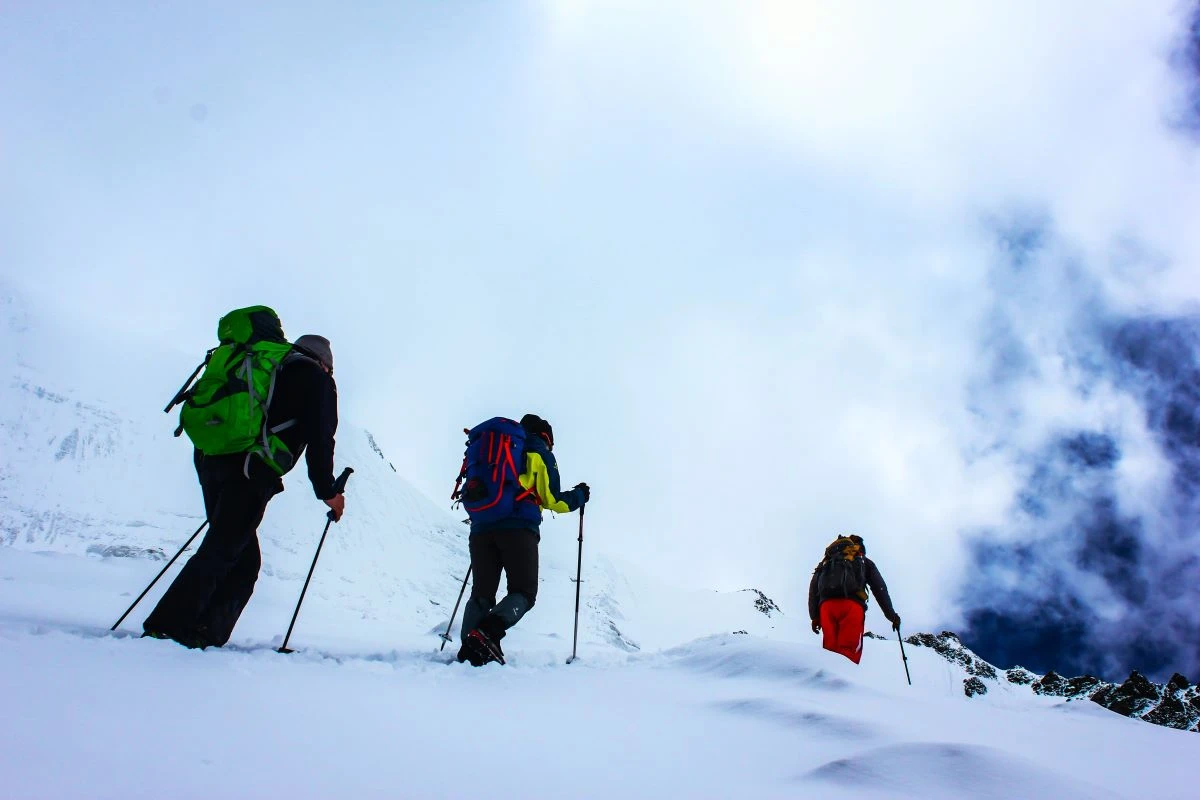
Planning a Baruntse expedition in 2026? The total cost of climbing this magnificent 7,129-meter peak in Nepal typically ranges from USD 7,500 to USD 10,500 per person, depending on the operator, season, and level of support you choose.
Mount Baruntse is one of the most rewarding high-altitude climbs in the Himalayas, often considered the perfect step between trekking peaks like Mera Peak and Island Peak, and the more demanding 8,000-meter expeditions.
However, like any serious mountaineering goal, it requires careful financial planning. In this updated 2026 guide, we break down the complete Baruntse expedition cost, including permits, logistics, guide fees, and hidden expenses, so you can plan your climb with confidence.
How Much Does a Baruntse Expedition Cost in 2026?
The Baruntse expedition cost in Nepal is typically ranging from the 7500 USD to the 10, 500 USD depending upon the service level provided by the companies. If you are choosing an international company, they might charge you higher than the local sherpa companies in Nepal.
If you are climbing the Baruntse summit with the Nepali companies you will get the affordable packages with the most reliable on ground support. The cost mention above will include your everything during your journey in Nepal from the permits, guides, accommodations, meals, transportations, group equipment and many more.
Government Permit Fees (Season-by-Season) for Baruntse
Climbing Mount Baruntse requires several mandatory permits set by the Nepal government, and these fees form a significant part of your total expedition cost. The main climbing royalty varies by season, with spring being the most expensive due to ideal conditions and Monsoon and winter is less compared to the spring due to its unfavorable climbing conditions. You can check the table below for the breakdown:
| Season | Permit Cost (USD) |
|---|---|
| Spring (Mar–May) | 1,800 |
| Autumn (Sep–Nov) | 900 |
| Summer (Jun–Aug) | 450 |
| Winter (Dec–Feb) | 450 |
In addition to the climbing permit, you are also required to pay a garbage deposit (around USD 500 per team). This is refundable after the expedition if waste management rules are properly followed and the expedition company follows the rule and refund you later.
Also, with these you will need some additional permits to enter inside the region and the permits are Makalu Barun National Park Permit which is of 30 USD and Khumbu Rural Municipality Entry permit which is of 20 USD and its mandatory without these you will not be allowed to enter inside the Khumbu and Makalu region.
How to get Baruntse climbing permits?
You will get the Baruntse climbing permits by the expedition company who is organizing your summit. There is another option which is if you are doing independently, you can get these permits from the Nepal Tourism Board office but its not suggested as the mountains are highly risky and without a proper team your summit success rate decreases.
What cost is included inside the Baruntse standard package?
The cost included inside the standard Baruntse package is you will get all the ground transportations, 4-star hotels in Kathmandu valley, Kathmandu to Lukla and return domestic flights, Baruntse climbing permits, all accommodations and meals during the trip, expedition and kitchen staffs, tents, group climbing equipment, guide and porter, government Liaison officer and everything required.
Sherpa Guide & Tip Costs for Baruntse
A successful climb of Mount Baruntse is almost always done with a 1:1 Sherpa-to-climber ratio, meaning each climber is supported by one highly experienced climbing Sherpa for safety, guidance, and summit assistance.
A climbing Sherpa plays a critical role throughout the expedition from fixing ropes and carrying high-altitude gear to guiding route decisions, managing oxygen use (if applicable), and providing life-saving support in extreme conditions above 6,000 meters.
It’s important to understand that tips are not included in most expedition package prices. Tipping is a standard practice in Nepalese mountaineering culture and is considered both a professional reward and a sign of respect for the Sherpa team’s hard work and risk.
You can tip the sherpas according to your wish however a standard tipping for these people ranges from USD 800 1,200 per Sherpa for successful summit and USD 400 to 700 per Sherpa for non-summit attempts.
Travel Insurance: A Non-Negotiable Cost
When planning an expedition to Mount Baruntse, travel insurance is not optional it is a mandatory requirement for obtaining climbing permits from the Nepal Mountaineering Association and expedition operators.
Without valid insurance, you will not be allowed to join the expedition. A proper mountaineering insurance policy must cover emergency helicopter rescue from high altitude, medical treatment, hospitalization, and evacuation from remote mountainous regions. Since Baruntse is a 7,000-meter peak, standard travel insurance is not enough the policy must specifically include high-altitude climbing coverage (7,000m+).
The cost of suitable expedition insurance typically ranges from USD 200 to USD 500 per trip, depending on duration, nationality, and coverage limits. It is strongly recommended to choose a provider that clearly states coverage for high-altitude mountaineering. Popular options among climbers include World Nomads, Dogtag, and other specialized adventure insurance providers, which offer policies designed for Himalayan expeditions.
Recommended Read: Best season to climb the Baruntse peak
Is Baruntse Worth the Cost?
Yes, Baruntse is totally worth the cost as it is the one of the most rewarding 7,000-meter peaks in Nepal because it offers a rare combination of technical climbing, relative remoteness, and stunning Himalayan scenery. Unlike many other 7,000m peaks, it provides a true expedition experience without the extreme crowding found on more popular routes.
From the summit, you are rewarded with panoramic views of some of the world’s highest mountains, including Mount Everest, Lhotse, Makalu, and even distant peaks like Kanchenjunga, making it one of the most visually spectacular climbs in the Himalayas.
Beyond the views, Baruntse is widely valued as a perfect stepping stone to 8,000-meter expeditions. It allows climbers to experience serious altitude, glacier travel, rope fixing, and expedition logistics all essential skills for peaks like Everest or Makalu but at a lower overall risk profile.
Suggested Read:
Baruntse Peak Climbing vs Mera Peak Climbing — Which One Should You Choose?
Baruntse Packing List (2026): Gear Guide for 7,129m Expedition