Destination
Nepal
Duration
35
Destination
Nepal
Duration
35
Trip Difficulty
Strenuous
Accommodation
Tea House and Tent
Meals
B, L, & D
Max. Elevation
8163
Group Size
25
Best Time
Sept - Nov & March - May
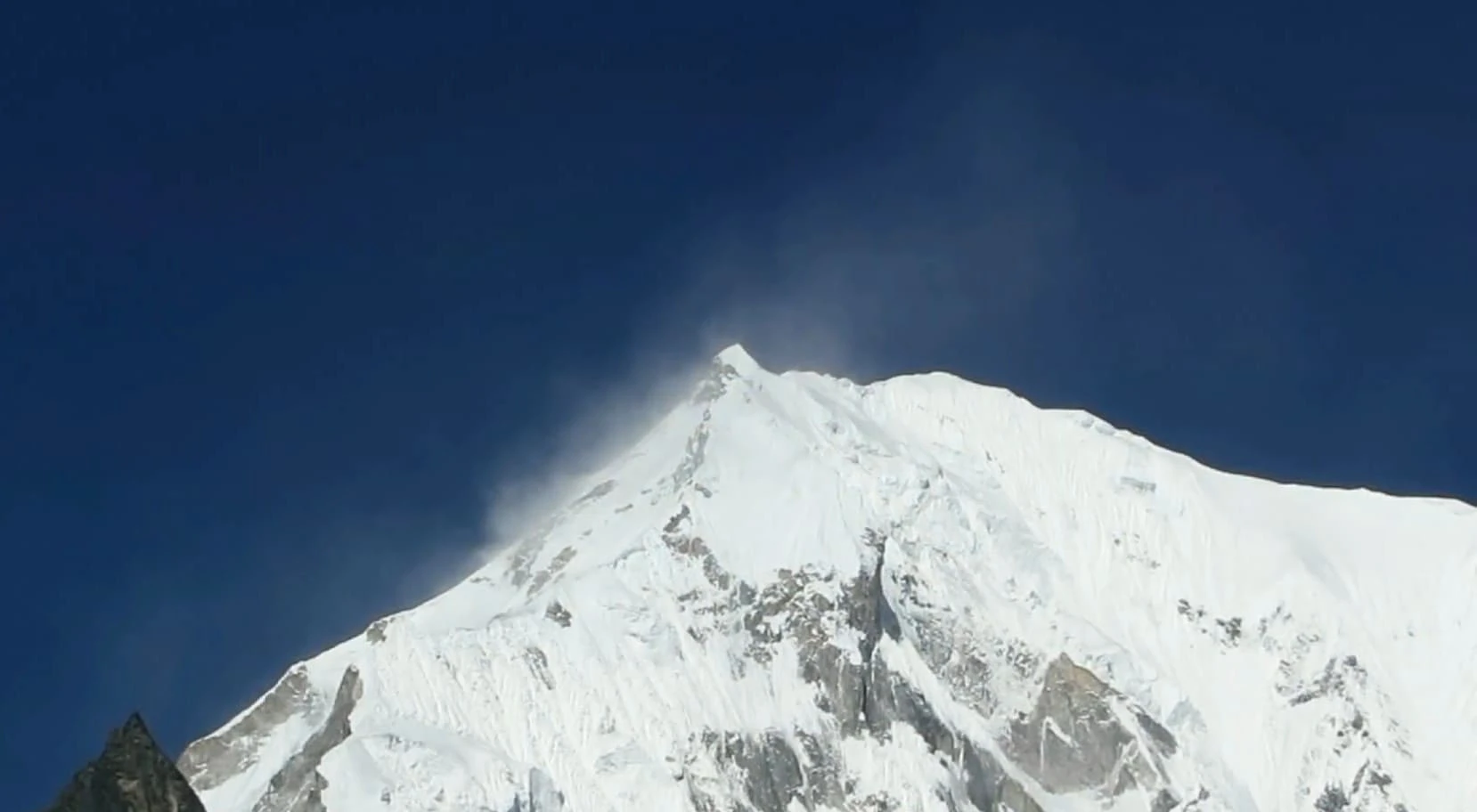
Mount Manaslu the world’s 8th highest peak at an altitude of 8,163 meters (26,781 feet) is one of the most thrilling and adventurous climbs to do in this spring of 2026. The expeditions which include the safety, expert guidance, and well-planned itinerary along with the favourable weather is for you to create a memorable experience in Nepal Mansiri Himalayan range.
The expeditions are known for its challenging terrain and the remote locations of Nepal. As it’s a off beaten path many climbers from the all over the world tries to summit it and experience the raw Himalayan life style.
The climb itself combines with the adventure, natural beauty, and cultural immersion through remote villages and landscapes which makes your summit more authentic and rawer.
This package is made for you if you are a climber who wants to climb the 8000 meter above peak but don’t want to climb the Everest or Annapurna due to its crowd and the cost.
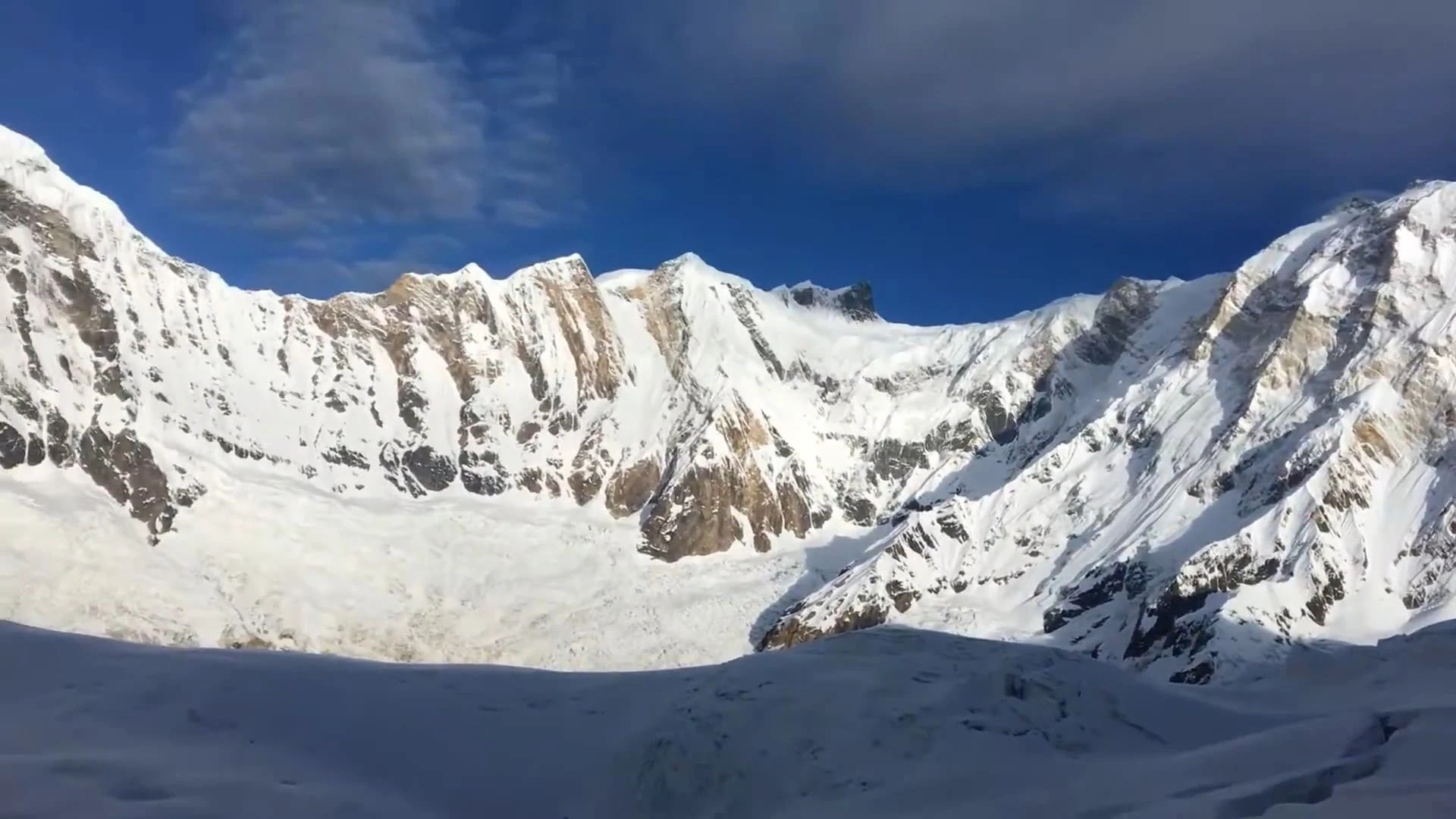
The expeditions take place in such a way we take care of your safety and we make the safety-first approach. The itinerary is well planned for you so that you can easily summit the peak top and descend. Experience the unique Mansiri Himalayan ranges including the lush valleys, glaciers rivers, glaciers formations, unique culture and traditions of the Nubri community.
The climb to the peak is not only about the reaching its top but its also about the journey of adventure, culture and the self-achievement and the personality development.
If you have planned to do the Everest or the Annapurna expeditions but due to its crowd you want an alternate to it then the Manaslu is a perfect choice for you. As, you will have more exclusive, serene climbing experience with very less crowd while summit push. In this mountain you will not need to wait for your queue to do the final push due to which your experience will be smoother, uninterrupted ascent and descent. When you are climbing the peak, you will do the less environmental impact due to which you will have more space at the higher camps and quieter focused climbing. If you are in search of solitude, personal challenge, and more authentic high altitude mountaineering adventure this is for you.
As there are many national and international agency in Nepal you might get confused about which one to choose for you summit. Well, when you climbing a peak you shall only climb it with the help of the expert teams who can guide you and make your journey successful.
As we are sherpa and we know mountains we have the highly experienced teams who known mountains very well. Our expert climbing guides will help you step by step navigations, risk assessment, and decision making along with the setting up the high-altitude camps, fixing ropes, and managing the whole logistics for you.
In case of emergency, our team will do the high-altitude rescue, and monitor you and take care of your physical and mental health.
Mostly the expeditions in Nepal happens in the month of the spring due to its favourable weather which is in the month of the March to May. During this time of the month the weather is clear, the temperatures are moderate which enhance your climbing experience in the mountains. This year of 2026 in the spring you will have the perfect opportunity to explore the mountains and make your dream come true.
Arrive at Tribhuvan International Airport in Kathmandu and meet our team for your transfer to the hotel. After check-in, you can rest or take a short walk around Thamel. In the evening, there will be a trek and expedition briefing to discuss the journey ahead.
After breakfast, enjoy a scenic drive through Nepal’s countryside along the Budhi Gandaki River. The route passes terraced hills, small villages, and beautiful mountain landscapes. By late afternoon, you will reach Jagat, the gateway village of the Manaslu region.
Begin trekking along the Budhi Gandaki valley through narrow gorges and traditional settlements. The trail includes suspension bridges, terraced fields, and peaceful forests. Gradually gaining altitude, you will arrive at the quiet village of Nyak.
Today’s trek continues through forests, rocky trails, and Buddhist mani walls. You will pass charming villages that reflect Gurung and Tibetan culture. The views of surrounding peaks become more impressive as you approach Namrung. Overnight stay in a lodge.
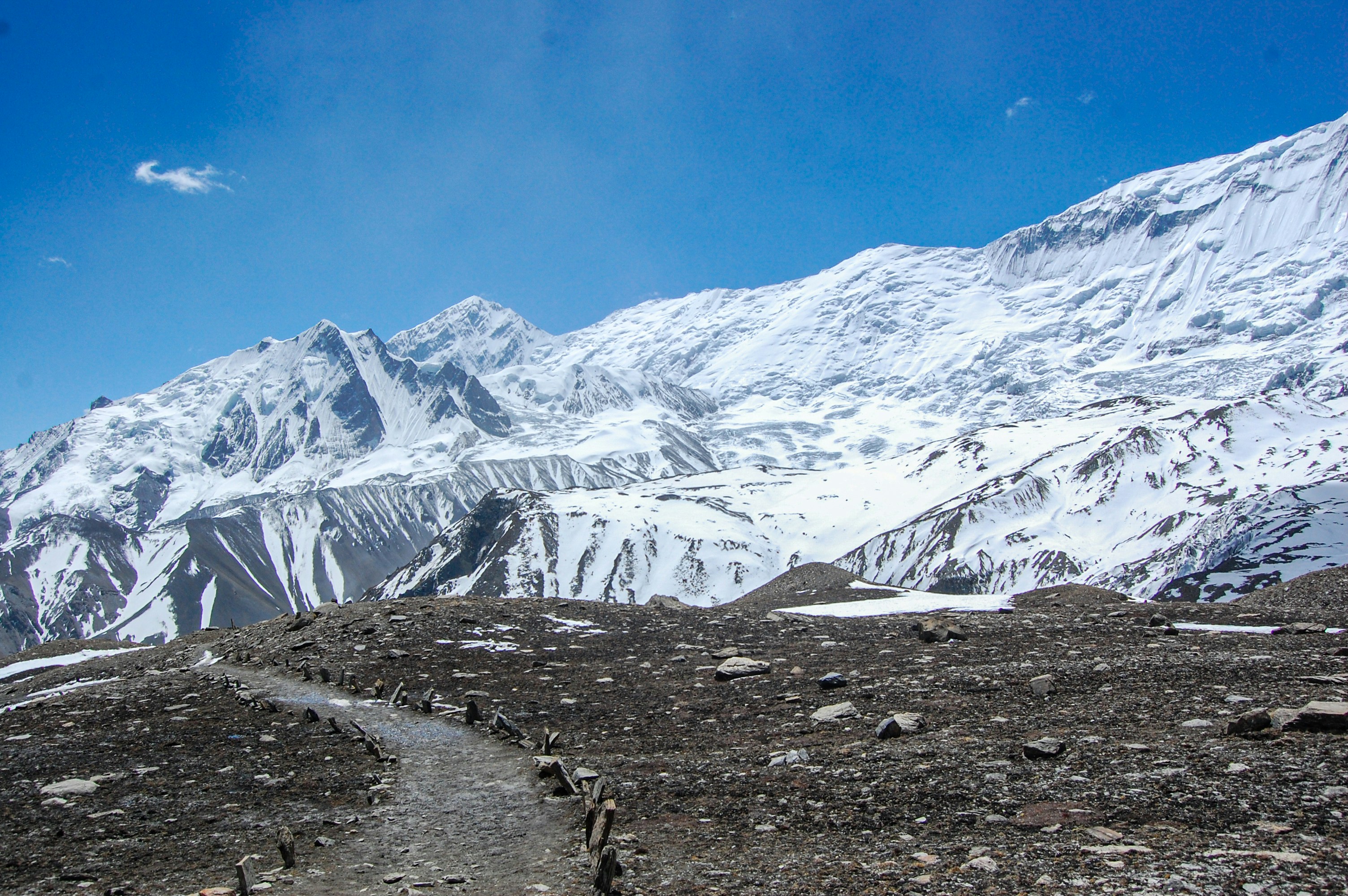
The trail climbs steadily through rhododendron and pine forests. Along the way, enjoy stunning panoramic views of Mt. Manaslu and nearby Himalayan peaks. Syalla is a beautiful high village surrounded by dramatic mountain scenery. Overnight stay in a lodge.
A shorter and easier trek brings you to Sama Gaun, the main village of the Manaslu region. This Tibetan-influenced settlement is an important acclimatization point before heading higher. You can explore the village, monasteries, and local lifestyle.
Today you climb towards Manaslu Base Camp through rocky terrain and glacial landscapes. The trail is steep but rewarding with close-up mountain views. Upon arrival, the expedition camp will be set up for rest and preparation.
These days are dedicated to proper acclimatization and training for the summit. Climbers make rotation climbs to Camp I, Camp II, and touch Camp III before returning to Base Camp. Technical skills, rope work, and glacier practice are completed during this period. Rest and recovery are equally important for summit success.
The summit phase begins depending on weather and mountain conditions. The team climbs gradually through higher camps before attempting the final ascent to the summit of Manaslu. Summit day is challenging but offers unforgettable Himalayan views. After the attempt, climbers safely descend back to Base Camp.
After completing the expedition, you descend back to Sama Gaun. The return trek feels easier as you move to lower altitude. Overnight stay in a lodge with time to relax and celebrate. Meals included.
This section takes you across the famous Larkya La Pass, one of the highest and most scenic passes in Nepal. The climb is demanding but rewards you with breathtaking views of glaciers and snow-covered peaks. After crossing the pass, you descend to the beautiful valley of Bhimtang. Overnight stays will be in lodges.
Trek down through forests and river valleys to reach Dharapani. From here, you drive back to Kathmandu by private vehicle. In the evening, enjoy a farewell dinner with your team. Overnight stay in a hotel.
Today is your final day in Nepal. Our team will transfer you to the airport for your onward flight. You leave with unforgettable memories of the Manaslu expedition and Himalayan adventure. Meals as per your schedule.
Altitude Graph
Warm expedition beanie / wool hat
Balaclava or thermal face mask
Buff or neck gaiter
UV protection glacier sunglasses (Category 4)
Ski goggles (for summit push / storms)
Sun hat or cap
High SPF sunscreen (50+)
SPF lip balm
Headlamp with spare batteries
Moisture-wicking base layers (2–3 sets)
Fleece jacket or softshell jacket
Lightweight insulated jacket
Heavy expedition down jacket (-30°C rated)
Waterproof & windproof hardshell jacket (Gore-Tex recommended)
Expedition down suit (for summit push)
Trekking shirts / thermal tops
Thermal base layer bottoms (2 pairs)
Softshell trekking pants
Fleece pants
Waterproof hardshell pants
Expedition down pants
Comfortable camp pants
High altitude double / triple mountaineering boots
Gaiters
Camp shoes or lightweight sneakers
Warm trekking socks (4–5 pairs)
Expedition socks (2–3 pairs)
Liner socks
Crampons compatible with boots
Microspikes (optional for lower sections)
Climbing harness
Ice axe
Helmet
Ascender (Jumar)
Belay / rappel device
Locking carabiners (3–4)
Non-locking carabiners (2–3)
Climbing sling / daisy chain
Prusik cords
Mountaineering gloves (lightweight pair)
Insulated summit gloves / mittens
Over-mitt shells
Personal first aid kit
Altitude medication (consult doctor)
Pain relief tablets
Diamox (for altitude sickness if prescribed)
Blister care kit
Hand sanitizer
Wet wipes / tissues
Personal toiletries
Nail clipper
Rehydration salts / electrolytes
Expedition sleeping bag (-30°C to -40°C rated)
Sleeping bag liner
Inflatable sleeping mat
Foam sleeping pad (backup insulation)
Passport (valid for at least 6 months)
Nepal visa
Travel insurance (high-altitude climbing coverage)
Expedition permits
Passport size photos
Emergency contact details
60–80L expedition duffel bag
30–40L climbing backpack
Dry bags / waterproof stuff sacks
Water bottles or thermos (2–3 liters)
Energy bars / snacks
Camera / GoPro
Power bank or solar charger
Notebook / pen
Lightweight towel
The best climbing season is spring (April to May) and autumn (September to November). During these months, the weather is more stable, with clearer skies and lower chances of heavy snow or monsoon rains, making it safer and more enjoyable for the expedition.
Yes, basic high-altitude climbing experience is highly recommended. Manaslu is an 8,163-meter peak, and climbers should have prior experience with high-altitude trekking, glacier travel, and technical skills like using crampons and ice axes.
Manaslu is considered a challenging expedition. The climb involves steep snow and ice slopes, glacier crossings, and high-altitude risks. Proper acclimatization, physical fitness, and professional support are essential for safety and success.
Climbers must obtain the Manaslu Restricted Area Permit (RAP), issued by the Nepal government. Additionally, trekking permits for the Manaslu region and local taxes are required. Expedition operators usually arrange these permits in advance.
A full expedition, including trekking, acclimatization, and summit rotation, typically lasts 35 days. This allows for proper acclimatization and ensures a safer summit attempt.
Climbers should be in excellent physical condition, with strong endurance and prior experience in trekking at high altitudes. Training before the expedition, including long hikes and cardio exercises, is highly recommended.
While the expedition is professionally supported, climbing Manaslu carries inherent risks such as altitude sickness, avalanches, and harsh weather. Following acclimatization schedules, using guides, and being prepared with proper gear greatly reduce these risks.
Yes, professional guides, Sherpas, and support staff are essential for safety, route fixing, and logistics. They also carry equipment, set up camps, and assist with high-altitude challenges.
Essential gear includes high-altitude boots, down jacket, insulated sleeping bag, crampons, ice axe, harness, helmet, and layered clothing. A detailed gear list is usually provided by your expedition operator.
Due to extreme altitude, technical climbing, and weather conditions, only experienced climbers in excellent health should attempt the summit. Proper acclimatization, training, and professional guidance are mandatory.
 Nepal
Nepal
 12
12  Sept - Nov & March - May