Destination
Nepal
Duration
20
Destination
Nepal
Duration
20
Trip Difficulty
Challenging
Accommodation
4 Star/ Star Hotel, Tent and Tea House
Meals
B, L, & D
Max. Elevation
6427
Group Size
15
Best Time
Sept - Nov & March - May
While it is technically demanding, nearby acclimatization hikes around Kyanjin Gompa and smaller surrounding peaks provide climbers of varying experience levels opportunities to build skills and confidence. These accessible routes help you adapt to altitude, practice ice and snow travel, and enjoy breathtaking Himalayan views before attempting the main summit.
| Day | Route / Activity | Altitude (m) | Approx. Distance / Duration | Difficulty | Overnight |
|---|---|---|---|---|---|
| 1 | Arrival in Kathmandu | 1,400 | N/A | Easy | Hotel |
| 2 | Drive to Syabru Bensi | 1,470 | 120 km / 6–7 hrs | Easy | Guesthouse |
| 3 | Trek to Lama Hotel | 2,380 | 12 km / 5–6 hrs | Moderate | Guesthouse |
| 4 | Trek to Langtang Village | 3,430 | 10 km / 5–6 hrs | Moderate | Guesthouse |
| 5 | Trek to Kyanjin Gompa | 3,870 | 8 km / 4–5 hrs | Moderate | Guesthouse |
| 6 | Acclimatization Hike to Kyanjin Ri | 4,773 | 6 km / 4–5 hrs | Moderate–Strenuous | Guesthouse |
| 7 | Rest & Preparation at Kyanjin Gompa | 3,870 | N/A | Easy | Guesthouse |
| 8 | Technical Skills & Rope Practice | 3,870 | N/A | Easy | Guesthouse |
| 9 | Rest & Acclimatization | 3,870 | Optional hikes | Easy | Guesthouse |
| 10 | Trek to Langshisha Kharka | 4,400 | 8 km / 5–6 hrs | Moderate–Strenuous | Tented Camp |
| 11 | Trek to Langshisha Base Camp | 4,800 | 6 km / 4–5 hrs | Strenuous | Tented Camp |
| 12 | Rest & Acclimatization at Base Camp | 4,800 | N/A | Easy | Tented Camp |
| 13 | Ascent to High Camp | 5,300 | 3–4 km / 4–5 hrs | Strenuous / Technical | Tented Camp |
| 14 | Summit Langshisha Ri & Return to Base Camp | 6,427 → 4,800 | 10–12 km / 10–12 hrs | Very Strenuous / Technical | Tented Camp |
| 15 | Trek to Langshisha Kharka | 4,400 | 8 km / 4–5 hrs | Moderate | Tented Camp |
| 16 | Trek Back to Kyanjin Gompa | 3,870 | 8 km / 4–5 hrs | Moderate | Guesthouse |
| 17 | Trek to Langtang Village | 3,430 | 8 km / 4–5 hrs | Moderate | Guesthouse |
| 18 | Trek to Lama Hotel | 2,380 | 10 km / 5–6 hrs | Moderate | Guesthouse |
| 19 | Trek to Syabru Bensi | 1,470 | 12 km / 5–6 hrs | Easy | Guesthouse |
| 20 | Drive Back to Kathmandu / Departure | 1,400 | 120 km / 6–7 hrs | Easy | N/A |
Arrive at Tribhuvan International Airport in Kathmandu. Meet your guide and team, transfer to your hotel, and attend a pre-trek briefing. Use this day to relax, check your gear, and prepare for the upcoming journey into the Langtang region.
Embark on a scenic drive from Kathmandu to Syabru Bensi. The journey passes through terraced fields, rivers, and foothills, offering your first glimpses of the Himalayas. Overnight in a guesthouse and attend a briefing on trekking and acclimatization.
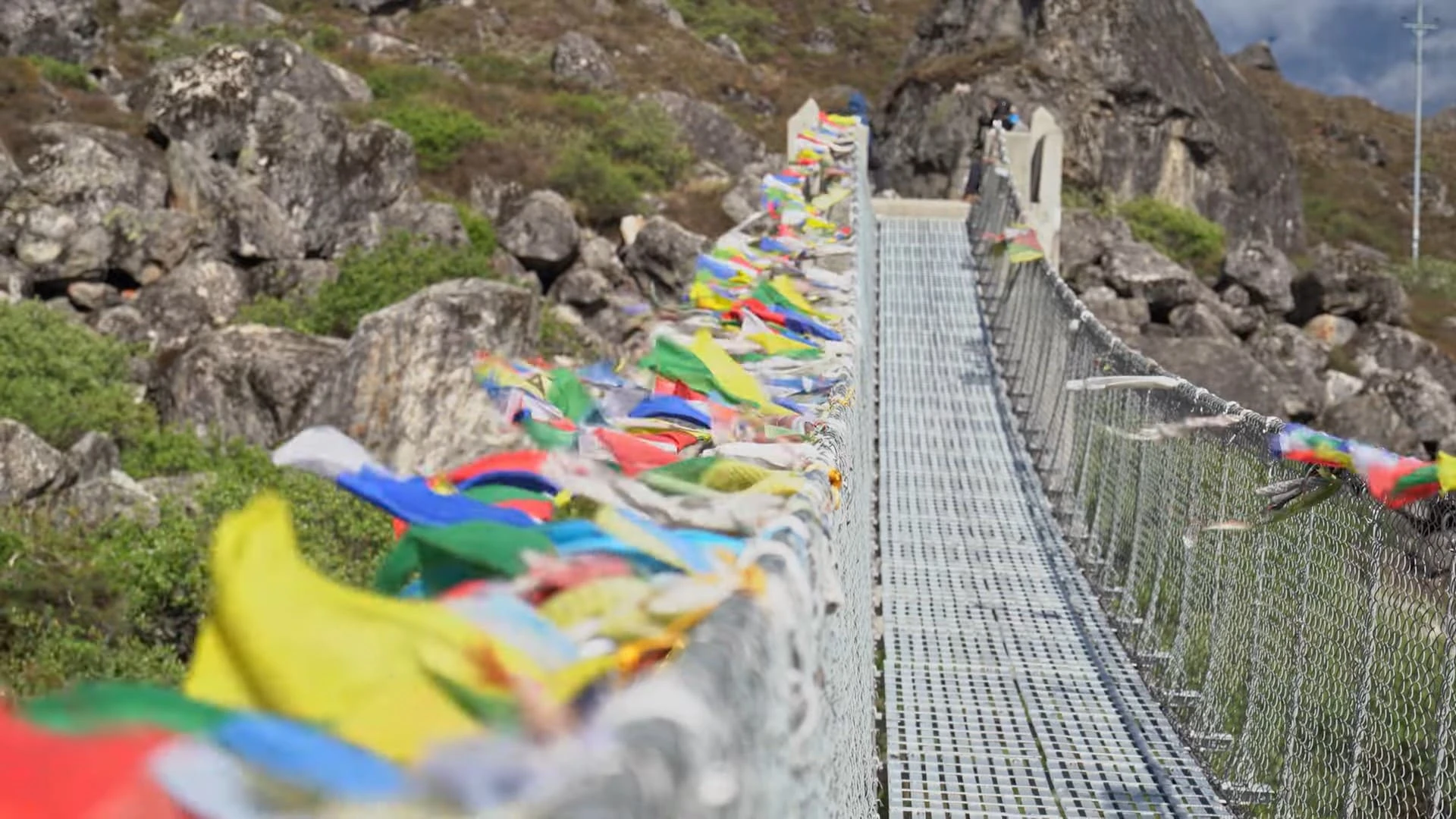
The trek begins gently along forested trails. Pass small villages, suspension bridges, and pine forests while enjoying views of Langtang valley peaks. Overnight at a guesthouse in Lama Hotel.
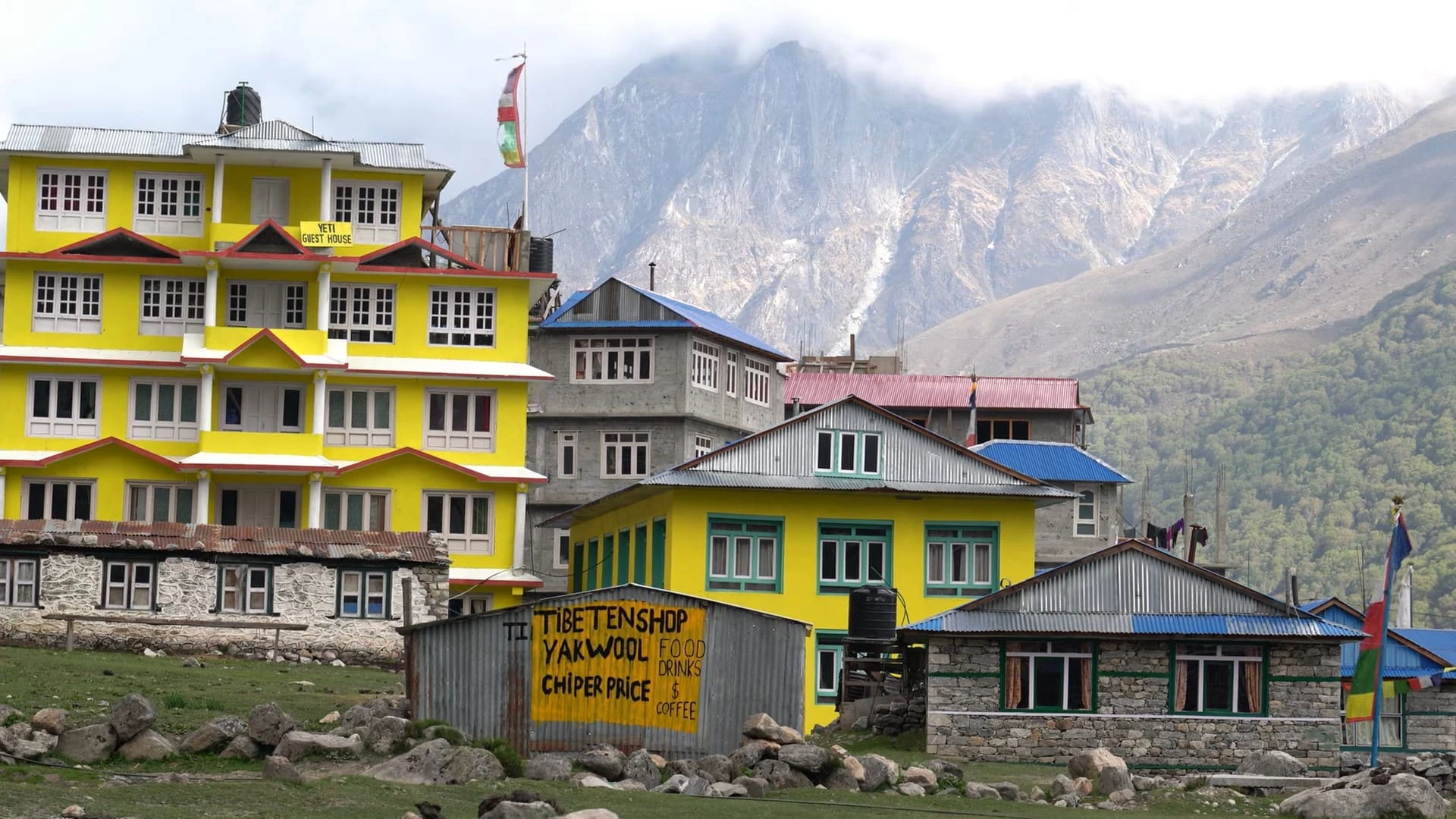
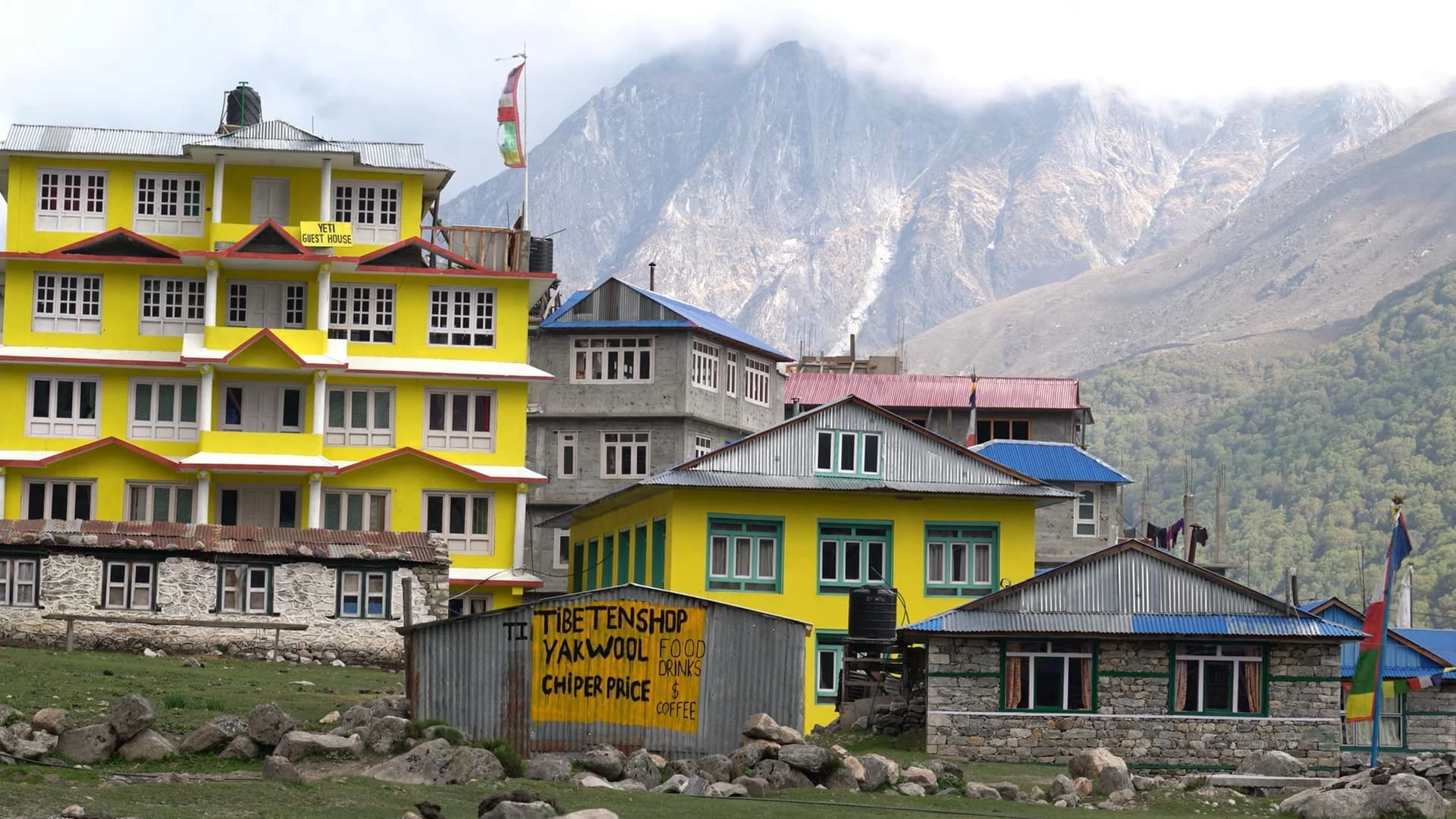
Gradually ascend into Langtang valley, trekking through rhododendron and pine forests and crossing glacial streams. Arrive at Langtang village, where stunning views of Langtang Lirung (7,246 m) greet you. Explore local Tamang culture before overnighting at a guesthouse.
The trail rises steadily to Kyanjin Gompa, a historic monastery settlement at the base of glaciers. Enjoy panoramic views of Langtang and Ganesh Himal ranges. Explore the monastery, interact with locals, and prepare for upcoming acclimatization hikes.
Spend the day acclimatizing with a hike to Kyanjin Ri, offering breathtaking vistas of glaciers, Langtang Lirung, and Dorje Lakpa. Familiarize yourself with technical climbing techniques under the guidance of your Sherpa team.
Rest day at Kyanjin Gompa to recover and adjust to altitude. Optional short hikes around the valley and glacier viewpoints help strengthen endurance and prepare you for higher elevations.
Dedicate this day to practicing rope techniques, ice climbing basics, and glacier travel skills. Your guide ensures everyone is ready for the technical sections of Langshisha Ri.
Another acclimatization day to consolidate altitude adaptation. Optional hikes to nearby glaciers and viewpoints ensure you are well-prepared for the climb ahead.
Depart Kyanjin Gompa and trek to Langshisha Kharka, a remote alpine meadow. The trail passes moraines, glacial streams, and rugged terrain. Camp overnight in tents under the shadow of Langshisha Ri.
Ascend further, navigating rocky paths and moraines to reach Base Camp. Settle into tents and prepare for technical climbing. Enjoy the stunning alpine scenery surrounding the peak.
Rest day at Base Camp to recover from the trek and adjust to higher altitude. Practice final climbing techniques and organize gear for the ascent.
Begin the technical climb to High Camp, navigating glaciers and snow slopes. This is a challenging section requiring crampons and ropes. Enjoy sunset views of the Himalayan giants from High Camp.
Summit day begins early. Tackle steep snow and ice slopes to reach the peak. Enjoy panoramic views of Langtang Lirung, Shishapangma, Dorje Lakpa, and Ganesh Himal. Descend safely to Base Camp for rest.
Descend from Base Camp to Langshisha Kharka. Enjoy the alpine landscape one last time before returning to Kyanjin Gompa. Overnight in tents.
Continue the descent through the valley, retracing your steps to Kyanjin Gompa. Overnight at a guesthouse and celebrate the successful summit.
Descend further through forests and streams to Langtang village. Take time to appreciate the scenic valley and local villages. Overnight at a guesthouse.
Continue trekking down the valley to Lama Hotel. Enjoy the serene Himalayan environment and relax in a guesthouse for the night.
Drive back to Kathmandu. Depending on your flight schedule, you can explore the city briefly before departing or transfer directly to the airport. Your Langshisha Ri adventure concludes with unforgettable memories of climbing, Himalayan landscapes, and cultural experiences.
Altitude Graph
Langshisha Ri Peak Climbing is a technically demanding Himalayan adventure in Nepal that takes you to the summit of a 6,427 m alpine peak. This climb involves ice, snow, and glacier travel, making it ideal for mountaineers seeking a real Himalayan challenge beyond regular trekking peaks.
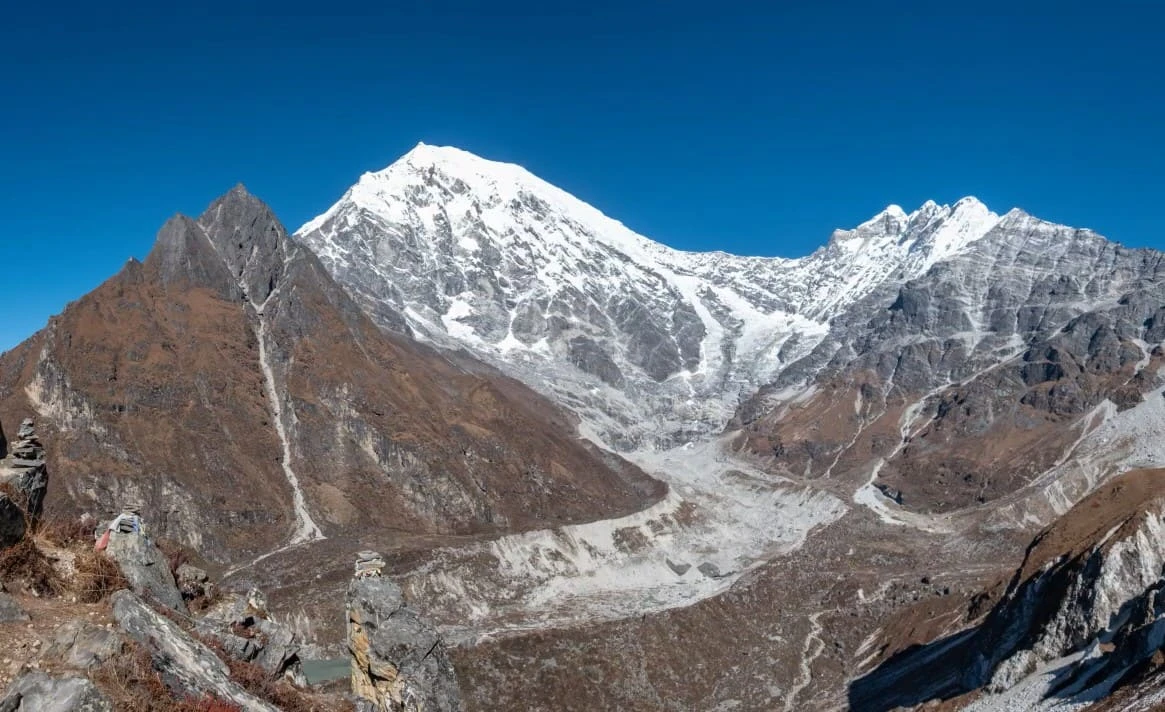
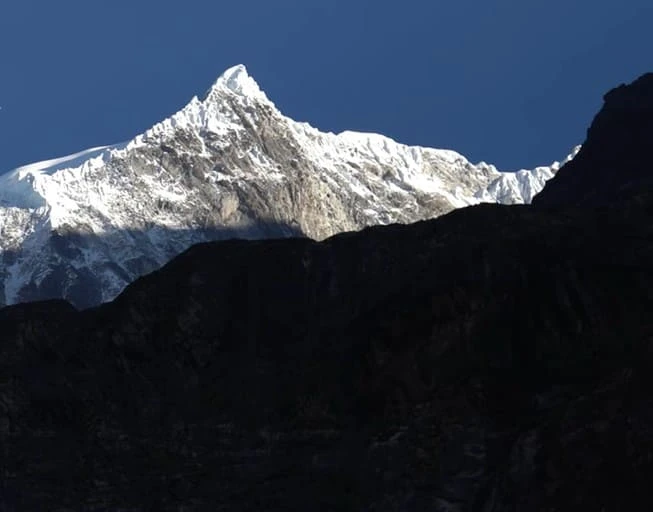
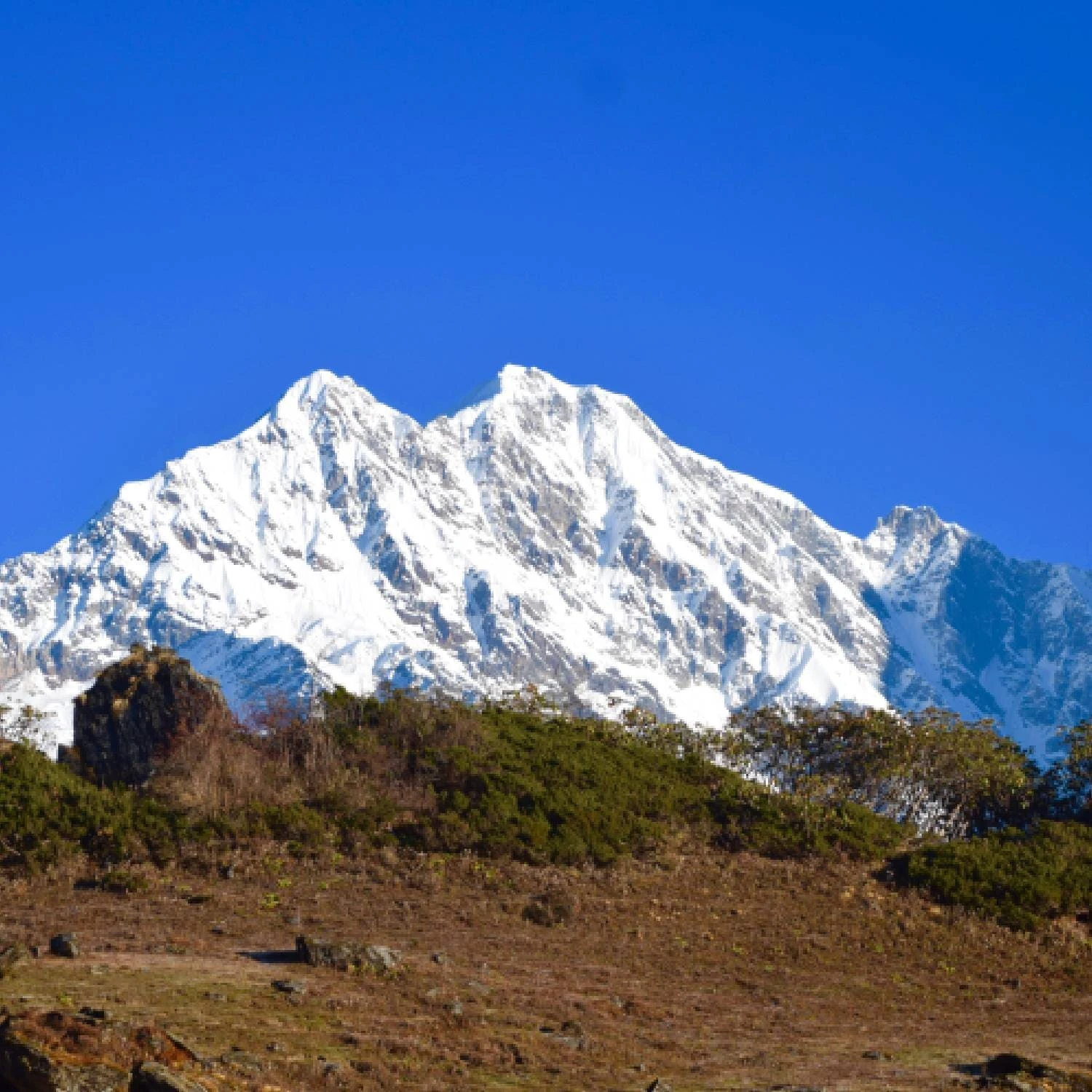
Langshisha Ri is located in the Langtang region of Nepal, near Kyanjin Gompa. This area is part of the Langtang National Park, offering pristine landscapes, glaciers, and panoramic views of iconic peaks like Langtang Lirung, Shishapangma, Dorje Lakpa, and the Ganesh Himal range.
Langshisha Ri Peak Climbing is considered a technically challenging alpine climb. It involves steep snow slopes, ice, and glacier travel, requiring proper mountaineering skills and experience. Climbers need to be physically fit and prepared for high-altitude conditions.
While some trekking experience is helpful, previous mountaineering experience is recommended for Langshisha Ri Peak Climbing. The climb includes technical sections on ice and snow where using crampons, ice axes, and ropes is essential. Proper guidance from experienced Sherpa climbers makes it achievable for motivated climbers.
The best time for Langshisha Ri Peak Climbing is during the spring (March to May) and autumn (September to November) seasons. These months offer clear weather, stable snow conditions, and spectacular mountain views, increasing your chances for a successful summit.
The Langshisha Ri Peak Climbing expedition typically takes 20 days, including the trek to Kyanjin Gompa, acclimatization, ascent, and return. This allows proper altitude adjustment and preparation for technical climbing.
For Langshisha Ri Peak Climbing, climbers need the Langtang National Park Permit, TIMS Permit, and the Langshisha Ri Peak Permit. Summit 8000 handles all necessary permits as part of the expedition package.
The Langshisha Ri climbing package includes lodge accommodations up to Kyanjin Gompa, tented camps during the climb, transport from Kathmandu to Syabrubesi and back, certified Sherpa guides, porters, cooks, climbing and kitchen equipment, meals during trek and climb, and staff wages and insurance.
For Langshisha Ri Peak Climbing, climbers need good physical fitness, stamina, and experience with trekking at high altitudes. Regular cardio, strength training, and practice with hiking or climbing with a backpack are recommended before the expedition.
During Langshisha Ri Peak Climbing, accommodation is in guesthouses or lodges up to Kyanjin Gompa. Beyond that, during the climb, climbers stay in tented camps at Langshisha Kharka, Base Camp, and High Camp, providing a safe and comfortable setup in alpine conditions.
During Langshisha Ri Peak Climbing, meals include Nepali, Indian, Chinese, Italian, and European dishes served three times a day. One main course is provided per meal, prepared by the expedition kitchen crew to ensure balanced nutrition for climbers.
Langshisha Ri Peak Climbing is safe when proper preparation, acclimatization, and guidance from experienced Sherpa guides are followed. Summit 8000 ensures safety measures, equipment, and staff support throughout the expedition to minimize risks.
Langshisha Ri Peak is off the beaten path, much less crowded than Everest or Annapurna expeditions. Climbers enjoy solitude, pristine landscapes, and a more authentic Himalayan climbing experience.
Climbers have a high success rate on Langshisha Ri Peak due to defined routes, proper acclimatization, and guidance by experienced Sherpa teams. Careful preparation and gradual ascent increase the likelihood of a safe and rewarding summit.
 Nepal
Nepal
 21
21  Sept - Nov & March - May