Destination
Nepal
Duration
18
Destination
Nepal
Duration
18
Trip Difficulty
Challenging
Accommodation
4 Star/ Star Hotel, Tent and Tea House
Meals
B,L, & D
Max. Elevation
6367
Group Size
15
Best Time
Sept - Nov & March - May
Welcome to Nepal, we will be waiting for you at Tribhuvan International Airport, where one our of our team members from Summit 8000 will greet you and transfer you to your hotel in Thamel. The rest of the day is yours to settle in, recover from travel, and soak in the vibrant energy of Kathmandu. Welcome dinner with the team in the evening.
A full day dedicated to expedition groundwork. Attend the official climbing permit briefing, meet your lead guide and Sherpa team, and complete any last-minute gear purchases in Thamel's well-stocked mountaineering shops. Equipment checks and packing are completed before an early rest.
An early morning transfer to the domestic terminal for the legendary 35-minute mountain flight to Lukla. Landing at Tenzing-Hillary Airport, one of the world's most dramatic airstrips, marks the true start of the expedition. Settle into a teahouse and rest for the trek ahead.
The trail descends from Lukla before climbing steadily through pine and rhododendron forest toward Chutanga. This quieter route diverges from the busy Everest Base Camp trail, offering immediate solitude and a genuine sense of entering remote terrain. An easy opening day to warm the legs.
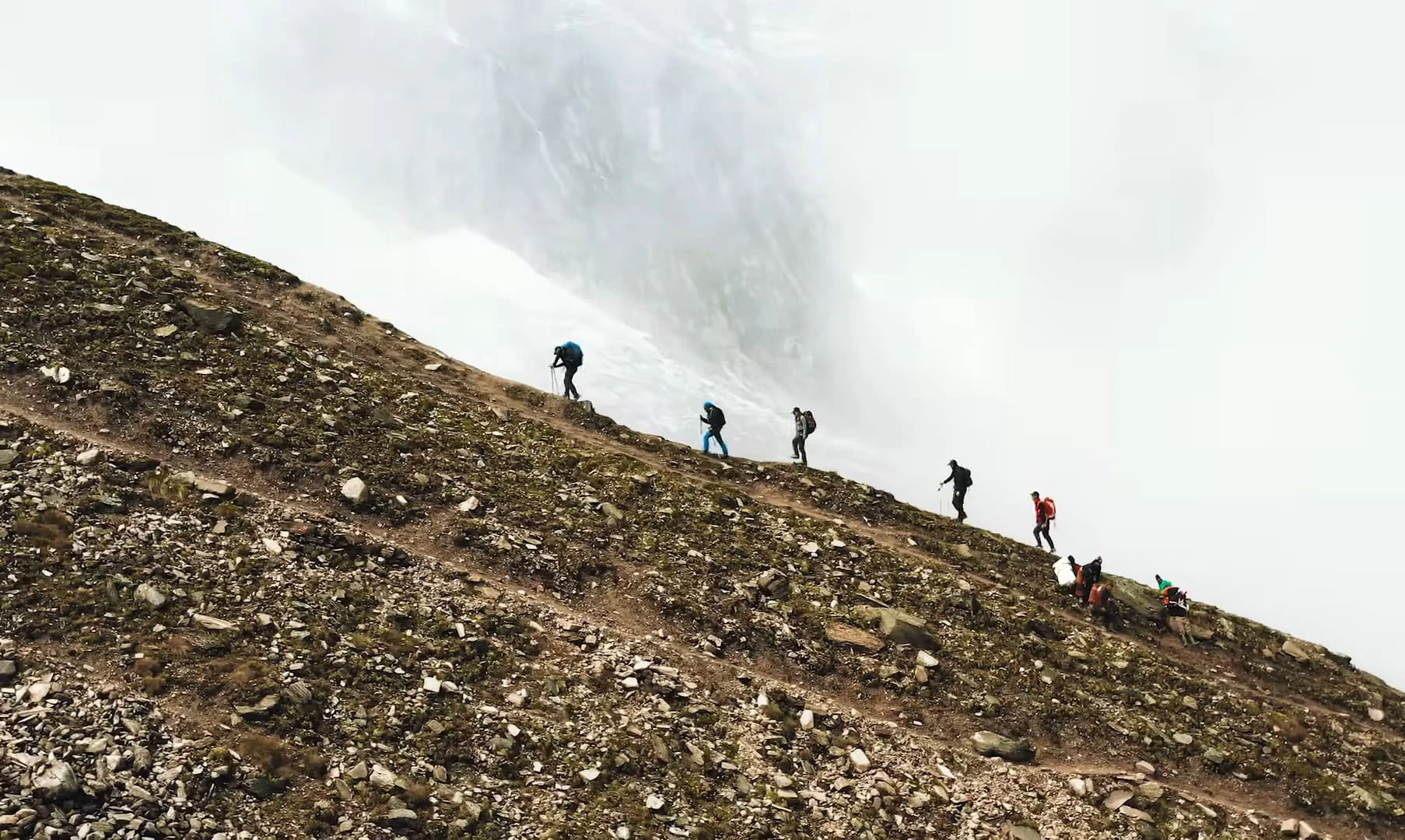
The most demanding trekking day of the approach. The trail ascends sharply to the Zatrawa La Pass, rewarding the effort with sweeping panoramas of Kusum Kanguru, Numbur, and the Khumbu peaks. A long descent follows into the pastoral grazing settlement of Thuli Kharka. Take the pass slowly. Altitude awareness begins here.
A pleasant descent through the upper Hinku Valley, following the river downstream through increasingly dramatic gorge scenery. Kothe is a small seasonal settlement that serves as a key resupply and rest point for expeditions heading deeper into the valley. Arrive early and rest.
The valley narrows, and the landscape turns alpine as the trail climbs steadily alongside the Hinku Khola river. Glacial debris, hanging seracs, and high ridgelines come into full view. Thangnak is a sparse high-altitude camp with front-row views of the surrounding peaks. Hydrate well and move slowly.
A rest day is non-negotiable at this elevation. Take a short hike to higher ground to stimulate acclimatization before returning to sleep low. Use the time to inspect equipment, review the climbing plan with your guide, and allow the body to adapt. This day directly influences summit performance.
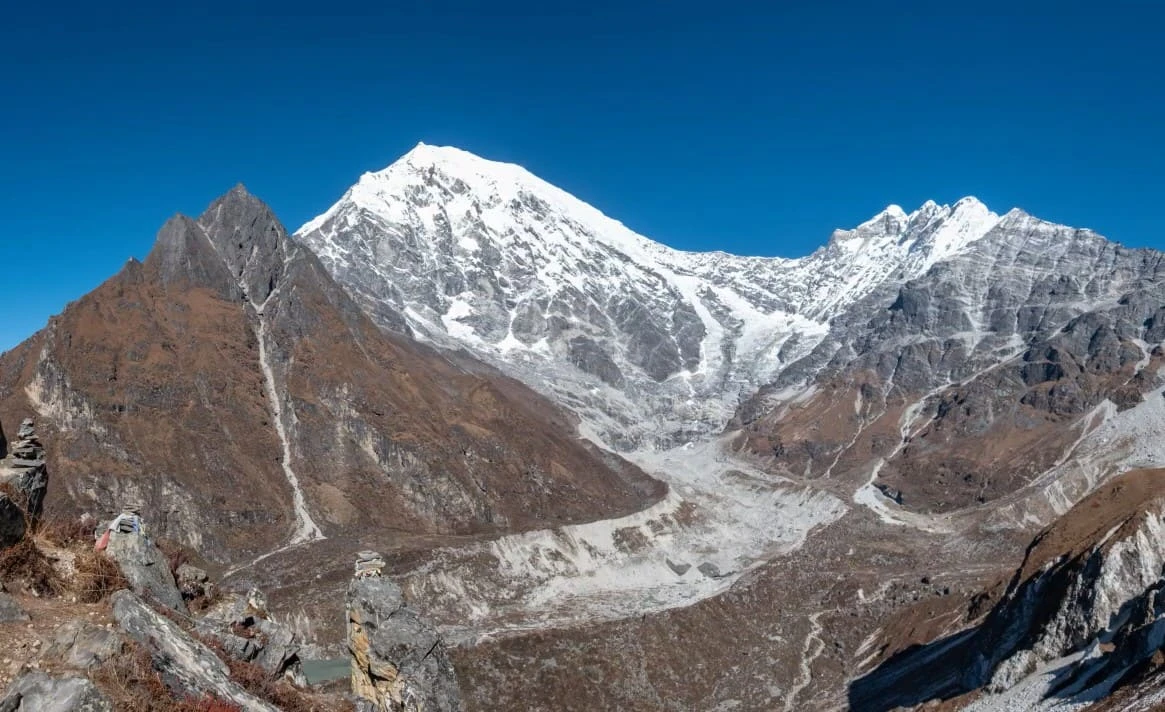
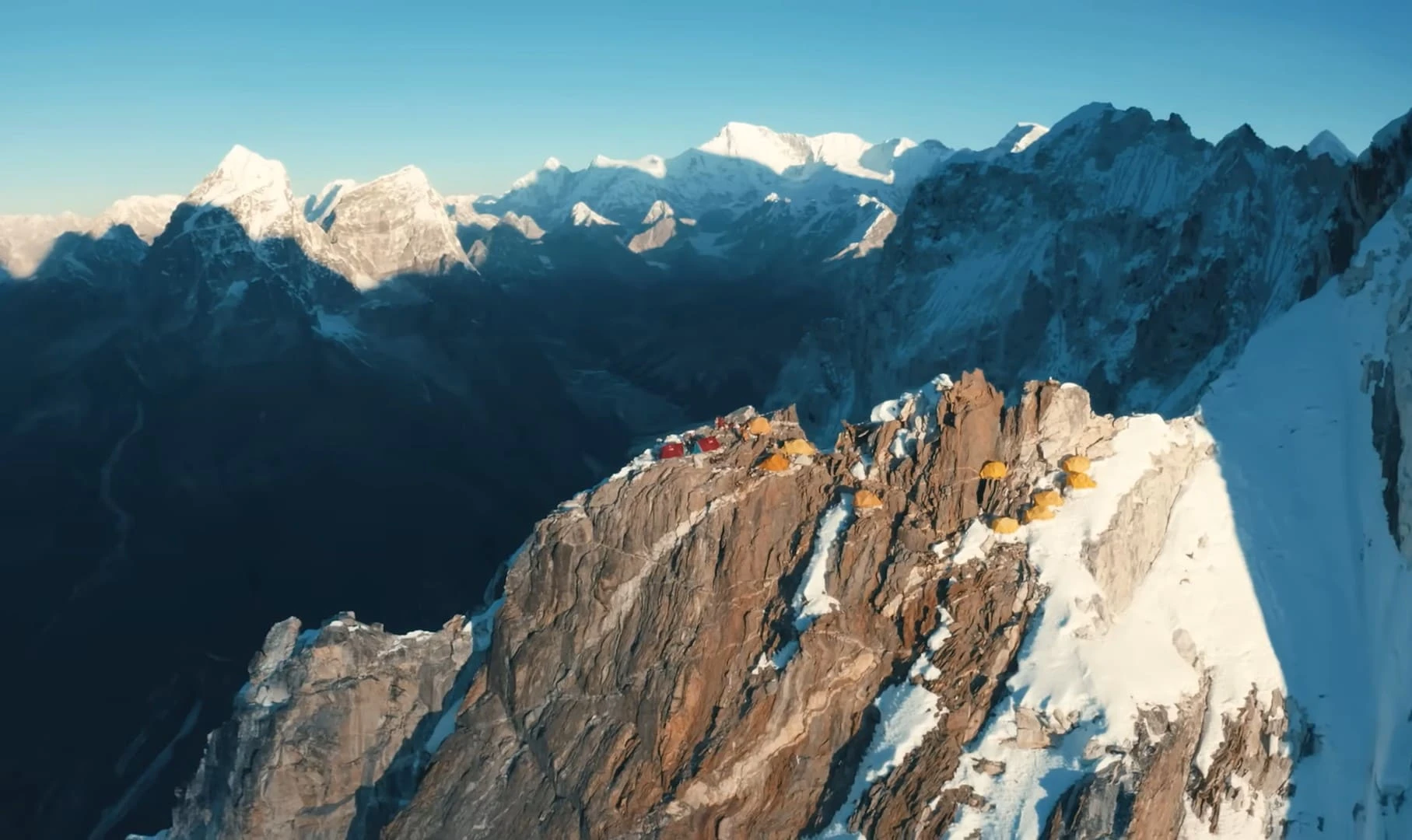
A shorter but meaningful day as the expedition moves to Base Camp beneath Kusum Kanguru's imposing flanks. The mountain reveals its true scale from here steep, technical, and commanding. Camp is established, loads are organized, and the climbing team conducts a full route assessment.
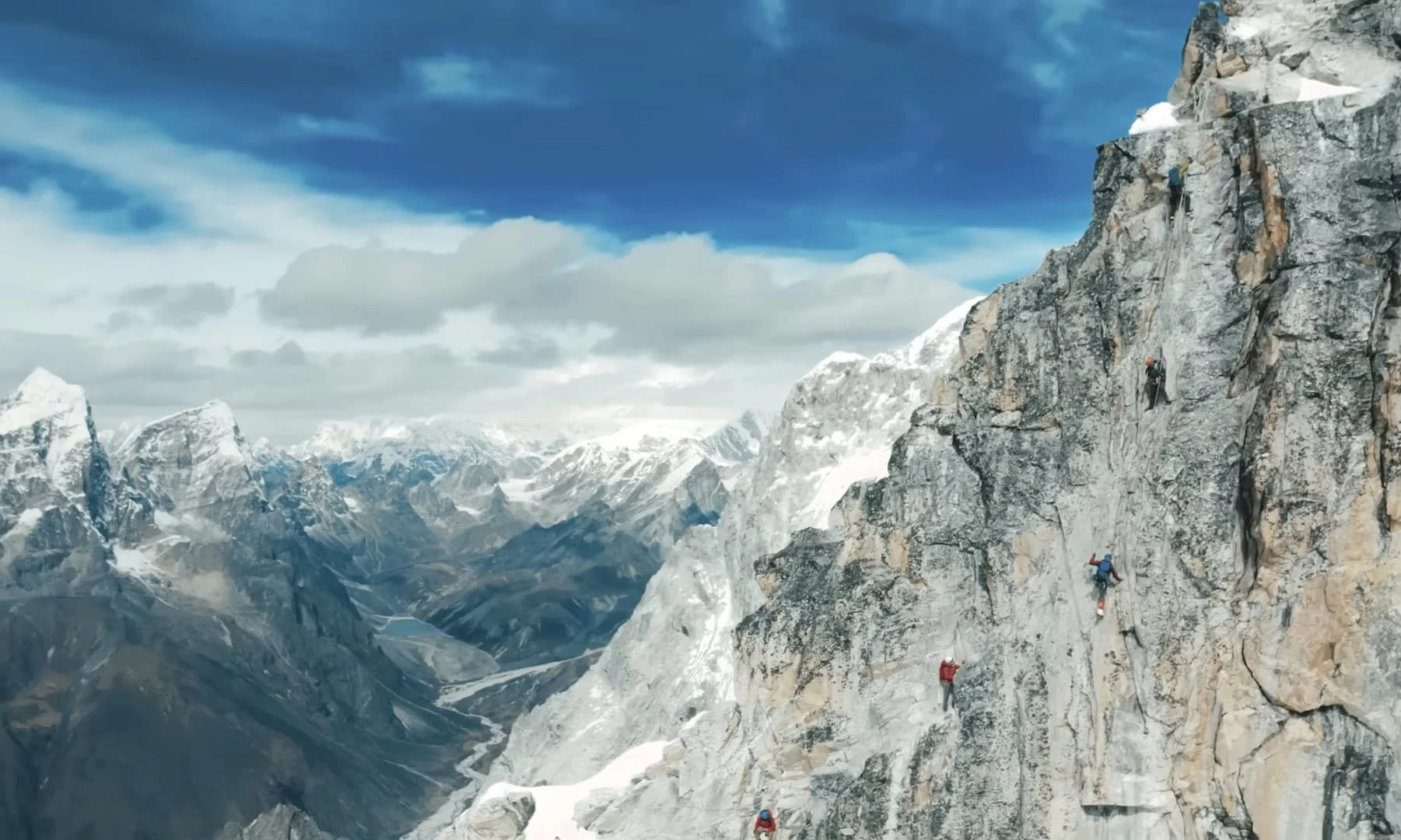
The first genuine climbing day. The team moves through the lower glacier, navigating crevassed terrain and establishing the route toward High Camp I. Fixed ropes are set on technical sections. Progress is deliberate the focus is on positioning the team well for the higher camps ahead.
Exposure increases significantly on this section. Steep ice and mixed ground lead to High Camp II, positioned on a narrow shelf with dramatic views in every direction. Climbing at this altitude demands efficiency and calm. Arrive, melt snow for water, eat well, and rest ahead of summit day.
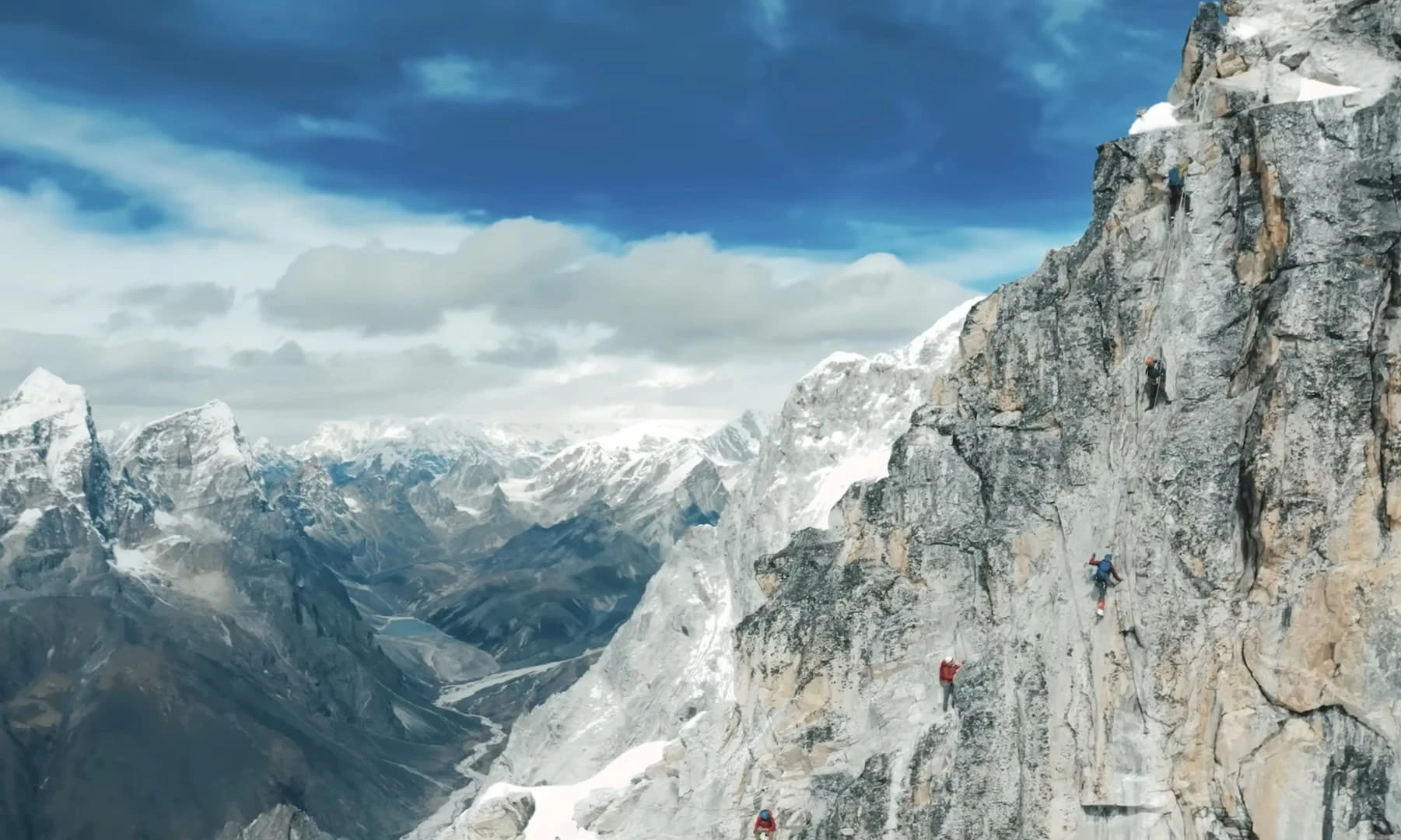
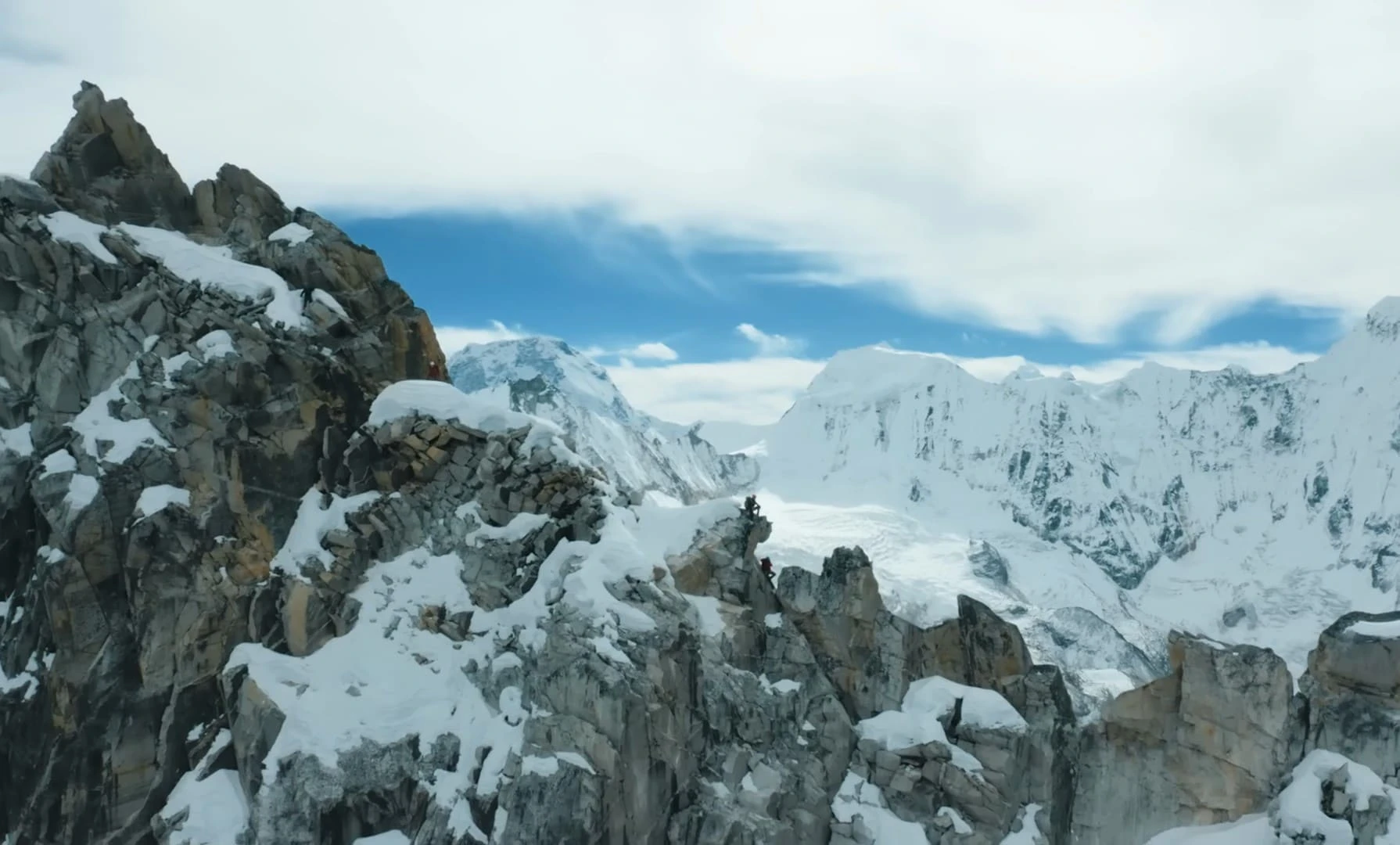
An alpine start, typically between midnight and 2am, puts the team on the upper mountain in darkness. The final push to the summit involves the most technical terrain of the expedition, steep mixed ground requiring focused movement and precise rope management. On a clear day, the summit view encompasses Everest, Lhotse, Makalu, and Ama Dablam. Descend carefully to Base Camp and celebrate a hard-earned achievement.
Breaking camp and beginning the long walk out. The descent retraces the Hinku Valley route, and the drop in altitude brings immediate physical relief. Kothe offers a warm meal and the first true rest after summit exertion.
A gradual climb back up the valley to Thuli Kharka, a familiar camp from the approach. The mood is lighter on the return, the hard work is done. Enjoy the landscape with a fresh perspective and rest for the long pass crossing ahead.
The longest trekking day of the expedition. The trail climbs back over the Zatrawa La before a long descent into Lukla. Start early and pace steadily. Reaching Lukla marks the end of the mountain journey a fitting final trek after three weeks in the field.
An early flight from Lukla to Ramechhap airport, followed by a scenic drive back to Kathmandu through the mid-hills of Nepal. Arrive in the capital by afternoon, check into the hotel, and enjoy the simple pleasures of a hot shower and city food.
A full day at leisure to explore Thamel, visit Boudhanath Stupa or Pashupatinath Temple, or simply rest. In the evening, We will host a farewell dinner to celebrate the team's achievement and close the expedition in good spirit.
Transfer to Tribhuvan International Airport for your onward flight. The expedition concludes, but the memory of Kusum Kanguru's summit stays considerably longer. We hope you liked our service, and once again, we wish to welcome you to Nepal.
Altitude Graph
The Kusum Kanguru expedition is one of the most technically demanding climbs in the Khumbu region. It involves steep rock, ice, and mixed terrain that requires prior alpine experience, confident crampon and ice axe technique, and solid rope management skills.
The Kusum Kanguru expedition is 18 days long. You can extend the itinerary based on your schedule, acclimatization needs, or weather conditions. Contact Summit 8000 for a customized itinerary.
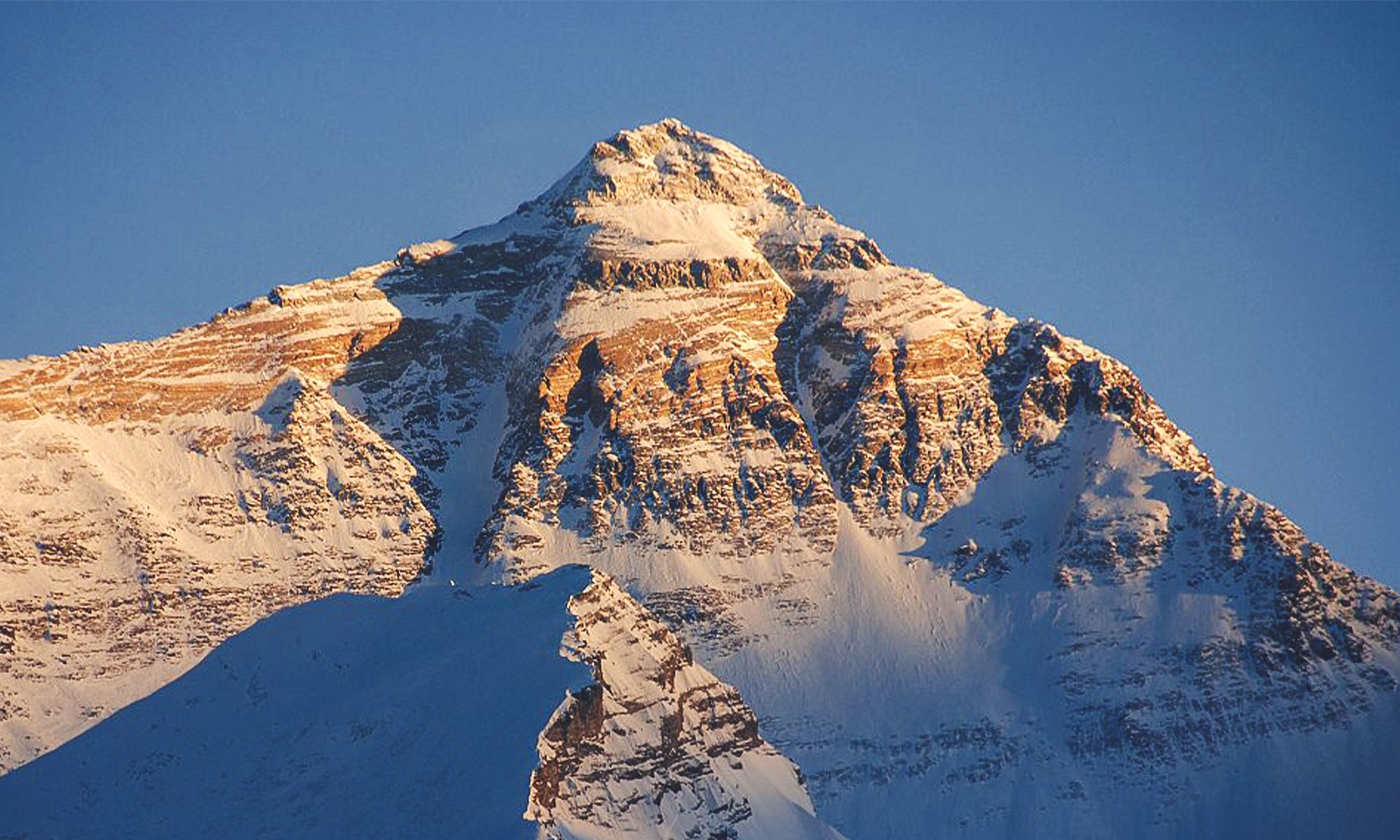
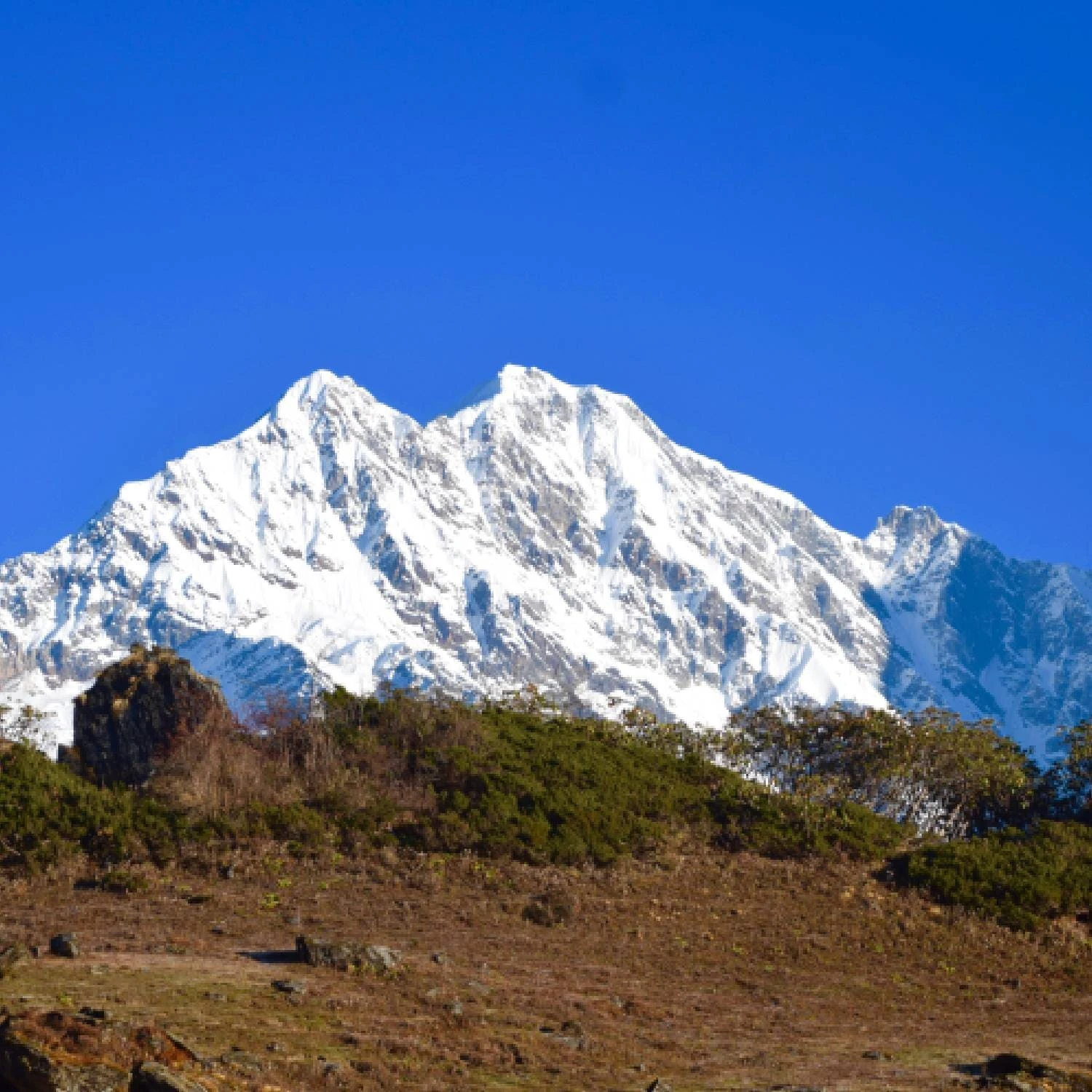
Kusum Kanguru stands at 6,367 metres (20,883 feet) above sea level. On a clear summit day, the peak offers direct views of Everest, Lhotse, and Ama Dablam.
From Kathmandu, you take a 35-minute domestic flight to Lukla, followed by a seven to nine-day trek through the Hinku Valley to reach Kusum Kanguru Base Camp at 4,900 metres.
The best route to climb Kusum Kanguru is the North Face. It offers a direct and technically rewarding line with sustained ice and mixed terrain. Summit 8000 installs fixed ropes on the most exposed sections for safe ascent and descent.
The best seasons to climb Kusum Kanguru are spring (March–May) and autumn (September–November). Both seasons offer the most stable weather conditions and the highest summit success rates.
The Kusum Kanguru expedition cost includes airport transfers, Kathmandu hotel accommodation, domestic flights, all climbing permits, Sherpa and guide team, teahouse and camp meals, Base Camp and high-camp setup, fixed rope installation, and the farewell dinner.
The Kusum Kanguru expedition cost excludes international flights, Nepal visa fees, personal climbing gear, sleeping bag, travel and evacuation insurance, crew tips, alcoholic beverages, and any costs arising from weather delays or itinerary extensions.
Yes, travel and helicopter evacuation insurance is mandatory for the Kusum Kanguru expedition. Confirmed insurance documentation must be submitted before the expedition begins.
Climbers choose Summit 8000 for the Kusum Kanguru expedition because of our extensive field experience across Nepal's Himalayan range. We manage all logistics in-house permits, Sherpa staffing, high-camp setup, and emergency protocols ensuring a safe and well-organized climb from start to finish.
Yes, the Kusum Kanguru expedition includes a dedicated acclimatization day at Thangnak (4,350m) on Day 8. Climbers take a short hike to higher elevation before returning to sleep low, preparing the body for the upper mountain.
If weather prevents a summit attempt on Kusum Kanguru, Summit 8000 guides make all decisions based on real-time conditions. Contingency time is built into the program where possible. Costs from extended stays or rescheduled flights due to weather are not covered by the standard package.
 Nepal
Nepal
 21
21  Sept - Nov & March - May