
Best Mountain Expeditions to Book in 2026 Autumn in Nepal
Temba Tsheri Sherpa
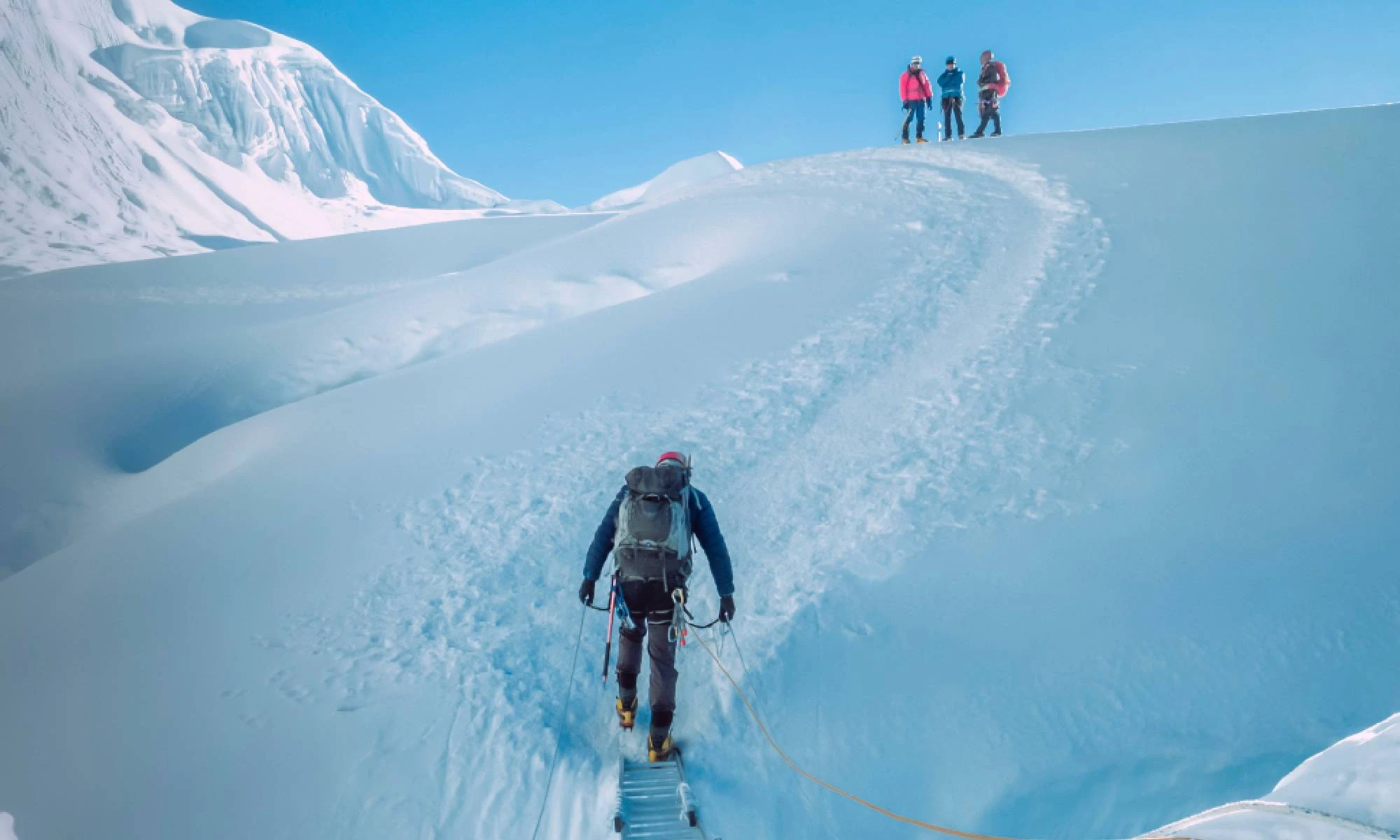
Are you planning to climb a Himalayan peak in autumn 2026? There has never been a better time to turn that dream into reality. With stable weather, clear mountain views, and ideal climbing conditions, autumn is widely considered the best season for mountain expeditions in Nepal.
From the legendary slopes of Everest and Manaslu to the remote challenges of Ama Dablam, Himlung Himal, and other spectacular peaks, Nepal offers expeditions for mountaineers of every level.
Whether you are aiming for your first 6,000-meter summit or pursuing an ambitious 8,000-meter challenge, the autumn 2026 season presents outstanding opportunities to explore the world's highest mountains.
In this guide, we highlight the best mountain expeditions to book in Nepal for autumn 2026, including difficulty levels, climbing highlights, and why these peaks continue to attract adventurers from around the globe.
If you're ready to stand above the clouds and experience the Himalayas at their finest, these are the expeditions you should consider.
Why Autumn 2026 Is the Perfect Season for Nepal Expeditions?
Let's get the most important thing out of the way: not all seasons in Nepal are created equal. Spring gets the Everest headlines, monsoon locks the trails in mud, and winter turns the high camps brutal. But autumn, that golden stretch from mid-September through November, operates on a completely different level.
Once the summer rains retreat, they scrub the Himalayan sky clean. What follows is some of the clearest, sharpest mountain air of the entire year. Visibility stretches for hundreds of kilometres. Peaks you'd normally see veiled in cloud stand fully exposed, every ridge and couloir crisp and demanding your attention.
The weather windows during this period are also far more predictable than most climbers expect. Jet stream winds haven't yet returned to terrorise the upper elevations. High camps stay stable at night. Temperatures are cold but manageable. For peaks between 6,000m and 8,200m, this is exactly the conditions matrix you want.
There's also a cultural dimension that spring simply can't offer. Nepal's two most important festivals, Dashain and Tihar, fall right inside the autumn climbing season. Base camp villages fill with marigolds and music. Teahouses burst with colour.
If you've ever wanted to experience the Himalayas at their most alive, autumn 2026 gives you the climb and the culture in a single trip.
And here's something most guides won't tell you: autumn permit fees are genuinely cheaper than spring for many peaks. The government charges significantly less during this period, which means you get superior conditions for a lower outlay. That's a rare combination anywhere in the world of high-altitude mountaineering.
What Makes September to November the Golden Window for Expeditions in Nepal?
The Himalayan climbing calendar comes down to two things: weather and snowpack. Autumn 2026 in Nepal delivers both in your favour, but understanding the month-by-month progression inside the season helps you choose the right departure date for your specific peak.
September: The Season Opens
The first half of September is still transitional. Lingering monsoon moisture creates occasional afternoon clouds and the odd wet day. However, by the third week, the skies clear dramatically and the post-monsoon window snaps open.
Early September departures coincide with peaks in the Khumbu and Manaslu regions, where teams can begin acclimatisation rotations as the final monsoon days fade.
October: The Single Best Month
October is, without question, the crown jewel of the Nepali climbing calendar. Post-monsoon clarity combines with temperatures that haven't yet plunged to November depths.
Summit windows are longer and more frequent. Fixed ropes are fresh. Base camps buzz with the right kind of energy, focused, experienced teams working toward the same goal. If you can target an October summit push on any peak in this guide, you should.
November: Quieter Trails, Sharper Cold
November rewards the patient and the well-equipped. Traffic on most routes drops noticeably as the month progresses. Views remain spectacular; in fact, November can deliver the clearest skies of the year as humidity approaches zero.
The trade-off is temperature. Above 5,500m, nights in late November turn genuinely brutal. For lower technical peaks like Ama Dablam or Island Peak, November is entirely viable. For Manaslu or Cho Oyu, you want your summit attempt behind you before mid-November.
Manaslu: The Uncrowded 8,000m Giant to Climb This Autumn
If Everest is the mountain everyone knows and K2 is the mountain everyone fears, then Manaslu is the mountain serious climbers quietly dream about. Standing at 8,163 metres in the remote Mansiri Himal range of west-central Nepal, the world's eighth-highest peak offers everything an eight-thousander ambition demands and none of the circus that surrounds Everest.
Autumn is Manaslu's expedition prime season. Most operators schedule departures from early to mid-September, targeting an October summit window when conditions on the Northeast Face are at their most stable.
Skies stay clear, winds at high camp remain manageable, and the legendary panoramas sweeping across the Annapurna chain, the Tibetan plateau, and dozens of unnamed white ridges reveal themselves in full.
All commercial expeditions in 2026 follow the Northeast Face standard route established over decades of Himalayan history. From Base Camp at 4,800m, the climb progresses through four high camps: Camp 1 at 5,600–5,700m, Camp 2 at 6,300–6,400m, Camp 3 at 6,800–6,900m, and Camp 4 at 7,300–7,400m. Fixed ropes run throughout, installed by your operator's Sherpa team ahead of your summit push.
One critical detail: many teams reach Manaslu's fore-summit and stop, believing they've topped out. The true summit lies further along an exposed, technically demanding ridge. Make sure your team targets the actual high point at 8,163m, not the lower false summit.
Cost and Permits for Manaslu Expeditions
Manaslu is dramatically more affordable than Everest. A full-service expedition covering all transfers, Kathmandu accommodation, permits, internal transport, Base Camp setup, Sherpa support, and supplementary oxygen runs approximately USD $14,600 to $25,000 depending on the operator and the level of support you require.
The government climbing royalty sits at USD $5,500 per climber for the autumn season, compared to $8,000 in spring, a saving of $2,500 per person for identical conditions.
Beyond the royalty, you'll need the Restricted Area Permit ($100 for the first seven days in autumn), the Manaslu Conservation Area Permit (~$23), and the Annapurna Conservation Area Permit for the Dharapani exit.
Who Should Climb Manaslu?
Manaslu suits experienced mountaineers with prior high-altitude time on 6,000–7,000m peaks. You need solid glacier travel skills, comfort on fixed ropes, experience with crampons and ice axes, and a genuine understanding of high-altitude acclimatisation. The expedition runs 45–55 days in total, long enough to do the acclimatisation properly and wait for the right summit window.
Many climbers use Manaslu expedition and the Manaslu Circuit trek as their proving ground before Everest. It's the right step: similar altitude, similar technical demands, a fraction of the cost, and far fewer people in your way on the rope.
Ama Dablam: The Most Beautiful Expedition in the Himalayas
Some mountains earn their reputation through sheer altitude. Ama Dablam earns its place in the Himalayan hall of fame through pure, undeniable beauty.
Rising to 6,812 metres in the Khumbu Valley northeast of Pangboche, this peak has stopped trekkers dead on the trail to Everest Base Camp for generations. Its distinctive pyramid shape, flanked by two hanging glaciers that Sherpas call the "mother's necklace" is one of the most photographed silhouettes in all of mountaineering. And then you discover that you can actually climb it.
Autumn is Ama Dablam's expedition finest season. October and November deliver moderate temperatures, crystal-clear skies, and the kind of stable high-camp conditions that let climbers commit to the route's technical demands with confidence.
When the weather cooperates on Ama Dablam, it rewards you at the summit with one of the most extraordinary panoramas available to a climber at this altitude: Everest, Lhotse, Makalu, Cho Oyu, Nuptse, and the entire Khumbu spread below in a 360-degree feast.
The Route of Ama Dablam
The standard Southwest Ridge involves three camps above Base Camp at 4,600m. The terrain combines steep granite slabs, mixed ice-and-rock sections, and a knife-edge arête called the Dablam Traverse that leads to the final snowfield just below the summit.
Technical sections require genuine alpine competence; this is not a peak where enthusiasm substitutes for skill. The Yellow Tower and Mushroom Ridge in particular demand careful footwork and precise rope management, especially on the descent.
Most expeditions run 28–35 days, making it one of the most time-efficient serious alpine challenges in Nepal.
Cost and What to Expect for the Ama Dablam Expedition?
A full-service Ama Dablam expedition with a reputable Nepali operator runs USD $5,000–$9,000. International operators charge $8,000–$15,000 for the same climb with additional logistical overhead. Either way, you're looking at a fraction of Everest's $45,000–$100,000 for a technically comparable and, many climbers argue, far more aesthetically rewarding experience.
Permit applications and operator bookings for the October–November 2026 window should go in by July 2026. This peak fills quickly, and the Base Camp, a rare grassy ledge at 4,600m with views that would embarrass most five-star hotels, has limited tent space at the higher camps.
Who Should Climb Ama Dablam?
Be honest with yourself here. Ama Dablam is rated technically harder than Cho Oyu and comparable to sections of the Lhotse Face on Everest. It is not a mountain for novices, regardless of fitness level. You need prior alpine experience, rock climbing, ice climbing, multi-pitch routes and ideally a 6,000m peak already in your logbook. If you have that foundation, Ama Dablam autumn 2026 might be the finest mountain objective you'll ever complete.
Island Peak + Everest Base Camp: The Ultimate Combo Expedition
Here's the Nepal expedition that most people regret not doing sooner: pair the world's most iconic trekking route with a genuine Himalayan summit, and you walk away from a single trip having done both.
The Island Peak and Everest Base Camp combination is exactly what it sounds like a route that takes you through the Khumbu Valley to 5,364 metres at Base Camp, then extends your journey to the summit of Island Peak at 6,189m. The trek acclimatises your body in stages; the peak delivers the summit moment your ambition has been building toward.
Why does Autumn make this combo EBC + Island Peak Shine?
October on the EBC trail is a sensory experience that ranks among the finest mountain journeys on Earth. Post-monsoon air gives you jaw-dropping views of Everest, Ama Dablam, Nuptse, and Lhotse every single day. The trail bustles with experienced expeditioners, the teahouses run at their best, and the cultural tapestry of Sherpa villages, Buddhist monasteries, and mani walls draped in prayer flags operates at full colour.
By the time your legs carry you to Island Peak Base Camp, your blood is thick with altitude adaptation. The summit push feels less like an assault and more like the natural conclusion to everything the trek has been building. On a clear October morning at 6,189m, five of the world's highest mountains appear on the horizon simultaneously. That view justifies every metre.
Success Rates and Accessibility of Island Peak
Island Peak carries one of the highest success rates of any Himalayan summit, approximately 75–85% for well-prepared climbers in good conditions. The technical demands include crampon use, ice axe technique, and fixed-rope ascending, but nothing that a focused pre-expedition training programme can't build in a few months.
Packages for the combined EBC and Island Peak expedition start from USD $1,499 per person and run up to $3,000–$4,000 for premium full-service arrangements. All permits are included in most packages, making this the most accessible genuine high-altitude summit experience available in the Himalayas.
Who Should Do This Expedition?
First-time peak climbers who want a meaningful summit without committing to a 50-day high-altitude expedition will find this combination pitch-perfect. You need solid fitness; this isn't a casual trek, but you don't need prior mountaineering experience if you invest in proper preparation and choose a skilled guide team. Nepal's 2026 mandatory guide policy works in your favour here: every operator now runs tighter, better-supported groups than the pre-regulation era.
Mera Peak: The Best High-Altitude First Expedition
Mera Peak sits at 6,476 metres in the remote Hinku Valley east of the Everest region, far enough off the beaten path to feel genuinely wild, high enough to count as a serious Himalayan achievement, and accessible enough that motivated first-time peak climbers can reach the summit with proper preparation.
This is Nepal's highest trekking peak, and it earns that distinction honestly. The approach passes through dense rhododendron forests, high glacial passes, and traditional villages that see a fraction of the foot traffic on the Everest corridor. You earn your altitude in the most immersive way possible, slowly, through remote terrain that hasn't been packaged for mass consumption.
The Summit View That Changes Everything
At the top of Mera Peak on a clear autumn morning, you'll see something available from virtually no other point on Earth: five of the world's six highest mountains simultaneously. Everest (8,849m), Cho Oyu (8,188m), Lhotse (8,516m), Makalu (8,485m), and Kangchenjunga (8,586m) all appear on the horizon in a single sweep. Climbers who've stood on Mera's summit consistently say it's one of the most overwhelming views they've ever encountered, and they've usually been to some extraordinary places.
Success Rates, Cost, and What It Takes
Mera Peak posts a success rate of 85–90% for well-prepared climbers higher than almost any comparable altitude objective. The route involves glacier travel and crampon use but avoids the complex technical demands of peaks like Ama Dablam. This makes it the perfect first serious peak for trekkers ready to move beyond Base Camp ambitions.
Packages start from USD $1,499 per person for a 14-day climb, with all permits included. The autumn season, especially October, hands you clear skies, stable temperatures, and trail conditions that make the demanding approach valley genuinely enjoyable rather than an ordeal.
Cho Oyu: Nepal's Friendliest Eight-Thousander
The climbing world calls Cho Oyu the "easiest" eight-thousander, but let's clarify what that actually means. At 8,188 metres on the Nepal-Tibet border, Cho Oyu still kills unprepared climbers. The "easy" designation simply means that, relative to the other thirteen peaks above 8,000m, its standard route, the West Ridge via Tibet, is the most consistently achievable for teams with the right experience profile.
And that's precisely what makes it so valuable as an autumn 2026 objective.
Cho Oyu functions as the world's finest "road to Everest" acclimatisation and skills test. Every challenge you'll face on an Everest attempt, managing supplementary oxygen, navigating high-camp logistics, making summit-window decisions, and functioning in the Death Zone, appears on Cho Oyu in a form you can learn from and survive. Experienced operators consistently recommend Cho Oyu before any other eight-thousander for exactly this reason.
The Route of Cho Oyu
The West Ridge from the Tibet side is the standard commercial route, using fixed ropes on key technical sections. The climb progresses through Advanced Base Camp, then Camps 1, 2, and 3, with a summit-day push that typically starts around midnight and involves 10–12 hours on snow, rock, and ice. The Yellow Band, a short but steep wall of rock and ice, is the route's signature technical challenge before the West Face leads to the summit plateau.
Most climbers stop at a set of prayer flags on the plateau, believing they've summited. The actual high point requires a further 15-minute walk to a point offering views of the Gokyo Lakes below one of the Himalayas' finest summit surprises.
Who Should Attempt Cho Oyu?
Prerequisites for Cho Oyu are serious and non-negotiable. You need at least two prior 6,000m and 7,000m summits, experience with multi-pitch technical climbing, and rock climbing grades up to 5.9–5.10. Operators also strongly recommend Ama Dablam or a similar technically demanding 6,000m peak as immediate preparation. If you carry that experience into autumn 2026, Cho Oyu offers you the most structured and achievable gateway into the world of eight-thousanders.
How to Book Your Nepal Expedition for Autumn 2026 (Before It Fills Up)
Here's the uncomfortable truth: if you're reading this and haven't already started your booking conversation with an operator, you're behind on some peaks. Experienced Sherpa teams fill up months before the season opens. Premium Base Camp locations at popular peaks like Ama Dablam get reserved by returning operators who book the same spots year after year.
The good news is that action taken right now still puts you in a strong position for autumn 2026. Here's what to do.
- Choose your operator carefully. Only agencies registered with Nepal's government and the Trekking Agencies' Association of Nepal (TAAN) can legally apply for restricted area permits. This is not a technicality; booking with an unregistered operator exposes you to legal risk, permit failure, and potentially unqualified guides in the mountains.
- Confirm the mandatory guide policy is covered. As of 2026, Nepal requires all foreign climbers and trekkers to use a licensed guide. Your operator handles this, but verify it explicitly when you receive a quote.
- Pay a deposit to lock in your place. Reputable operators require a deposit to hold your slot and begin the permit application process. Don't wait for the "perfect moment"; that moment is now.
- Build in flexibility around your summit window. Autumn conditions are generally excellent, but weather on 8,000m peaks still shifts. Choose an operator who builds buffer days into the itinerary rather than one selling a fixed-date summit guarantee.
- Secure your travel insurance separately and specifically. You need a policy that covers mountaineering above 6,000m and helicopter rescue. Standard travel insurance won't touch a high-altitude emergency evacuation. Expect to pay $100–$250 for appropriate coverage.
Permits, Costs, and Logistics: What You Need to Know Before You Go
Nepal's permit system confuses even experienced climbers the first time around. The key is understanding that each peak requires a specific stack of documents, not just one permit and that your operator handles all of it on your behalf if you've chosen a registered agency.
Here's a clear overview of what the permit landscape looks like for autumn 2026's top peaks:
For Manaslu (8,163m)
Government climbing royalty: USD $5,500 per climber (autumn). Restricted Area Permit: $100 for the first 7 days + $15 per additional day. Manaslu Conservation Area Permit: ~$23. Annapurna Conservation Area Permit: required for the Dharapani exit. All permits processed through your operator, the application process must begin at least 60 days before departure.
For Ama Dablam (6,812m)
Expedition peak royalty: approximately USD $200 per climber for the autumn season. A garbage deposit of USD $2,000 is required and refunded upon return of waste from the mountain. The Sagarmatha National Park entry permit applies as Ama Dablam sits within park boundaries.
For Island Peak and Mera Peak
Both fall under the Nepal Mountaineering Association (NMA) trekking peak permit structure. Permit fees run at USD $500 per climber for 1–4 people in spring and autumn ($60 per additional climber). Conservation area permits and a garbage deposit of $250–$500 apply. Most operators include all of this in their package price; verify before you sign.
Across All Peaks: Universal Logistics to Plan For
- Flights to Lukla: For Khumbu-region peaks, your journey begins with a mountain flight to Lukla, one of the world's most dramatic airports. Book early; flights fill, and weather cancellations are common. Always build two buffer days into your itinerary around Lukla connections.
- Kathmandu preparation days: Every expedition needs 2–3 days in Kathmandu for permit processing, gear checks, expedition briefings, and last-minute equipment sourcing from Thamel's excellent gear shops.
- Helicopter rescue insurance: Mandatory on all peaks. Ensure your policy covers emergency evacuation above 6,000m with a minimum coverage of USD $50,000–$100,000.
- Sherpa summit bonuses: Budget for this separately. Guide summit bonuses typically run USD $700–$1,200 depending on the peak; kitchen staff bonuses add another $250–$300. These payments happen in cash at Base Camp.
- Garbage deposits: The NMA requires $250–$500 per expedition, refundable when you bring your waste back down. This is non-negotiable and reflects Nepal's admirable push for cleaner mountains.
Beginner vs. Advanced: Which Autumn Expedition Is Right for You?
The most important thing any expedition guide can tell you is this: matching the mountain to your actual experience level isn't a compromise. It's the decision that gets you to the summit and brings you home.
Nepal's peaks cover an extraordinary range of challenges, from accessible high-altitude treks with a summit element to full technical alpine climbs that test elite mountaineers. Here's how to position yourself honestly.
If You're New to Peak Climbing
Start with Mera Peak or the Island Peak + EBC combination. Both peaks give you a genuine high-altitude summit experience, real crampons, real altitude, real effort without demanding the technical repertoire that peaks like Ama Dablam require. Success rates sit at 85–90% for prepared teams. The training investment is real but entirely achievable: sustained cardio, load-bearing hikes, and a basic crampon and ice axe course before you land in Kathmandu.
If You Have One or Two 6,000m Peaks Behind You
Ama Dablam becomes a serious and exciting option. So does Himlung Himal at 7,126m, widely regarded as the finest "step-up" expedition for climbers moving from trekking peaks toward genuine Himalayan mountaineering. Both demand technical competence, but both reward you with summit experiences that pure trekking peaks simply cannot match.
If You're Ready for Your First Eight-Thousander
Manaslu and Cho Oyu are your autumn 2026 targets. Manaslu is Nepal-based with a well-established commercial route; Cho Oyu operates from the Tibet side and runs through a different permit structure. Both require, at minimum, prior 7,000m summit experience, glacier travel proficiency, and comfort with fixed-rope climbing at altitude. Both deliver the full eight-thousander experience, including time in the Death Zone, in a more achievable framework than Everest or K2.
The Training Timeline Applies to Every Level
Whatever your target peak, training for autumn 2026 should already be underway. Work backwards from your departure date and build a six-month programme that covers cardiovascular base (long runs, cycling, swimming), load-bearing capacity (weighted hikes with increasing elevation gain), and technical skills specific to your peak. If Ama Dablam or above is your target, add structured rock climbing and ice climbing sessions. Your guides can carry you to Base Camp, but only your body gets you to the summit.
Nepal's autumn 2026 season is not just a window in the weather. It's an invitation.
The mountains don't care how fit you are in theory, how many inspiring articles you've read, or how long you've had this trip on your bucket list. They ask only one thing: that you show up prepared, choose your peak honestly, and commit fully to the process of getting there.
Whether you're chasing Mera Peak as your first real summit or targeting Manaslu as your bridge to Everest, autumn 2026 in Nepal gives you the conditions, the culture, and the calling to make it real. The window is open. The sky is clear. The peaks are waiting.
Book early. Train hard. Go.
Ready to plan your expedition for the upcoming autumn season?
Ready to climb in Autumn 2026? Enquire now to book your expedition, confirm your dates, and reserve your place on Nepal’s most iconic Himalayan peaks.