
NMA Peak Climbing Permit Fees for Foreign Climbers in Nepal for 2026/2027
Temba Tsheri Sherpa
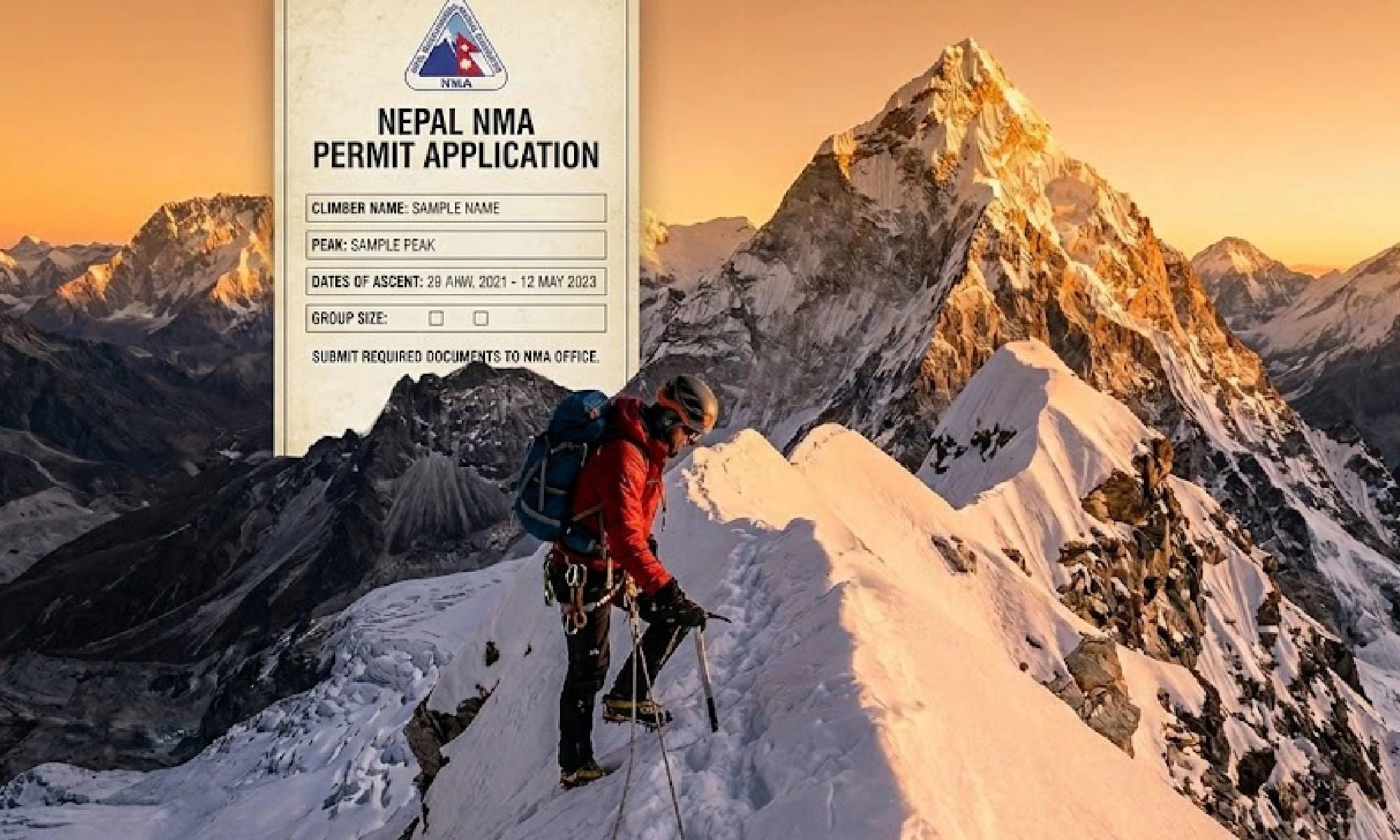
If you are planning your next expedition journey in Nepal, then I’m sure you are searching for the NMA peak climbing permit fees for foreign climbers, as without permits, you are not allowed to climb the peaks, irrespective of your experience and will.
Also, please don’t confuse the expedition peaks with the NMA peaks. Expedition peaks, such as the Annapurna expedition, Everest expeditions, Dhaulagiri expeditions, and other mountains, are not the NMA peaks; they are the expedition peaks. NMA, which refers to Nepal Mountaineering Association peaks, means trekking peaks such as Island Peak, Lobuche Peak, Larke Peak, Nirekha Peak, and many more.
What Is NMA, and Which Peaks Does It Manage?
NMA stands for the Nepal Mountaineering Association, which is headquartered in Kathmandu, Naxal near Nagpokhari. This organization is responsible for managing many of Nepal’s “trekking peaks.” Established in 1973, the NMA promotes mountaineering tourism, climbing safety, peak management, and training in Nepal.
The Nepal Mountaineering Association manages trekking peaks such as Island Peak, Mera Peak, Lobuche East, Pisang Peak, Chulu East, Chulu West, Paldor Peak, Pharchamo, Kusum Kanguru, Lobuche West, Hiun Chuli, and Singu Chuli, among many other trekking peaks across Nepal.
NMA Peak Permit Fees for Foreign Climbers (2026–2027 Updated Rates)
NMA peak permit fees for foreign climbers 2026/2027 are:
| S.N. | Mountain / Peak | Height (m) | Himalayan Range | Spring (Mar–May) | Autumn (Sep–Nov) | Winter (Dec–Feb) | Summer (Jun–Aug) |
|---|---|---|---|---|---|---|---|
| 1 | Chulu East | 6584m | Damodar | USD 500 | USD 250 | USD 200 | USD 200 |
| 2 | Chulu West | 6419m | Damodar | USD 350 | USD 175 | USD 175 | USD 175 |
| 3 | Ghanja-la Chuli (Naya Kanga) | 5863m | Langtang Himal | USD 350 | USD 175 | USD 175 | USD 175 |
| 4 | Hiun Chuli | 6434m | Annapurna | USD 350 | USD 175 | USD 175 | USD 175 |
| 5 | Imja Tse (Island Peak) | 6165m | Khumbu Himal | USD 350 | USD 175 | USD 175 | USD 175 |
| 6 | Khongma Tse (Mehra Peak) | 5849m | Khumbu Himal | USD 350 | USD 175 | USD 175 | USD 175 |
| 7 | Kusum Kanguru | 6360m | Khumbu Himal | USD 350 | USD 175 | USD 175 | USD 175 |
| 8 | Kwangde | 6086m | Rolwaling Himal | USD 350 | USD 175 | USD 175 | USD 175 |
| 9 | Lobuje East | 6119m | Khumbu Himal | USD 350 | USD 175 | USD 175 | USD 175 |
| 10 | Mera Peak | 6470m | Khumbu Himal | USD 350 | USD 175 | USD 175 | USD 175 |
| 11 | Mt. ABI | 6043m | Mahalangur | USD 350 | USD 175 | USD 175 | USD 175 |
| 12 | Mt. Bokta | 6114m | Kanchenjunga | USD 350 | USD 175 | USD 175 | USD 175 |
| 13 | Mt. Chekigo | 6121m | Gaurishankar | USD 350 | USD 175 | USD 175 | USD 175 |
| 14 | Mt. Chola Tse | 6440m | Khumbu | USD 350 | USD 175 | USD 175 | USD 175 |
| 15 | Mt. Kyazo Ri | 6186m | Mahalangur | USD 350 | USD 175 | USD 175 | USD 175 |
| 16 | Mt. Langsisa Ri | 6412m | Jugal | USD 350 | USD 175 | USD 175 | USD 175 |
| 17 | Mt. Larkya Peak | 6416m | Manaslu | USD 350 | USD 175 | USD 175 | USD 175 |
| 18 | Mt. Lobuje West | 6135m | Khumbu Himal | USD 350 | USD 175 | USD 175 | USD 175 |
| 19 | Mt. Nirekha | 6159m | Mahalangur | USD 350 | USD 175 | USD 175 | USD 175 |
| 20 | Mt. Ombigaichen | 6340m | Mahalangur | USD 350 | USD 175 | USD 175 | USD 175 |
| 21 | Mt. Phari Lapcha | 6017m | Mahalangur | USD 350 | USD 175 | USD 175 | USD 175 |
| 22 | Mt. Yubra Himal | 6048m | Langtang Himal | USD 350 | USD 175 | USD 175 | USD 175 |
| 23 | Paldor Peak | 5903m | Ganesh Himal | USD 350 | USD 175 | USD 175 | USD 175 |
| 24 | Pharchamo | 6279m | Rolwaling Himal | USD 350 | USD 175 | USD 175 | USD 175 |
| 25 | Pisang Peak | 6091m | Damodar | USD 350 | USD 175 | USD 175 | USD 175 |
| 26 | Ramdong Go | 5900m | Rolwaling Himal | USD 350 | USD 175 | USD 175 | USD 175 |
| 27 | Singu Chuli (Fluted Peak) | 6501m | Annapurna Himal | USD 500 | USD 250 | USD 200 | USD 200 |
Spring vs Autumn vs Winter Permit Fees: Season-Wise Breakdown
The climbing permit fees for NMA trekking peaks vary depending on the climbing season. Spring is the most expensive season due to stable weather conditions, clearer summit windows, and the high number of climbers attempting peaks across the Himalayas. Autumn permits are moderately priced, while winter and summer permits are usually the cheapest because of colder temperatures, snowfall, monsoon conditions, and fewer climbing expeditions.
For most NMA-managed trekking peaks such as Island Peak, Mera Peak, Lobuche East, and Pisang Peak, the seasonal permit fees are generally structured as follows:
- Spring (March–May): Highest permit fee
- Autumn (September–November): Medium permit fee
- Winter (December–February): Lower permit fee
- Summer/Monsoon (June–August): Lower permit fee
This seasonal pricing system helps regulate climbing traffic and encourages expeditions during less crowded periods of the year.
How to Apply for an NMA Permit as a Foreigner: Step-by-Step
As a foreign climber, you cannot apply for an NMA permit directly on your own; all permit applications must go through a registered and authorized climbing agency. This means your very first step is finding a reliable company to handle the process on your behalf.
Registered agencies like Summit8000 are well-versed in the entire NMA permit application process, from preparing your documents to submitting your application and collecting your permit on time.
Your agency will require a set of standard documents to get started, including a valid passport with at least six months of validity, a copy of your Nepal visa, two passport-sized photographs, a detailed expedition itinerary, and proof of insurance covering accidents, medical expenses, and helicopter evacuation.
Once your documents are submitted, your agency handles everything with the NMA office located at Nagpokhari, Naxal, Kathmandu, and your permit is typically processed within one to two working days. As of the updated 2025 fee structure, foreign climbers pay USD 350 per person for the spring season and USD 175 for autumn and winter seasons, plus a service fee of NPR 2,000 and a refundable garbage deposit of USD 500.
Beyond the climbing permit itself, you may also need additional permits, such as a national park entry permit and a TIMS card, depending on your chosen peak and route, all of which your agency can arrange simultaneously.
Apply at least two to three months before your planned climb, especially for the spring season, and always keep both physical and digital copies of every document before heading to the mountains.
Ready to Climb? Let Us Handle the Rest
With all the permits, paperwork, insurance, and logistics involved, planning a peak climbing expedition in Nepal can feel overwhelming. That is where Summit8000 comes in. As a registered and experienced climbing agency in Nepal, we handle your entire NMA permit application from start to finish, so you can focus on what matters most reaching the summit. Get in touch with our team today and let us plan your dream expedition together.