Destination
Nepal
Duration
20
Destination
Nepal
Duration
20
Trip Difficulty
Moderate
Accommodation
4 Star hotel and Tea House
Meals
B ,L, & D
Max. Elevation
5143
Group Size
15
Best Time
Sept - Nov & March - May
Your journey begins with your arrival in Kathmandu, the vibrant capital of Nepal. Upon landing at Tribhuvan International Airport, you will be welcomed and transferred to your hotel. This day is mainly for rest and preparation. You’ll meet your trekking guide, review the itinerary, and arrange necessary permits for the restricted Kanchenjunga region. If time allows, you can explore the lively streets of Thamel for last-minute gear shopping.
After an early breakfast, you take a scenic flight to Bhadrapur in eastern Nepal. The flight offers views of the Himalayan range on a clear day. From Bhadrapur, you begin a long but rewarding drive to Taplejung, passing through beautiful Ilam tea gardens, rolling hills, and rural settlements. The journey gives you your first glimpse of eastern Nepal’s natural beauty and cultural diversity.
Your trekking adventure officially begins today. The trail descends through terraced fields and traditional villages, giving you a feel of rural life. You follow the Tamor River, crossing suspension bridges and walking through lush forests. The day is relatively easy, allowing your body to adjust as you reach Mitlung.
You continue along the river valley, passing cardamom farms, small settlements, and dense subtropical forests. The trail involves gradual ascents and descents, with occasional river crossings. You’ll interact with local communities and experience their simple lifestyle before reaching Chirwa.
Today’s trek becomes slightly more challenging. You walk along narrow trails carved into hillsides, cross several suspension bridges, and navigate landslide-prone areas. The route passes through dense forests and remote villages before arriving at Sekathum, located at the junction of two rivers.
You enter a more remote section of the trek. The trail climbs steadily through bamboo forests and steep rocky paths. Waterfalls, cliffs, and river views make the journey scenic yet adventurous. You’ll notice fewer settlements as you reach Amjilosa, a small Tibetan-influenced village.
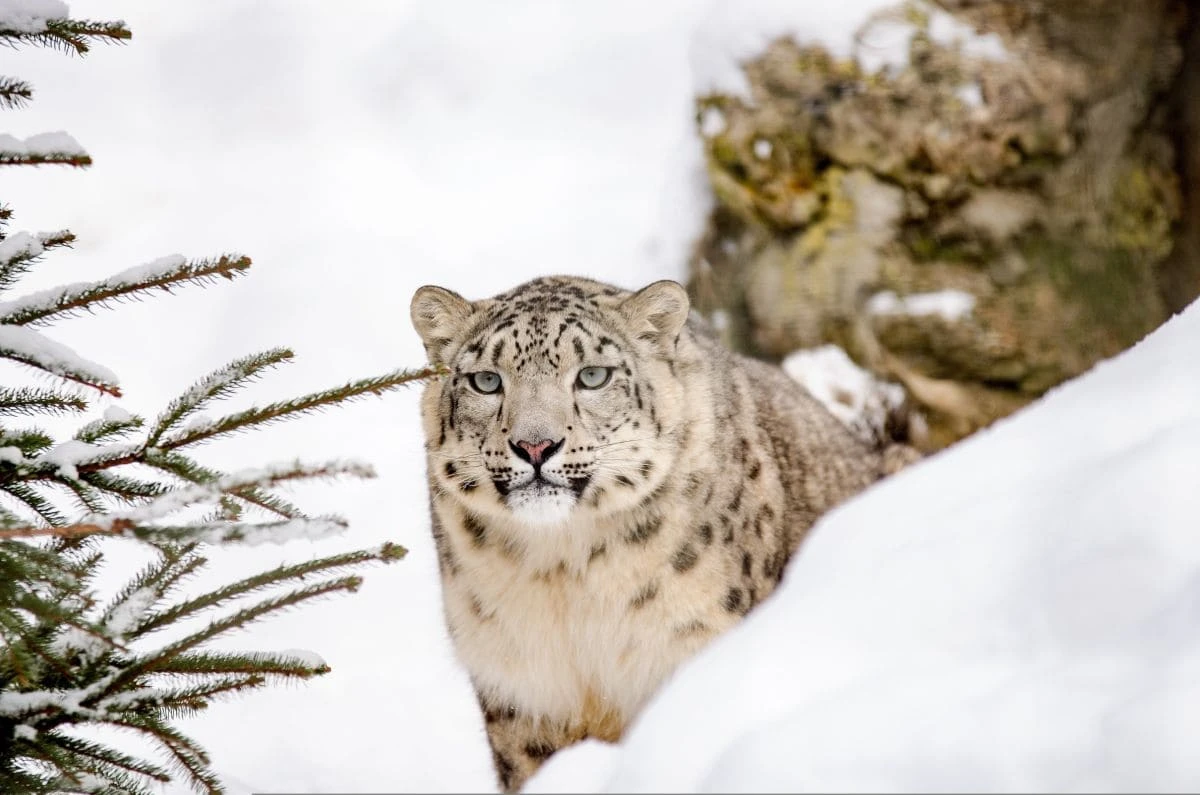
The trail ascends through dense forests filled with rhododendron, bamboo, and oak trees. This region is known for wildlife sightings, including red pandas if you’re lucky. As you gain altitude, the landscape becomes cooler and more alpine. You reach Gyabla, a peaceful village surrounded by forest.
Today’s trek is one of the most beautiful sections. You walk through forests, cross rivers, and pass mani walls and chortens, reflecting Tibetan Buddhist culture. As you approach Ghunsa, the scenery opens up with stunning mountain views. Ghunsa is a large Sherpa village and an important acclimatization stop.
To adjust to the increasing altitude, you spend a rest day in Ghunsa. You can explore the village, visit monasteries, or take a short hike to nearby viewpoints. Proper acclimatization is crucial before heading to higher elevations.
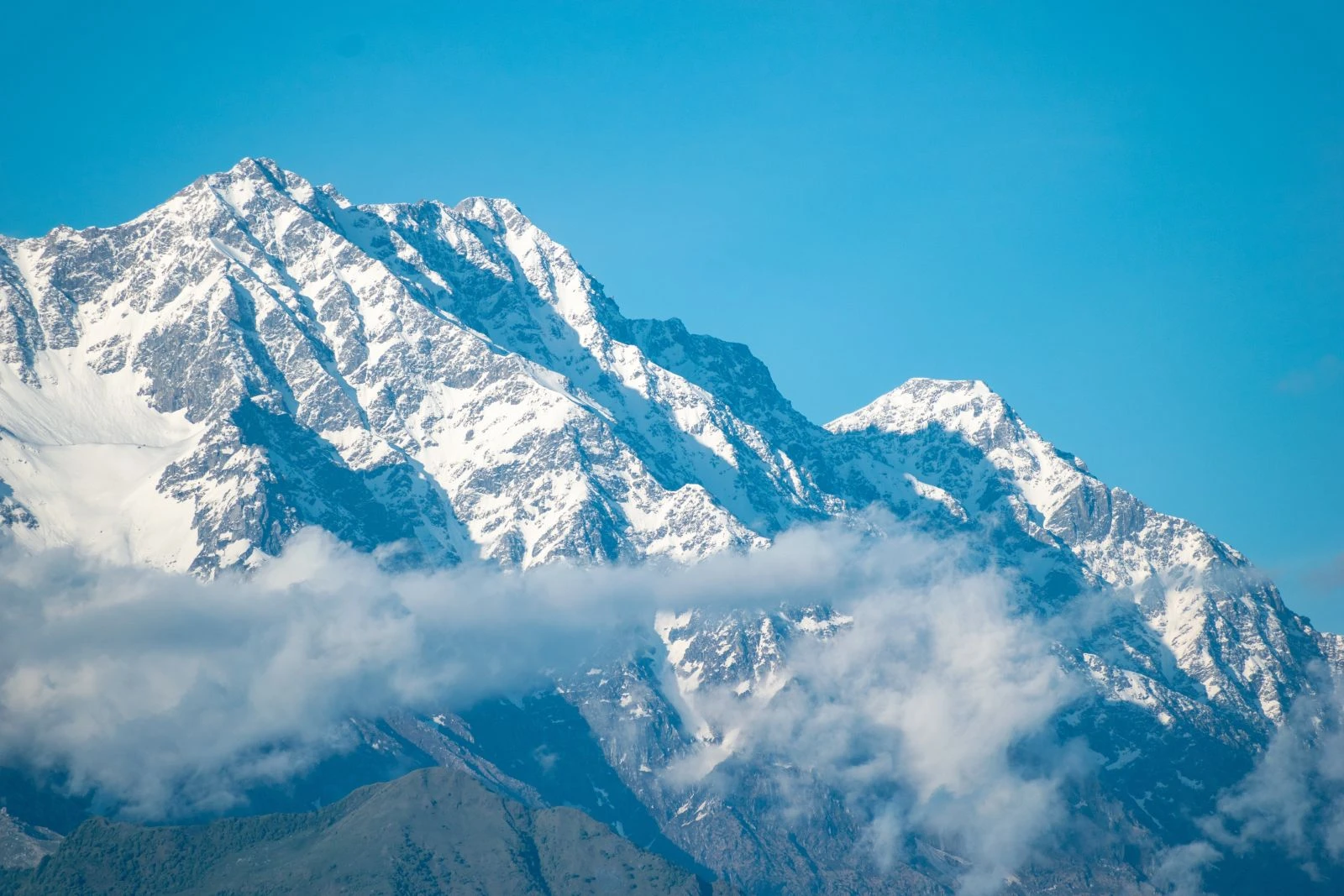
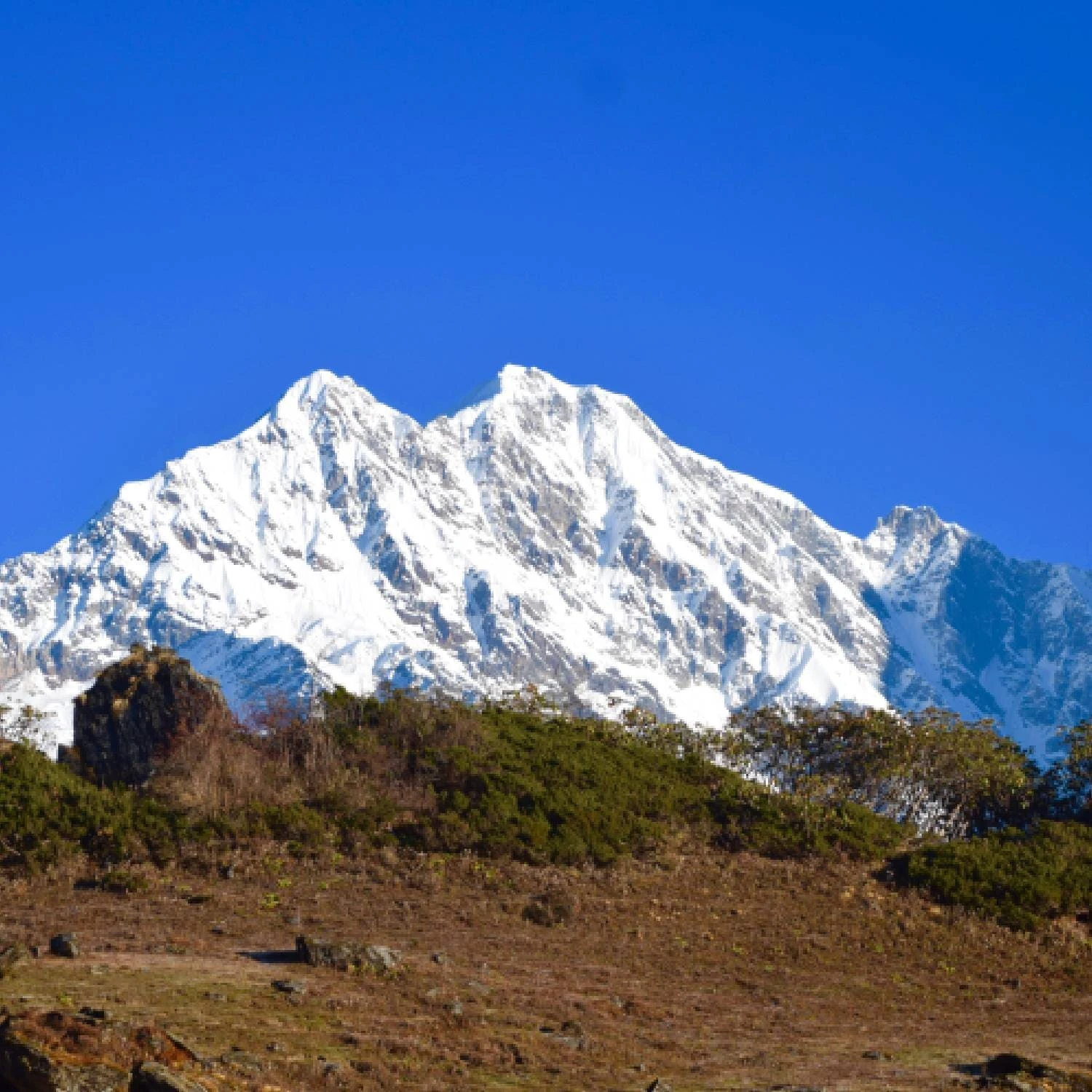
You continue north along a glacial valley with incredible mountain views. The trail passes through alpine meadows and rocky terrain. You’ll see towering peaks, including Mount Kanchenjunga, becoming more prominent as you gain altitude.
The landscape becomes more rugged and barren as you approach higher elevations. You walk along moraines and glacial rivers with panoramic Himalayan views. The air gets thinner, and the environment feels truly remote as you reach Lhonak.
This is one of the highlight days of the trek. You hike to Pangpema, the North Base Camp of Mount Kanchenjunga. The views of the massive हिमालय range and glaciers are breathtaking. After spending time at the base camp, you return to Lhonak.
You descend back through Kambachen to Ghunsa. The return journey feels easier as you lose altitude, and you can enjoy the landscapes from a different perspective.
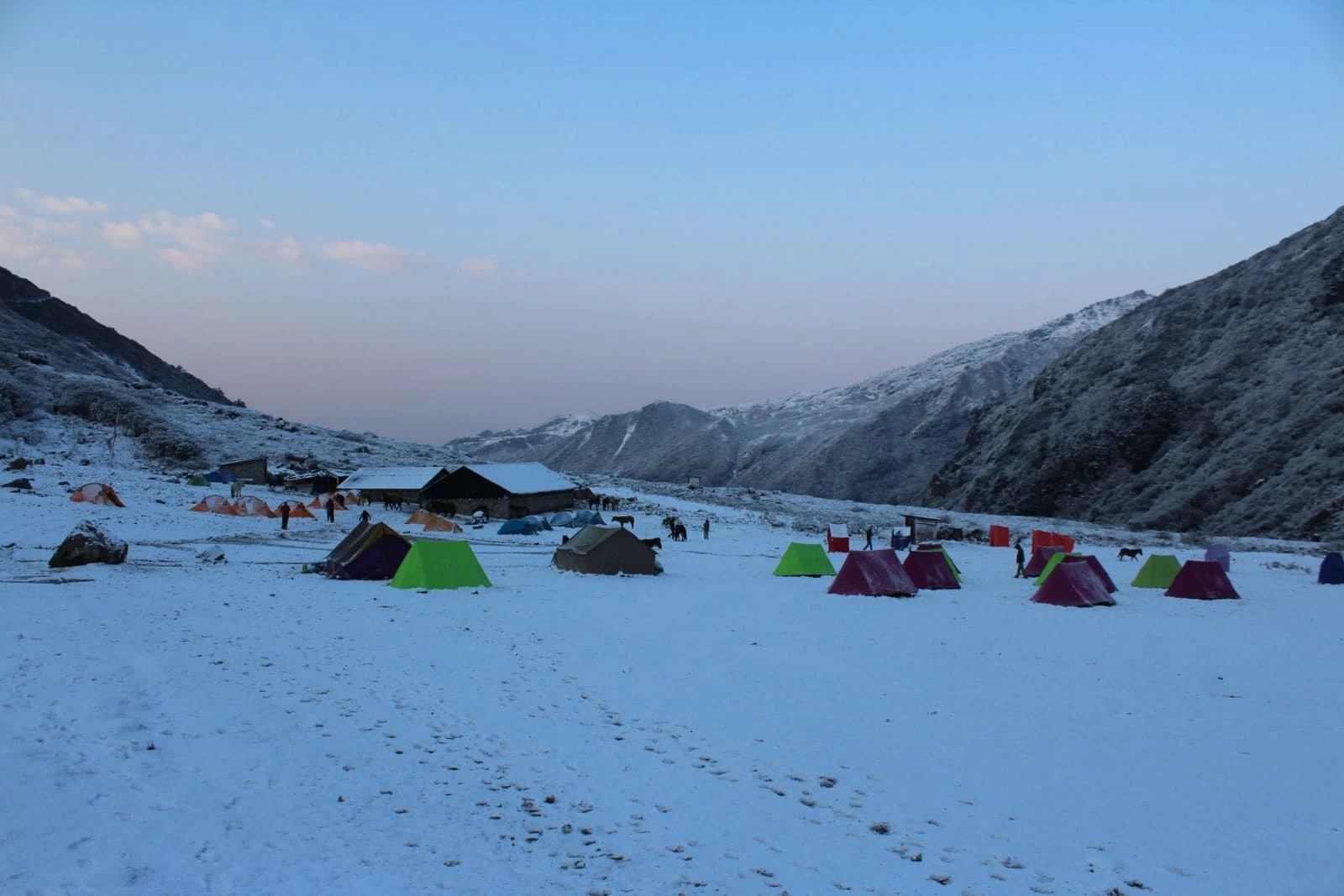
You take a different route toward the southern side of the circuit. The trail climbs steeply through forests and alpine terrain. You reach Sele La Camp, a remote high-altitude campsite.
This is one of the most challenging days. You cross high passes like Sele La, Mirgin La, and Sinion La, each offering spectacular mountain views. After crossing these passes, you descend to Cheram.
The trail gradually ascends along a river valley with stunning views of peaks and glaciers. You reach Ramche, a high-altitude settlement near the South Base Camp.
You hike to Oktang, the South Base Camp of Mount Kanchenjunga. The panoramic views of Kanchenjunga and the surrounding peaks are incredible. After exploring, you return to Cheram.
You descend through rhododendron forests and alpine landscapes. The trail becomes greener as you lose altitude, and the air feels warmer.
The trail continues through forests, rivers, and traditional villages. You experience a mix of cultural and natural beauty as you reach Yamphudin.
You take a long drive from the Yamphudin/Taplejung region to Bhadrapur and then fly back to Kathmandu. Upon arrival, you can relax or celebrate the successful completion of your incredible Kanchenjunga Circuit Trek.
Altitude Graph
Yes, the Kanchenjunga Circuit Trek is considered challenging to strenuous. It involves long trekking days, remote trails, and high altitudes reaching up to 5,143 meters at Pangpema. Unlike popular routes, facilities are basic, so you need good physical fitness and prior trekking experience.
You will need 20 to 26 days to complete the full Kanchenjunga circuit. This duration includes proper acclimatization, travel time from Kathmandu, and visits to both North and South Base Camps.
Yes, you need special permits because it is a restricted area. You must have a Kanchenjunga Conservation Area Permit (KCAP) and a Restricted Area Permit (RAP). Solo trekking is not allowed—you must trek with a licensed guide and at least one other person.
The best time to do the Kanchenjunga circuit trek is during spring (March to May) and autumn (September to November). These seasons offer clear mountain views, stable weather, and the best trekking conditions around Mount Kanchenjunga.
The highest point on the Kanchenjunga circuit trek is Pangpema (North Base Camp) at 5,143 meters. It offers the closest and most spectacular views of Mount Kanchenjunga.
This Kanchenjunga circuit trek is not recommended for beginners. Due to its remoteness, high altitude, and long duration, it is better suited for experienced trekkers who have already completed multi-day Himalayan treks.
Yes, there is Internet access on the Kanchenjunga trek, but it is very limited and unreliable. Some lower villages may offer basic Wi-Fi, but as you go higher, connectivity becomes almost non-existent. It’s best to prepare for a complete digital detox.
Accommodation is mainly in basic teahouses. Rooms are simple, usually twin-sharing, with shared bathrooms. Facilities become more limited as you go higher into remote areas.
You’ll find simple but nutritious meals like dal bhat, noodles, soups, potatoes, Tibetan bread, and momos. Food options become limited at higher altitudes, but meals are filling and designed for trekkers.
Yes, travel insurance is mandatory. It should cover high-altitude trekking (above 5,000 meters) and emergency helicopter evacuation, especially in remote areas like the Kanchenjunga region.
The Kanchenjunga circuit cost generally ranges from USD 1,800 to USD 3,500 per person, depending on services, group size, and itinerary. The price includes permits, guide, accommodation, meals, and transportation from Kathmandu.
No, this is one of the least crowded treks in Nepal. If you want solitude and untouched nature, this trek around Mount Kanchenjunga is perfect.
You typically fly from Kathmandu to Bhadrapur and then take a long drive to Taplejung, where the trek begins.
Its remoteness, untouched trails, diverse landscapes, and authentic culture make it unique. Trekking around Mount Kanchenjunga offers a rare opportunity to experience the Himalayas in their purest form.
 Nepal
Nepal
 21
21  Sept - Nov & March - May