Destination
Nepal
Duration
18
Destination
Nepal
Duration
18
Trip Difficulty
Moderate
Accommodation
4 Star hotel and Tea House
Meals
B,L, & D
Max. Elevation
5106
Group Size
15
Best Time
Sept - Nov & March - May
Since the Manaslu Circuit passes through a restricted region, special permits are required, helping to conserve the pristine environment and safeguard local cultures. This journey perfectly combines adventure, cultural immersion, and stunning Himalayan landscapes, making it a once-in-a-lifetime trekking experience. For thrill-seekers looking to go beyond trekking, the Manaslu Expedition offers an incredible opportunity to summit one of the world’s highest peaks.
Your adventure begins with your arrival in Kathmandu, Nepal’s vibrant capital. After landing at Tribhuvan International Airport, you will be welcomed by your trekking team. This day is dedicated to rest, permit arrangements, and preparation. Your guide will review the trek details, provide a packing checklist, and brief you on restricted area rules for the Manaslu region. The evening is ideal for exploring Thamel, enjoying local cuisine, and soaking in the unique Kathmandu valley atmosphere.
After breakfast, you embark on a scenic drive from Kathmandu to Soti Khola, passing through beautiful landscapes, terraced fields, and rivers. This is the starting point of your trek. Soti Khola, a small riverside village, offers your first taste of rural Nepalese life, surrounded by lush greenery and the distant Himalayas. The trail along the Budhi Gandaki River sets the tone for the adventure ahead.
From Soti Khola, the trail gently ascends through forests and farmland, crossing suspension bridges over clear mountain streams. You’ll pass small villages and enjoy views of terraced fields carved into the hillsides. Machha Khola, meaning “Fish River,” is a peaceful village ideal for your first night on the trail, offering teahouse accommodation and home-cooked Nepali meals.
The trek continues along the Budhi Gandaki River, through lush forests and traditional villages. Jagat marks the entry point to the Manaslu Restricted Area, requiring a check of your permits. The village offers basic teahouses and is your introduction to the remote Himalayan culture, with stone houses and local markets.
From Jagat, the trail climbs steadily through bamboo forests, rivers, and terraced fields, crossing suspension bridges and small streams. You pass through Chhekampar village before reaching Deng, a larger settlement with a mix of Tibetan-influenced and local Nepali culture. Deng is an important acclimatization point before higher altitudes, with warm teahouses and stunning views of the surrounding hills.
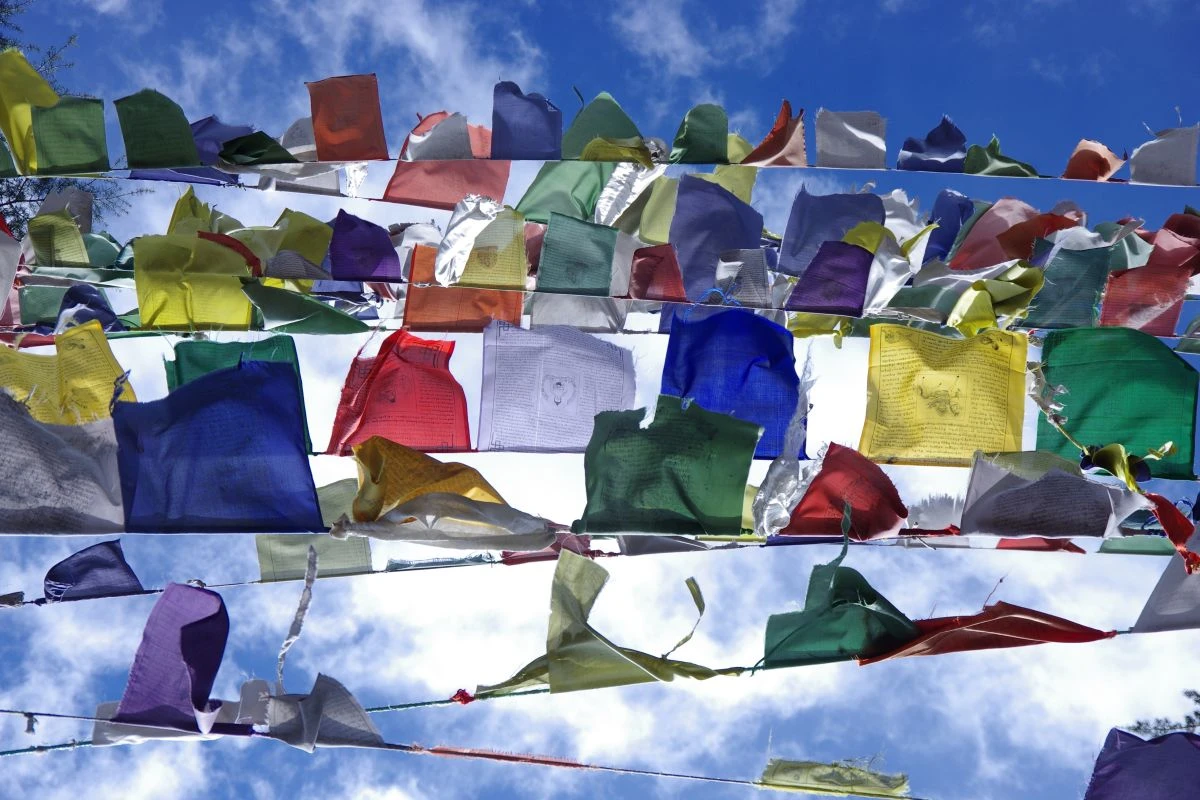
Leaving Deng, you trek higher into the alpine landscape, with rhododendron forests giving way to barren slopes. Namrung is a picturesque village dominated by traditional stone houses and Buddhist monasteries. Here, you experience daily life of the Nubri people, with prayer flags fluttering in the wind and locals welcoming trekkers with their unique hospitality.
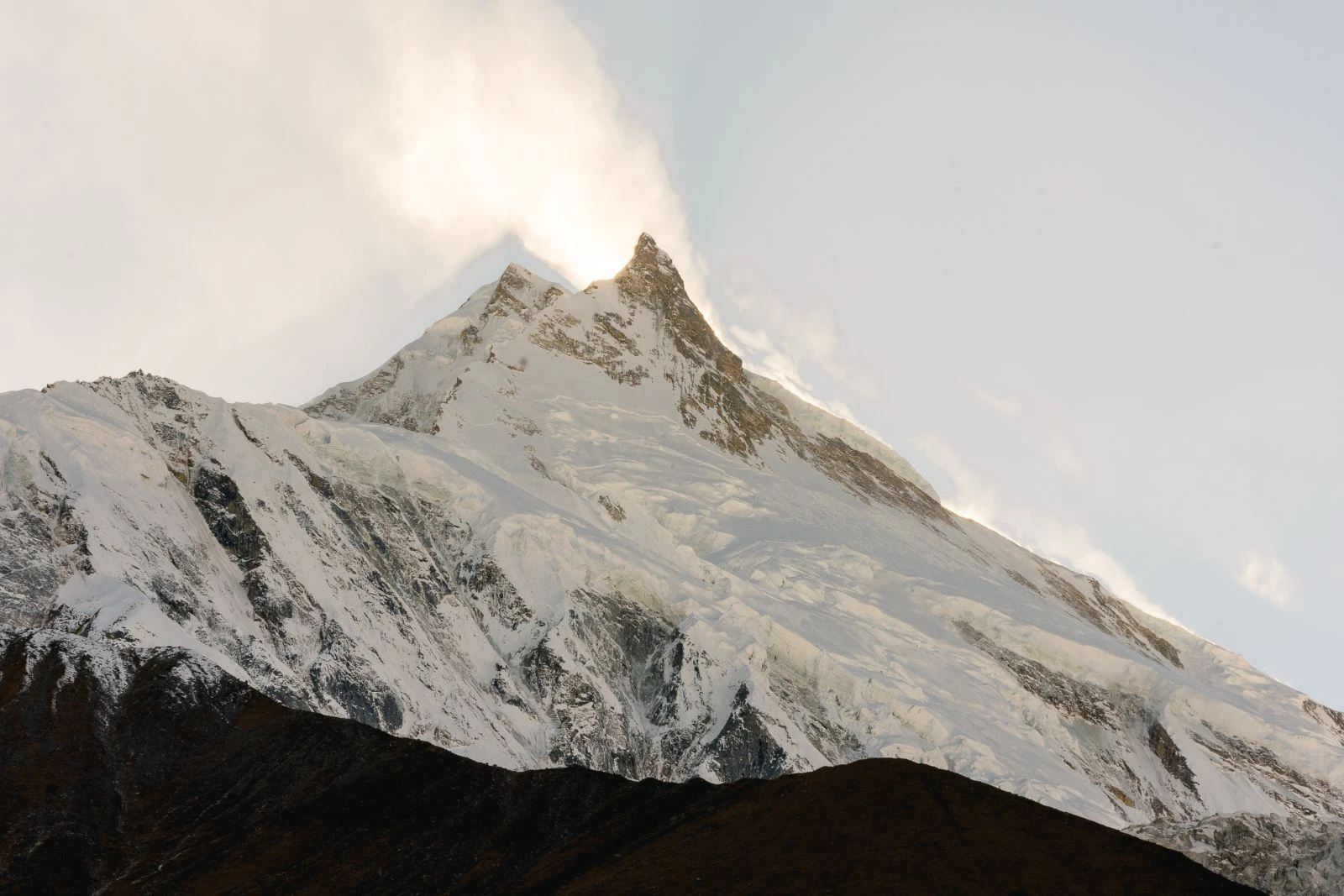
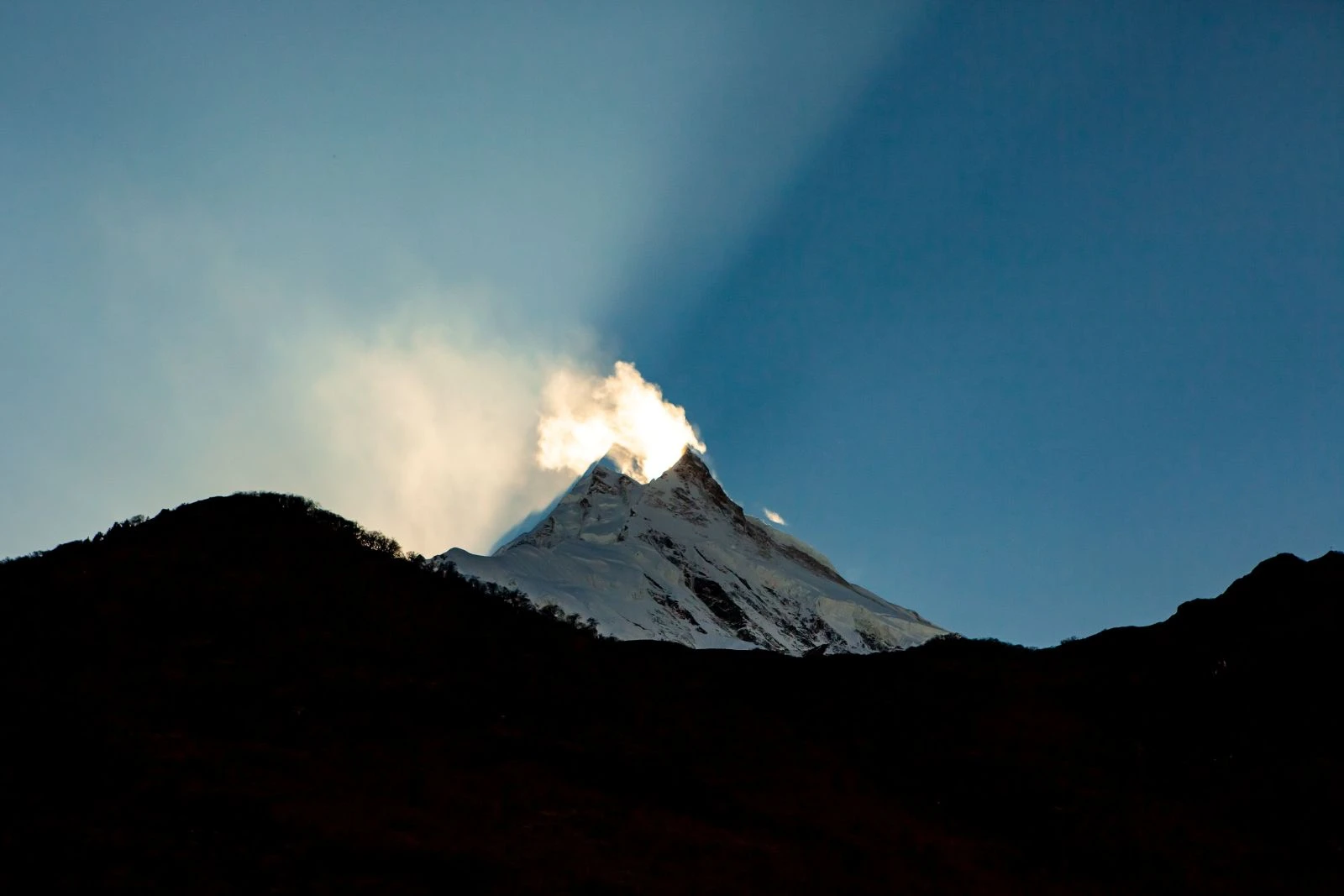
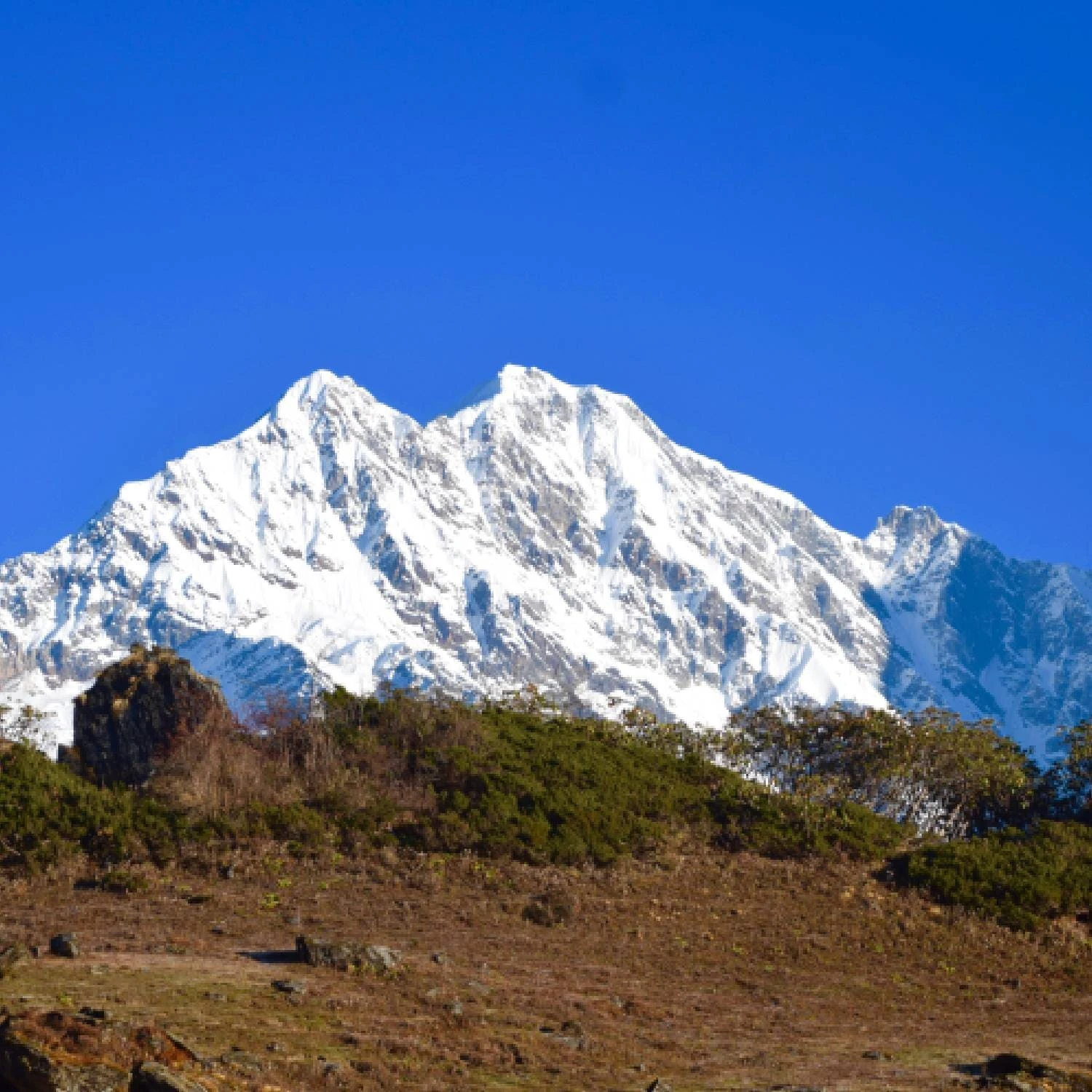
The trail continues to Samagaun, the main gateway to the Manaslu base region. Along the way, you will notice the terrain becoming more rugged and the air thinner. Samagaun is a culturally rich village where you can visit monasteries, mani walls, and chortens. The village offers views of Manaslu, Himalchuli, and Ngadi Chuli, creating a perfect backdrop for photography and acclimatization.
An acclimatization day is crucial at this altitude. You can take a short trek to Pungyen Gompa or nearby ridges, enjoying panoramic views of the Manaslu range. This day allows your body to adjust to high altitude while immersing yourself in the culture of the Nubri community, observing their unique customs, prayer ceremonies, and local lifestyle.
From Samagaun, the trail gradually ascends into the high Himalayas, leading to Samdo. The landscape becomes increasingly alpine, with sparse vegetation and dramatic mountain views. Samdo is a remote Tibetan-influenced settlement, offering teahouses and a small monastery. This village serves as the final stop before crossing the Larkya La Pass, allowing trekkers to rest and acclimatize further.
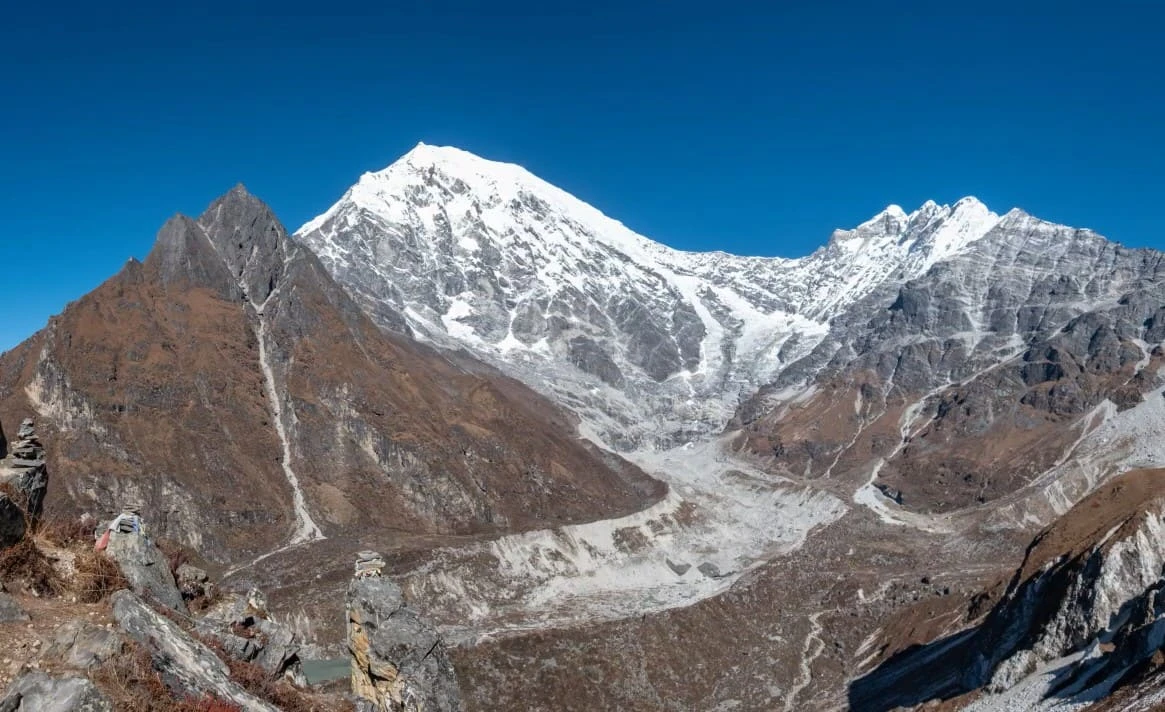
The trek from Samdo to Dharmasala, also called Larkya Phedi, takes you higher into alpine terrain. You pass moraines, frozen streams, and snow-covered slopes as you approach the base of the pass. Dharmasala is a temporary campsite-style settlement with teahouses for trekkers preparing for the high-altitude crossing. The views of Manaslu and the surrounding peaks are spectacular, and this is your last night before the challenging pass.
This is the highlight of the trek. You start early, trekking to Larkya La Pass at 5,160 meters. The climb is steep and requires determination, but reaching the summit rewards you with panoramic views of the Manaslu range, Himlung Himal, and Ganesh Himal. After crossing the pass, the trail descends toward Bimtang, a charming village in the Marsyangdi valley region, where you can rest and celebrate the accomplishment of crossing one of the most scenic passes in Nepal.
Descending from Bimtang, the trail passes through rhododendron forests, terraced fields, and rivers, gradually returning to lower altitudes. Tilje is a peaceful village with teahouses and a chance to observe local agriculture and village life after weeks in remote high-altitude settlements.
The trek continues along gentle trails leading to Dharapani, crossing streams and small settlements along the way. You are now back in the lower Himalayan region, where the vegetation is lush and the villages are more populated. Dharapani offers comfortable lodges and a welcoming environment for trekkers after days of high-altitude trekking.
From Dharapani, you descend further along the Budhi Gandaki River, passing through terraced fields and traditional villages until reaching Jagat. This marks the completion of the Manaslu Circuit loop. You can reflect on your journey through remote mountain villages, high passes, and culturally rich settlements while preparing for the return journey.
The trek ends as you continue descending to Arughat, where the road connects back to Kathmandu. Along the way, enjoy the lush forests, rivers, and local communities, saying farewell to the serene landscapes that define the Manaslu region.
You take a scenic drive from Arughat back to Kathmandu, crossing hills, rivers, and valleys along the route. Upon arrival, you can enjoy the comforts of the city, revisit cultural landmarks, or simply relax after an intense trekking adventure.
This day is reserved for rest, sightseeing, or shopping in Kathmandu. You can visit Pashupatinath Temple, Boudhanath Stupa, or Patan Durbar Square, experiencing Nepalese culture in the urban setting. It’s also a good opportunity to organize photos, share your trekking experiences, and enjoy local cuisine one last time.
On the final day, you will be transferred to Tribhuvan International Airport for your departure. Your 18-day journey through the Manaslu Circuit Trek concludes, leaving you with unforgettable memories of mountains, culture, and remote Himalayan adventures.
Altitude Graph
You should do the Manaslu Circuit Trek because Manaslu is one of the hidden trekking trails in Nepal, offering a chance to explore pristine Himalayan landscapes, high mountain passes, and remote villages away from crowded tourist routes. The trek combines adventure, culture, and stunning views of peaks like Manaslu, Himalchuli, and Ngadi Chuli, making it a once-in-a-lifetime experience for every trekker.
The Manaslu Circuit Trek is ideal for trekkers with moderate to good fitness levels who are comfortable with multi-day high-altitude trekking. It is suitable for both experienced trekkers and adventurous beginners who are willing to prepare physically, acclimatize properly, and travel in groups of at least two, as required by the restricted area regulations.
Yes, you need special permits because the Manaslu region is a restricted area in Nepal. You must obtain the Restricted Area Permit (RAP), Manaslu Conservation Area Permit (MCAP), and Annapurna Conservation Area Permit (ACAP) to legally enter the trail. These permits help preserve the fragile ecosystem and local culture of the region.
The best time to trek the Manaslu Circuit is during autumn (September to November) and spring (March to May). During these seasons, the weather is stable, the skies are clear, and the mountain views are spectacular. Snowfall in winter can make high passes like Larkya La challenging, while monsoon rains from June to August make trails slippery and risky.
The trek is moderate to challenging, mainly due to the high altitude and long trekking days. The crossing of Larkya La Pass (5,160 m) is the toughest part, requiring stamina and acclimatization. While the trek is demanding, proper physical preparation, trekking in groups, and rest days make it achievable for most healthy adventurers.
You will experience remote Tibetan-influenced villages such as Samagaun, Samdo, and Namrung, where locals practice Buddhist traditions, maintain monasteries, and celebrate festivals. The Nubri community welcomes trekkers warmly, offering a glimpse into traditional lifestyles, prayer ceremonies, and stone architecture that is unique to this high Himalayan region.
You should carry warm clothing, trekking boots, a sleeping bag, trekking poles, and layered outfits for variable temperatures. Other essentials include personal toiletries, sunscreen, a water bottle, and a basic first-aid kit. Most teahouses provide meals and hot drinks, but it’s good to have personal snacks for energy on long trekking days.
Independent trekking is possible, but it is highly recommended to hire a licensed guide and/or porter. Guides help with navigation, cultural understanding, and permit compliance, while porters make the trek more comfortable by carrying your luggage. The trek is in a restricted area, so traveling in at least two people or in a group is mandatory.
The complete Manaslu Circuit Trek typically takes 14–18 days, including arrival in Kathmandu, acclimatization days, trekking through villages, crossing Larkya La Pass, and returning to the capital. The duration depends on your pace, rest days, and the chosen itinerary.
A standard package usually includes RAP, MCAP, ACAP permits, a licensed guide, porter service, accommodation in teahouses, three meals per day, hot drinks, maps, WiFi where available, and emergency support. Items like international flights, travel insurance, personal gear, tips, and extra Kathmandu accommodation are generally excluded.
 Nepal
Nepal
 21
21  Sept - Nov & March - May