Destination
Nepal
Duration
19
Destination
Nepal
Duration
19
Trip Difficulty
Moderate
Accommodation
4 Star/ Star Hotel, Tent and Tea House
Meals
B ,L, & D
Max. Elevation
6249
Group Size
5
Best Time
Sept - Nov & March - May
Welcome to Kathmandu, the vibrant gateway to the Himalayas. Upon arrival, our team greets you at the airport and transfers you to your hotel. You can relax after your journey or explore the lively streets of Thamel. In the evening, we brief you about the expedition, check your gear, and prepare for the adventure ahead.
Your journey begins with a scenic drive from Kathmandu to Soti Khola. The road winds through hills, rivers, and terraced farmland, offering your first glimpse of rural Nepal. As you leave the city behind, the landscape becomes more rugged and remote, setting the tone for the trek.
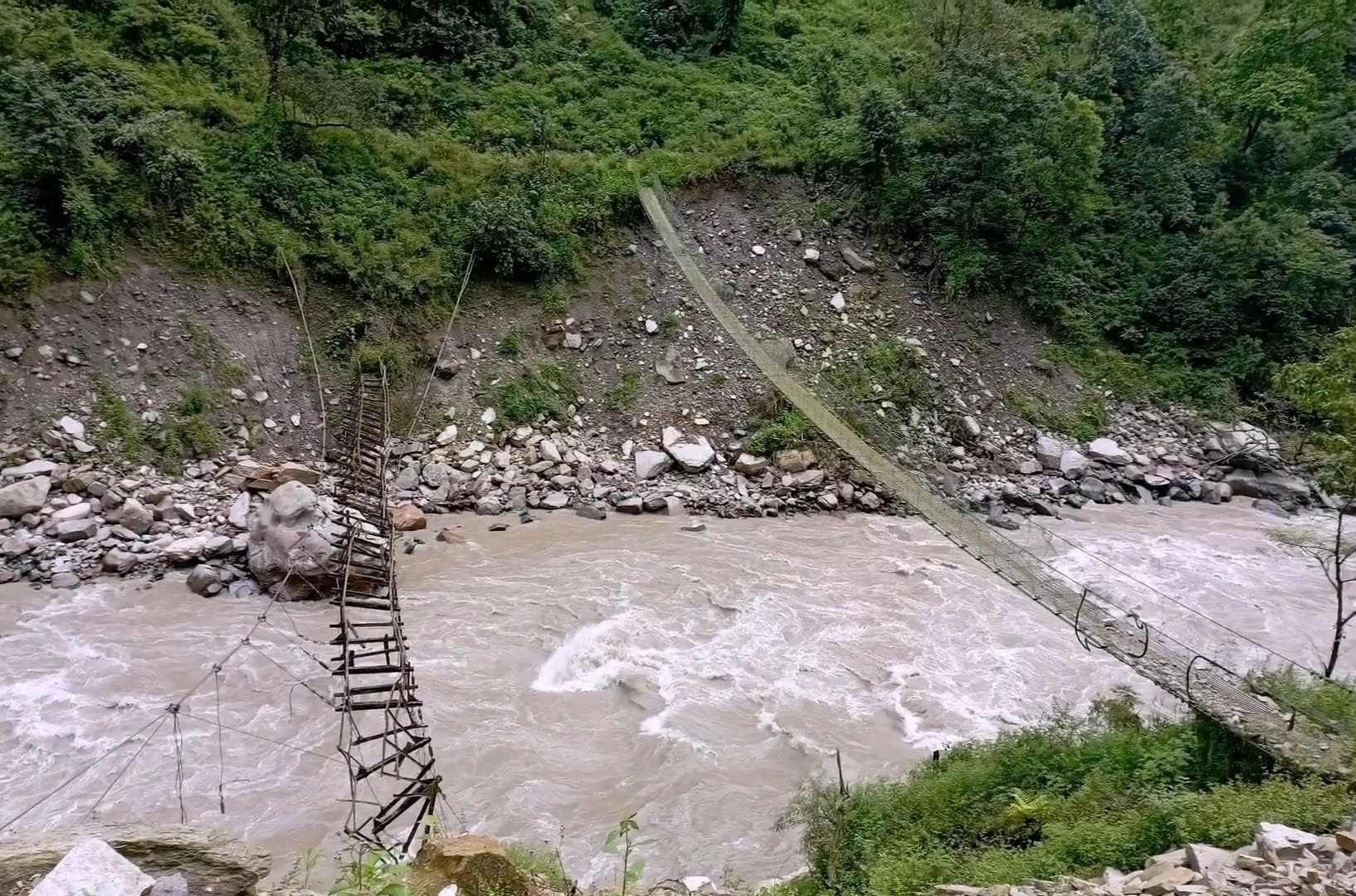
Today, you officially begin trekking along the Budhi Gandaki River. The trail passes through forests, small settlements, and suspension bridges. You experience a mix of gentle climbs and descents while enjoying the sound of the river flowing beside you.
The trail becomes more dramatic as you cross narrow paths, waterfalls, and traditional villages. You enter the restricted Manaslu Region at Jagat, where permits are checked. The cultural shift begins here, with stronger Tibetan influences visible in architecture and lifestyle.
You continue through beautiful villages like Philim and Ekle Bhatti, surrounded by terraced fields and forests. The trail gradually climbs higher, and you begin to feel the change in altitude. The scenery becomes more alpine as you approach Deng.
Today’s trek takes you deeper into the Himalayan wilderness. You cross several suspension bridges and walk through dense forests before reaching Namrung. From here, you start seeing stunning views of snow-capped peaks, including glimpses of Mount Manaslu.
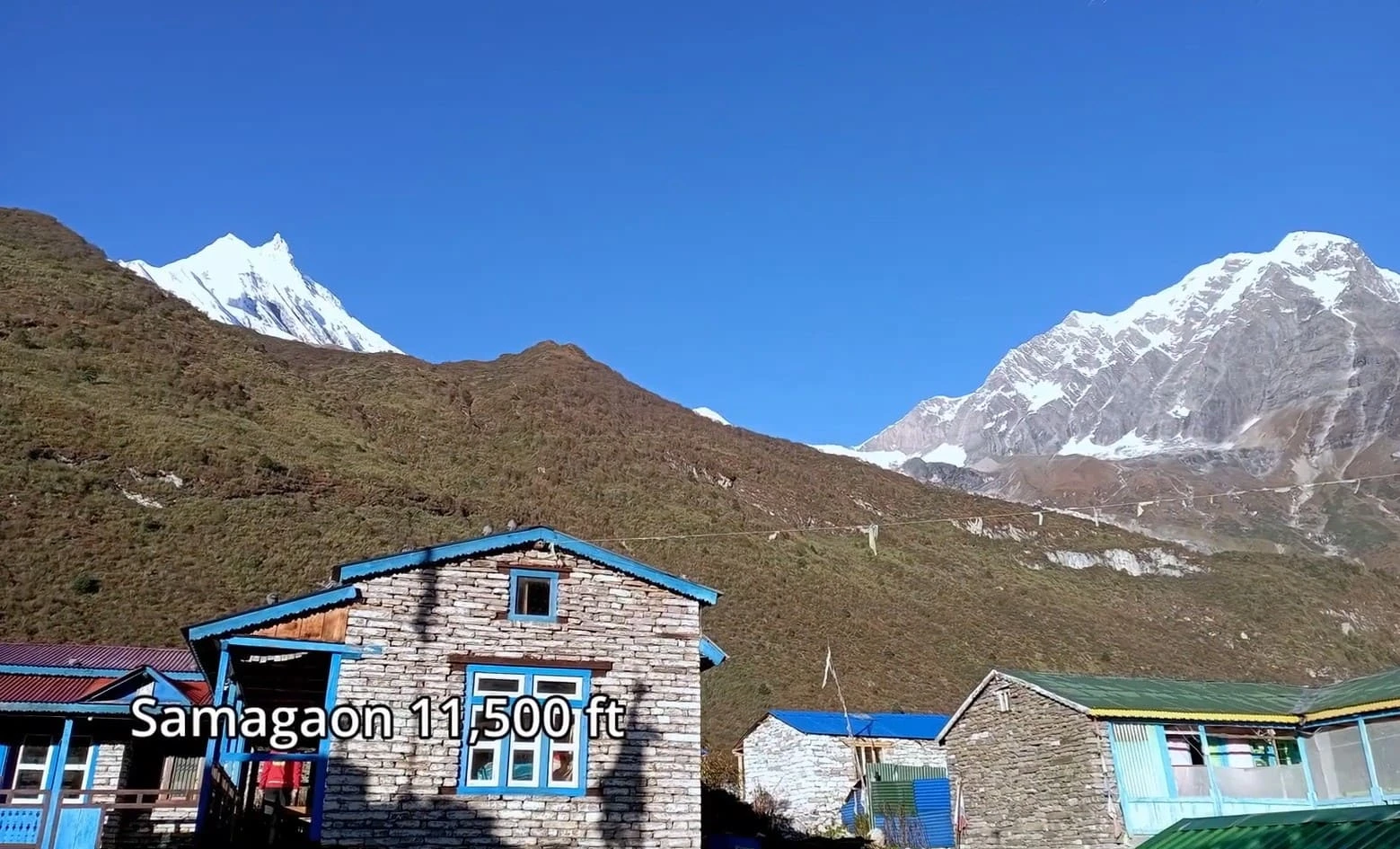
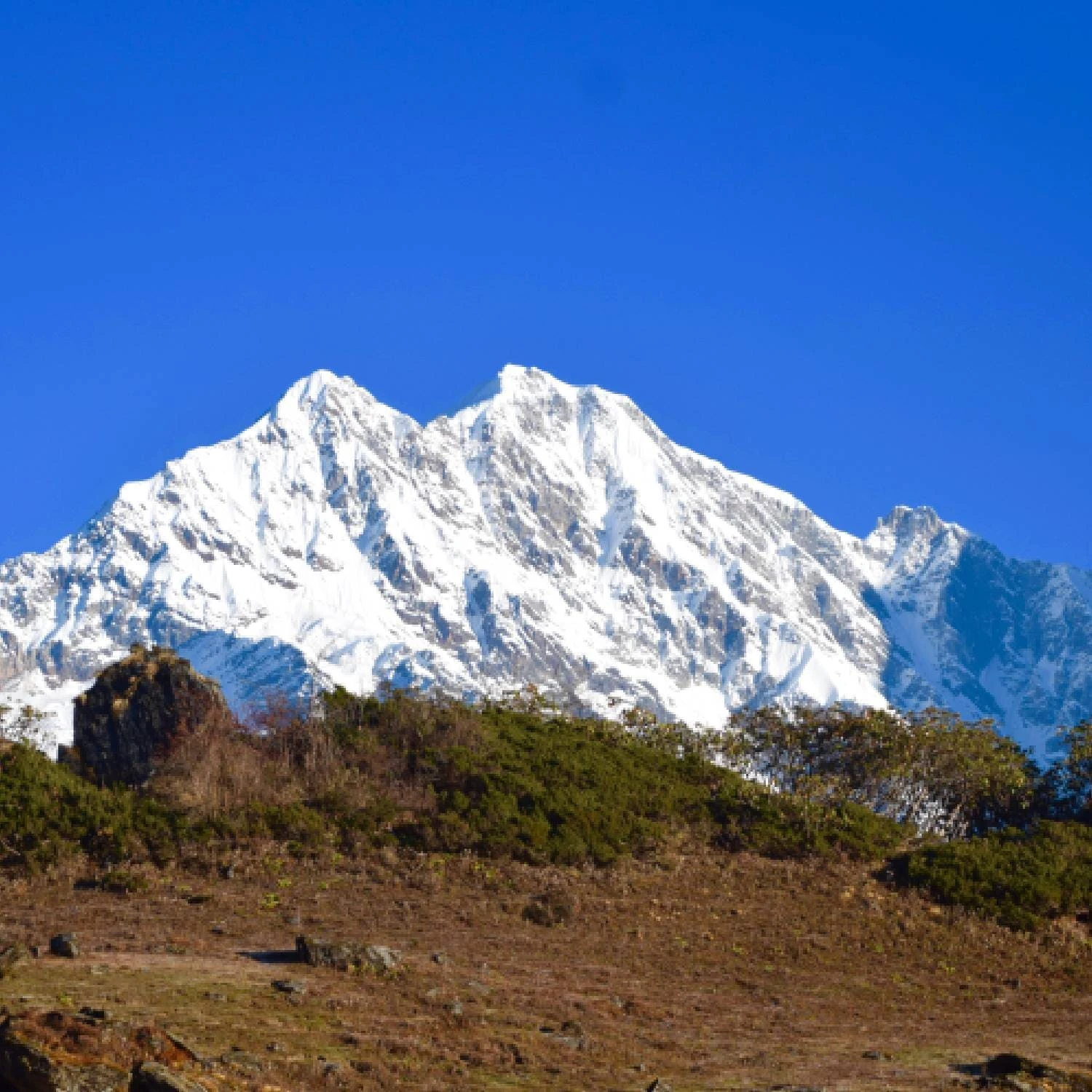
This is one of the most scenic days of the trek. You pass through traditional villages like Lho and Shyala, with incredible mountain views all around. As you arrive in Samagaun, you find yourself at the foot of Mount Manaslu, surrounded by dramatic alpine landscapes.
To help your body adjust to the altitude, you take a day hike to Manaslu Base Camp. The trail offers breathtaking glacier views and a closer look at the towering peaks. This is a challenging but rewarding acclimatization hike that prepares you for higher elevations.
A shorter trekking day allows for gradual acclimatization. You walk through open landscapes with fewer trees and more rugged terrain. Samdo is a small Tibetan-influenced village close to the border, offering a unique cultural experience.
Today, you rest and explore the surrounding area. You can take short hikes to viewpoints or simply relax and enjoy the peaceful mountain environment. Proper acclimatization here is key for a successful climb.
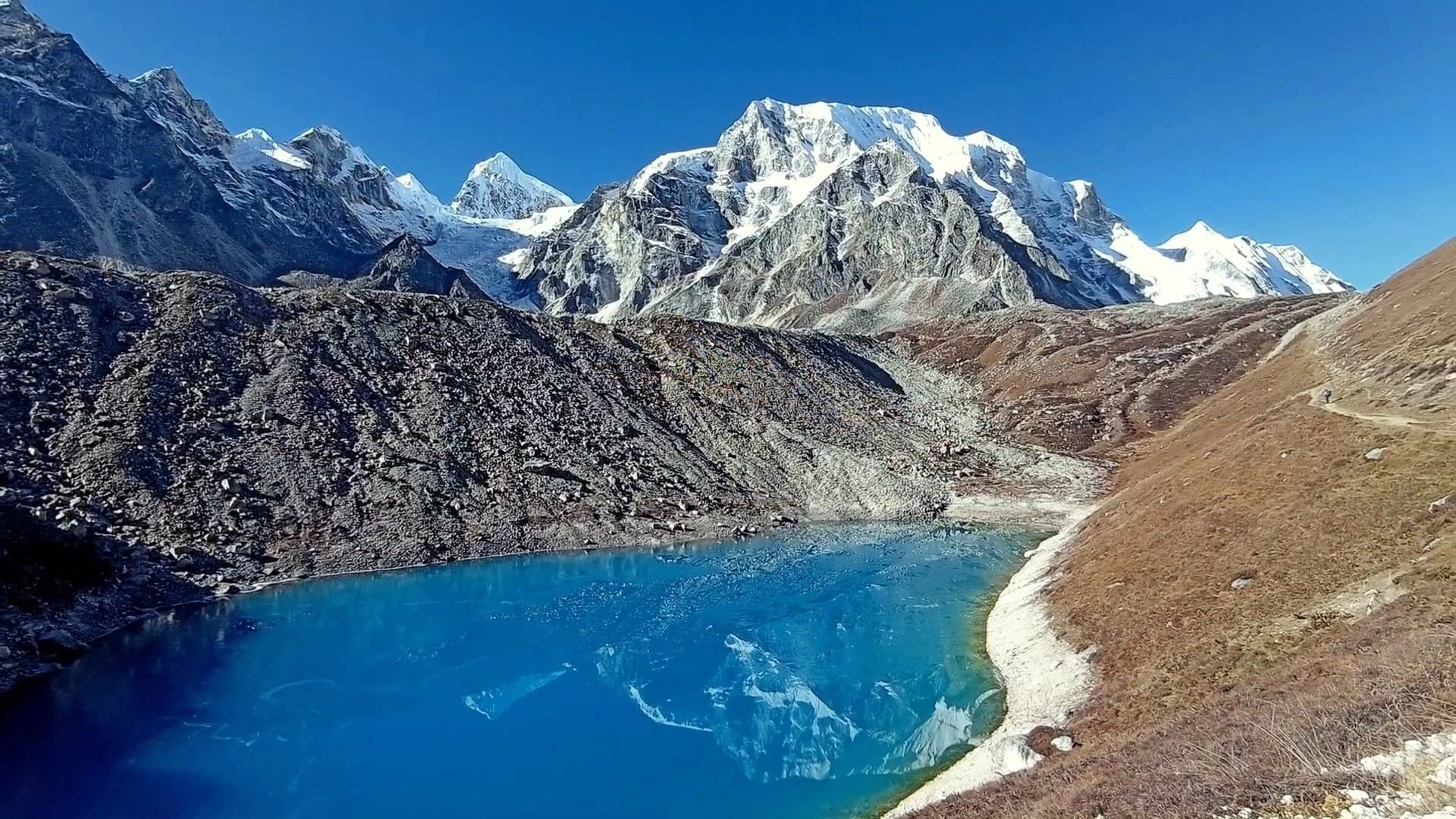
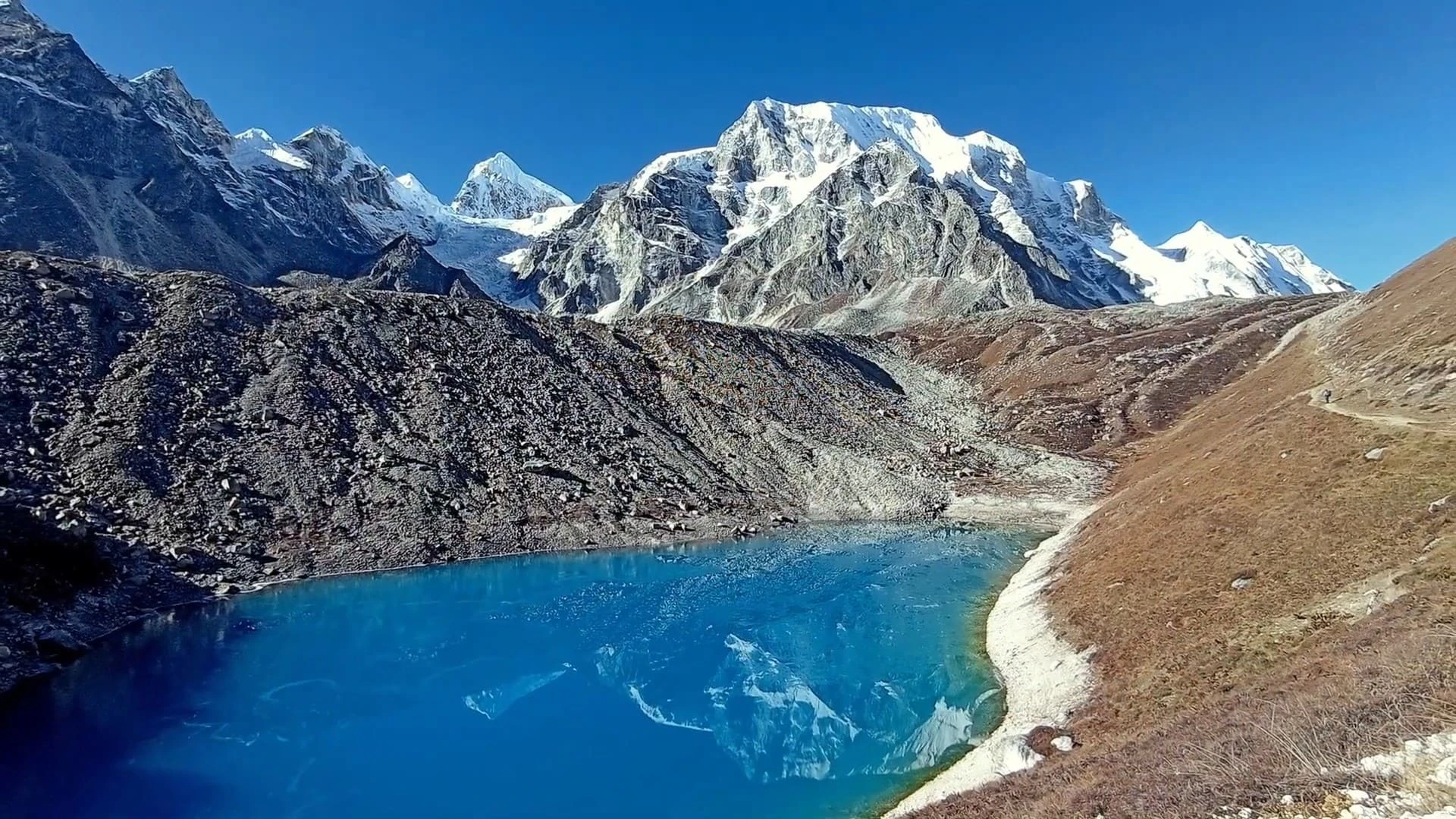
You gradually ascend toward Dharamsala, also known as Larke Phedi, the base for crossing Larkya La Pass. The terrain becomes more rugged and exposed, with stunning views of glaciers and surrounding peaks.
Today, you leave the main trekking trail and head toward Larke Peak Base Camp. The route involves glacier walking and rocky terrain, marking the beginning of your climbing journey. You set up camp and prepare for the summit push.
These days are dedicated to climbing training and summit attempts. Your guides provide instruction on using ropes, crampons, and ice axes. Depending on weather conditions, you make your summit push and enjoy incredible Himalayan views from the top.
This extra day ensures flexibility in case of bad weather or delays during the climb. It increases your chances of a successful and safe summit.
After completing your climb, you descend toward Bimtang. The trail offers stunning views and a sense of accomplishment as you leave the high alpine zone behind.
You continue descending through forests and villages, rejoining greener landscapes. The air becomes thicker, and the journey feels more relaxed as you approach Dharapani.
You drive back to Kathmandu, enjoying the final views of the hills and rivers. In the evening, you can celebrate your successful adventure.
Your incredible Larke Peak climbing journey comes to an end. We transfer you to the airport for your departure, leaving you with unforgettable memories of the Himalayas.
Altitude Graph
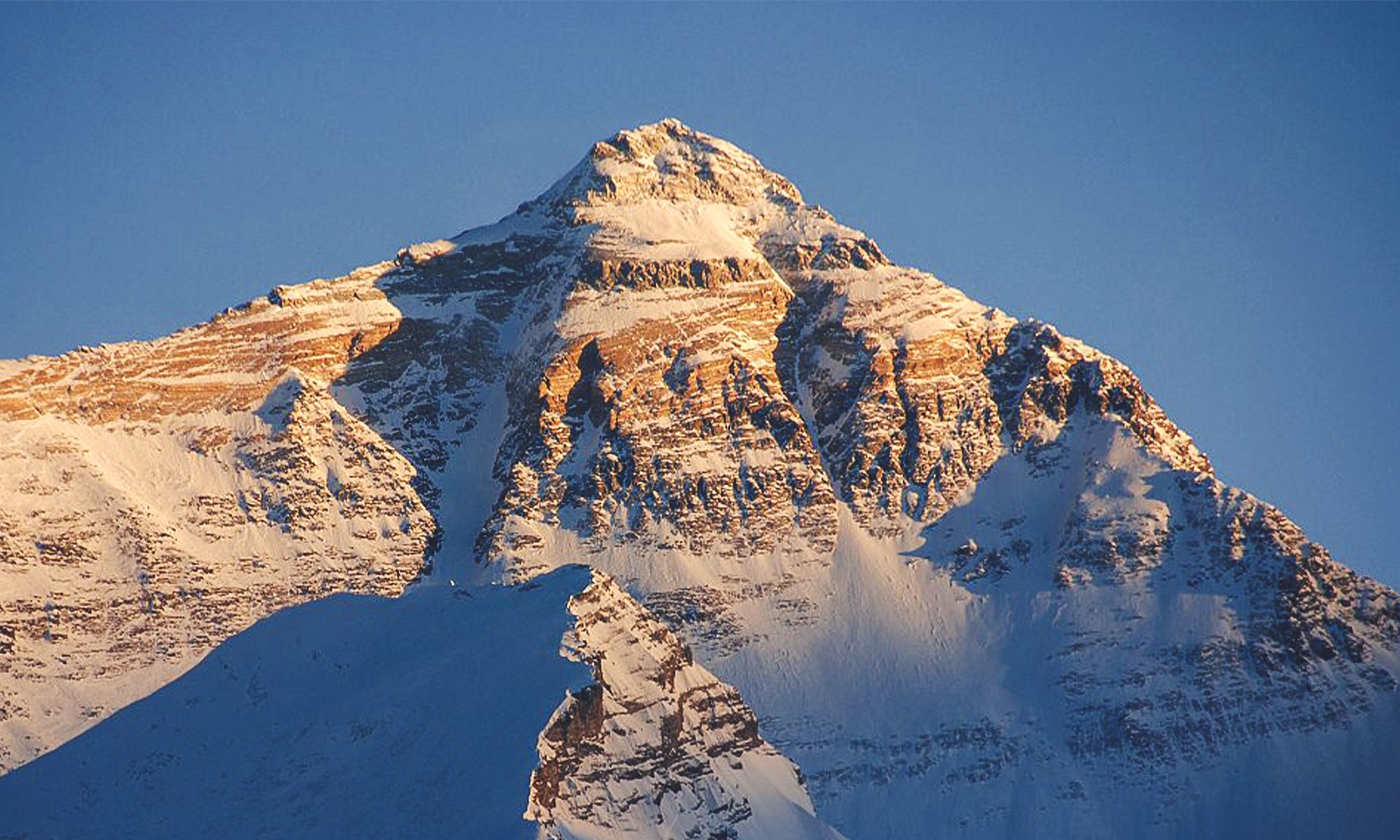
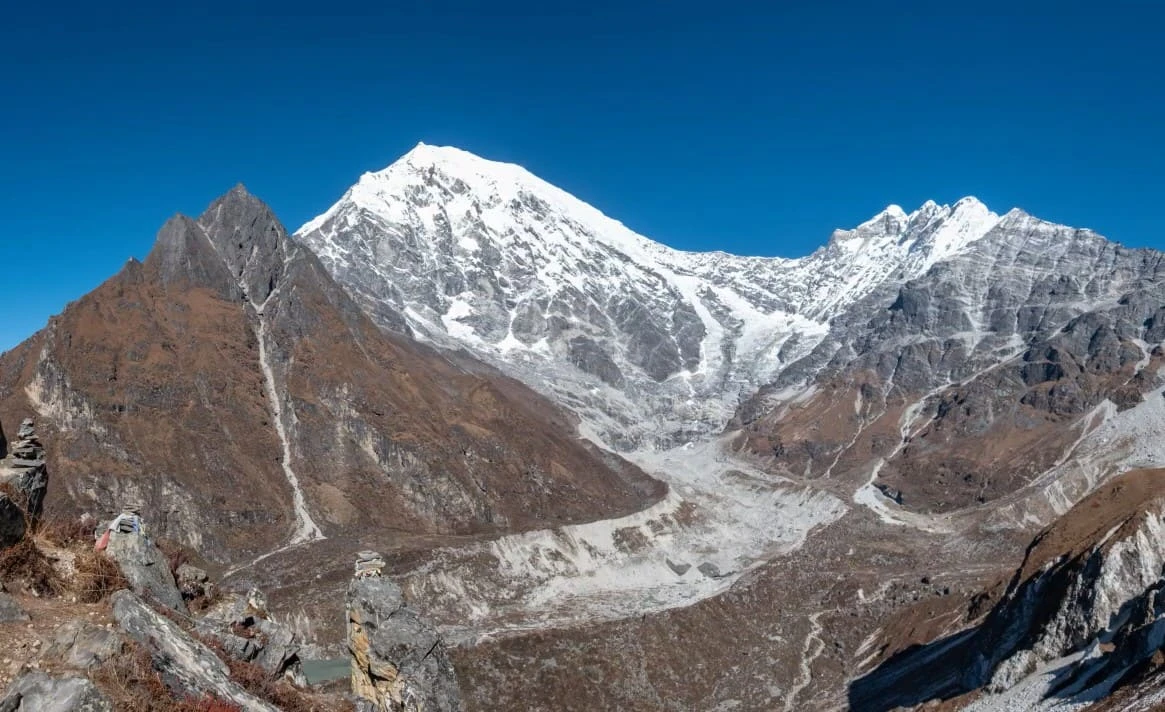
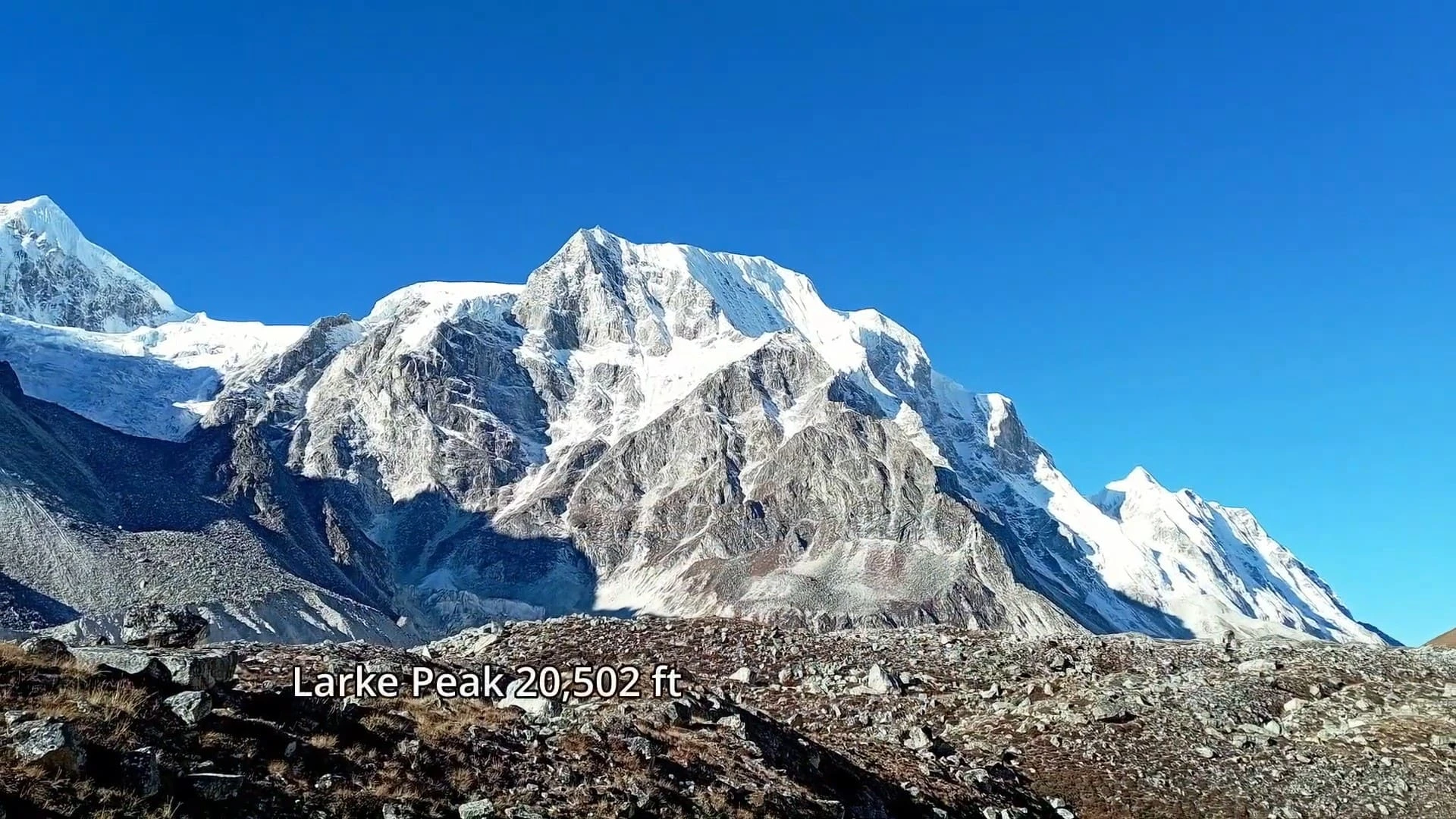
Larke Peak Climbing is an adventurous Himalayan journey that combines trekking in the remote Manaslu Region with a non-technical peak ascent above 5,000 meters. It is ideal for trekkers who want to step into mountaineering while enjoying stunning landscapes and rich culture.
Larke Peak lies near the famous Larkya La Pass along the Manaslu Circuit Trek in northern Nepal, close to the border with Tibet.
Larke Peak Climbing is considered moderately challenging. While it does not require advanced technical climbing skills, it demands good physical fitness, stamina, and the ability to trek and climb at high altitudes.
The highest point of the trip is Larke Peak Base Camp at around 5,135 meters, along with crossing Larkya La Pass (5,160 m). The summit attempt may reach slightly higher depending on the climbing route.
No, prior technical climbing experience is not mandatory. However, previous trekking experience at high altitude is highly recommended. Basic training is provided before the summit attempt.
The best seasons are spring (March to May) and autumn (September to November). During these months, the weather is stable, and mountain views including Mount Manaslu, are at their best.
Yes, crossing Larkya La Pass is a major highlight of the expedition. It offers breathtaking panoramic views and marks a key achievement of the journey.
You will stay in teahouses/lodges during the trek and in tents during the climbing phase at higher altitudes. Accommodation is basic but comfortable considering the remote location.
Teahouses offer a variety of meals including Nepali, Tibetan, and basic international dishes such as dal bhat, noodles, soups, and tea. Meals are nutritious and designed to support high-altitude trekking.
Yes, altitude sickness can be a risk as you go above 5,000 meters. The itinerary includes proper acclimatization days in places like Samagaun and Samdo to help your body adjust safely.
Yes, since the Manaslu Region is a restricted area, you need special permits including the Manaslu Restricted Area Permit and Manaslu Conservation Area Project (MCAP) permit.
The standard itinerary takes around 18–20 days, depending on acclimatization, climbing days, and weather conditions.
Yes, travel insurance is mandatory. It must cover high-altitude trekking and emergency helicopter evacuation in Nepal.
It offers a perfect mix of trekking and climbing in a less crowded region, along with authentic Himalayan culture and stunning views of peaks like Mount Manaslu.
Yes, the itinerary may change due to weather, health conditions, or other unforeseen circumstances to ensure safety and a successful experience.
 Nepal
Nepal
 21
21  Sept - Nov & March - May