
Best Time to Do the Manaslu Expedition
Temba Tsheri Sherpa
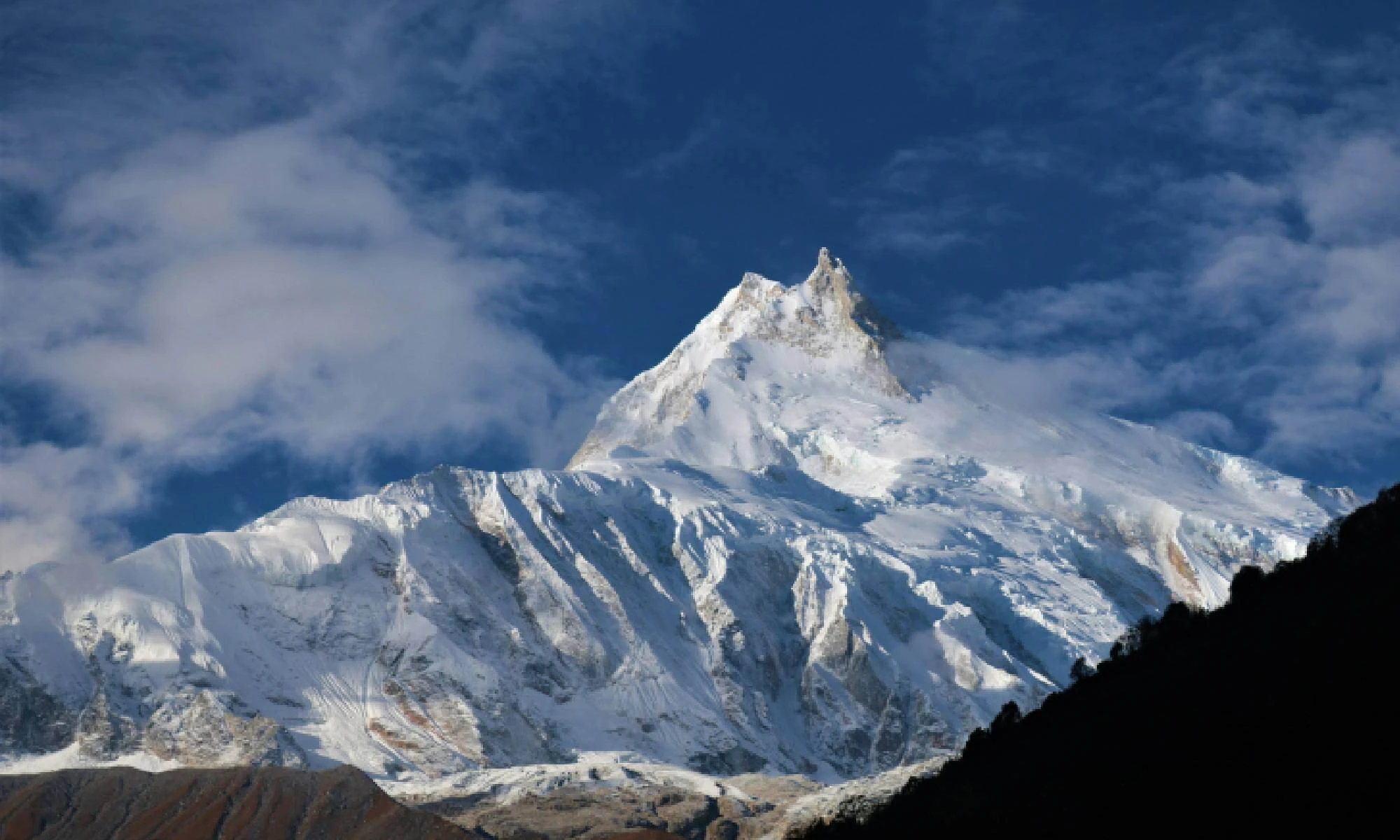
At 8,163 metres, Mount Manaslu is not a mountain that forgives poor planning. The eighth-highest peak on Earth, its name derives from the Sanskrit word for “Mountain of the Spirit” and the mountain lives up to it, rewarding those who approach it with patience and intelligence, punishing those who don’t.
Of all the decisions you’ll make in planning a Manaslu expedition or trek, none matters more than when you go. Get it right, and you’ll cross the Larkya La Pass under crystalline skies with the entire Himalayas laid out before you. Get it wrong, and you’ll be staring at a wall of cloud, navigating a landslide-blocked trail, or pinned down in a teahouse by a blizzard.
This guide gives you everything you need to choose the right window by season, by month, by your experience level, and by what you’re actually hoping to get out of the journey.
Why Timing Defines the Manaslu Experience?
Most Himalayan treks have a forgiving margin. Manaslu doesn’t.
The route spans an extraordinary vertical range from subtropical river valleys at around 700 metres near Soti Khola to the Larkya La Pass at 5,160 metres. That’s not a gradient you can dress for in one layer. Weather at the trailhead and weather at the pass can be entirely different seasons on the same day.
The consequences of poor timing are concrete: avalanche-prone slopes in winter, monsoon landslides that close critical trail sections for days, flash floods that make river crossings genuinely dangerous, and snowstorms that seal off Larkya La without warning. Beyond safety, timing shapes visibility, trail conditions, teahouse availability, crowd levels, and how richly the cultural dimension of the trek comes alive.
The good news is that the decision is simpler than it looks. Two seasons dominate. Within those, two months stand clearly above the rest.
Nepal’s Four Seasons on the Manaslu Route
Spring (March–May)
Temperatures rise, rhododendron forests ignite in red and pink, high passes become safely crossable. A rewarding season with genuine colour and warmth.
Monsoon (June–August)
Persistent heavy rain, landslide risk, leech-infested trails, near-zero mountain visibility. Avoid unless you have specific reasons and extensive monsoon experience.
Autumn (September–November)
Post-monsoon skies are the clearest of the year. Stable weather, dry trails, crisp air, and Nepal’s biggest festival season running alongside your expedition. This is peak season for good reason.
Winter (December–February)
Stark, beautiful, and genuinely dangerous at altitude. Many teahouses close. The Larkya La Pass becomes a serious technical challenge. Suited only to experienced mountaineers with proper cold-weather gear.
One thing to understand before reading further: Nepal’s seasons shift dramatically with elevation. Always plan for the highest point of your route in this case, the Larkya La Pass at 5,160 metres not the elevation where you start.
Why Autumn (September–November) is the Best Season to climb Manaslu?
Ask any experienced Himalayan guide, expedition operator, or veteran trekker. The answer is consistent: autumn is the best season for Manaslu.
After months of monsoon rain, the atmosphere over Nepal transforms in late September. Clouds dissolve. The air turns crisp, and the dust and haze are completely washed away. Manaslu,
Himalchuli, and Ganesh Himal appear startlingly close against deep blue skies, rendered in the kind of clarity that makes you feel you could reach out and touch the ridgelines.
Conditions on the Ground
At lower altitudes, daytime temperatures sit comfortably between 15°C and 20°C ideal for sustained walking. As you ascend to Samagaun, Samdo, and the high camps, temperatures cool to 0–10°C during the day, dropping sharply at night. Trails are dry and firm after the monsoon. The Larkya La Pass is typically free of significant snow and ice, making for the safest crossing conditions of the year.
Cultural Depth
Autumn is also Nepal’s festival season. October and November bring Dashain, the country’s largest Hindu celebration, followed by Tihar, the Festival of Lights, and Chhath Puja. Trekking through Manaslu villages during these weeks, you’ll encounter prayer flags snapping in mountain wind, monasteries alive with ceremony, and a warmth from local families that no other season quite matches. The physical journey and the cultural one run in parallel.
Practical Notes
Teahouses are fully operational. Guides and porters are widely available. Trail infrastructure is at its best. The trade-off: October can feel especially busy on popular sections. Book permits and accommodation at least two to three months ahead.
Why is Spring (March–May) the Second-Best Window for the Manaslu expedition?
Spring holds a particular magic that autumn cannot offer. If the autumn window doesn’t work for your schedule, spring is an excellent choice, and for some travellers, the preferred one.
What Makes Spring Special?
March brings the first signs of life returning to higher elevations. Teahouses reopen from mid-month as locals return from lower-altitude wintering grounds. The landscape transformation is vivid: rhododendron forests around Deng and Lho erupt in shades of red, pink, and white, brilliant against the snow-capped peaks above. It’s a different kind of beauty than autumn’s sharp clarity, richer and more chaotic.
Conditions on the Ground
Daytime temperatures at lower elevations range from 10°C to 18°C, comfortable for trekking in light layers. At Samdo and the high camps, nights can drop to around -6°C, so a quality sleeping bag and down jacket remain essential. Skies are generally clear, especially in the mornings. Afternoon cloud buildup is more common in spring than in autumn, so bring waterproof gear and expect to use it.
The Strongest Spring Months
April is the sweet spot: rhododendrons in full bloom, pleasant temperatures at all elevations, and Larkya La snow melted sufficiently for a safe crossing. May is warmer with more pre-monsoon cloud activity still good, but earlier in spring is generally preferred for cleaner views. March is viable for experienced trekkers, but residual winter snow can make the pass descent slippery.
Why should you avoid the monsoon (June–August)? Honest Advice
For most people: no.
The monsoon transforms Manaslu into a genuinely hazardous environment. The region receives around 300mm of rain in June alone. Rivers swell to dangerous levels. Trails become muddy obstacle courses. Landslides block critical route sections for days at a time. Leeches are a constant companion on lower trails. Mountain visibility drops to near zero as dense cloud permanently wraps the peaks.
There is a limited case for experienced trekkers who value solitude above all else the forests are intensely lush, wildflowers persist at various elevations, and you’ll have the trail to yourself. But the risks consistently outweigh those rewards for the vast majority of visitors.
If you must travel in this period, stick to lower elevations, avoid river crossings after heavy rainfall, and maintain daily contact with your guide about trail conditions.
Winter (December–February): Beauty With Serious Consequences
Winter offers stark, photographic beauty and absolute solitude. It also demands a level of preparation that goes well beyond standard trekking.
Temperatures at high elevations drop regularly below -15°C at night. At Larkya La, strong winds combine with heavy snowfall to create genuinely dangerous conditions the trail can disappear under snow, making navigation difficult and footing treacherous. Many teahouses between Samagaun and Dharapani close in the deepest months. Emergency rescue, if needed, becomes significantly more complicated.
The reward for those equipped to handle it: razor-sharp mountain views (winter skies are among the clearest of the year), snow-draped forests, frozen waterfalls, and days without seeing another trekker.
Winter expeditions suit very experienced mountaineers with crampons, ice axes, expedition-grade sleeping bags, and extensive layering systems. If this is your first time in Nepal or your first time above 4,000 metres, winter is not the season to learn these lessons.
Month-by-Month Conditions for Climbing Manaslu
| Month | Weather | Trail Conditions | Verdict |
| January | Extreme cold, heavy altitude snowfall | Larkya La often impassable, many teahouses closed |
Not recommended
|
| February | Cold but improving; sunny days possible | Snow on high passes, icy overnight |
Experienced only
|
| March | Spring begins, warming temperatures | Trails reopening; teahouses from mid-month |
Good
|
| April | Warm, rhododendrons in bloom | Excellent conditions, pass accessible |
Excellent
|
| May | Warm, pre-monsoon cloud developing | Good conditions; afternoon cloud buildup |
Good
|
| June | Monsoon begins, warm and wet | Slippery trails, rising landslide risk |
Risky
|
| July | Peak monsoon, heavy rainfall | High landslide risk, dangerous rivers |
Not recommended
|
| August | Monsoon continues, improving toward month-end | Similar to July until late August |
Not recommended
|
| September | Monsoon clears, trails drying | Fresh landscapes, rapidly improving visibility |
Good
|
| October | Perfect autumn weather | Dry trails, crystal skies, best conditions of the year |
Best month
|
| November | Cooler but clear | Excellent visibility; colder nights at altitude |
Excellent
|
| December | Winter arriving, temperatures dropping | Fewer trekkers; teahouses beginning to close |
Experienced only
|
Best season to cross the Larke La Pass
The Larkya La at 5,160 metres is the crown of the Manaslu Circuit and the point where your timing choice has the highest stakes.
Autumn (September–November)
The safest and most reliable crossing window. By October, monsoon moisture has cleared completely, leaving the pass free of significant snow and ice. The weather is stable, winds are manageable, and any weather changes are visible well in advance.
Spring (March–May)
Crossable, but with more variability. In early March, residual winter snow can make the descent slippery. By April, conditions are generally good. In May, pre-monsoon clouds can develop quickly another reason to start before dawn.
Winter (December–February)
Only for experienced mountaineers with technical gear crampons, ice axes, ropes. Heavy snowfall can render the trail invisible. Wind speeds at the pass can be severe. A number of fatalities in the Manaslu region have occurred during winter pass crossings.
Monsoon (June–August)
Strongly discouraged. Trails to the pass become unstable and prone to rockfall. Visibility is frequently too poor to navigate safely at altitude.
One rule, regardless of season
Begin the Larkya La crossing between 3am and 5am. Morning conditions are consistently calmer, clearer, and safer. Afternoon weather on the pass can deteriorate with very little warning.
Permits and Logistics by Season for Manaslu Expedition
The Manaslu region is a restricted trekking area. All visitors must arrange permits through a registered trekking agency; independent trekking is not permitted. Three separate permits are required:
- Manaslu Restricted Area Permit (RAP) arranged through a registered agency only.
- Manaslu Conservation Area Permit (MCAP)
- Annapurna Conservation Area Permit (ACAP) required for the final section toward Dharapani
Permit costs vary by season and group size, and fees are periodically revised. Confirm current rates with your trekking agency before booking.
Crowd levels by season:
- Autumn: Peak season. October sees the highest concentration of trekkers. Book 2–3 months in advance, especially for Samagaun and Samdo.
- Spring: Busy, particularly April. Advance booking still strongly advised.
- Monsoon: Very quiet. Services reduced or unavailable.
- Winter: The quietest season. Many teahouses closed; isolation cuts both ways.
Choosing Your Season by Experience and Goals
First-time trekkers in Nepal
Choose October. The weather is at its most reliable, teahouses are fully operational, emergency support is most accessible, and trail conditions are at their safest. Don’t complicate your first Himalayan experience with a marginal season choice.
Intermediate trekkers
April is an excellent target, with slightly fewer crowds than October, rhododendrons in full bloom, and good overall conditions. Late September, just as the monsoon clears, rewards those comfortable with some variability.
Experienced mountaineers
Summit expedition windows follow the same spring and autumn pattern as trekking. Some highly experienced climbers attempt winter expeditions on Manaslu’s upper mountain, but these require technical skills and equipment well beyond standard high-altitude preparation.
Budget-conscious travellers
Consider shoulder periods late September, before the main autumn rush, or early November as crowds thin. Permit costs stay the same, but teahouse prices and guide fees may be more negotiable.
Photography
October for mountain photography, with the clearest skies, sharpest light, and most vivid contrasts. April for rhododendron colour against snow. Both are exceptional; October edges ahead for pure mountain work.
Solitude seekers
Late November offers quieter trails with still-manageable conditions. Early March, at the start of spring before crowds build, is another option for experienced trekkers willing to encounter some residual snow.
Mu suggestion to you for Manaslu Expedition
October. It’s not a close call.
Post-monsoon clarity. Ideal temperatures at every elevation. Larkya La at its safest and most reliable. Full teahouse infrastructure. Guides and porters available. Dashain and Tihar fill the villages with life. Day after day of cloudless skies over one of the most spectacular mountain landscapes on Earth.
April is the best alternative to rhododendrons in bloom, pleasant conditions, excellent visibility for those who cannot travel in autumn.
| Your Priority | Best Choice |
| Best overall experience | October |
| Mountain views and photography | October |
| Rhododendrons and colour | April |
| Fewer crowds | Late November or early March |
| Budget trekking | Late September or early November |
| Solitude (experienced only) | December–February |
Whatever month you choose, the fundamentals don’t change: hire a licensed guide, arrange permits through a registered agency, invest in quality gear for the full altitude range of the route, and give yourself enough time to acclimatise properly.
Manaslu is one of the most extraordinary places on Earth. Come prepared, and it will give you back something you won’t find anywhere else.
Suggested Read: